Seungjoon Song (b. 1993) reexamines the cultural and historical contexts surrounding the concept of nature and explores how the biases and misconceptions produced by this concept shape and regulate our reality. Using “design” as a mediating tool to dismantle the dualistic thinking between humans and nature, he redefines the notion of nature from an interrelational, ecological perspective.


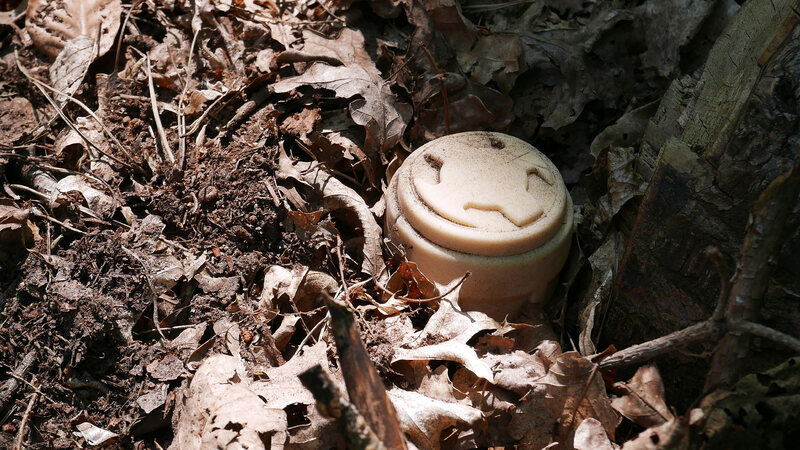
Seungjoon Song, M14 Bubble Gum, 2021, Gum base, Corn syrup, Natural flavor (grape), Dimensions variable ©Seungjoon Song

Song has continued his practice with attention to the way contemporary humanity uses nature as a concept that divides the world into “civilized” and “uncivilized (wild).” In his artist notes, he points out that this division ultimately produces a cognitive dissonance in which humans regard themselves as part of nature while simultaneously imagining the ideal form of nature as “untouched nature,” a nature without human presence.
 
Furthermore, the artist sees this cognitive dissonance as giving rise to the uncritical idealization of lush, green landscapes, while forgetting how such seemingly untouched environments were actually formed.
 
Sites marked by human-made tragedies—such as the Korean Demilitarized Zone (DMZ), Chernobyl, and Fukushima—have, ironically, been idealized as pristine natural environments that have recovered their former ecological state precisely because they remained untouched by human hands for extended periods of time.


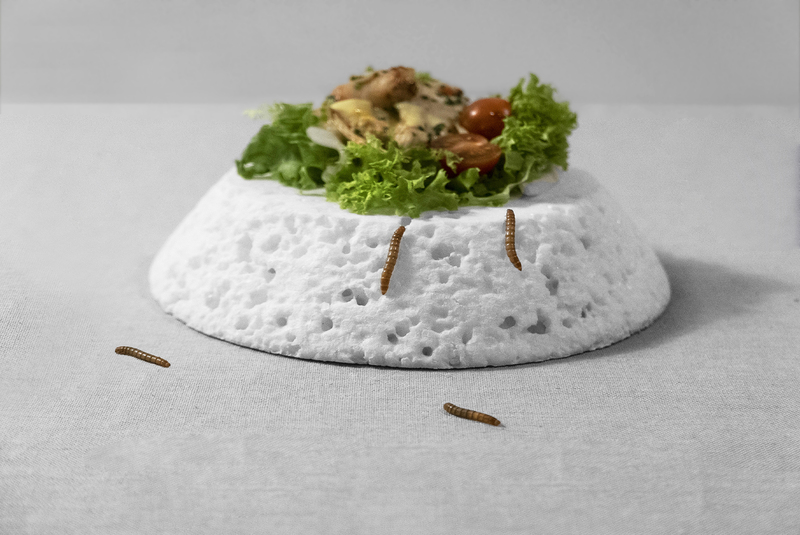
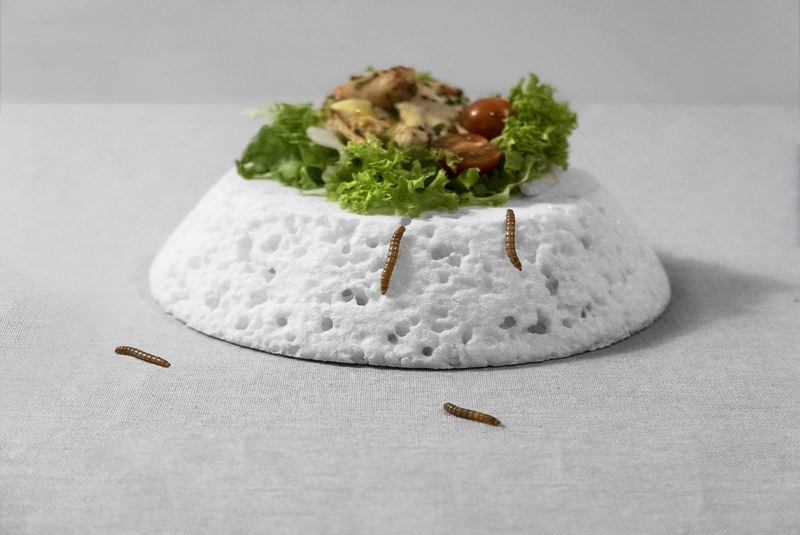
Seungjoon Song, Organic Salad, 2020 ©Seungjoon Song

Song underscores the paradox embedded in the concept of nature by suggesting that today’s “no-man’s-land” ecosystems—those we idealize as untouched nature—are, in fact, often created through forms of violence that threaten human life.
 
The artist moves beyond an anthropocentric view of nature, instead engaging in a comprehensive inquiry into nature and the various contexts surrounding it. He then translates the realities he observes into the languages of art and design through metaphor. For instance, his 2020 work Organic Salad highlights how humans intervene in the Earth’s ecosystems and reflects on how the consequences of such interventions inevitably return to us.


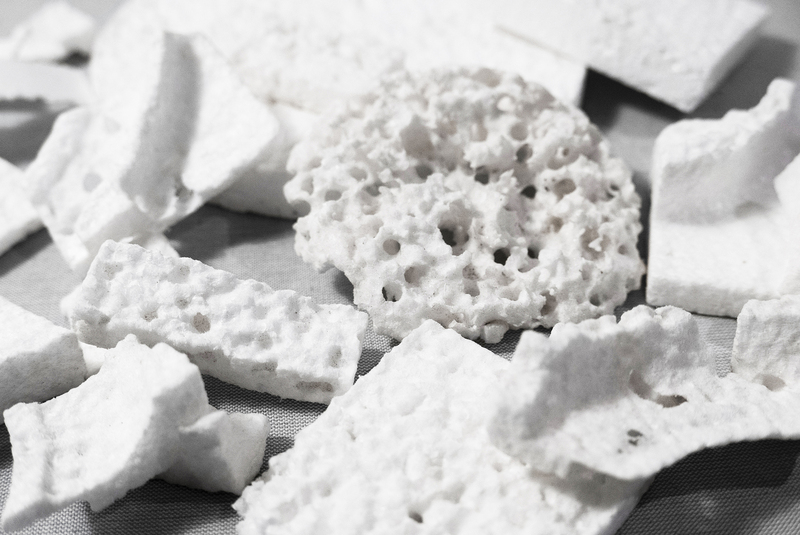
Seungjoon Song, Organic Salad, 2020 ©Seungjoon Song

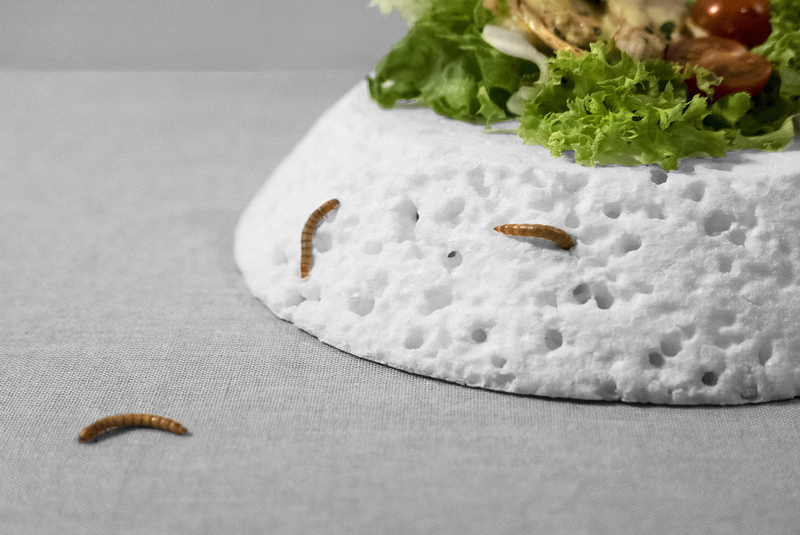
This work began from the artist’s chance encounter with an article during web browsing, which stated that mealworms can naturally decompose Styrofoam. Soil invertebrates such as mealworms are generally understood to play a role in the Earth’s ecosystem by breaking down waste and producing organic matter that contributes to healthy soil formation.
 
However, when mealworms consume Styrofoam, although the worms themselves are not harmed, the organic matter they excrete retains microplastic particles and the large quantities of flame retardants used in the production of Styrofoam. It was at this point that the artist recognized a reversal in the ecological role of the mealworm.


Seungjoon Song, Organic Salad, 2020 ©Seungjoon Song

Building on this idea, he fed Styrofoam to the mealworms, extracted the toxic organic matter they produced, mixed it with soil, and cultivated vegetables in it for a month to design a salad. Because the vegetables were grown using organic matter produced by invertebrates, the salad is, in a literal sense, “organic.” Yet it is unsettling to regard it as “healthy,” as the term organic typically implies.
 
Organic Salad is both Song’s metaphor for the fractures humanity has inflicted upon the Earth’s ecosystems and a condensation of the “invisible catastrophes” that are now returning to humans—much like COVID-19. His Organic Salad, which cannot truly be called organic, extends beyond a mere artwork and gestures toward an imminent future ecological condition.


Installation view of 《Design Academy Eindhoven GS22, Dutch Design Week》 (Design Academy Eindhoven, 2022) ©Seungjoon Song

After this, Seungjoon Song began developing a body of work focused on the ecosystem of the Korean Demilitarized Zone (DMZ). To do so, he conducted extensive research on the DMZ environment and considered how to reveal the realities concealed beneath the misguided idealization of untouched nature.
 
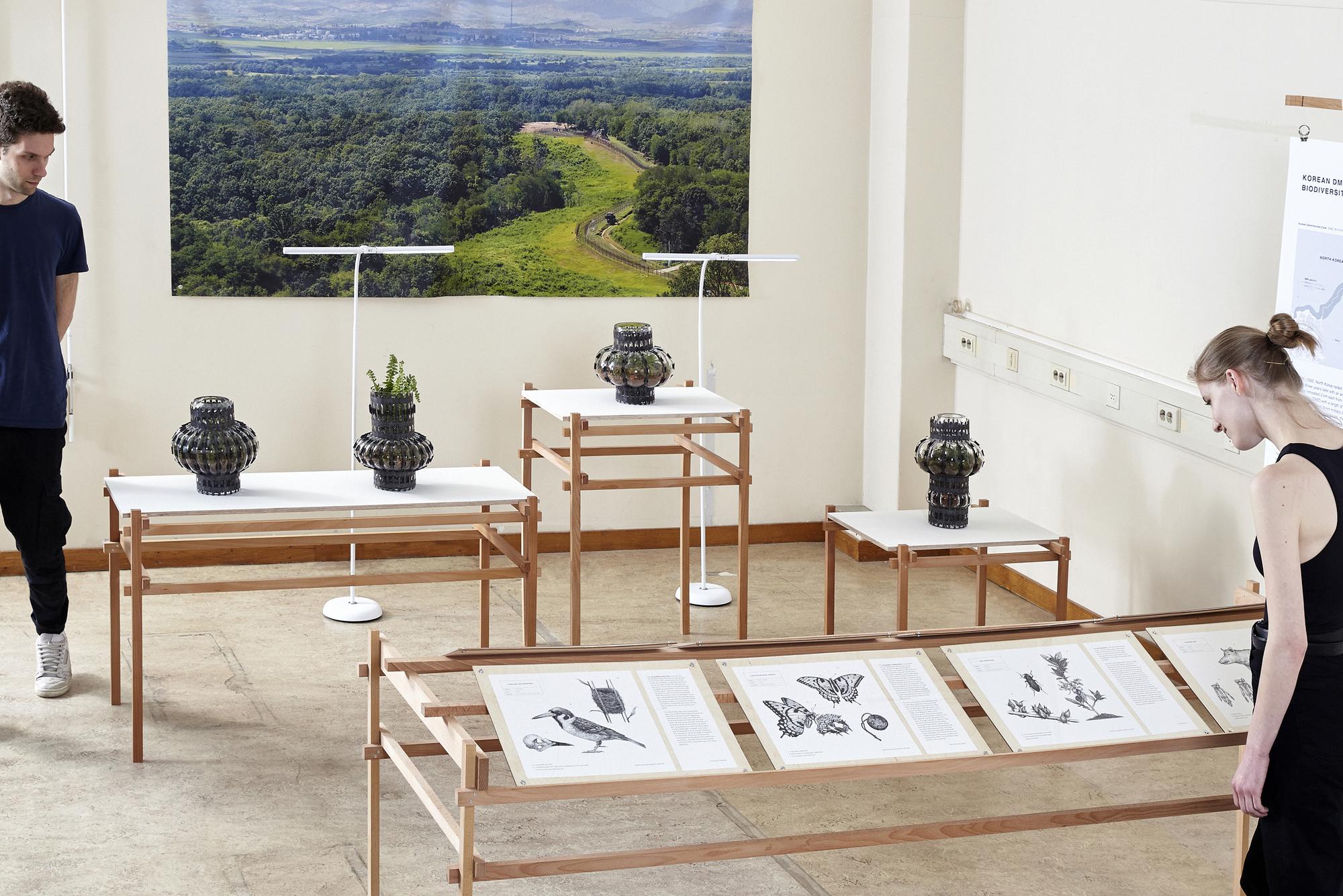
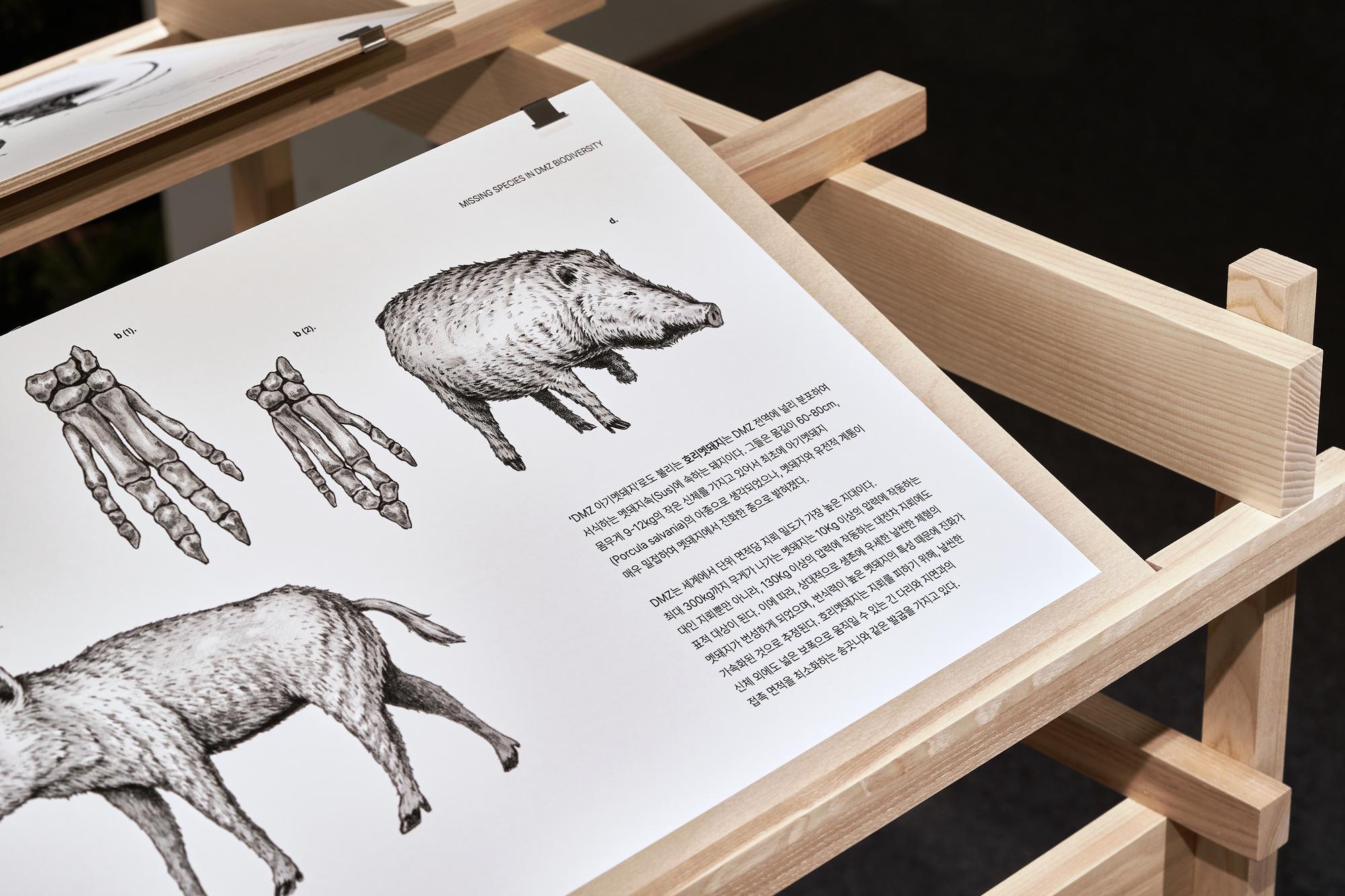
For example, Missing Species in DMZ Biodiversity (2022) began with a focus on the inaccuracy of biodiversity data from the DMZ. In fact, the archiving of biodiversity data in the DMZ has long been restricted due to political violence. As a result, most of the ecological information is inferred from surveys conducted not within the DMZ itself but in the surrounding Civilian Control Zone (CCZ).


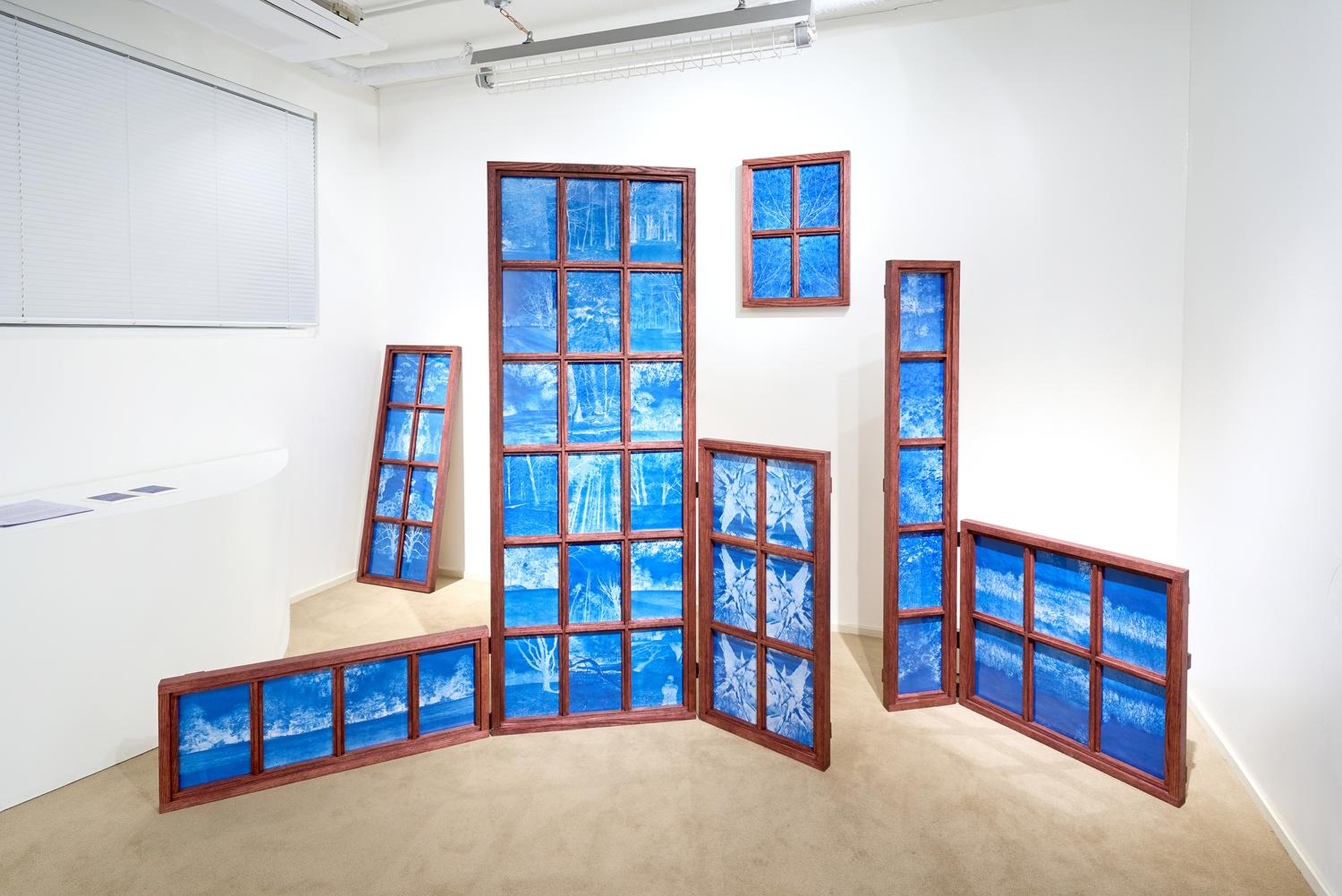
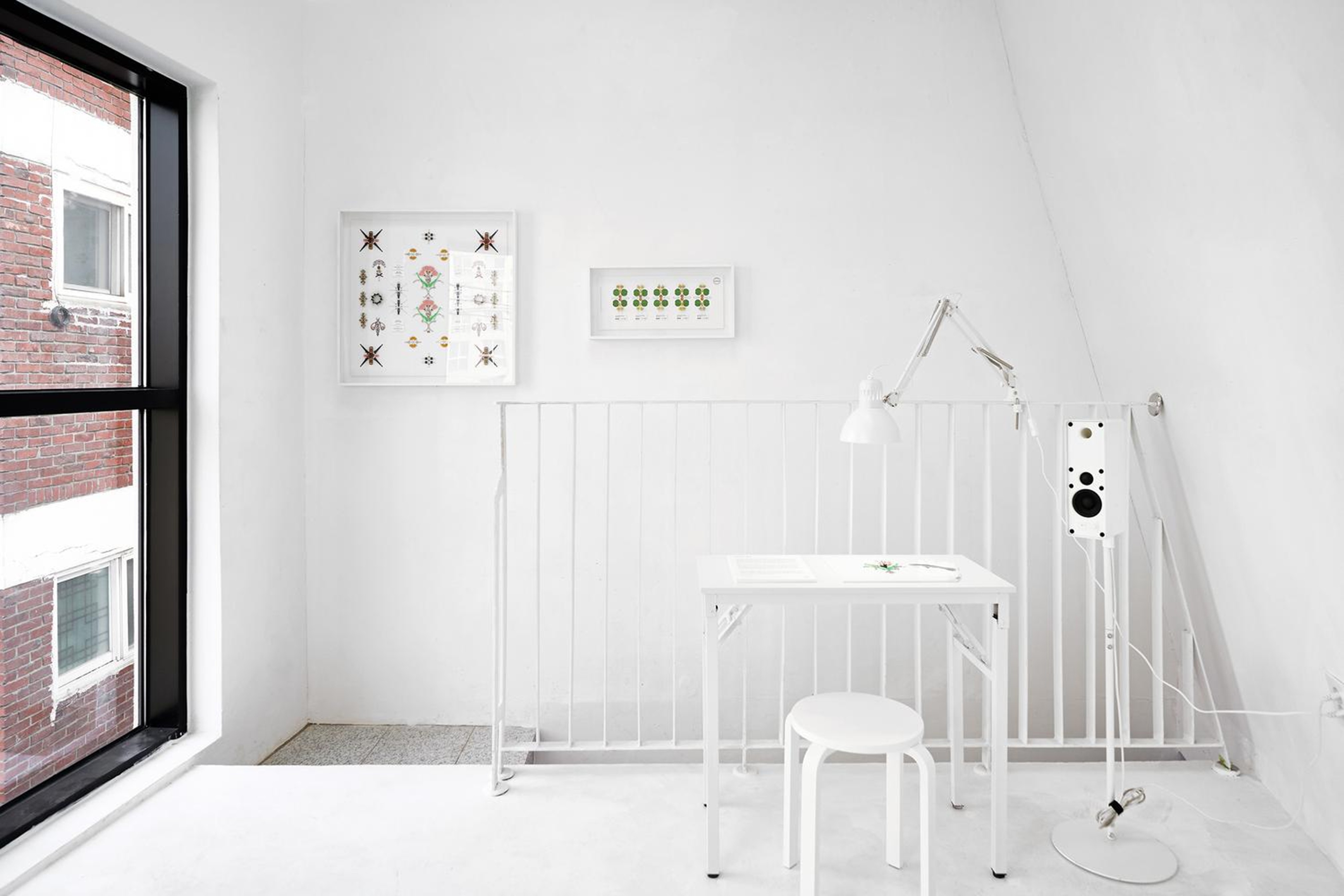
Installation view of 《Missing Species in DMZ Biodiversity》 (Crafts On The Hill, 2023) ©Seungjoon Song

The artist anticipated that many unrecorded species might inhabit the area and envisioned eight fictional organisms that speak to the uncanny symbiosis and evolution occurring alongside the DMZ’s violent infrastructure.
 
Although the DMZ is a real geographic space, it is simultaneously a fictional one, as it is inaccessible and cannot be entered. For this reason, the life-forms in Missing Species in DMZ Biodiversity exist only within his imagined scenario—yet no one can definitively claim that they do not exist there in reality.


Installation view of 《Missing Species in DMZ Biodiversity》 (Crafts On The Hill, 2023) ©Seungjoon Song

The artist also drew attention to the paradoxical fact that the species inhabiting the DMZ—now recognized as a crucial ecological axis of the Korean Peninsula—require the zone’s violent infrastructures in order to sustain stable lives.
 
Violent objects such as undiscovered landmines, barbed-wire fences, and guard posts are the very elements that make possible this “nature without humans,” or in other words, a “pure nature.” The artist sees the DMZ ecosystem as “a concept that chillingly illustrates how so-called pure nature is achieved through violence.”


Seungjoon Song, Korean DMZ Ecology Diomrama, 2022 ©Seungjoon Song

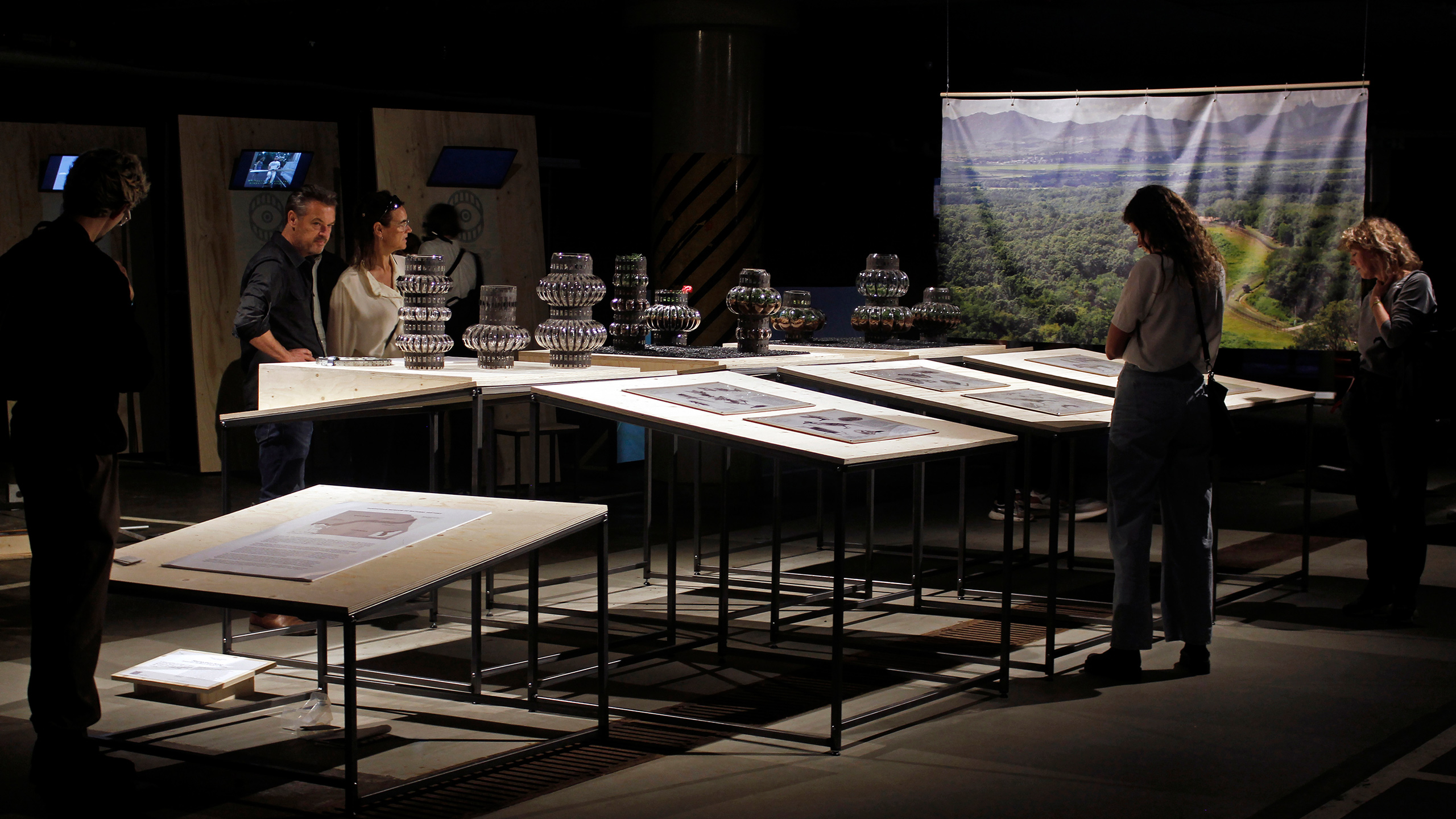
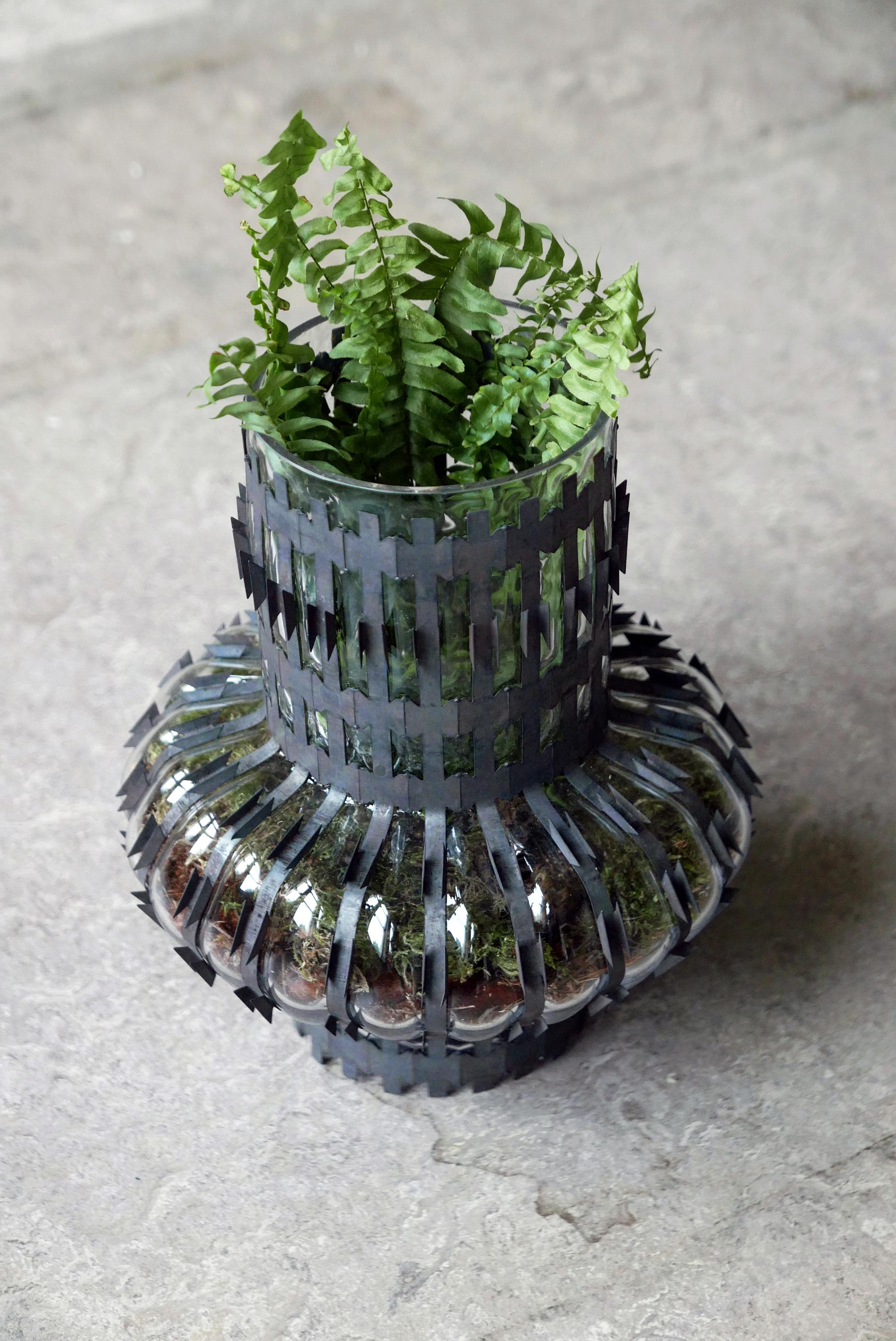
This line of thought soon led to the work Korean DMZ Ecology Diorama (2022), a miniature representation of the DMZ ecosystem. The artist blew glass into a sharp barbed-wire structure—cut, welded, and bent by hand—as if breathing life into it. The glass expands through the gaps in the barbed wire, adapting to its violence and creating an entangled space.
 
If the barbed wire were to be separated from the vase, the glass and the ecosystem within it would collapse in a chain reaction. This inseparable relationship between the glass and the barbed wire embodies the DMZ ecosystem, which requires and depends on violence in order to sustain its current state.


Seungjoon Song, Suspicious Museum of Natural History, 2022, Installation view of 《Design Academy Eindhoven GS22, Dutch Design Week》 (Design Academy Eindhoven, 2022) ©Seungjoon Song

Furthermore, in Suspicious Museum of Natural History (2022), Seungjoon Song sought to reveal the unsettling underlying structure of the concept of “untouched nature” through the DMZ ecosystem, which has been largely inaccessible to humans for the past seventy years. In this work, he proposed an imaginative DMZ ecosystem diorama that reproduces the biodiversity archives and habitats coexisting with the DMZ’s violent infrastructure.
 
By reinterpreting the DMZ ecosystem—shaped by human absence—through the cultural trope of natural history museums, which rely on close human observation, he encourages viewers to reconsider the contradictions inherent in the human perspective.


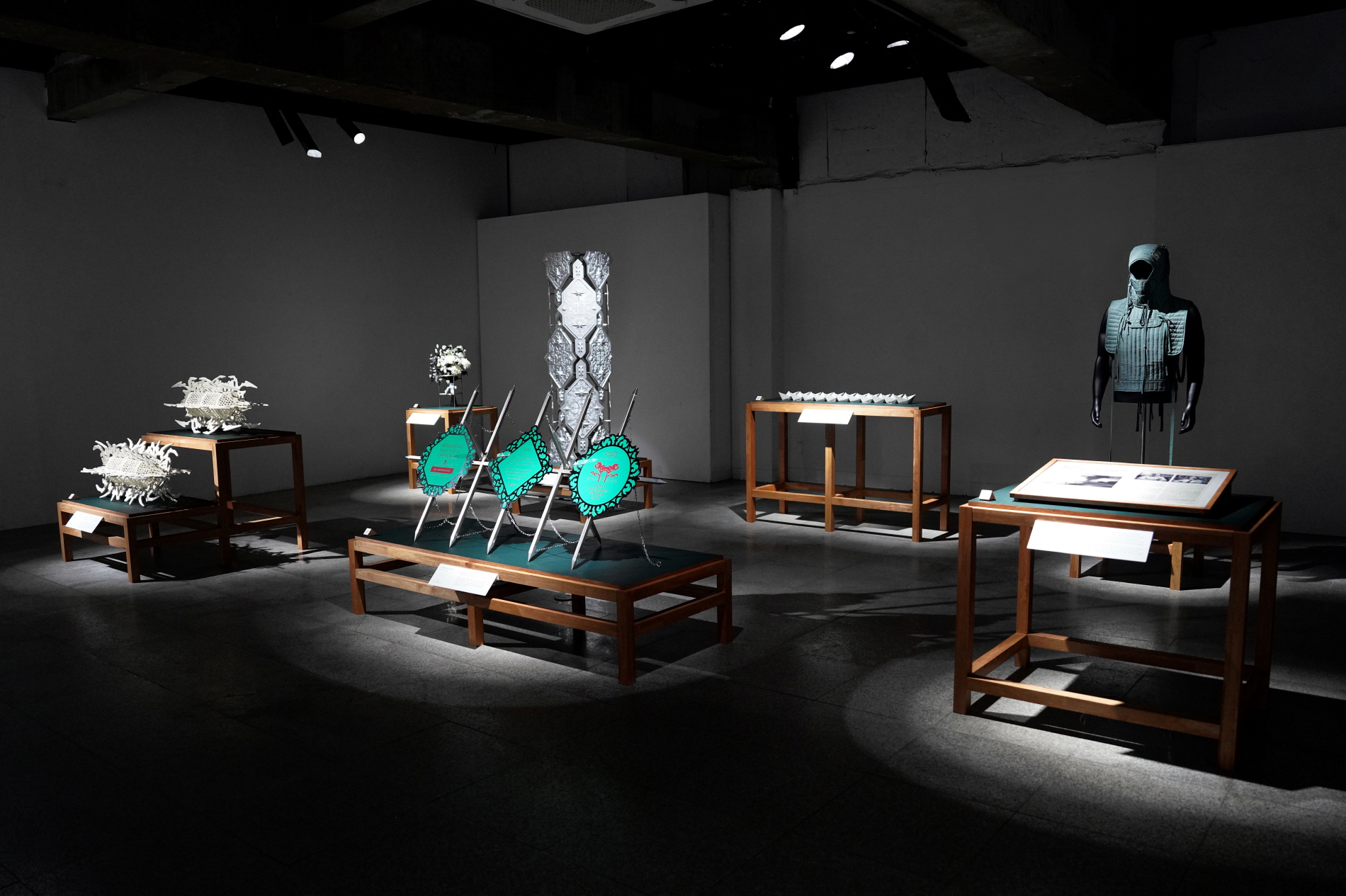
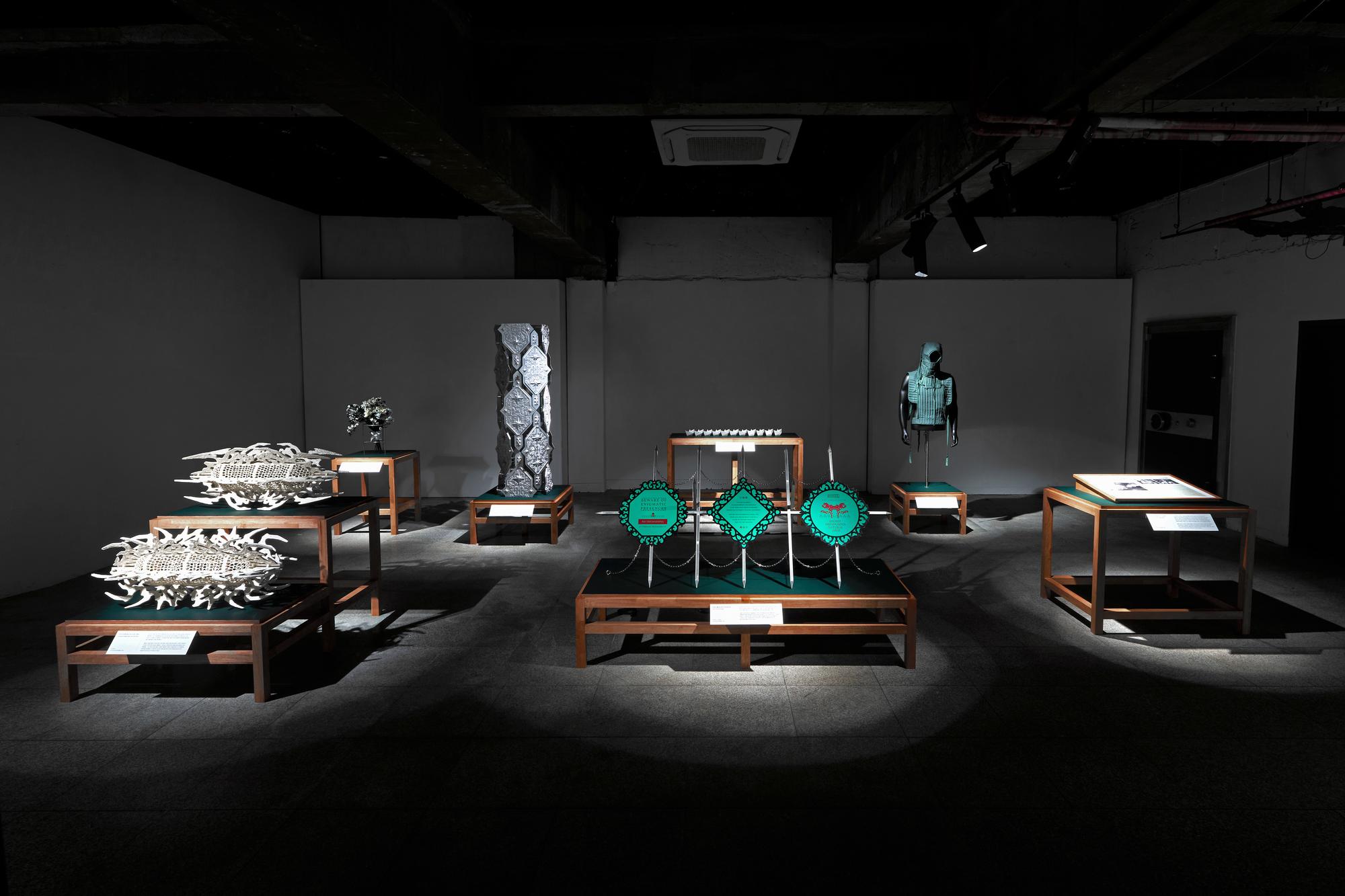
Installation view of 《HYPER GREEN ZONE》 (Post Territory Ujeongguk, 2024) ©Seungjoon Song

In this way, Seungjoon Song has consistently been interested in the paradoxical aspect of contemporary no-man’s-lands—such as the DMZ, Chernobyl, and Fukushima—which, while dangerous zones inhabited by violent objects like weapons of war and radiation, paradoxically allow for the realization of idealized nature.
 
In his 2024 solo exhibition 《HYPER GREEN ZONE》 at Post Territory Ujeongguk, he dramatically staged the unsettling and contradictory aspects of the concept of nature, as gleaned from modern no-man’s-lands, through a dystopian vision of humanity isolated within a threatening green zone.


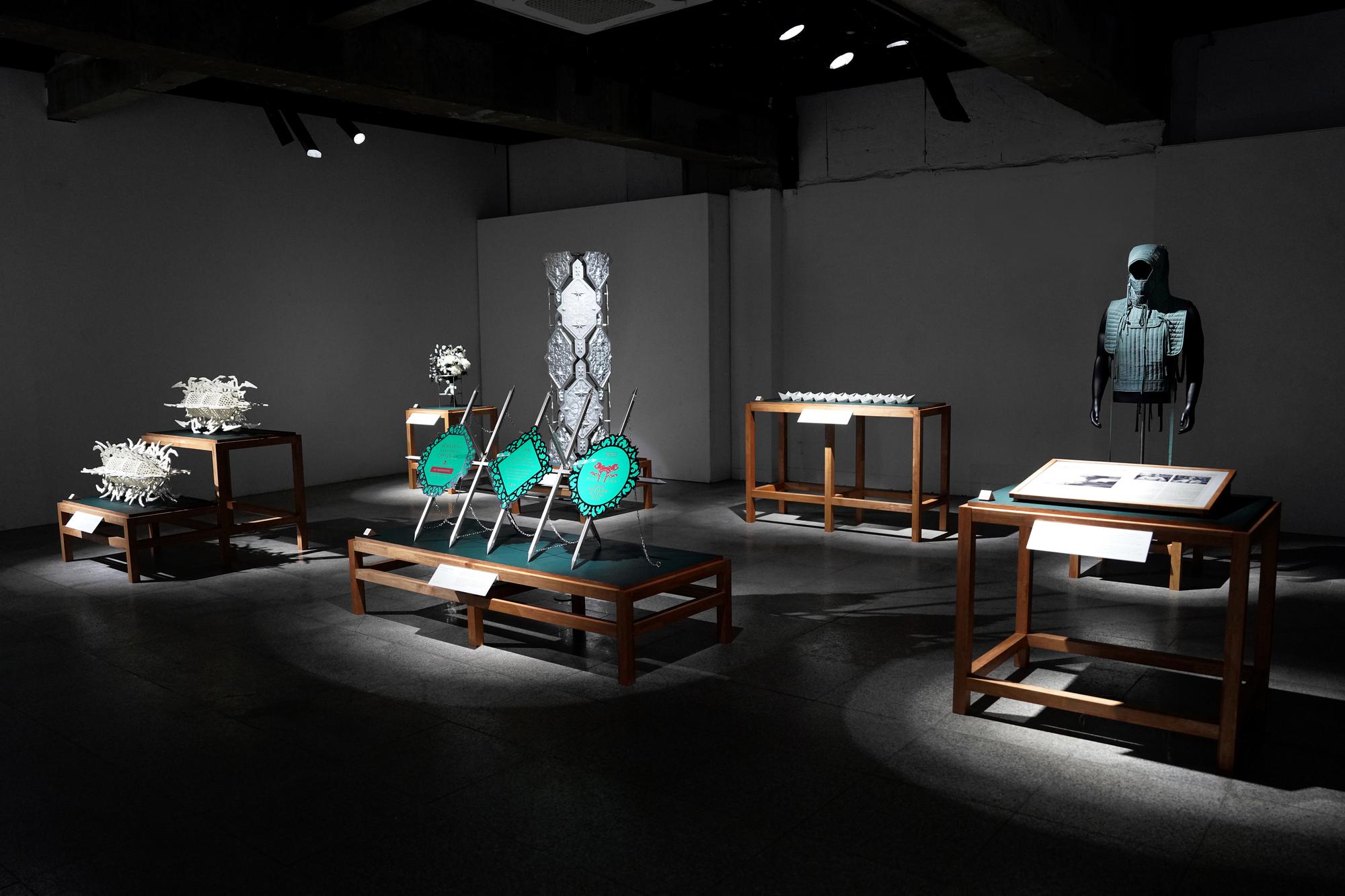
Installation view of 《HYPER GREEN ZONE》 (Post Territory Ujeongguk, 2024) ©Seungjoon Song

The exhibition presents seven imagined objects discovered within this era, displayed in the format of a history museum, with each object documenting tragic facets of the time from multiple perspectives.
 
In the worldview of the “Hyper Green Zone,” where the meaning of green is subverted into threat and fear, viewers are invited to an apocalypse shaped by “untouched nature,” symbolizing idealized nature. The exhibition appeals for a deconstruction of the dichotomy between humans and nature and a redefinition of what constitutes ideal nature.


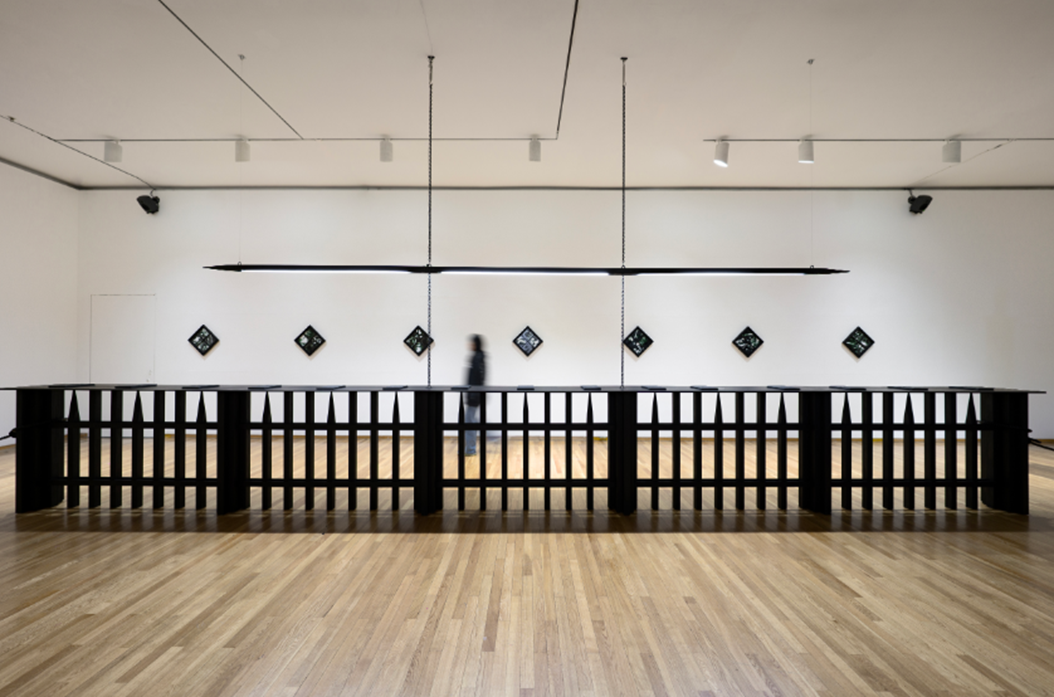
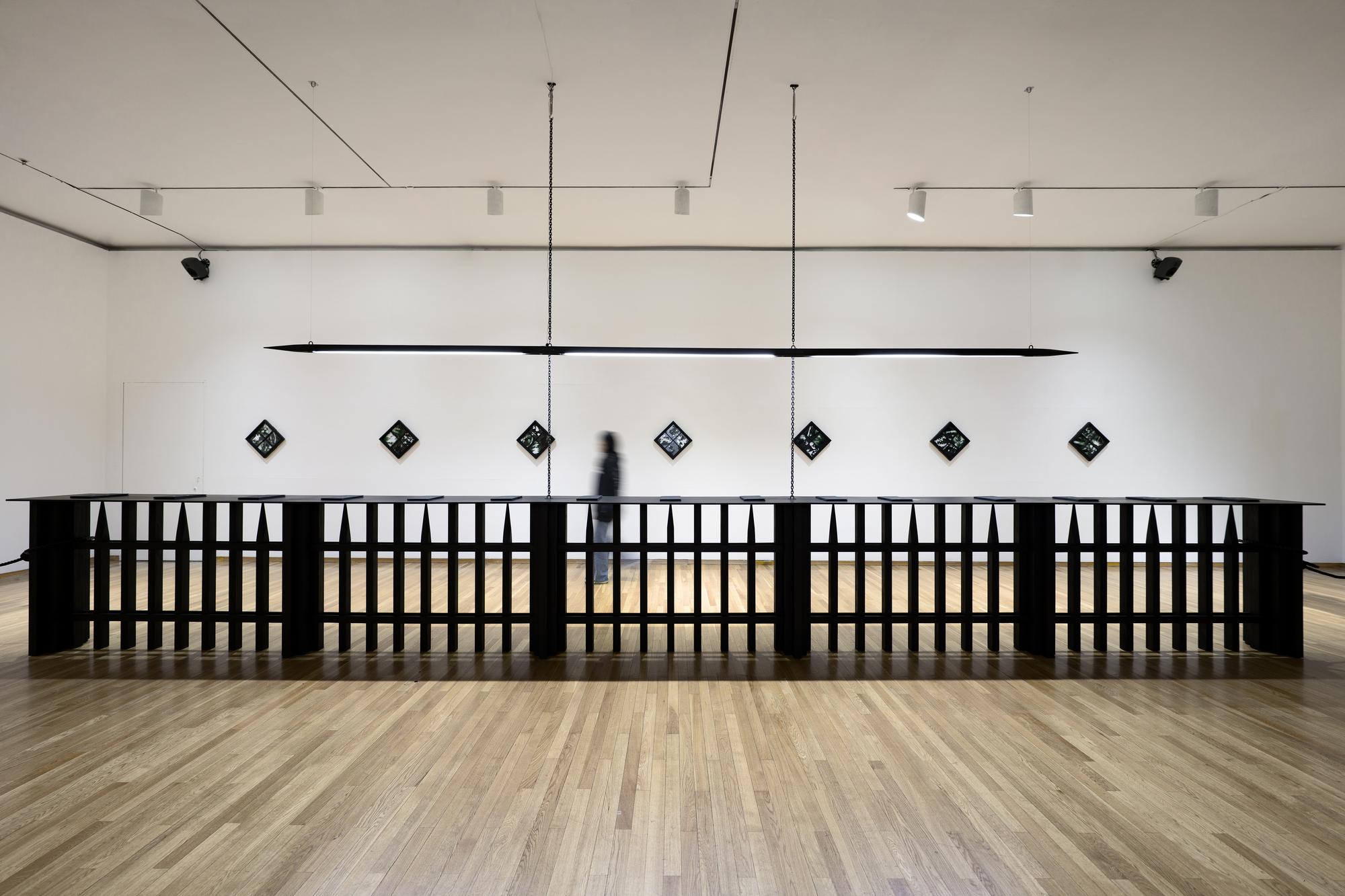
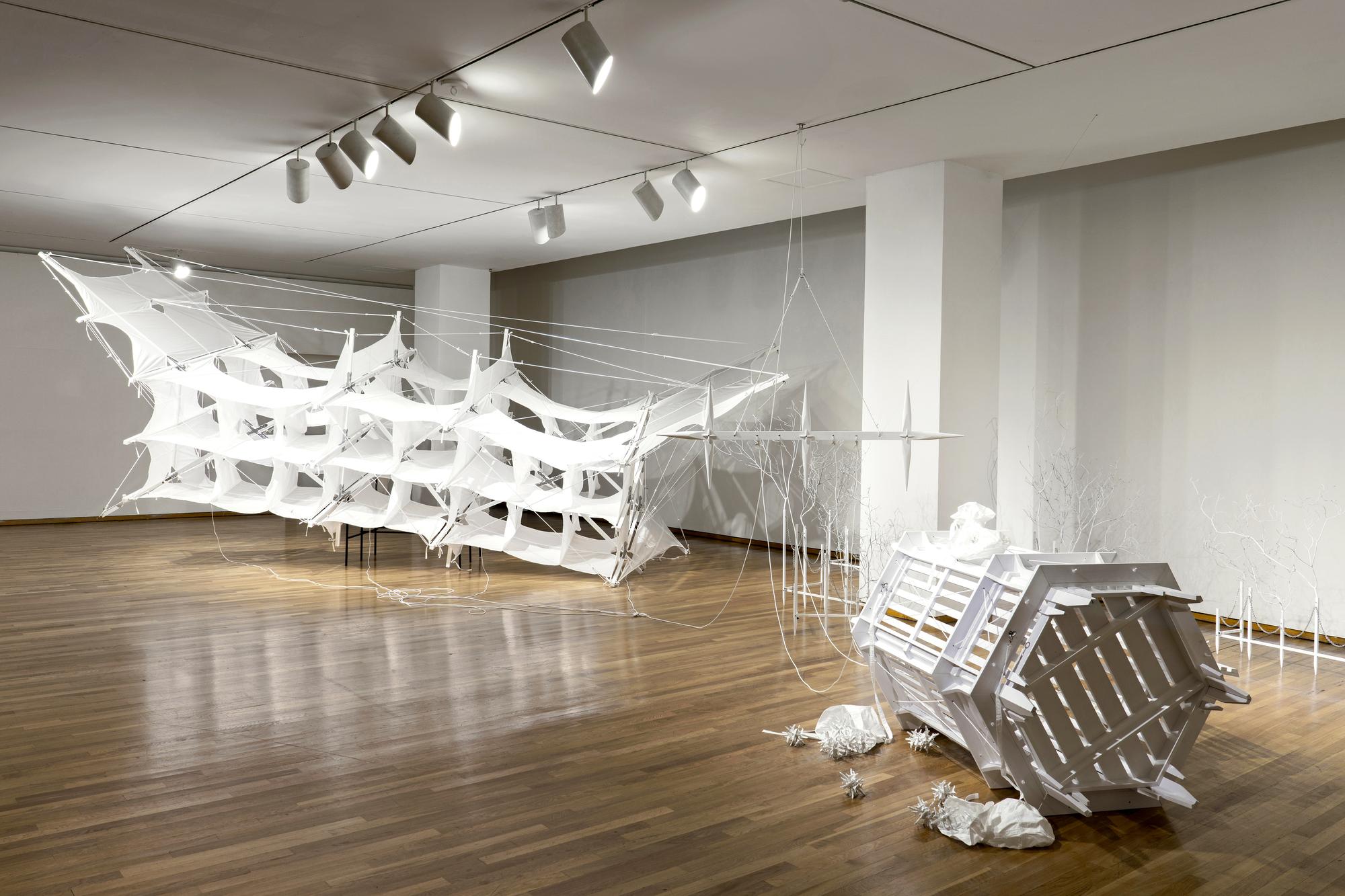
Installation view of 《The Pollinator》 (Kumho Museum of Art, 2025) ©Seungjoon Song

Subsequently, Seungjoon Song continued to expand the worldview of the “Hyper Green Zone” through his 2025 solo exhibition 《The Pollinator》 at Kumho Museum of Art. The exhibition was centered around a speculative essay titled An Essay by a Proximian (2025), written by a fictional character.
 
Set in a fictional floating refugee camp called Proxima, the scenario follows the protagonist's struggles with life in the air within a dystopian future, as well as the pursuit of infinite wind despite being a finite being.
 
From the perspective of a no-man’s-land, this scenario surveys the sky and critically examines the romanticized imagination of nature that conceals its destructive power, drawing attention instead to the cycles of life and the indifferent flow of nature that persist independently of human existence.


Installation view of 《The Pollinator》 (Kumho Museum of Art, 2025) ©Seungjoon Song

This emphasizes that no-man’s-land ecosystems should be understood as instructive spaces that reveal the destructive power of nature and the finitude of humanity, highlighting the gap between human perception of nature and nature as it exists.
 
In this way, Seungjoon Song’s work can be seen as an effort to move beyond the concept of nature interpreted from a human perspective and to understand nature from an ecological standpoint. It encourages us to view nature not as an object perpetually at humanity’s disposal, but as an independent, relational subject that interacts with humans and other forms of life.

 ”Ultimately, all concerns for nature are, at their core, concerns for humanity—reflections of our desperate struggle to survive on Earth. Therefore, we must redefine the relationship between humans and nature, embracing a perspective that sees nature as deeply intertwined with human existence. This requires open discussions and active exploration of ways to coexist.
 
We must recognize the ceaseless, indifferent flow of nature and bridge the gap between our perception of it and its actual state. The idealization of untouched nature fosters passivity and detachment in our approach to coexisting with non-human life, ultimately fueling a vicious cycle of apathy toward the Earth's environment.”
 
 
(Seungjoon Song, Artist’s Note) 


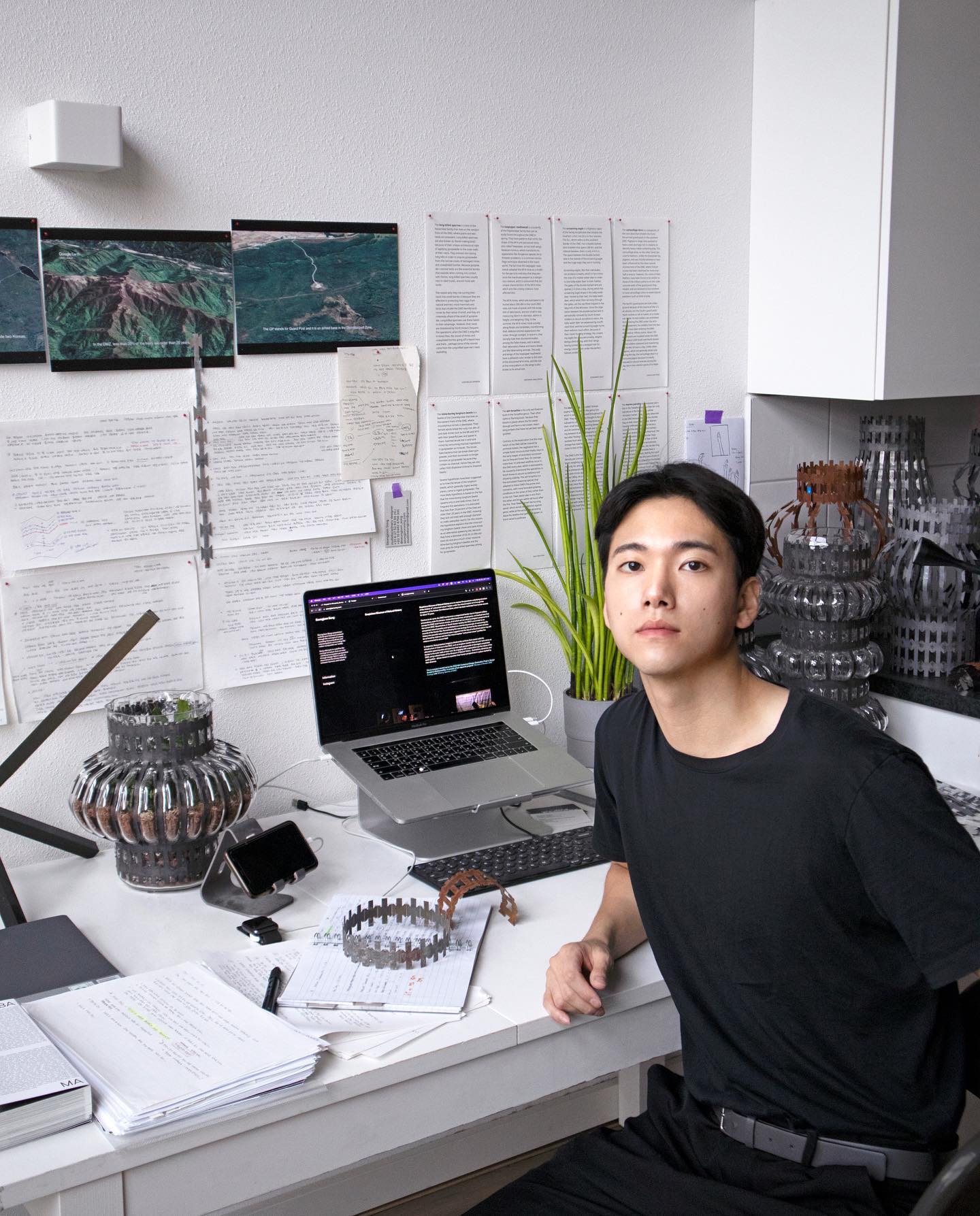
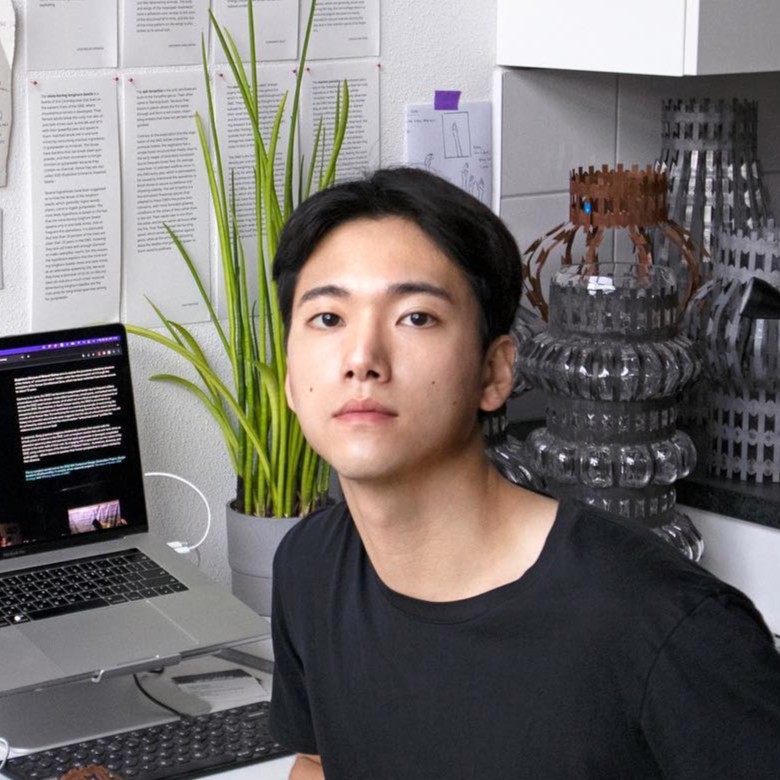
Artist Seungjoon Song ©Seungjoon Song

Seungjoon Song studied Product Design and Woodworking & Furniture Design at Hongik University and completed an MFA in Contextual Design at Design Academy Eindhoven in the Netherlands. His solo exhibitions include 《Chrolism-Style》 (YK PRESENTS, Seoul, 2025), 《The Pollinator》 (Kumho Museum of Art, Seoul, 2025), 《Hyper Green Zone》 (Post Territory Ujeongguk, Seoul, 2024), and 《Missing Species in DMZ Biodiversity》 (Crafts on the Hill, Seoul, 2023).
 
He has also participated in group exhibitions such as 《Showcased Objects》 (Watermark Gallery, Seoul, 2024), 《Nature+Meta》 (Watermark Gallery, Seoul, 2023), and the 《Design Academy Eindhoven Graduation Show 2022》 (Design Academy Eindhoven, Eindhoven, Netherlands).
 
Song was selected as one of the 22nd Kumho Young Artists at the Kumho Museum of Art and currently works actively between the Netherlands and Seoul.

References