Exhibitions
《Foreverism: Endless Horizons》, 2024.04.12 – 2024.06.23, Ilmin Museum of Art
April 11, 2024
Ilmin Museum of Art

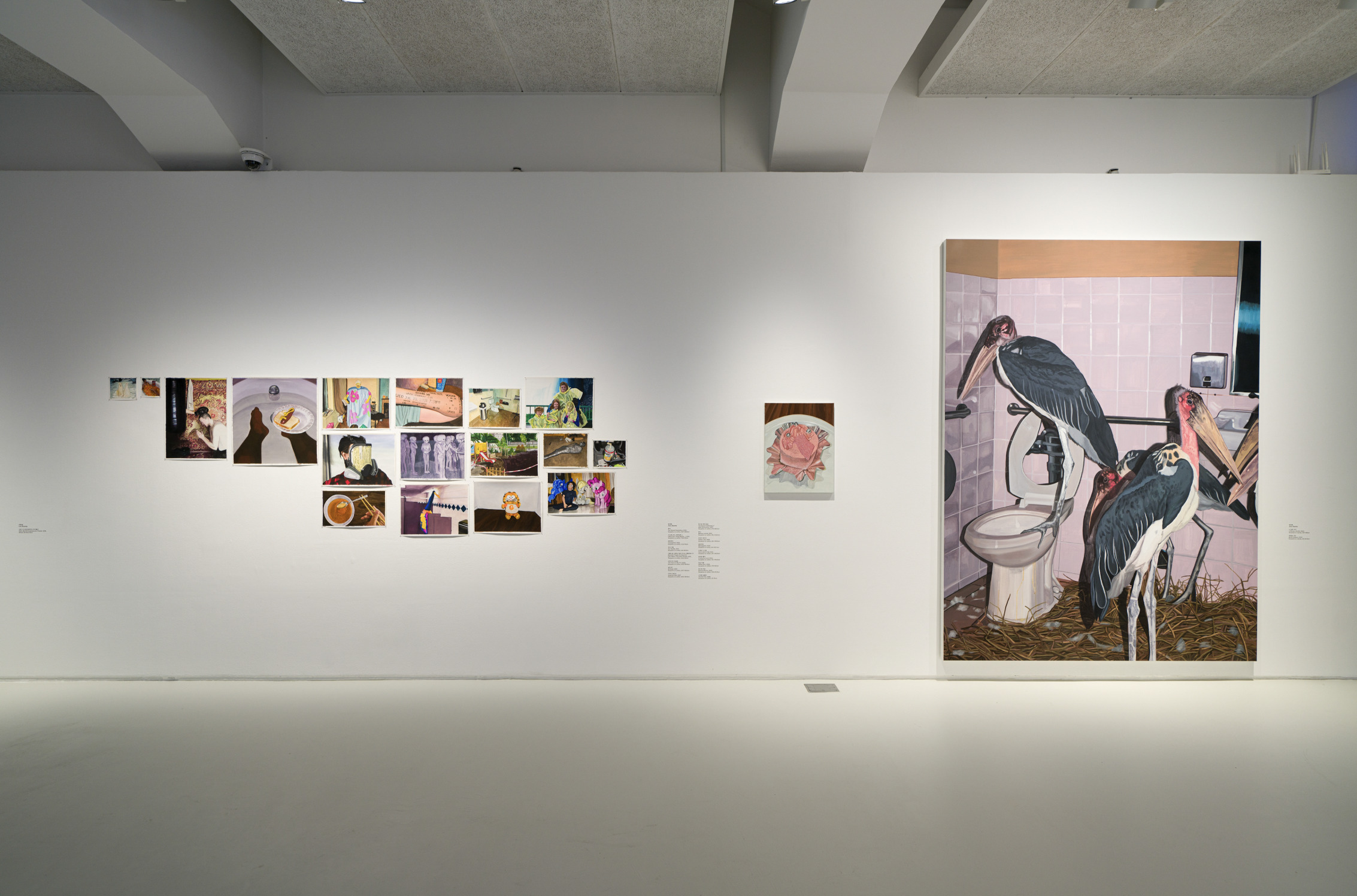
Installation view of 《Foreverism: Endless Horizons》 (Ilmin Museum of Art, 2024) ©Ilmin Museum of Art
Nostalgia has become the paramount industry of our era. Across the realms of society, culture, and politics, much of what rises in popularity is tethered to sentiments of nostalgia. Social media exchanges past glories for today’s traffic, idol groups vie to inherit the pop culture legacies of the past century, and political campaigns rely on reminiscing better days.
This landscape uncovers nostalgia’s command as a dominant emotion in the present reality and, in turn, proves its potential as a lucrative business strategy. Today’s consumers, audiences, and voters go beyond simply reminiscing the past, accepting and embracing times they never experienced firsthand, and, more than that, feeling attached to and grieving subjects they never actually possessed.
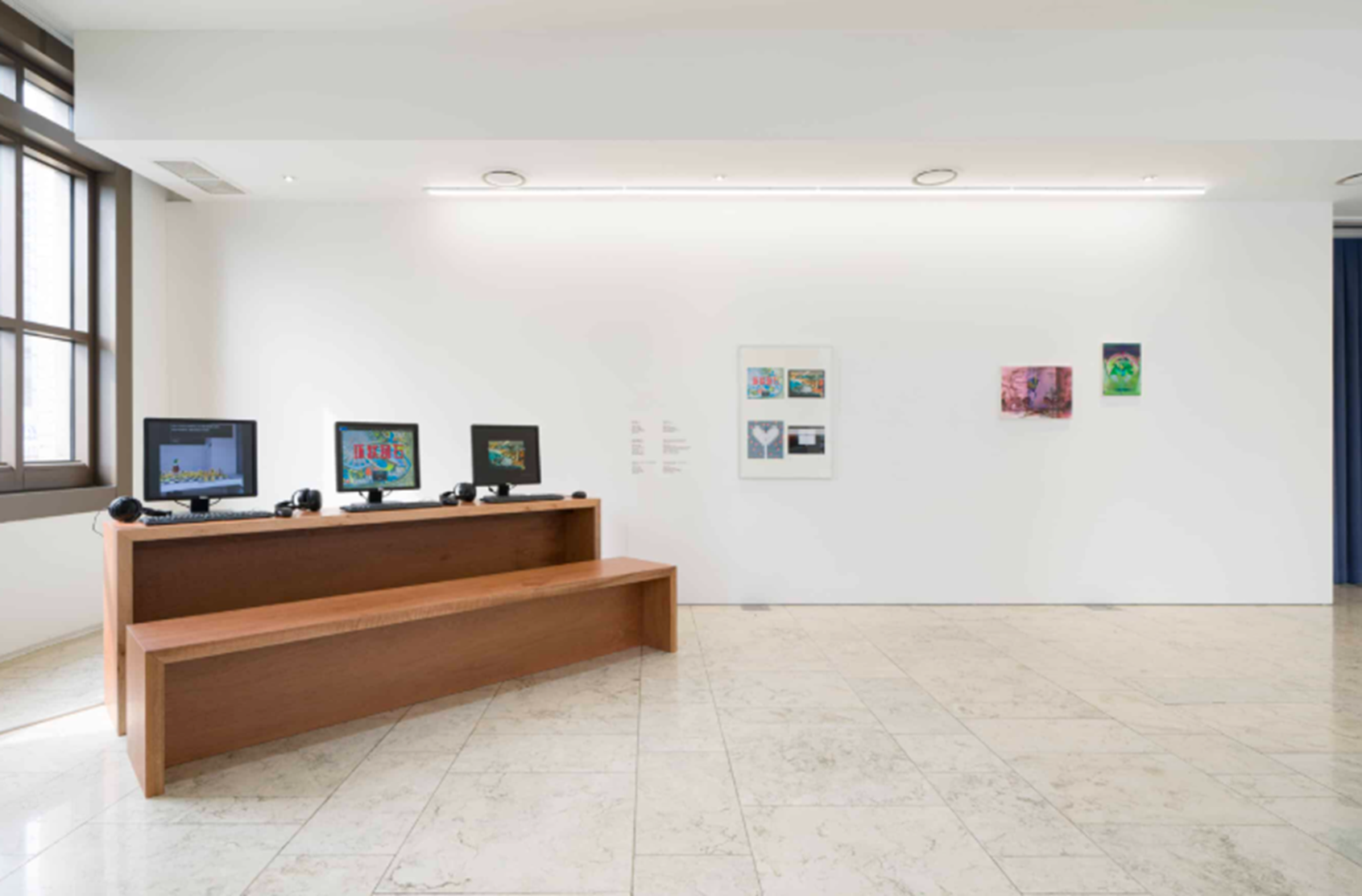
Installation view of 《Foreverism: Endless Horizons》 (Ilmin Museum of Art, 2024) ©Ilmin Museum of Art
The classical definition of
nostalgia arose from physical travel at a time when transportation was limited.
This kind of nostalgia referred primarily to homesickness—a longing for one’s
home and original landscape. However, as new models of travel emerged and
digital media reshaped our spatial awareness, nostalgia gradually lost its
implication of spatial dissonance and instead picked up the significance of
time or temporal remnants, transforming into somewhat of a delusion. The
cultural critic Grafton Tanner labels this phenomenon “foreverism.”
Foreverism
stems from media technologies developed for documentation and preservation, but
it extends past the practice of preserving and remembering the past (and
gleaning inspiration from it), engendering a state of perpetuity where nothing
ever concludes. A society of foreverism negates the melancholy of endings and
runs on nostalgia by consuming the perpetuated present rather than the past.
And here, the classical sense of nostalgia is supplanted by the consumerist
exploitation of nostalgia and its result.
Contemporary art of the 20th
century has continued to shock its audience by dismantling or appropriating its
accumulated history and methodologies. Contemporary art advocates a sense of
contemporaneity that is close to timelessness in that it harks back to the past
and renews its meaning in the present. The post-production discourse that
emerged in the 2000s was optimistic about the use of sampling and remixing
techniques, arguing that deploying popularized technology in art would push it
past reiterative and referential functions and bolster its radicalism.
Nevertheless, the ominous feeling that our inhabited world persists
indefinitely through remnants of the past brings contemporary art to a
fundamental crisis. In other words, foreverism locks art into the vertical
institutional system, portrays it as a sly doppelganger of the past, and warps
the reflective quality of art into tautology.
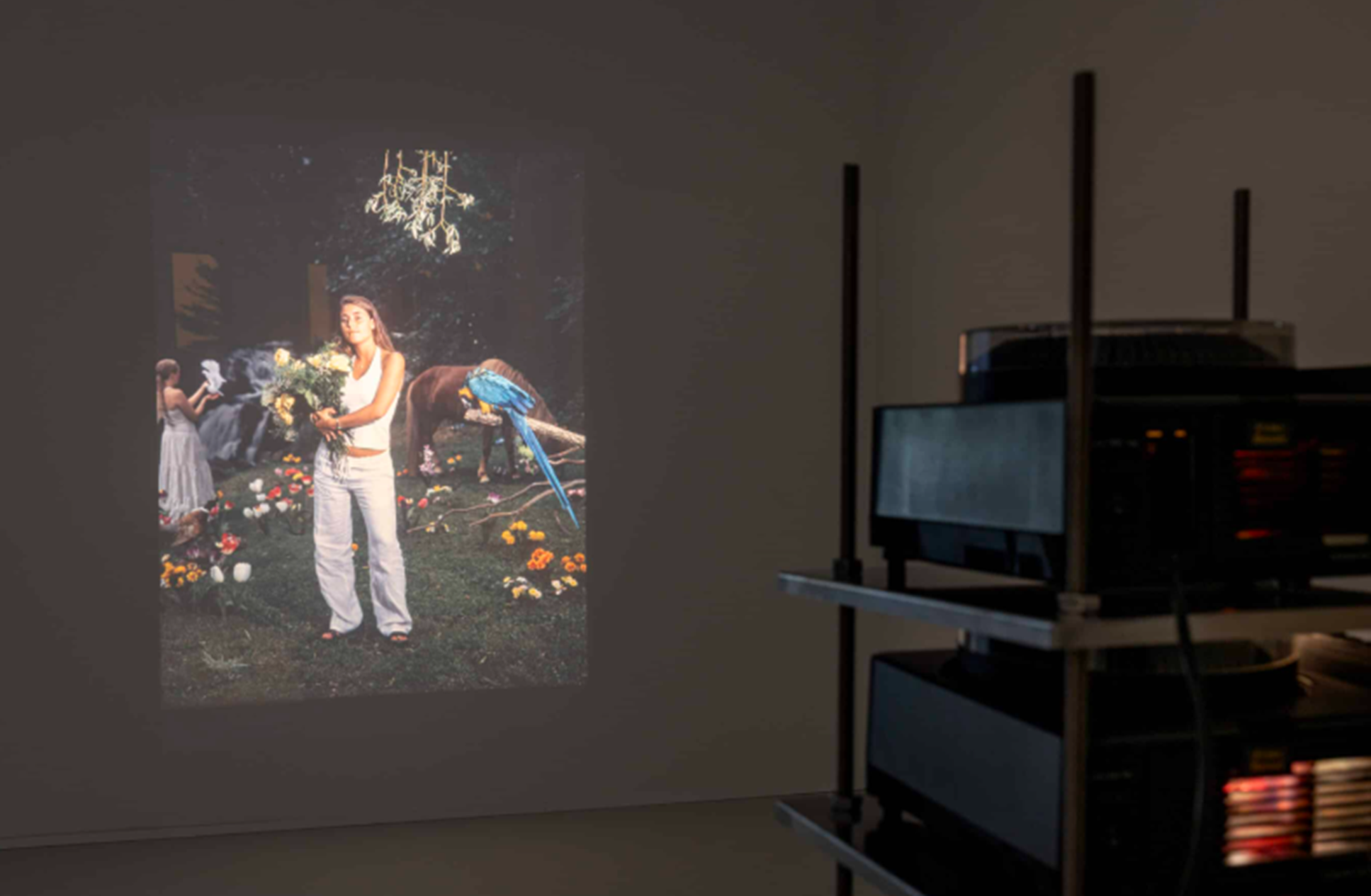
Installation view of 《Foreverism: Endless Horizons》 (Ilmin Museum of Art, 2024) ©Ilmin Museum of Art
《Foreverism:
Endless Horizons》 observes
these timely tendencies and explores possible exits from the foreverist society
through the work of 12 artists and collectives. Participating artists and their
works closely interrogate the attributes of eternity or delve into narratives
and identities composed through visual and aural images, attempting autonomous
departures or escapes from the futile cycle of politics that only delays
collapse.
A common thread among the artists is that they not only acknowledge
the trends of hyperconnectivity and image-excess—that cropped up in the
1980s—as the foundation for today’s reality but also strive to salvage (and
perhaps reconstruct) bankrupt history from regressing into repetition,
recycling, and resurgence as mere popular trends.
Through earnest optimism for
this world, such efforts suggest imaginative possibilities beyond the confines
of cyclical temporality, pointing to what is outside nostalgia in its most
passive sense. Foreverism: Endless Horizons not only delves into the various
ways in which the nature of present time shapes reality but also examines the
signs of foreverism in today’s world and the ways in which contemporary visual
culture responds to those signs.