Dawha
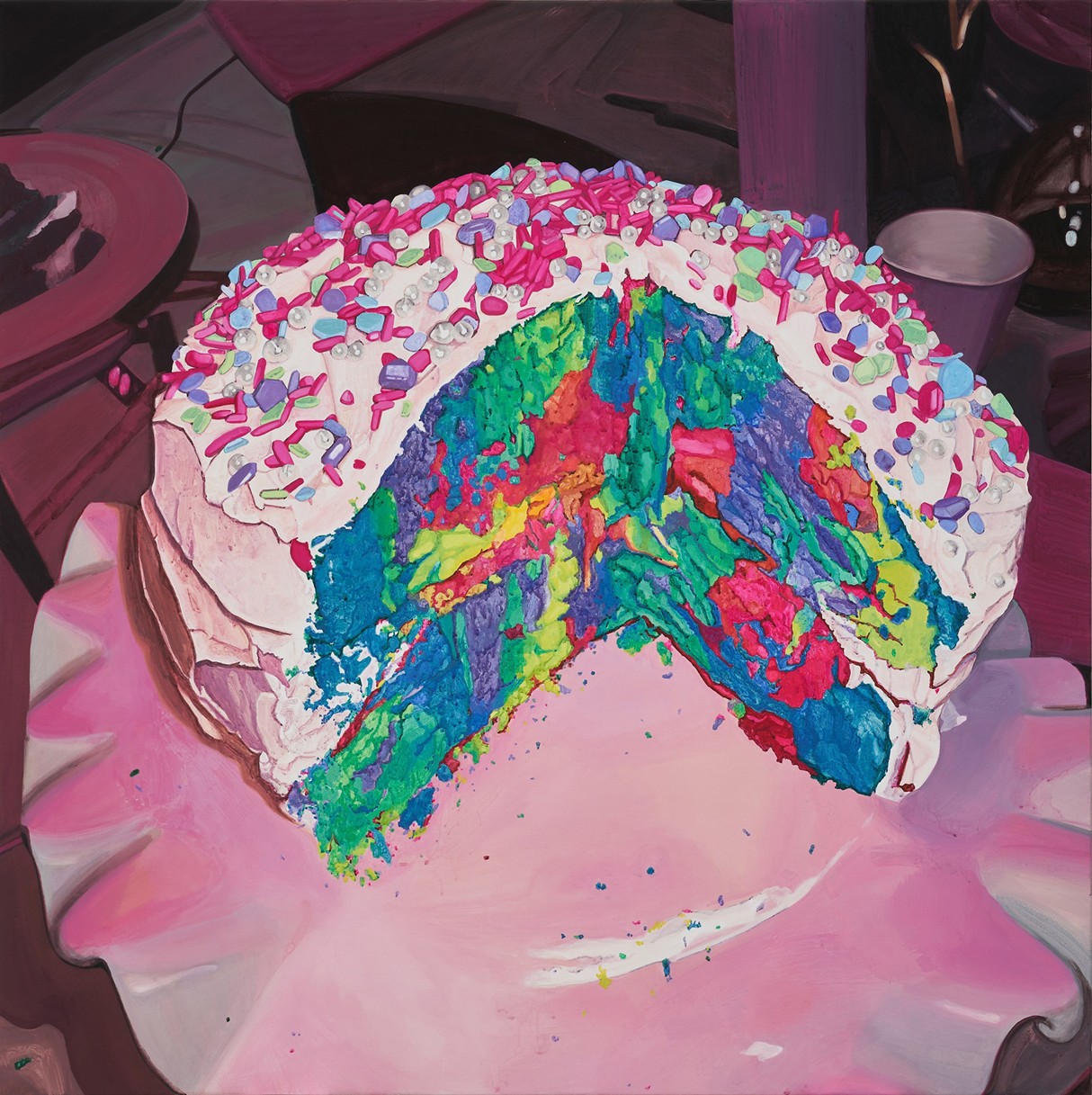
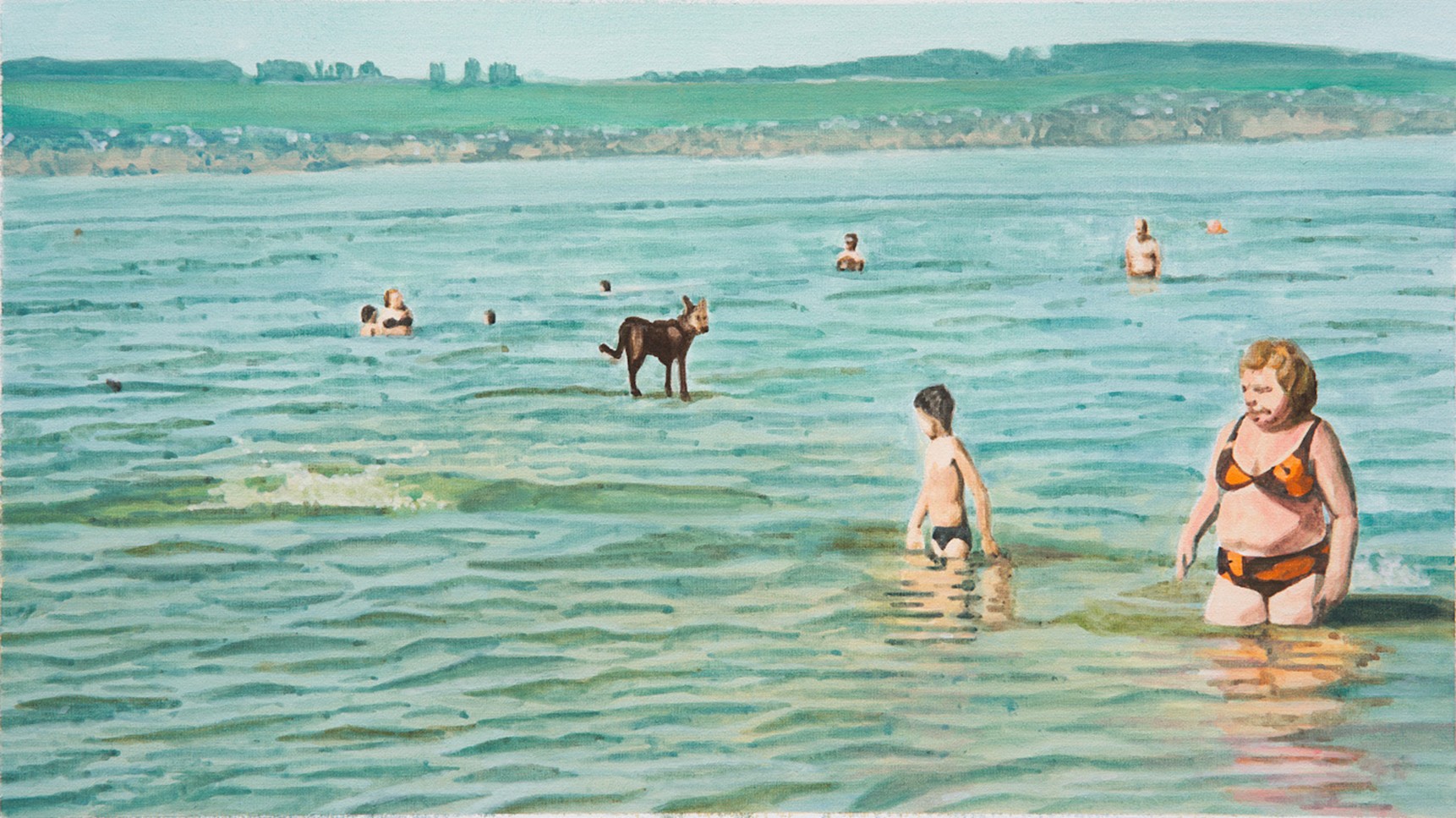
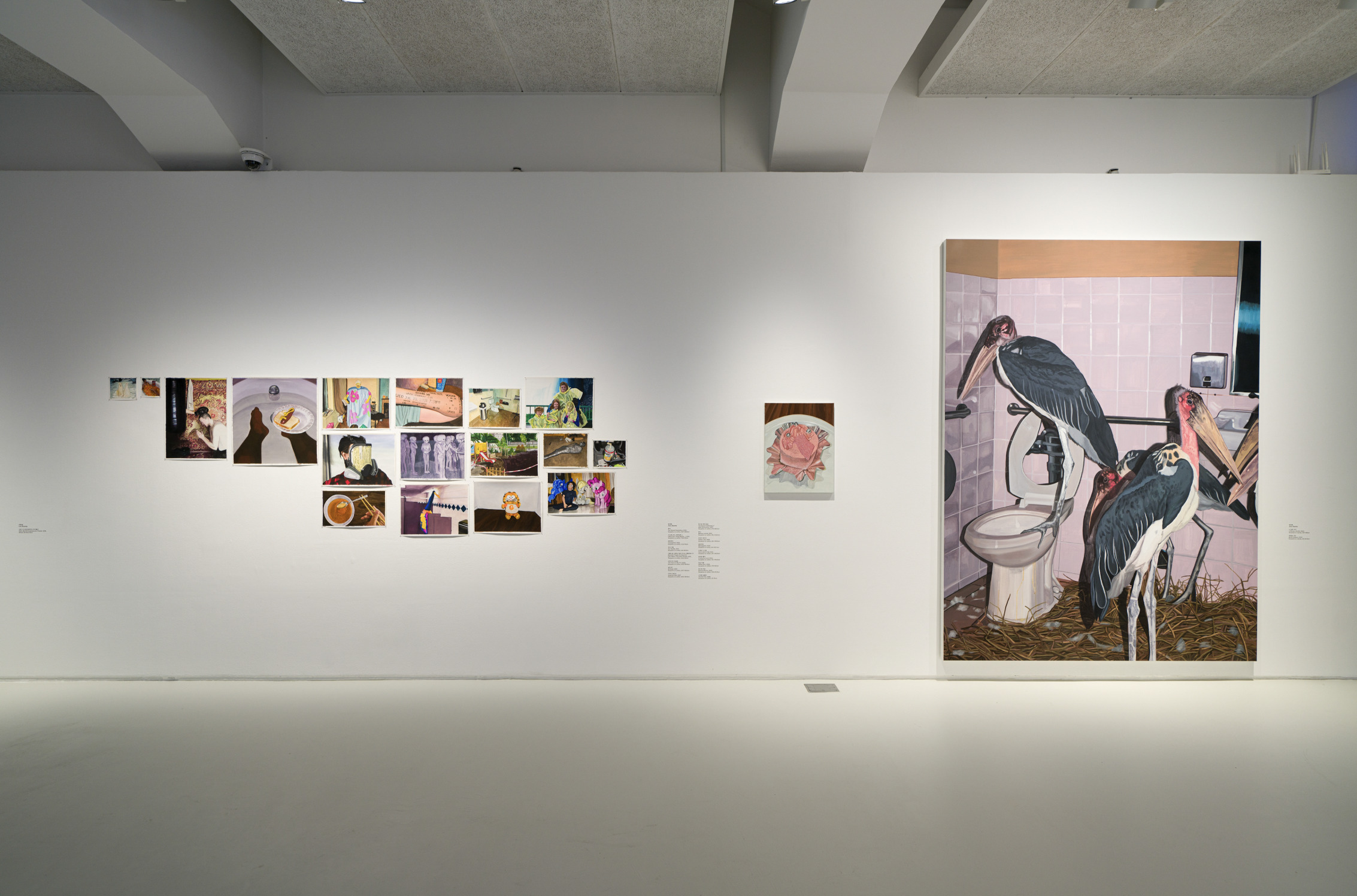
Jeon’s ‘Ghost in the Machine’ is a series of paintings based on
images posted between 2015 and 2016 on the Tumblr and Twitter account @cursedimages.
These so-called “cursed images” are photographs—mostly taken in the mid-2000s
to early 2010s with compact digital cameras—that evoke a peculiar sense of
unease due to their poor content or technical quality. They depict absurd and
inexplicable situations, are awkwardly composed or out of focus, and often
circulate online as inherently low-resolution, deteriorated files. These
uncanny and awkward photographs have become a kind of meme, wandering across
the Internet like ghostly visual fragments.
Digital
images drift through the web without any physical substance. Through countless
processes of uploading, downloading, and sharing, their data slowly erodes.
Already low in quality, these “cursed images” continue to decay as they
circulate in the digital sphere. Jeon rescues them from this process of
degradation, allowing them to seep into a physical surface through the medium
of painting. The artist uses linen coated for watercolor, which absorbs paint
but forms a distinct surface once dried.
Her technique of layering thin,
separate washes—visible yet not blended—resembles the Photoshop process of
“merging layers.” Through this act of translation, digital data is dismantled,
reassembled, and ultimately transformed into a tangible, physical body. What
once floated disembodied through the Internet—ghostlike—is reborn in Jeon’s
hands as something larger, clearer, and more vivid. Her enlargements suggest an
almost tender desire to look longer and closer at these fading, forgotten
images.
Why
does Jeon choose to give physical form—and even greater clarity—to these
peculiar images? Upon first encountering them, the artist recalls
wondering, “How could someone take a picture like this?” In today’s
world of smartphones equipped with high-resolution cameras and instantly
shareable social media platforms, such photos can no longer be made.
Photography has become inseparable from circulation and display; it is always
intended for viewing by others.
On Instagram, even non-selfies function as
reflections of one’s taste, consciousness, and emotion—demanding meticulous
attention to subject, angle, and lighting. From this contemporary standpoint,
Jeon perceives “cursed images” as cultural relics of an irrevocable past era.
Living in a time when such images can no longer be produced, she captures and
materializes their alien sensibility, as if cherishing nostalgia for a period
she never personally experienced.
At
the same time, the strangeness of these images stems from the combination of
crude content and form. Their bizarre quality recalls the atmosphere of
low-budget B-movies—films that, with implausible plots or laughably poor
effects, demand the viewer’s suspension of disbelief. Jeon’s choice to
materialize these degraded, absurd visuals is telling.
It unintentionally
connects to her earlier work Christmas Instant Mix (2020),
in which she hand-traced vintage 1950s wrapping paper images found through Google
searches and used them to wrap presents. These Santa- and snowman-covered
designs—cheap, mass-produced goods catering to popular taste—acquire a strange
charm with the passage of time. The uncanny kitsch of the wrapping paper and
the awkward grotesqueness of cursed images share the same genealogy. Jeon finds
value not in the elegant or refined, but in the crude and the popular.
Perhaps
this is the essence of Jeon’s art. Her practice does not draw from the lofty
realms of art, literature, or cinema, but from the messy, humorous, and
sentimental world of the Internet: the mismatched advertisement, the misshapen
yet lovable public image. Unlike Pop Art, her work is not motivated by the
moral weight of art history or a critique of consumer society.
Rather, like
high fashion borrowing from streetwear, Jeon recontextualizes low culture to
discover new sensibilities—humor, beauty, and individuality—and reintroduces
them into the context of art. In doing so, she produces some of the most
contemporary and generation-specific imagery of today. Just as the “cursed
image” remains a relic of its own era, Jeon’s work generates a new contemporary
image built from the very objects and aesthetics to which she feels most
intimately attached.