Art that is built with traditions
and heads toward the future /Lee Juhee(Art Critic)
Until recently, Gallery Jinsun has held many exhibitions that can be
characterized as “tradition,”
“present,” and “new interpretations.” For example, the
gallery has introduced paintings, oriental paintings, and sculptures that
express senses of the present using “traditions” as media. Also, it has held exhibitions of artists who have been
building their own formative languages despite the rapidly changing trends of
the times.
While there may exist various interpretations of focusing on “tradition” in exhibitions, the fact that the
gallery's special exhibition can be another point of contact with tradition,
culture, and arts for people from different backgrounds and the intellectual
activity of planning exhibitions suggest another subject that will directly or
indirectly record this era will be able to form a consensus among the audience
without much difficulty.
This exhibition also stands out
due to Gallery Jinsun’s attention to
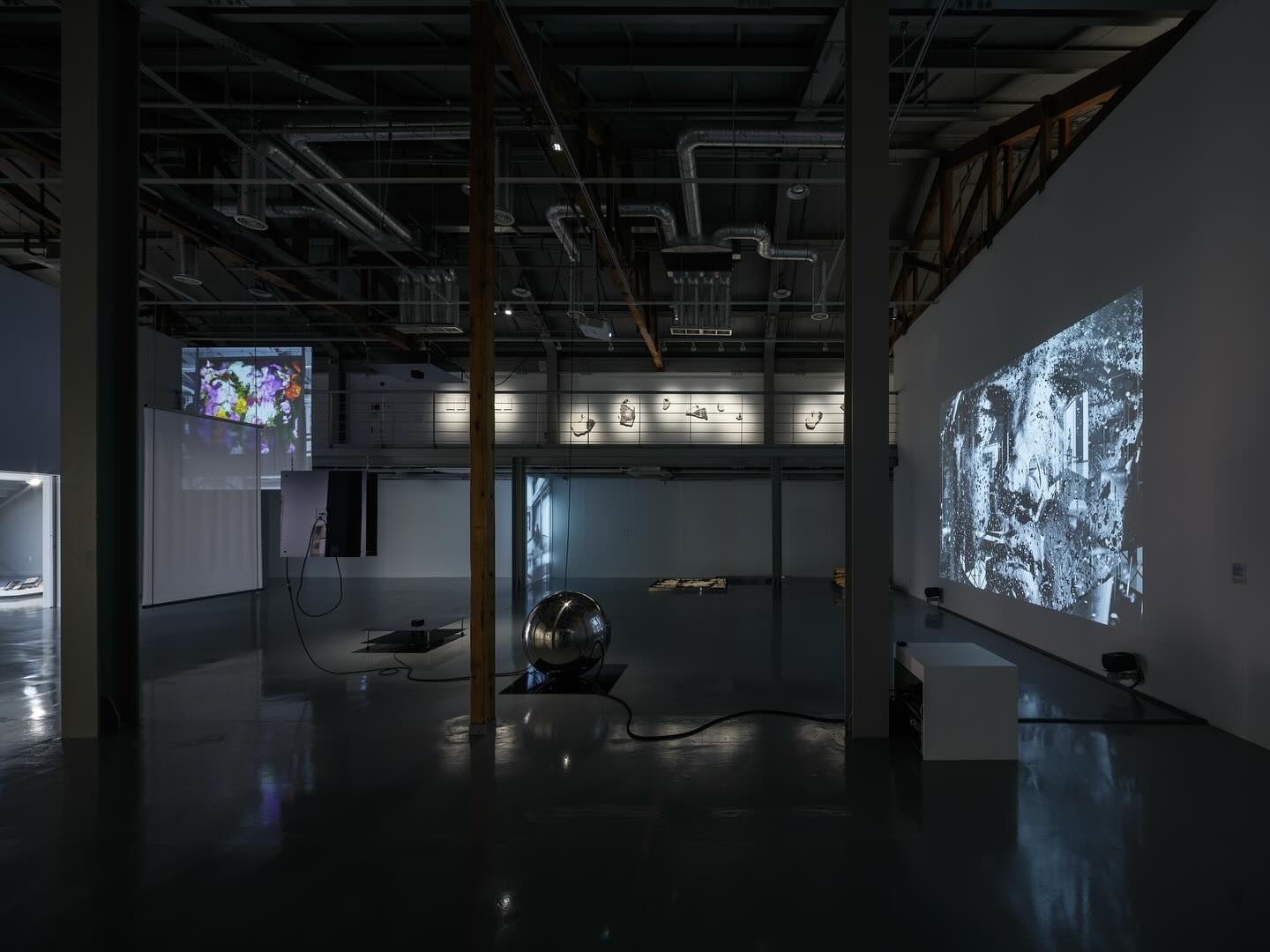
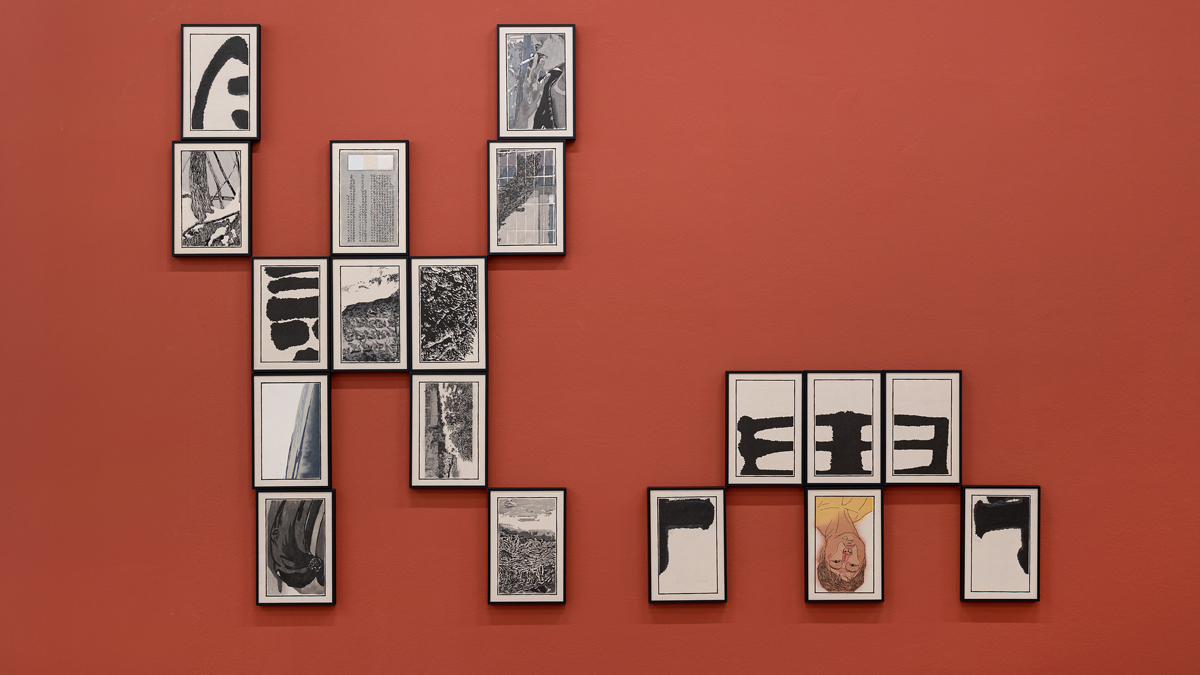
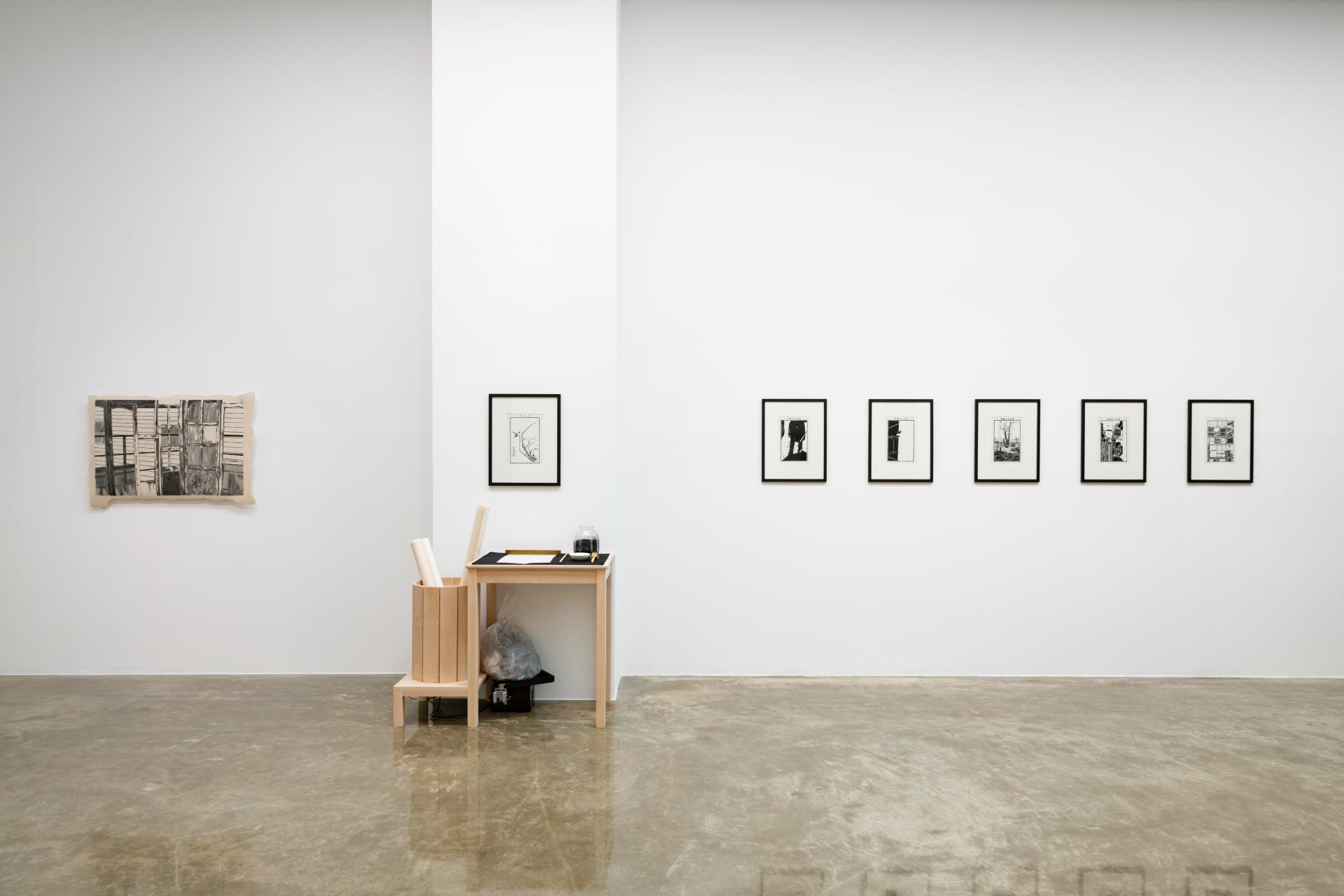
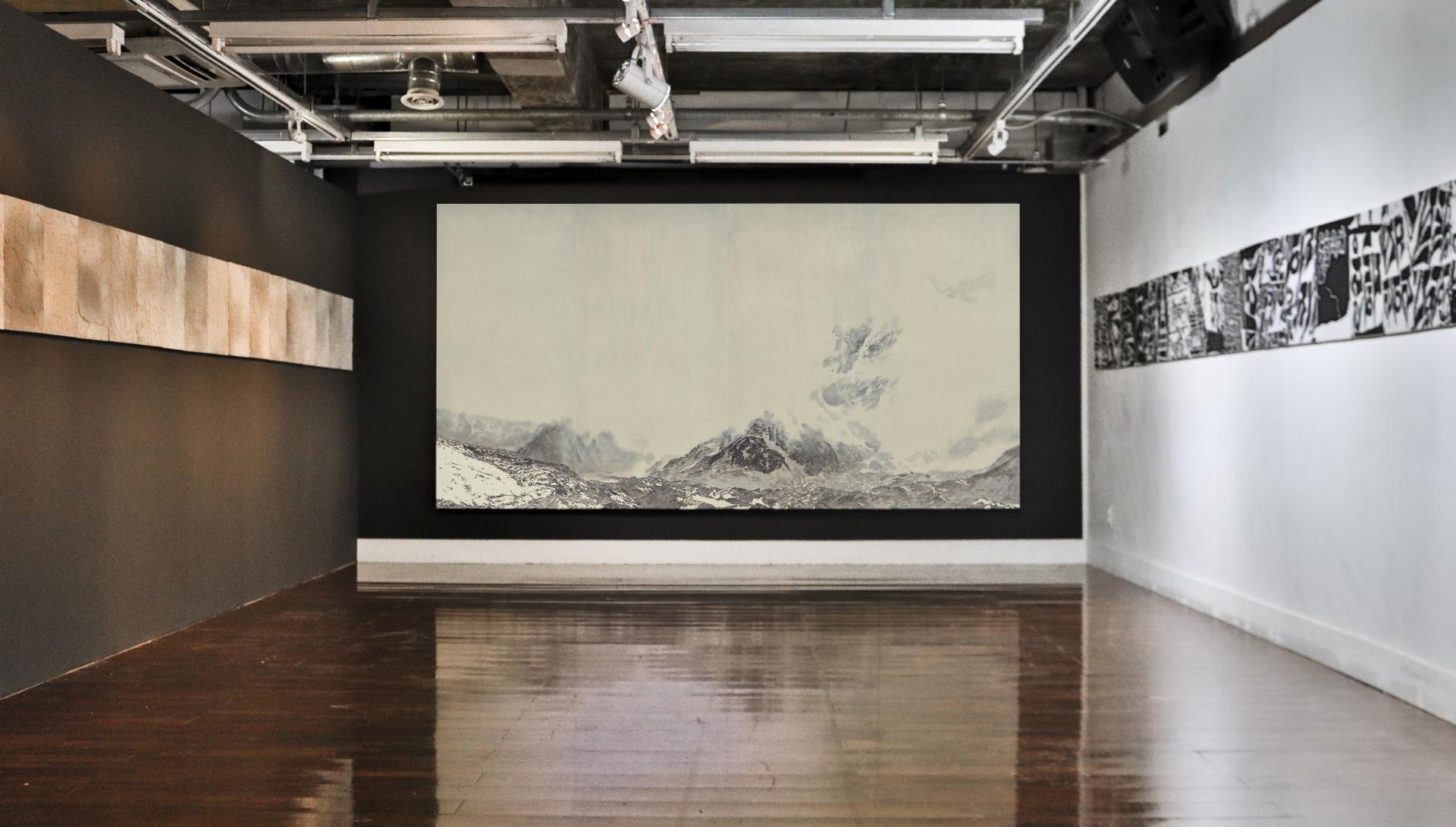
contemporary issues. The exhibition, titled 《Marks of Identity》, presents about 30 works containing
research done by artists Hang Bak, Yoo Seungho, and Hwang Kyumin. While the
three artists, with an age distribution in the 60s, 50s, and 30s, have
different areas of expertise in calligraphy, painting, and oriental painting,
they share the similarity that they all convert the concepts, time, space, and
cultural aspects that we can call “tradition” into contemporary art.
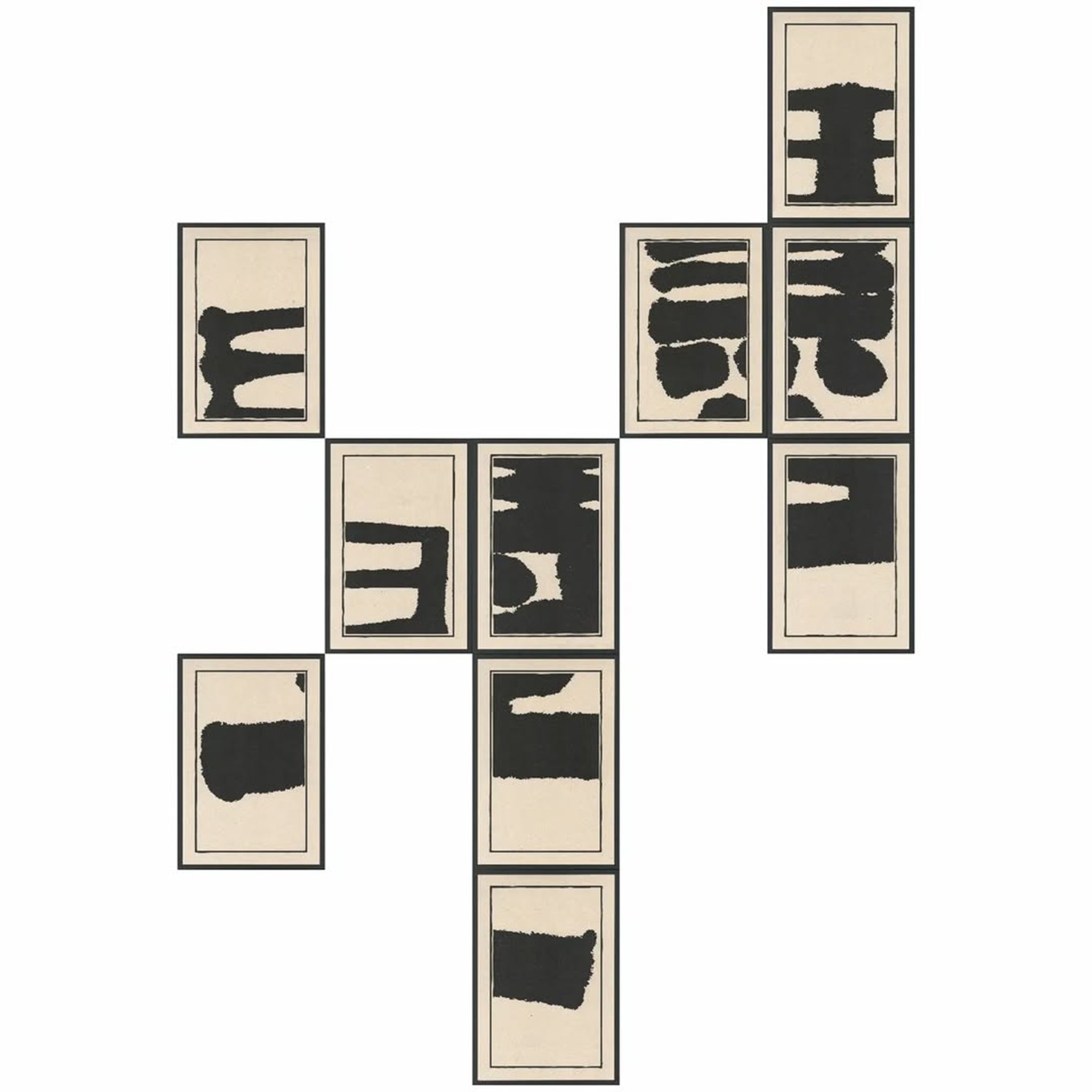
Hang Bak (Park DukJoon), who is a
calligrapher and calligraphy researcher, presents works full of spirits by
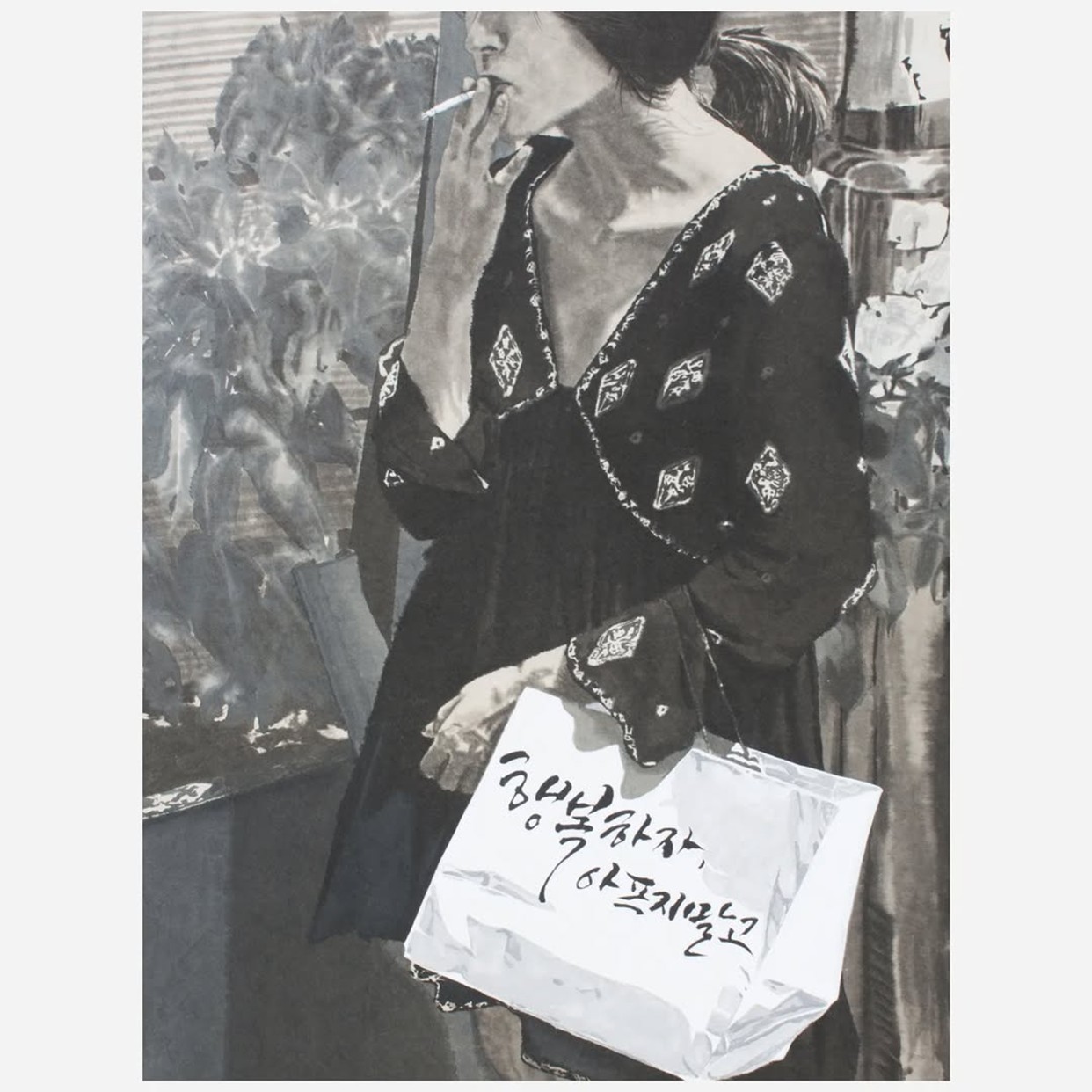
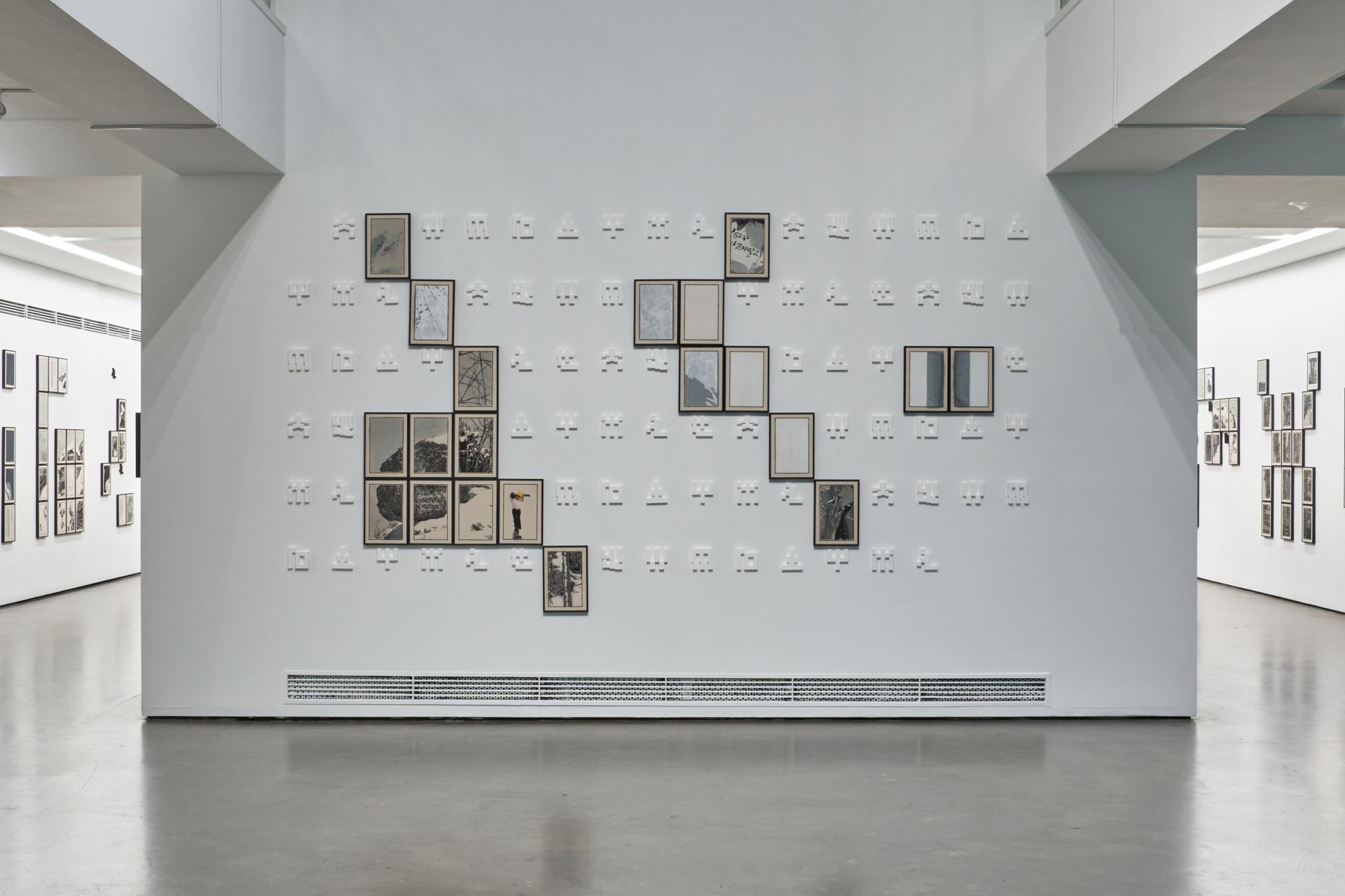
modernizing the rich aesthetics of calligraphy, and Yoo Seungho combines art
that has constantly challenged the human cognitive system with the
ever-evolving Hangul, which is the language of the Korean people, creating
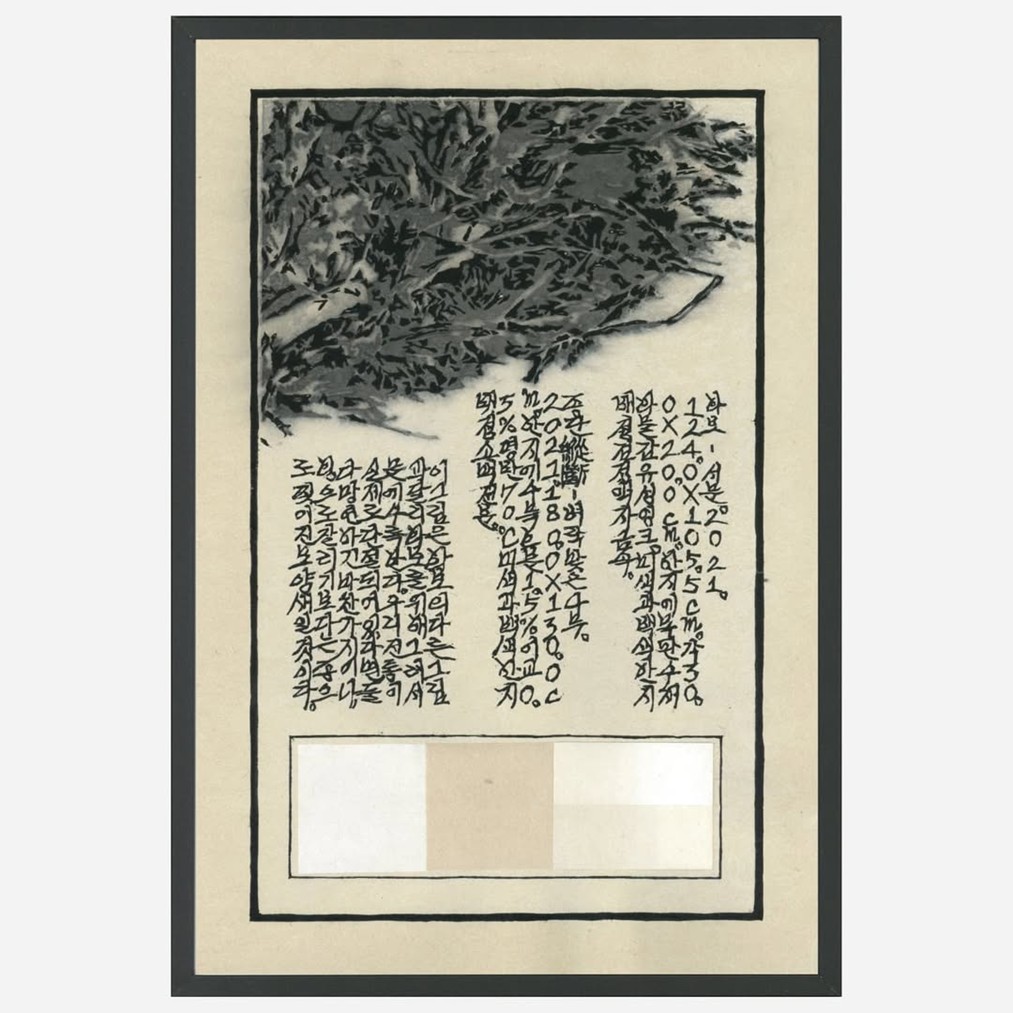
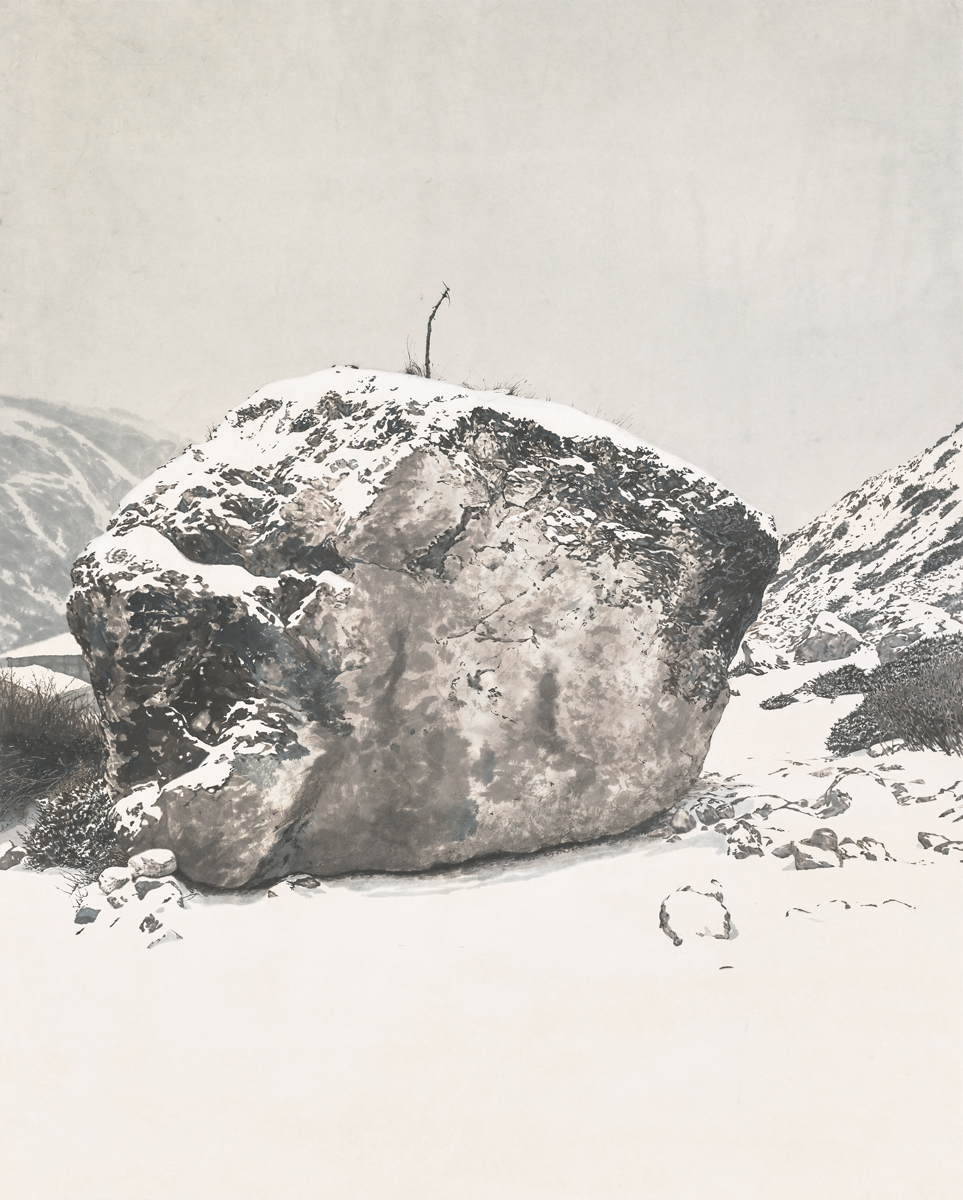
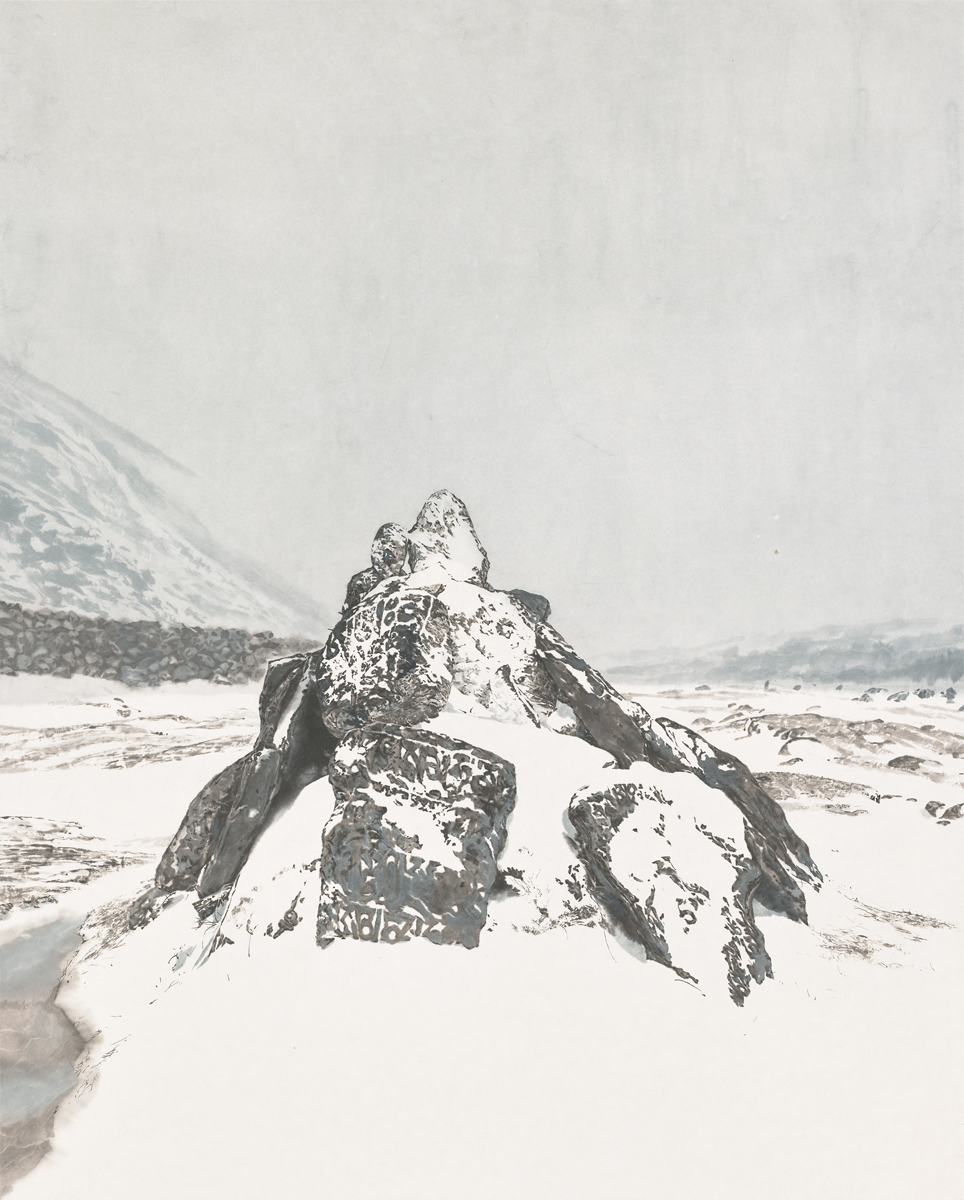
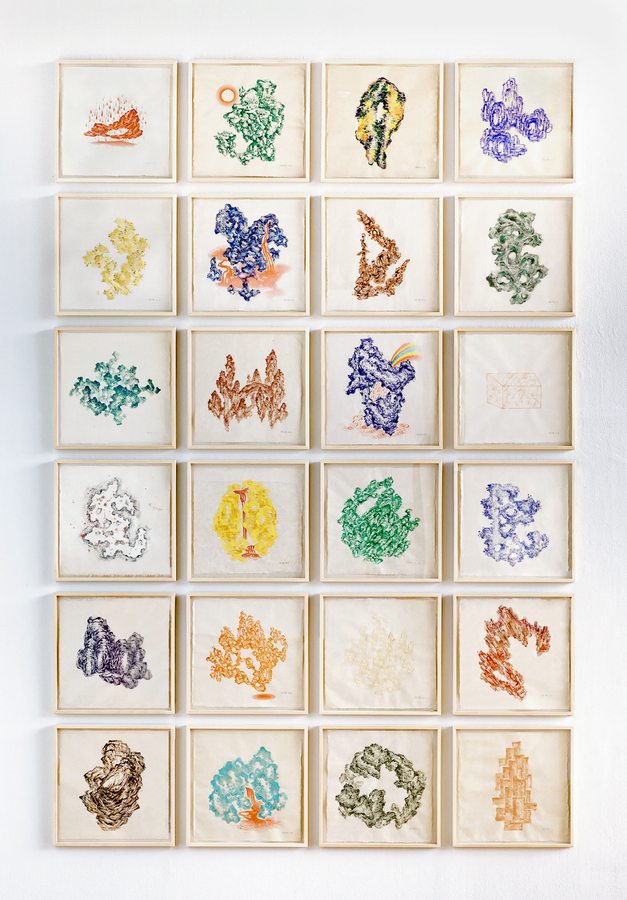
light, yet solid paintings. Lastly, Hwang Kyumin’s
works are based on the tradition of “oriental painting,” which is the history of East Asian intellects. He finds valid
evidence among the various roots of oriental painting for his works and
presents them in the form of a “pictorial.’
These modern records in which
contemporary artists value the traditions can serve as great coordinates for
setting the direction of humanities and arts that we must newly establish in
the future. Furthermore, it will provide diversity to the aesthetic hobbies of
modern people who accept multi-layered values. Hang Bak (Park DukJoon),
participating in the exhibition 《Marks of Identity》, hopes calligraphy to be reborn as
“a new calligraphy of the modern era.” He also says that as a way to achieve this, “calligraphy should become part of modern art.”
In the past, art has firmly maintained its foundation by constantly
appealing to human aesthetic senses such as proportion, balance, and harmony,
and modern art has also secured its existence through various movements such as
expansion, negation, and creation as an extension of art. This aspect is no
different in calligraphy and Hang Bak is taking the lead for acceptance and new
interpretations of tradition and continues to perform research and creation
from the three perspectives: “modernization of
classical beauty,” “research on ancient characters,” and “character paintings.”
Even in the field of painting, it
is possible to select and learn about legacies handed down from the past and to
acquire “creativity” for an
individual’s unique identity and symbols based on such.
Artist Yoo Seungho's work aesthetically crosses human intuition about the
visual effects of paintings as well as Korean people's principles of acceptance
for Hangul.
The first thing the audience can perceive from the artist's screen
is a comfortable and natural feeling, but as you dive deeper into the screen,
you can see a deep and structured screen made up of light objects which are
fine writings. Also, if we consider that the source of the tiny writings is
childish phrases as well as subculture's onomatopoeia and mimetic words, we can
realize that Yoo Seungho's paintings are made up of deep but cheerful
traditional elements with multicultural sources.