Hwang’s
formal experimentation focuses on transforming the language of traditional ink
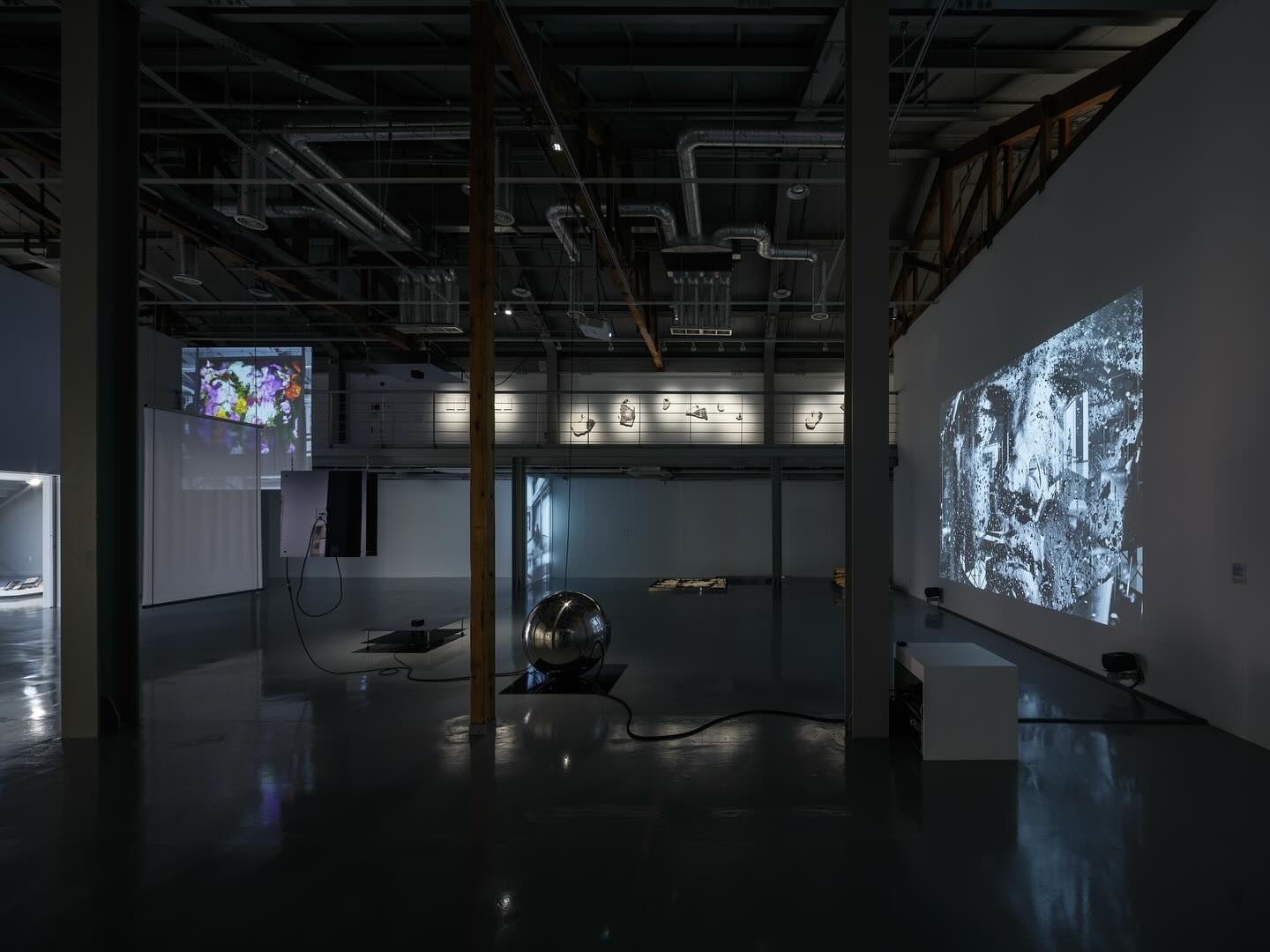
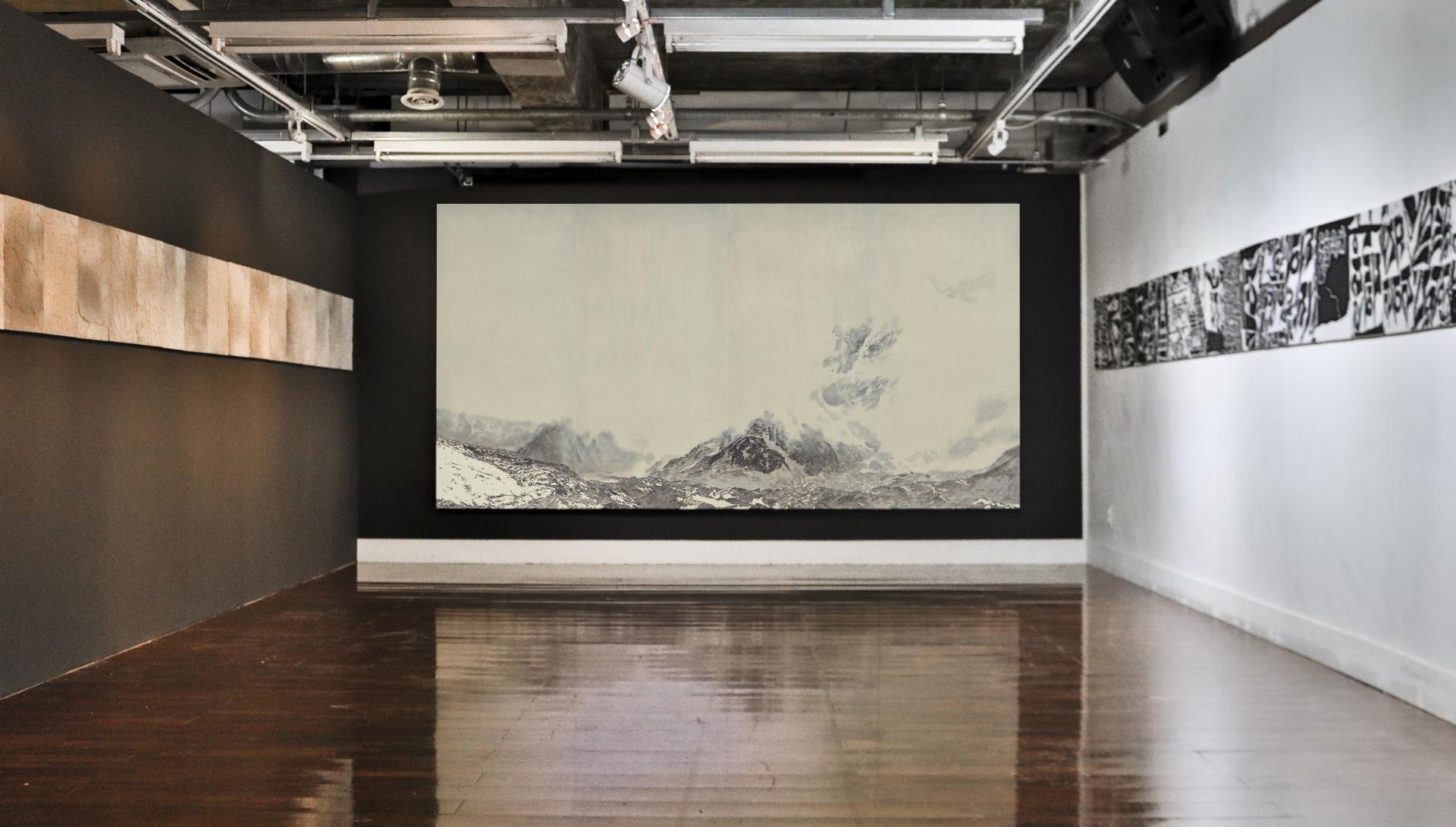
painting into a mechanical and structural system. In 《Muh Emdap Inam Mo》, he combined painting,
printmaking, and relief sculpture to realize a form of “tactile appreciation.”
Designed for viewers to touch stone monuments and experience the layered
passage of time through touch, the exhibition expanded painting beyond its flat
surface into a sensorial field.
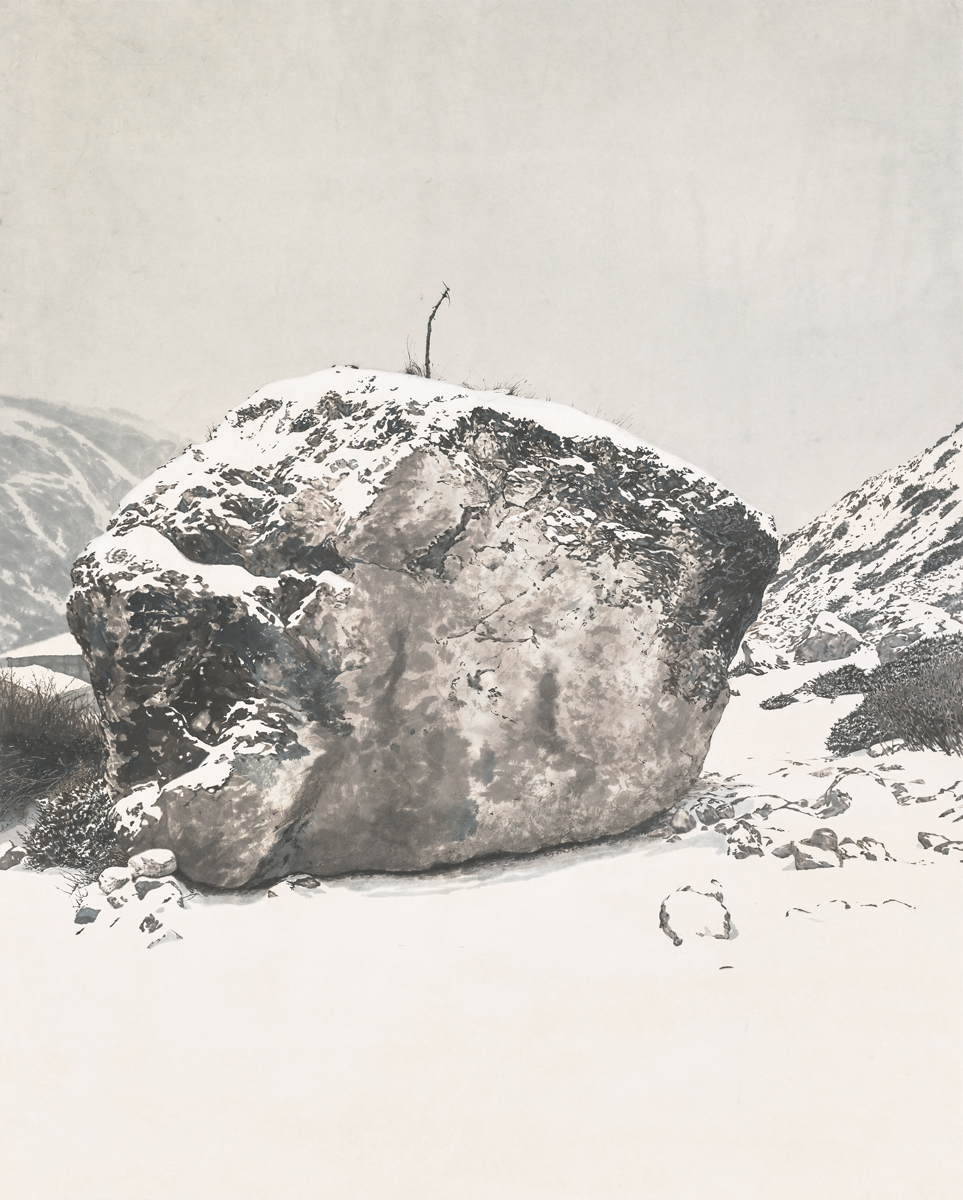
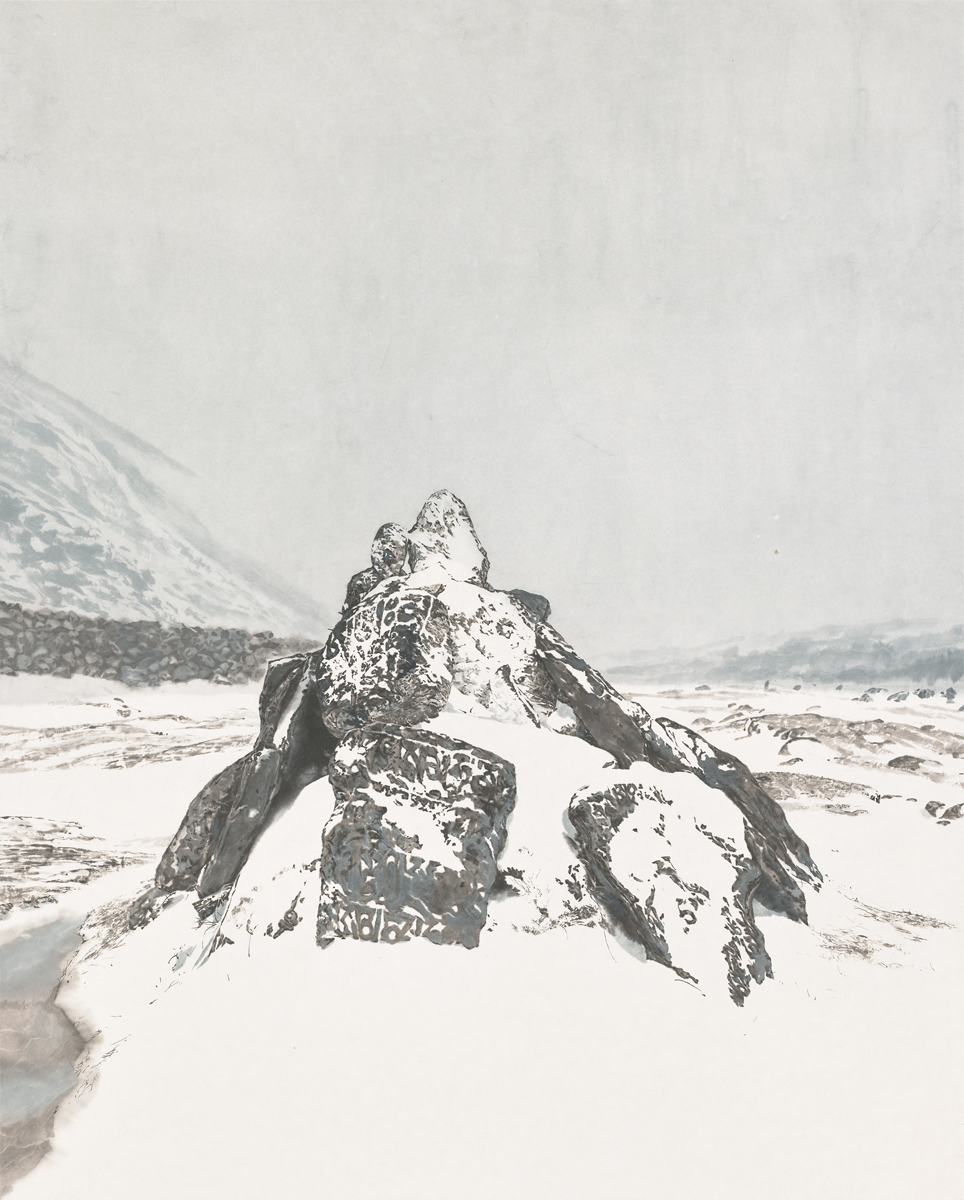
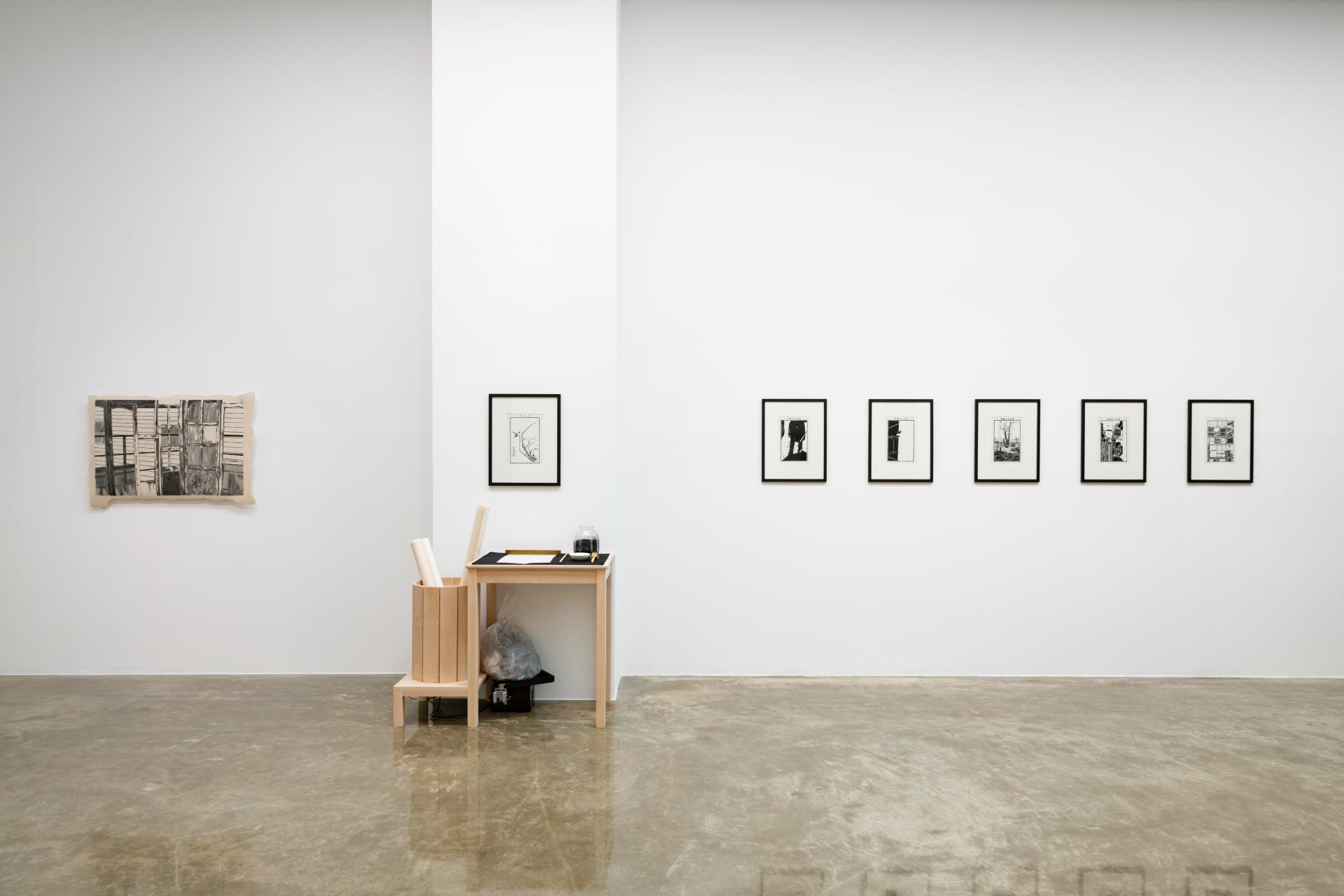
In 《Penetrating Stone》, he explored the balance
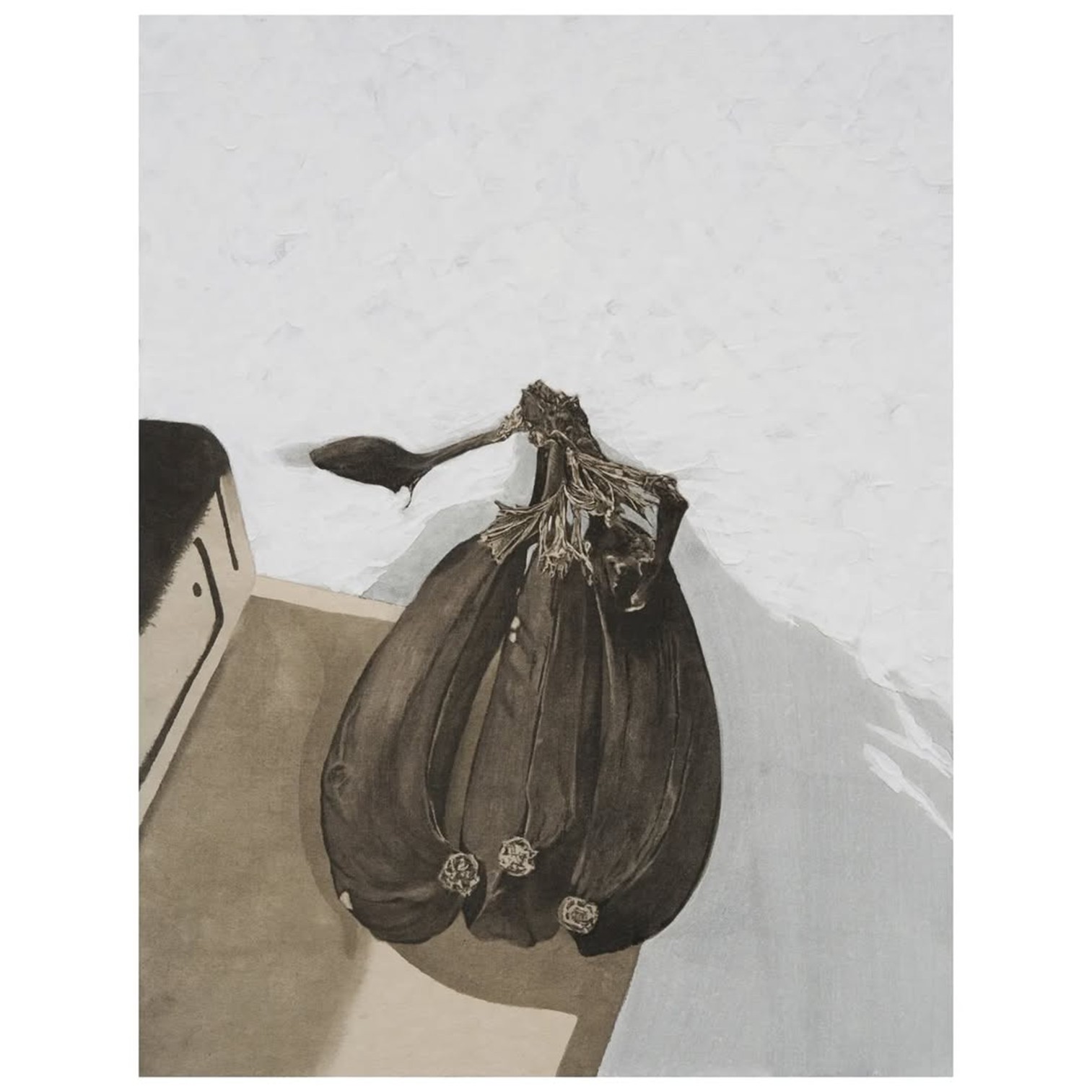
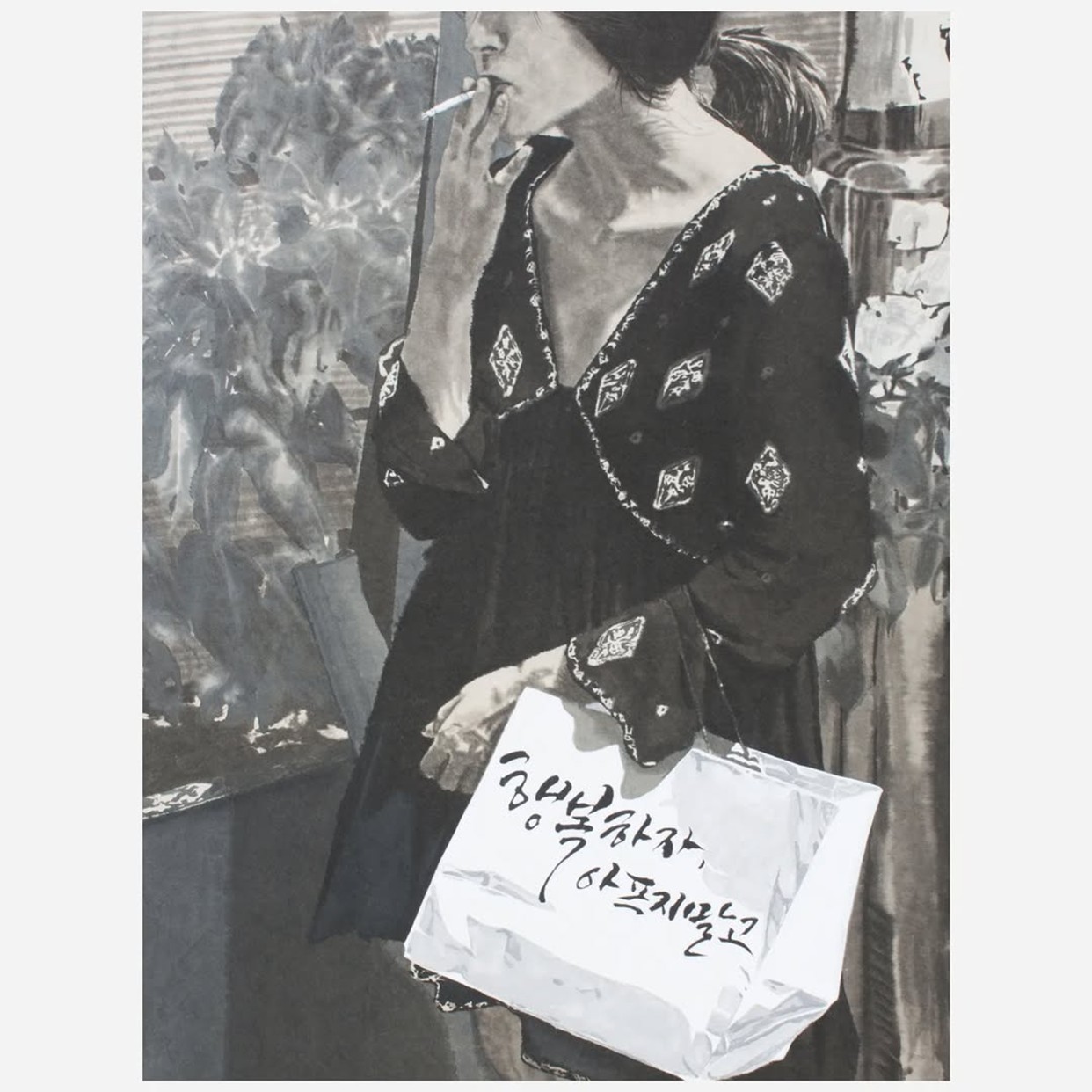
between the materiality of ink and the “photographic image.” The first series
translated snapshots from daily life into ink paintings, while the second
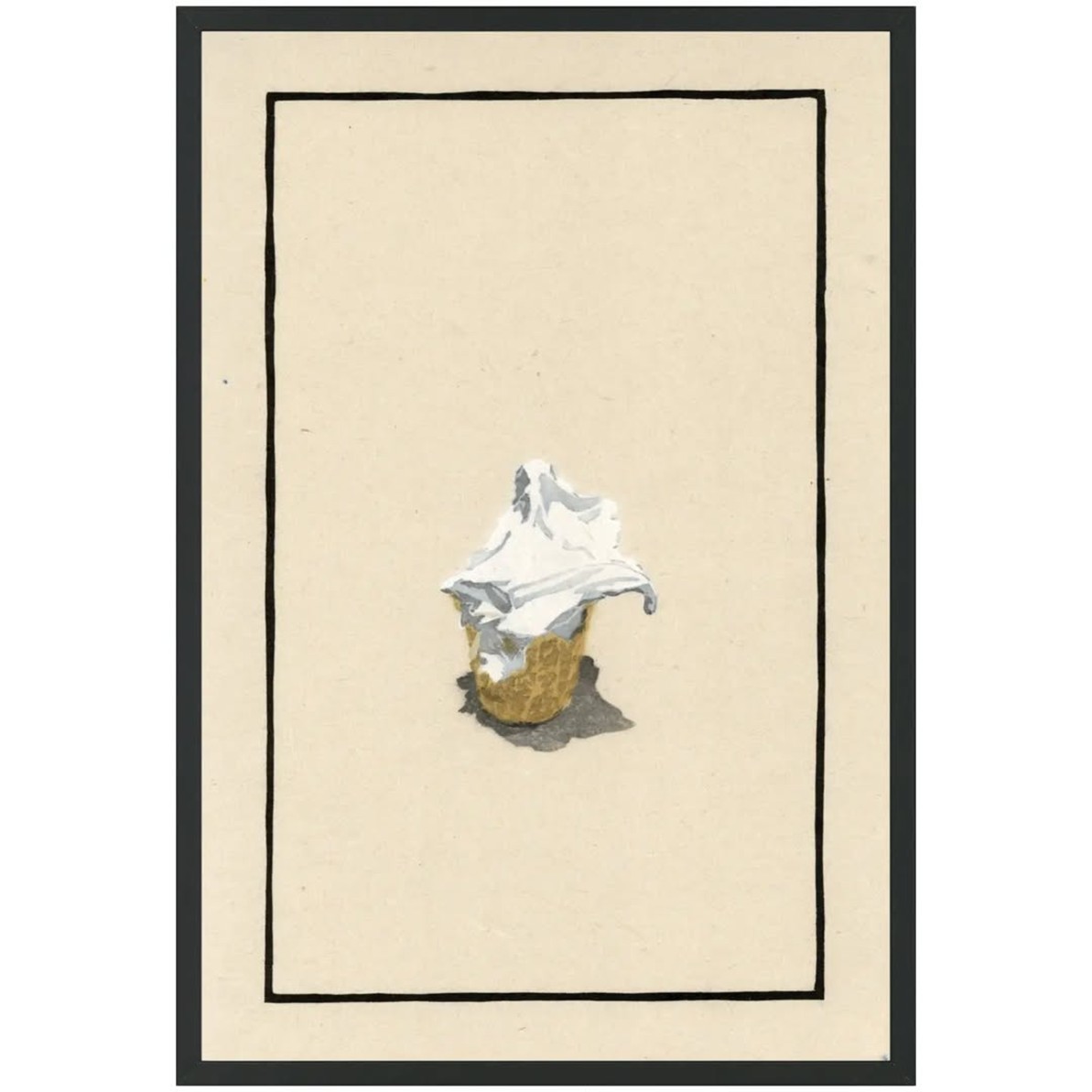
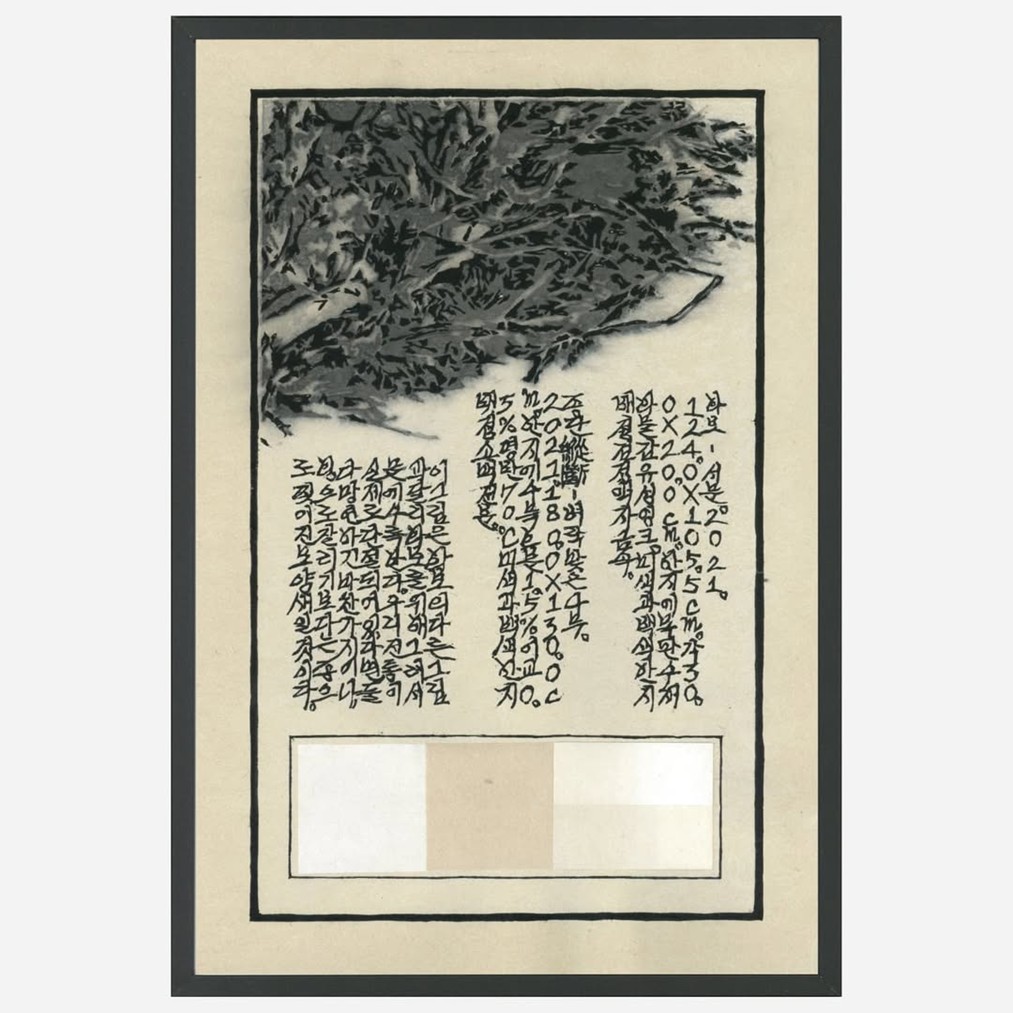
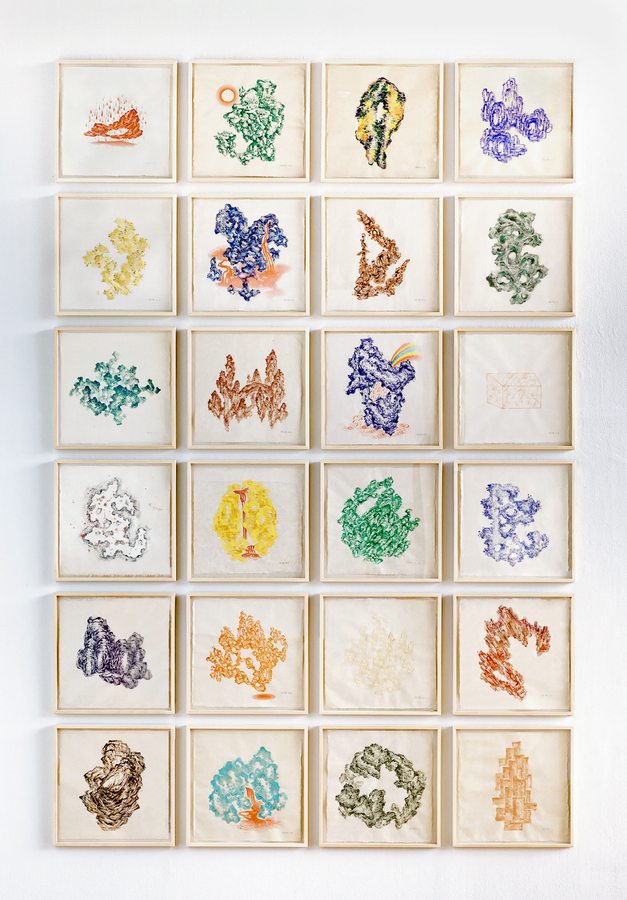
appropriated the format of the Manual of the Mustard Seed Garden
(芥子園畵譜) to reinterpret contemporary
scenes within a classical composition. The third series employed ink powder
produced by a custom-made machine to replicate the second series, visualizing
the intersection between traditional manual practice and mechanical repetition.
By 2022,
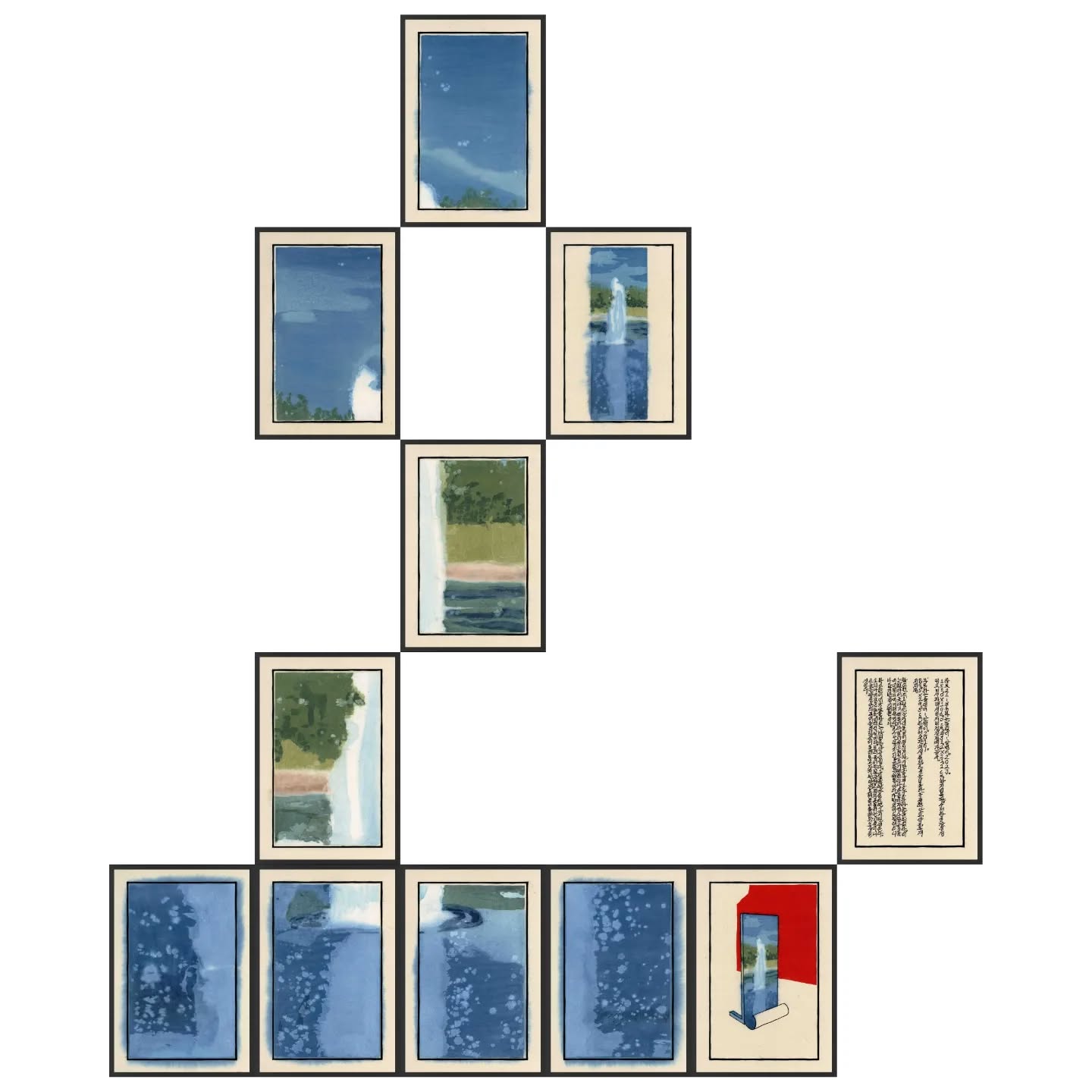
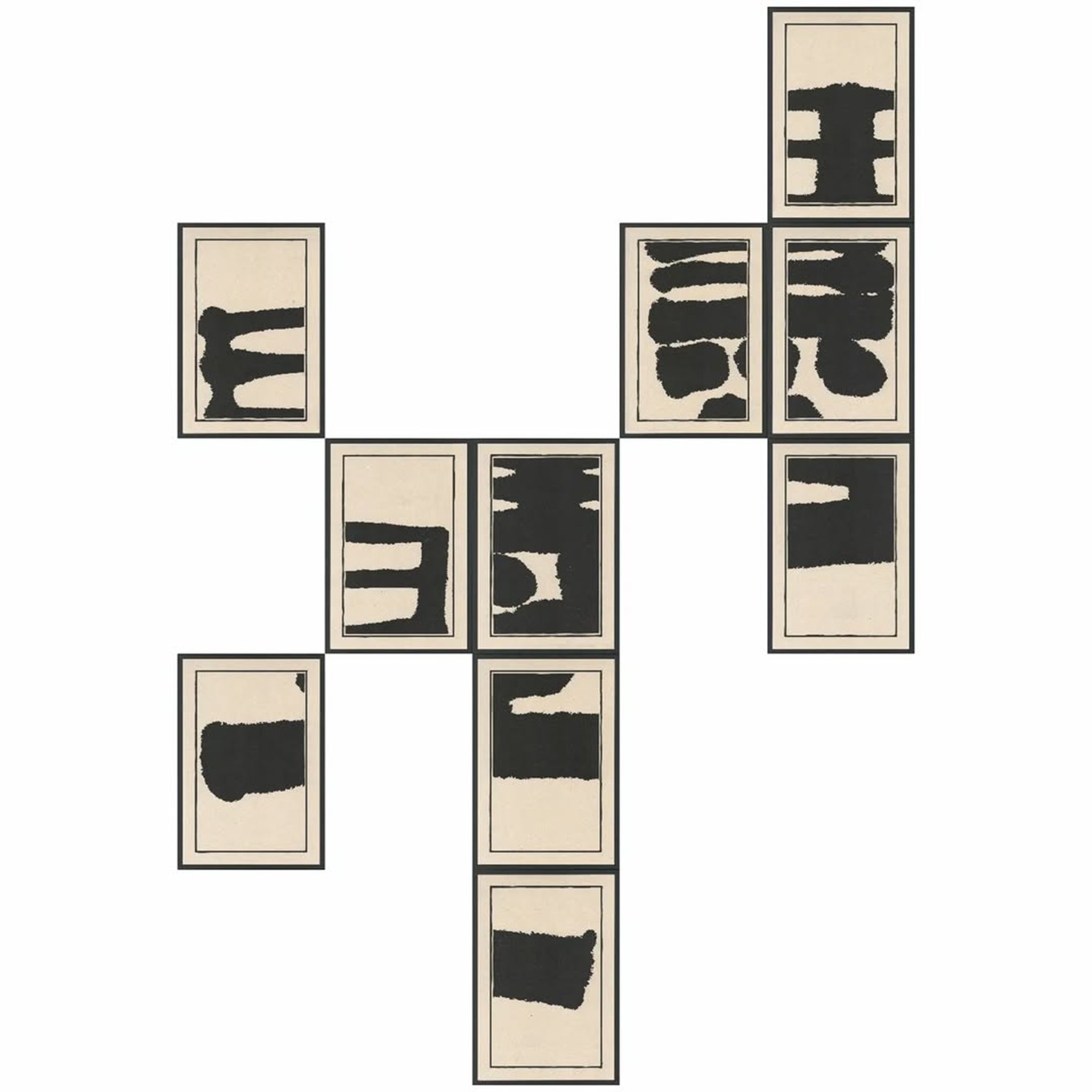
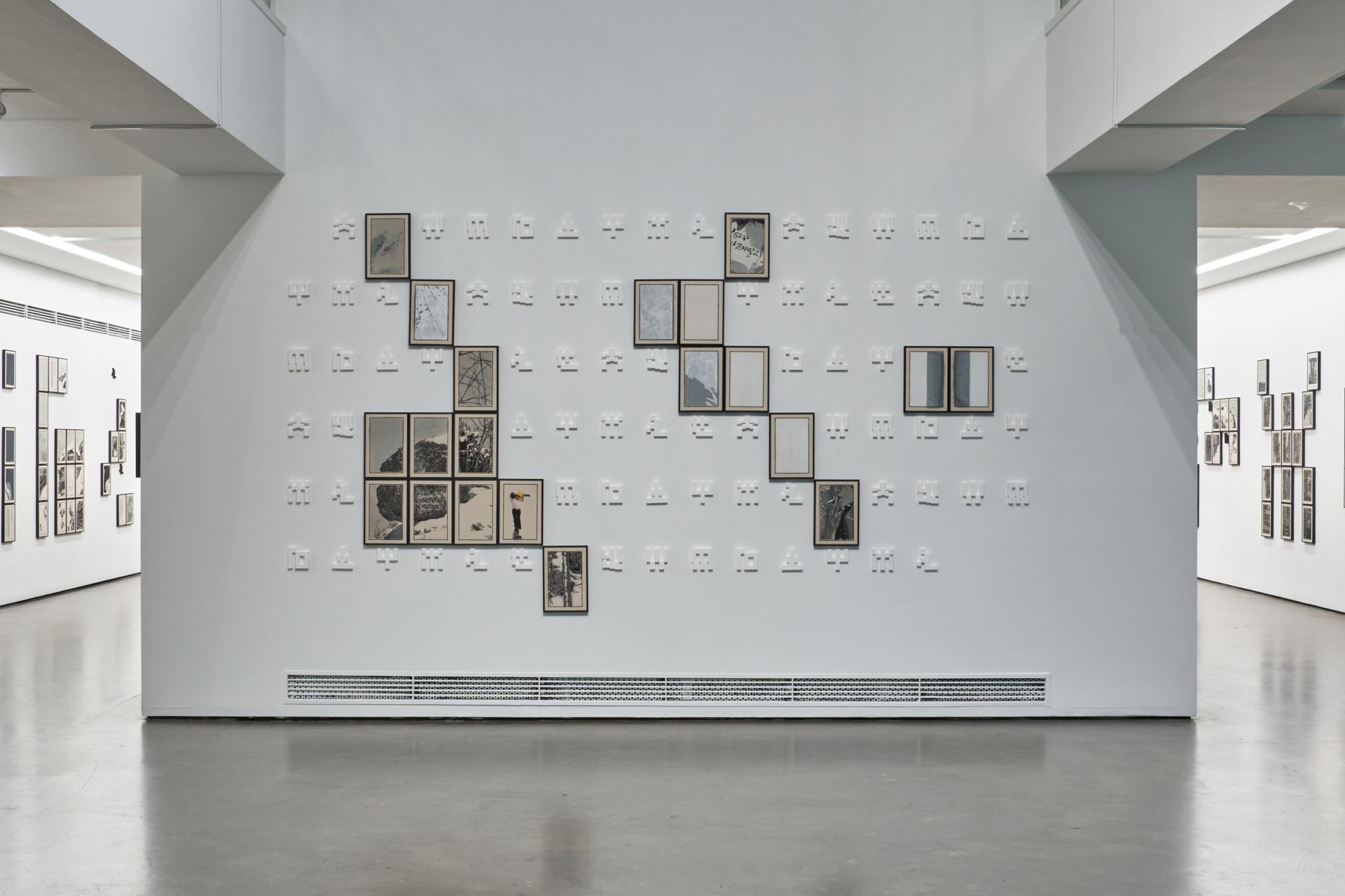
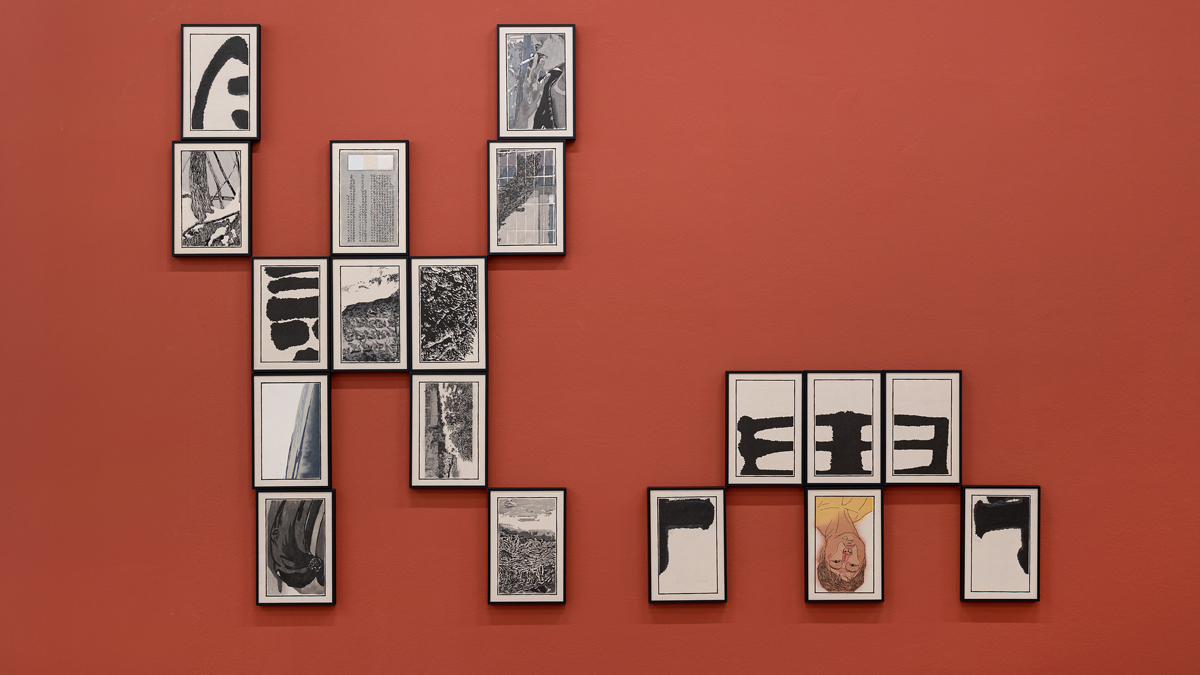
in 《Hwang’s Manual of Eternal Classics》, Hwang further systematized the structure of repetition and
appropriation. While emulating the compositional design of traditional painting
manuals, he reorganized his framework into ten thematic categories: Heaven (天), Water (水), Fire (火), Rain (雨), Stone (石), Earth (土), Grass (艸), Tree (木), Human (人), and Calligraphy & Painting (書畵). Each
category weaves together nature, humanity, and art into a unified narrative,
demonstrating that the language of traditional media can be reconfigured
through contemporary memory and perception.
In 《Hwang’s Manual of Song’s Work – Throwing Arrows》, this structure expanded to incorporate the work of another artist.
Hwang recontextualized contemporary calligraphy and painting artist Jean Song’s
works, such as The Flower Arrangement by the
Shepherd(2023) and Hybrid Dove(2023), within
his manual system, producing a secondary pictorial structure exemplified
by Hwang’s Manual Painting – Hybrid Hybrid Dove(2023).
Through this process, the “manual” becomes not merely a record but a generative
device of contemporaneity that overlays the paintings of past and present, self
and others.