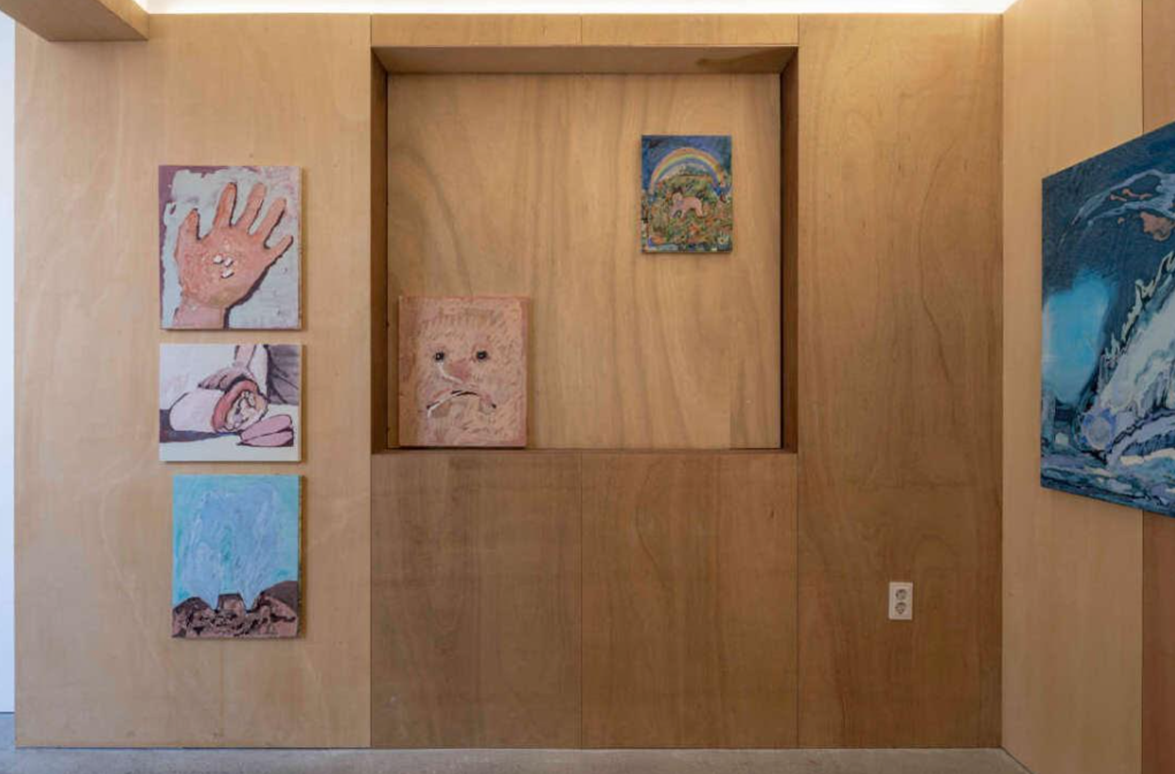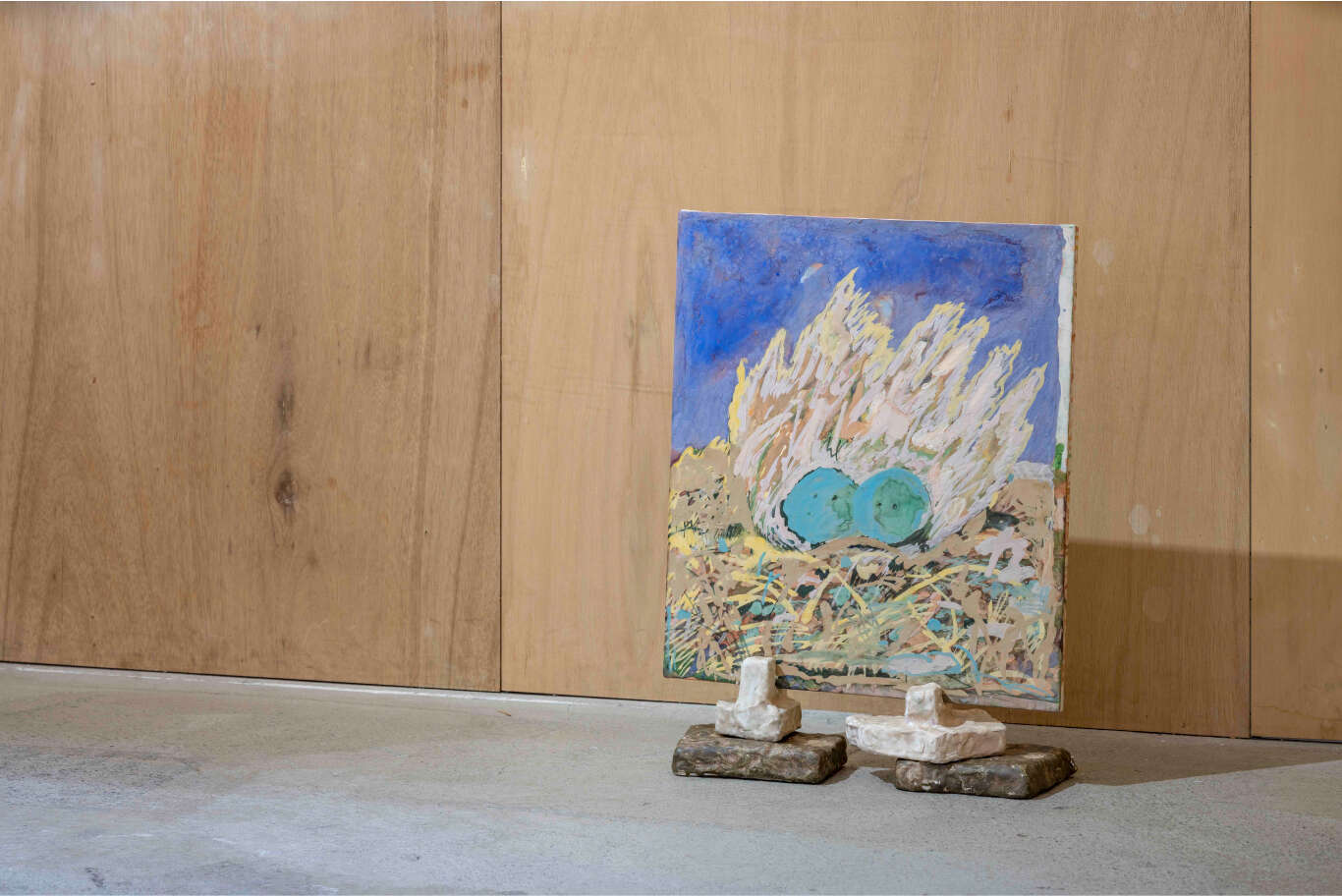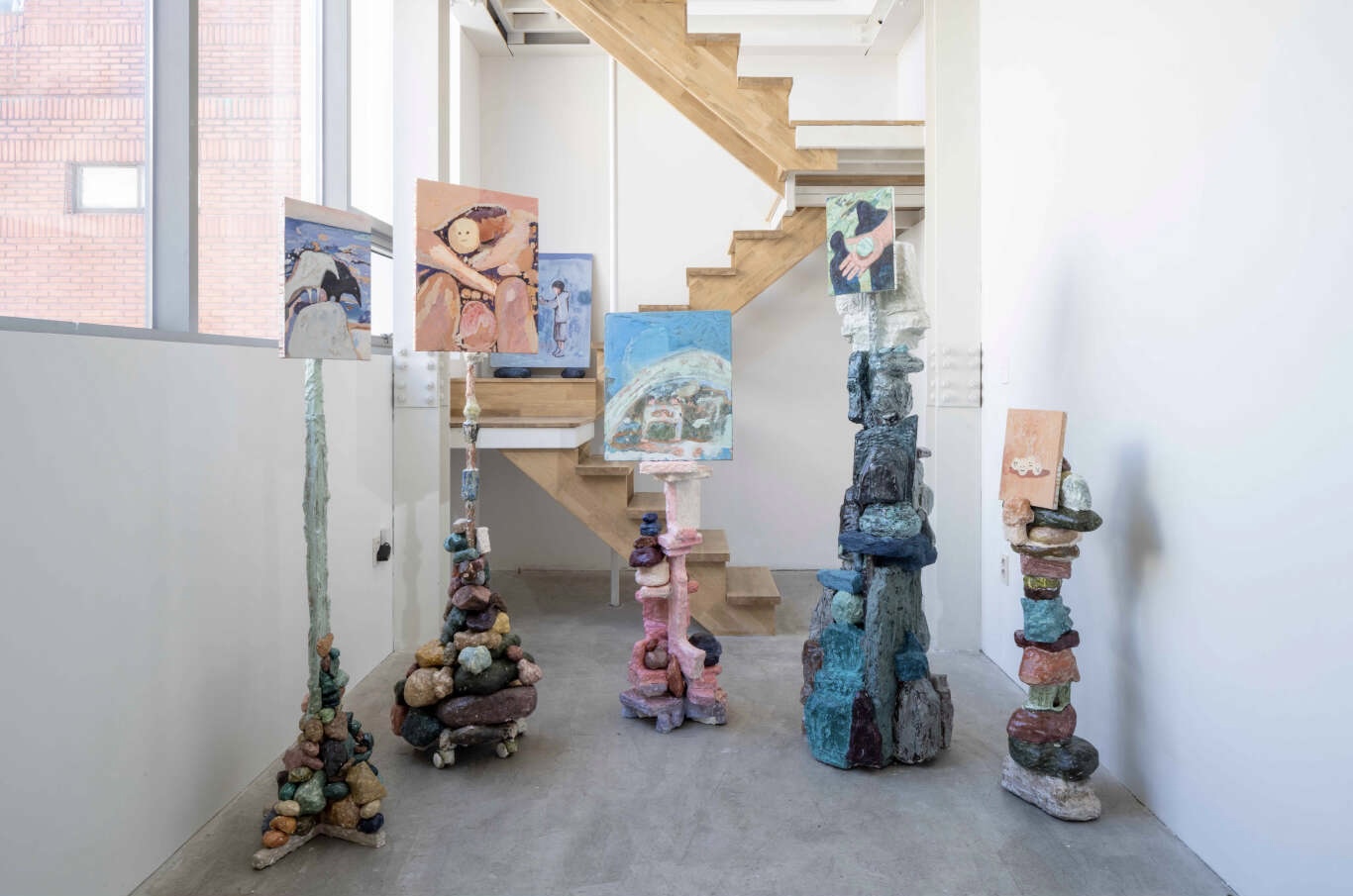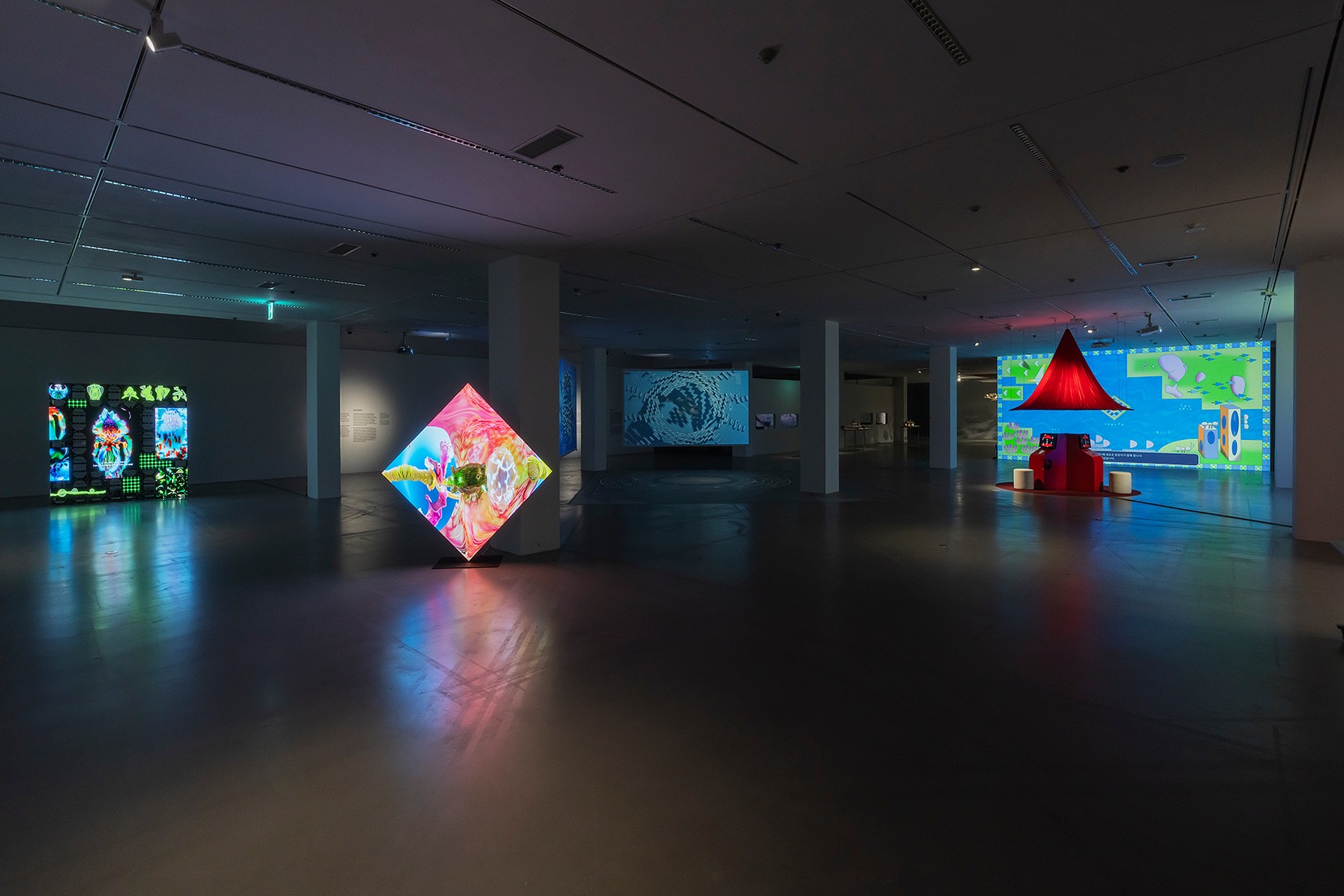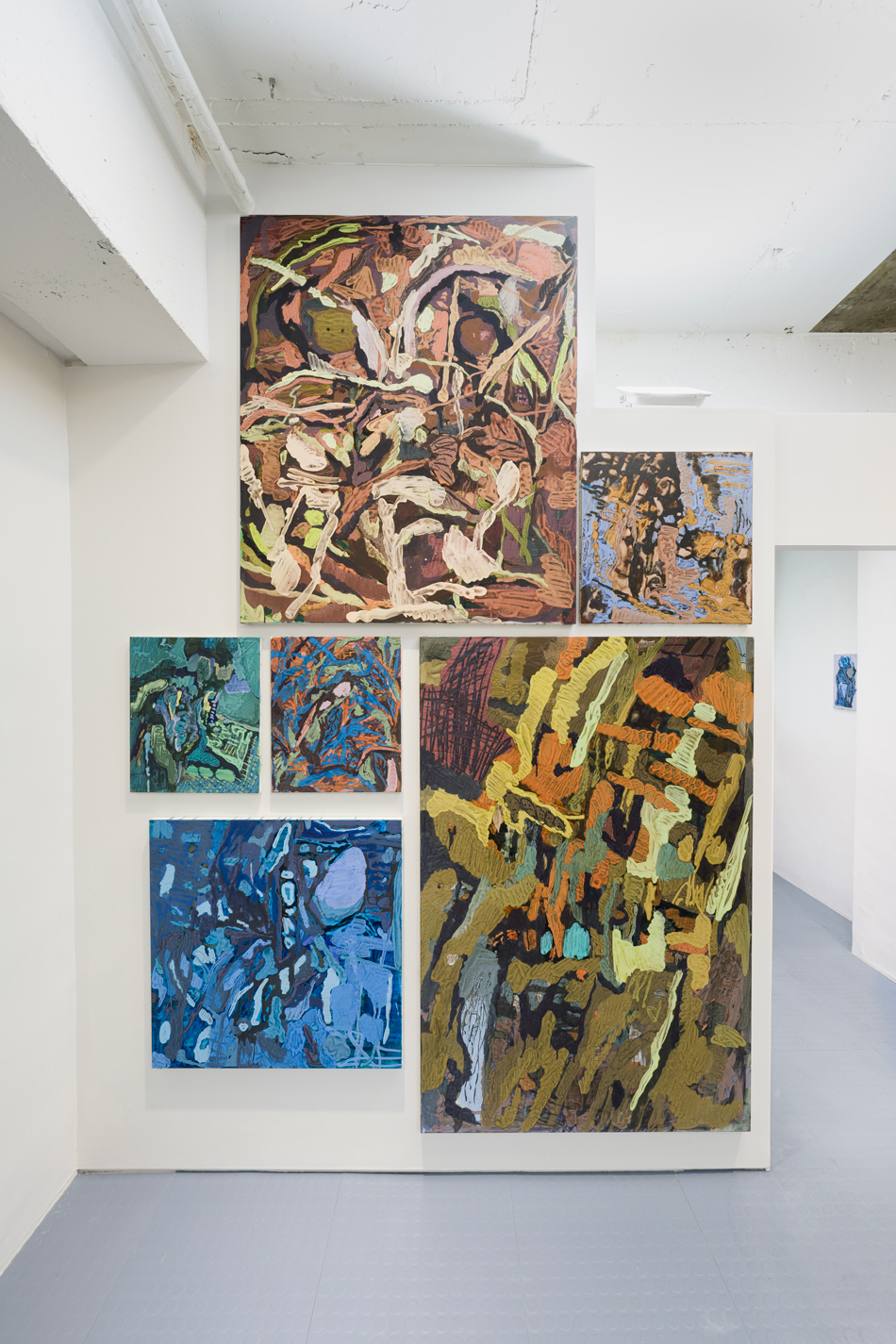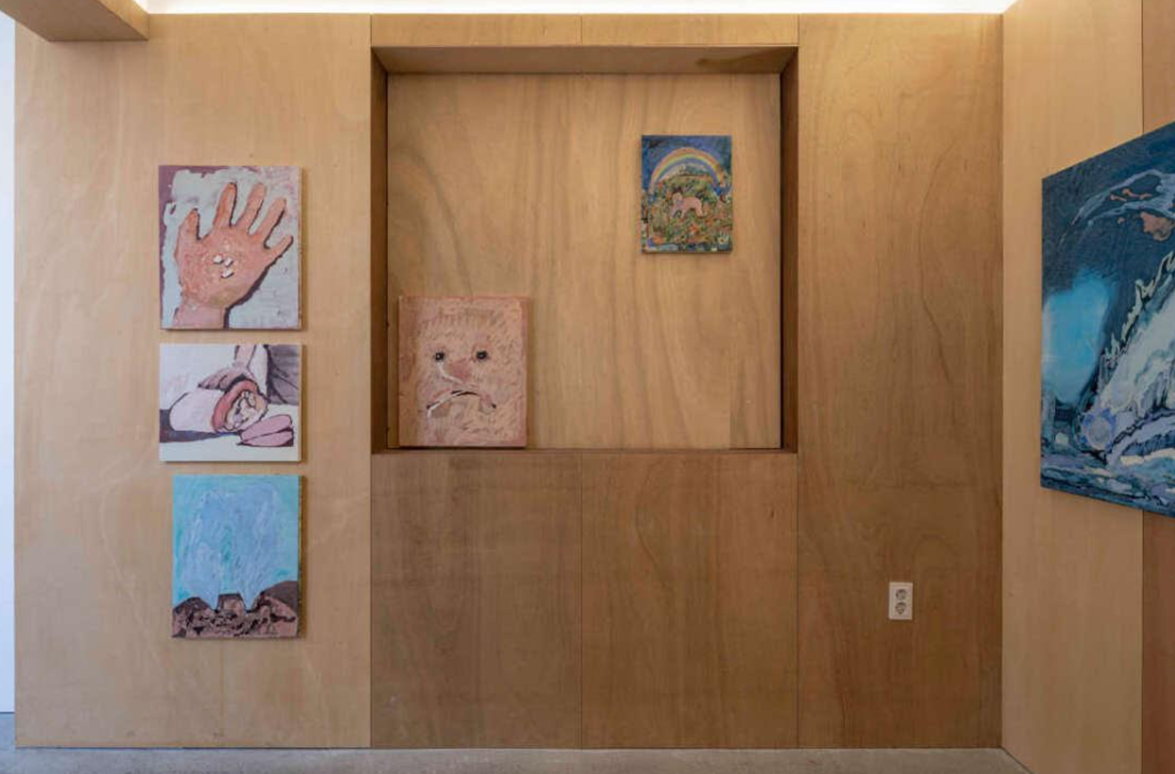

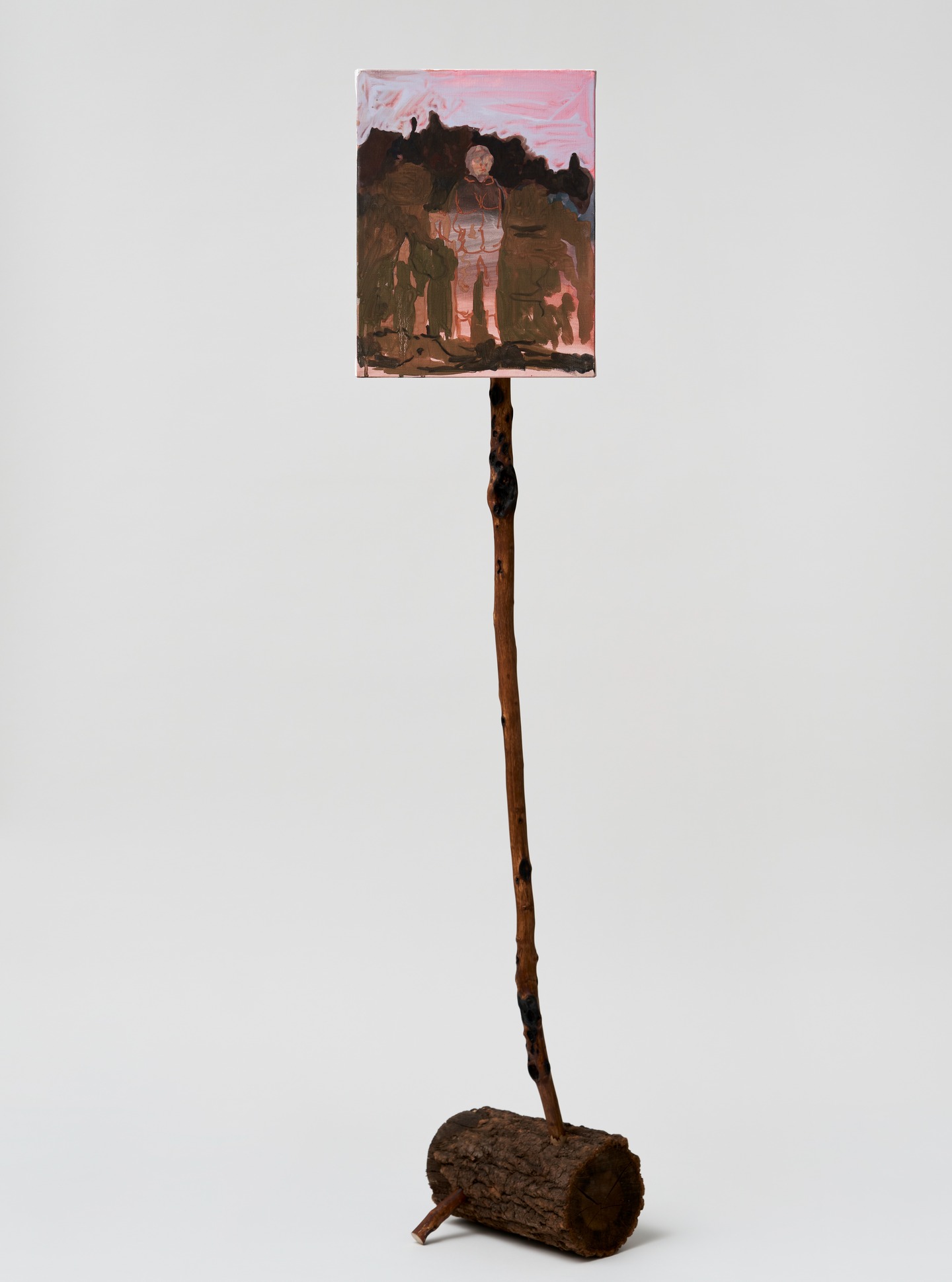
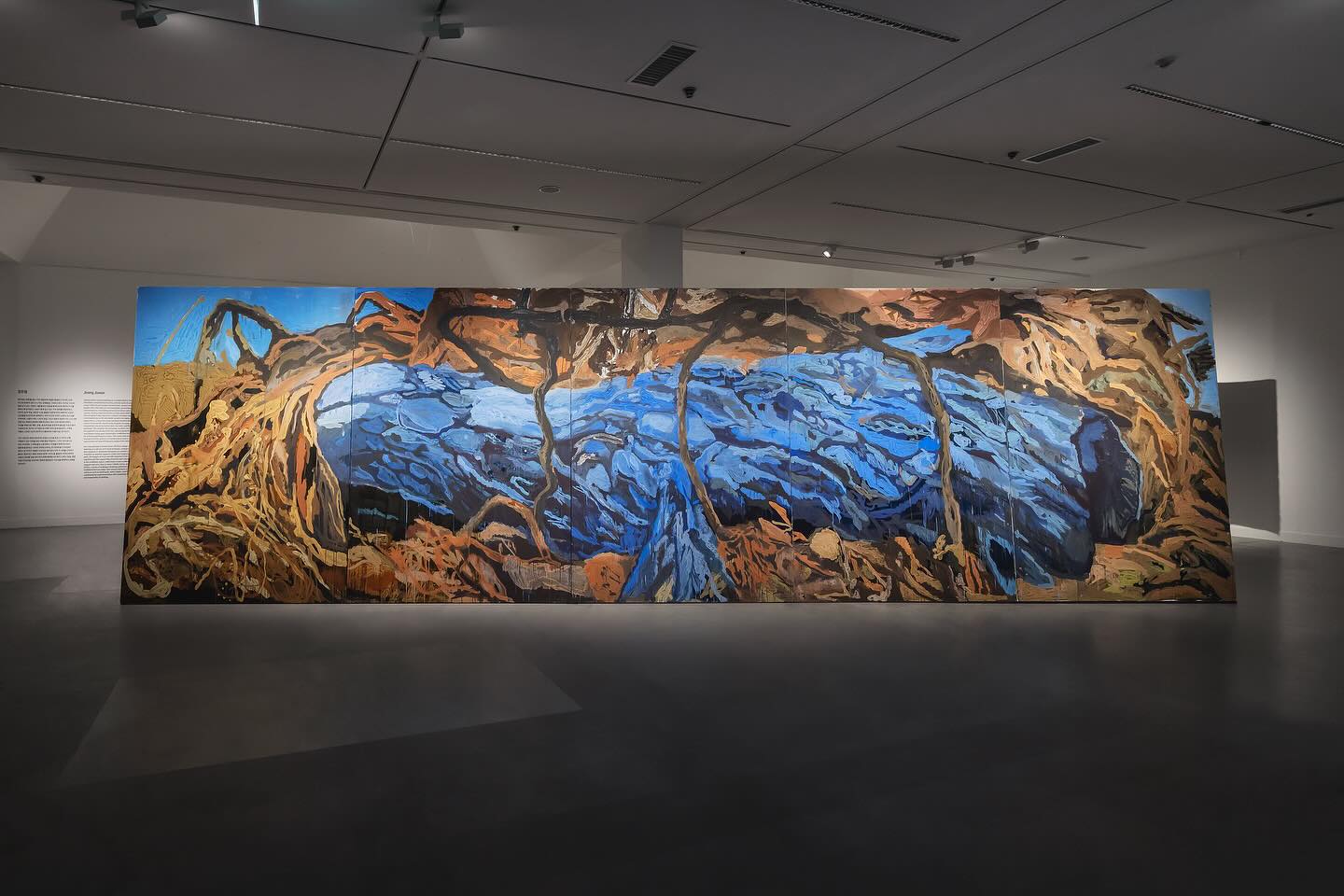
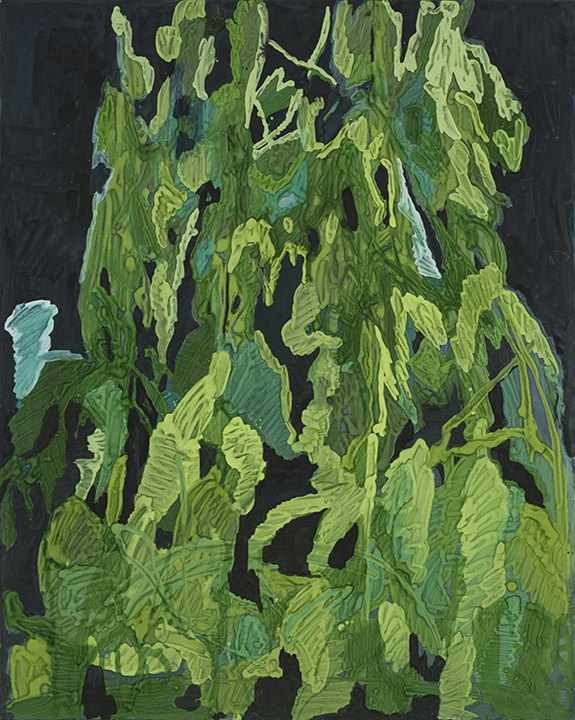
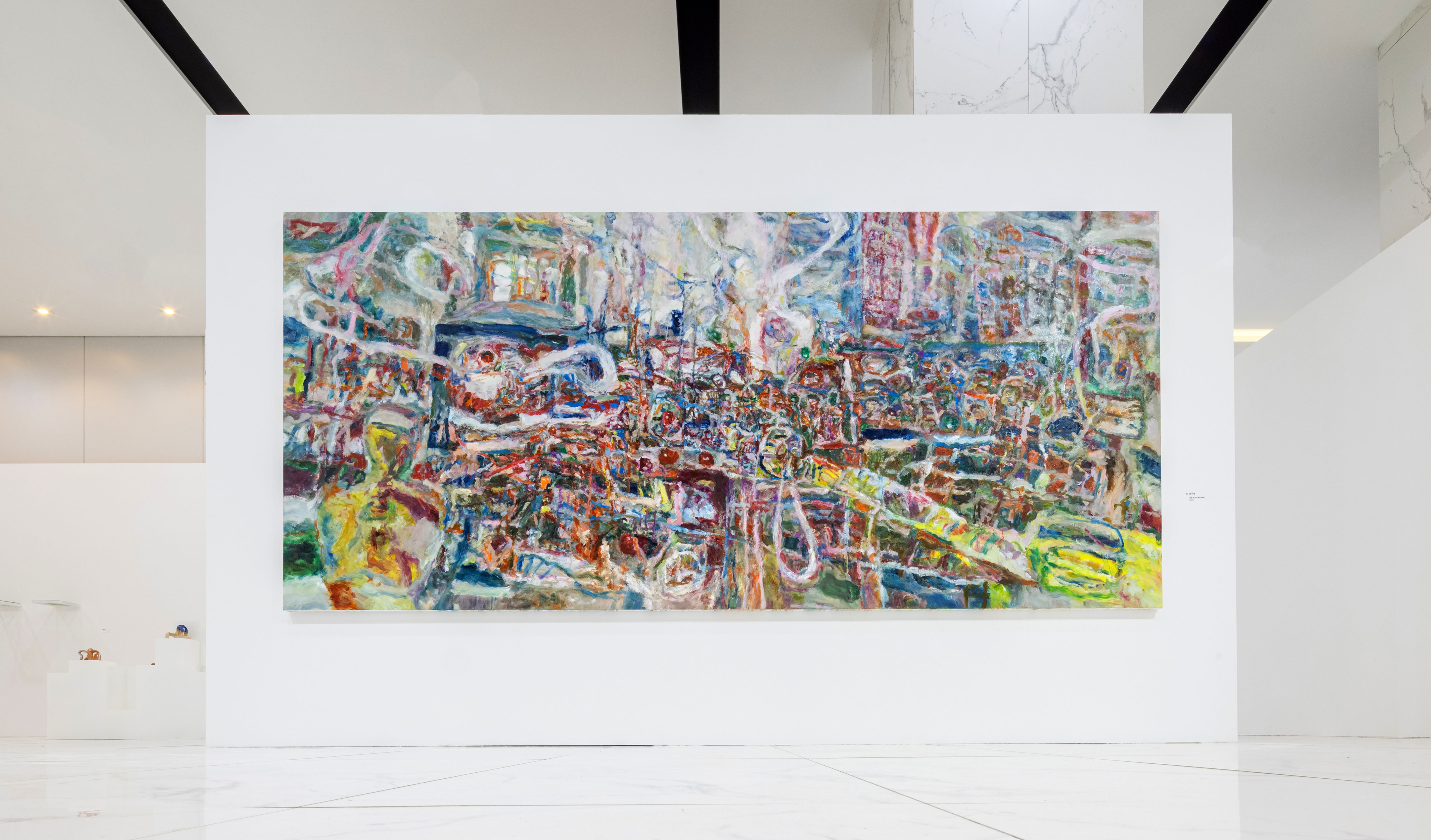
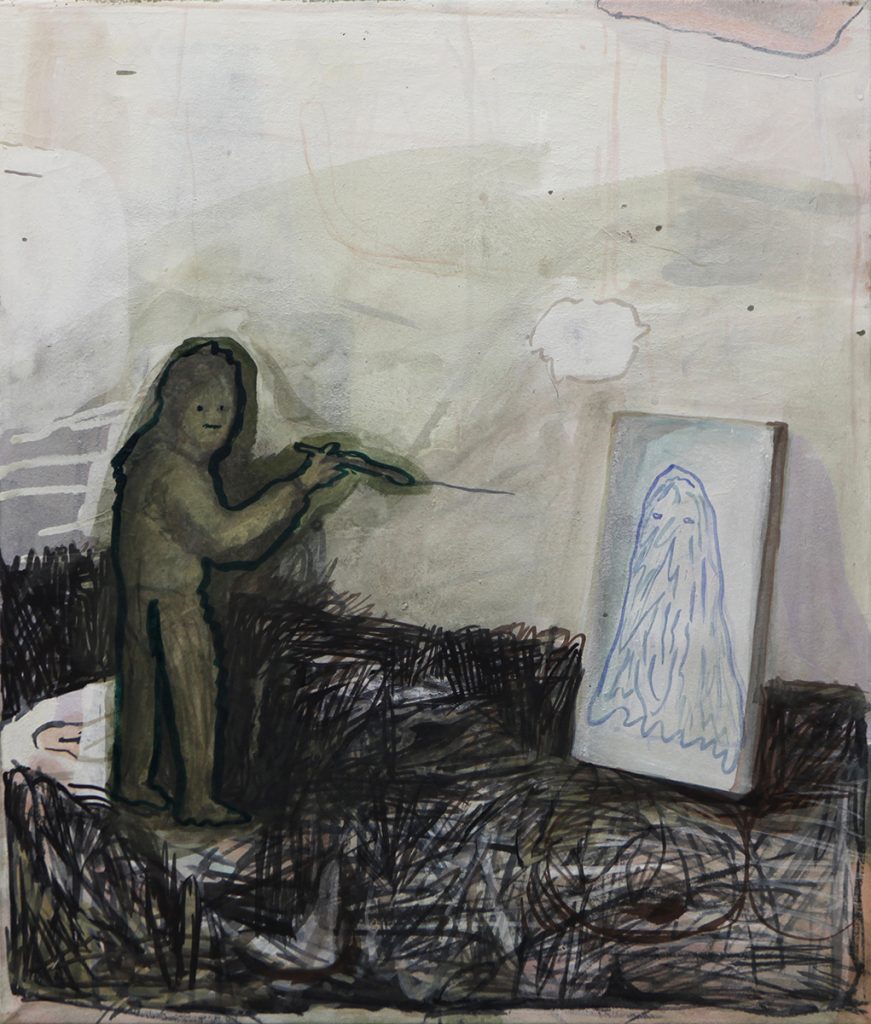
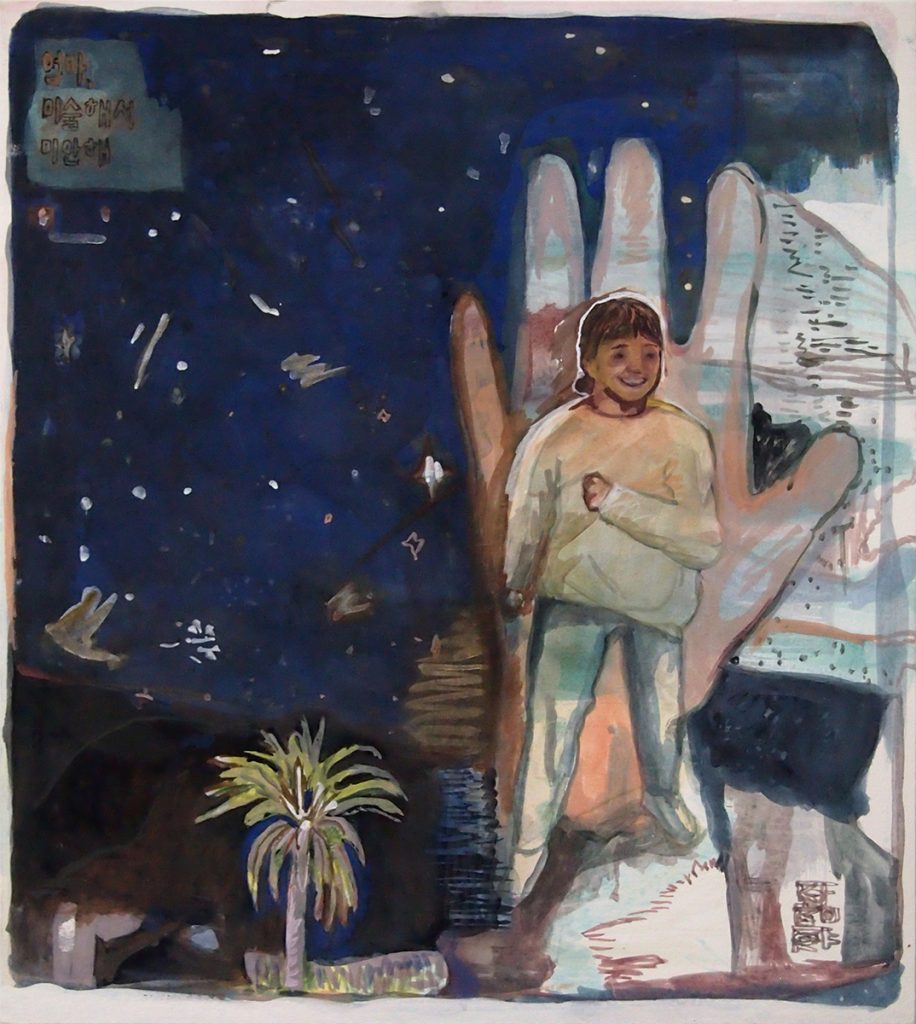
Installation view of 《Go up to your neck in love》 (Onsu Gonggan, 2021) ©Jeong Juwon

Within the Name of Love – Audible in Vagueness by Konno Yuki

There is a certain landscape—vast, overwhelming, and never to be possessed—that unfolds magnificently before us. We stand in front of it, struck by awe. The sensation that arises when facing such a scene is profoundly sensual. Yet soon, people attempt to master and possess it.

The overwhelming view becomes a picture, a telescope’s vision, a tourist postcard, a camera frame, a computer wallpaper—each a medium that offers a “view.” Through these recording devices, the ungraspable is literally made graspable. Perhaps, however, the landscape itself had always anticipated such inversion—the dissolution of distance between awe and possession. The essence of landscape lies in remaining at a distance while still allowing access: something far away that nonetheless invites our gaze. That is what makes it a landscape.

This description often recalls love. Two people may be apart yet feel emotionally near; they are other yet intimate, moved by an inexplicable affection. In this sense, landscape and love share an affinity: both sustain distance while drawing near. Then, how does love appear as landscape in Jeong Juwon’s solo exhibition 《Go Up to Your Neck in Love》?

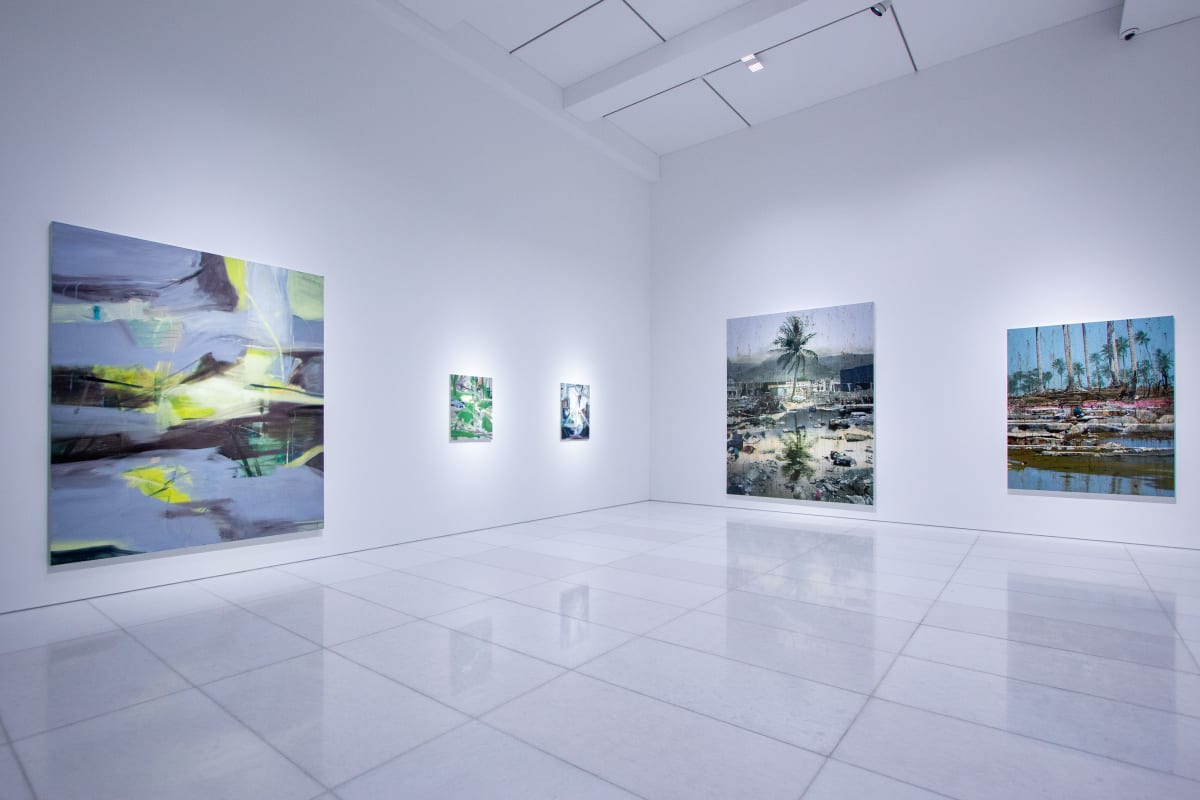
Installation view of 《Go up to your neck in love》 (Onsu Gonggan, 2021) ©Jeong Juwon

Jeong’s paintings depict the landscape after love has ended, revealing both intimacy and the gap within that intimacy. The temporal point—“after love”—occupies a space between presence and absence. This landscape is not the void or exhaustion of “no love” but something that lingers between “love once was” and “love still continuing.” Essentially, “once” and “still” cannot be separated.

If “once” truly remained only in the past, we would not yearn for it; if “still” truly persisted unchanged, we would have no need to fear loss. The “love of once” and the “love still ongoing” coexist as landscapes that remain within someone. Thus, the time after love becomes a viewpoint of intimacy itself—the moment when the landscape shows its form.

The painted landscape leads the viewer into the indeterminate state that precedes any fixed “view.” Spread out like air, it is not an object to be grasped or owned. In this situation—where distance can only be maintained—the one who gives the name “love” is not the viewer gazing from afar, but the one who was once immersed in that space, the one who fell in or remains there.

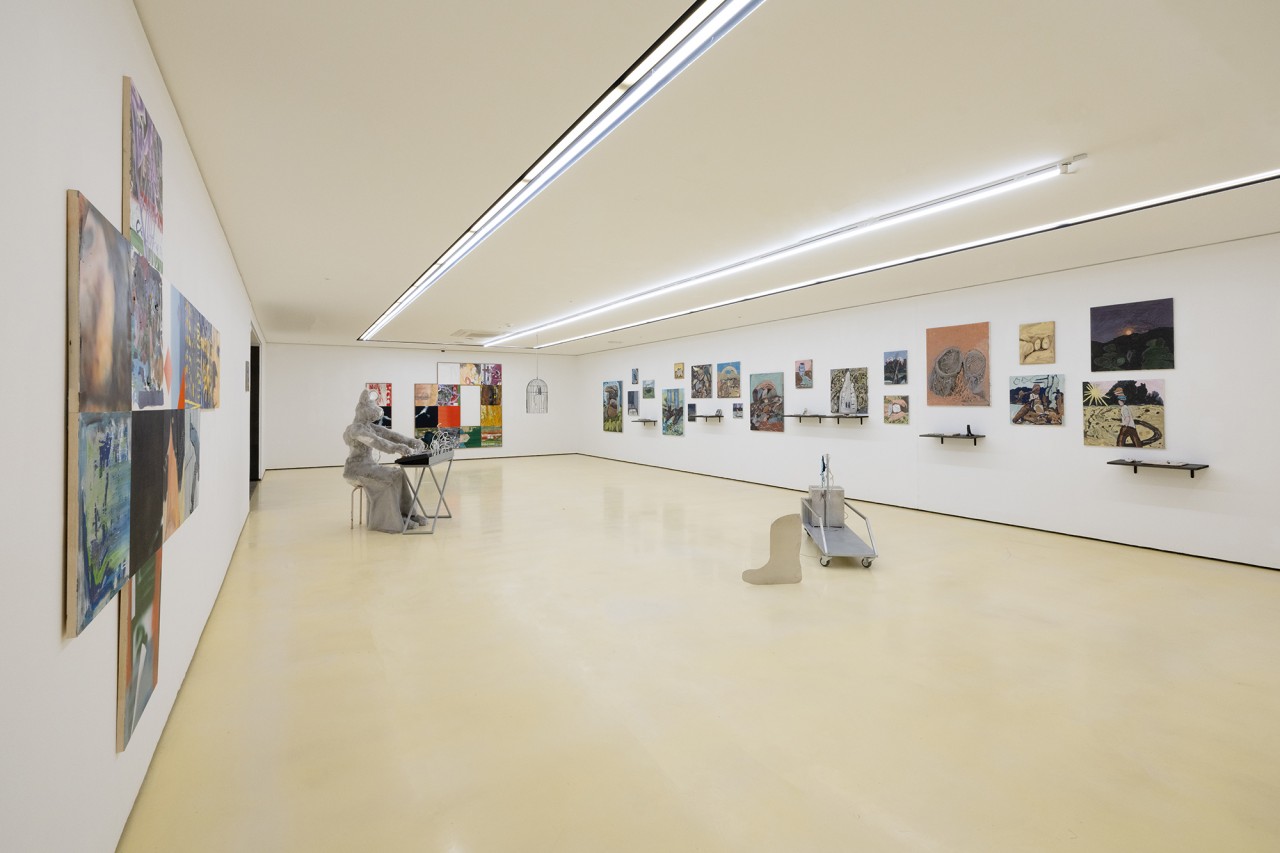
Installation view of 《Go up to your neck in love》 (Onsu Gonggan, 2021) ©Jeong Juwon

Only that someone—both subject and object—can name love, not as an explicit result but as something that lives within its own name. Even if we cannot know what specific scene of love it was, we know they lived inside it. In the images Jeong captures, love ultimately drifts further away from any fixed form or expression.

The exhibition 《Go Up to Your Neck in Love》 shows the anonymous states of love that once lived under that name. The landscapes in the works are distant to us—and distant even to those who once lived within them. So has love truly ended? Must we accept it as nothing more than a hollow landscape? When one throws oneself “up to the neck in love,” with that utmost commitment, how can we speak or name love anew? What we cannot fully see or recognize emerges beyond any name or title.

We find ourselves standing at the margin of that landscape. The landscape after love is neither the end of love nor of landscape itself. It is a space that can be called love—a space where the retrospective realization that “it was love after all” begins to redraw the boundaries of love. The scenes in Jeong’s paintings depict places that can never truly be recognized. Attaching the name “love” to such indeterminacy is something only the one who once inhabited that vagueness can do. In a situation where distance must be maintained, the subject who names love is not a mere spectator.

It is the one who, having once been together, looks back—and only then can they call it love. When one has thrown oneself entirely—up to the neck—the voice may be worn and exhausted, yet it still echoes within the name of love. That echo may not be audible in Jeong’s painted landscapes of love’s aftermath, but though unheard now, the cry of love toward someone—whether “I,” “you,” “we,” “my darling,” or “our child”—remains resonant and clear.

References