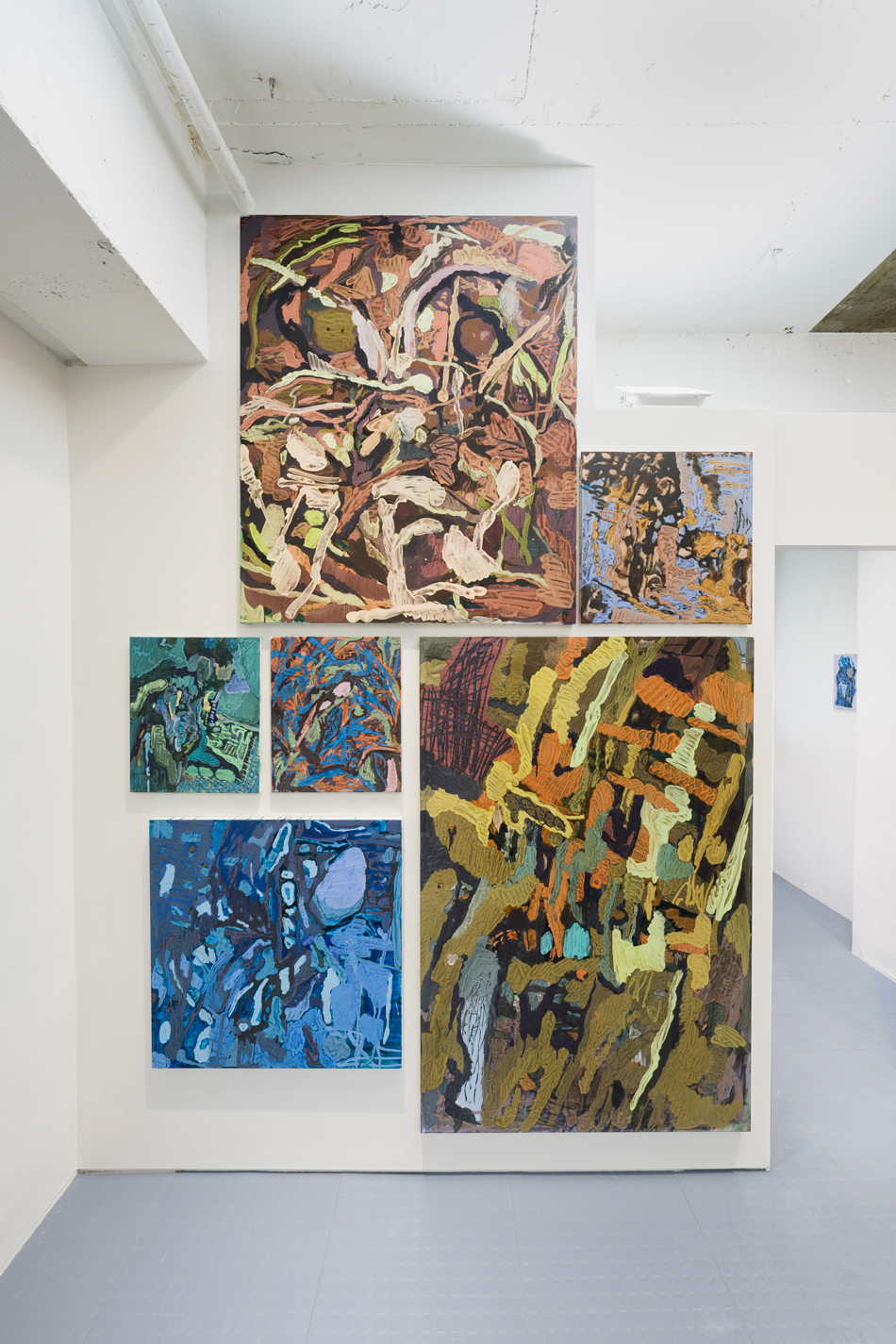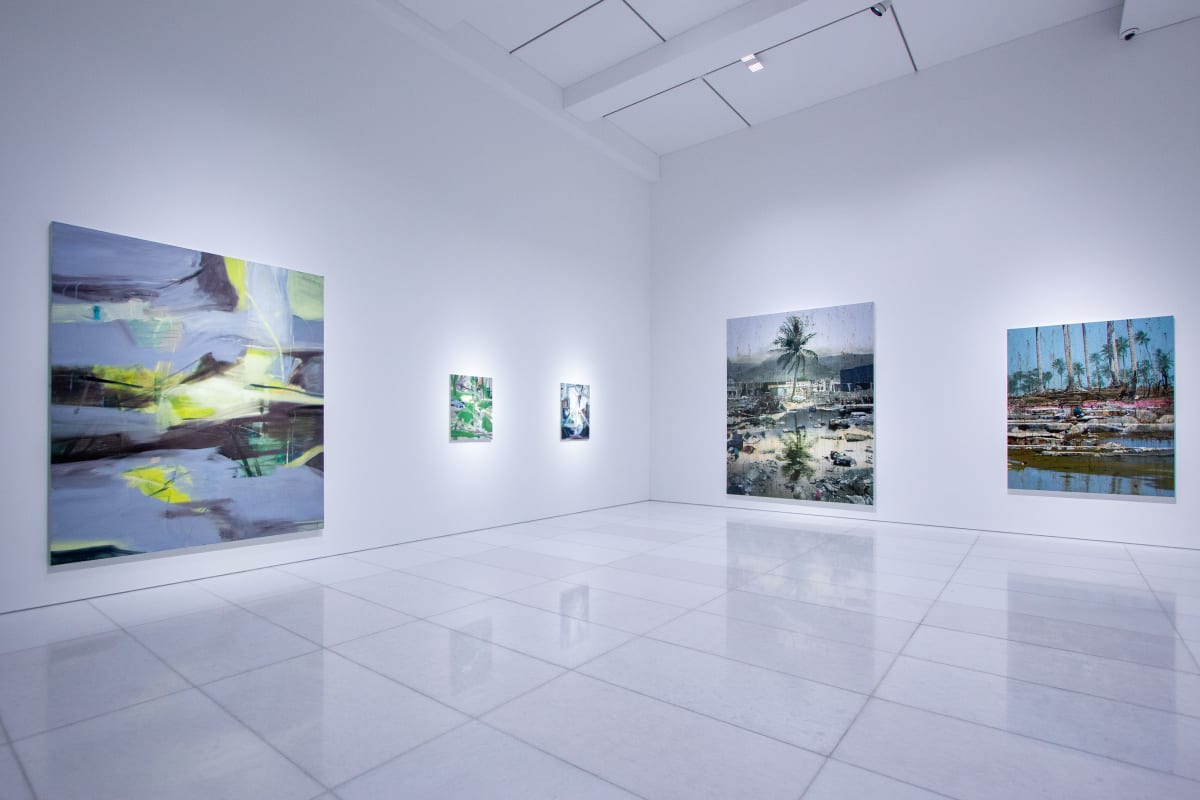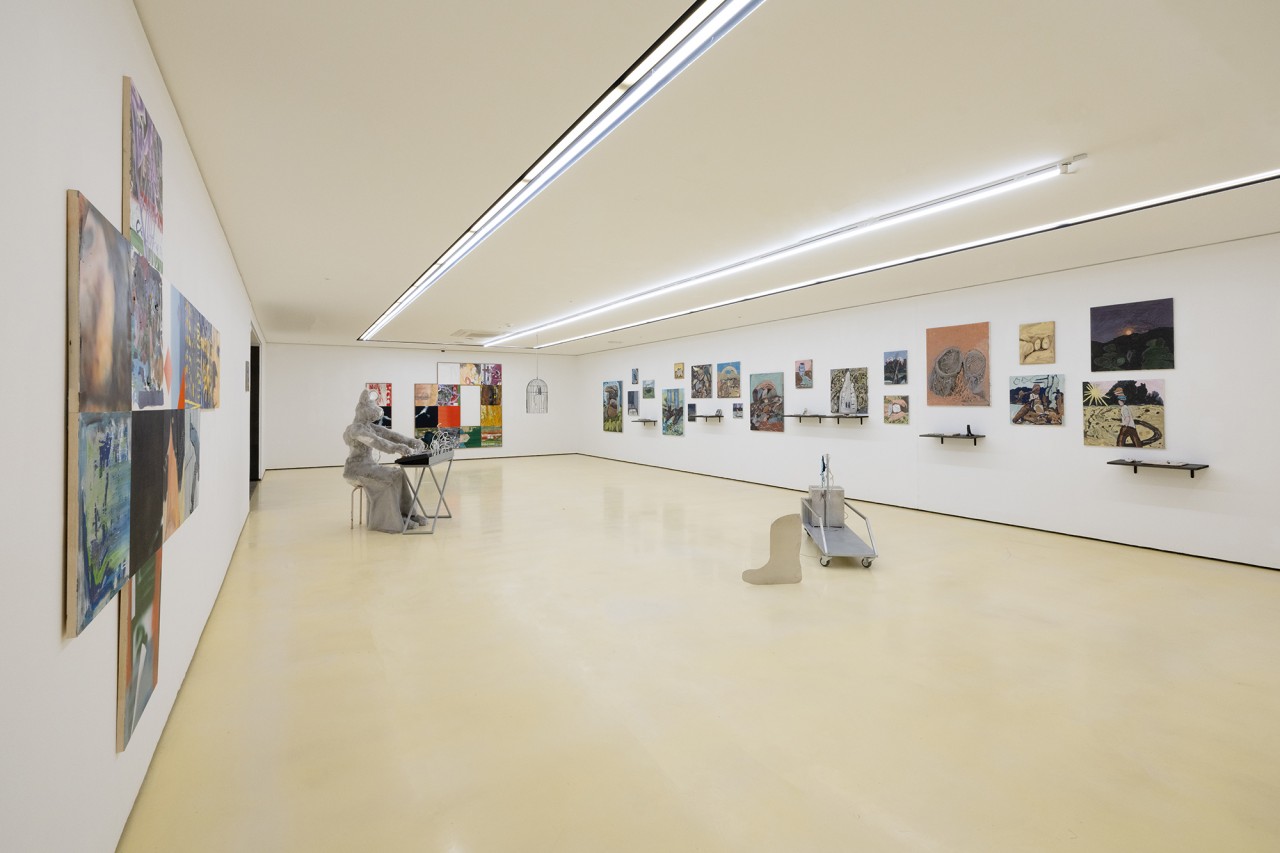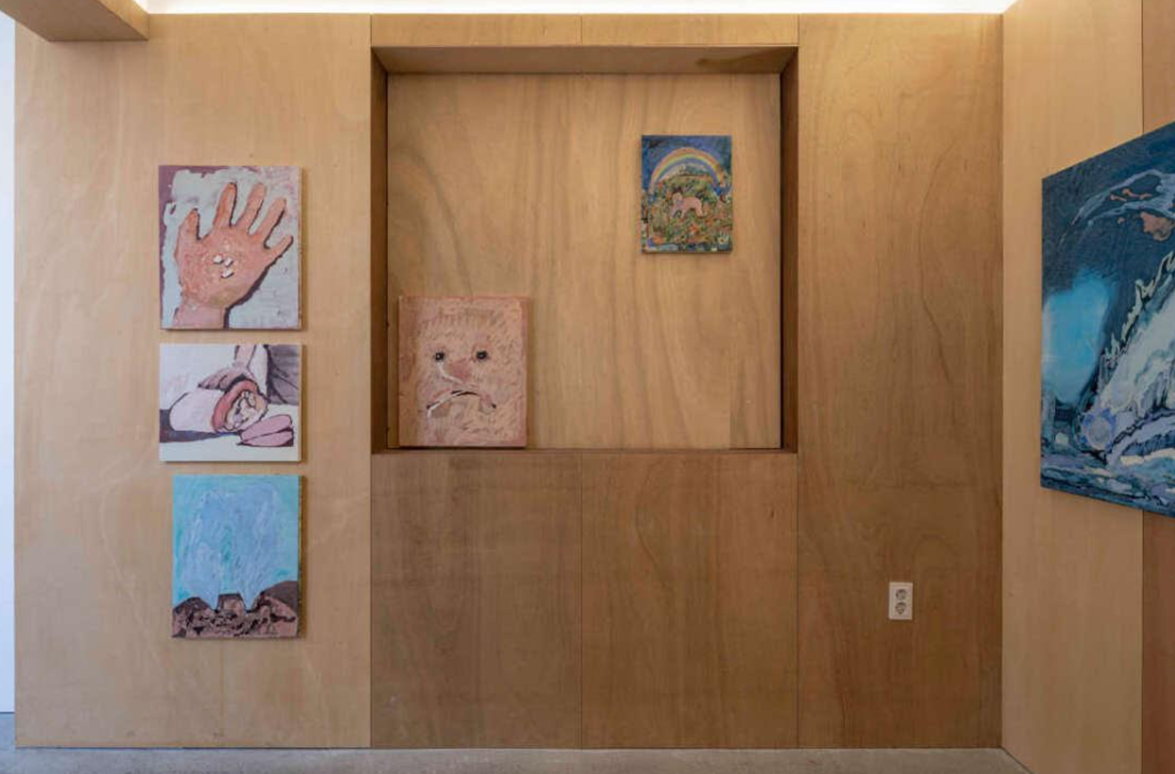

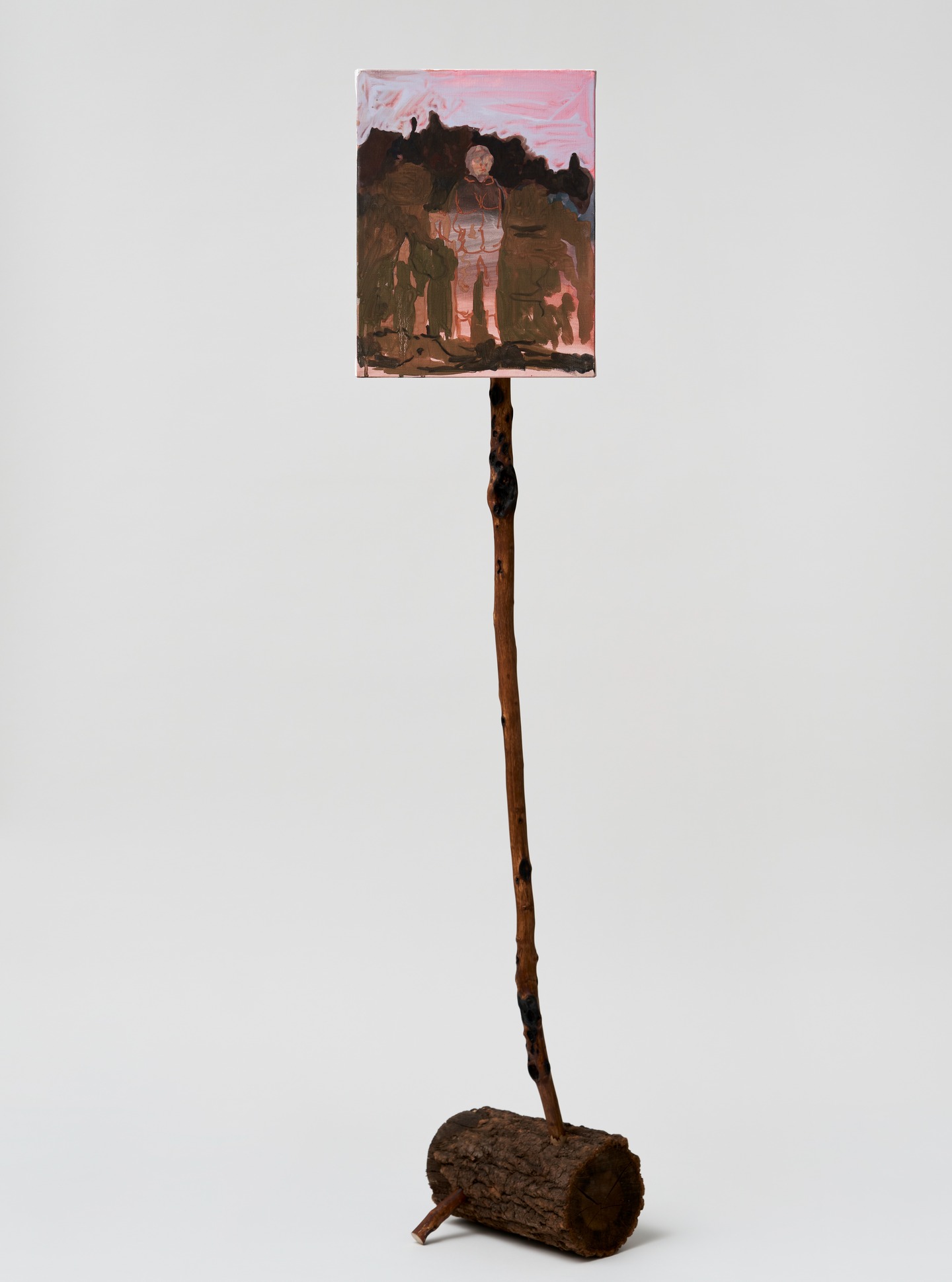
Installation view of 《Metabeta》 © Pockettales

Metabeta – A Field of Infinite Variations

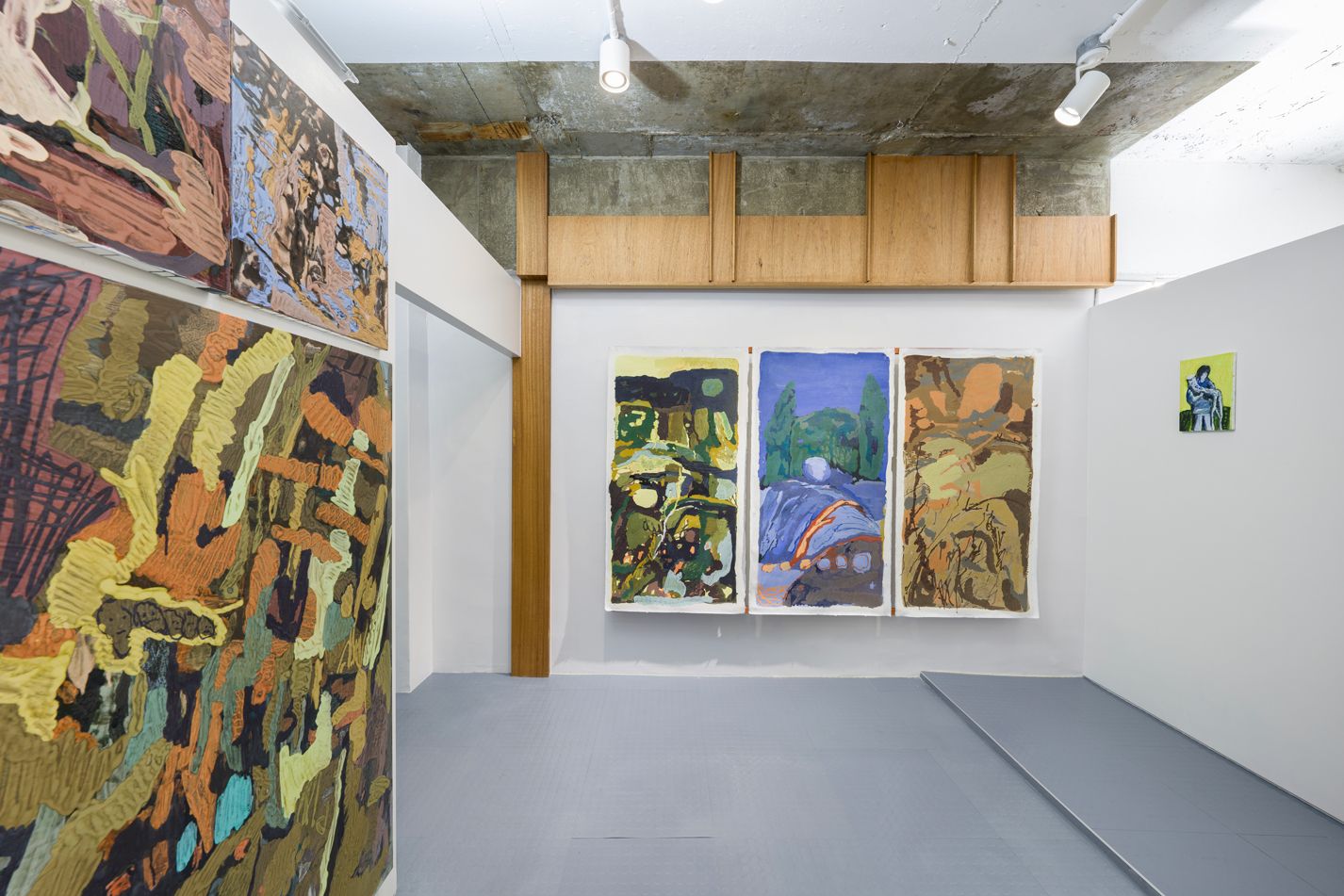
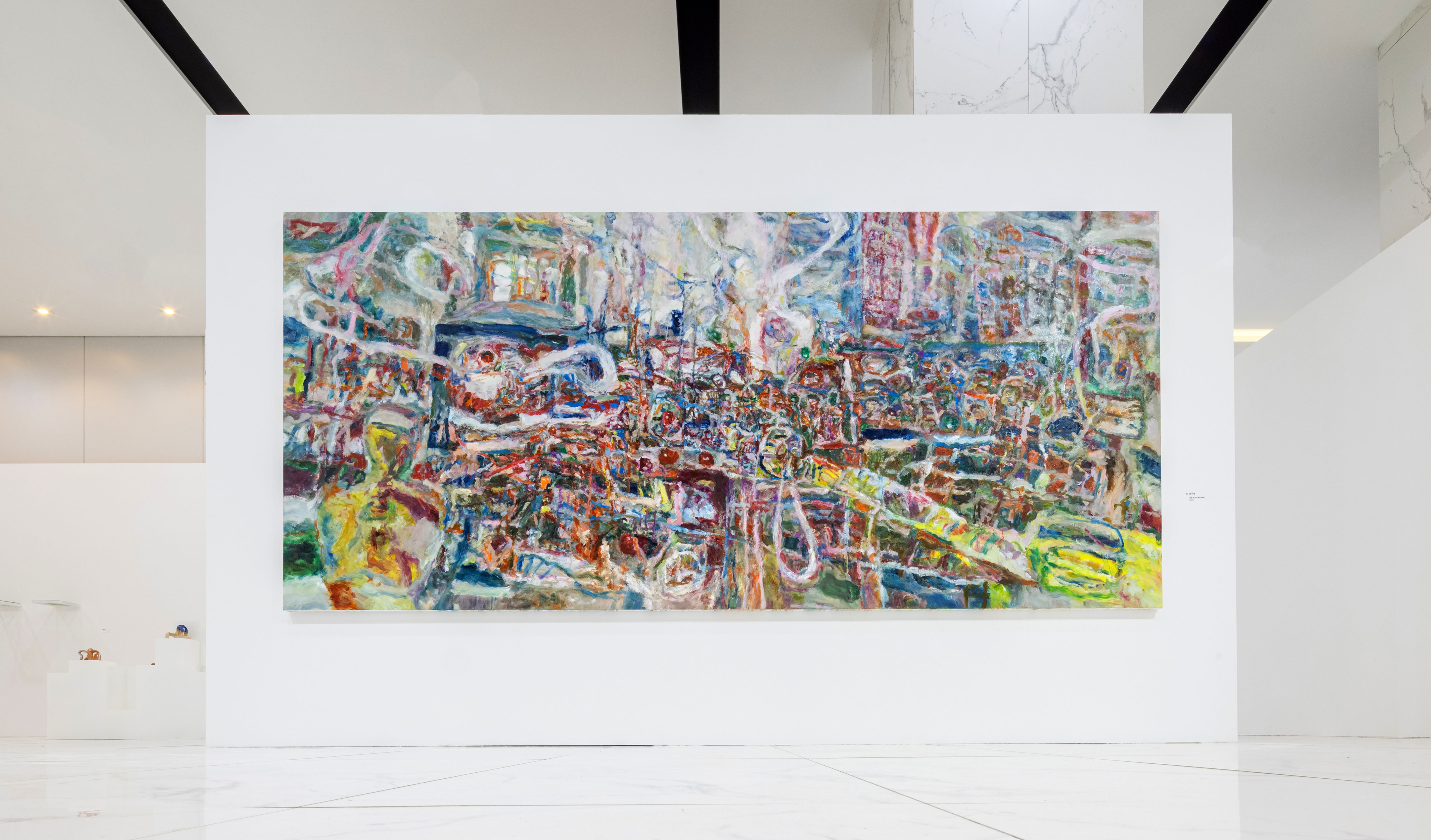
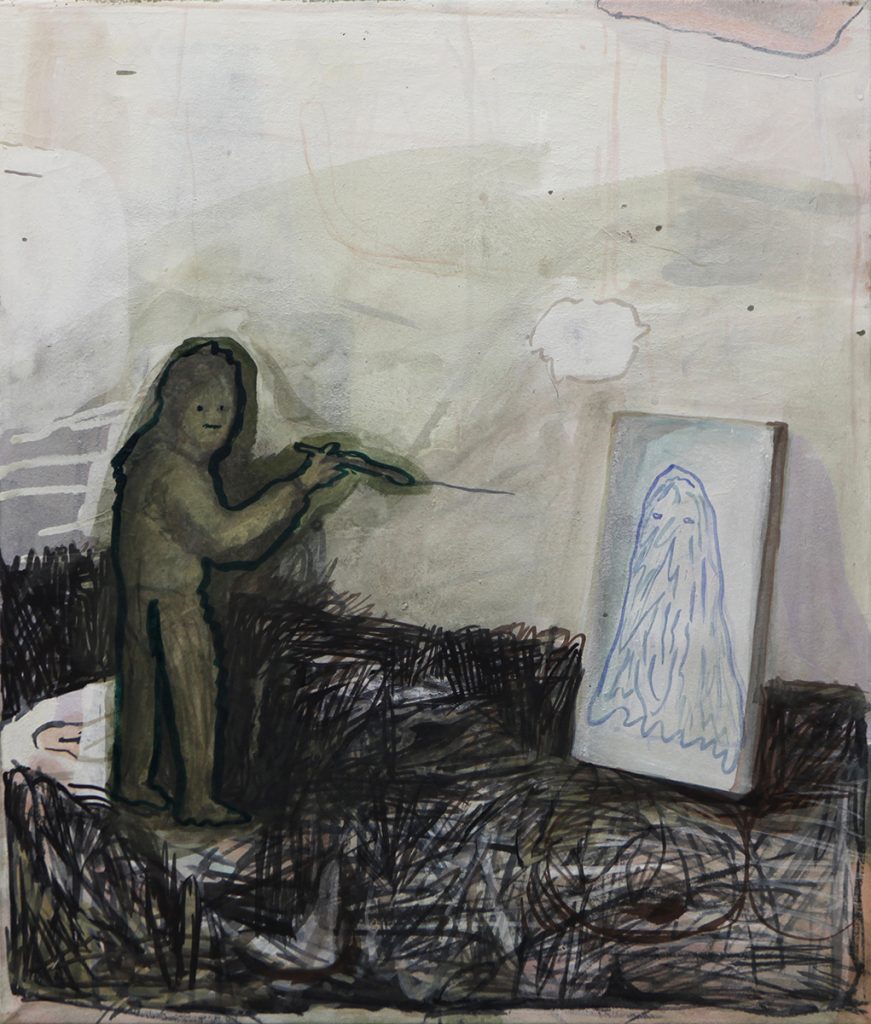
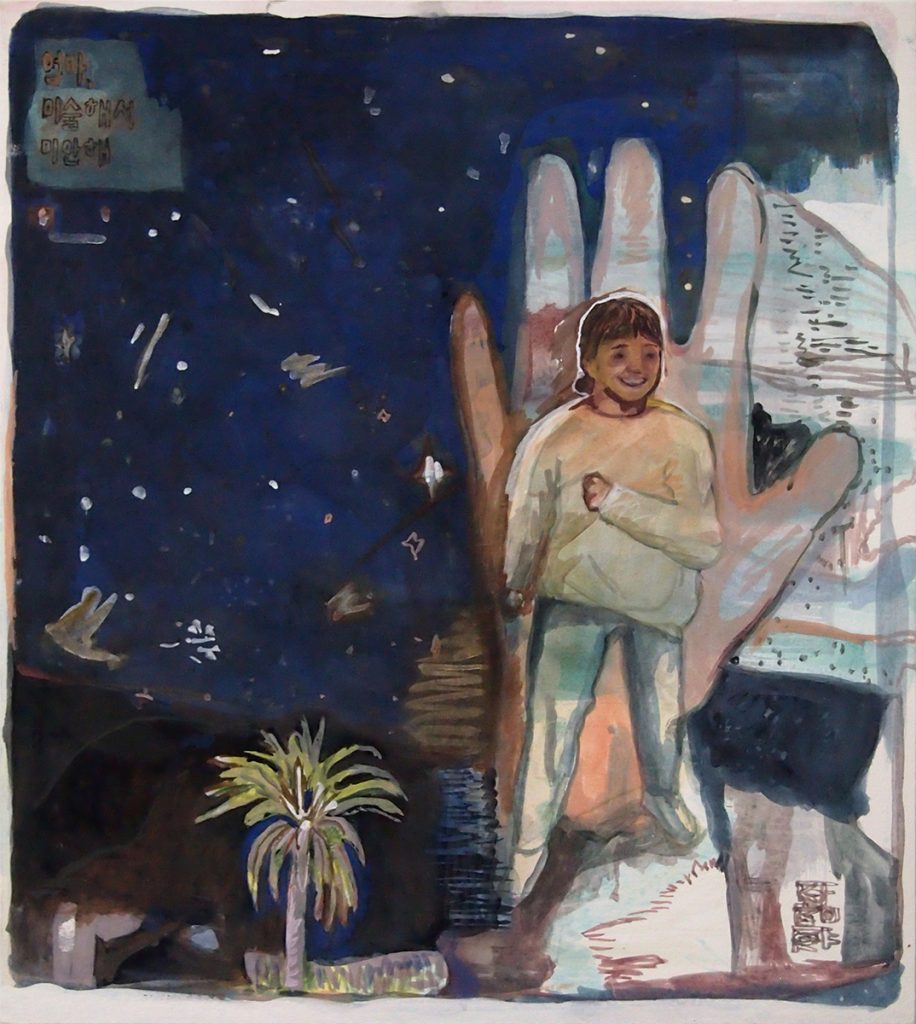
The work of artist Jeong Juwon is essentially an extension of her life, capturing traces of the questions and perspectives that resonate with each moment. Her art is not confined to mere brushstrokes on a canvas but serves as a vital medium that bridges the artist with the world. The exhibition 《Metabeta》 embodies the strata of her explorations and experiments, offering profound insights into surfaces and materials.

This exhibition metaphorically reflects the artist’s recent experiences — glimpses of nature encountered during her travels, scenes witnessed on late-night walks, and observations of dental surfaces during treatment. These moments prompted reflections on aging, transformation, and the artificial ways we seek to restore or compensate for change.

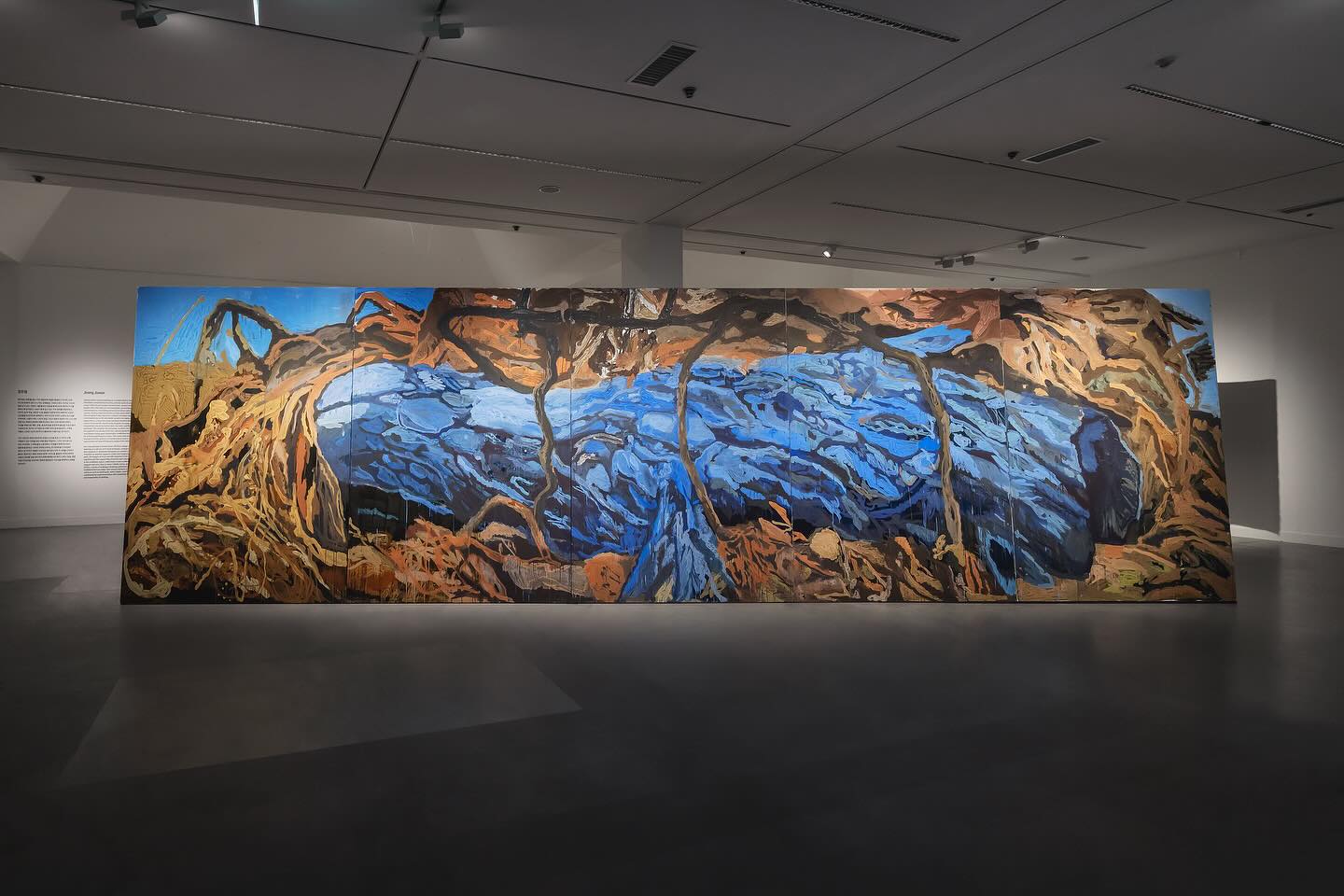
Installation view of 《Metabeta》 © Pockettales

In the work of Jeong Juwon, the cycles of human life and nature emerge as significant themes. Her experiences within a multigenerational household have shaped her exploration of care across generations and the continuity of life. By juxtaposing the faces of the elderly with those of young children, she draws parallels between life and death, likening these transitions to the surface of a tree.

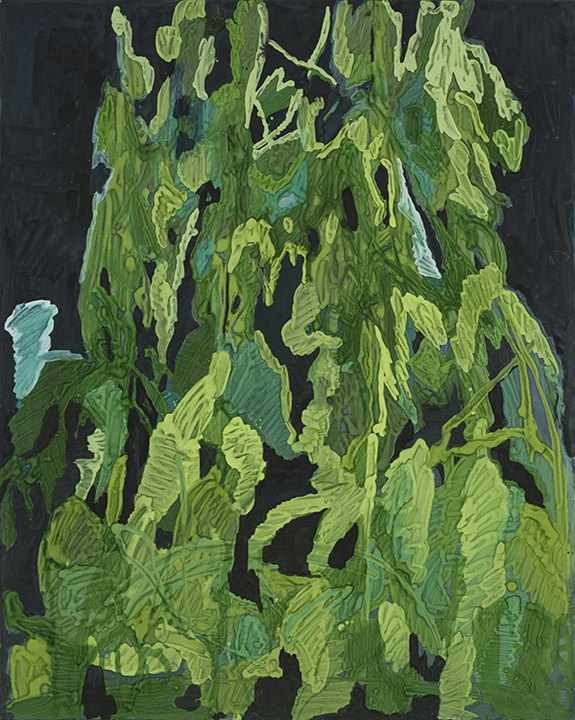
The artist’s ongoing investigation of tree surfaces has become a central theme in her practice. She uses the bark of trees as a metaphor for human aging and the traces left by life, shifting her focus from form to patterns and textures. This exploration takes on shapes reminiscent of layered straw or the ripples of nature, allowing her to construct a unique visual language through the interplay of surface texture and depth.

Juwon portrays humanity through simple elements of nature, capturing subtle human expressions hidden within her paintings—like the glimmer of emotion revealed through an eye. These expressions, born within her works, convey ambivalent emotions that oscillate between abstraction and figuration. This creates an artistic tension that intentionally blurs boundaries while maintaining a serious tone.

A recurring narrative in her work involves cracks and the distinctive texture that seems simultaneously dry and not dry. This motif gained prominence during her 2022 solo exhibition, 《The Immortal Crack》 In this series, she employed a glue tempera technique using white clay and traditional Asian art materials, which naturally resulted in cracks on the surface.

Initially, these cracks were a source of anxiety for the artist, symbolizing both the collapse of perfection and the uncertainty of the future. While she first regarded them as flaws to eliminate, over time, he began to see them in a new light, initiating an exploration into ways to coexist with these imperfections rather than erasing them.

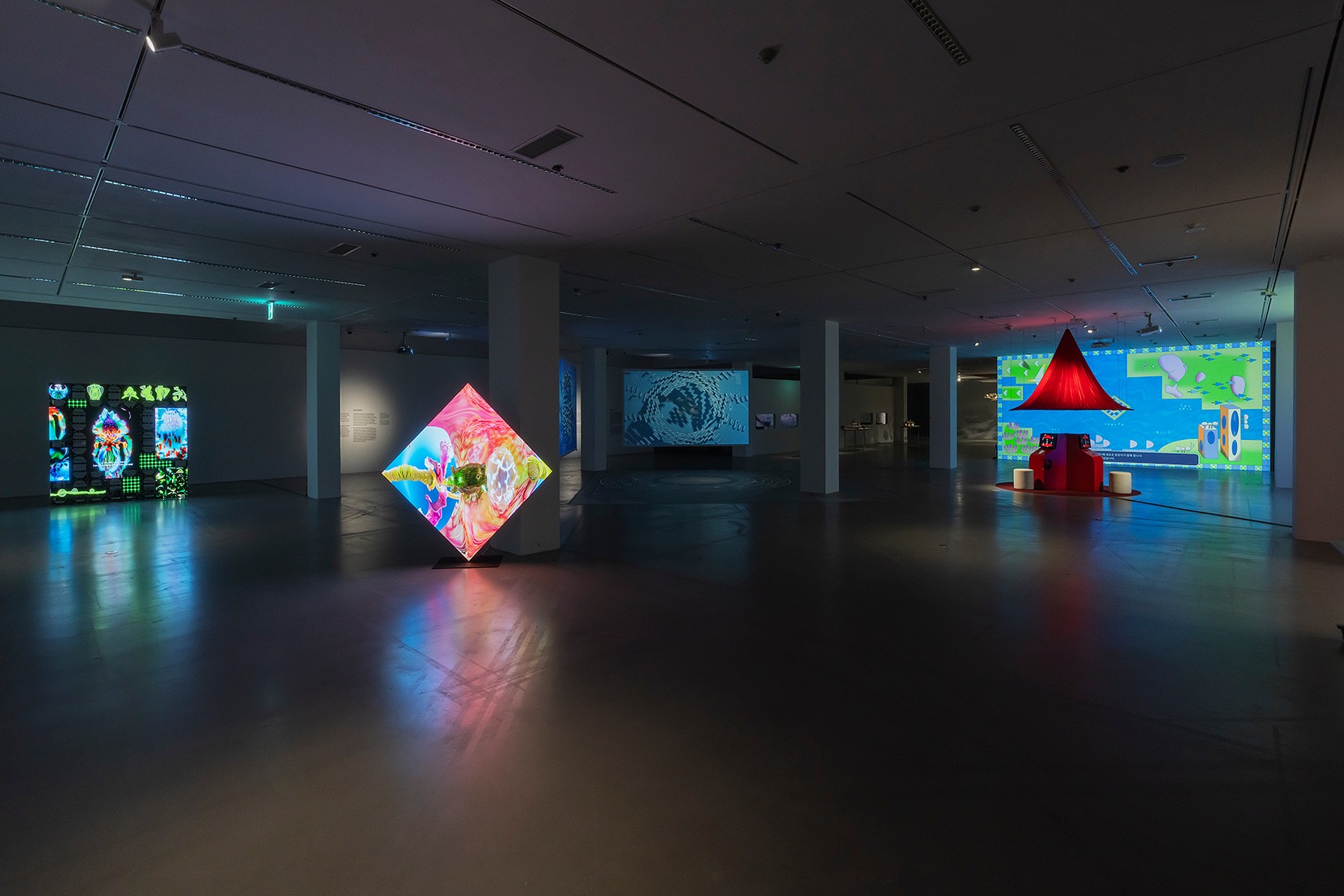
Installation view of 《Metabeta》 © Pockettales

Through cracks, Juwon discovered the beauty of impermanence and the passage of time. Just as aging leaves marks on the body, cracks became integral elements of her works, imbued with their own narratives. This shift brought profound changes to her artistic practice. Her surface work, developed through an engagement with cracks, now embodies the tension between permanence and transience.

This line of inquiry extends to her fascination with teeth, where the blending of the real and artificial mirrors her material experiments. She reflects on how parts of the body, like damaged teeth, are replaced with foreign substances—such as gold or amalgam fillings—mirroring the way her works merge different materials and surfaces to create new meanings. In this manner, she harmonizes the materiality and narratives of her mediums, treating even the traces left on surfaces as integral elements of her art.

The exhibition 《Metabeta》 offers a glimpse into this phase of Jeong Juwon’s artistic journey. In these works, she avoids lingering on a single theme, instead embracing transformation and fluidity. Like the constantly shifting Pokémon “Ditto” she adopts a working method that is open to change, leaving room for the possibility of new stages ahead.

References