Exhibitions
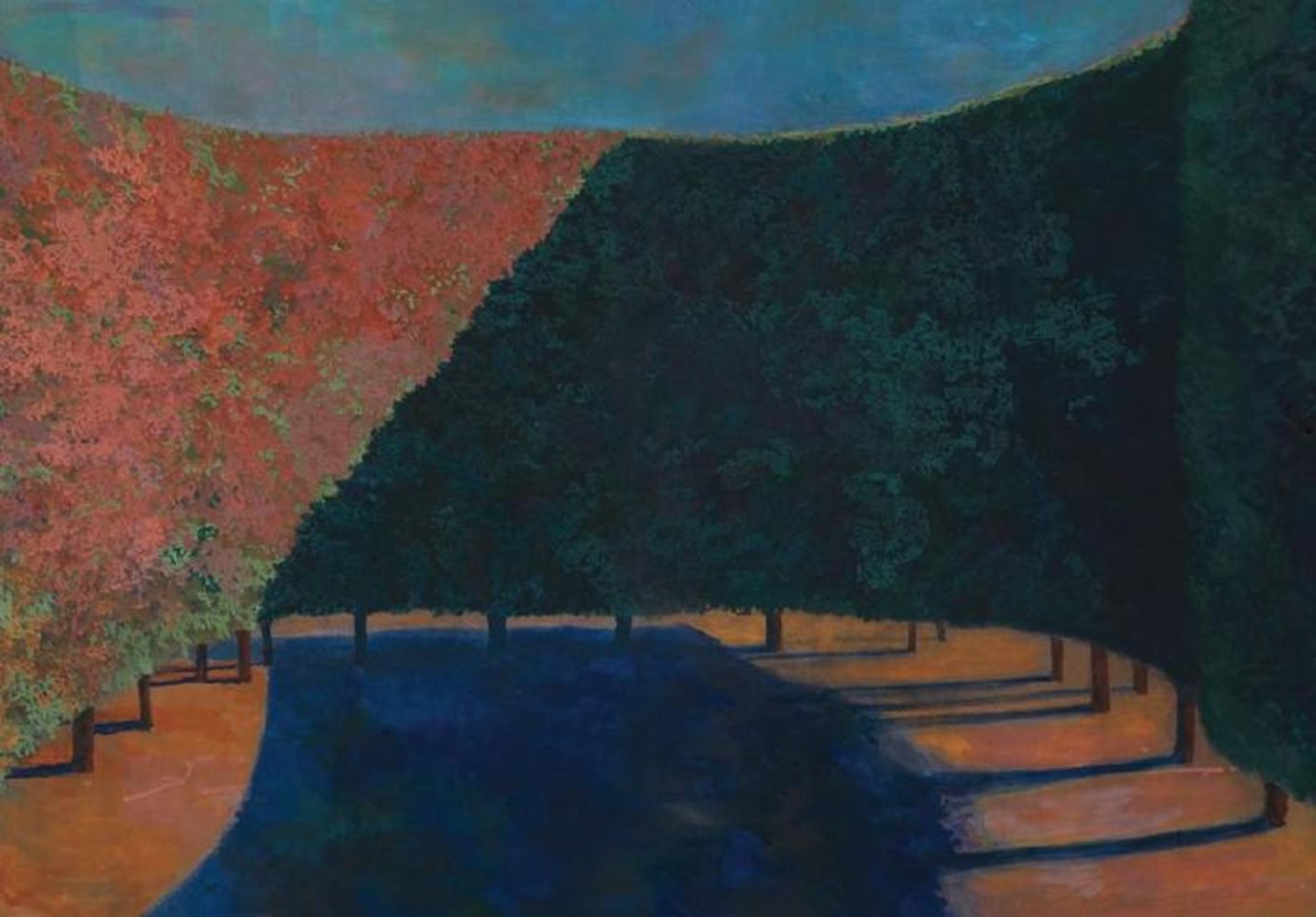
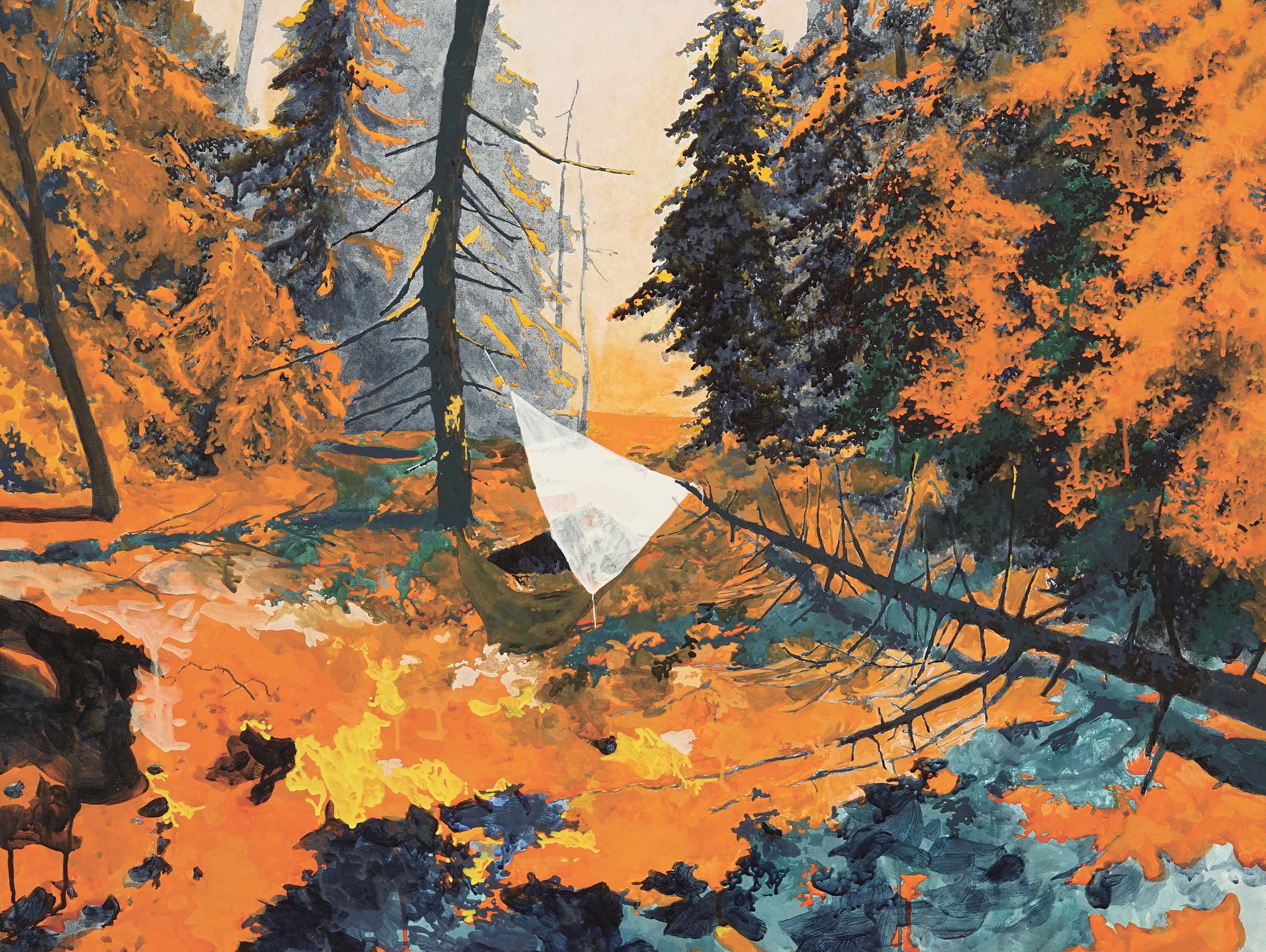
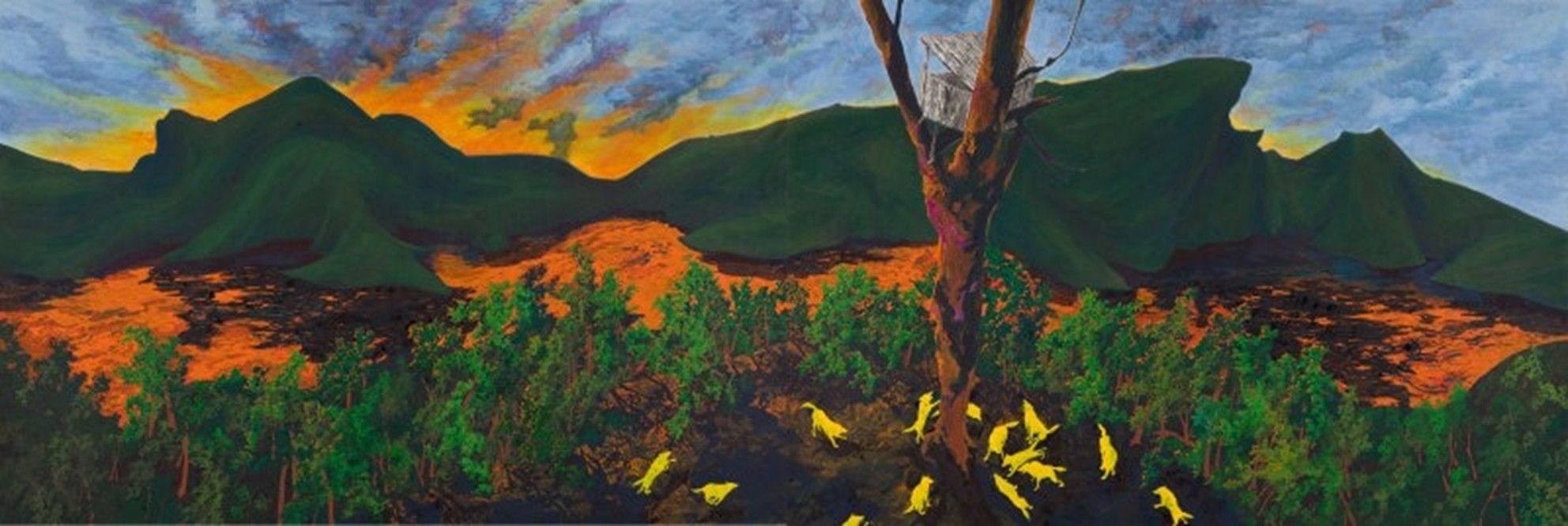
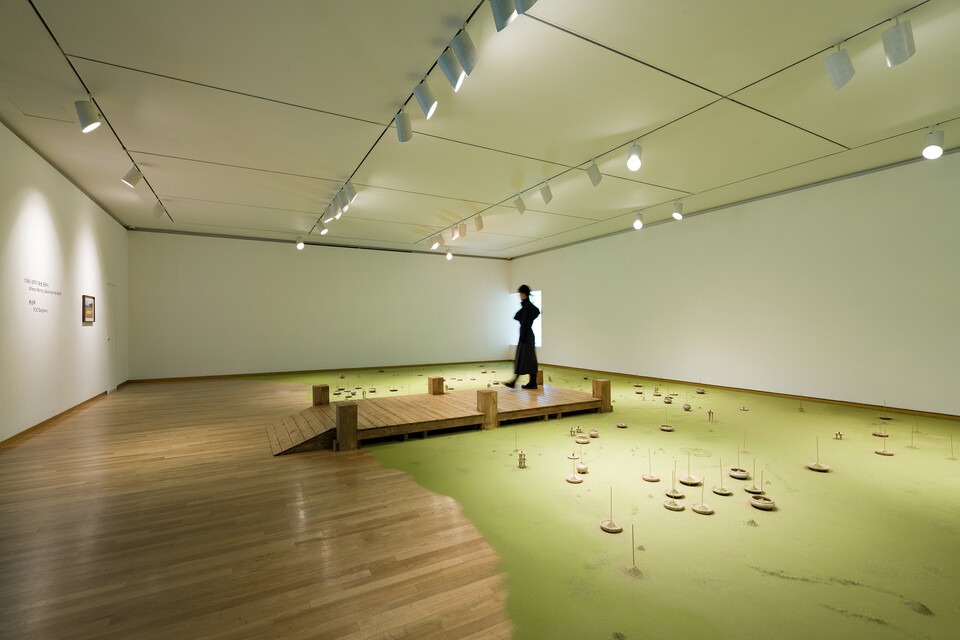
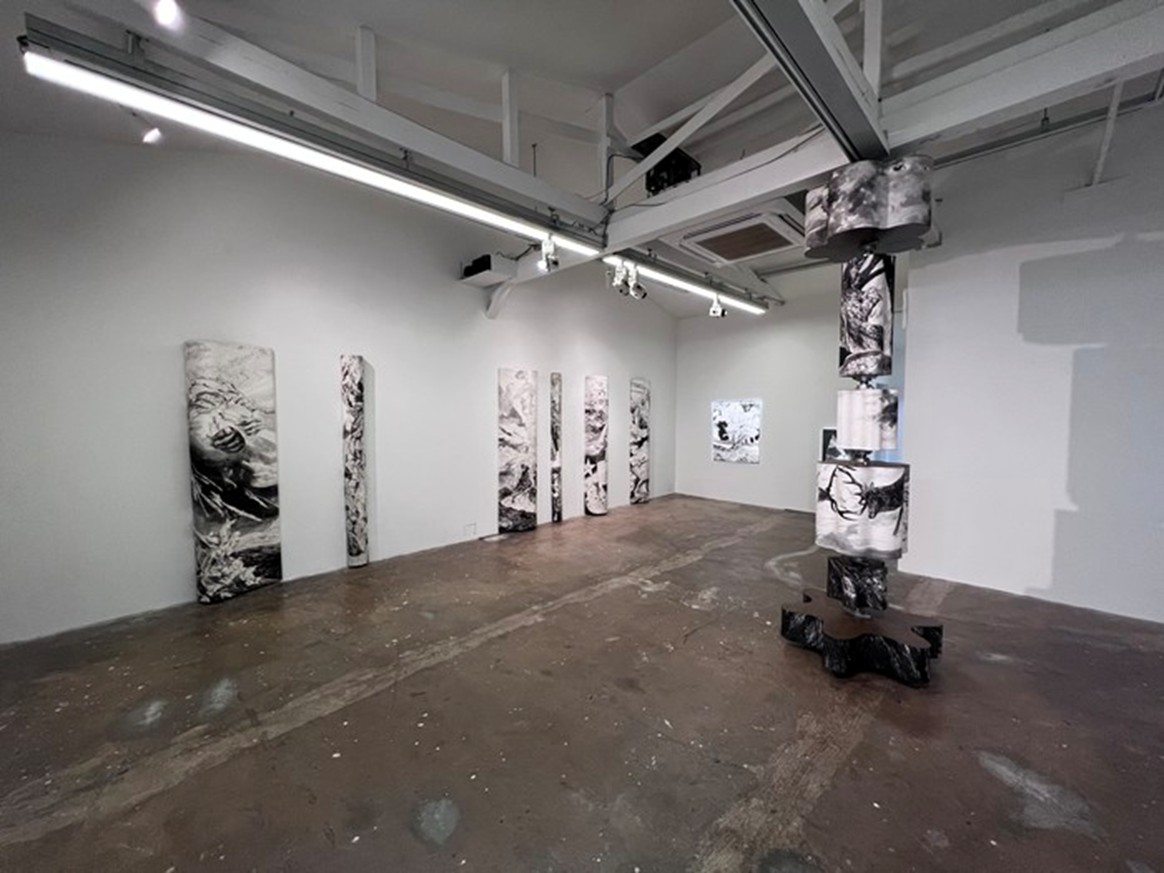
《Complete Association》, 2020.05.07 – 2020.05.26, SHIFT
May 05, 2020
SHIFT
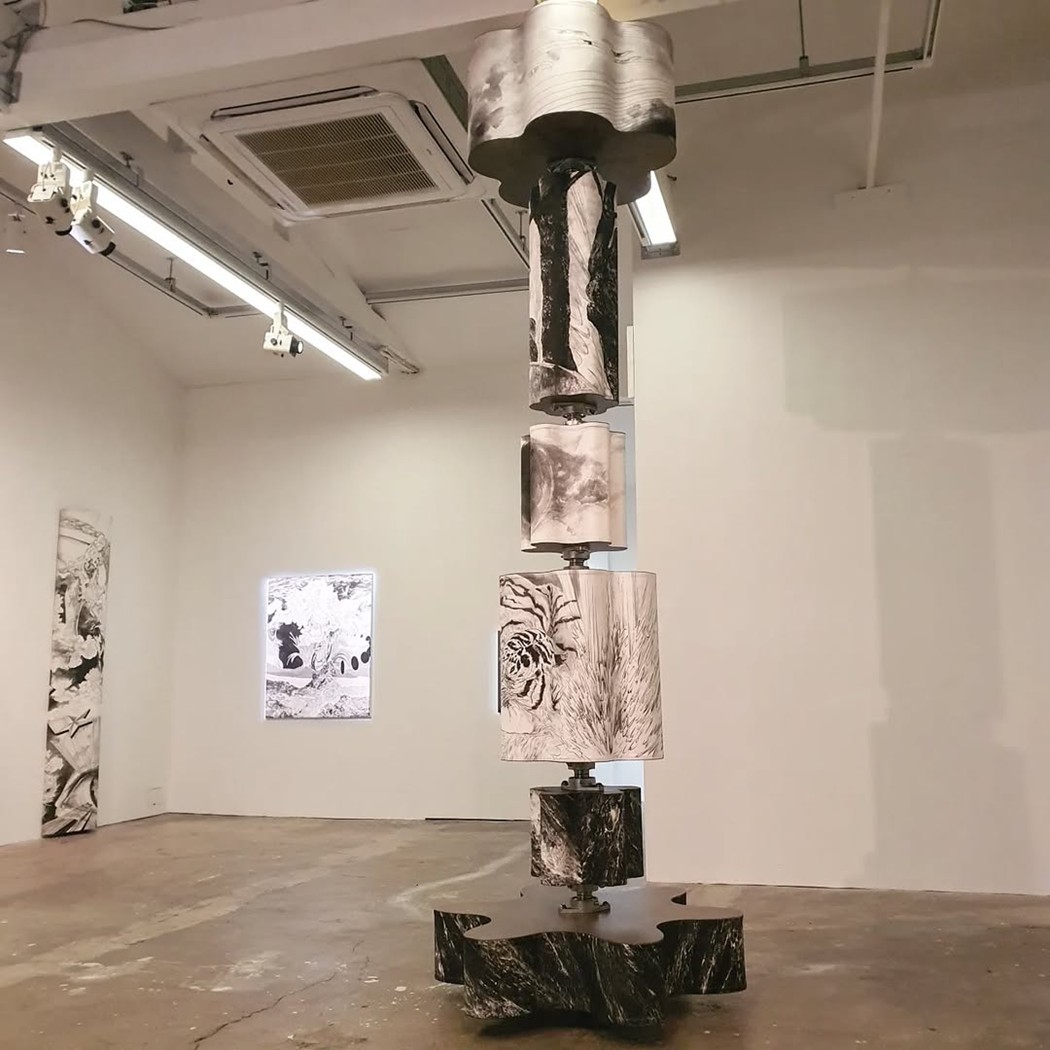
 Installation view of 《Complete Association》 (SHIFT, 2020) ©Joo
Hyeongjoon
Installation view of 《Complete Association》 (SHIFT, 2020) ©Joo
Hyeongjoon
[Artist Note]
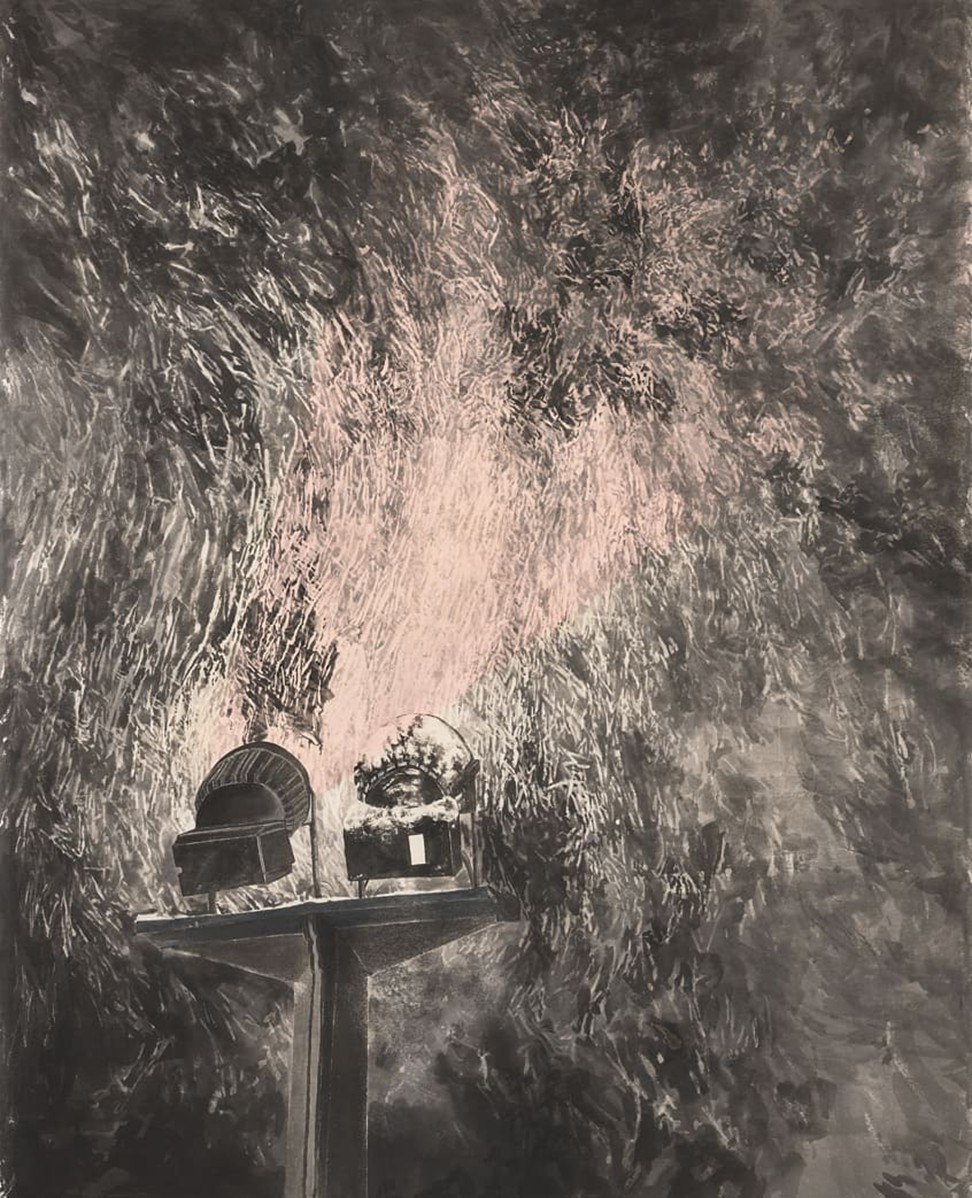
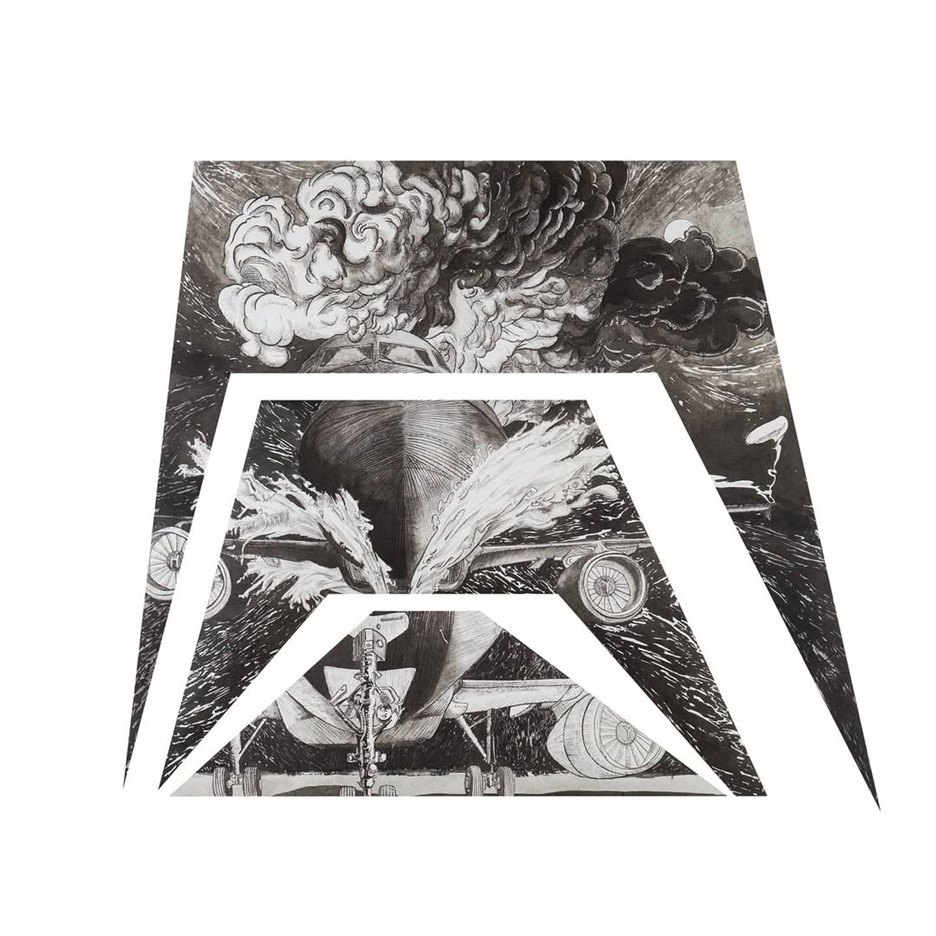
My work is a reconstruction of the anxiety that arises from reality and
manifests through dreams. This expression takes the form of dividing the
composition into multiple sections, creating artificial voids in which both
viewer and artist imagine distinct scenes, thereby inviting a new
interpretation of spatial experience. I have sought to extend the pictorial
space beyond the frame, guiding the viewer to infer the transitions between
cuts and to fill in the gaps—an act of perception through which we comprehend
the whole from the parts.
The voids within the painting serve multiple roles. In the
contemporary context, viewers will naturally project imagined processes into
the artificial voids I have created, intuitively recognizing the results. I aim
to draw the viewer’s imagination into the painting itself, allowing them to
complete the work. I interpret the notion of “void” inherited from classical
painting traditions as a device for complete association.
For me, a good painting is one that conveys the artist’s emotion
and sensibility. There always exists a gap between the image one observes and
the form one represents. When that gap is filled with the artist’s own
language, the work becomes charged with emotion. To bridge that gap, an artist
constantly moves their hand, and within that motion, their unique visual
language emerges. If different artists were to depict the same subject, each
would fill the gap in their own way, expressing distinct sensibilities.
Then,
if the gap were to grow even wider, would the artist’s language become more
pronounced? Could that make it a better painting? This question led me to
reconsider my attitude toward painting itself.
 Installation view of 《Complete Association》 (SHIFT, 2020) ©Joo
Hyeongjoon
Installation view of 《Complete Association》 (SHIFT, 2020) ©Joo
Hyeongjoon
Out of this inquiry, I began searching for subjects where that
perceptual gap could reach its maximum—and in 2018, I started recording my
dreams. A dream, fleetingly observed and partially remembered, offers the
widest possible gap for re-creation. To capture it, I write it down immediately
after waking.
An individual’s attitude toward dreams can be influenced by
culture, education, and religious beliefs, and the meaning or reason for
dreaming is often determined by one’s emotions in reality. Anxiety stored in
the unconscious manifests within dreams during deep sleep.
The imagery born
from such anxiety intermingles with fragments of memory, forming hybrid scenes.
These dreams, therefore, are expressions of anxiety—defensive mechanisms that
arise to relieve psychological distress.