Drawing parallels to the haunting photographs taken at
Auschwitz-Birkenau, where photography was prohibited, the critic emphasizes the
power of images that defy conventional clarity. One particular photograph,
heavily distorted and difficult to decipher, manages to capture the essence of
the circumstances and conveys the urgency and tragedy of the situation more
effectively than any other image from that period.
The critic finds a
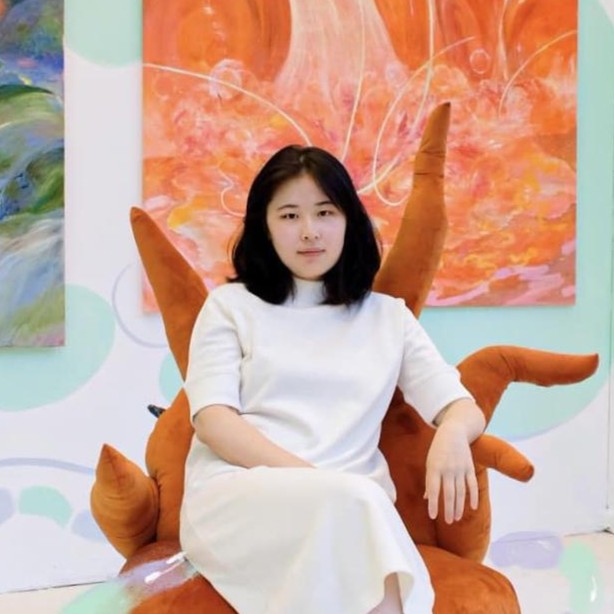
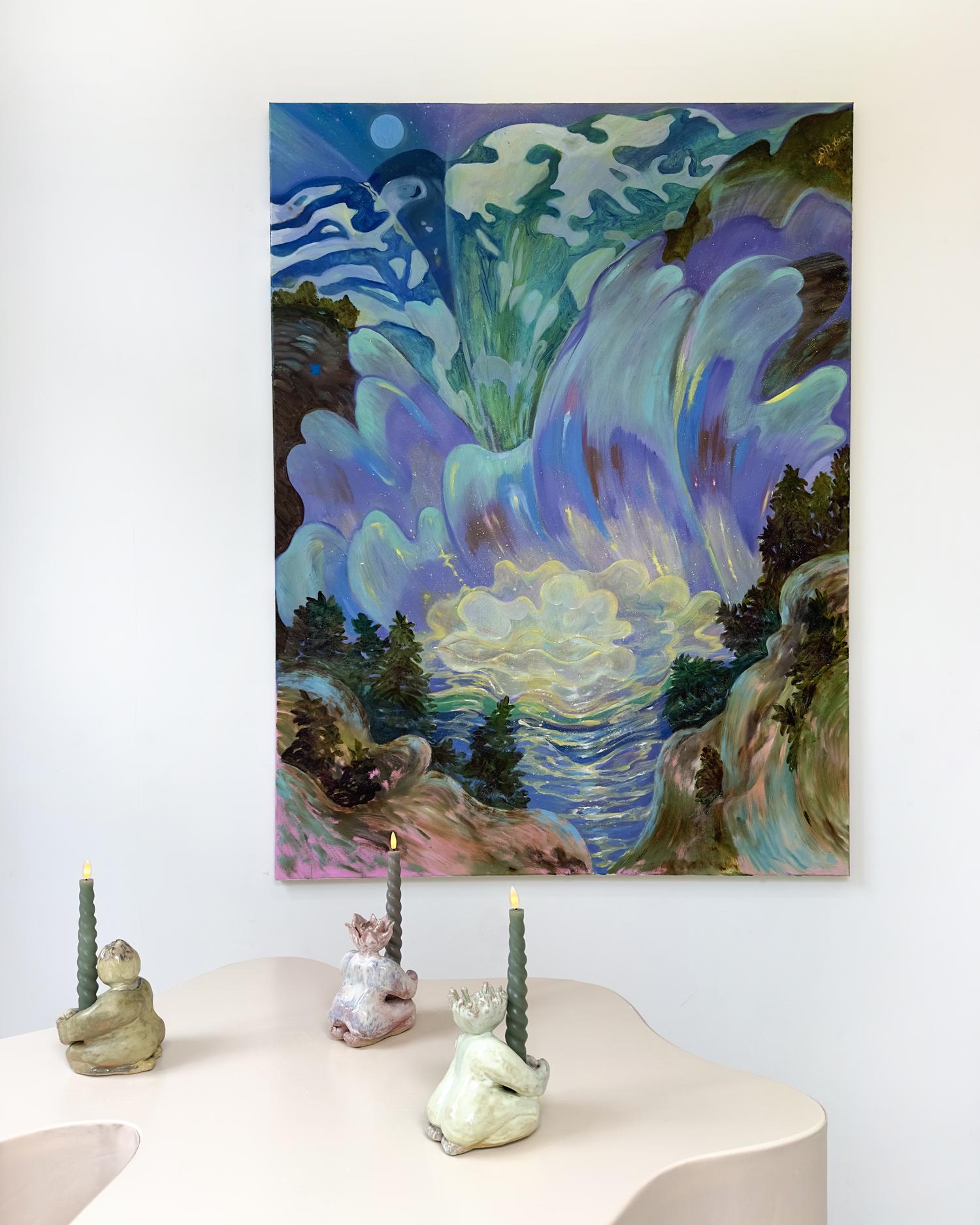
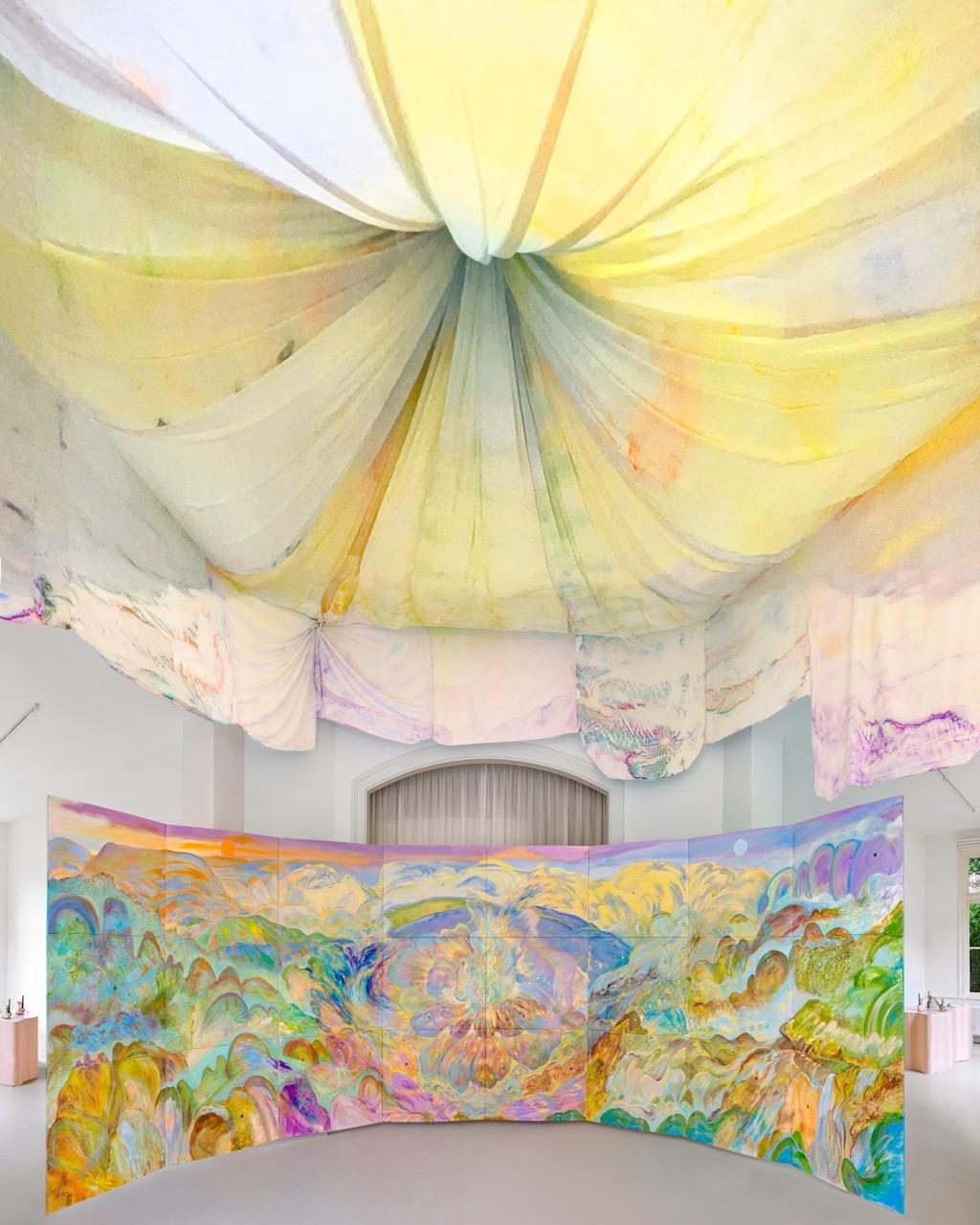
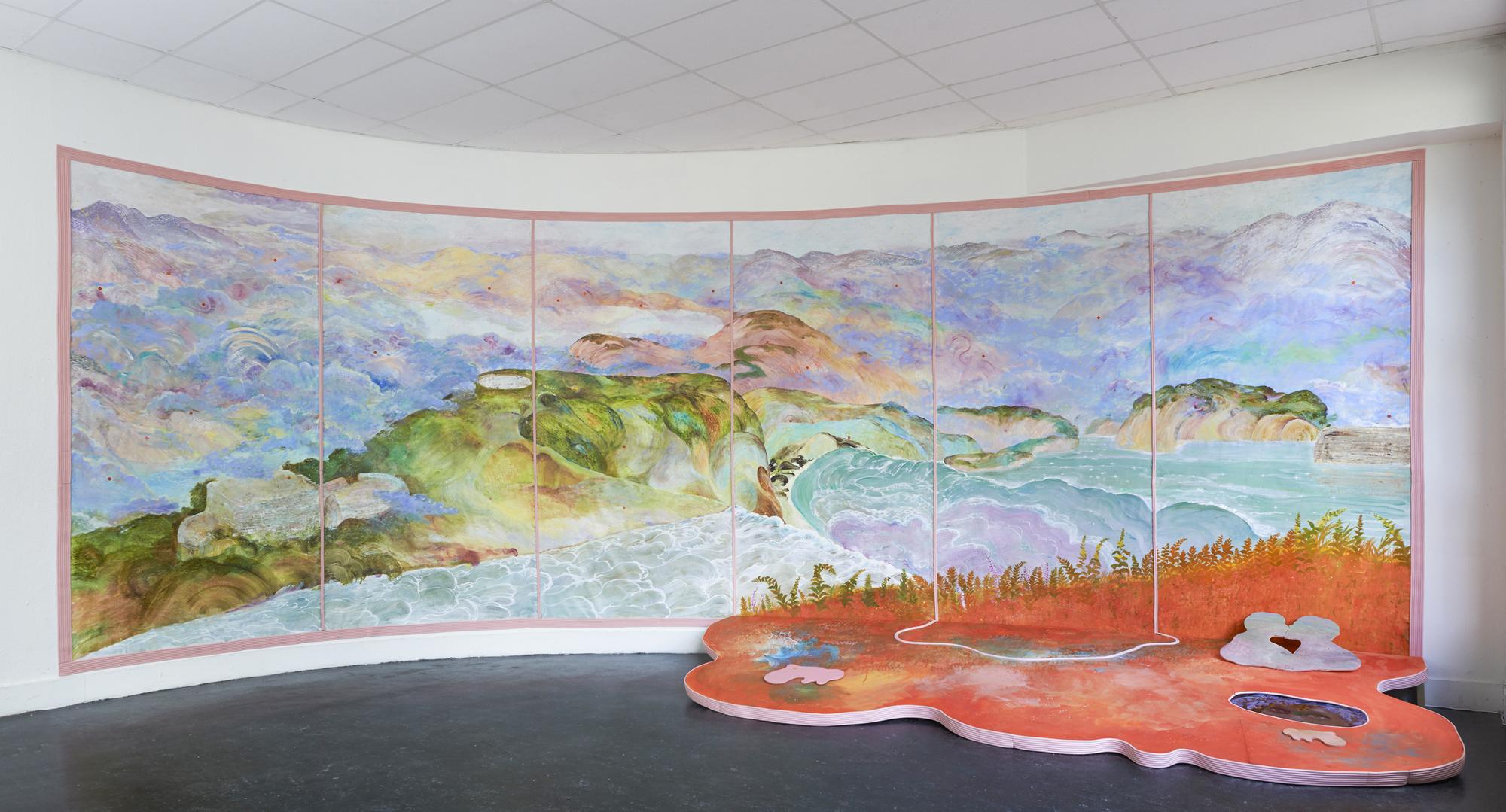
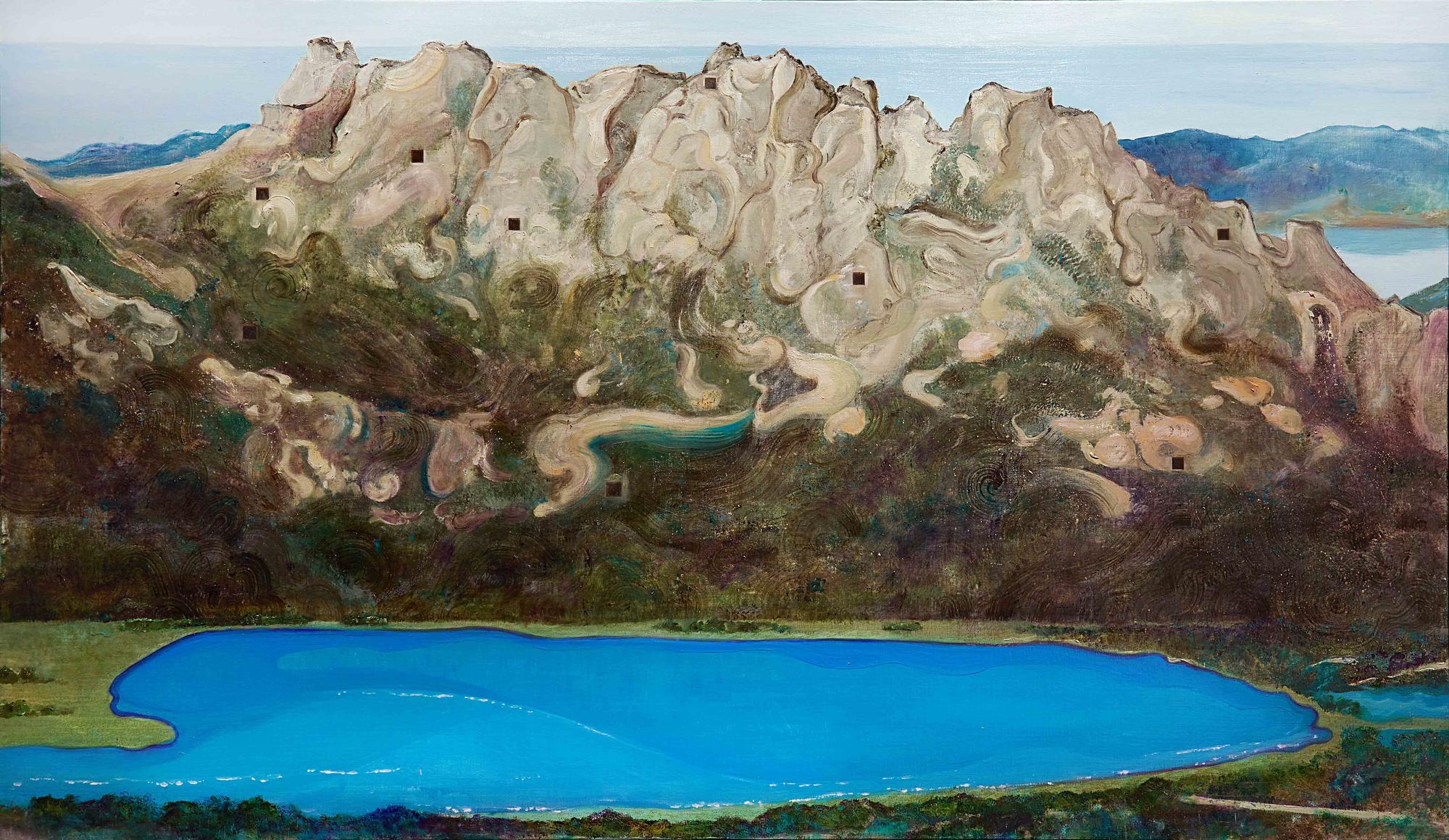
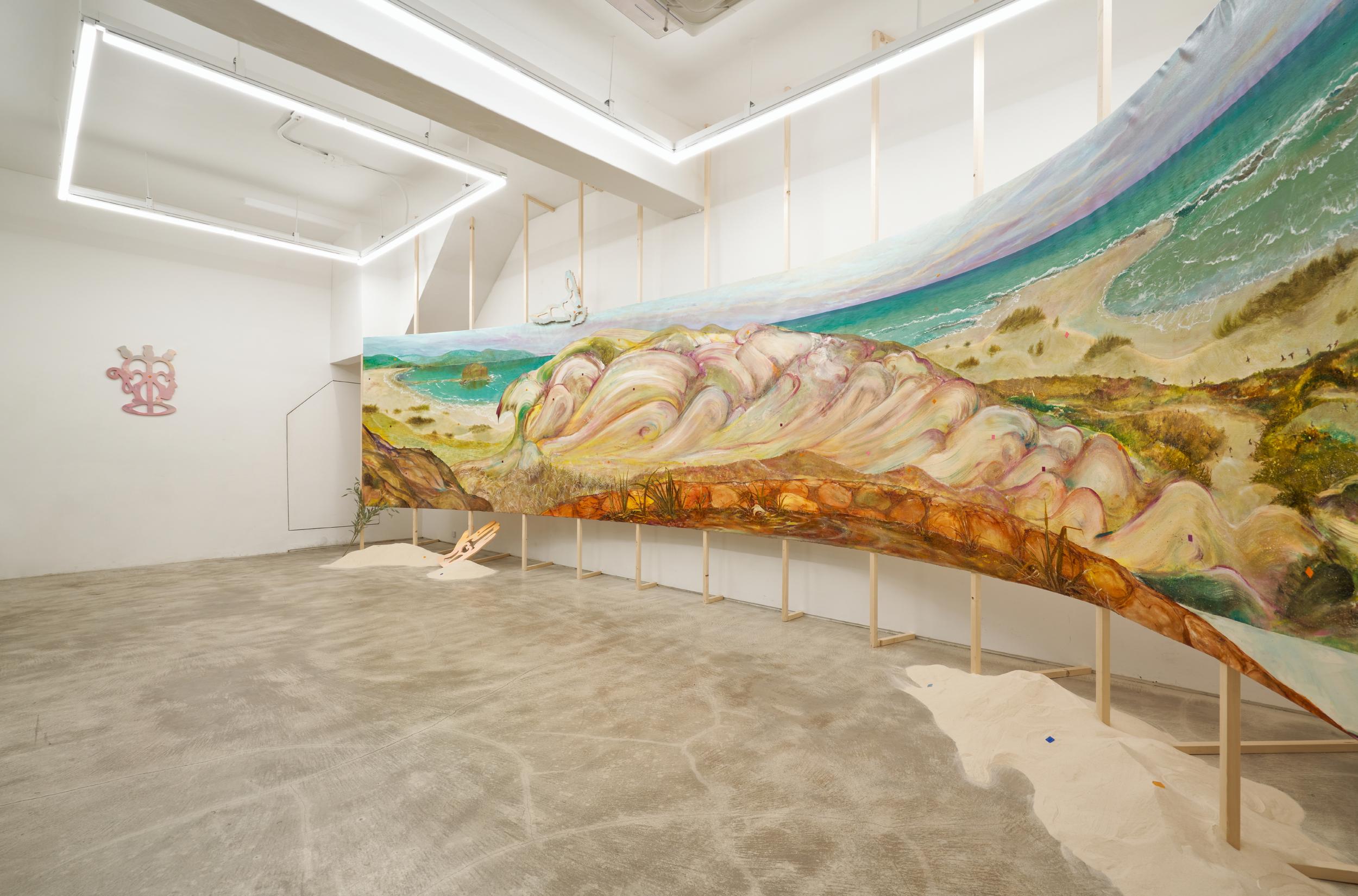
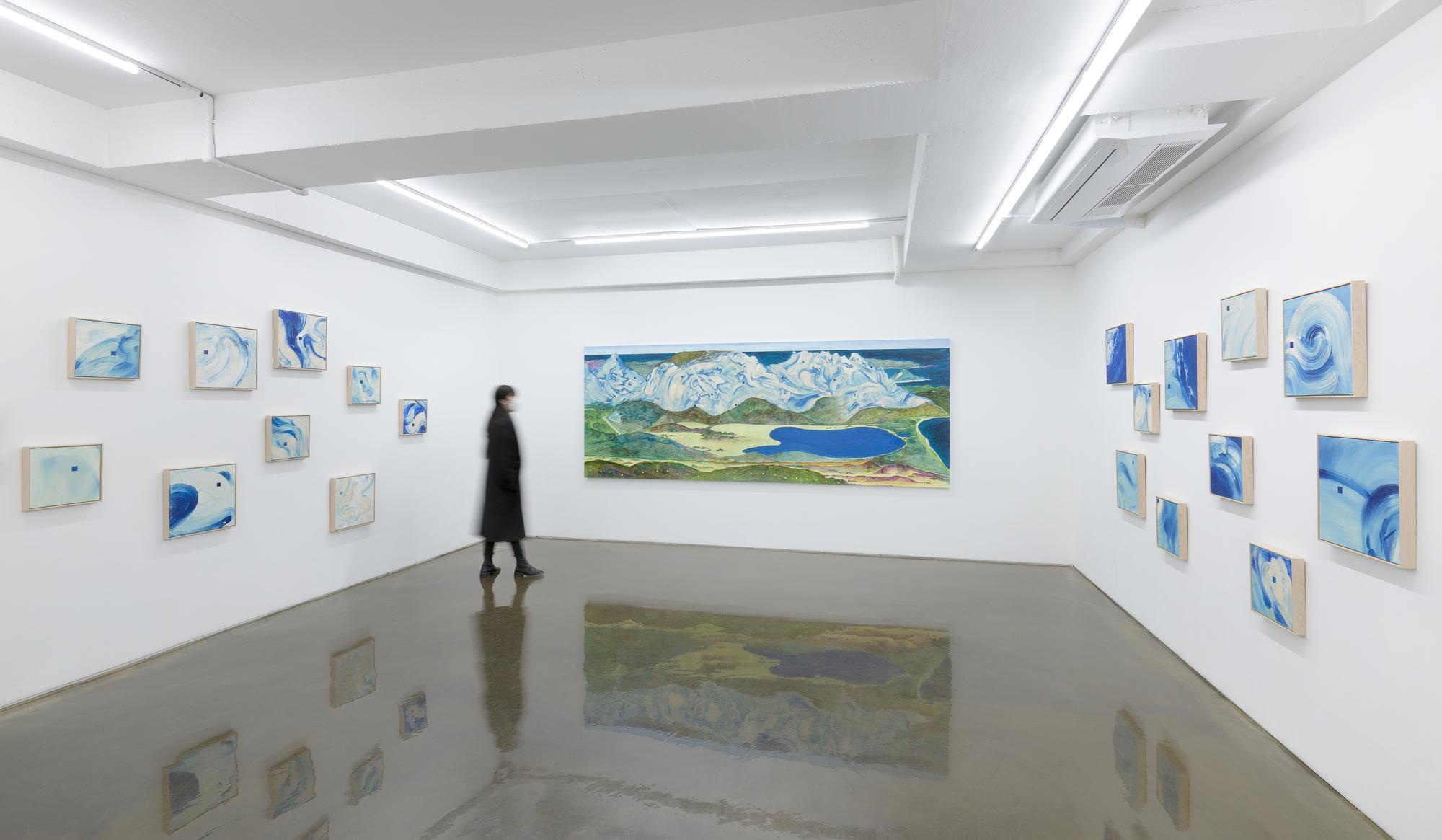
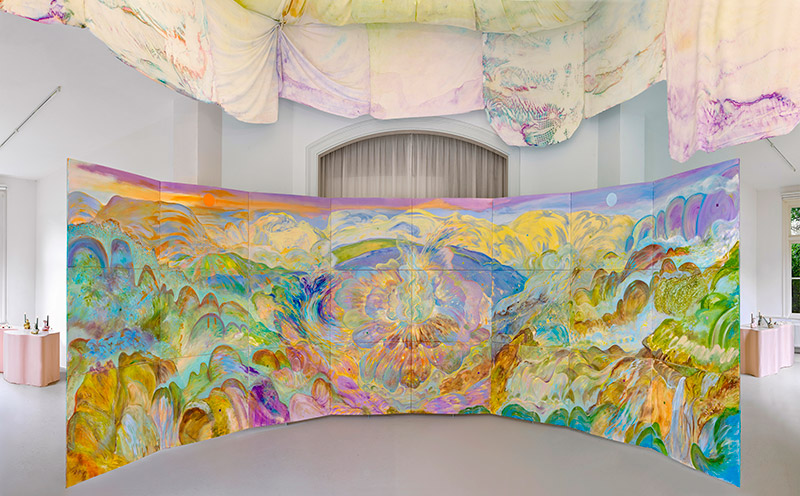
connection between this fragmented representation of reality and Haevan Lee's
abstracted landscapes, where fragments of the scenery are depicted on scattered
canvases, inviting viewers to contemplate the tangibility of these abstractions
and their underlying political implications.
Furthermore, it is important to note that landscapes are not
simply found outside in the world but discovered within oneself. In his
discussion connecting modernity in literature and the birth of landscapes,
critic Karatani Gojin emphasizes that landscapes are a product of modernity
that emerged when the subject began perceiving nature as an object.
Consequently, there is no way to capture nature as it truly is because the act
of creating images based on nature is inherently a human subject's problem. In
landscapes, subjective projection naturally occurs. However, a painting that
depicts a landscape does not necessarily capture it as it is, but rather, it
touches upon the truth. As mentioned before, the truth now lies not in a screen
that captures facts but on the surface where emotions are stirred.
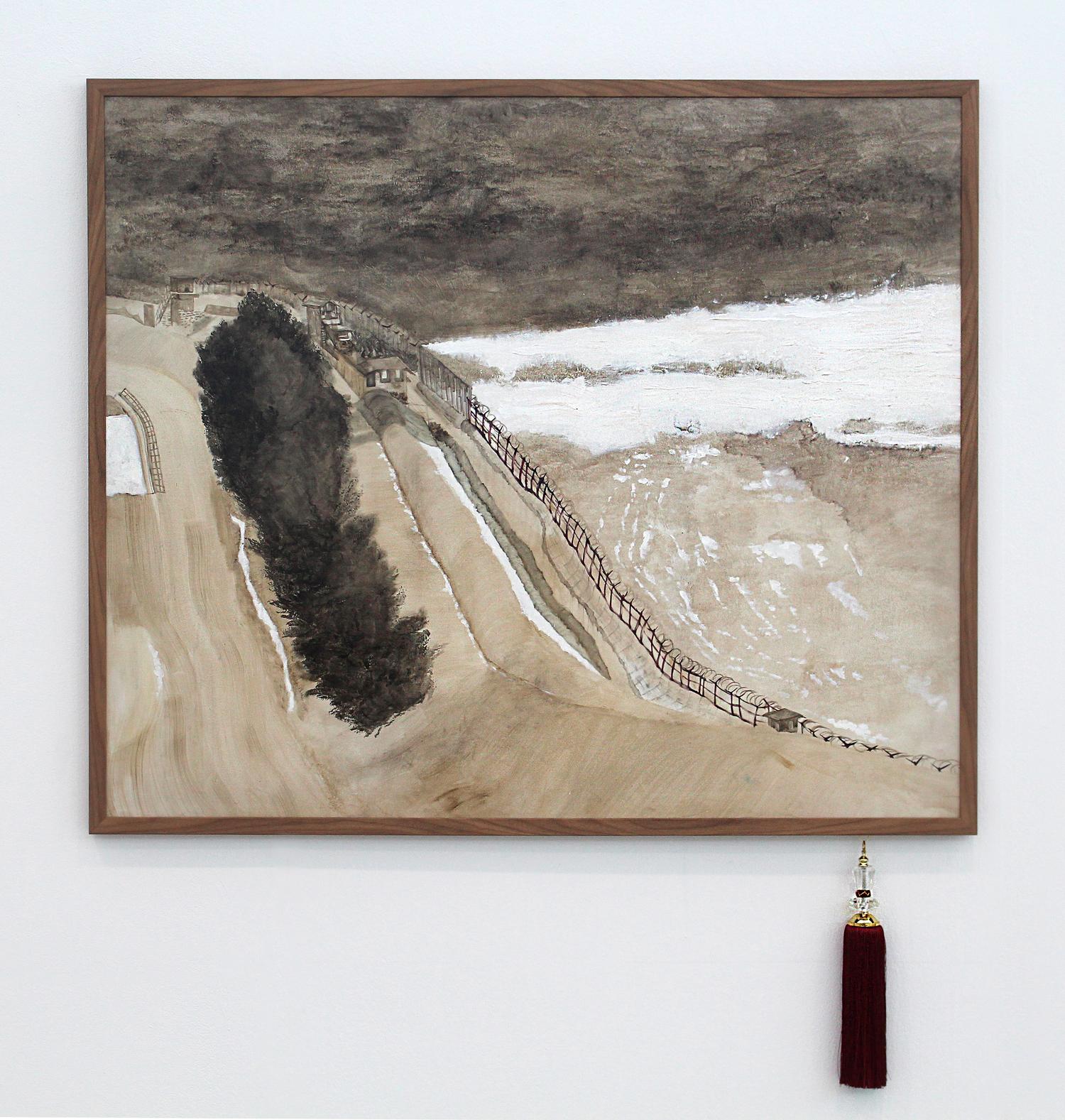
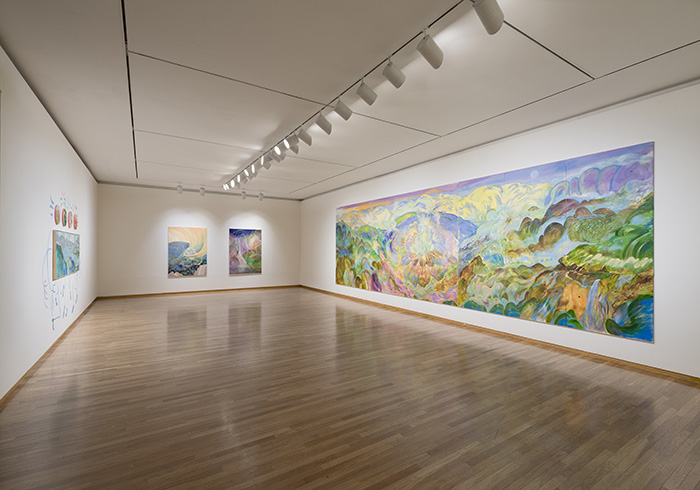
Once again, Haevan Lee captures the landscapes of borders.
Standing on the border, beyond the border, and most importantly, entering into
the border. Let's observe the work where Haevan Lee pours out what she felt on
a large canvas above the Amrok River. The Amrok River portrayed by Lee is both
a river and a border. The landscape of this border is filled with liquid
material rippling.
In it, the thickness of the past process, rather than a line
that can be crossed momentarily, is captured. The border exists not as a sharp
division but as a flowing boundary, turning into liquid instead of a sharp
line. The landscape from within the border seems to depict the situation where
the entire world is within the rippling border.
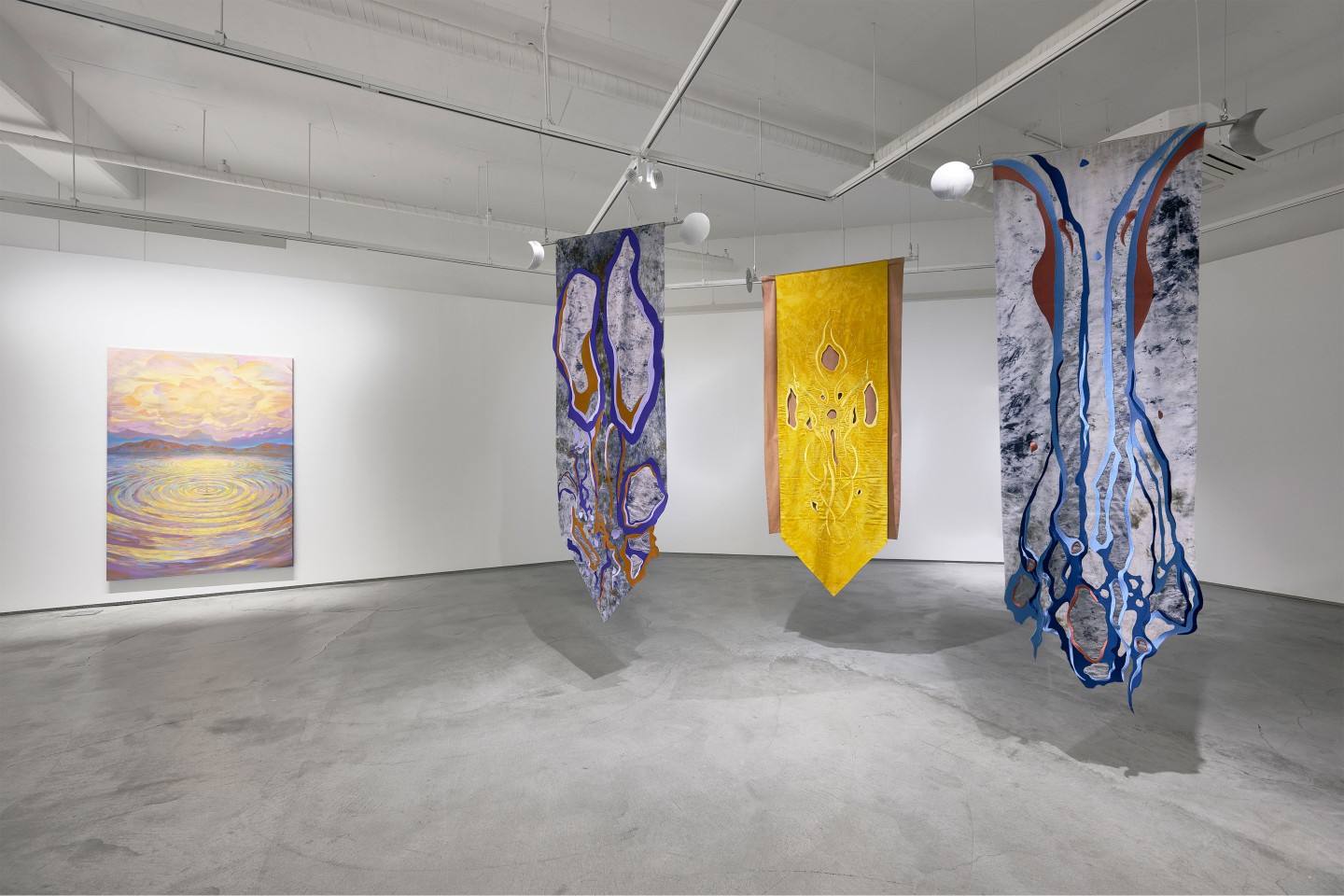
The border that Haevan Lee treads does not remain within the
physical realm. In the images she creates, boundaries between nature and
artifice, subjectivity and objectivity, content and form, fact and truth,
abstraction and figuration are all intertwined. Multiple boundaries on the
surface of those images overlap three-dimensionally.
Furthermore, she attempts
to transcend boundaries through the images. However, due to the very nature of
the boundary being in a state of flux, only the attempt to cross the boundary
is depicted there. Swimming through the overflowing boundaries. Trembling
within multiple boundaries. The image of the landscape.