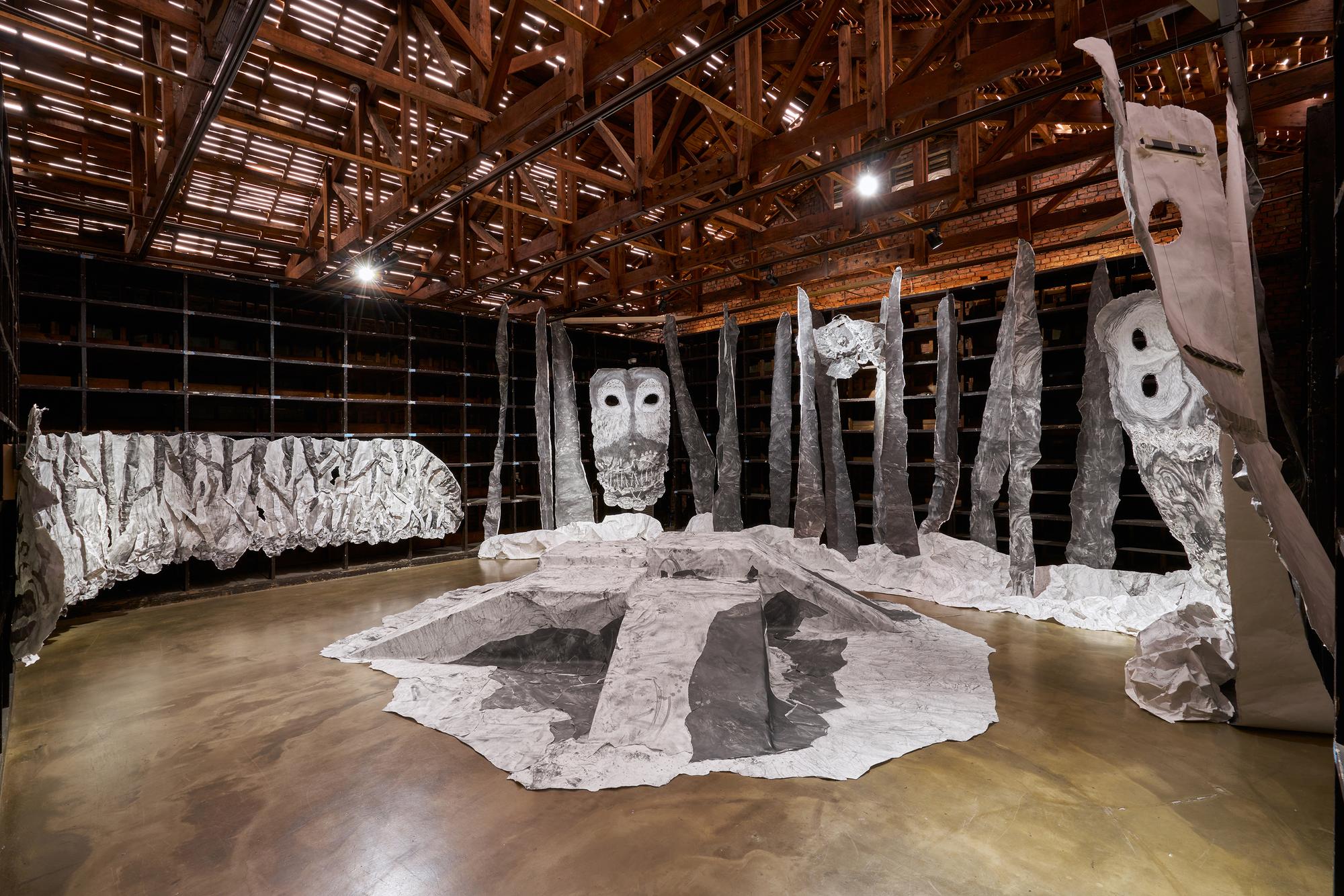
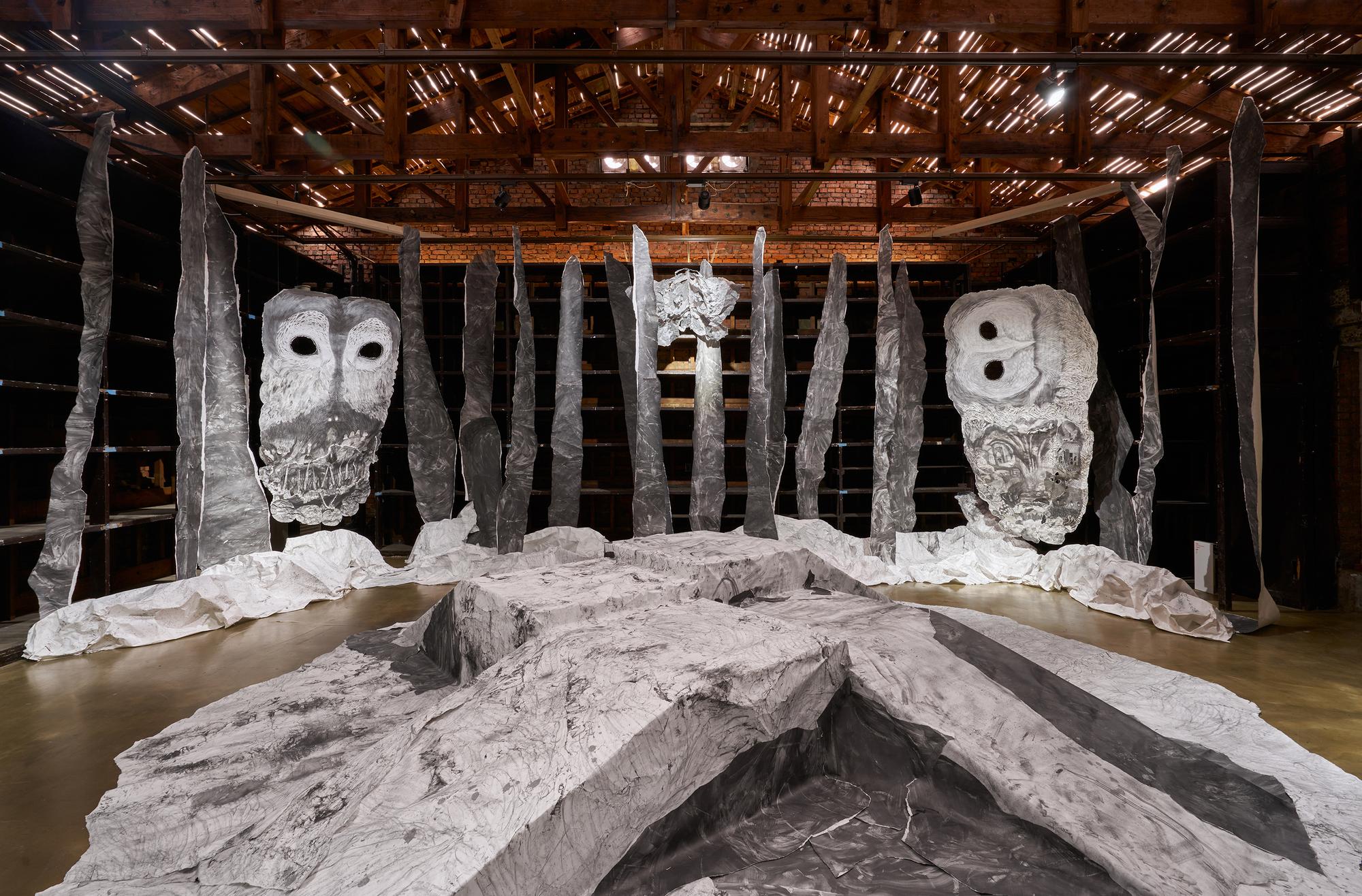
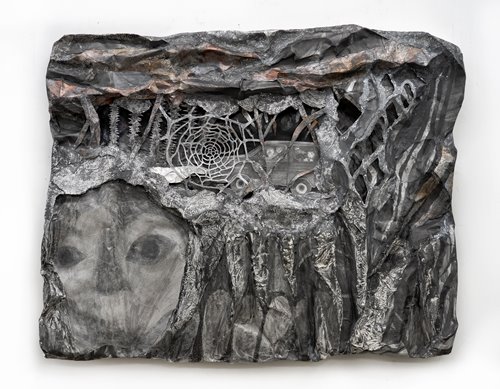
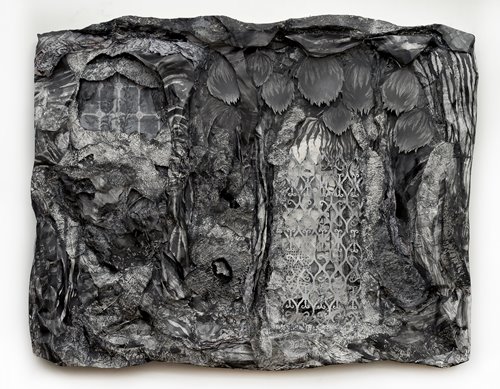
Working primarily
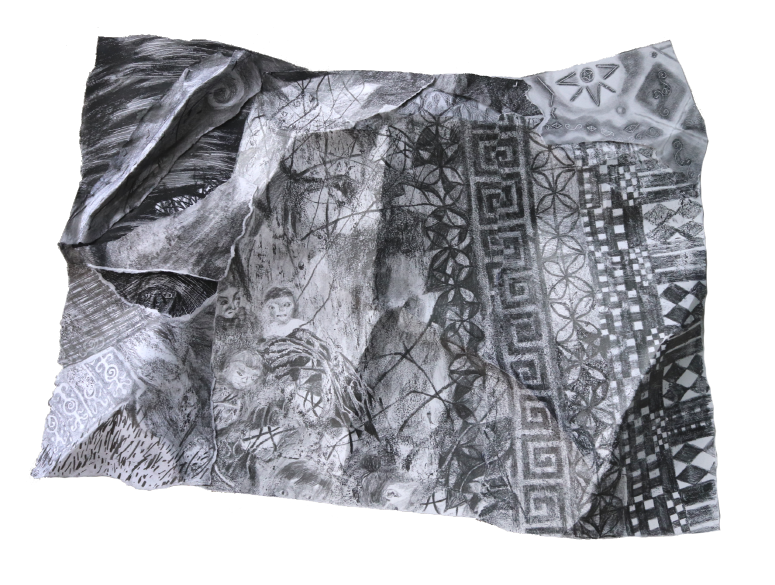
with paper and graphite, Sungoo Im explores spaces that have disappeared
through Korea’s rapid economic growth and urban development, intertwining them
with layers of personal and collective memory. From his early years, Im has
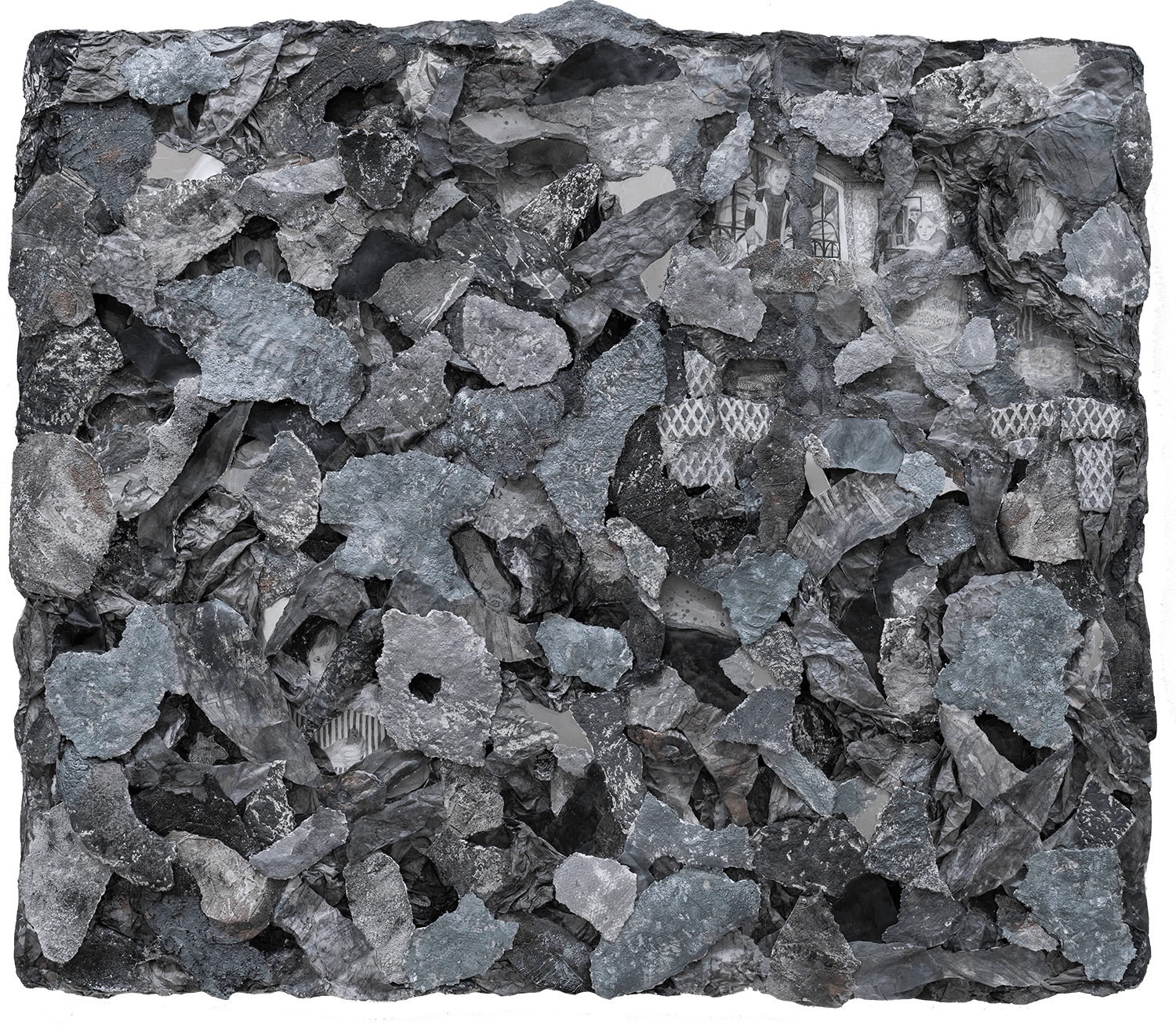
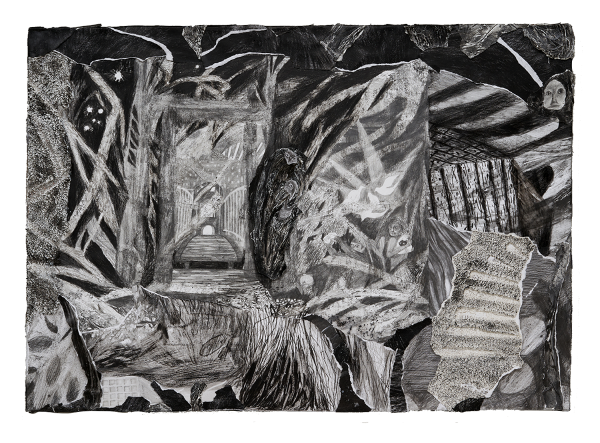
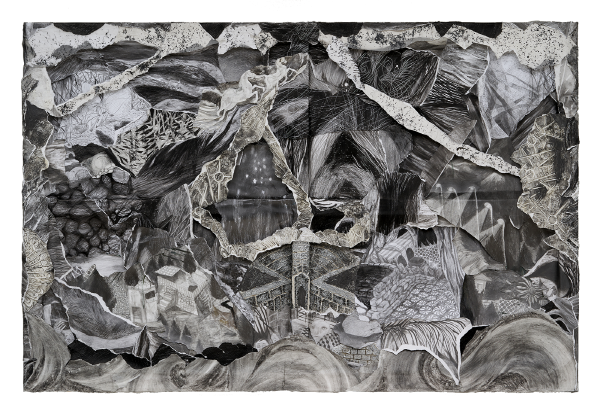
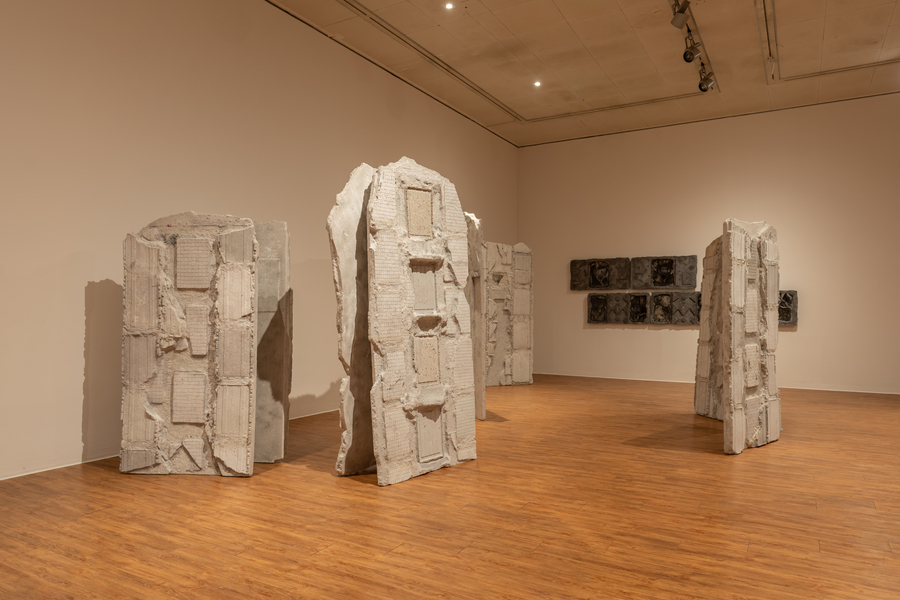
examined the physical properties of paper, moving beyond its fragile,
single-sheet nature to create compacted, multilayered structures reminiscent of
building materials made from shredded waste paper. These works evoke fragments
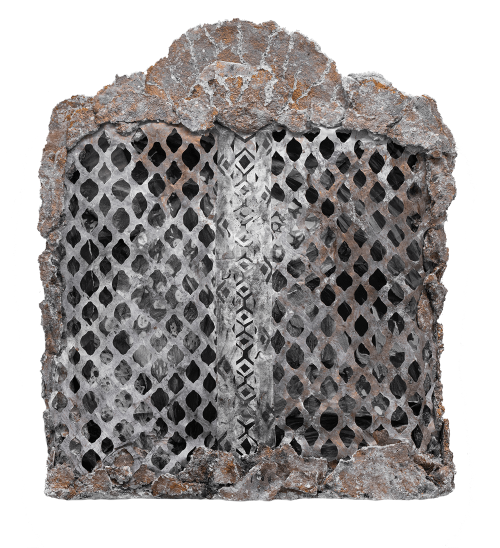
of his grandmother’s demolished house—the window frames, wallpaper, and
remnants of Korean homes from the 1970s–1980s—transforming them into ‘places of
memory’ where personal and familial histories intertwine.
At Frieze Seoul
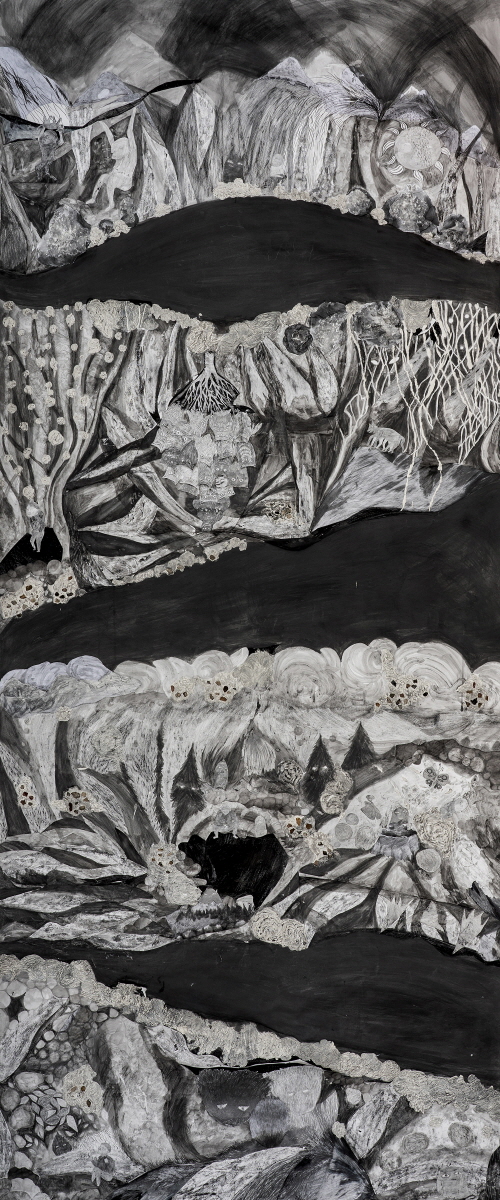
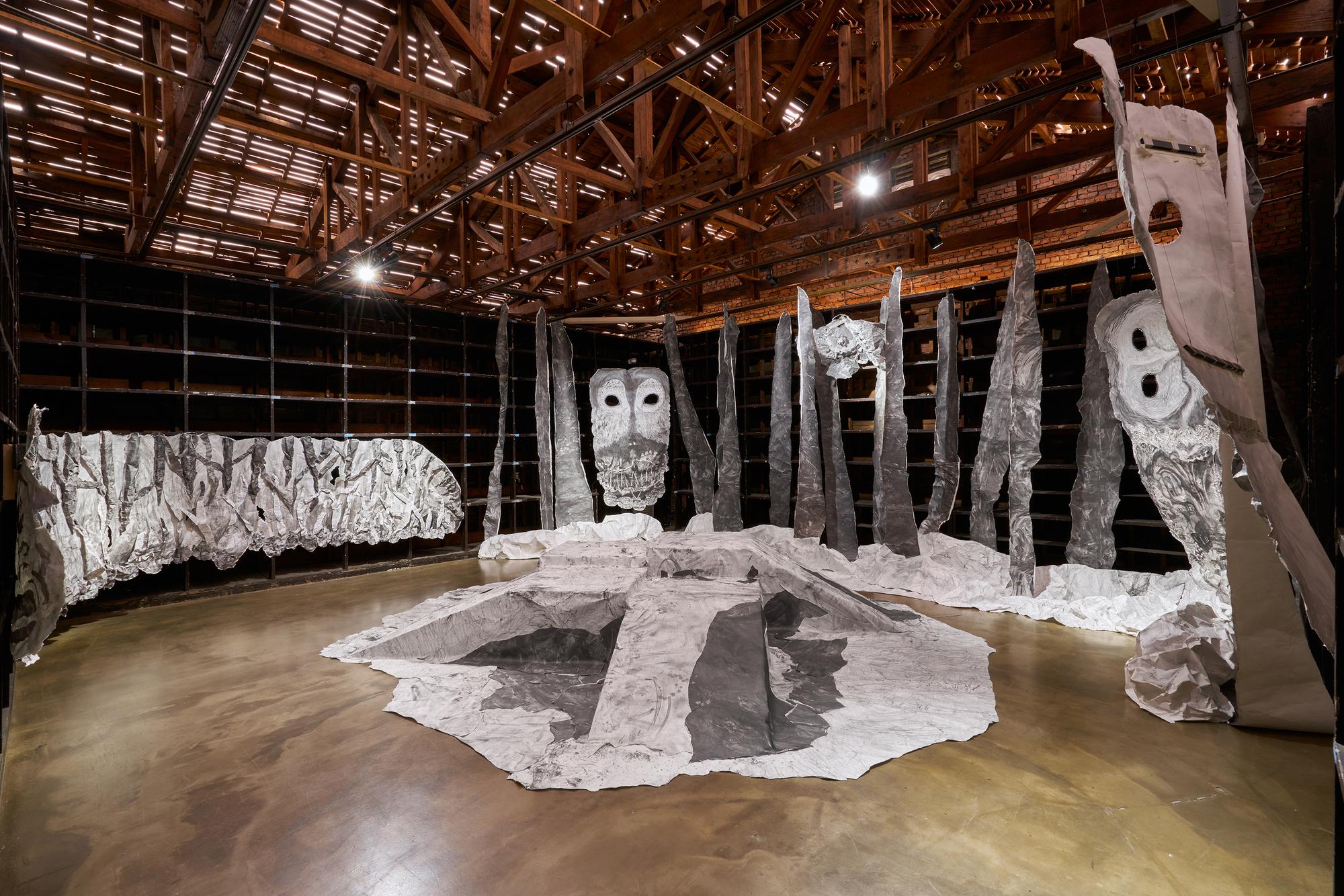
2025, the booth will feature monumental panels arranged like cave walls,
immersing visitors within the work. Drawings unfold through window-like
openings on the sides of these panels, expanding into ‘cabinets of memory’
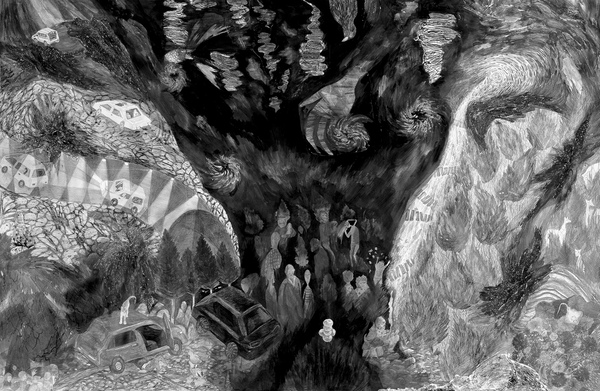
where accumulated recollections seek refuge. A representative piece, A
Room Awake Even with the Lights Off(2025), depicts memories from the
artist’s childhood—his bunk bed, the scenery of his grandmother’s house, and
the faint glow of a fish tank light flickering through the night. The work
materializes memory as a living structure that persists amid disappearance,
serving as an artistic repository of what might otherwise fade away.
Im holds both a BFA
and MFA in Fine Arts from Seoul National University of Science and Technology.
His solo exhibitions include 《Fortification Method》(Kumho Museum of Art, 2024), 《Brick
Butterfly》(Drawing Room, 2022), and 《Black Sand on Paper》(Gallery Chosun, 2019).
Selected group exhibitions include 《Five Steps Forest》(MMCA Children’s Museum, 2024), 《DOOSAN ART
LAB 2022》, and 《A Strange
Journey》(Drawing Room, 2021). He has also participated
in various residency programs, such as Incheon Art Platform(2023) and Yangju
City Museum of Art Studio(2022).
Through his
participation in Frieze Seoul 2025, Sungoo Im transforms the fading memories of
vanishing spaces into artistic records, adding a new layer to the narrative of
contemporary Korean art.