
Sojin Kwak (b. 1993) has continued to capture scenes of relationships formed through the mutual influence between the photographer’s body, the camera as a device, the subject, and the place. Through video, performance, sculpture, and installation, she addresses the diverse interactions latent beneath visible phenomena and technology, along with the resulting tensions and signs of change.


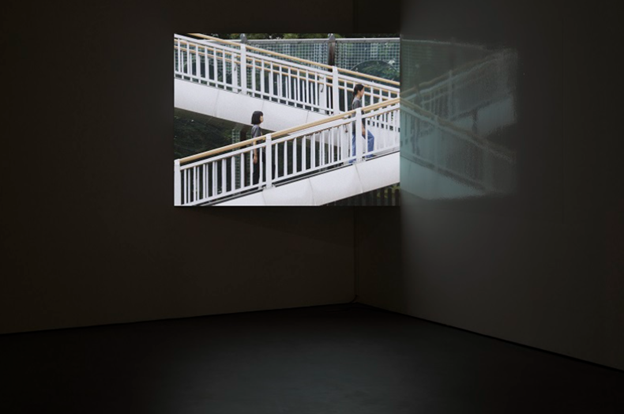
Sojin Kwak, Bent, 2020, 2-channel video installation, 8min 11sec. ©Insa Art Space

Sojin Kwak, who began her career as a cinematographer for films and documentaries, has been developing multimedia projects since 2020 based on in-depth field research and performative filming. Interested in the collaborations and constraints that emerge in the process of merging media and the body, the artist adopts a multimedia approach to make the invisible negotiations within this process perceptible. 

Rather than focusing on the effects produced by the complex interplay of different media within her projects, she centers her practice on the movements and cyclical structures between media.


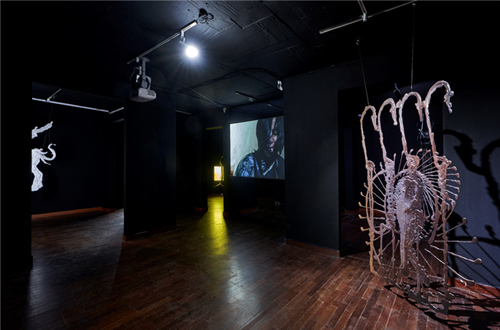
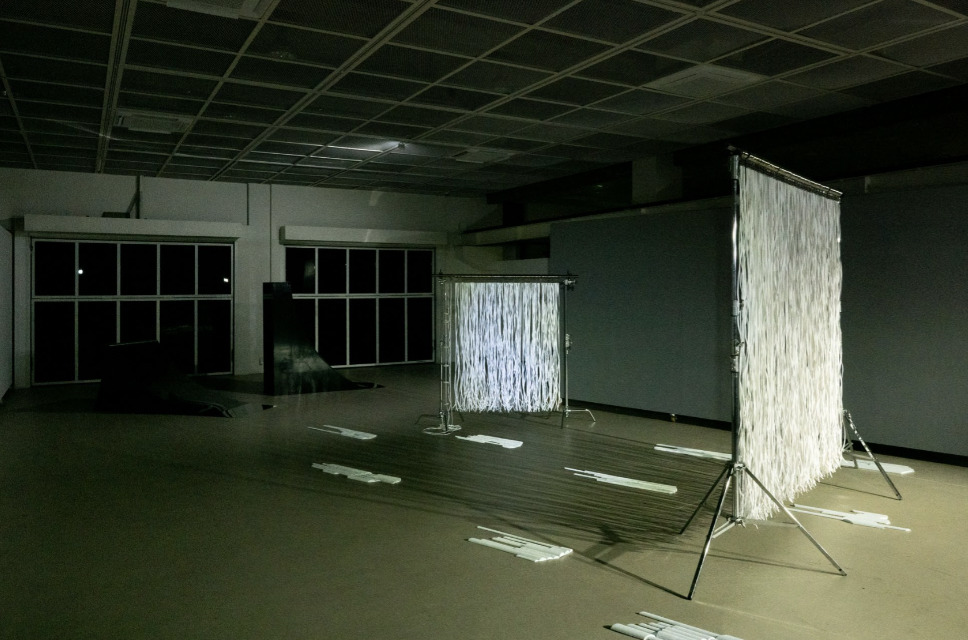
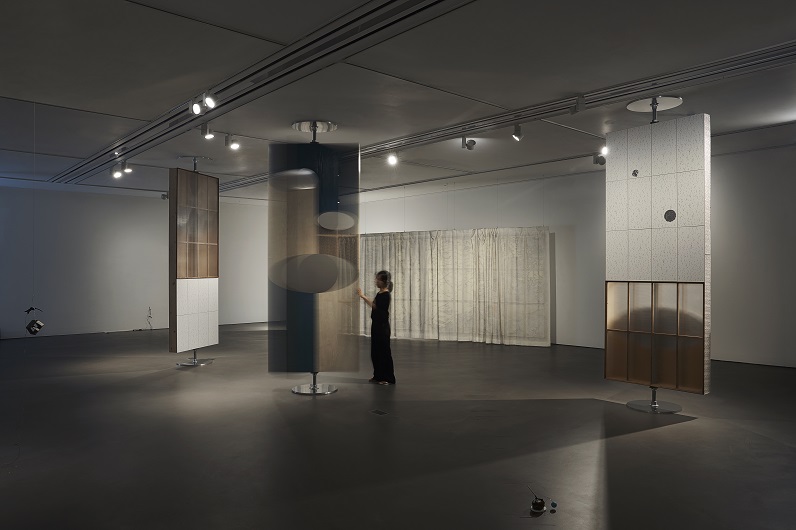
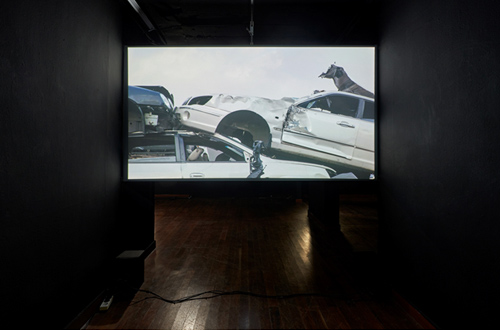
Installation view of 《Axe and Dummy Heads》 (Insa Art Space, 2020) ©Insa Art Space

For example, in the exhibition 《Axe and Dummy Heads》 (2020), presented during her residency at Insa Art Space in collaboration with artists Sollee Kim and Muyeong Kim, Kwak focused on the ways in which their respective works—using different media—interrelate, as well as the sensations and residues arising from the circulation of each other’s questions.
 
Specializing respectively in video, performance, and sculpture, the three artists entrusted the unique languages and familiar sensibilities of their media to the perspectives and artistic practices of the others. Even within the accumulated temporal shifts of this process, they situated one another in a flexible relationship between what remains unchanged and the coexistence of new byproducts. 

The exhibition thus opened up a space to reveal both the present state of works as they traverse different media and the paths of lost temporality and creation that precede the final “exhibition” as an outcome.


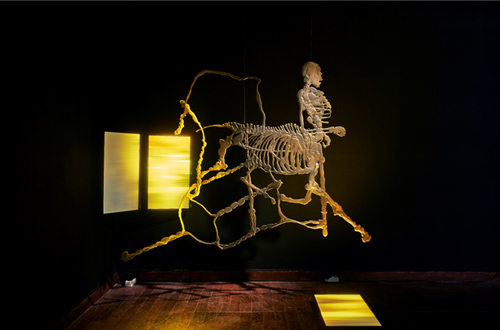
Installation view of 《Axe and Dummy Heads》 (Insa Art Space, 2020) ©Insa Art Space

Looking more closely at how each medium was exchanged—or even disrupted—through the artists’ bodies and thinking, the individual works of the three artists existed in forms where their larger contours or directions either had to vanish without fully revealing themselves, or where their value emerged precisely within the threat of disappearance. This, in turn, metaphorically evoked certain situations and the emotions aroused by the collaborative process.
 
Formally, one could observe their modes of exchange in ways such as the reversal of roles between Muyeong Kim’s performance direction and Sojin Kwak’s stance as a camera operator, or in how the images proposed by these two expanded through Sollee Kim’s material experiments. 

Ultimately, the exhibition did not present the three artists’ concerns converging into a single outcome but rather revealed how, within results formed of various byproducts, each artist’s “medium-specific know-how” was relinquished under the influence of the others’ perspectives.


Sojin Kwak, Black Bird Black, 2021, 2-channel video, dimensions variable, FHD, stereo sound, 24min 22sec. ©Sojin Kwak

Meanwhile, in the following year, at her solo exhibition at TINC, Sojin Kwak presented the documentary-style video work Black Bird Black (2021). The video traces a flock of crows in pitch-black darkness, offering a multi-layered gaze at the color black. 

While filming the crows that appeared in the heart of the city at night, Kwak encountered an unexpected fact: the crows did not appear on the monitor. The blackness of the crows, darker than the city’s night, vanished into the same gradation of darkness, leaving only a single expanse of black before her eyes. To see the crows, one had to pass through the blackness, and to see the blackness, one had to doubt the blackness itself.


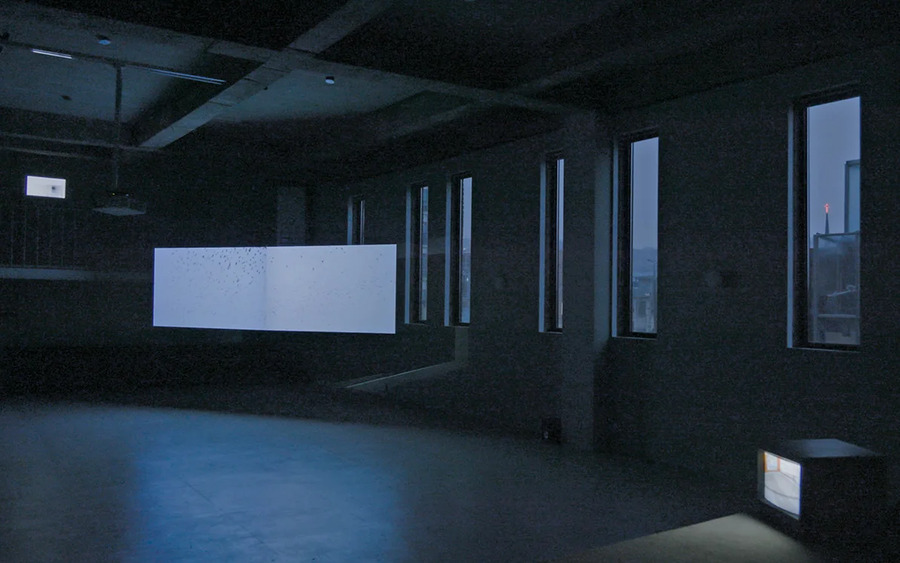
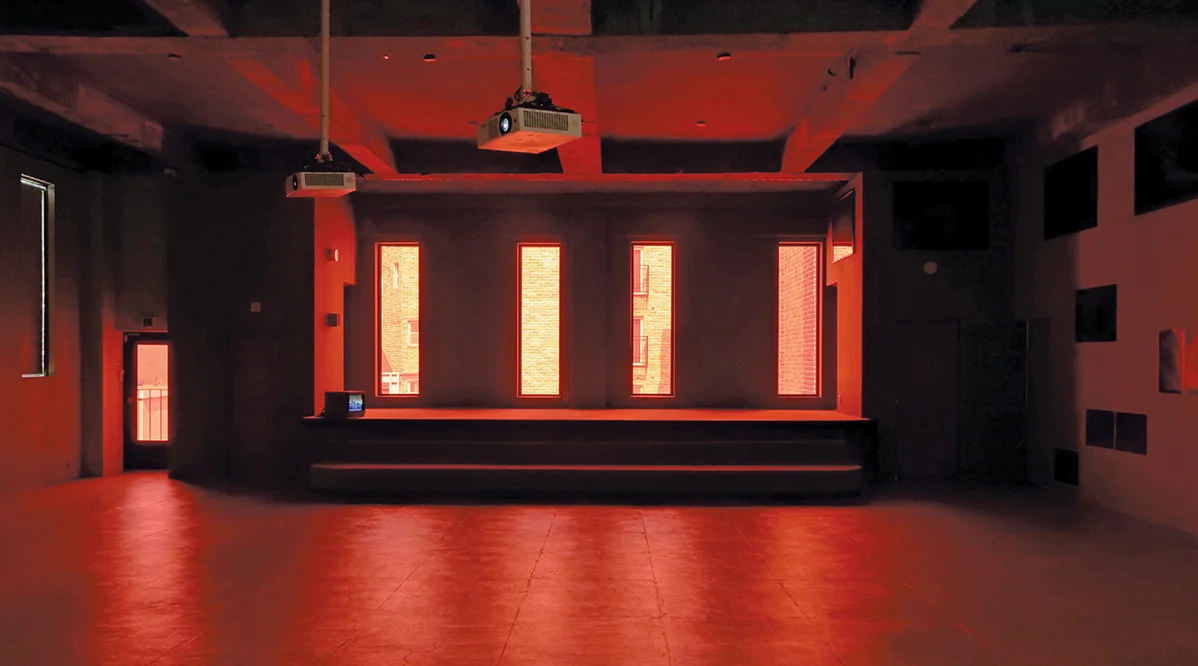
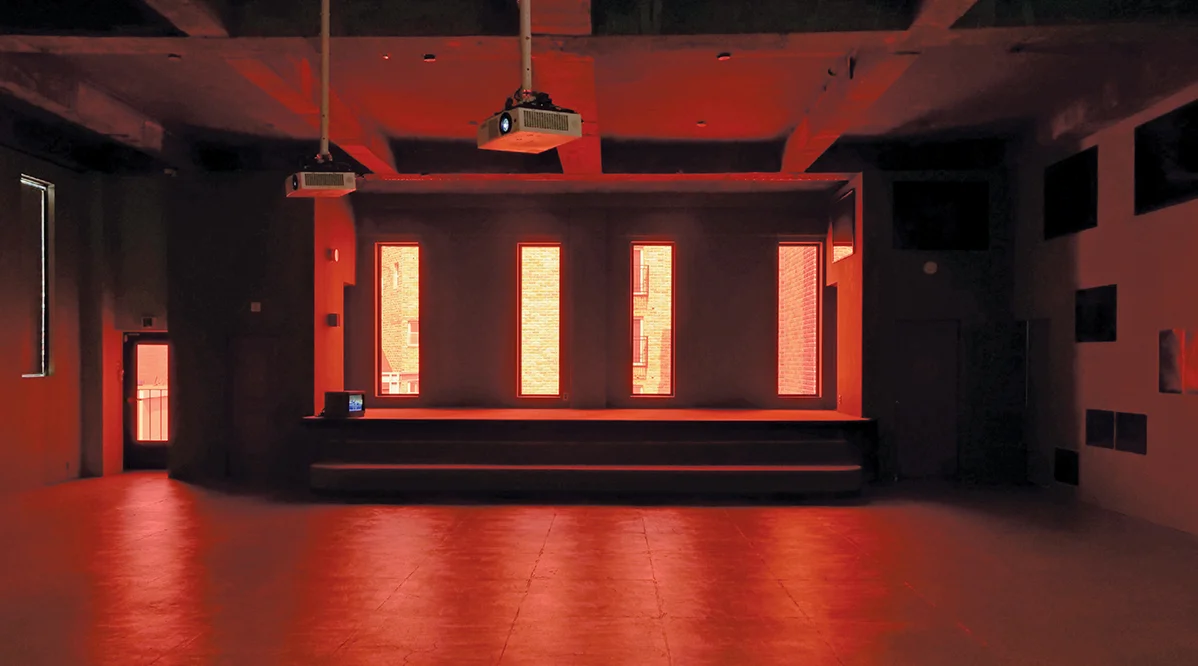
Installation view of 《Black Bird Black》 (TINC, 2021) ©Sojin Kwak

The exhibition both centers the crows and sets them as the backdrop, intricately intertwining the meaning and form of black. The video Black Bird Black layers four sequences situated in different temporal and spatial dimensions in a documentary format, subtly linking a non-linear narrative to present a new landscape.

Installation view of 《Black Bird Black》 (TINC, 2021) ©Sojin Kwak

Among the four sequences, the rapid movements of black and white sweeping across the printing process evoke, together with scenes of crows scattered across the sky, a sensory reminder of the cycles of creation and disappearance. The video unfolds within a loop without a defined beginning or end, hinting at the sequences to come rather than moving toward a conclusion. 

In the exhibition space, a red window installed alongside the video is linked to the red safelight that appears within it, blurring the physical boundaries of time and space both on and off the screen.


Installation view of 《oh-my-god-this-is-terrible-please-don’t-stop》 (Seoul Art Space Mullae, 2022) ©Sojin Kwak

The following year, at her solo exhibition 《oh-my-god-this-is-terrible-please-don’t-stop》 at Seoul Art Space Mullae, Sojin Kwak addressed the media-specific qualities that are either exposed or deliberately concealed during the process of negotiation between the camera and the body, drawing on the relational tension of BDSM. 

The exhibition title “oh my god this is terrible please don’t stop” can be paraphrased as “It’s so good it hurts.” For such a relationship to be established, one must find the point where it is “painfully good” but not fatal—in other words, mutual communication and consent at the point of stopping are essential.


Sojin Kwak, Tapping, Scratching, Tracing ♥no talking♥, 2022, Single-channel video, dimensions variable, FHD, stereo sound, 10min 30sec. ©Sojin Kwak

Interested in the hierarchies and rules of the gaze formed by the relationship between the camera and its subject, as well as by the positioning and characteristics of objects, the artist imagined moments in this exhibition where the distance and hierarchy of looking begin to blur. 

To do so, she referenced the notions of “pause,” “consent,” and “consensual non-consent” that emerge from the relational tension of BDSM—a vulnerable and unstable state. This form of consent is not a neutral distribution of power but an unequal arrangement created within a mutually compensatory relationship.


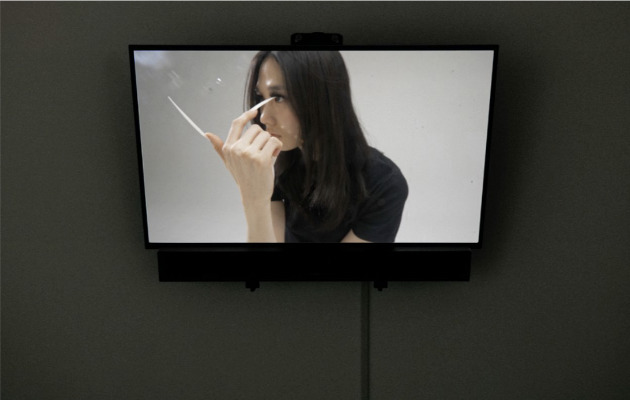
Sojin Kwak, Tapping, Scratching, Tracing ♥no talking♥, 2022, Single-channel video, dimensions variable, FHD, stereo sound, 10min 30sec. ©Sojin Kwak

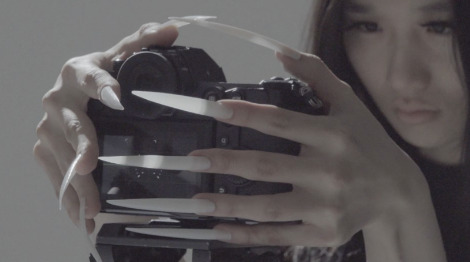
For instance, the video work Tapping, Scratching, Tracing ♥no talking♥ (2022) directly reveals the exhibition’s theme by mimicking the genre of camera-tapping ASMR. In the video, a woman shows herself with acute self-awareness while simultaneously scratching and tapping the camera with her fingernails. As the scratches on the lens deepen, the image intensifies, and the physical contact between the camera lens and the subject turns into ASMR sounds that directly jolt the viewer’s autonomous sensory perception. 

Through the footage recorded by objects that must remain hidden in darkness to assert their presence as boundaries, and by a camera lens that willingly subjects itself to damage, the exhibition confronts us with “images not yet shattered” at the edges of the lens, at the tips of fingers and toes, and along the boundaries of inside and outside.


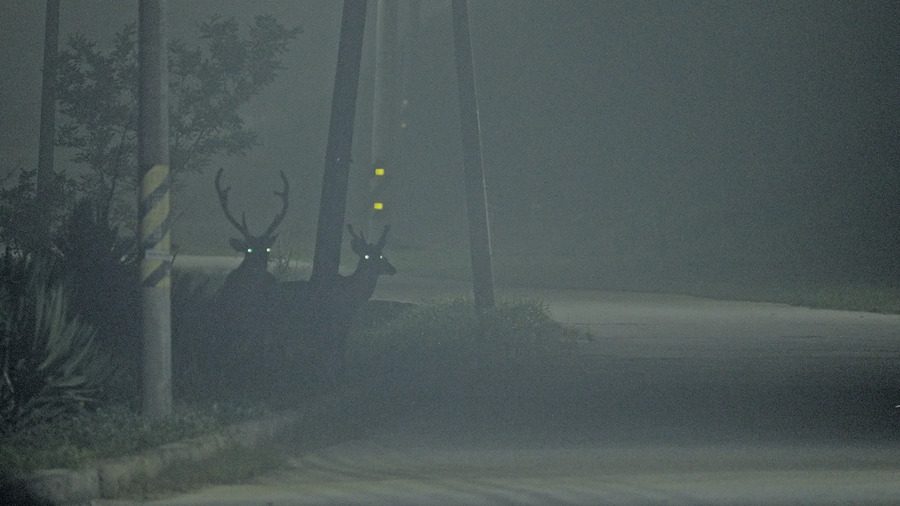
Sojin Kwak, HWI-PAN, 2024, Film, sound, 23min. ©Sojin Kwak

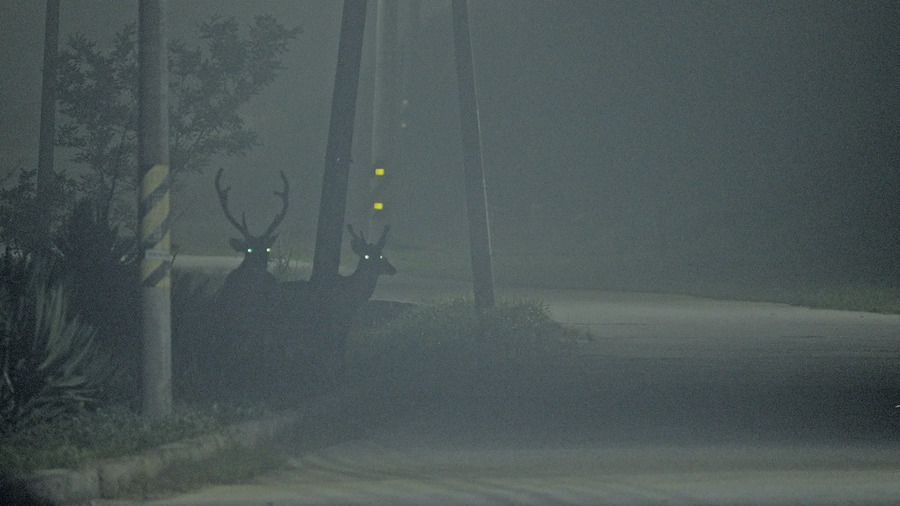
In this way, Sojin Kwak has captured latent relational scenes at the boundaries between spaces through various media, including the camera. In the 2024 video work HWI-PAN, the artist documents the phenomenon of wild deer, abandoned by livestock farmers, whose population has rapidly increased to exceed that of the residents of Anmado. 

The video presents a peculiar coexistence of deer and humans, with darkness blending their territories. The darkness, which makes the distinction between “here” and “beyond” impossible, metaphorically reveals how existing boundaries bend and reorganize through ecological (im)balances. In the deep night within this space, the gaze of nocturnal cameras and nocturnal communities, inhabiting the opposite of the daytime, creates a time and place that compels us to confront what lies beyond us, which is to say something we are all involved in.

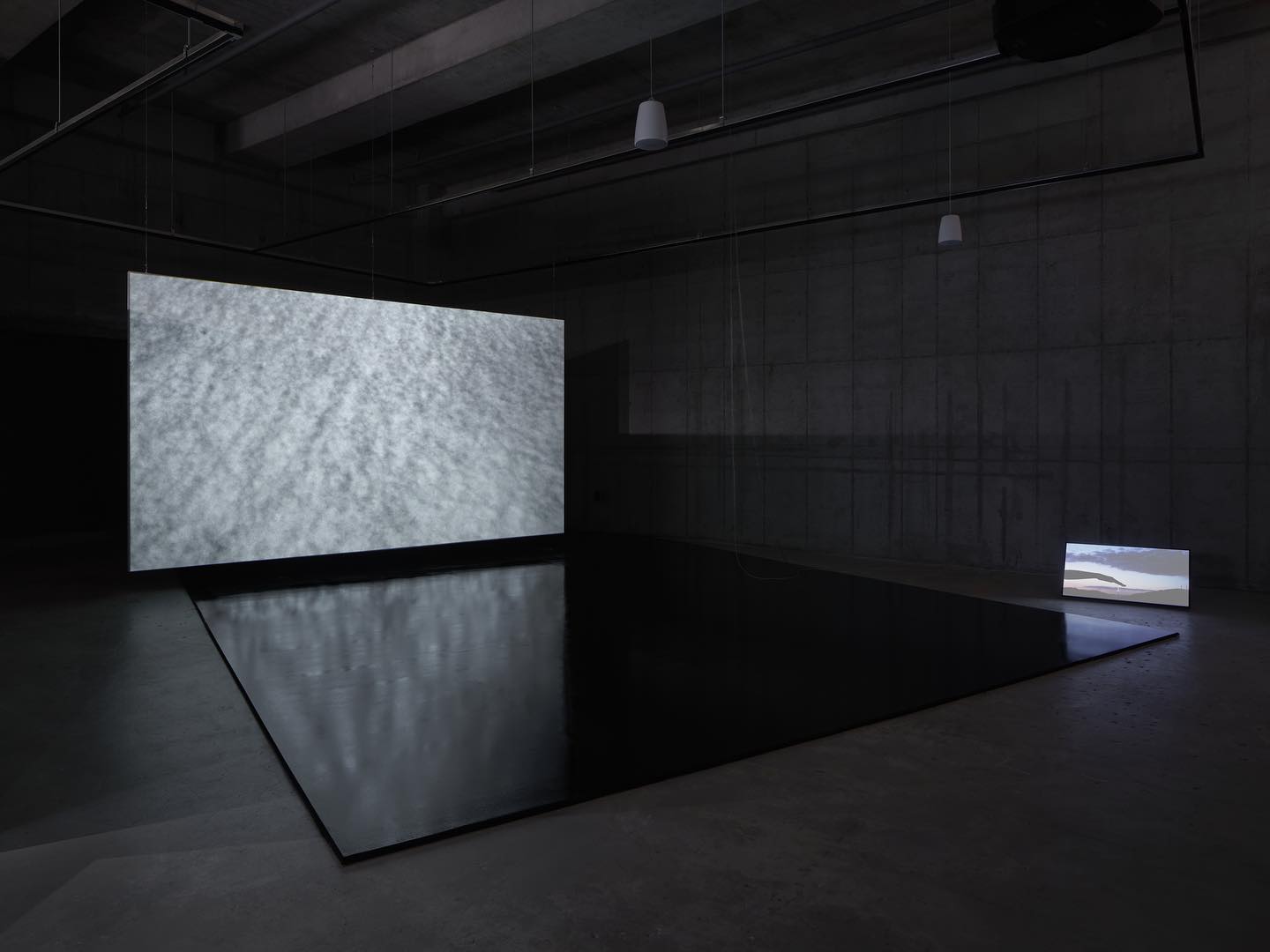
Installation view of 《Cloud to Ground》 (Replace Hannam, 2025) Sojin Kwak

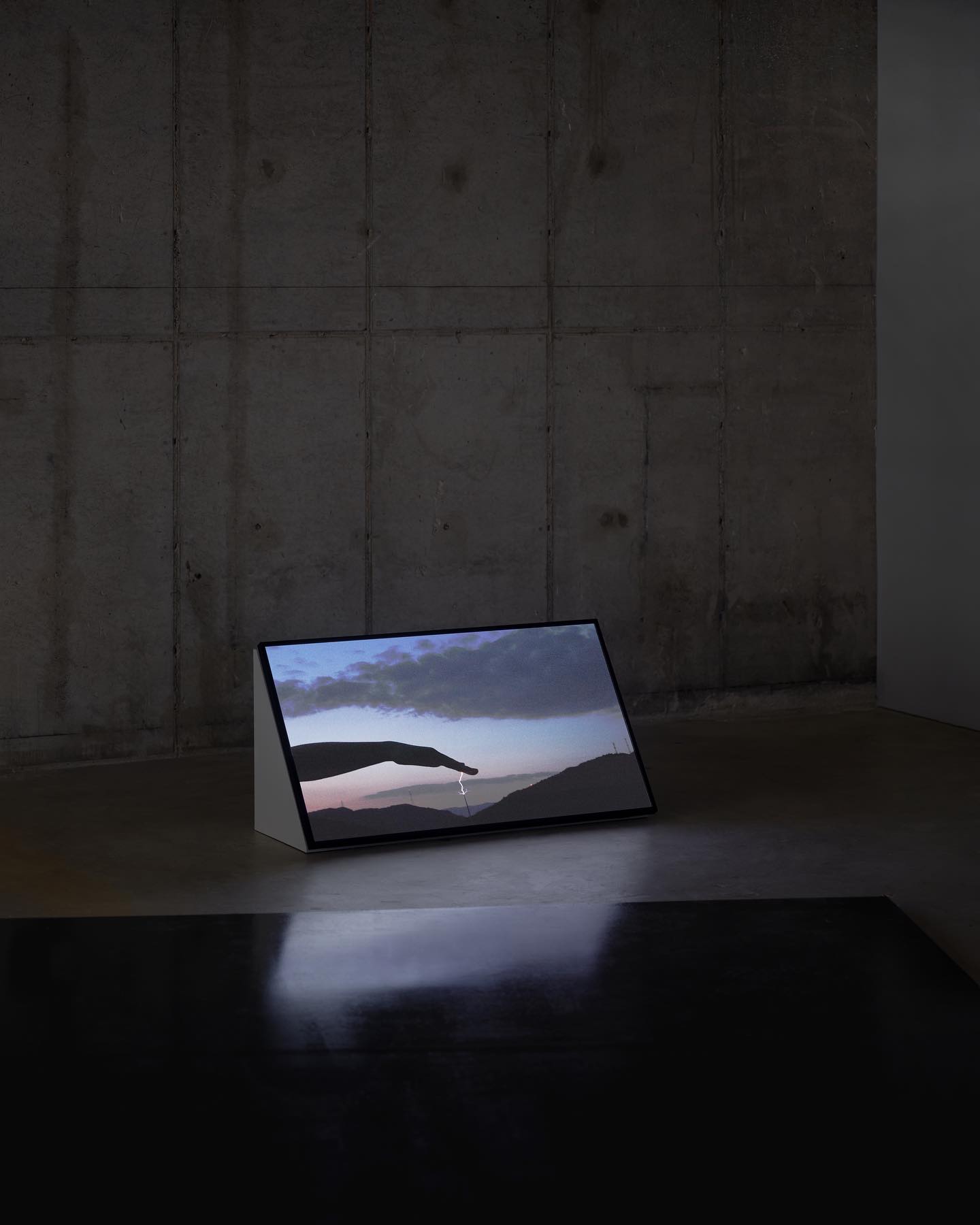
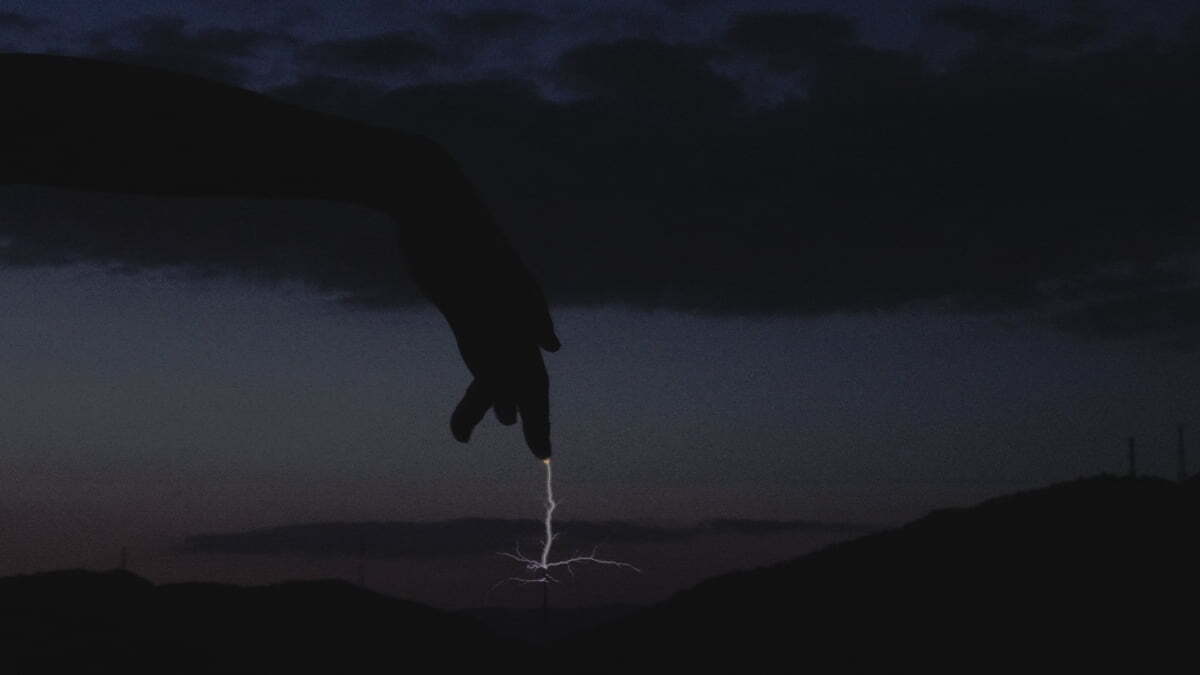
In her recent solo exhibition 《Cloud to Ground》, Sojin Kwak approached the formation of lightning as a relational event, inviting the audience to follow the path of a night walker under a dark sky. 

According to the artist, while electrical currents flow everywhere, lightning occurs when these ubiquitous currents become entangled in a specific way, forming a momentary relational configuration. However, the patterns of these relationships drawn in the atmosphere vanish the instant they are created. In other words, each connection is uniquely formed but ultimately disappears, making repetition and exact reproduction impossible.

Installation view of 《Cloud to Ground》 (Replace Hannam, 2025) Sojin Kwak

In the exhibition, Sojin Kwak referenced the process of lightning to propose paths that follow a flow opposite to fixed, linear concepts of time. Audiences walking along these paths become night walkers, encountering fleeting relational events in which connection and disconnection, response and silence, and the generation and disappearance of entanglements occur simultaneously.

Sojin Kwak, Cloud to Ground, 2025, Single-channel video, color, sound, 4min 30sec. ©Sojin Kwak

Sojin Kwak’s work originates from her inquiries into the invisible interactions embedded within the networks of ecology, history, and media. She captures living relational scenes in which technology, bodies, objects, and sensations are intertwined and revealed. By traversing between objects, devices, and the body, her work visualizes the layered sensations and emotions that exist beneath the objective or visible, allowing audiences to experience these moments through their own bodies.

 “A chance encounter is the most appropriate way to experience the conditions of life, as it engages with objects, ecology, history, and media connected within a complex network, and is swept along as part of it. Rather than objective information or logical narratives, I am interested in capturing the traces and signs of change that occur before an ‘event’ emerges—the instinctive tension and subtle shifts that lie beneath visible phenomena and technology.”   (Sojin Kwak, Public Art)


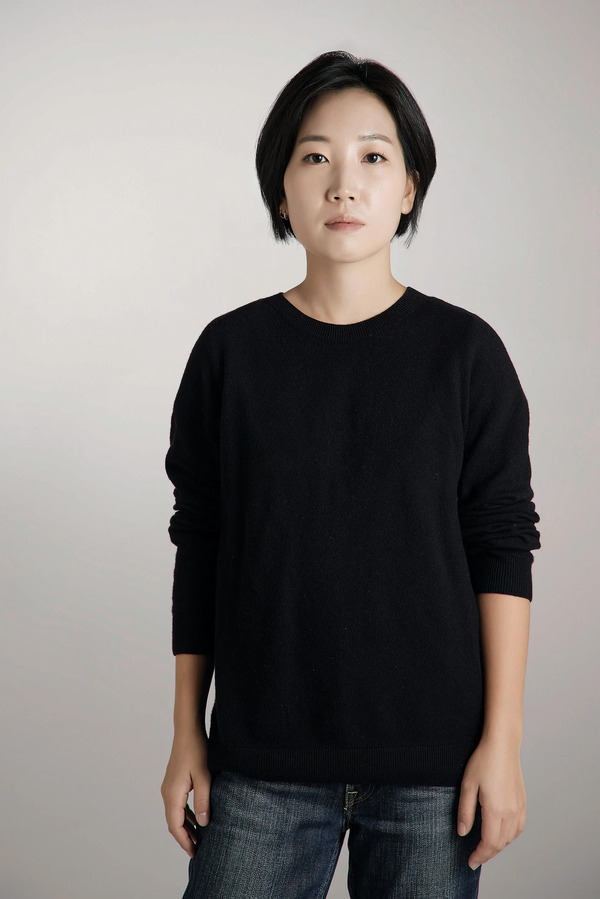
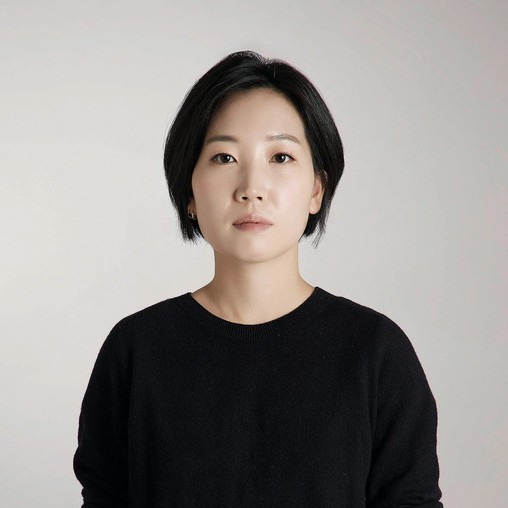
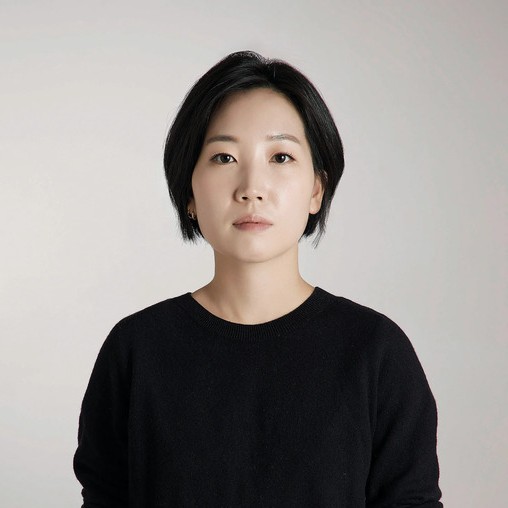
Artist Sojin Kwak ©W Korea

Sojin Kwak graduated with a B.F.A. from the Department of Film at Korea National University of Arts and earned her M.F.A. in Inter-media from the same university’s Graduate School of Arts. Her solo exhibitions include 《Cloud to Ground》 (Replace Hannam, Seoul, 2025), 《oh-my-god-this-is-terrible-please-don’t-stop》 (Seoul Art Space Mullae, Seoul, 2022), 《Black Bird Black》 (TINC, Seoul, 2021), and 《Axe and Dummy Heads》 (Insa Art Space, Seoul, 2020).
 
She has also participated in numerous group exhibitions, including 《off-site 2: Eleven Episodes》 (Kukje Gallery, Seoul, 2025), 《Green Shivering》 (Busan Museum of Contemporary Art, Busan, 2025), 《Waiting for the Forest》 (National Museum of Modern and Contemporary Art, Seoul, 2025), 《OB/SCENE FOCUS》 (Art Space 3, Seoul, 2024), 《Frieze Film 2023》 (Amado Art Space, Seoul, 2023), and 《#2》 (DOOSAN Gallery, Seoul, 2023), among others. 

In 2024, she was selected as the inaugural recipient of the ‘Sisley Award for Young Creation Korea.’
References