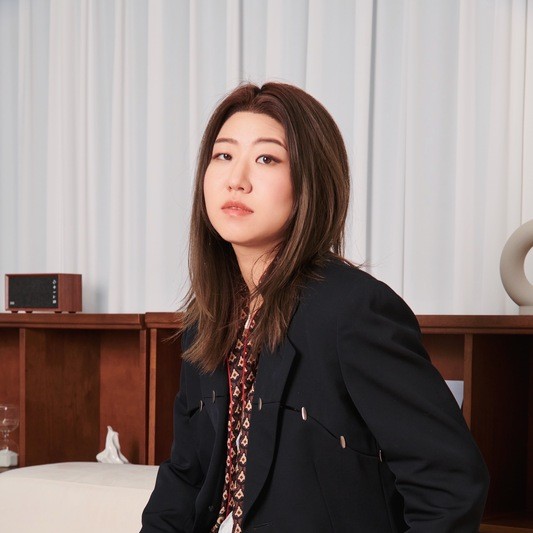
Sunjeong Hwang’s practice departs from anthropocentric
thinking and explores new ecological networks in which humans and nonhumans,
nature and machines are connected through technological media. First introduced
in the group exhibition 《Migration to a New Earth Planet》(Asia
Culture Center, 2021), the long-term Tanhamu
Project investigates sensory and informational exchanges between
human and nonhuman agents, grounded in the cycles and symbiosis of mycelial
systems.
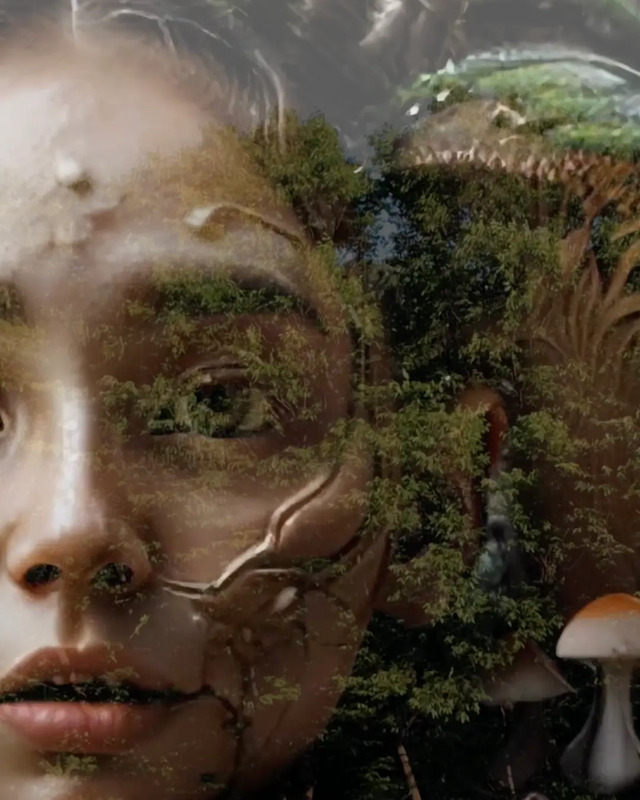
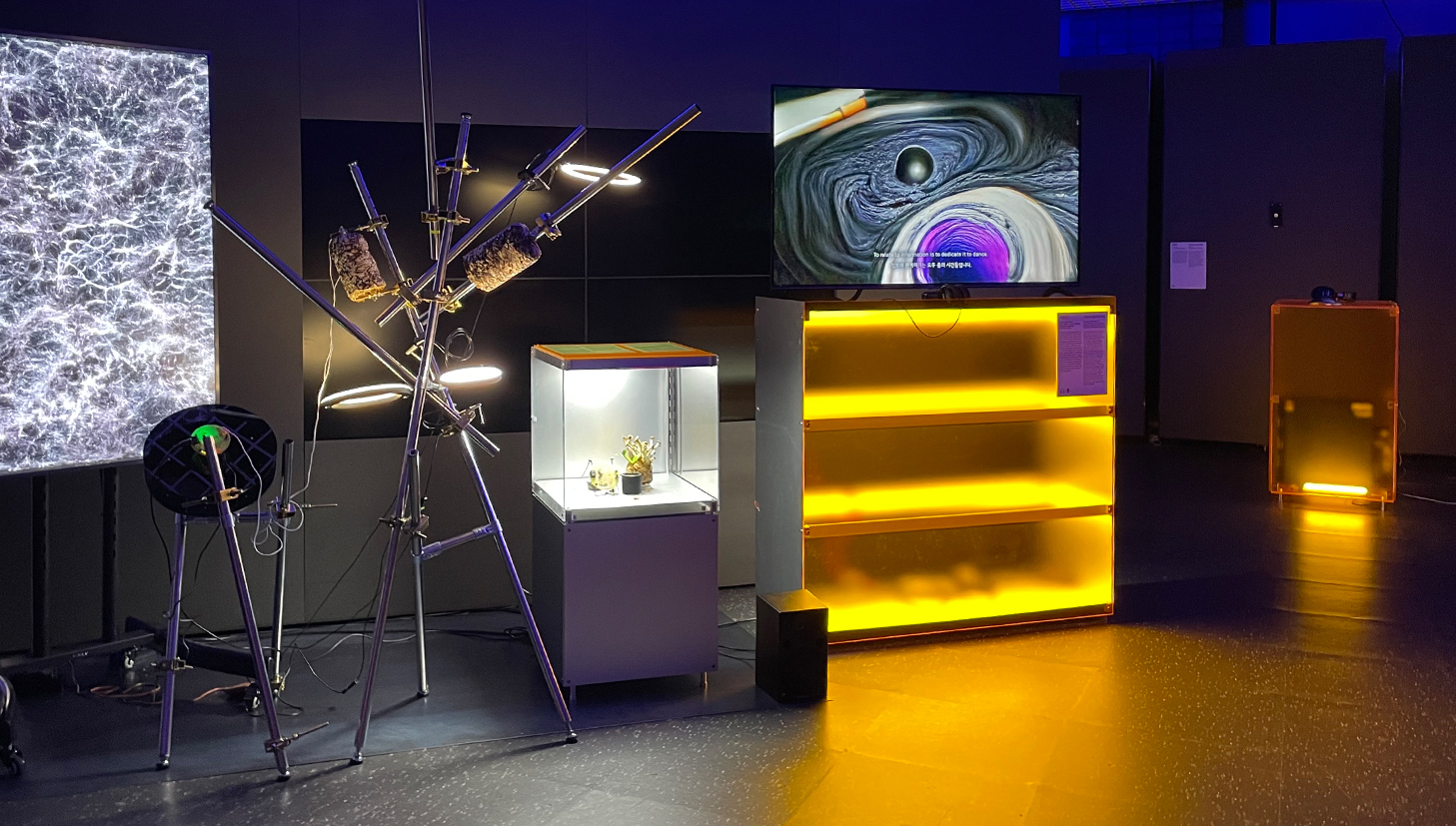
In Highway Fungi:
Tanhamu(2021–2022), data from plants and fungi are collected and
translated into real-time audio-visual signals, proposing interspecies
communication through a “translation of sensation.” This line of thought
expands into the notion of a “Post Hyper Human Map,” sketching an ontological
cartography for expanded sensing.
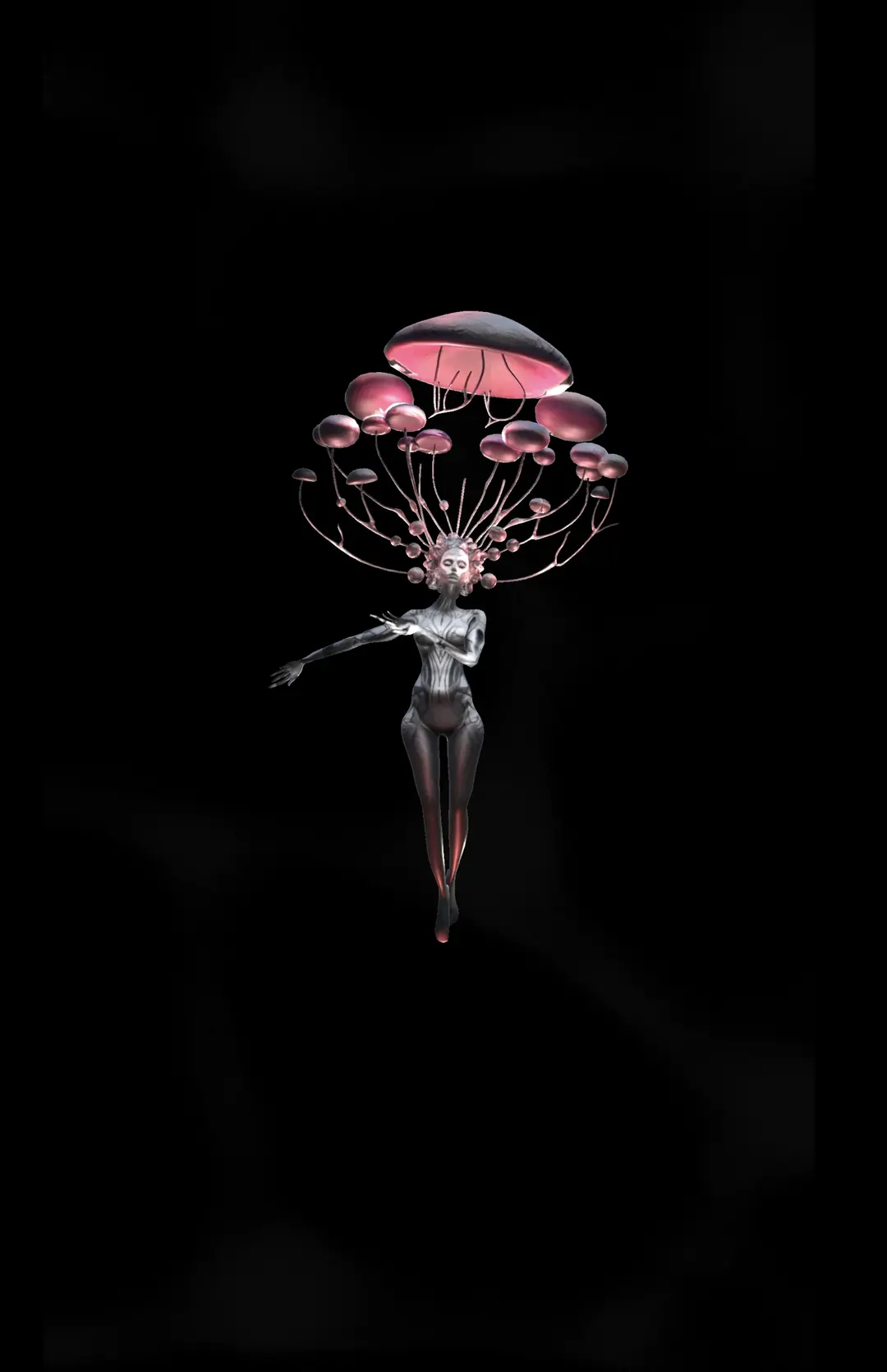
Tanhamu: Tanhamutronica(2022)
and Tanhamu_the times of dancings(2022) imagine a
speculative ecology where humans, mycelium, and AI are horizontally connected.
Here, Hwang examines the sensory evolution of future humanity through
symbiosis, affective resonance, and the formation of a horizontal
consciousness. This narrative continues in Close to the Weaving
Web: Om; Prelude(2023), which presents a “weaving of sensation” that
binds human neural pathways, plant root networks, and AI neural networks into a
single woven structure.
Subsequently, The Recipe of Earth, Body and
Sounds: Synaptic Odyssey(2023) restructures relations among
technology, nature, and humans through vital acts such as eating, breathing,
and sensing—braiding fungal cycles with bodily perception into one “recipe,”
with emphasis on ecological healing and cyclical
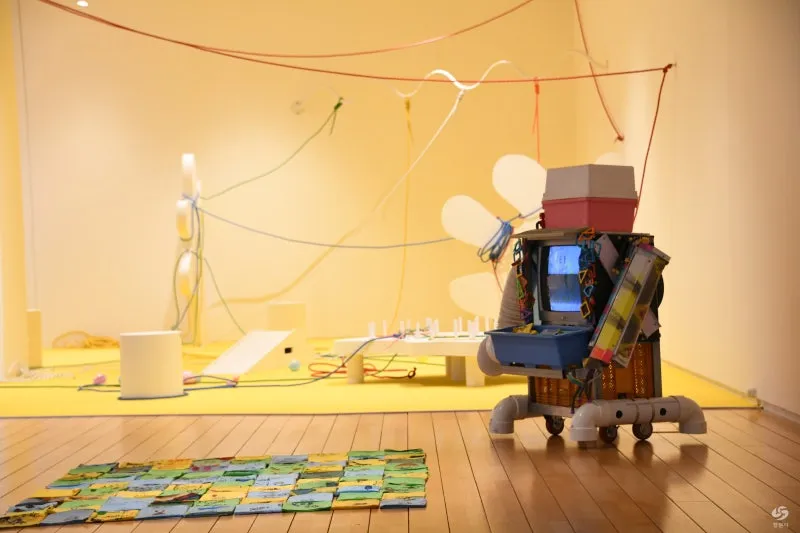
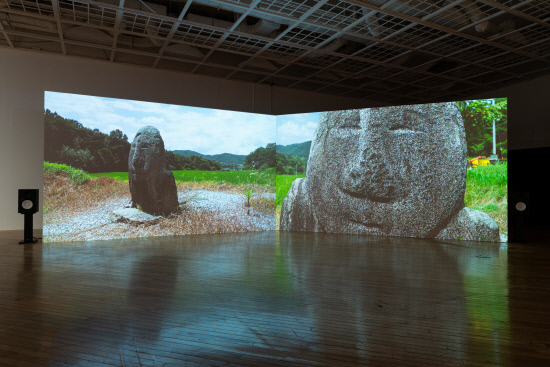
temporality. Minuit Heya: Sensotalic Helix Movement
000(2024) invites audiences to experience the temporality and
sensorial charge of nonhuman matter through bodily rhythm, drawing on shamanic
rites and work songs as motifs.
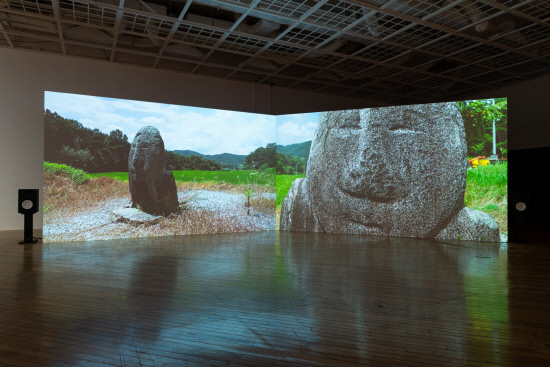
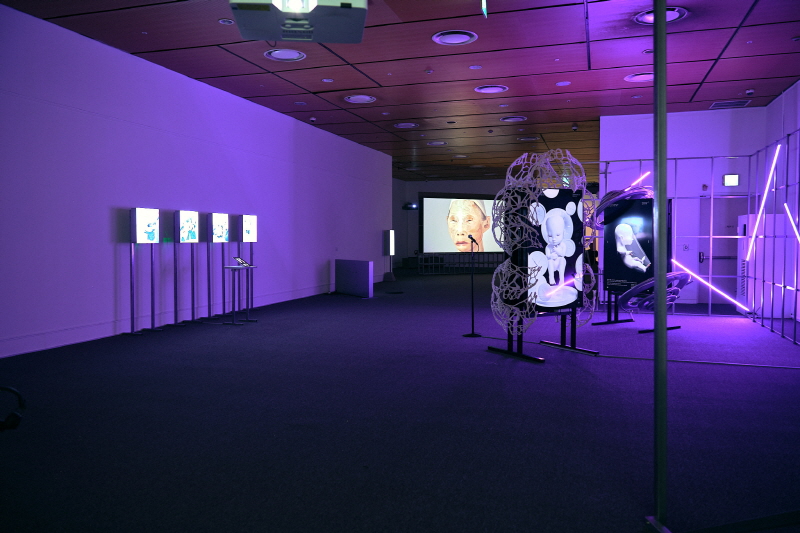
In Telluric Memories: Warm Woven Clicks,
and Entangled Radiant(2024), presented in the group exhibition 《At the End of the World
Split Endlessly》(Seoul Museum of Art, 2024), and in the
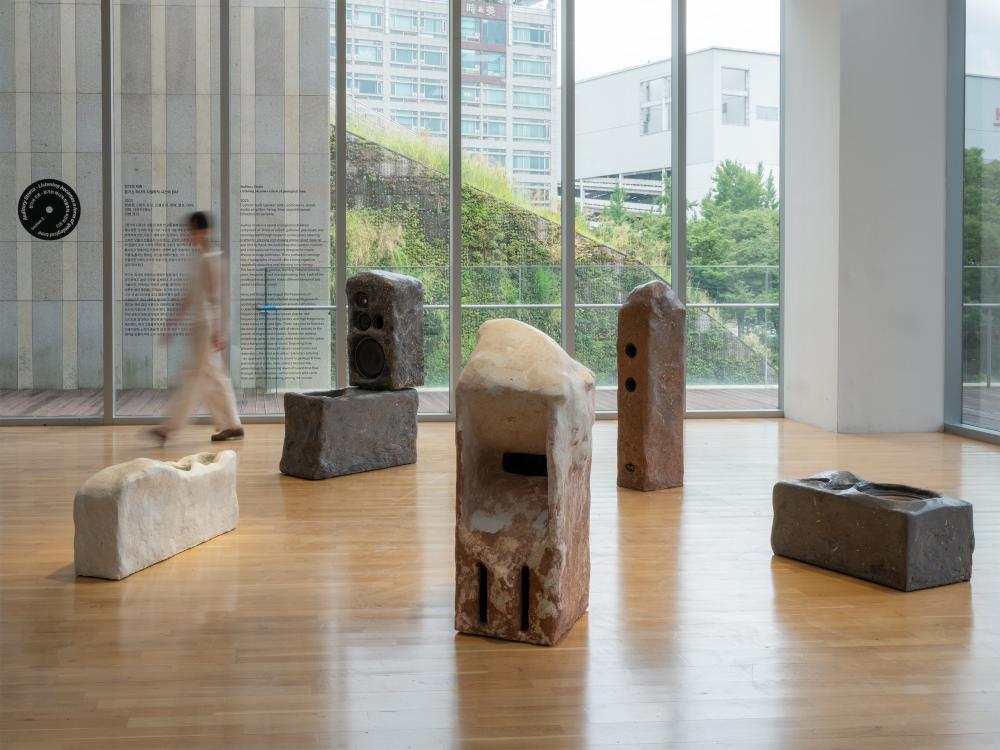
solo presentation 《Sonic Planet – Hertz and Dough》(Buk-Seoul Museum of Art, 2025) by the research lab Hertz and Dough,
human–nonhuman complexes are framed as sites for “sensory liberation” and “the renewal
of memory,” inviting audiences to contemplate relational ecologies through
sound.