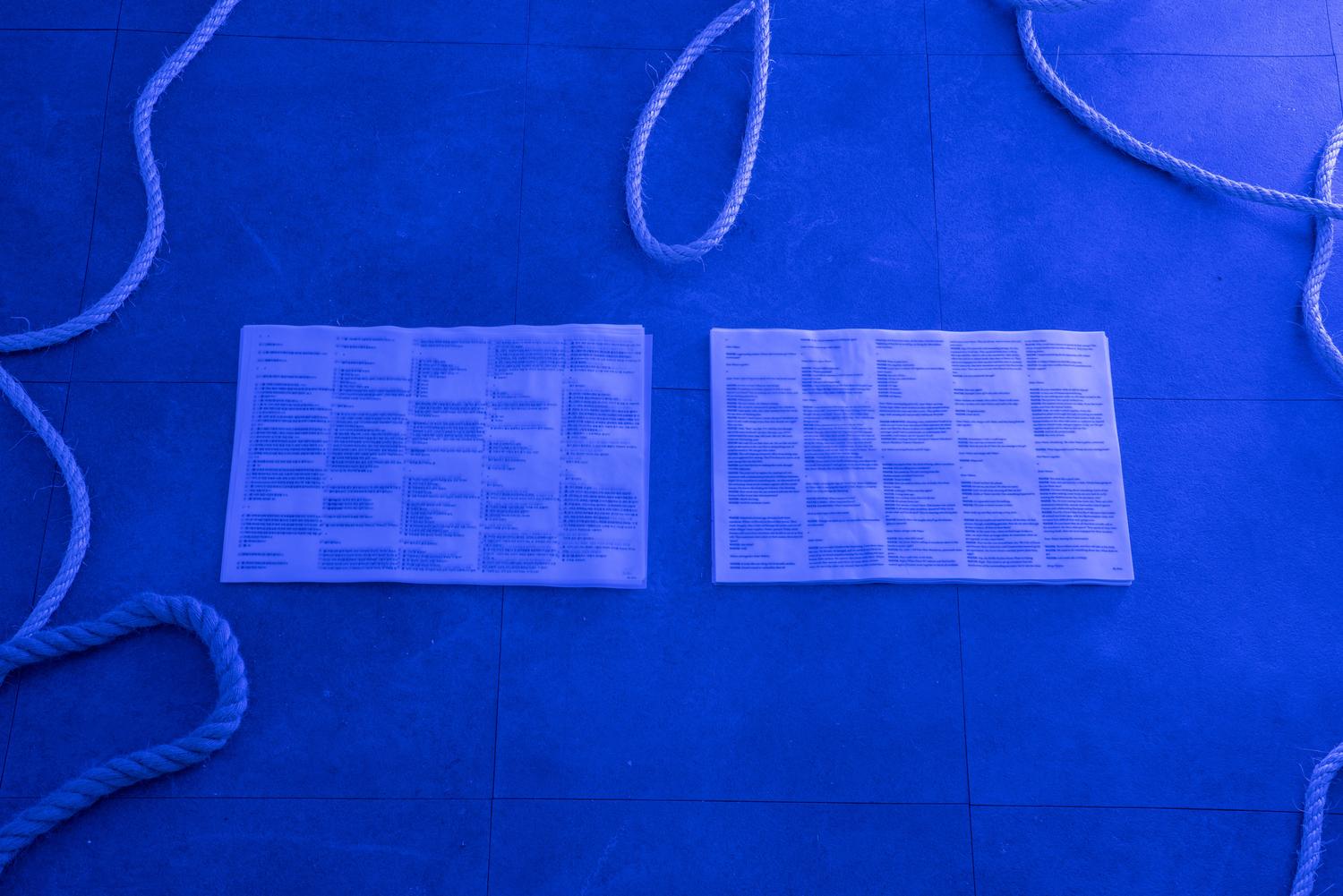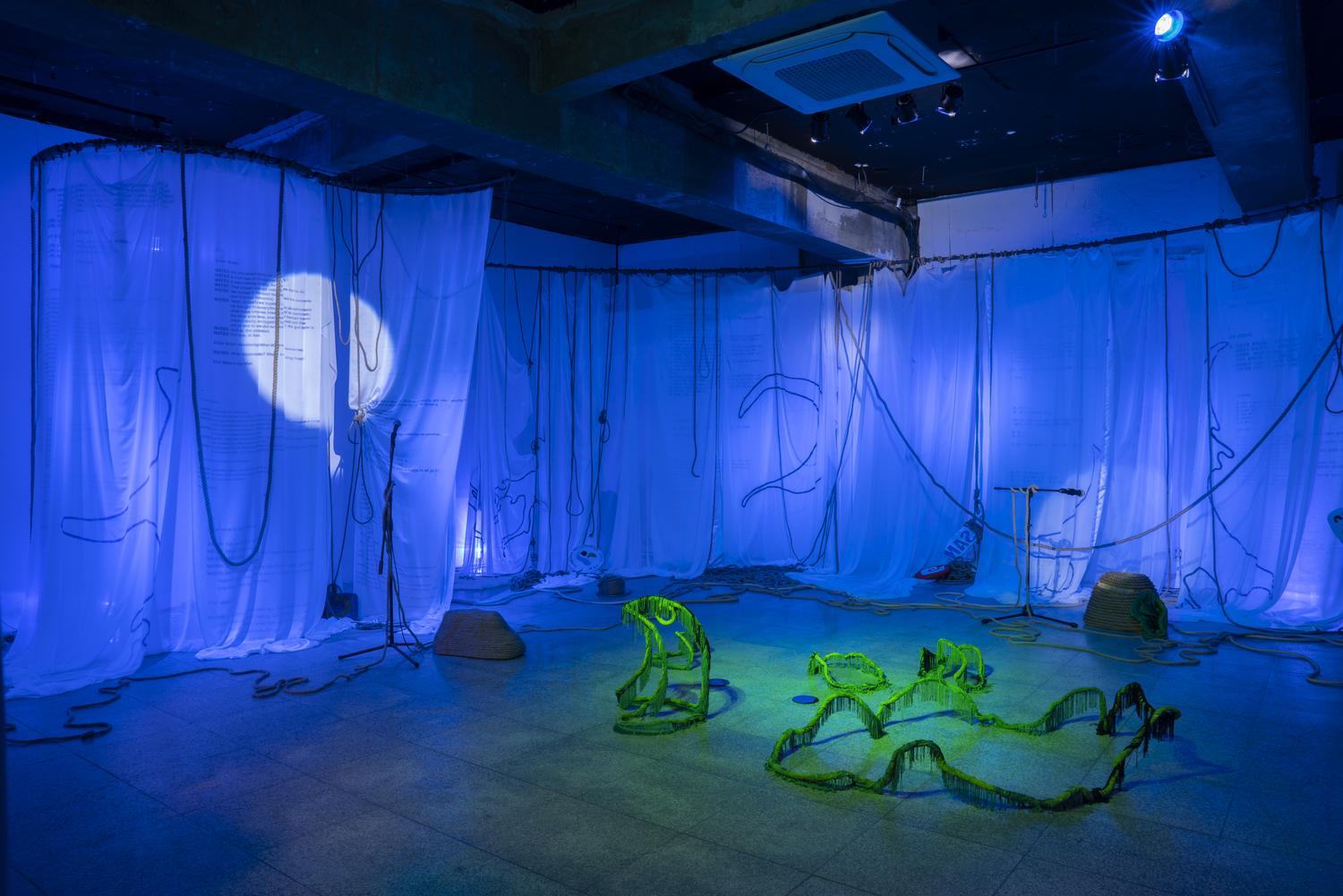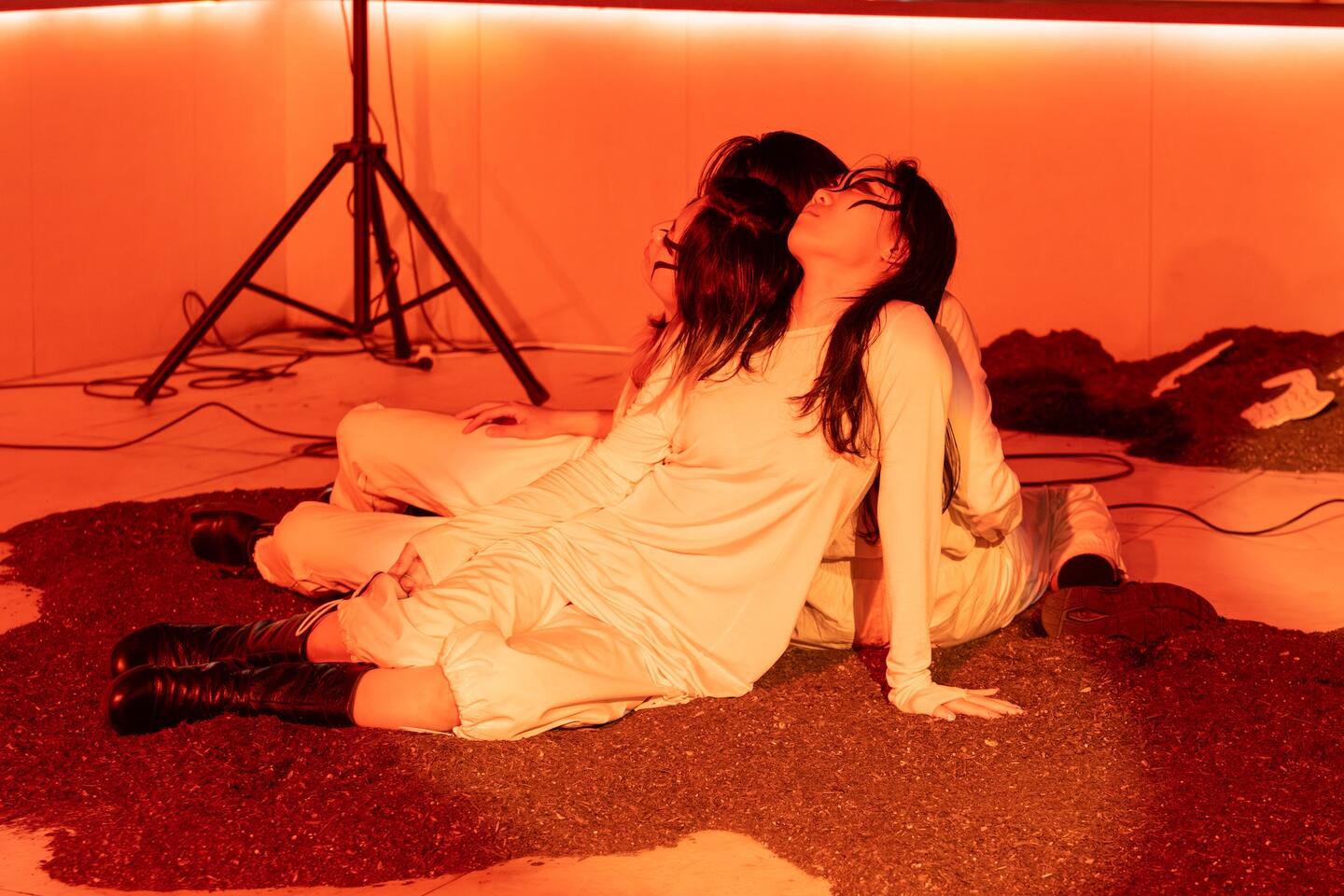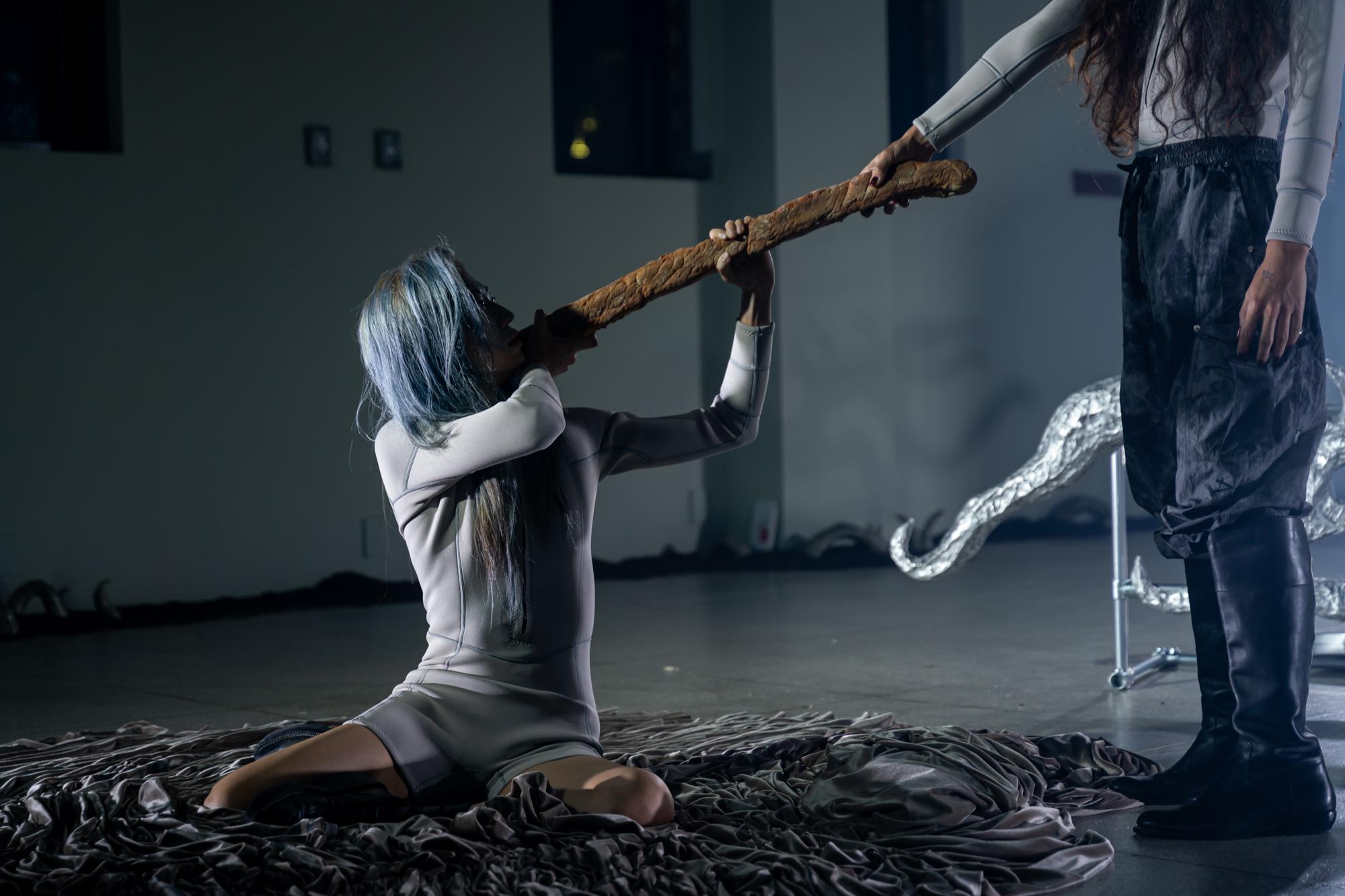
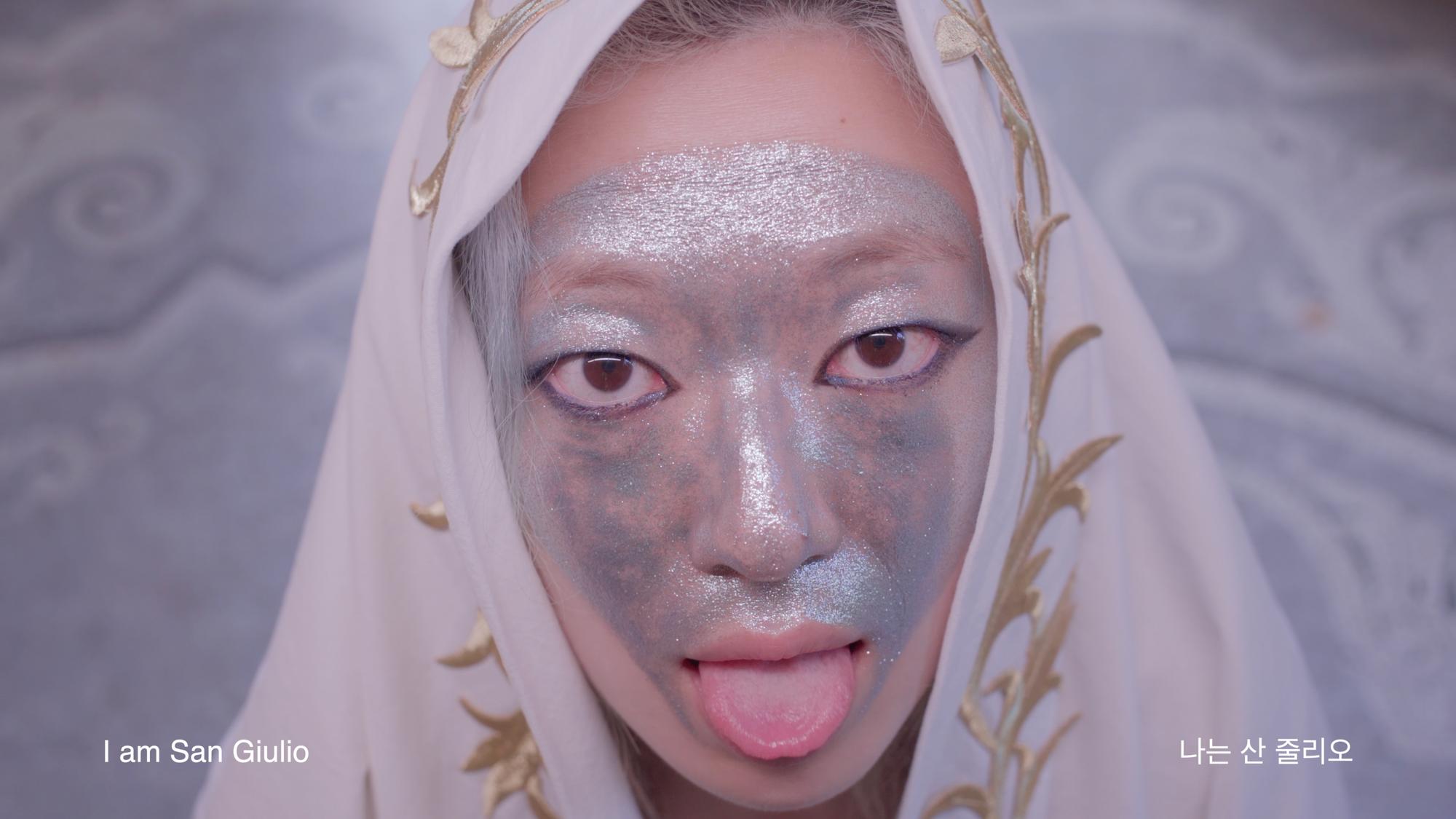
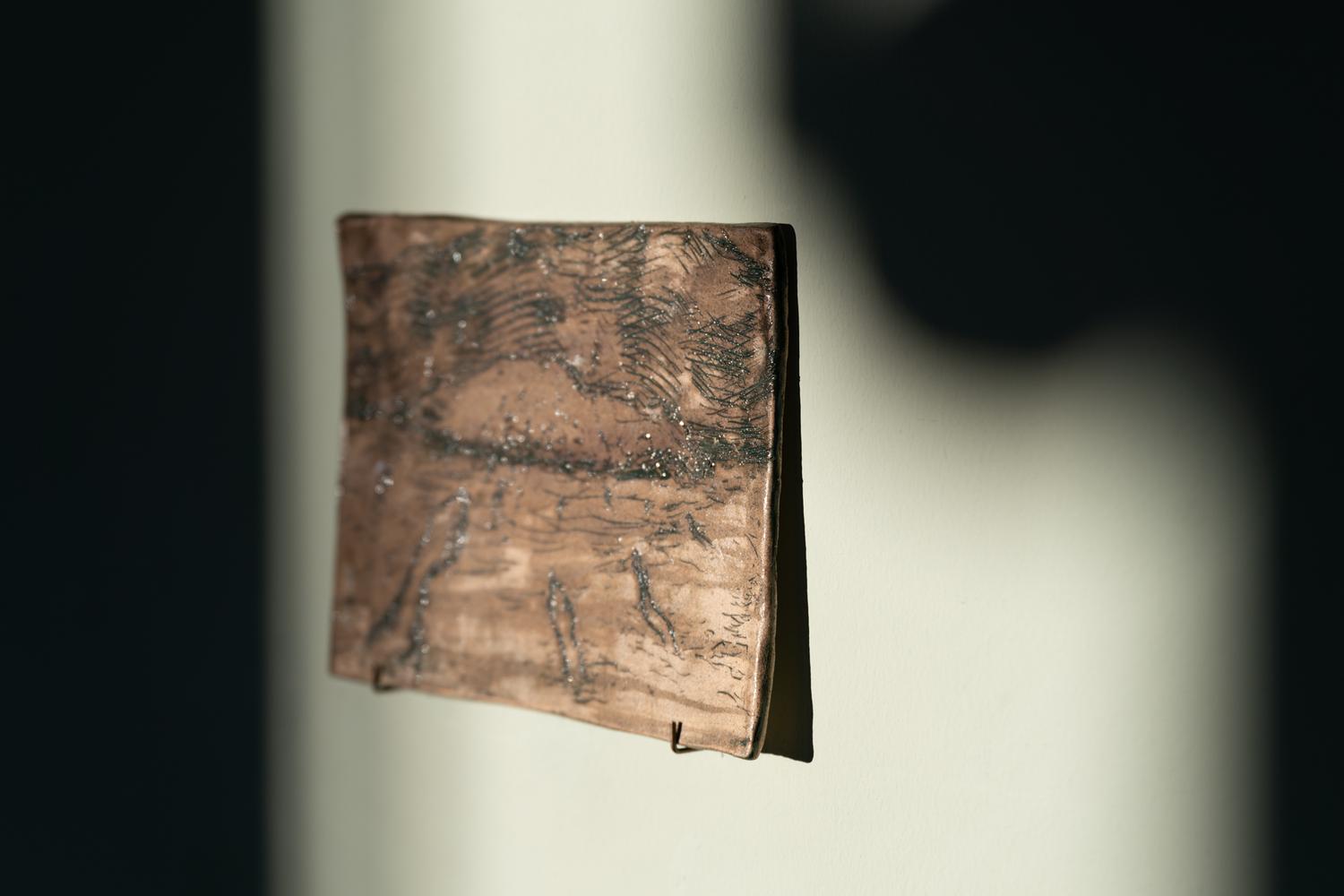
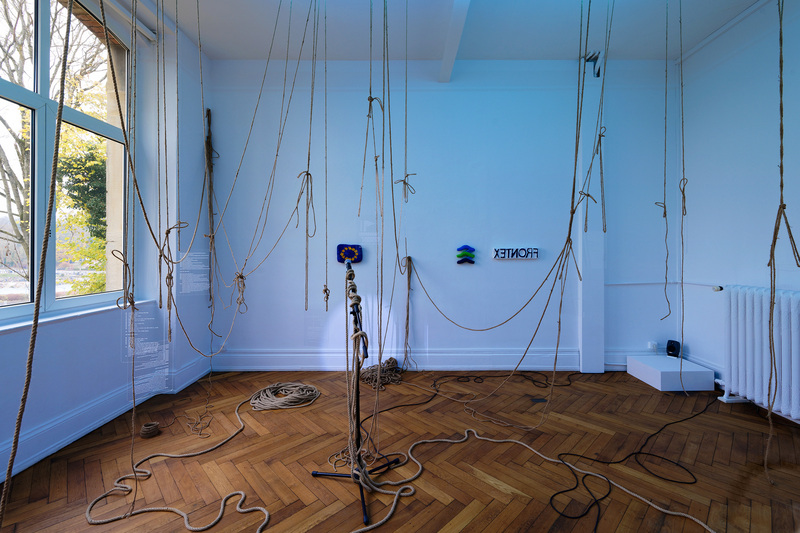
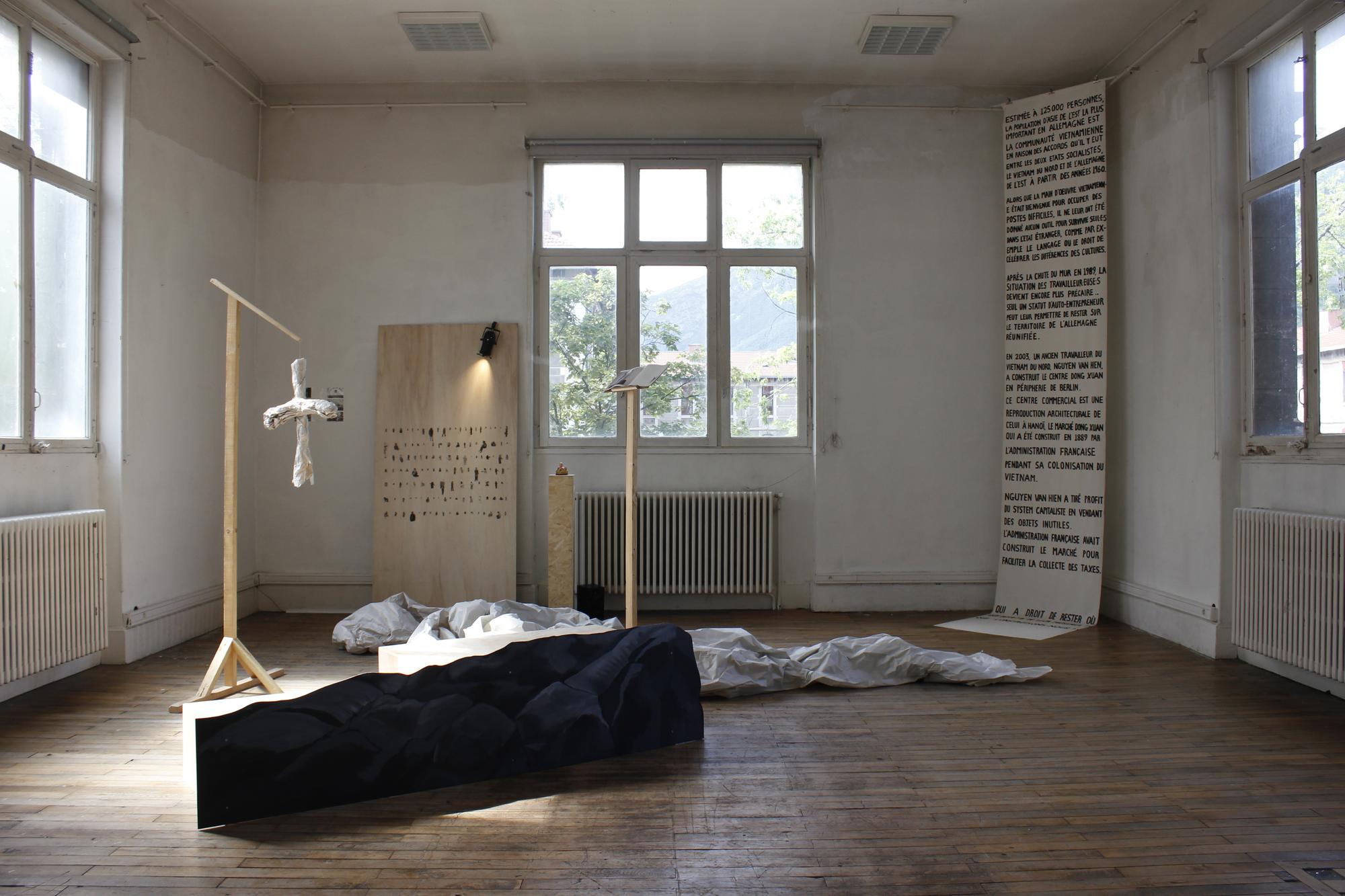
Installation view © Ru Kim

A solo show of Ru Kim (b. 1995, Hamburg, Germany), 《Ecotone: Capacity for Escape》 (2022), at Post Territory Ujeongguk becomes a conjugation of the bond of their past artworks and practices. Ecotone, a crucial part thereof and simultaneously a focal point in the exhibition present the zone of transition where two different biological communities meet and integrate. It lies down with / moves parallel with Hydrofeminism mainly featured by Astrida Neimanis, author of Bodies of Water(2017) and interlocuter of “We Are All at Sea(Talk at the 2nd Riga International Biennial of Contemporary Art)”, as the extension idea from these resources “staying in the same bodies of water together”.

Ru Kim utilises terrestrial thinking as a welcoming gesture to all visitors.

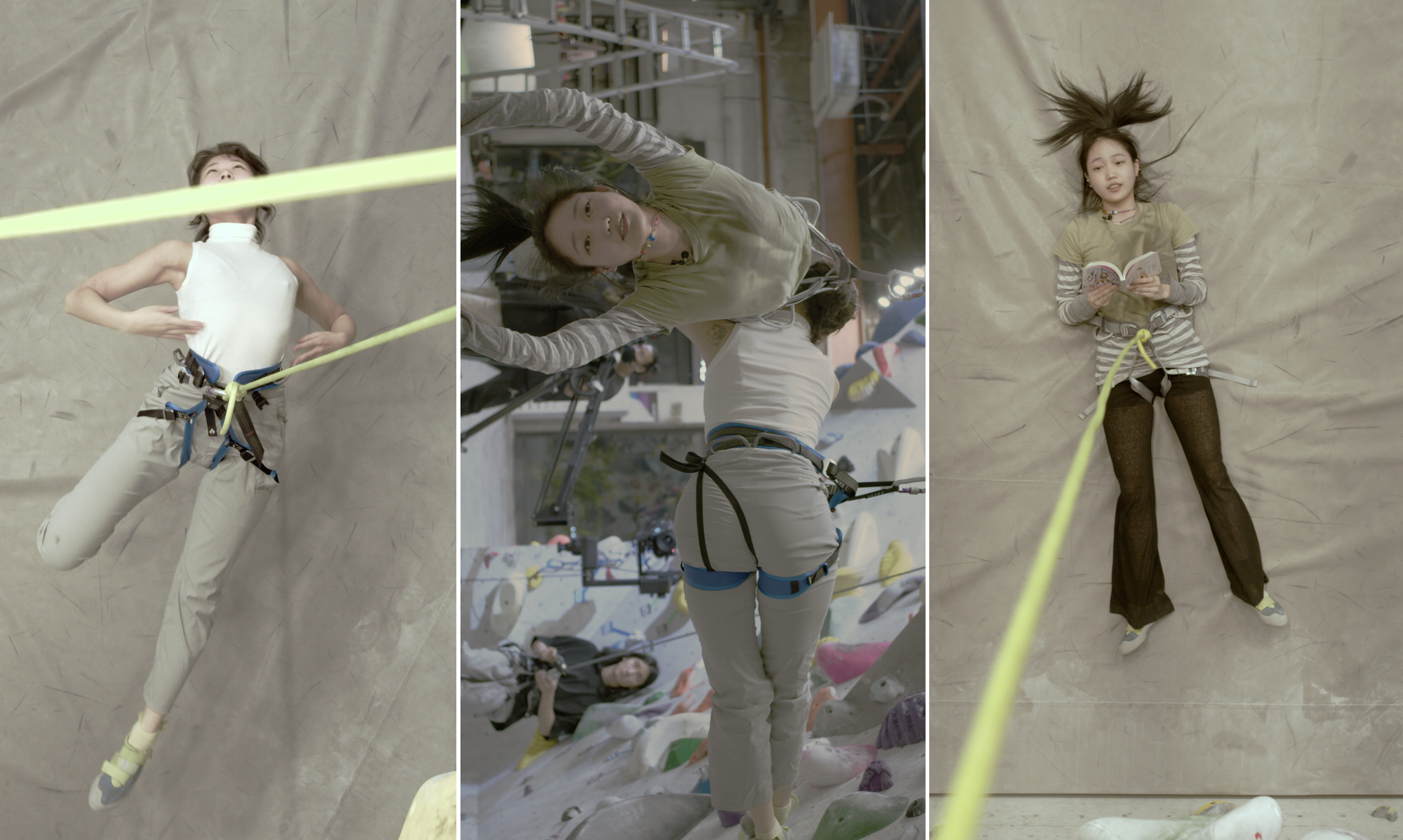
The conversation between ‘Waters’ adopts the ways of scenario to scope out contemporary phenomena and historic incidents. It extends from individual cities to continents and connects each other by looking up with terrestrial and hyperhistorical eyes. Ru Kim appears on the stage and brings their past works, shown in the Mediterranea 19 Young Artists Biennale, Artist Residency TEMI, Sea Art Festival 2021 and Anozero ‘21-‘22—Coimbra Biennial of Contemporary Art, together with newly developed contexts and formations. ‘Water’ at the Kori Nuclear Power Plant, ‘Water’ flowing at the Han River under the Mapo Bridge, ‘Water’ from the Mediterranean Sea and ‘Water’ meeting with lithium. Varied Waters eventually flow as one and the one makes a hydrologic cycle. The one is a ‘contact’ of time and territory and acts as an ‘escape’.

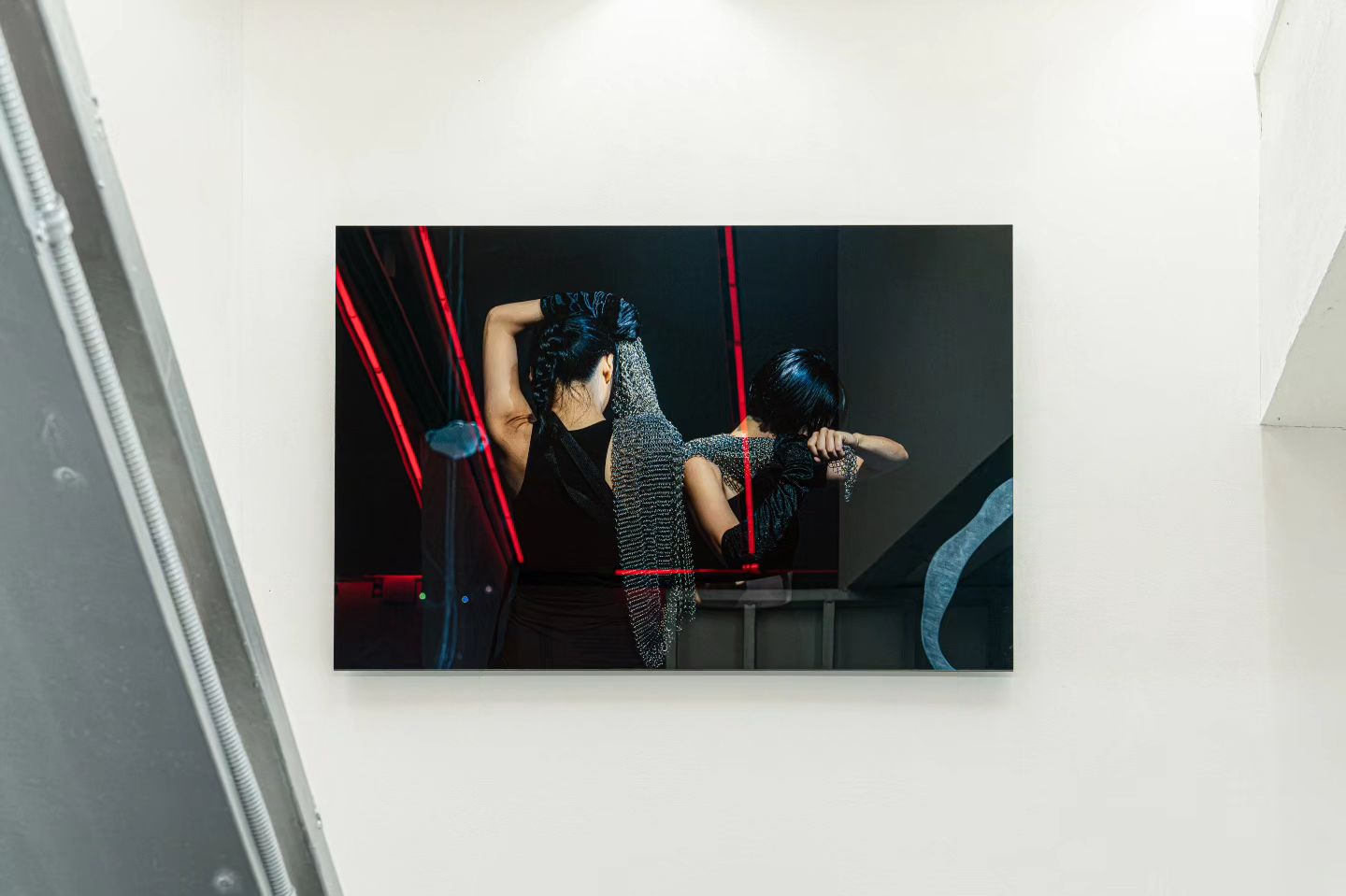
Installation view © Ru Kim

Installation across the stage is rooted in the existence of the ‘serpent’ referred to in Borderlands: La Frontera(1987), which is Chicana feminist literature. The author Gloria Anzaldúa was told by her mother in Mexico when she was young to “avoid snakes.” Snakes have formed phallic symbols such as ‘being unable to keep women’s chastity’, ‘being dangerous when bitten,’ as well as ‘having poison’ and ‘having the ability to interpermeate’, and are perceived as threats. Anzaldúa drank the blood of a dead rattlesnake. That night, she dreamt that she looked at the world through the serpent’s eyes. A young Chicana’s eyes and serpent’s eyes and our eyes on the stage haven’t shared life, but we see the multifaceted events of the past and the present together. The word ‘serpent’ in Korean, ‘뱀’, a homonym for interpermeation, makes the same sound together and the stage-exhibition hall becomes an ecotone. Two differently rooted feminist theories(communities) are woven into one chapter with ‘caring’ and ‘solidarity’ bringing about the ongoing events and situations. The remnants of the events and situations are brought together and stopped for a moment to become artworks.

Ru Kim has done(practised) art. ‘Doing artist’ rather than ‘being an artist’ can be seen in the form of work that changes severely and in the behaviour of constantly initiating. Their practices escape from repeating, overlaying, trimming and training and focus on the volatility, shadow and remainders of voices and gestures. Is it what is left over or what has sprouted? Sculptural shell-flesh-snake costumes contact the head-body-tail body. Through contact, the bodies and costumes become bodies of water by contorting, suffocating, supporting each other, clumping, and dispersing. The head speaks, questions, and responds. The body follows the tail. The tail embraces the body. Wandering, entanglements, voices, conflicts and moves occur in one body. The microphones installed in the stage-exhibition hall call to words as a trigger for someone’s ‘voice.’ Responding words resonate and overlapping sounds take back the soliloquy.

What could ‘escape’ be for Ru Kim? Getting away from a certain state, encountering a transition in the getaway. A journey of a serpent from land to water and from shallow water to the deep sea. A journey of escape is a contact to the new world, and this contact circulates as a result of escape.

We escape through contact. We contact through escape.

References