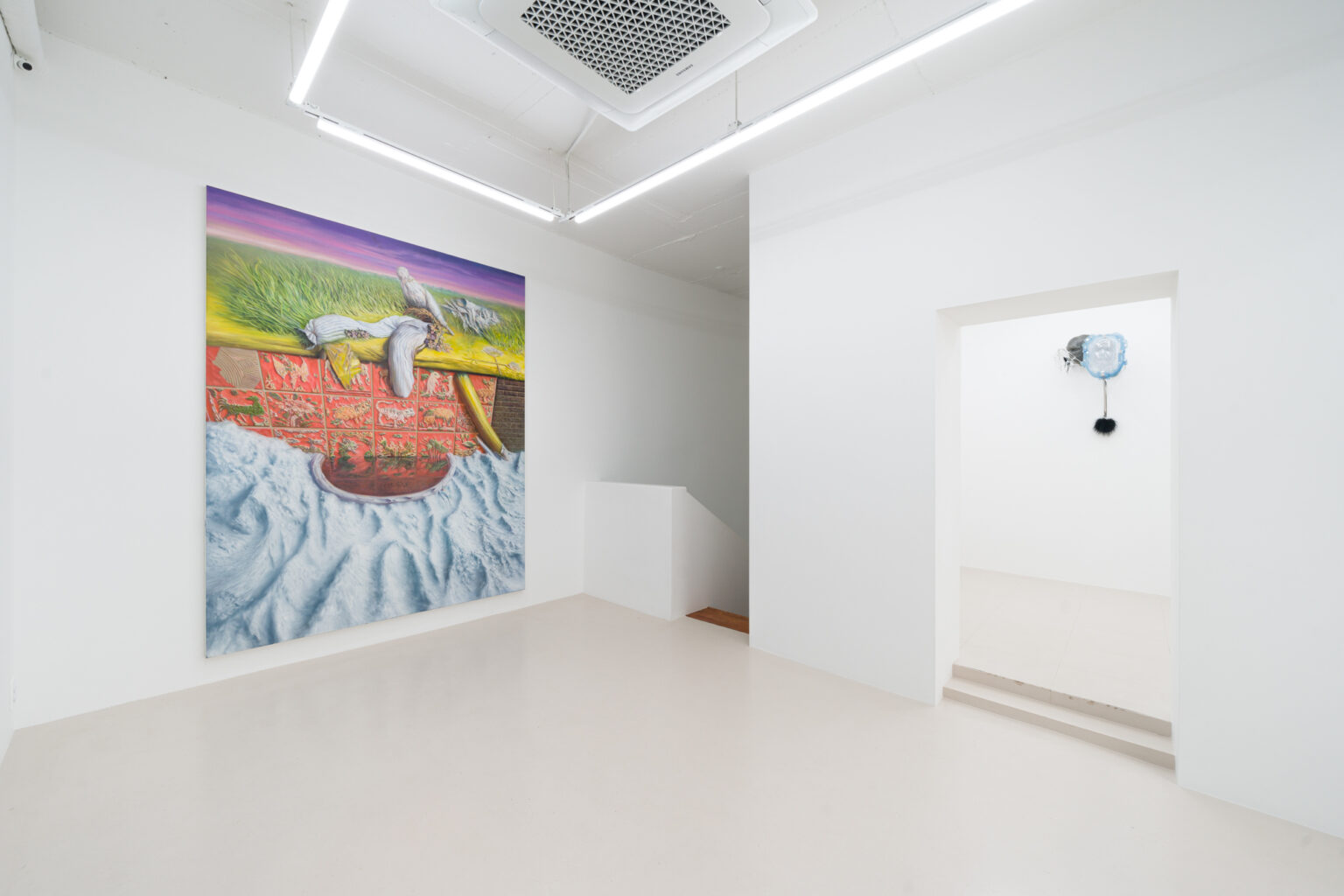
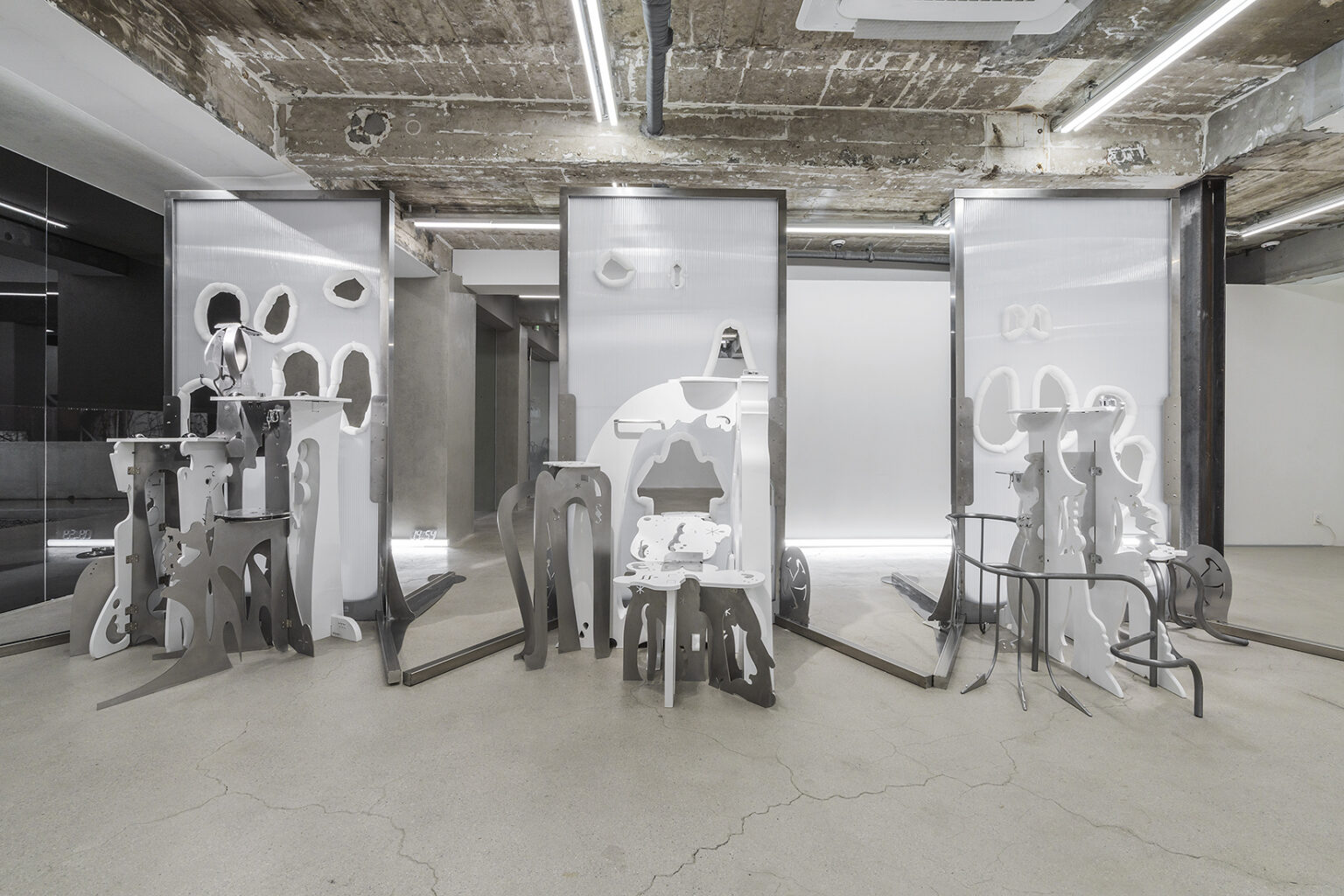
Ahyeon Ryu has consistently revealed how bodies and images are
commodified within the capitalist system. By positioning the body as commodity,
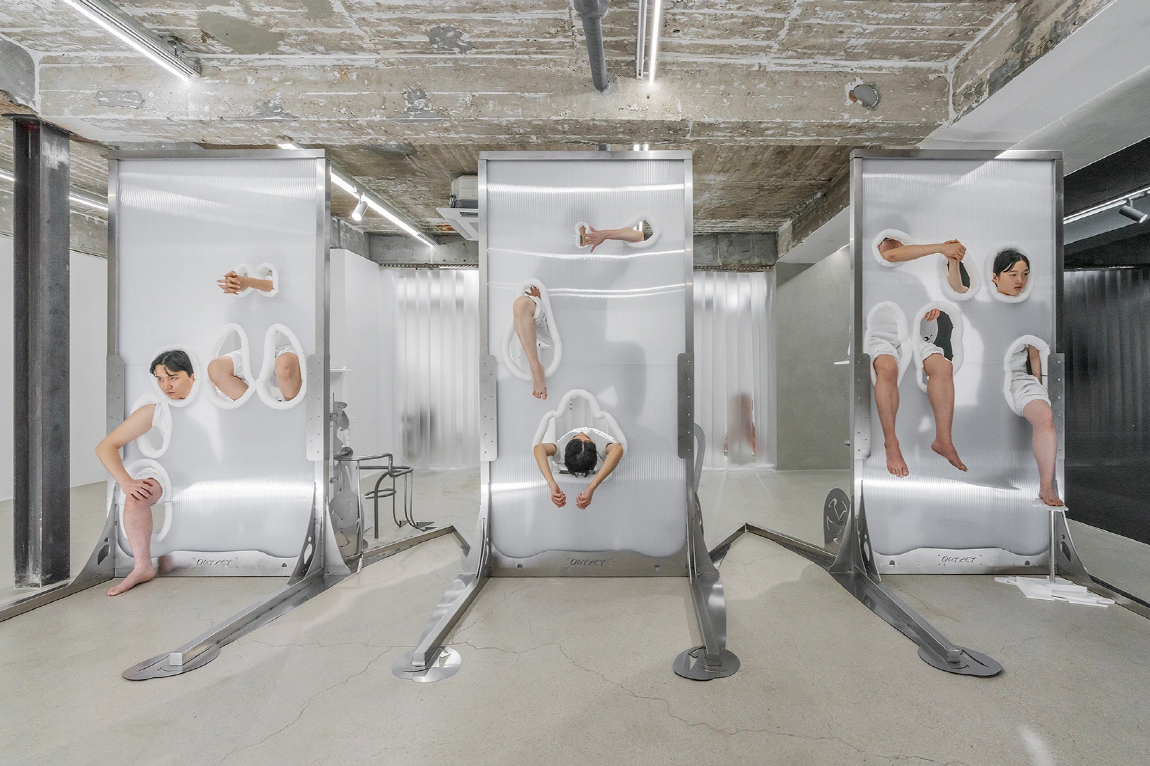
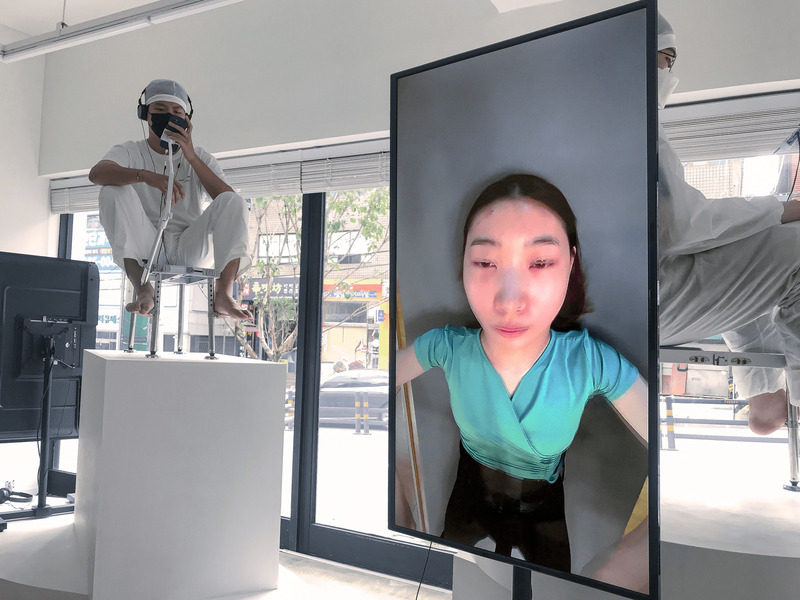
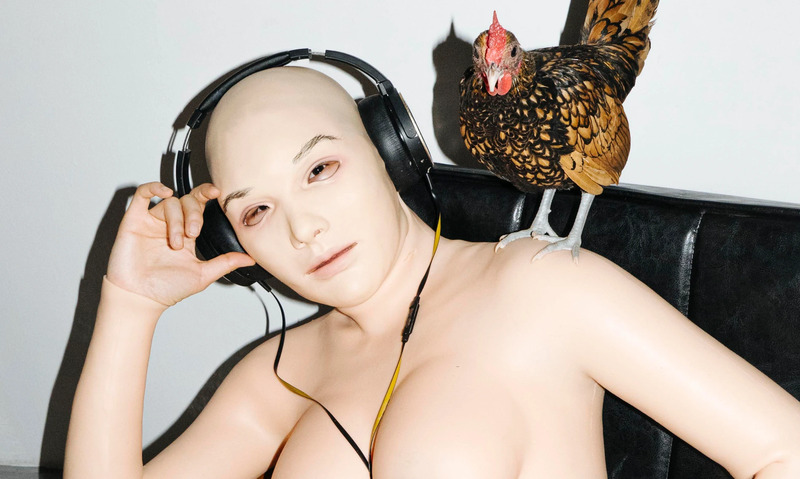
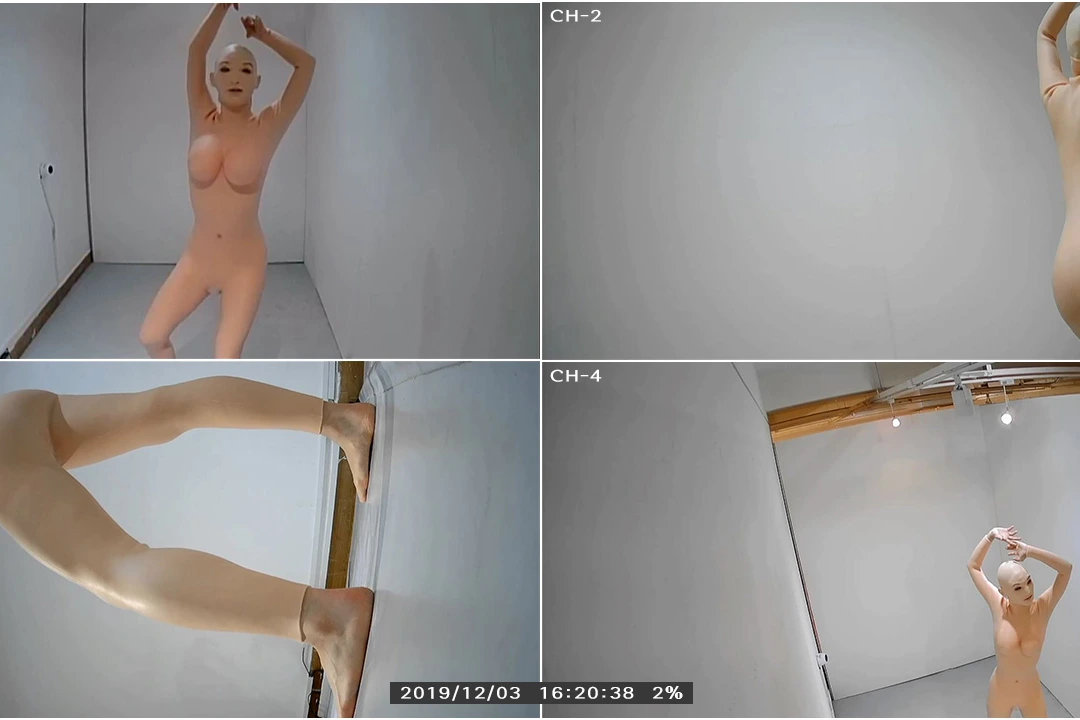
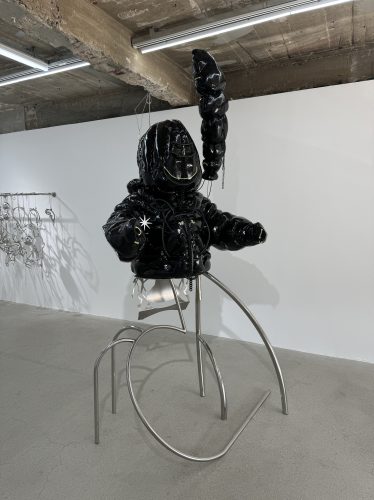
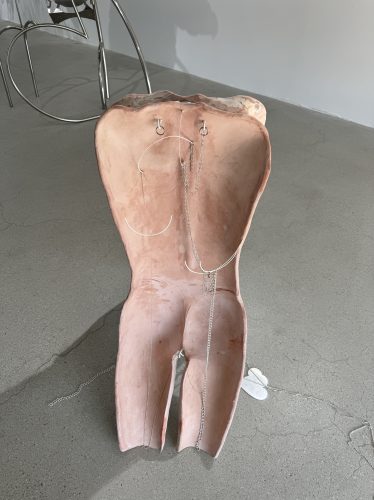
laborer, or avatar across performance, sculpture, and installation, her work
persistently traces how individual uniqueness is absorbed into spectacle.
Within the context of contemporary Korean art, this constitutes an original
coordinate that reconstructs the relationship between “body-image-capital.”
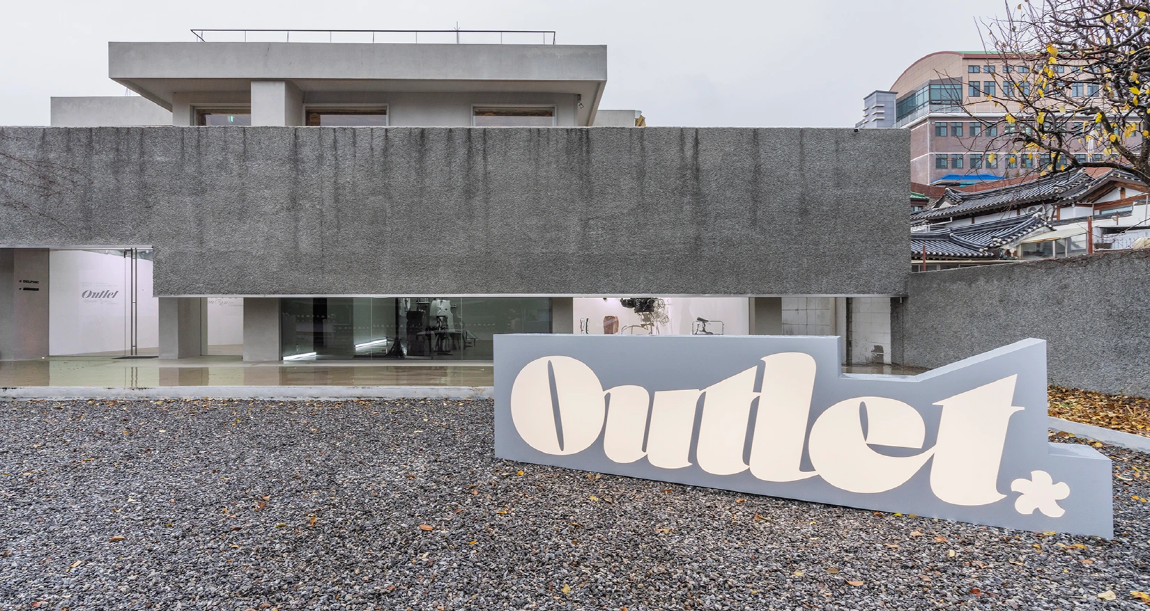
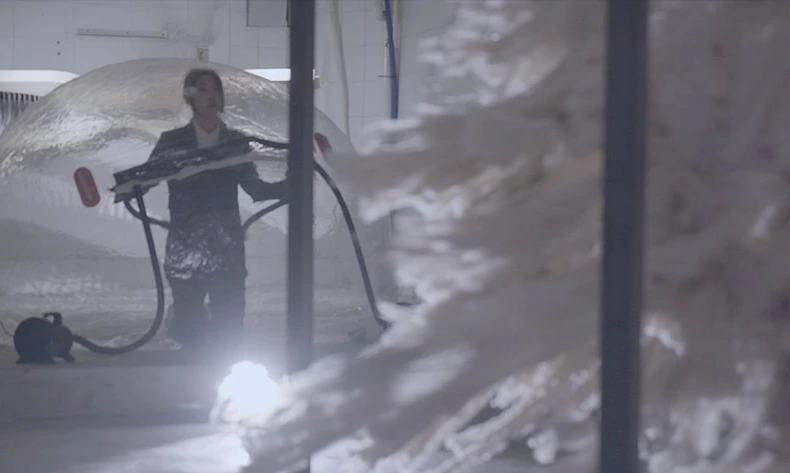
From the ‘White Mirror’ series to 《Outlet》, 《The 24th
SONGEUN Art Award Exhibition》,
and Research-b, the trajectory of her practice has
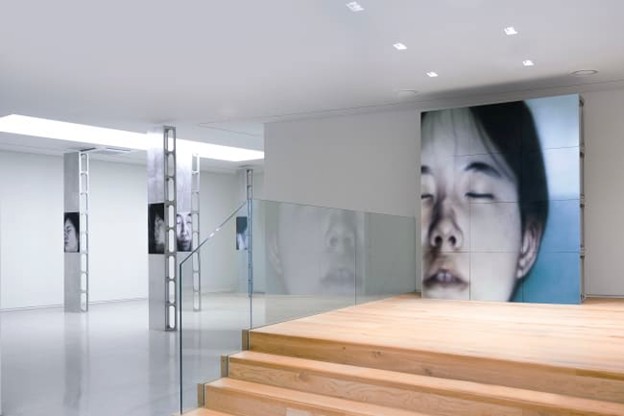
expanded from critiques of digital image consumption to platform labor, female
spectatorship, the commodification of the body in consumer society, and finally
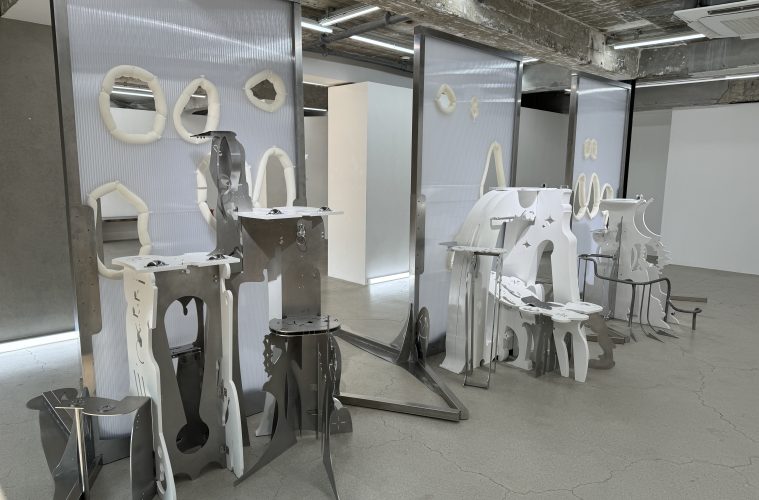
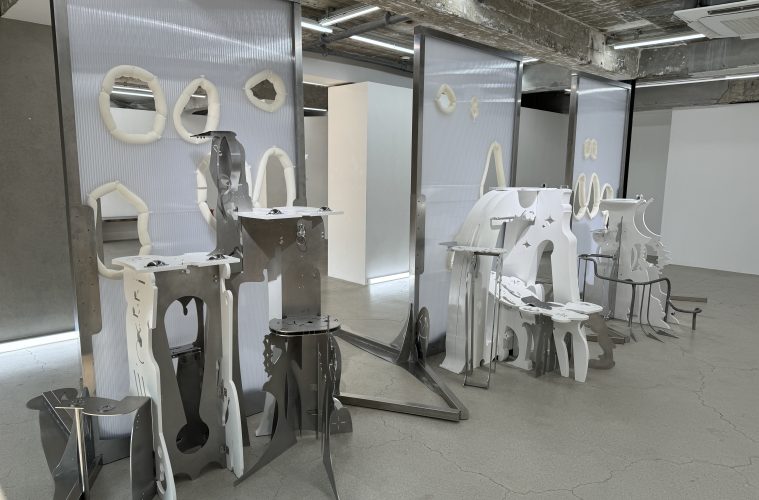
the mechanical movements and generative processes of sculpture. In terms of
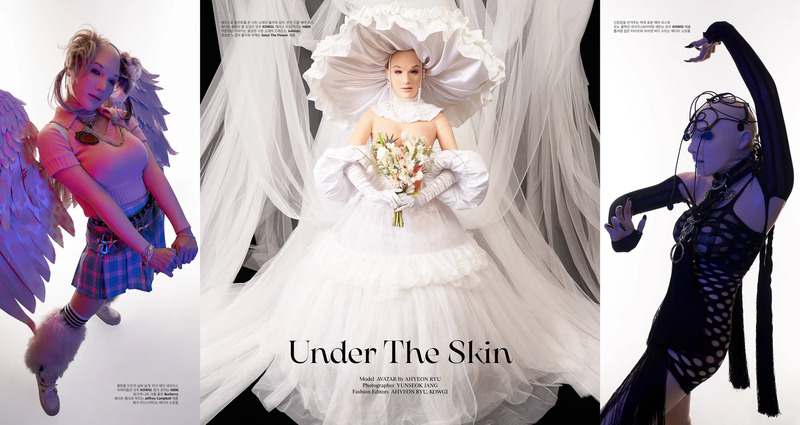
media, her spectrum has widened from live performance to photography and light
boxes, kinetic sculpture, mixed-material installations, and process-oriented
works. In the course of this development, her works have shifted from “finished
objects” to “events/circuits/processes,” and the site of viewing has
transformed from “exhibition” to “experiment.”
Within the landscape of contemporary Korean art, she has
established a distinct critical discourse that traverses digital literacy,
labor, consumerism, and techno-capitalism. In particular, by transforming
performance into sculptural environments and developing hybrid forms that merge
body and object, she has contributed to shifting the audience’s experience from
static observation to event-driven encounter.
Her exploration of global issues such as techno-capitalism and the
politics of the image is expected to lead to new formal experiments connecting
performance and sculpture. It is anticipated that Ryu will increasingly occupy
significant positions in international contemporary art discourses as her
practice continues to unfold on the global stage.