We
inhabit a world that convinces us we are all connected, that anyone may speak,
and that everything is a matter of choice. This pervasive sentiment circulated,
under the name of ‘freedom’, relentlessly infuses us with visions of infinite
possibility. Such a constructed sense of freedom, propelled by individual
desire and anxiety, functions with remarkable efficacy to renew and expand the
self. It permeates our daily lives within particular orders and rhythms.
The
sensation of choosing, of speaking, of being connected has become a fundamental
premise. Yet within that premise, we move in predetermined directions, largely
unaware, while continuing to experience the feeling of freedom itself. However,
this freedom has always been granted only within specific structures that have
grown increasingly sophisticated by virtue of their capacity for self-erasure.
We have learned to remain suspended in the illusion of possibility.
At
some point, the political ideals that once promised human dignity and liberty
were displaced by the language of the market. Freedom no longer denotes the
right to choose; rather, it becomes a condition of being compelled to choose
constantly. Indeed, we have misunderstood it, embraced it, and at times
concretised it with precision.
Desire is allocated according to pre-established formats; choice is only viable
along predesigned trajectories. Autonomy no longer signals the capacity to
deviate from the given form, but instead becomes a regulated performance
confined to those paths. Self-determination is thus reduced to a calculable
variable, individuality reorganised into preferences curated by algorithms. The
individual, optimised within a finely calibrated world, becomes a figure of
productivity, repeatedly responding to an invisible regime.
Even
our critical reflection on the multiple crises we face today is consumed within
formulaic frameworks, failing to lead to genuine transformation. Amidst this
entrapment, the possibility of coexistence between various beings and realms is
gradually eroded. The notion of 'species' extends beyond biological
distinctions and is reclassified according to the flow of capital. As Jussi
Parikka has observed, "the dynamics of living organisms meet the corporate
reality of techno-capitalism, transforming into a mode of exploitation and an
epistemological framework."[1] In such a landscape, species are reordered within the vistas
of surveillance and standardisation.
In a world where seamless reality operates behind the scenes of an unquestioned
everyday life, conquest begins. Conquest is no longer an event – it has become
a method of governance, a backstage condition for the maintenance of the world.
It does not present itself through armed invasions or unilateral occupation.
Rather, it infiltrates our daily lives, inducing choices and shaping behaviour
without explicit coercion. We learn, unknowingly, to recalibrate our senses,
and our language increasingly conforms to predictable structures.
Conquest
now acts not as an external threat, but as an internally regulated mode of
compliance. 《I AM
Conquered》 does not
recall this experience of conquest in the past tense. Instead, it functions as
a kind of rehearsal: a practice of recognising how conquest is sensed and
constructed, while anticipating future forms it may yet take. The three
participating artists – Sora Park, Wooju Chang, and Sophie Jeong – each
articulate the landscape of thought surrounding conquest through works that are
arranged in an omnibus format, rendering its contours multidimensional and
layered.
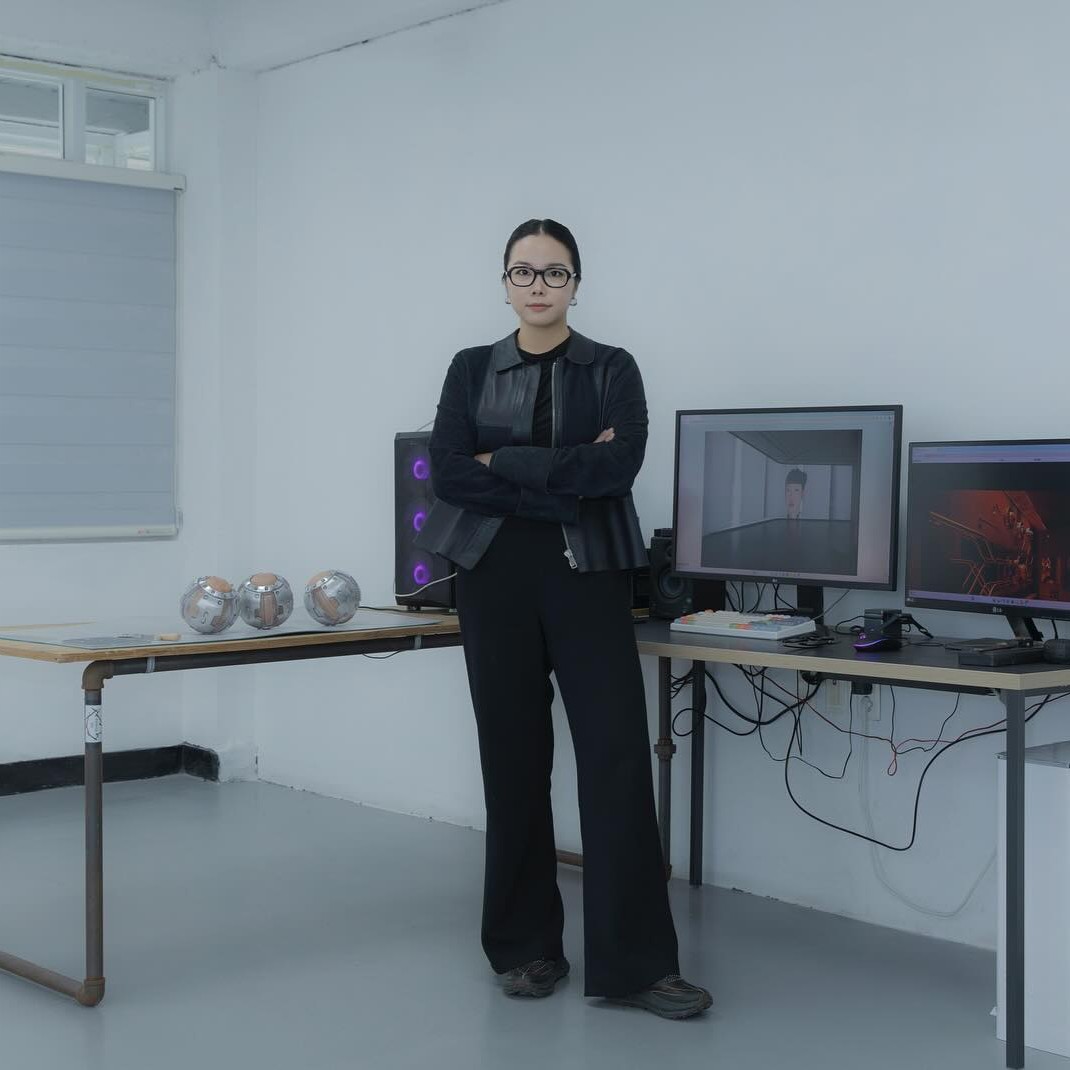
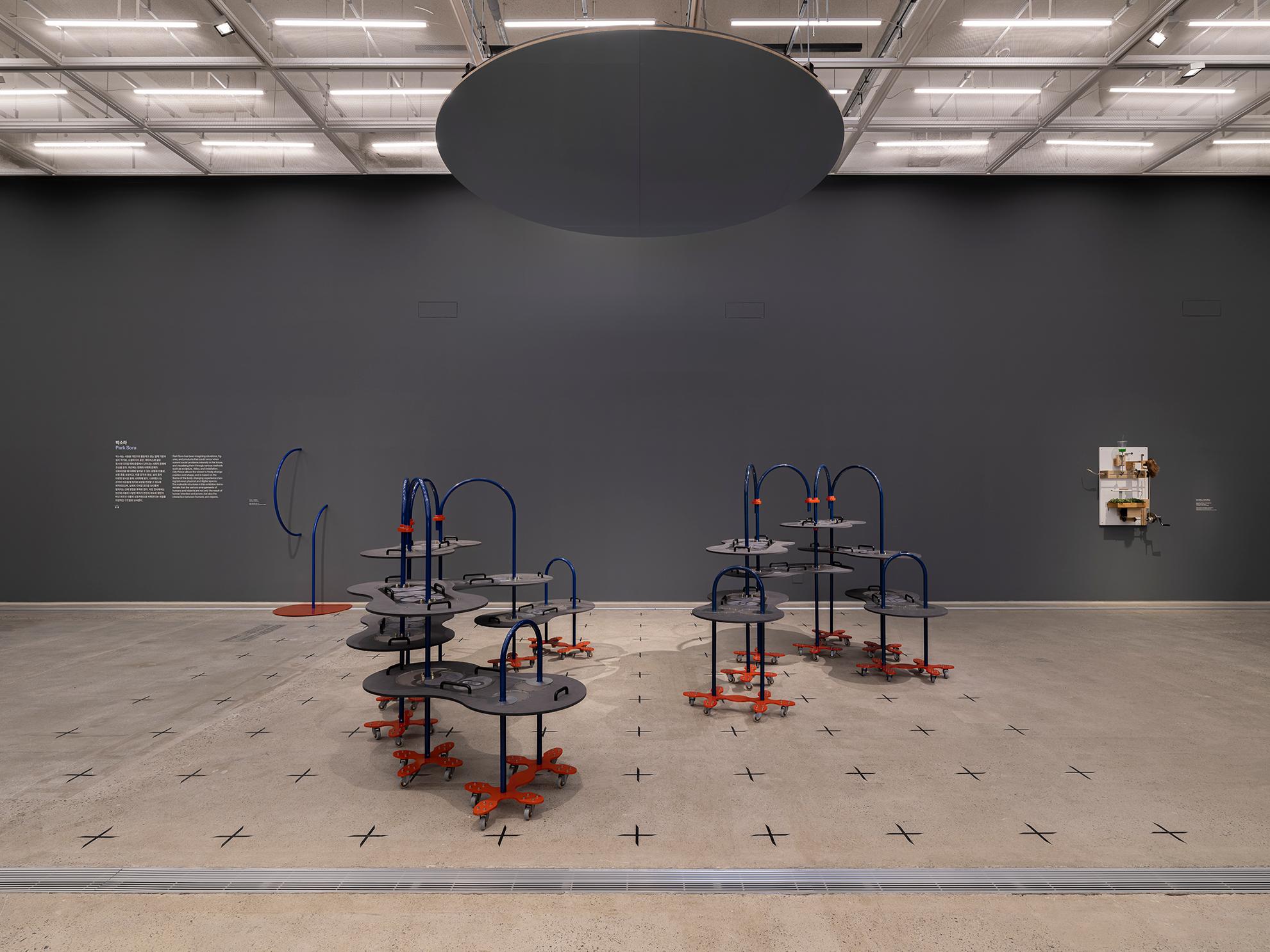
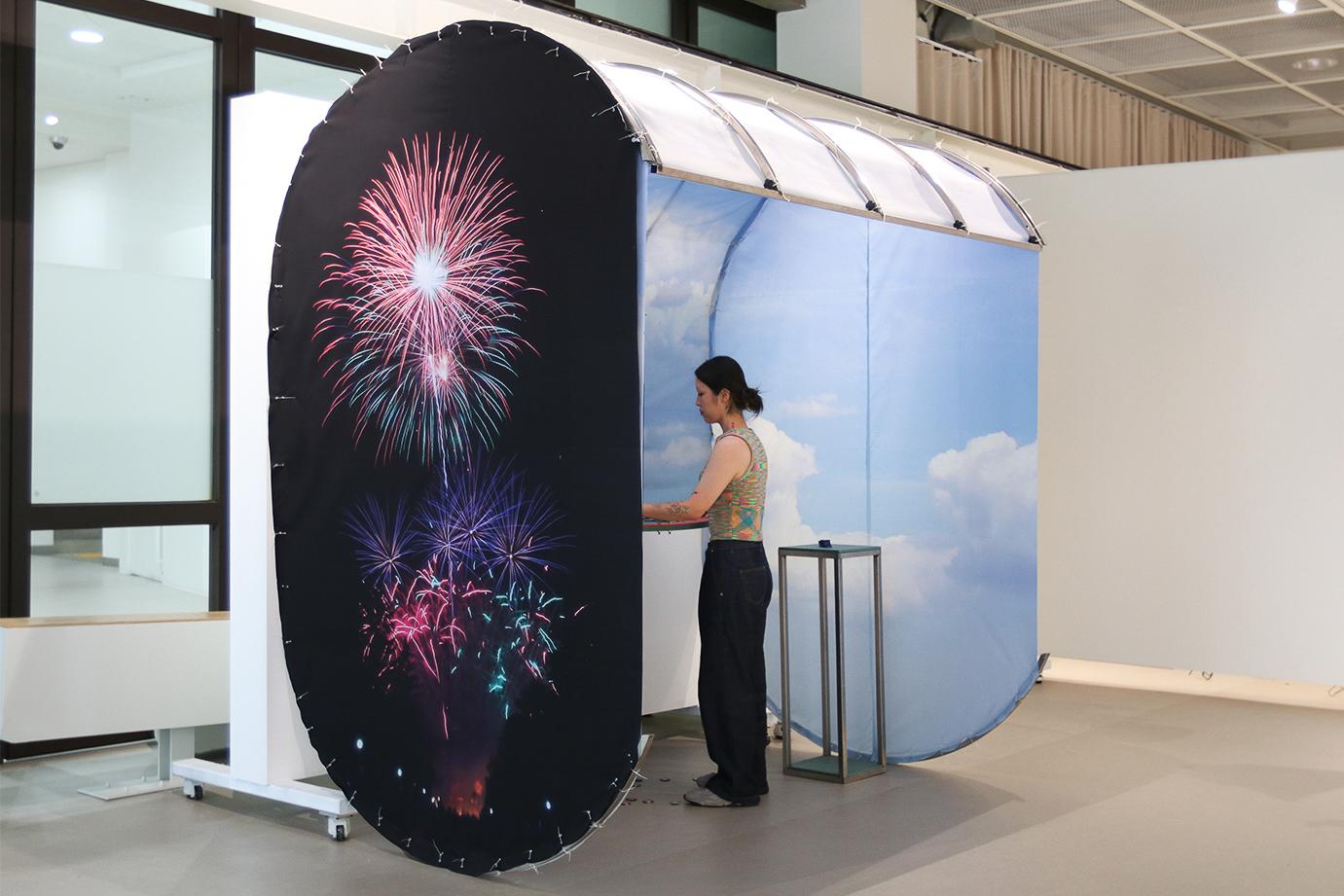
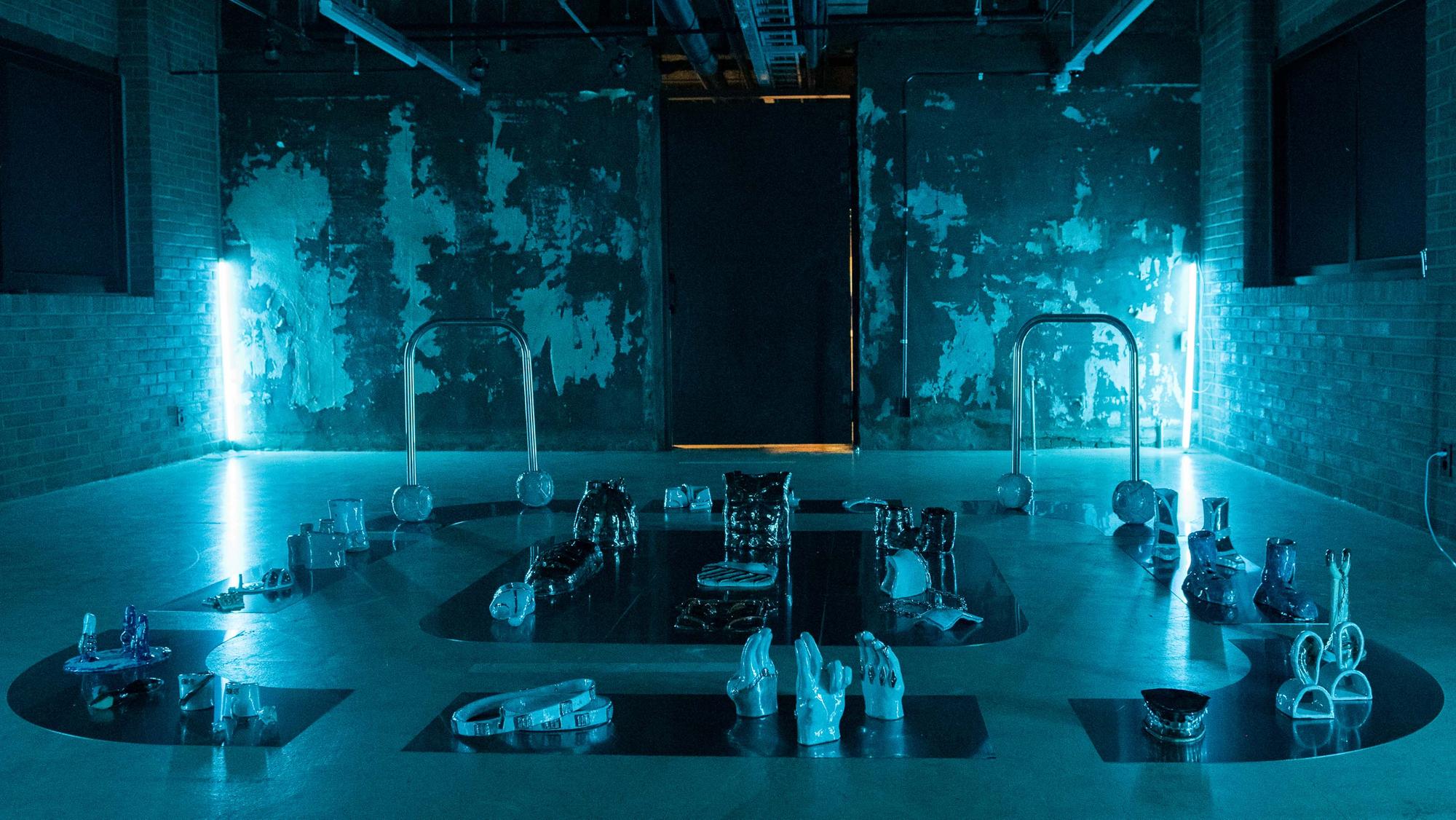
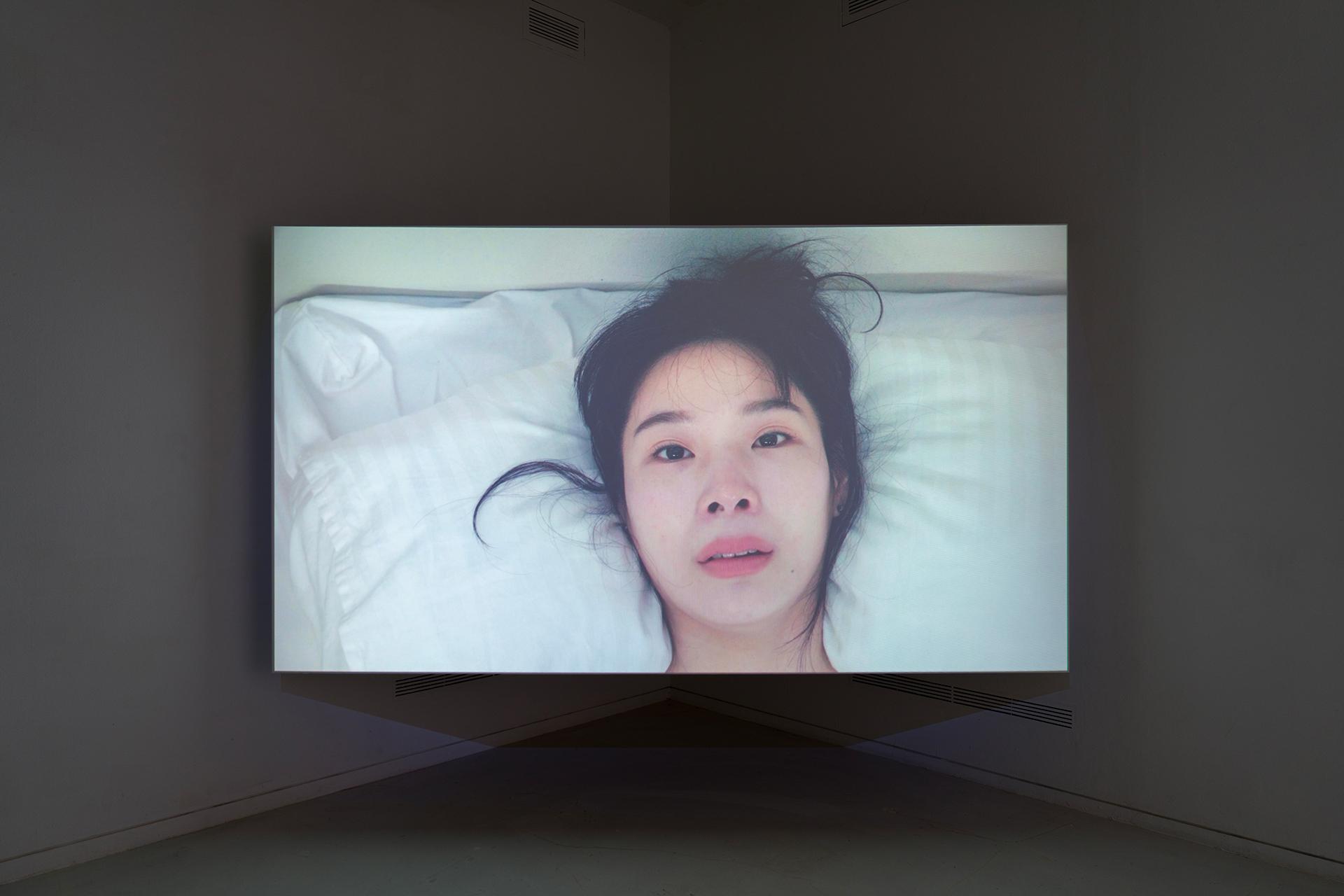
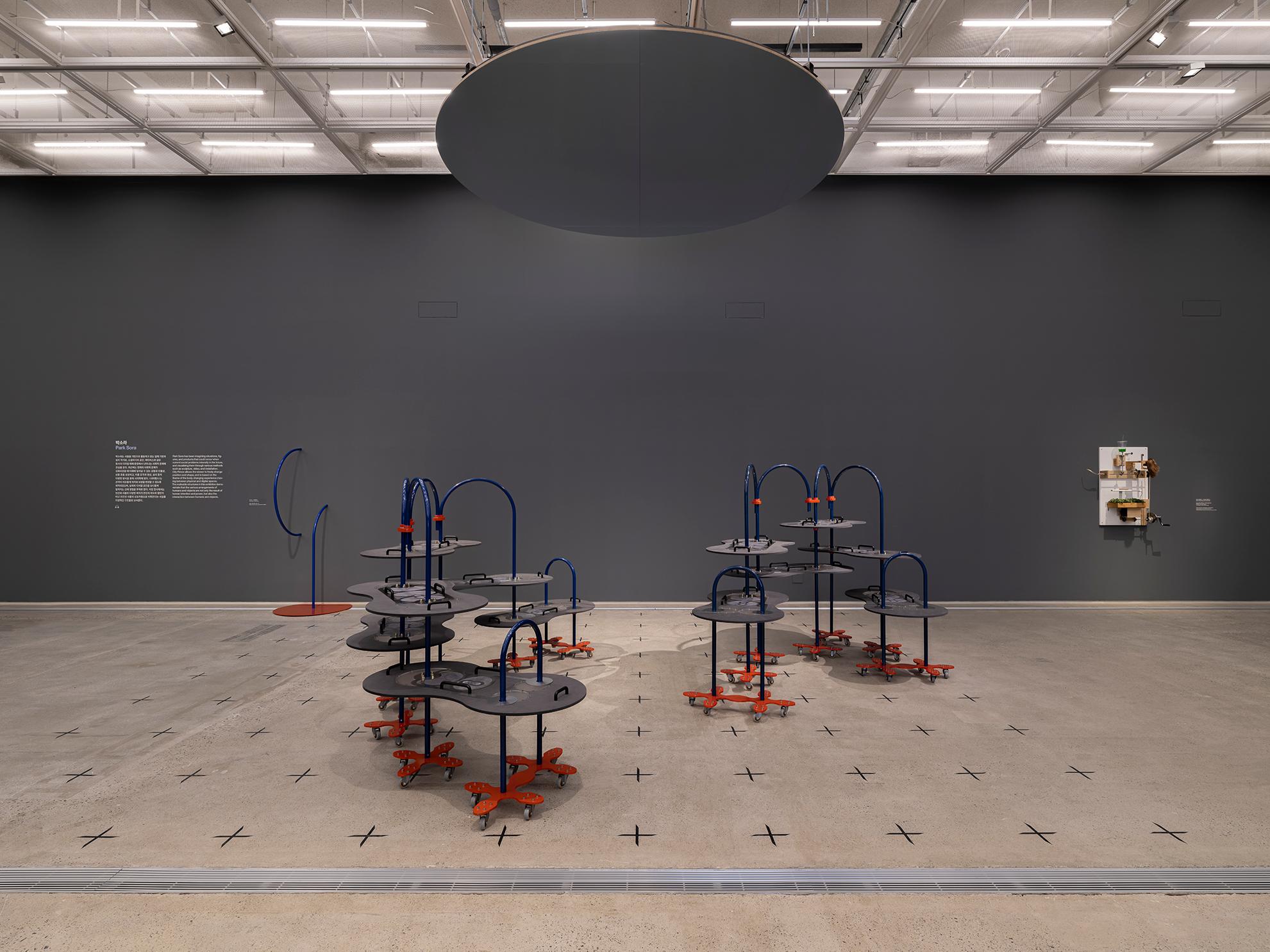
Sora Park explores how neoliberal systems shape and dominate behavioural
patterns and linguistic frameworks, focusing on how individuals reproduce
themselves efficiently within platform environments. In this exhibition, her
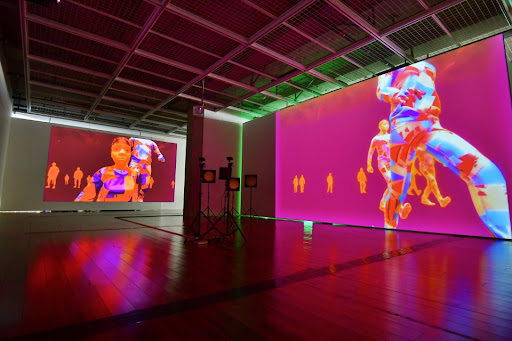
work Dea Lee’s Day (2025) follows the routine of
‘Dea Lee’, a lifestyle coach and influencer striving to live each day with
maximum productivity. Adopting the format of a short film and the grammar of
self-help content, the piece documents Dea Lee’s strategically designed
routines and content production.
Her day unfolds through a series of coaching
slogans such as “Record and analyse your data”, “Design your image”, and
“Automate your routine and execute fast”. She perpetually refines herself
through self-optimisation, continually redistributing this practice across platforms.
In her pursuit of an idealised self, Dea Lee awaits system-generated feedback,
designs her projected identity, and chases the societally sanctioned image of
happiness and positivity. She finds comfort in delegating decision-making to
the system, endlessly repeating automated actions within the accelerating cycle
of optimisation. Yet her desire to prove herself different from others clings
to the polished surface of this self-construction.
A residual anxiety persists
– her idealised self remains out of sync with the uncertainties of reality.
Trapped within the opacity of platform logic, she is gradually decomposed into
units of data, animated by algorithmic directives, and absorbed into a feedback
loop of content production and consumption. Nick Srnicek notes that “as profits
have declined and manufacturing faltered, capitalism has turned to data as a
new engine for growth.”[2]Park’s work focuses on how the flexible, datafied individual is
formed and expressed, closely observing the tensions and fractures that emerge
in the process. The idealised self, far from being an autonomous subject,
becomes a being conquered by the system – oscillating between agency and
inertia.
[1]Jussi Parikka, A Geology of Media, trans. Shim Hyowon (Seoul:
Hyunsilmunhwa, 2025), 43–44.
[2]Nick Srnicek, Platform Capitalism, trans. Shim Sungbo (Seoul:
Kingkongbook, 2020), 13.