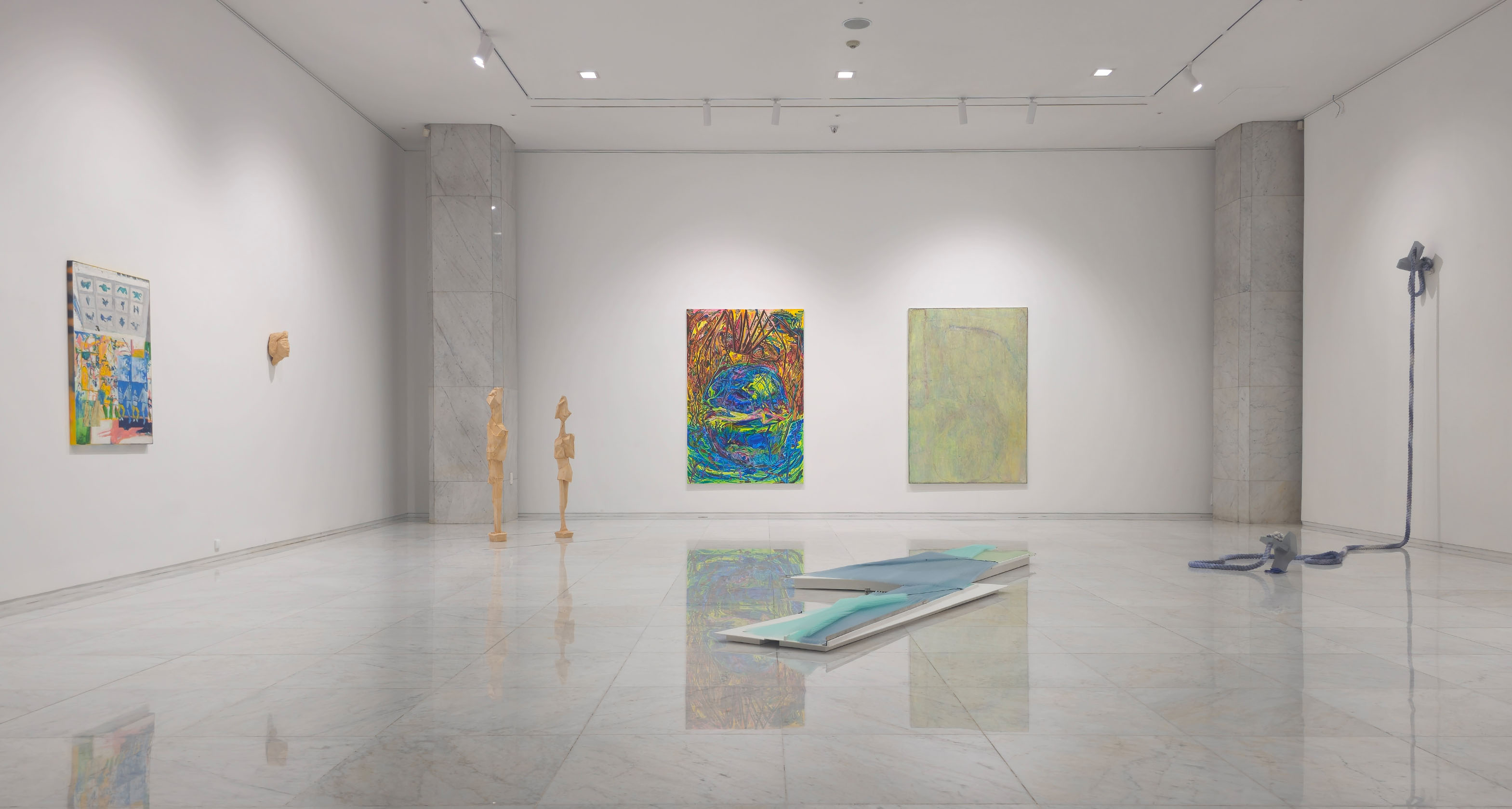
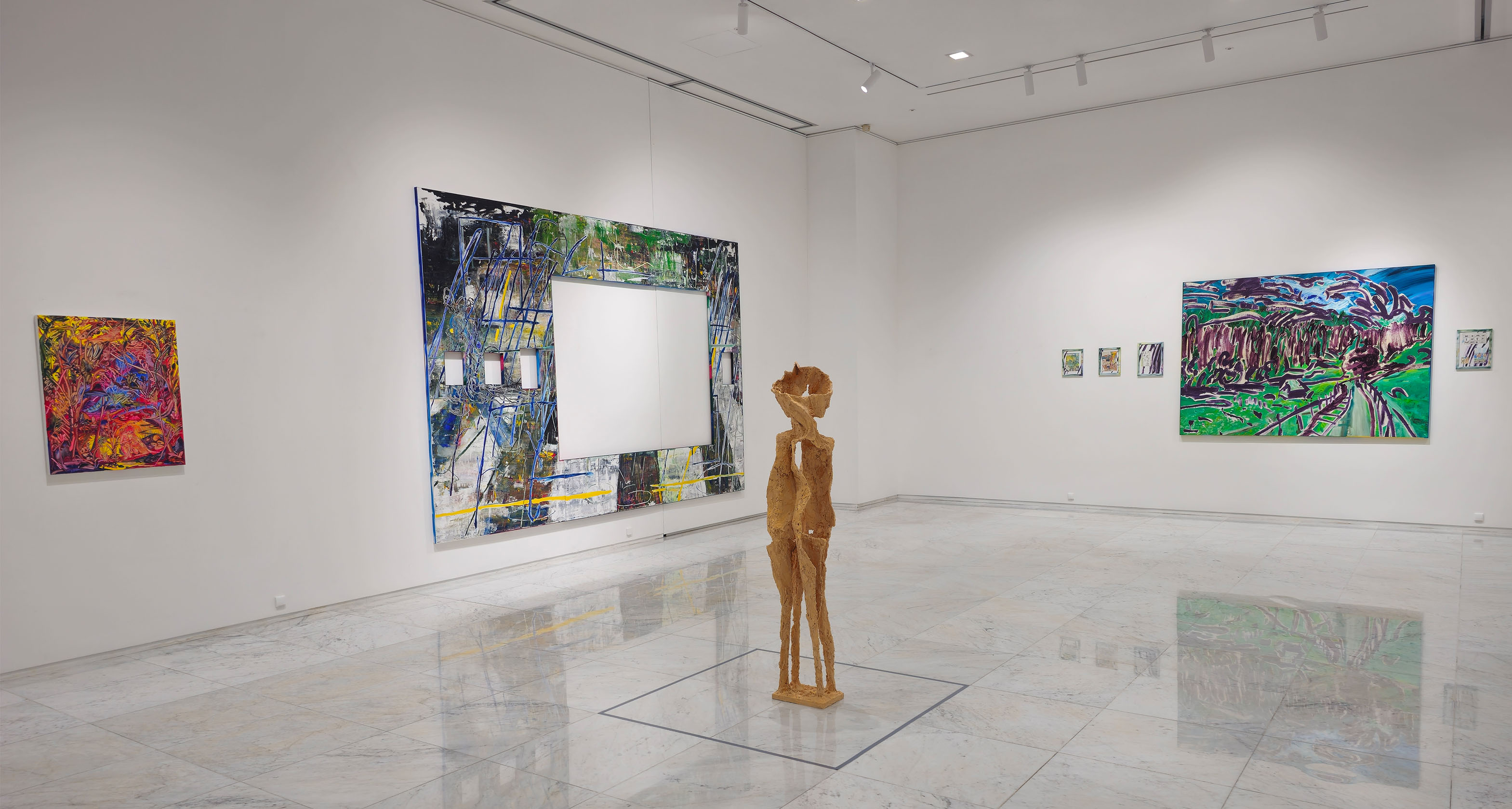
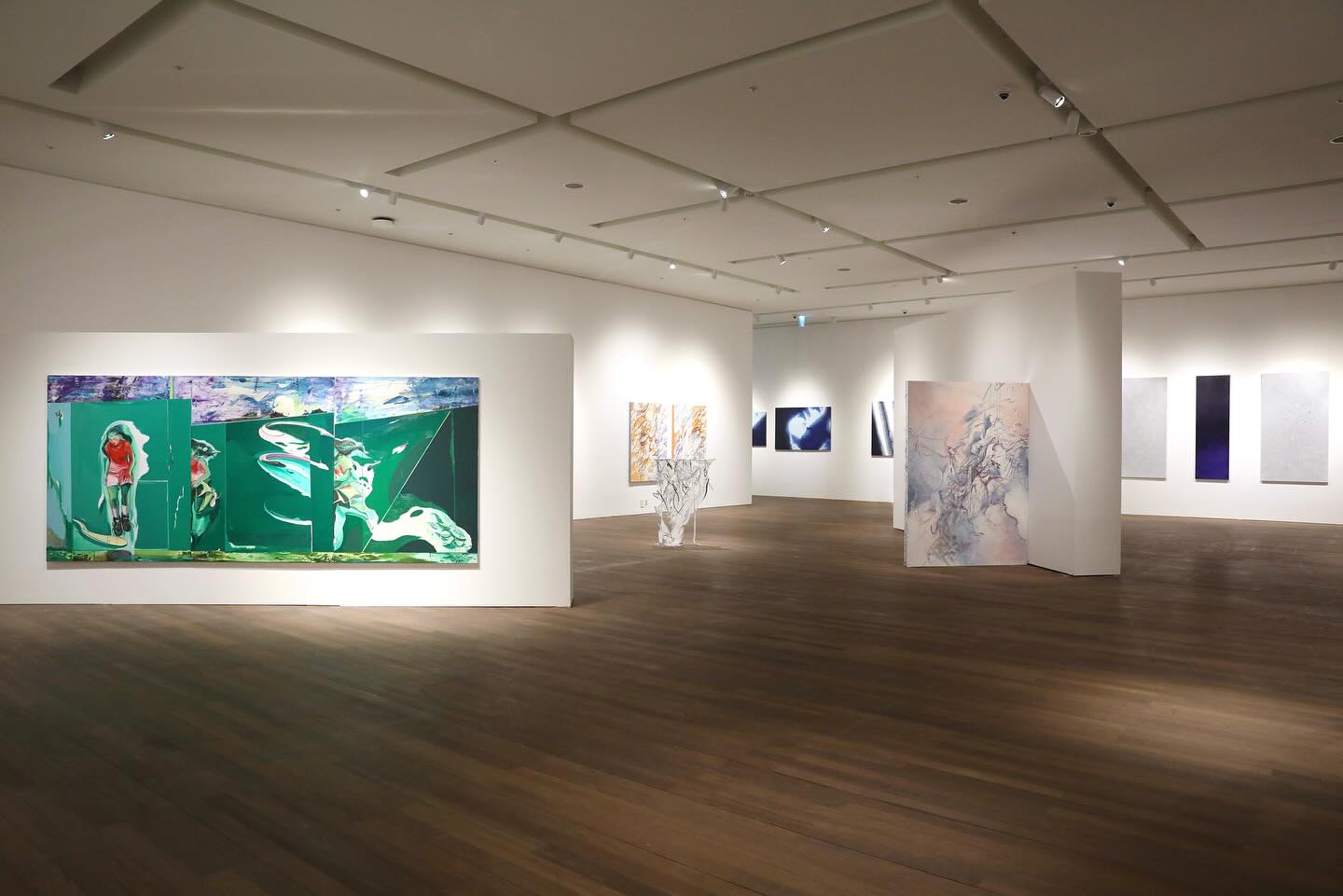
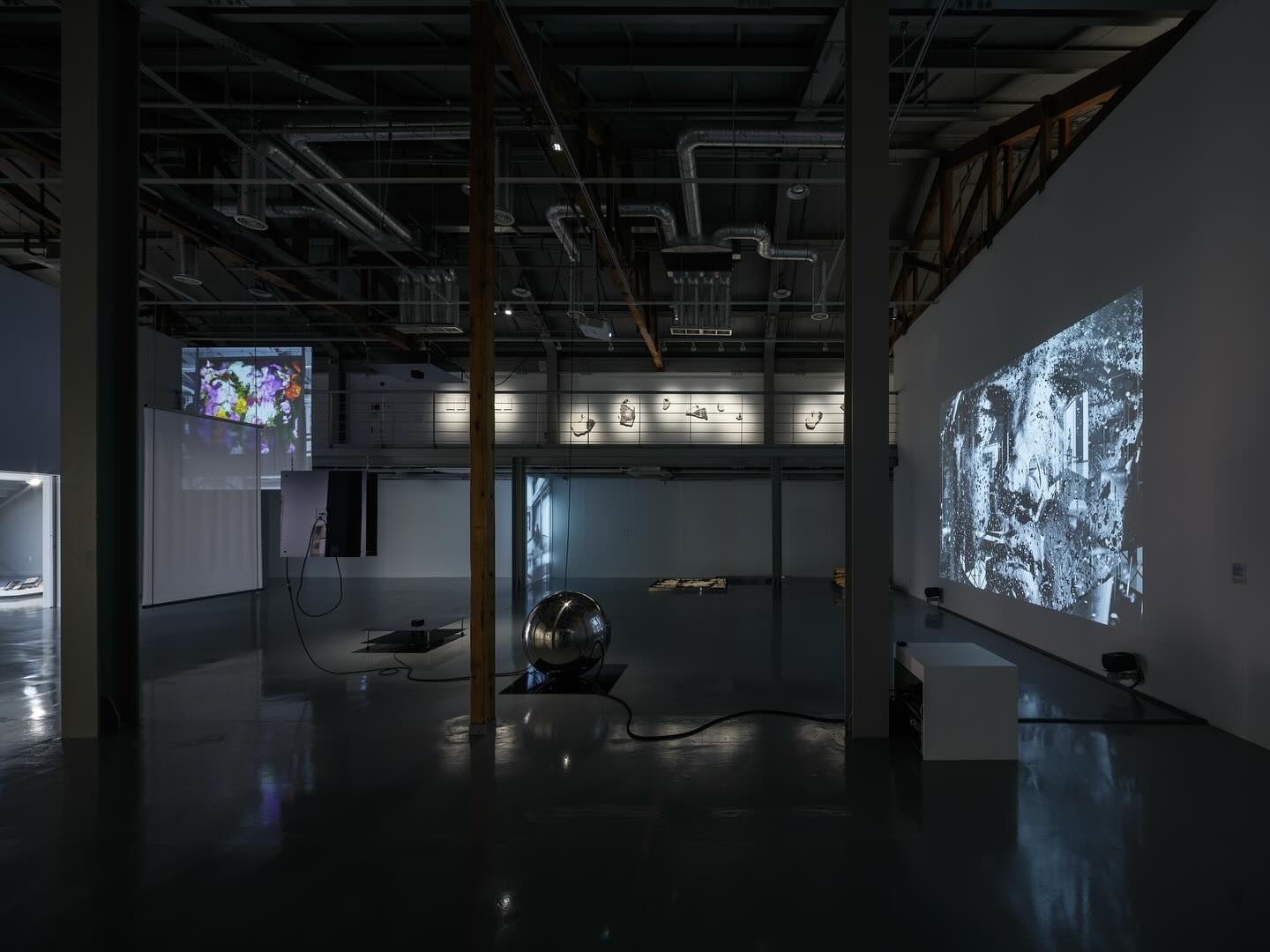
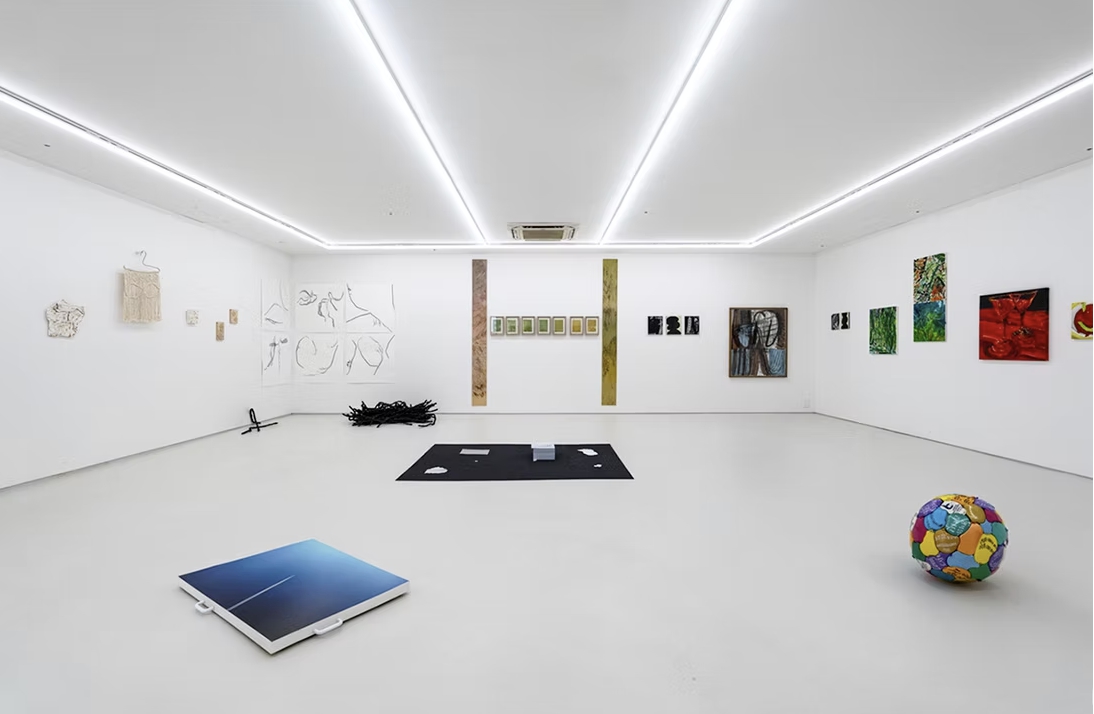
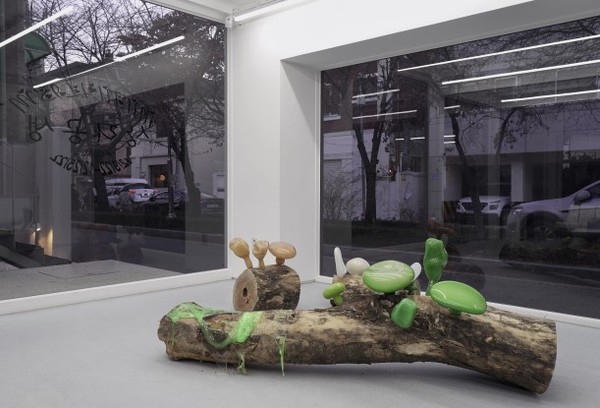
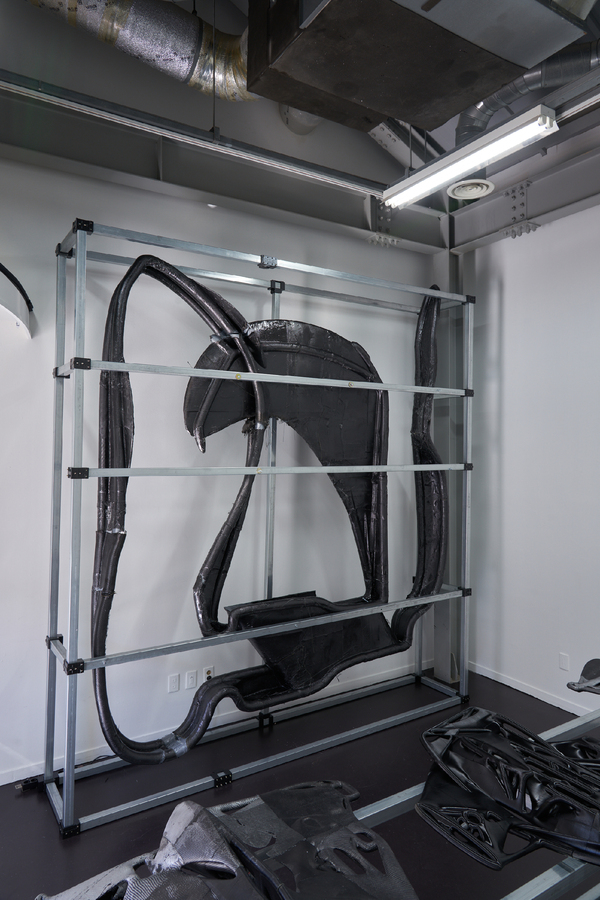
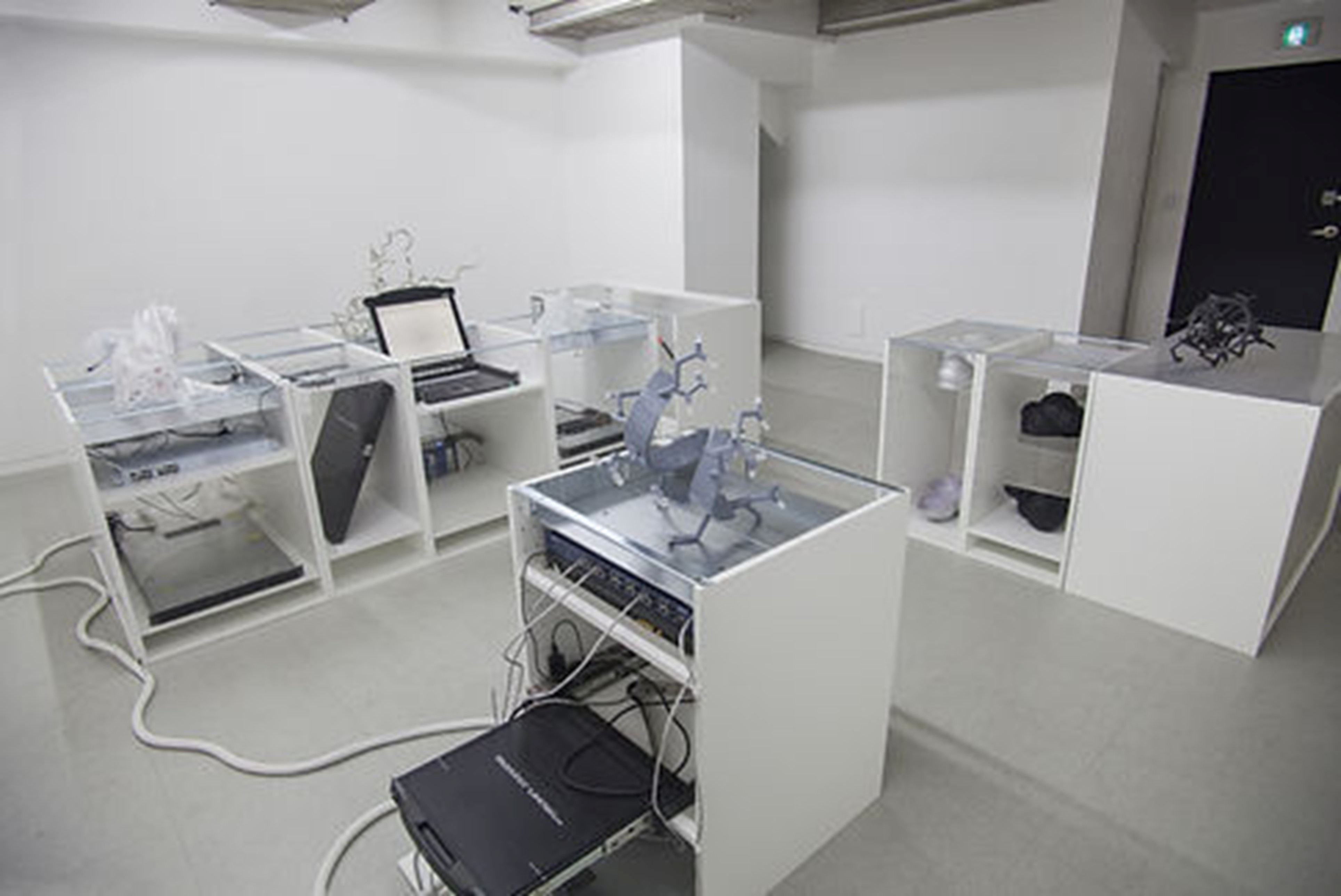
The exhibition title 《Rubbing Your Name》 is a metaphorical gesture discovered within different acts of
creation that approach and mediate existence. Just as a name must be
materialized in order to be rubbed, the eight participating artists (Kim
Sangso, Kim Seil, Jamyoung Koo, Noh Choonghyun, Park Kwangsoo, Park Nowan, Park
Jihoon, Choi Seohee) explore the intangible through material, revealing or
suggesting presences encountered or yet to be encountered.
However, the existences that appear here are
often blurred, distorted, or abstract, making it difficult to identify them as
specific beings or things. Some do not reveal themselves at all, instead hinted
at by afterimages, traces of objects, or atmospheres of spaces. These figures,
shaped in different times and environments, seem incomplete or originless.
The exhibition presents viewers with a
paradoxical situation — standing before presences that are here yet unseen.
Such ambiguity reflects the artists’ contemplation on the limitations of body
and medium. Just as a name cannot fully embody existence itself, the artists
embrace the dilemma of representation within finite bodies and materials as
part of their practice.
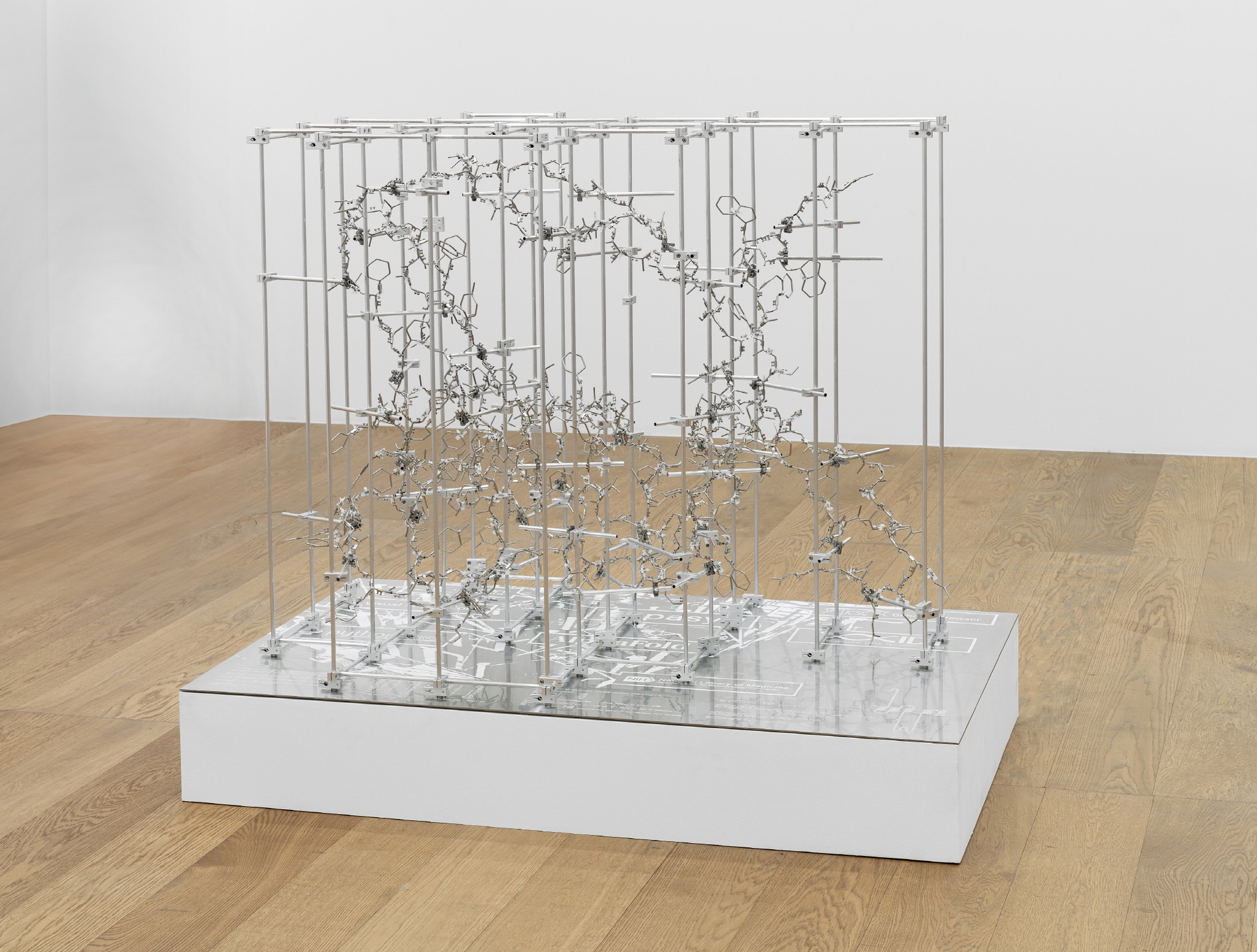
The constraints of painting and sculpture —
whether fleeting painterly moments, distortions caused by the particles of
materials, or devices limited to certain operational ranges — compel us to
reconsider the essential gap that prevents works from fully reaching presence.
The fact that artworks inevitably remain artworks is a self-evident yet numbly
sensed truth.
Rather than concealing these formal
constraints, the participating artists expose them, demonstrating both the
incompleteness of mediums as mediators and the very existence that mediums
themselves can establish. By treating painting and sculpture simultaneously as
mediators of presence and as self-referential mediums, the artists compress
their works into fields of condensed relations.
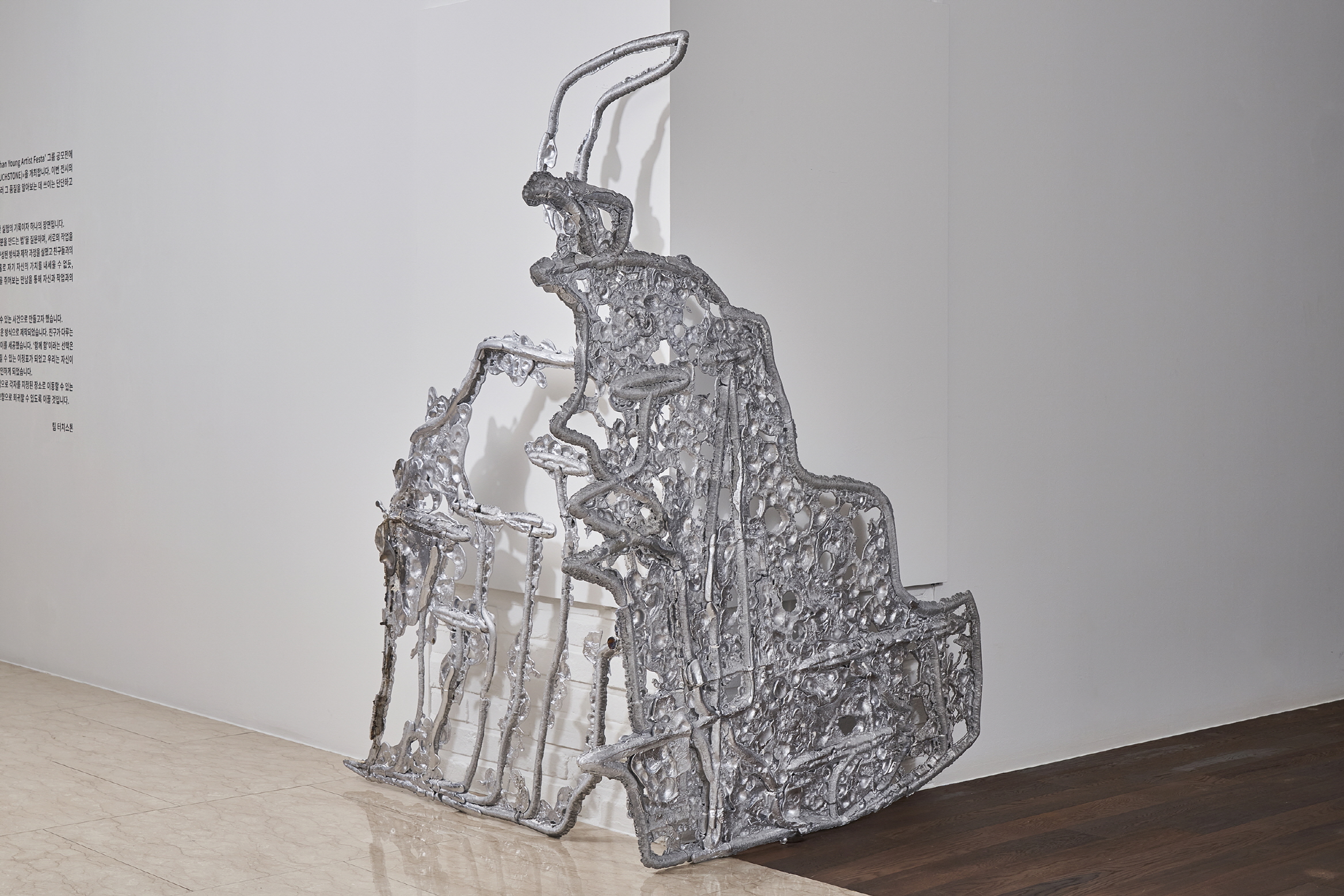
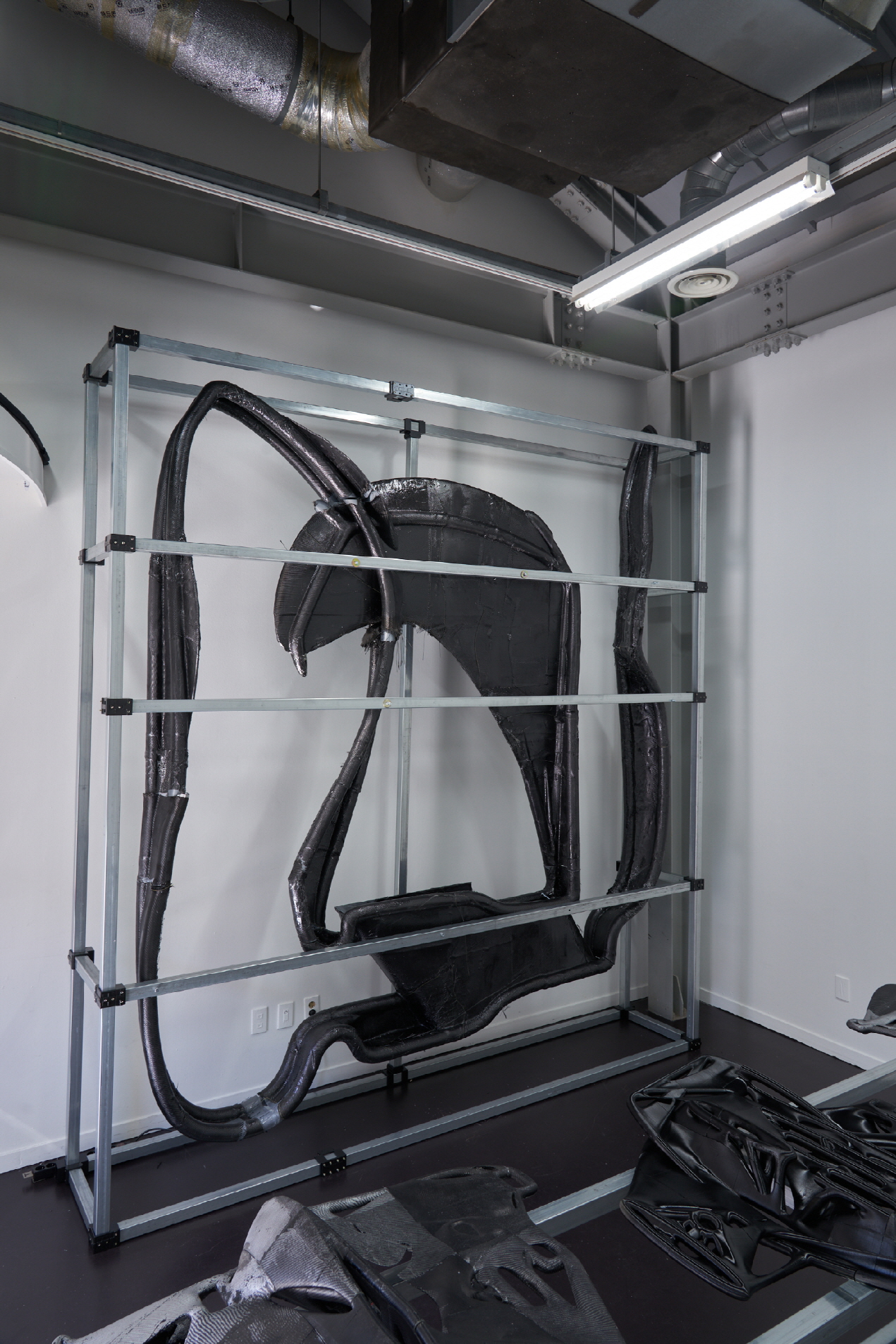
In paintings, conceptual and bodily struggles
emerge as strokes; in sculptures, as textures. The blurred outlines and
overlapping forms reveal collapsed boundaries between subject and object. Thus,
the existences the artists reached or pursued may not be physically present,
but their warmth and movements recur as mediating shells — artworks — that
remain as connectors to others.
In this way, 《Rubbing Your Name》 becomes a place that unapologetically reveals the distortions of
presence arising in the process of reaching toward an unnamed “you.” As
mediators of existence and as independent forms distinguished from their
origins, the works may never fully unite, yet they commemorate the moments in
which they touched, have touched, and might touch each other.