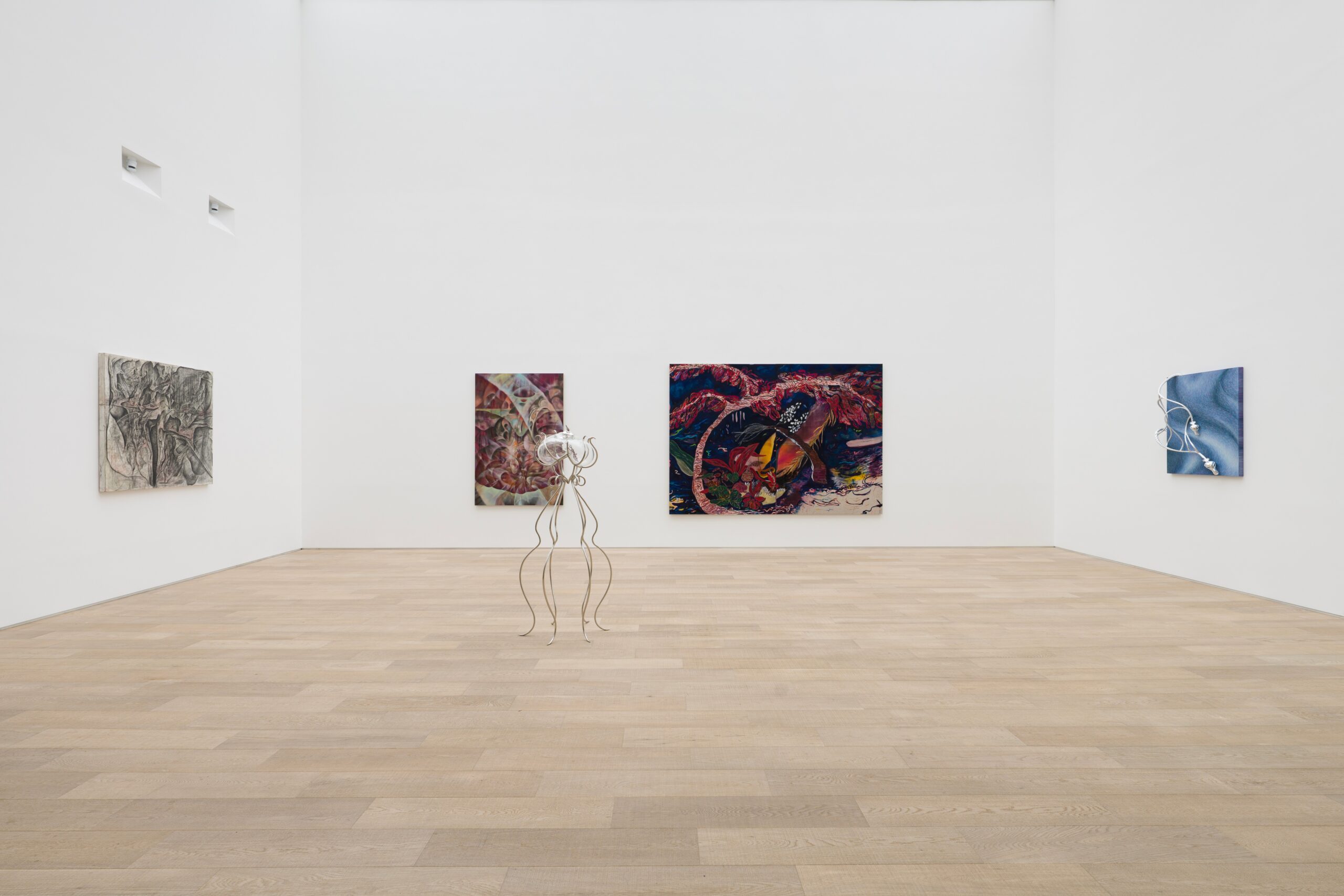
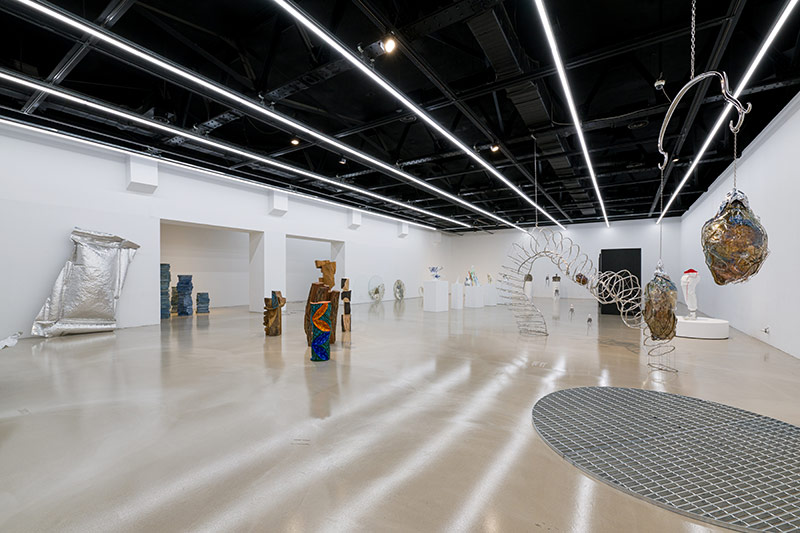
The
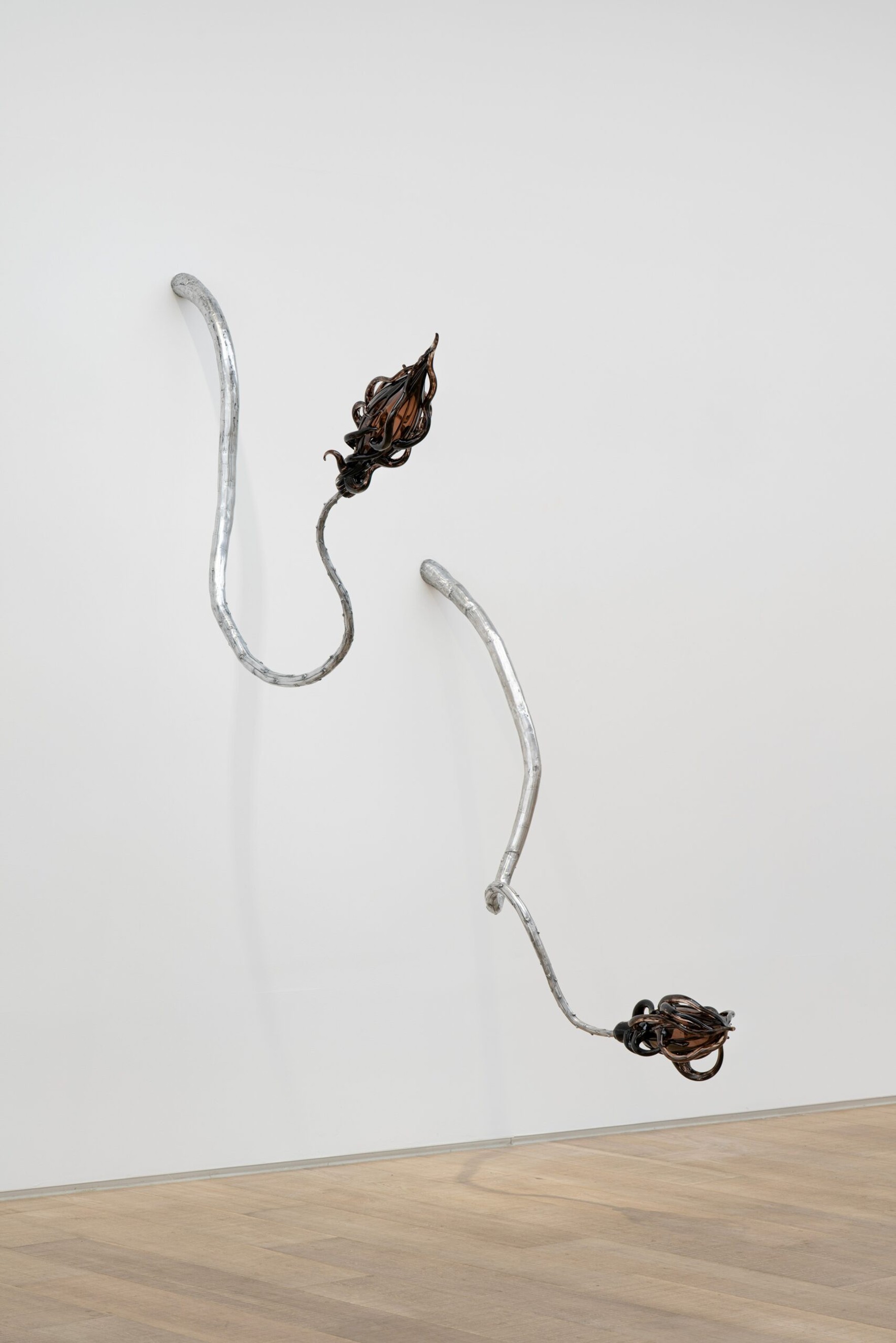
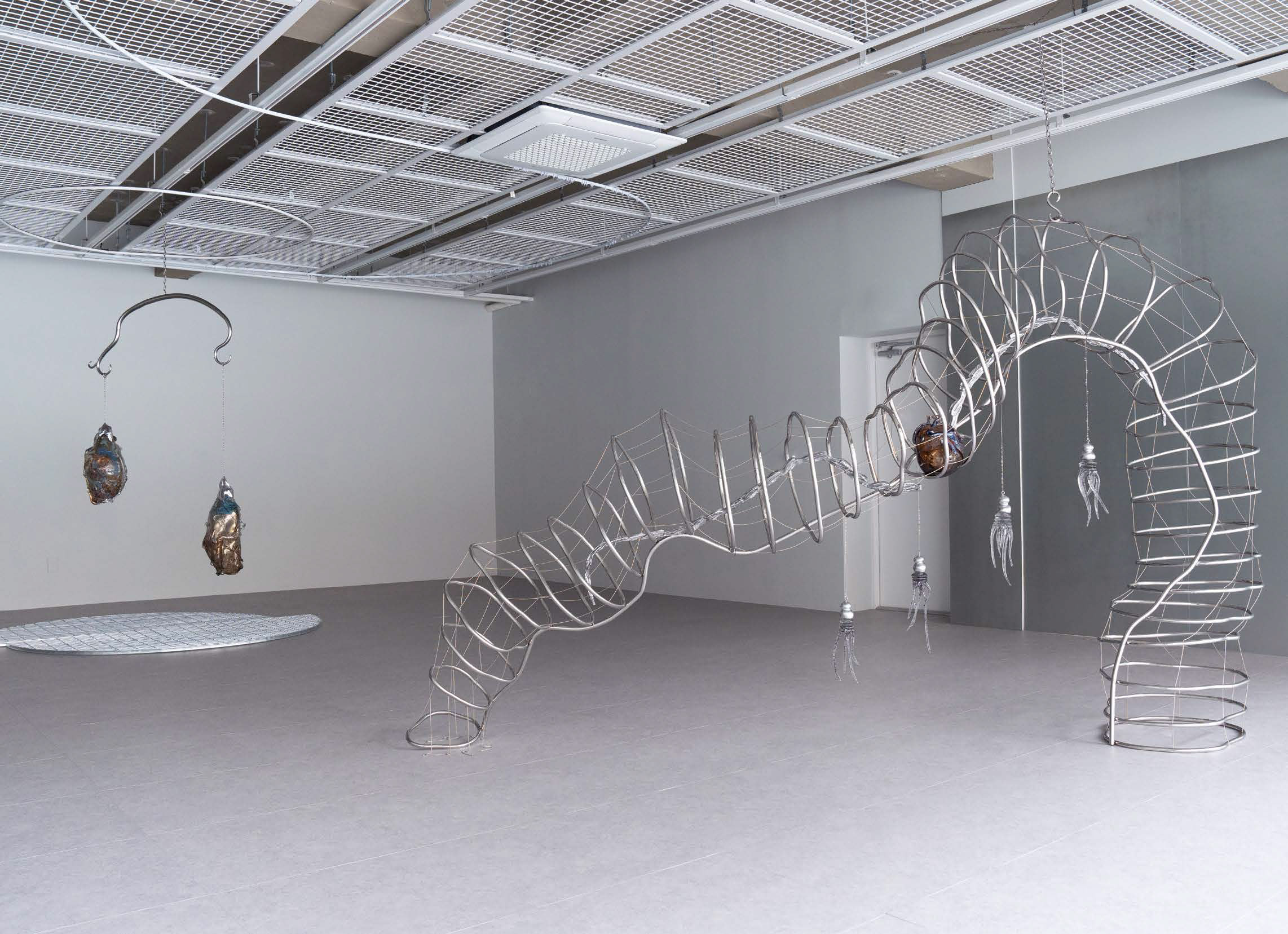
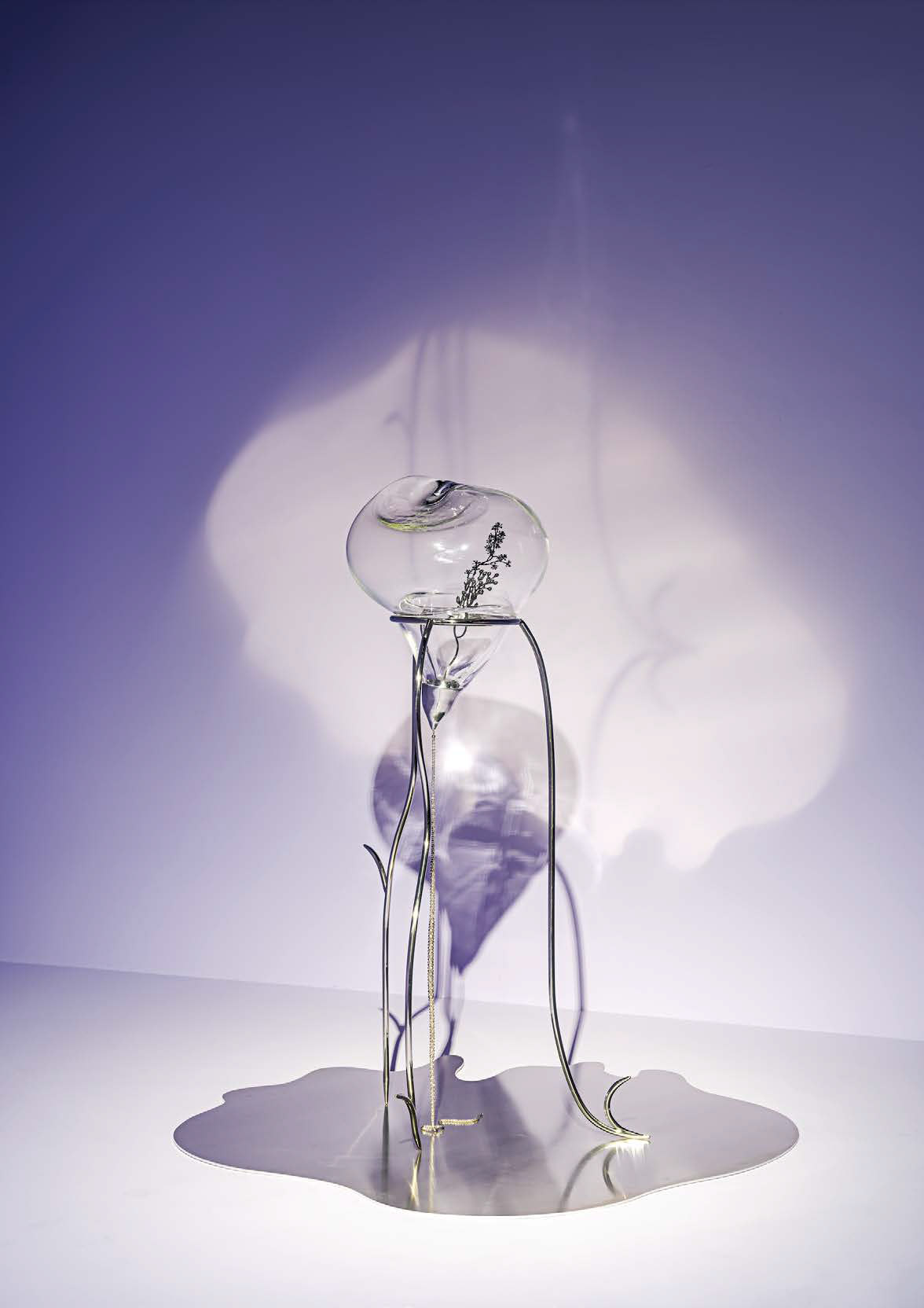
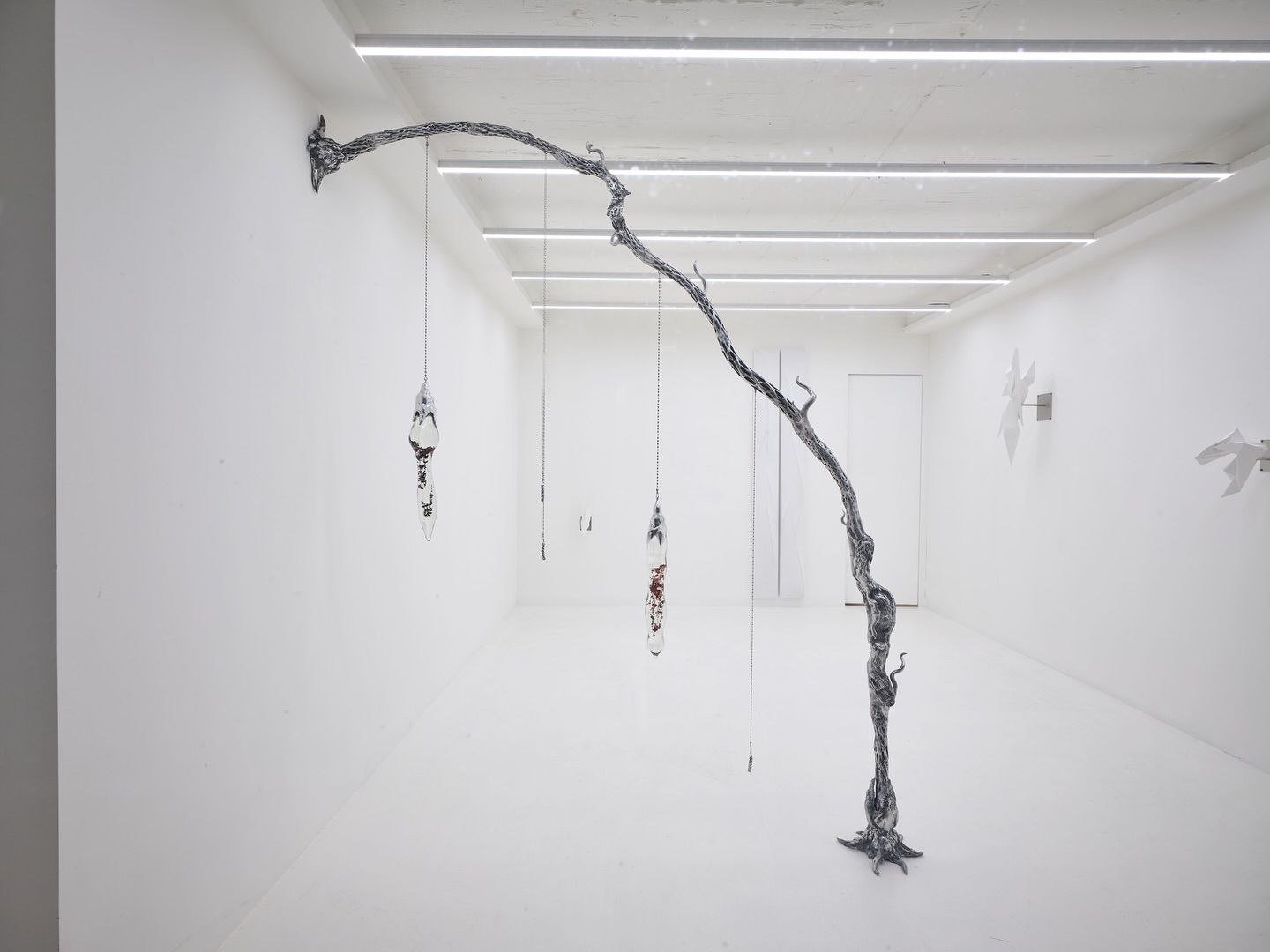
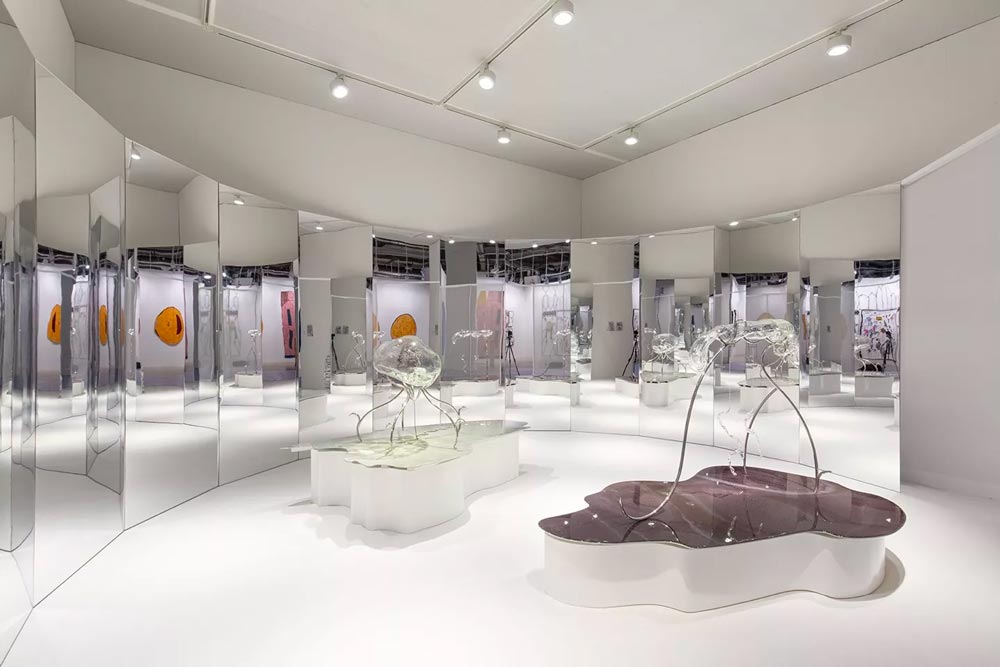
following year, Cho expanded the Nudi Hallucination series
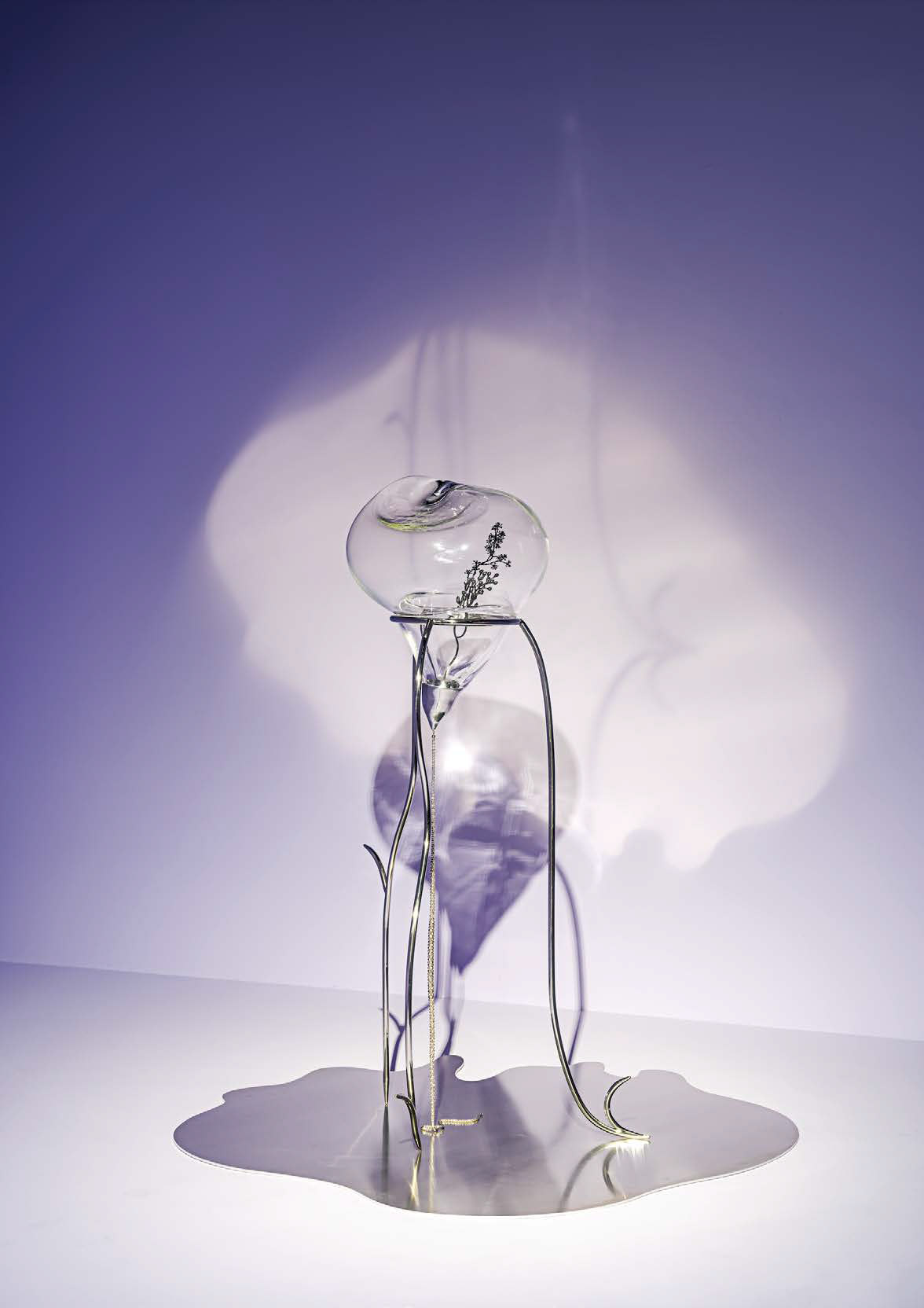
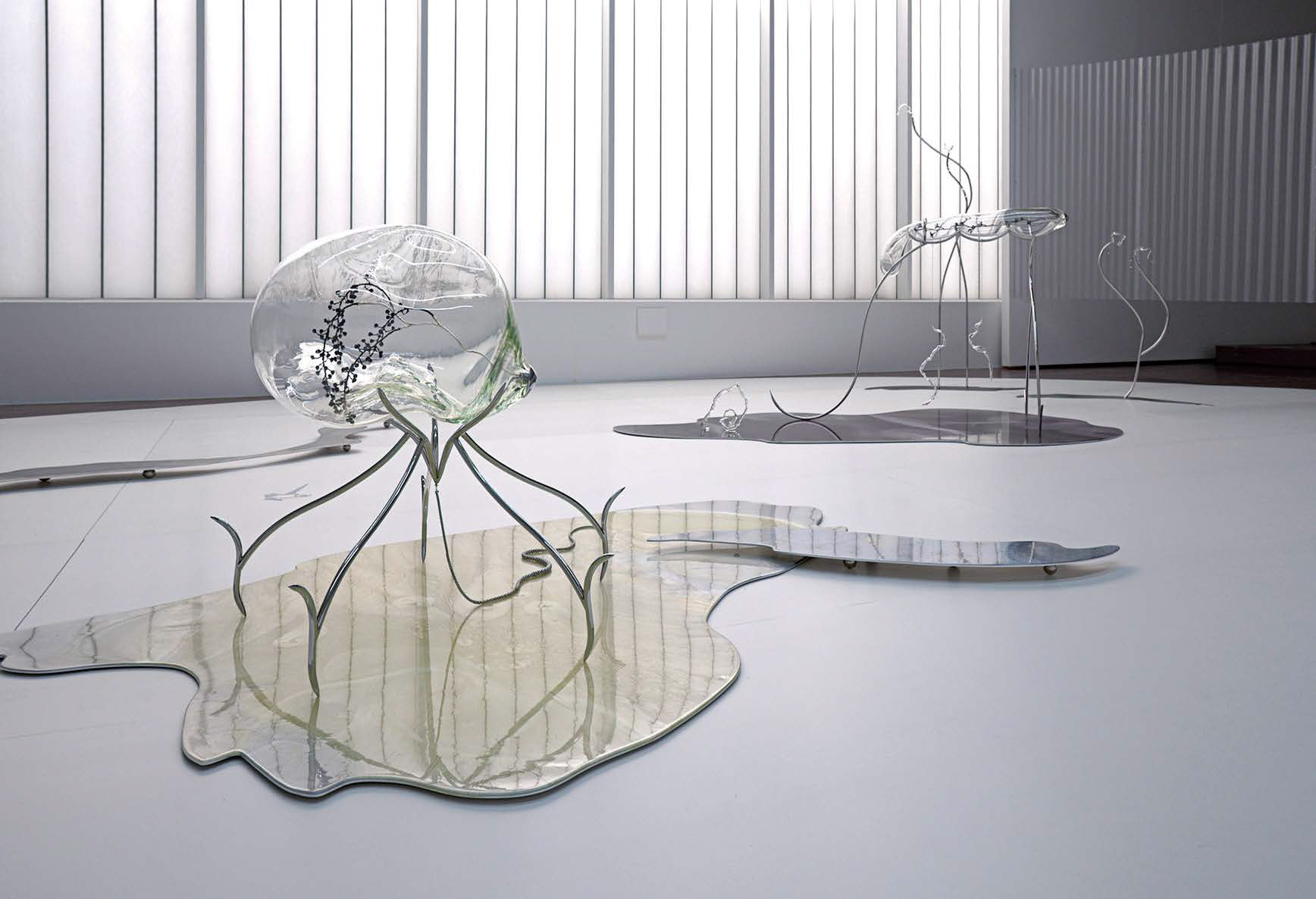
into a new work titled Altered Fluid, imagining a
species that emerges and survives in the aftermath of Earth’s destruction.
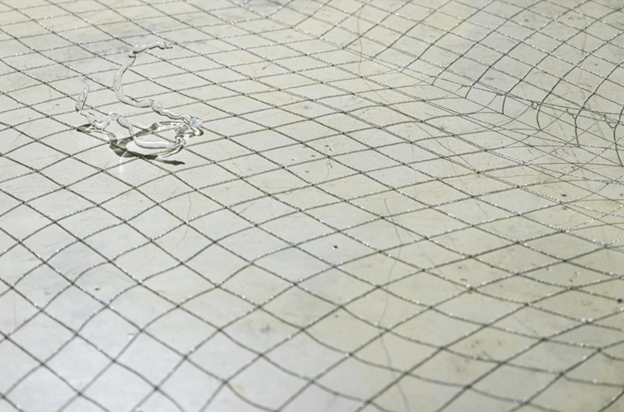
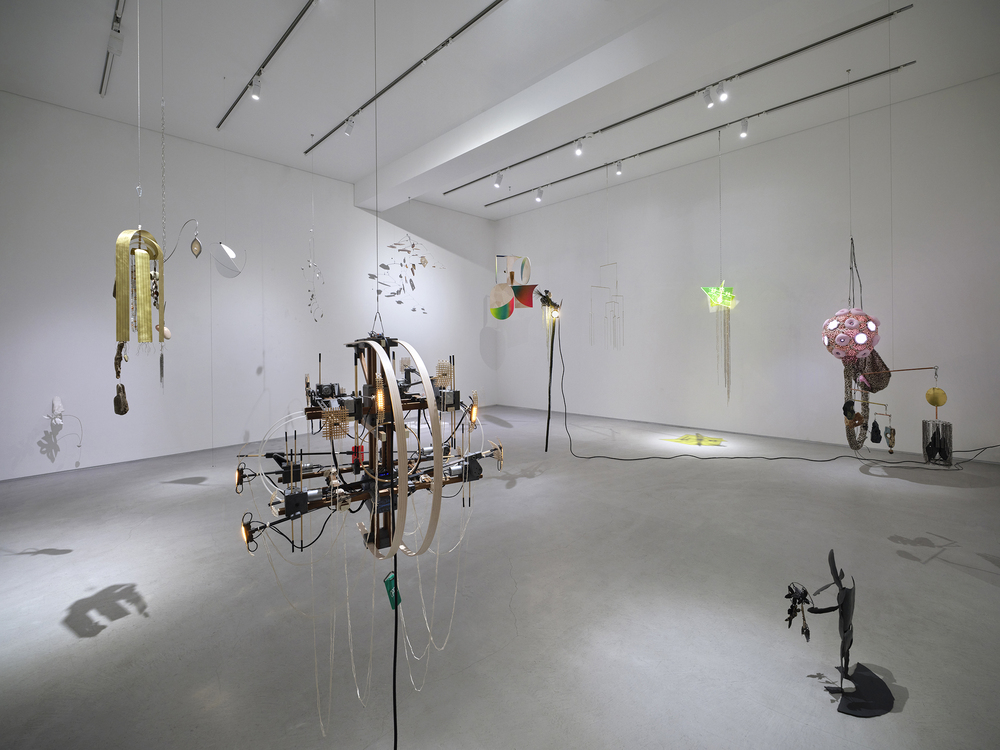
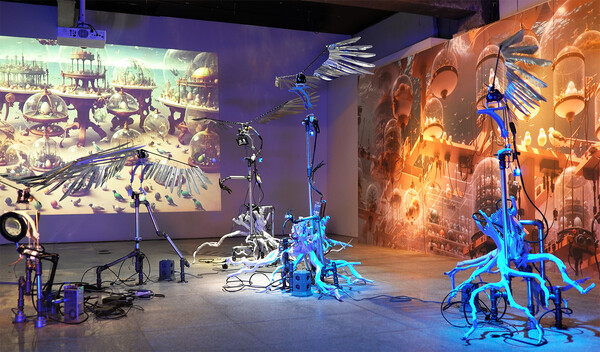
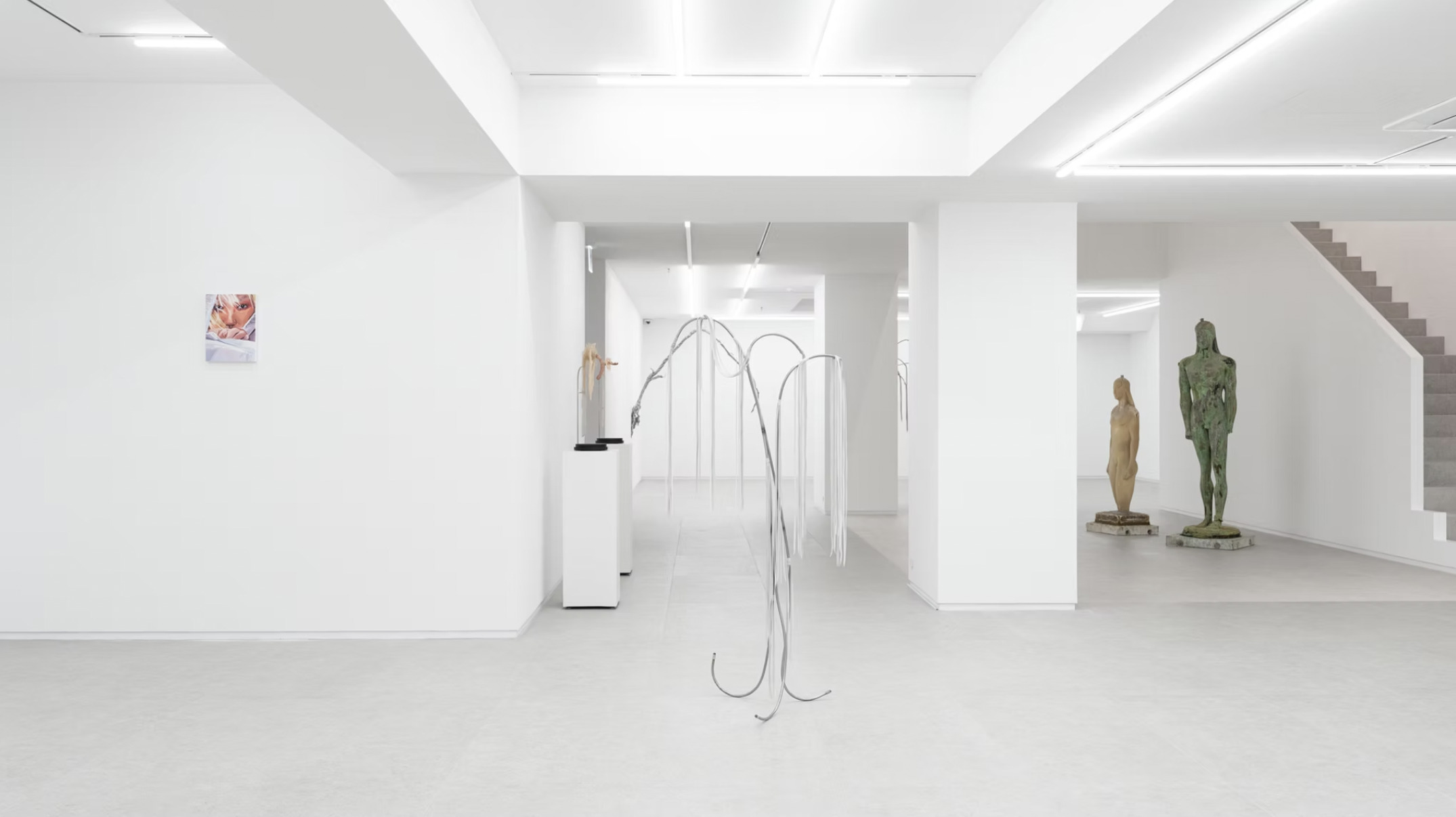
Assuming the existence of post-human life forms, she replaces their flesh and
bones with glass and metal materials, presenting them as future biotic
sculptures. In environments with differing temperatures, they become
semi-fluid, able to move as if their seals have been broken. Considering that
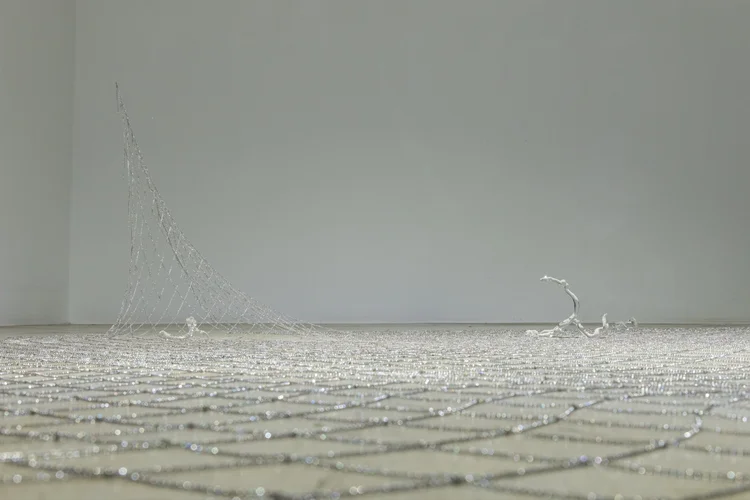
Cho has consistently created her sculptures through melting and solidifying
glass and metal, this fictional supposition blends seamlessly into her
worldview.
The
flesh of the future, having replaced protein, is an invented attribute. As if
recalling evolutionary history, these creatures resemble but are not identical
to prehistoric life forms—they are no longer defined by human knowledge or
intelligence. They are birthed with new brains, different genetic codes, and
other trajectories of evolution.
Omyo
Cho imagines beings that don’t exist in the world, traces of memory that have
slipped through the mesh of time. And in this journey—where vanished memories
and unarrived futures seem to exchange places—we find ourselves already
participating.
1.
Georges Chapouthier, What Is an Animal?, Hwanggeumgaji,
2006, pp. 24–25.
2.
Cho-yeop Kim, “The Greenhouse at the End,” in 2nd Korean Science
Fiction Award Winners Anthology, Hubble, 2018, pp. 9–60.
3.
Young-ha Kim, Goodbye, Human, Bokbok Books, 2022.
4.
Omyo Cho, Traces of the Unmentioned, Matter and Immateriality,
2018.
5.
Ibid., p. 103.
6.
Pogni Kim, “Art Must Engage with Social Issues,” The Hankyoreh, July 2,
2020.
7.
Omyo Cho, excerpt from artist note for 《Jumbo Shrimp》, 2021.
8.
Ibid.
9.
Omyo Cho, artist note, 2021.
10.
Exhibition organized as part of 《Artist View of Science 2022: The Artist's Perspective on Science》, co-hosted by the Surim Cultural Foundation and Korea Institute of
Science and Technology (KIST).
11.
Rosalind Krauss, “Sculpture in the Expanded Field,” October, vol. 8, 1977,
pp. 30–44.
12.
Omyo Cho, “Memory Searcher,” unpublished manuscript, 2022.