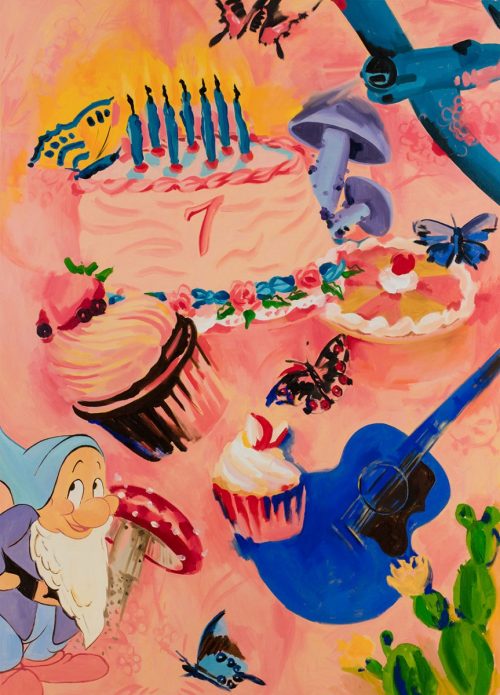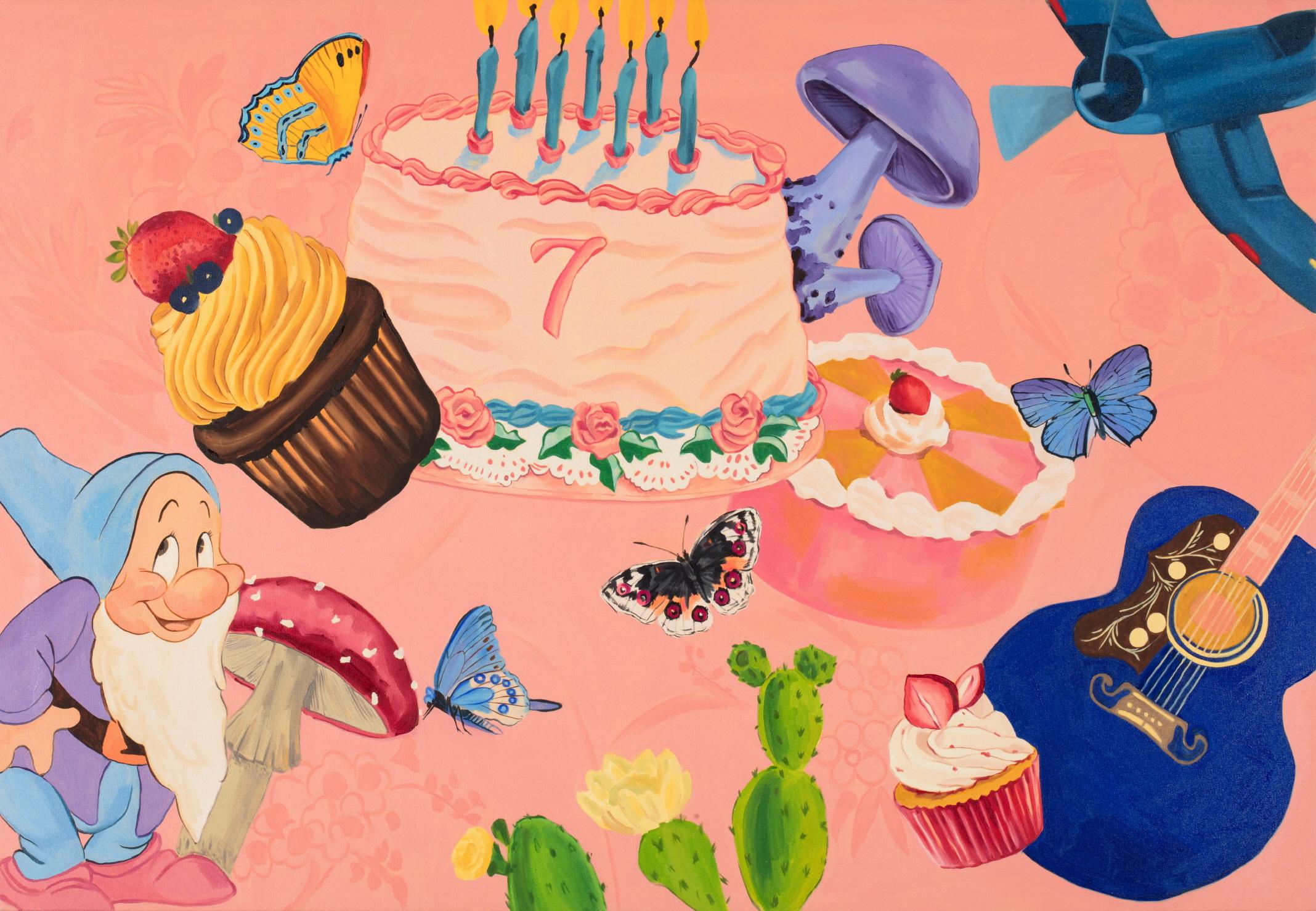


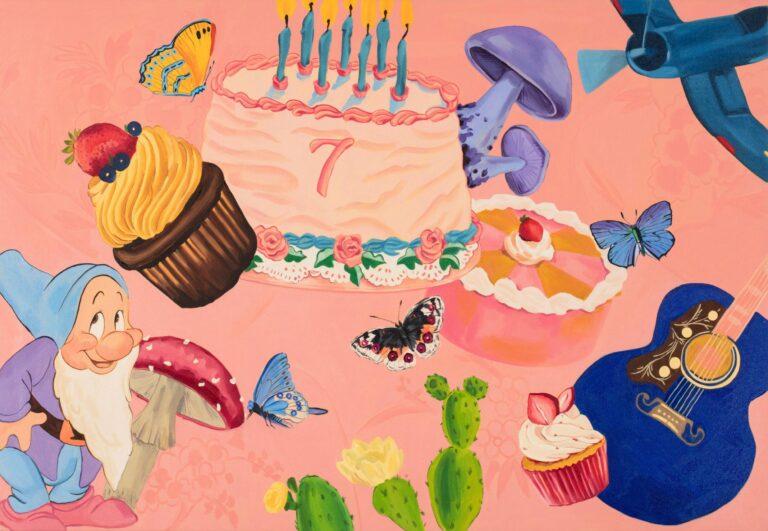
Im Sunny, Pink Cake and Blue Guitar II, 2019, Oil on canvas, 162 x 227 cm © Im Sunny

Im Sunny’s artistic practice begins with the question: what is the essence of painting? Her work explores how the fundamental formal elements of painting—such as color, line, and plane—do not merely serve to represent objects realistically, but instead possess intrinsic aesthetic value in themselves. Influenced by artists such as Paul Cézanne and Henri Matisse, who led modernism by separating color and line, Im Sunny focuses on flatness as a defining condition that distinguishes contemporary painting from traditional painting.
 
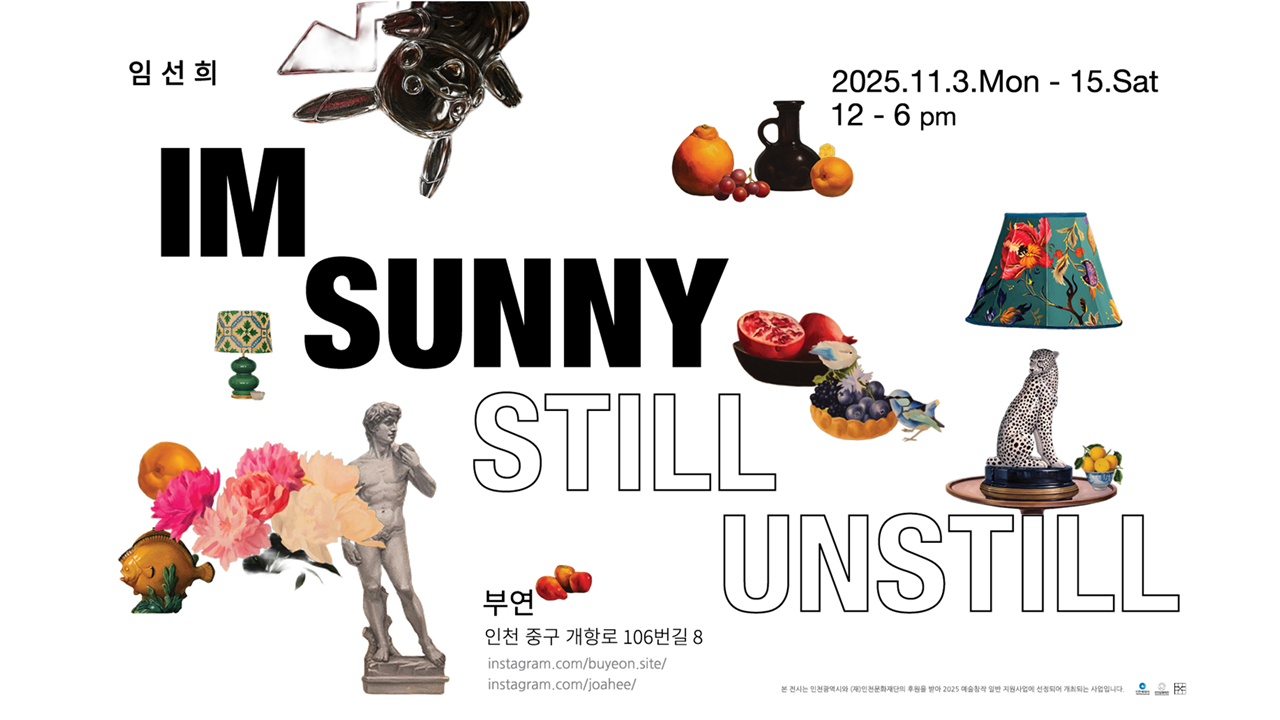
Flatness, as a two-dimensional quality that departs from three-dimensional reality, offers a new way of perceiving painting. The pursuit of flatness has been central to modern painting and serves as a defining characteristic that differentiates painting from other artistic disciplines. Through this solo exhibition, Im Sunny not only reflects on the unique properties of painting but also proposes various directions for contemporary Korean painting.
 
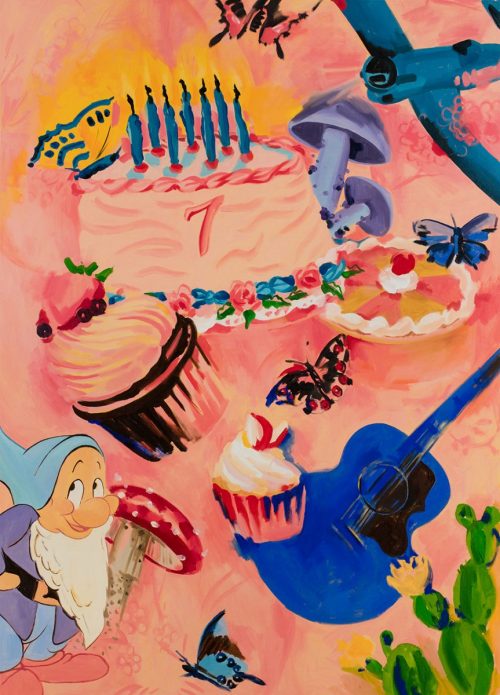
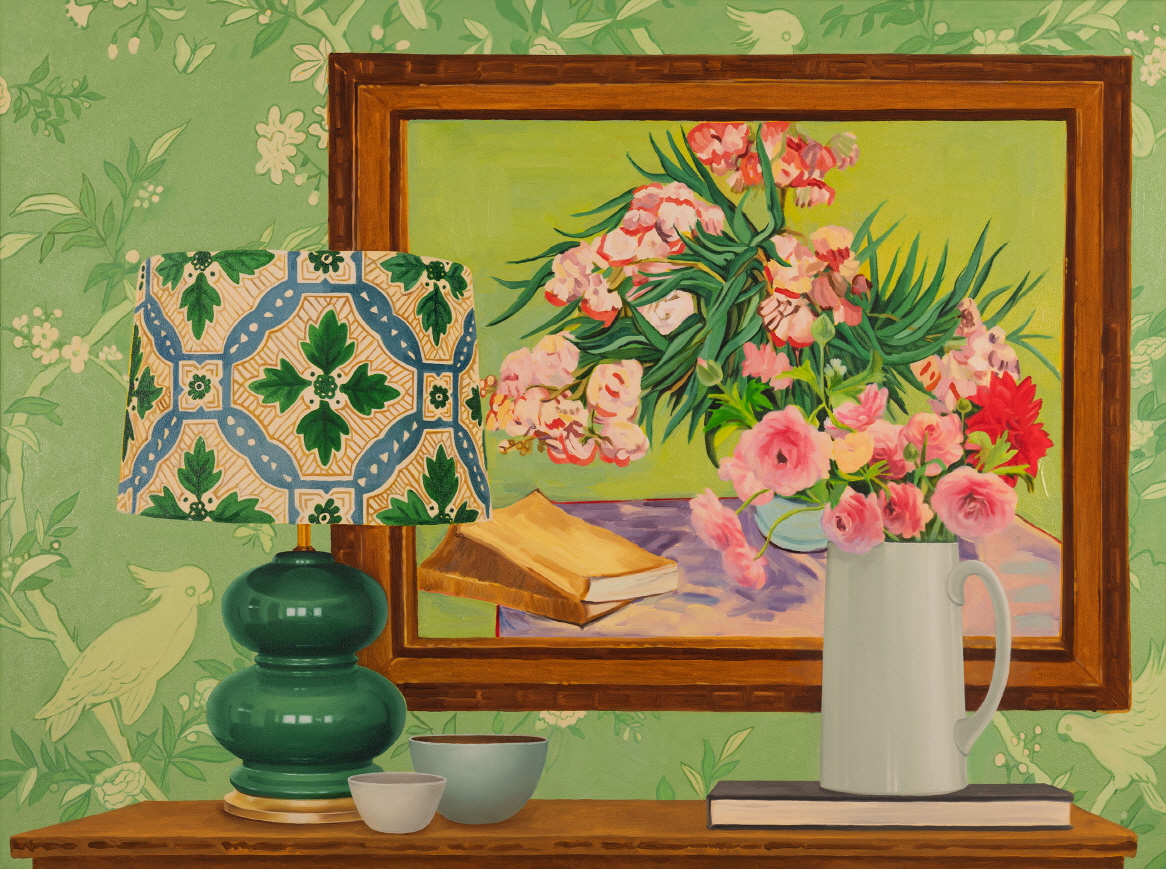
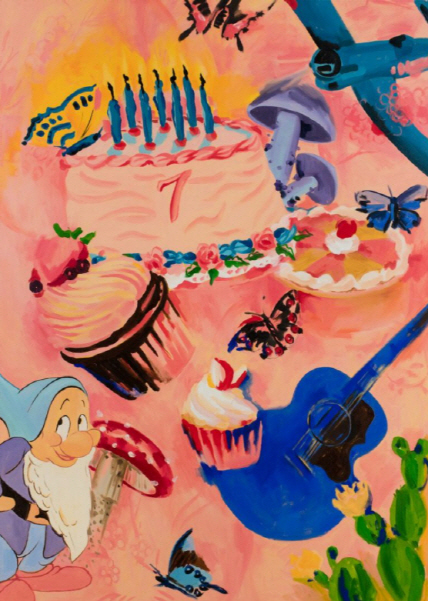
Henri Matisse (1869–1954) understood painting as a division of planes articulated through relationships of color. Drawing from this conceptual framework, Im Sunny develops spatial relationships between color, plane, and object in her series 'Pink Cake and Blue Guitar I, II' (2019).

Rather than relying on outlines or chiaroscuro to define form, she constructs images through subtle and precise gradations of color. The colors applied to the depicted objects do not reproduce their inherent material qualities; instead, the energy generated by the interplay of form, color, and layered surfaces resonates harmoniously across the pictorial plane.
 
These meticulously built layers emphasize the flatness of the entire surface while revealing the fundamental structure of painting—its pure aesthetic framework. The pink layer covering the background also encompasses the pink-toned objects within it, causing each object to appear relatively flattened. Only variations in brushstroke thickness and chromatic intensity signal the presence of objects on the canvas. Although each object is divided into layers, their forms and colors are not constrained, but instead relate to one another organically.
 
In contrast, the series 'Blue Ring Angelfish’ (2019) fills the canvas with fish composed of both thick and thin lines, rendered in vibrant complementary colors. Rather than creating depth or spatial illusion, the composition relies on simplified, bounded forms and a combination of color and brushwork to construct a flat pictorial structure in which the elements coexist harmoniously.
 
The seaweed, depicted in uniform size and color, accentuates a flattened quality, while the vividly colored fish—painted with bold brushstrokes—emit a sense of vitality despite the absence of realistic shading. Freed from the representational function of color and compositional constraints, these forms reinforce the autonomy of color within painting and emphasize the power of its formal elements.


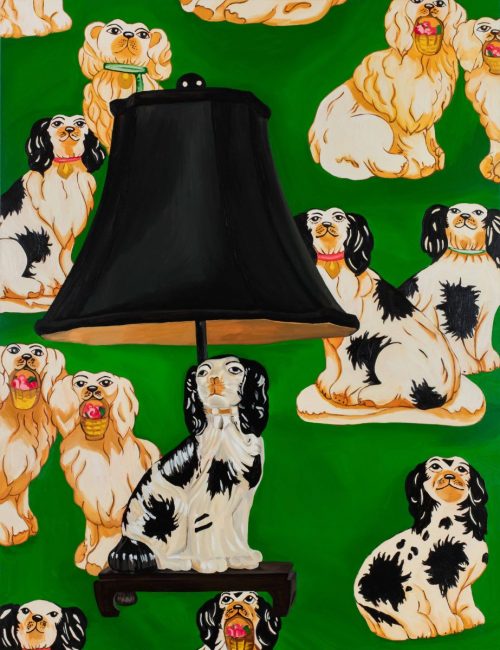
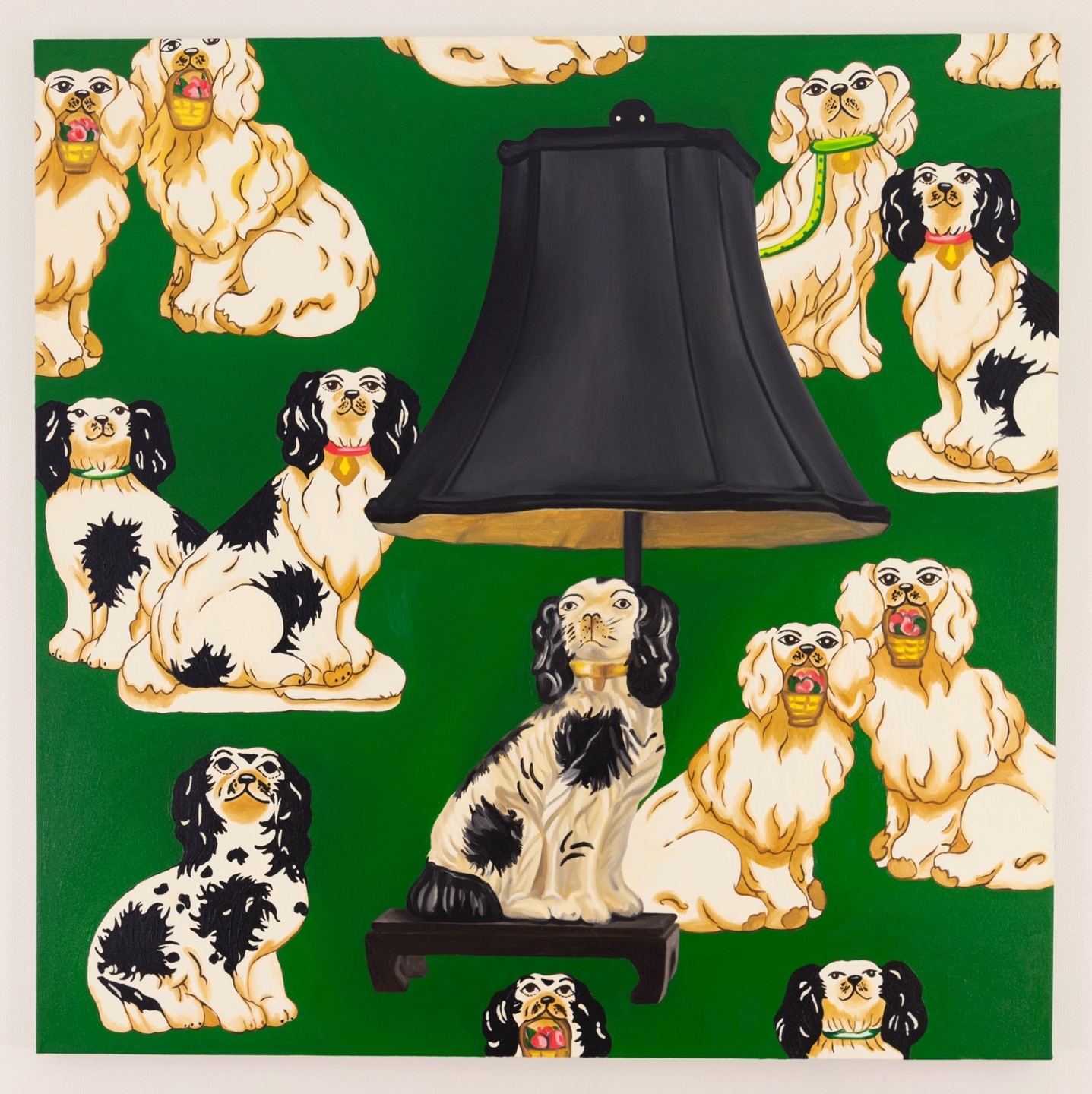
Im Sunny, King Charles Spaniels, 2019, Oil on canvas, 112 x 145.5 cm © Im Sunny

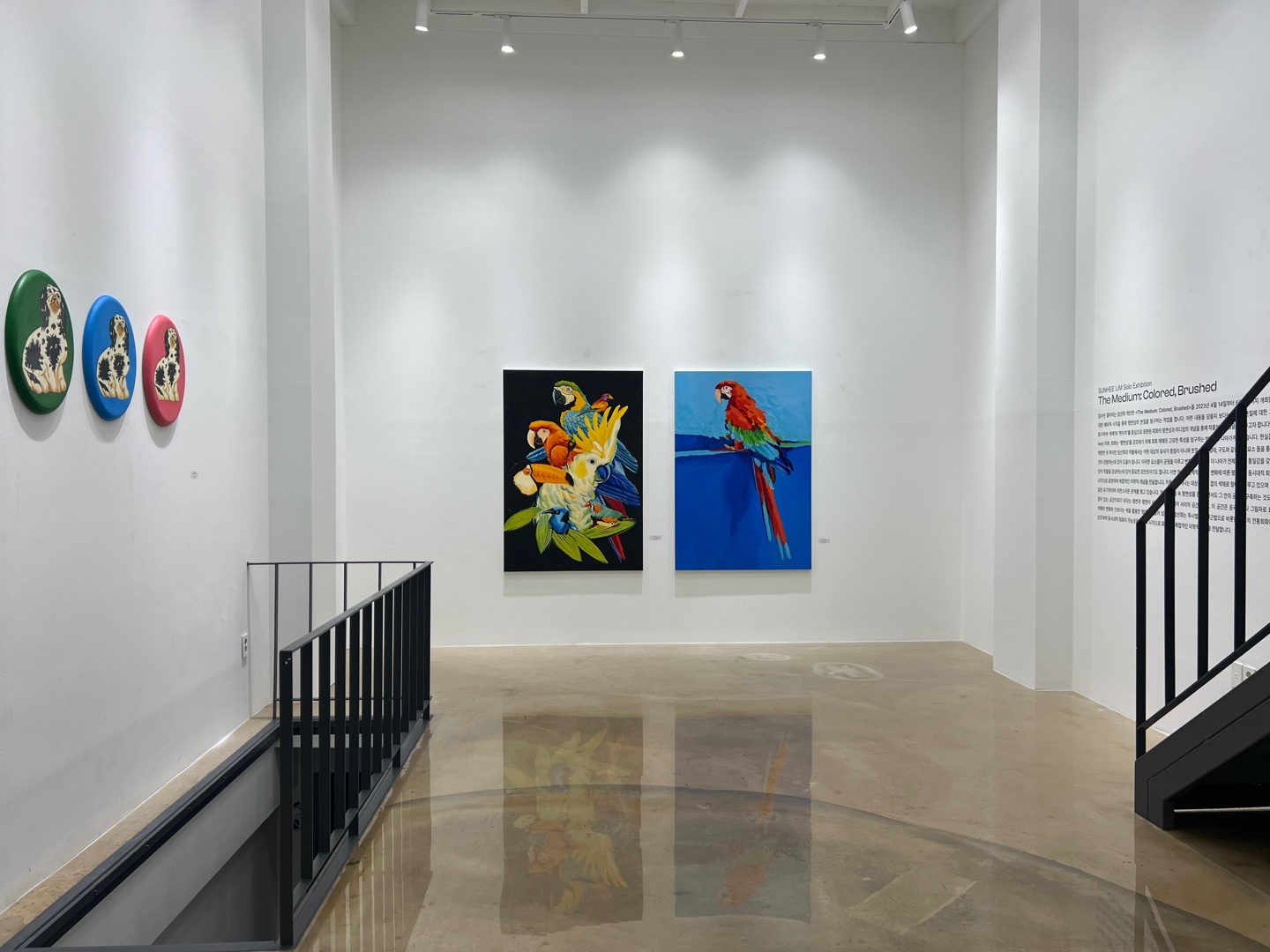
An example that highlights both simplicity and boldness while emphasizing flatness is King Charles Spaniels (2019). Set against a dark green, uniformly painted background, the dogs—defined by thick contours and expressive brushwork—face forward. Regardless of distance or spatial context, each figure is depicted at an equal scale.

The layered construction of the forms engages only with relationships between objects, while perspective is disregarded, resulting in a two-dimensional field in which all elements appear equal in size. This free composition and flattened spatial logic produce a distinctly artificial yet striking visual effect.
 
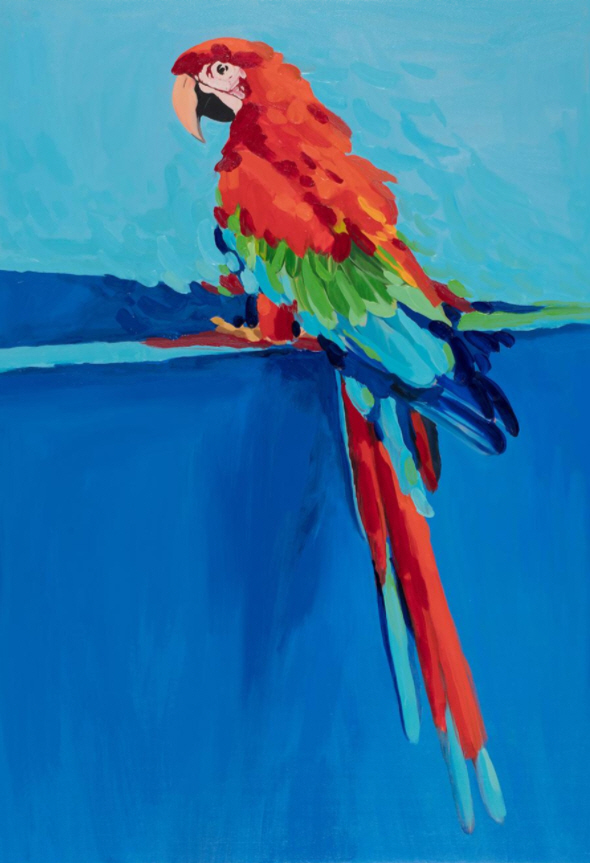
In Scarlet Macaw with Brush Strokes (2019), the artist departs from traditional perspective and chiaroscuro through bold color and brushwork. The subject and background are composed of similar shades of blue, making their distinction ambiguous and defined only through subtle tonal differences. The parrot’s form is suggested solely through thick brushstrokes applied in the direction of its feathers, using red, green, and blue. This flattened depiction rejects the object’s natural color, instead emphasizing the autonomy and decorative potential of color within painting.
 
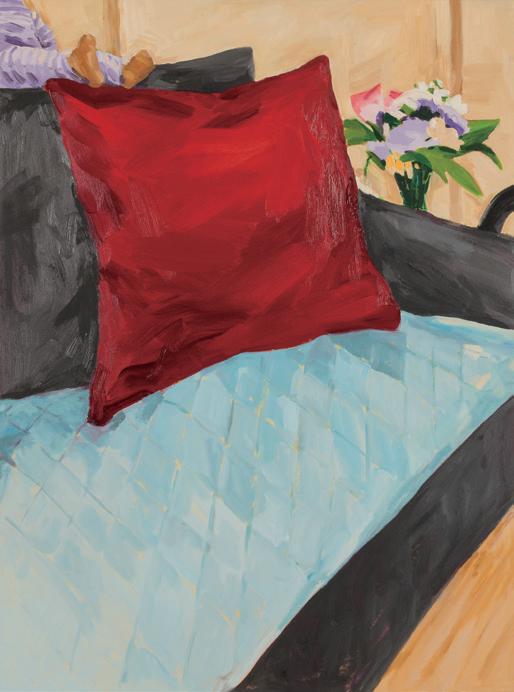
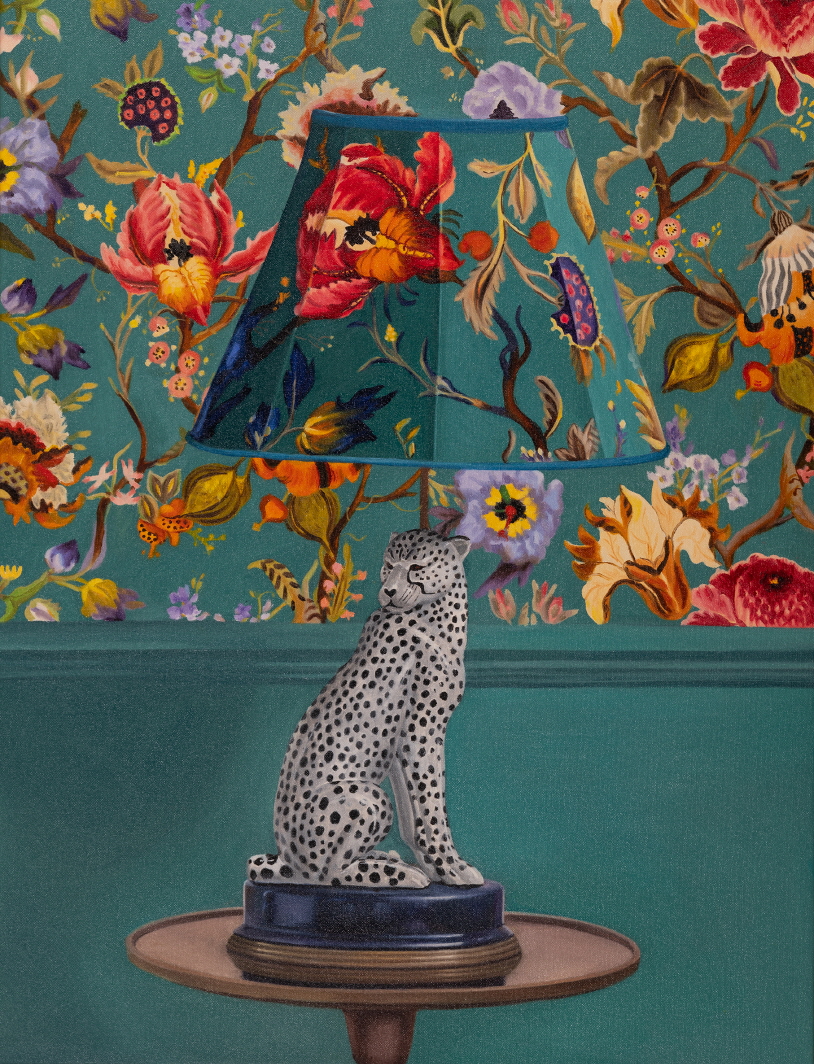
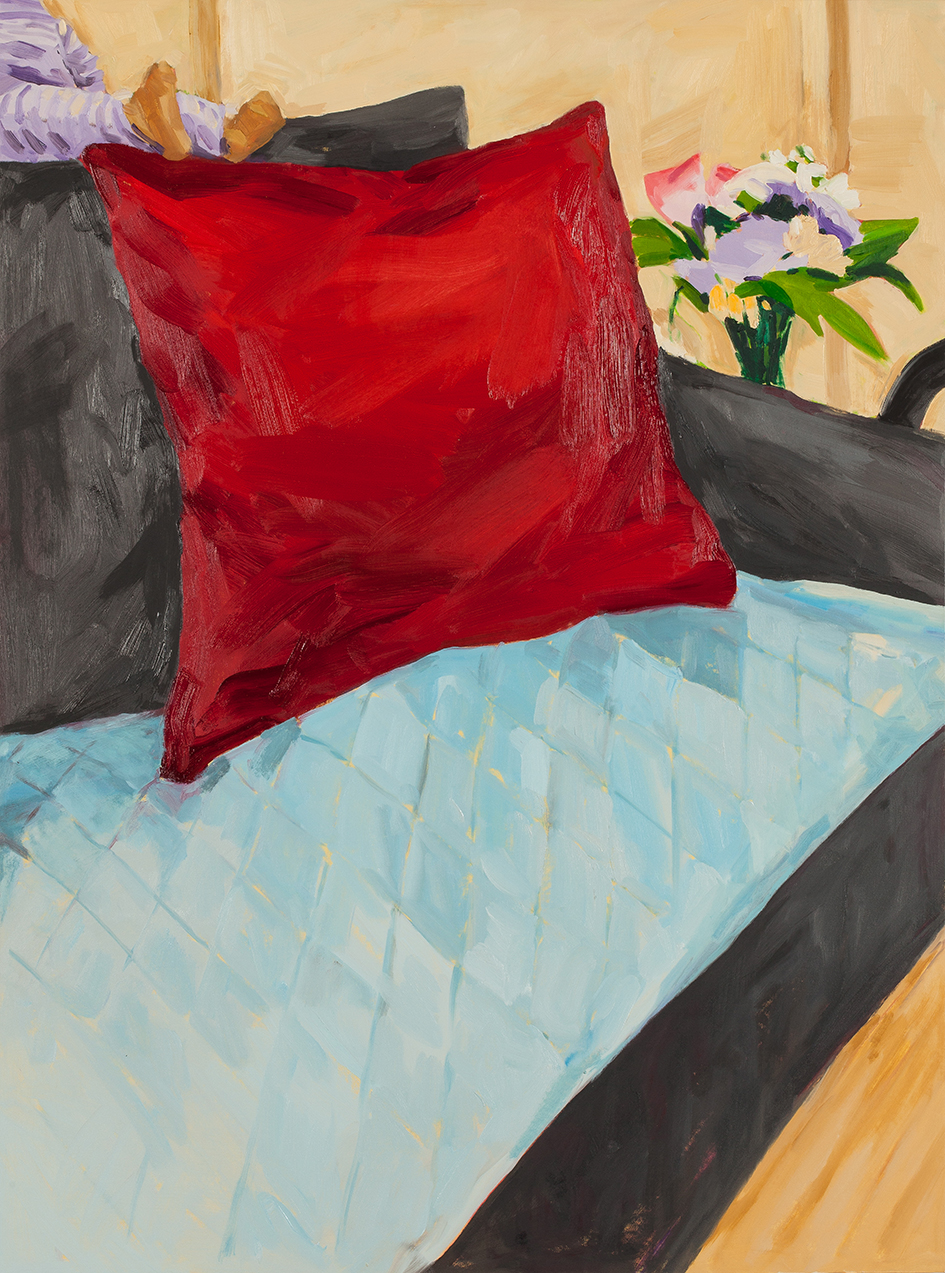
In African Cheetah (2019), Im Sunny reconstructs the image through distorted perspectives derived from multiple viewpoints. The cheetah positioned in front of a sofa has elongated front legs, while the adjacent gray wall tilts unnaturally forward rather than aligning with the background. By dismantling an ordinary scene and reconfiguring it through exaggerated composition and color, the artist foregrounds an intentionally artificial sensibility.
 
Im Sunny’s exploration of flatness provides an opportunity to reconsider the diverse possibilities inherent in painting as a foundational medium of contemporary art. Influenced by Cézanne and Matisse, who pioneered new aesthetics in modernism, the artist develops a distinct painterly language that transcends visual representation. Through the fundamental elements of painting—color, line, composition, and plane—she conveys a complex aesthetic that extends beyond mere depiction.

References