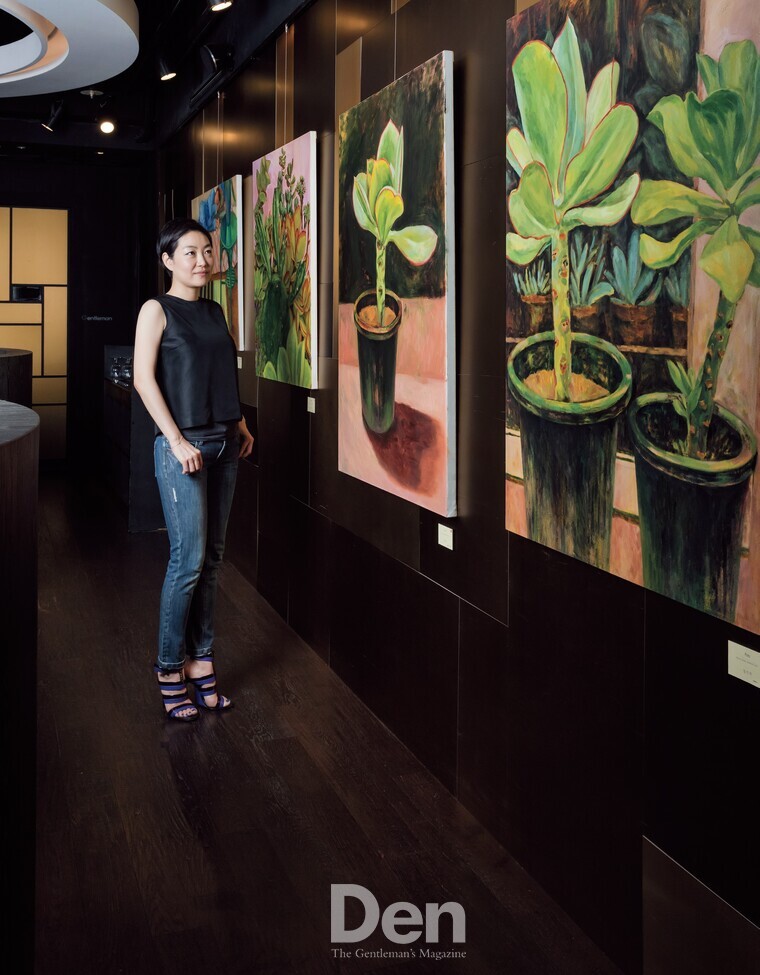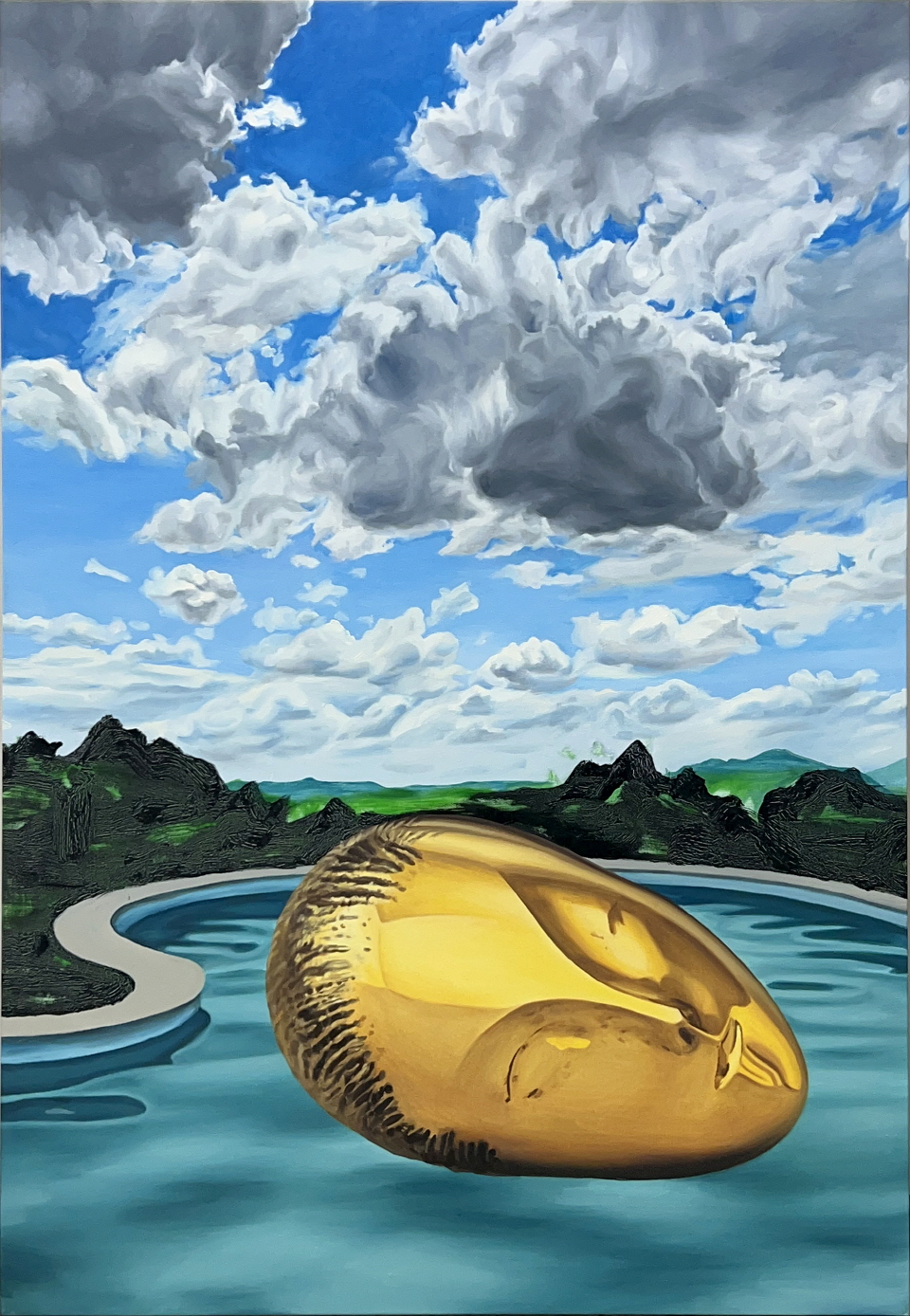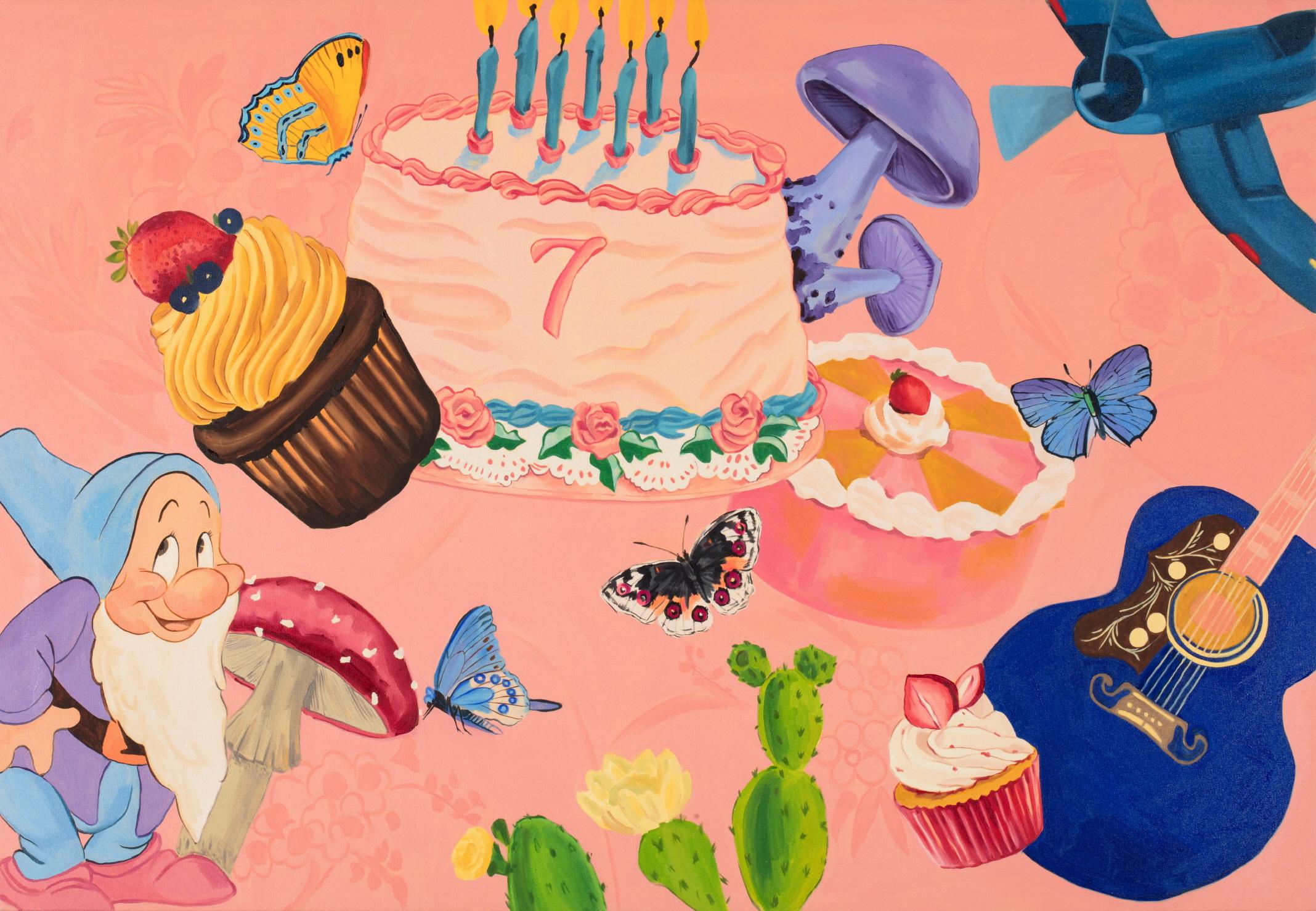


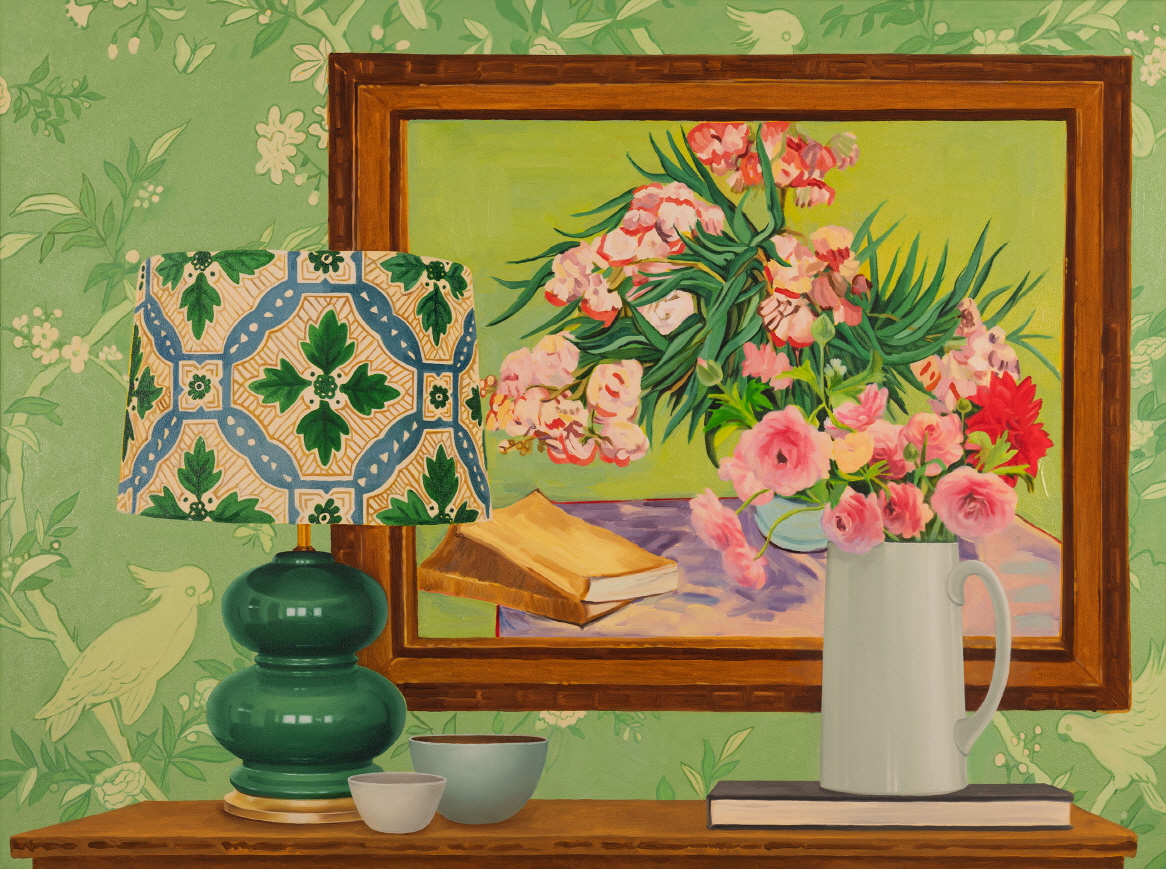
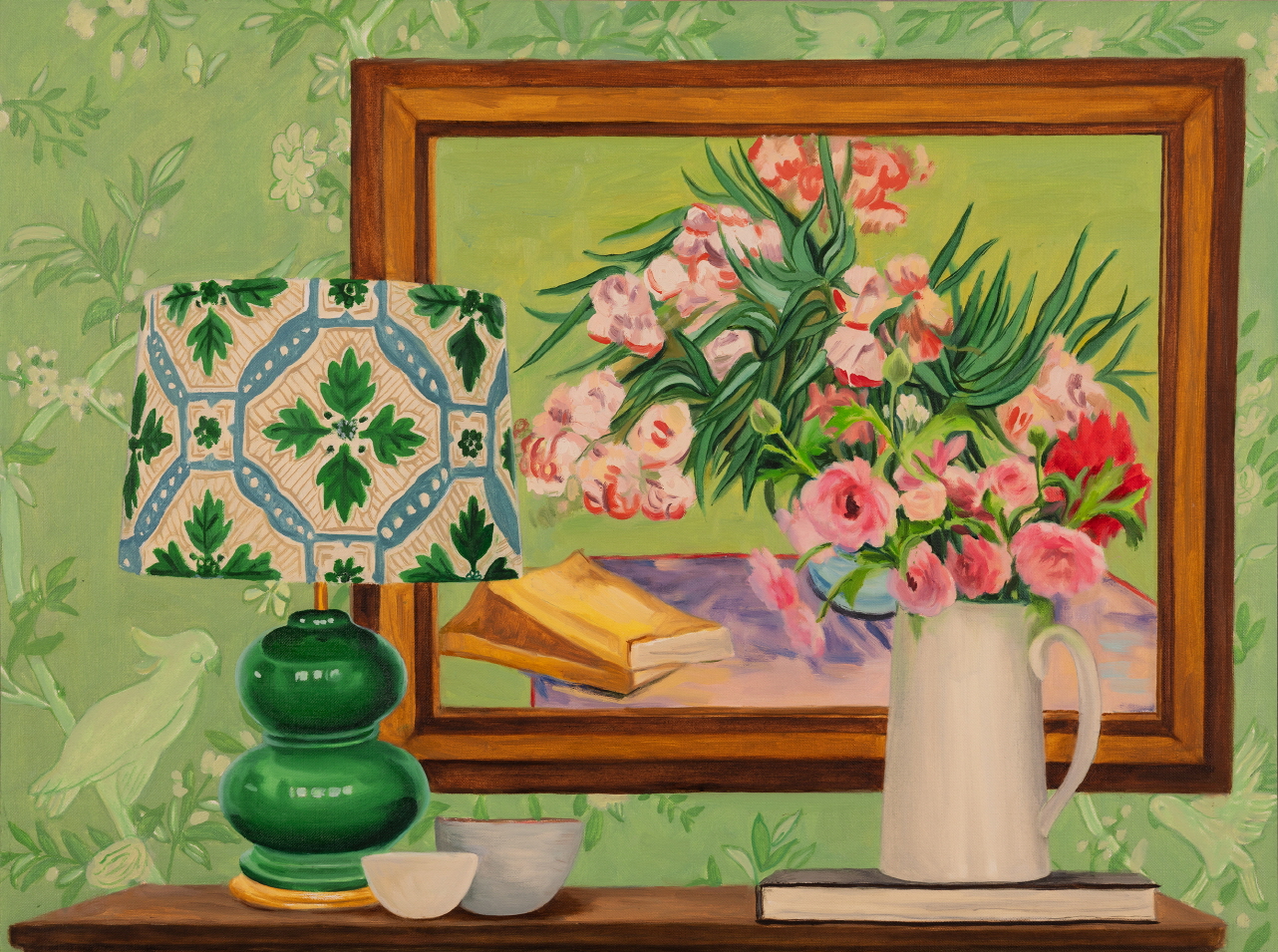
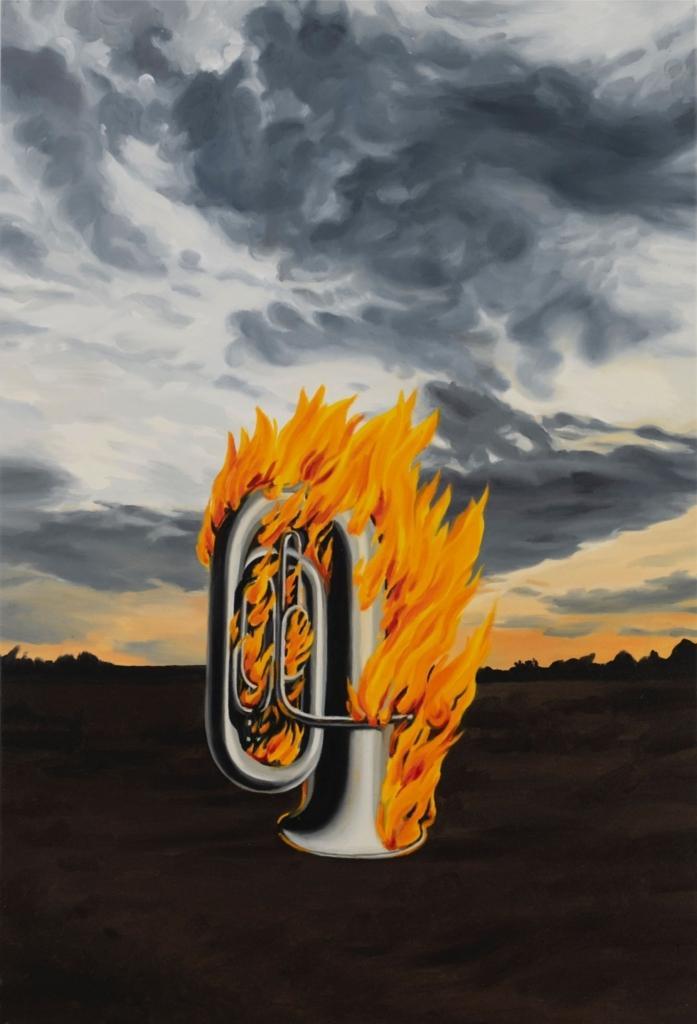
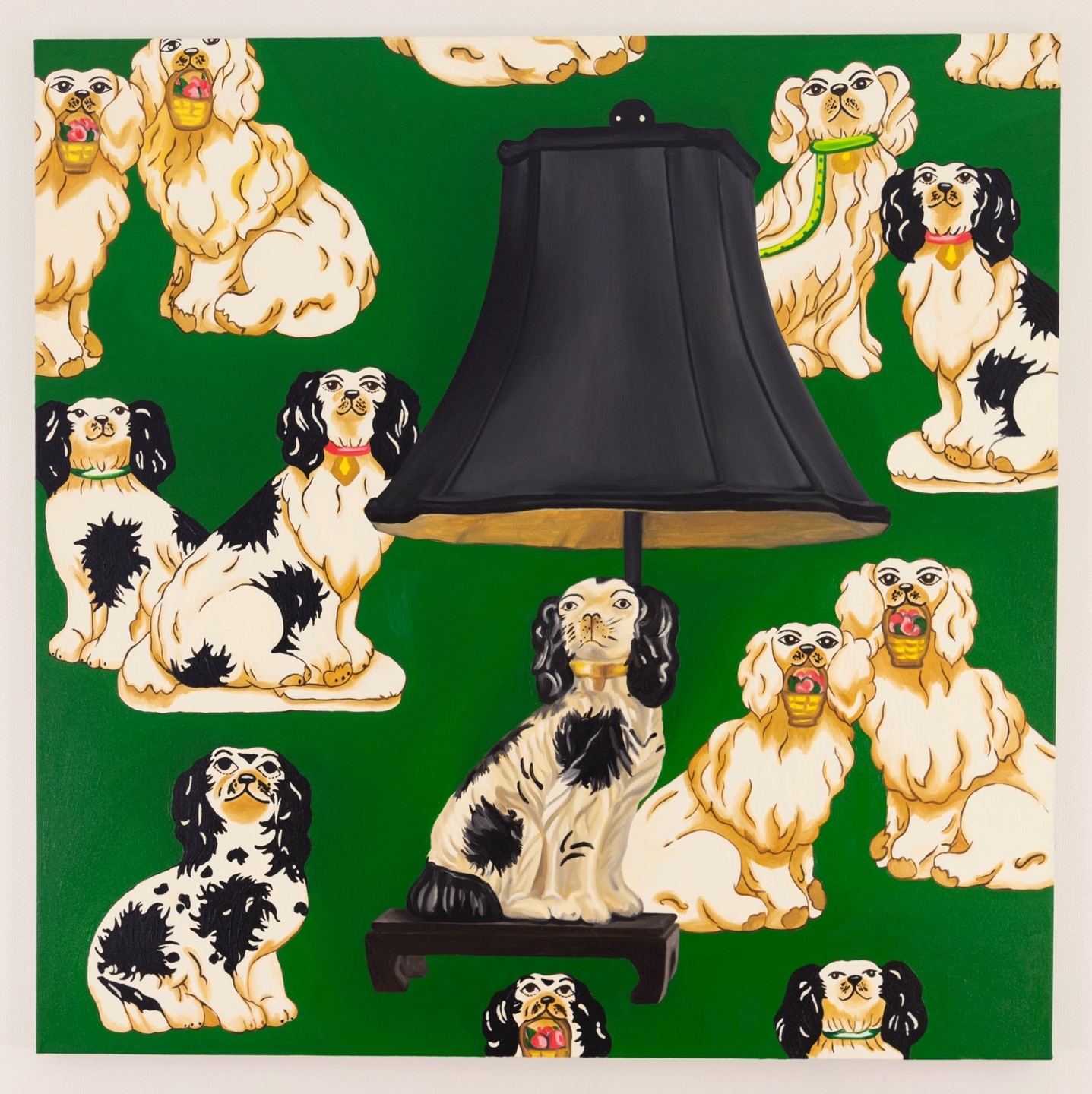
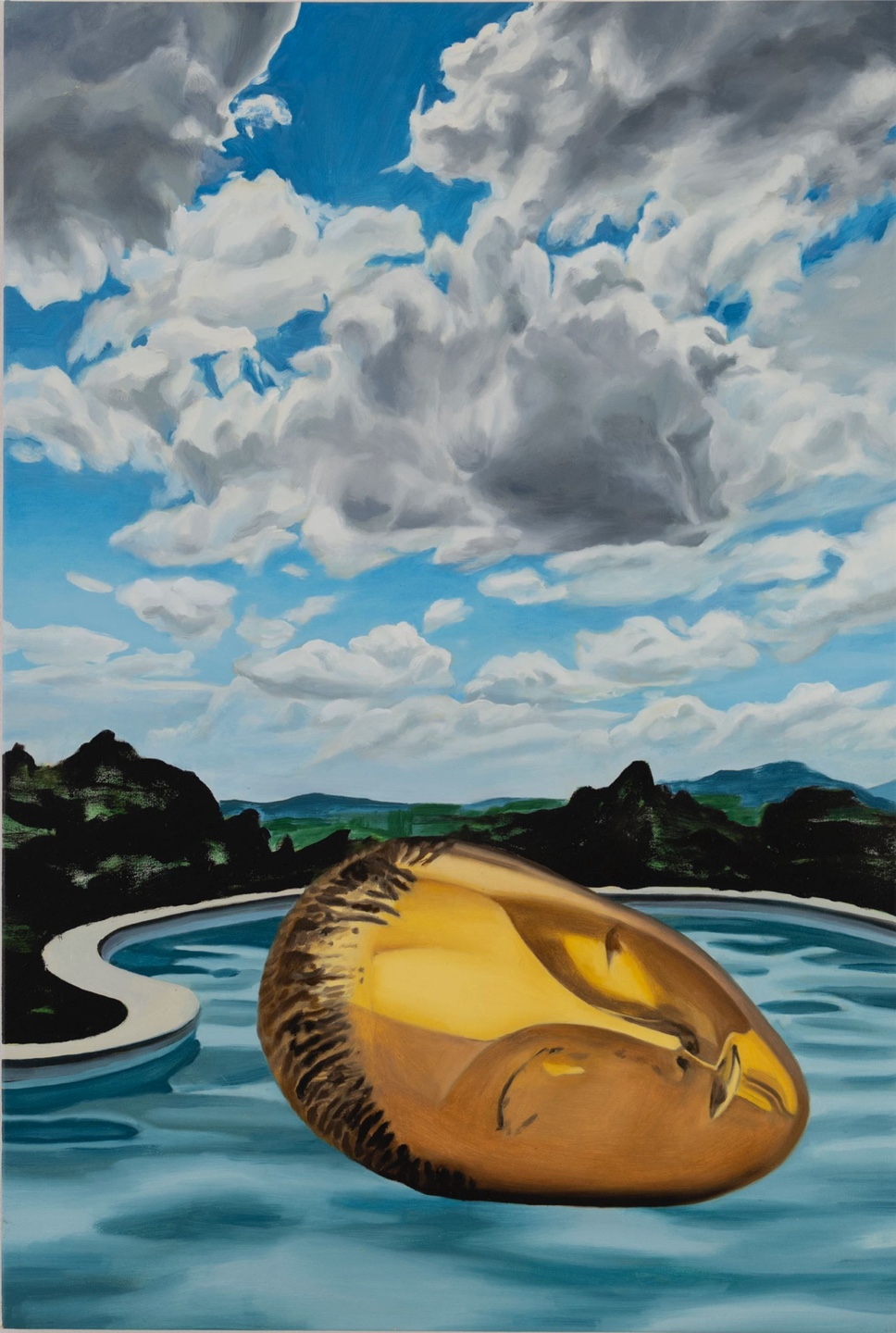
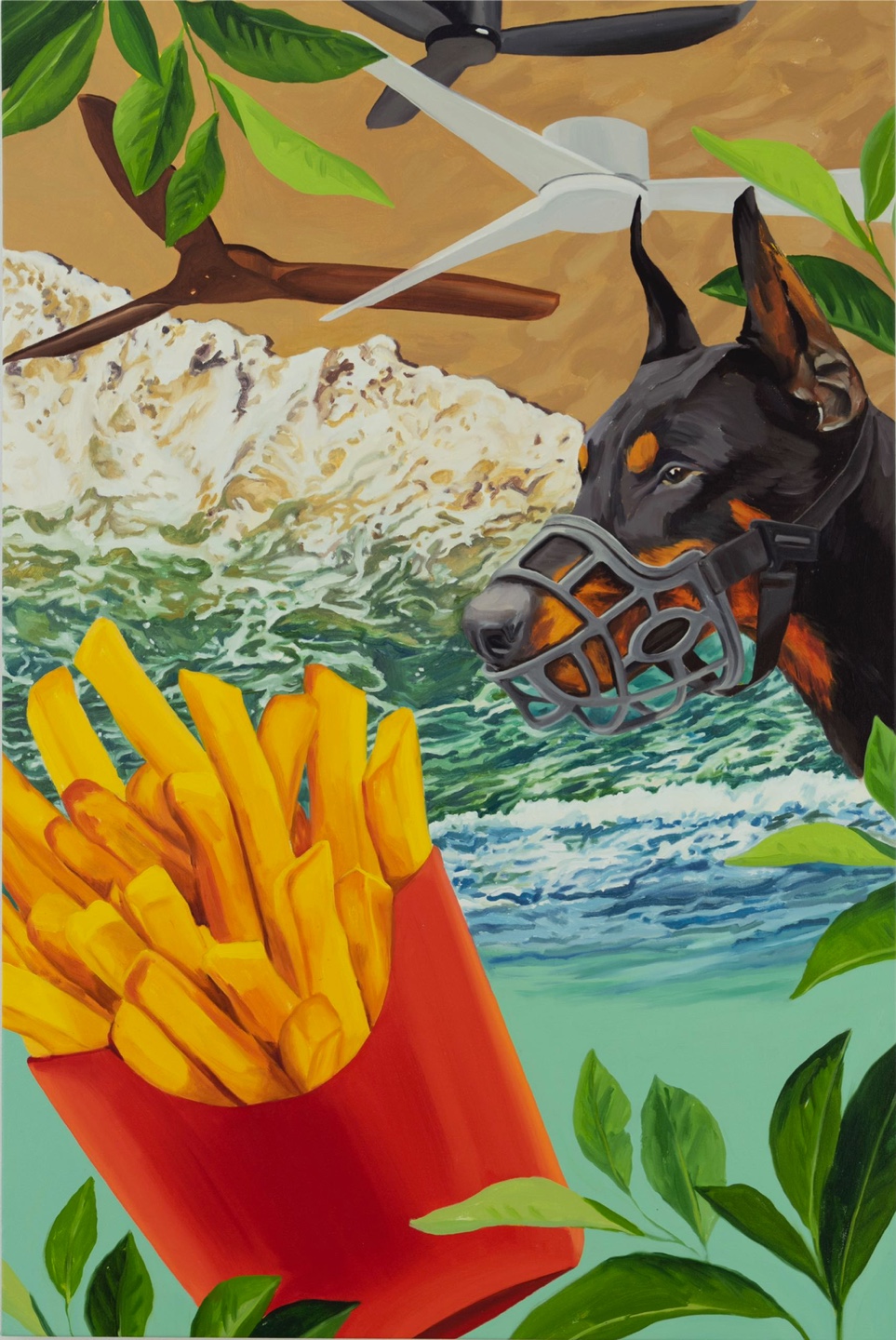
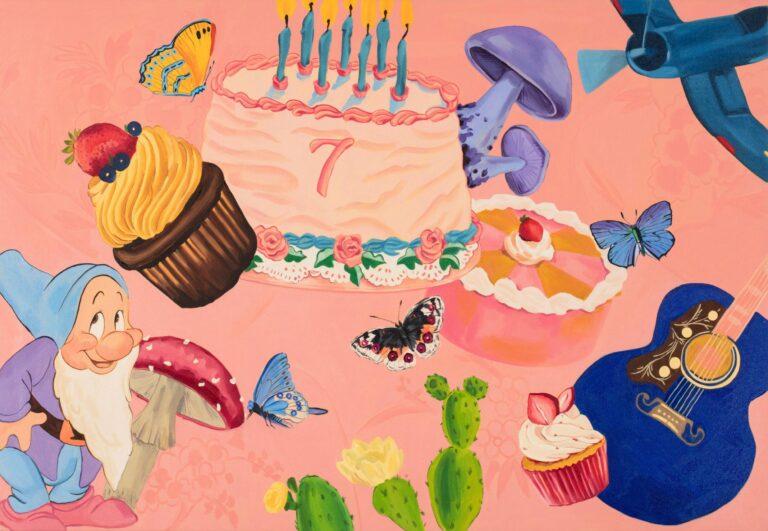
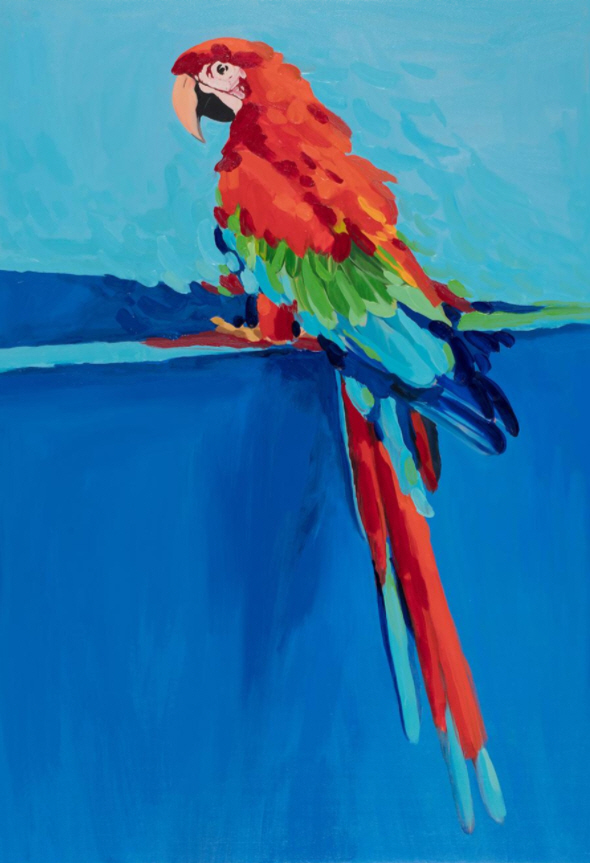
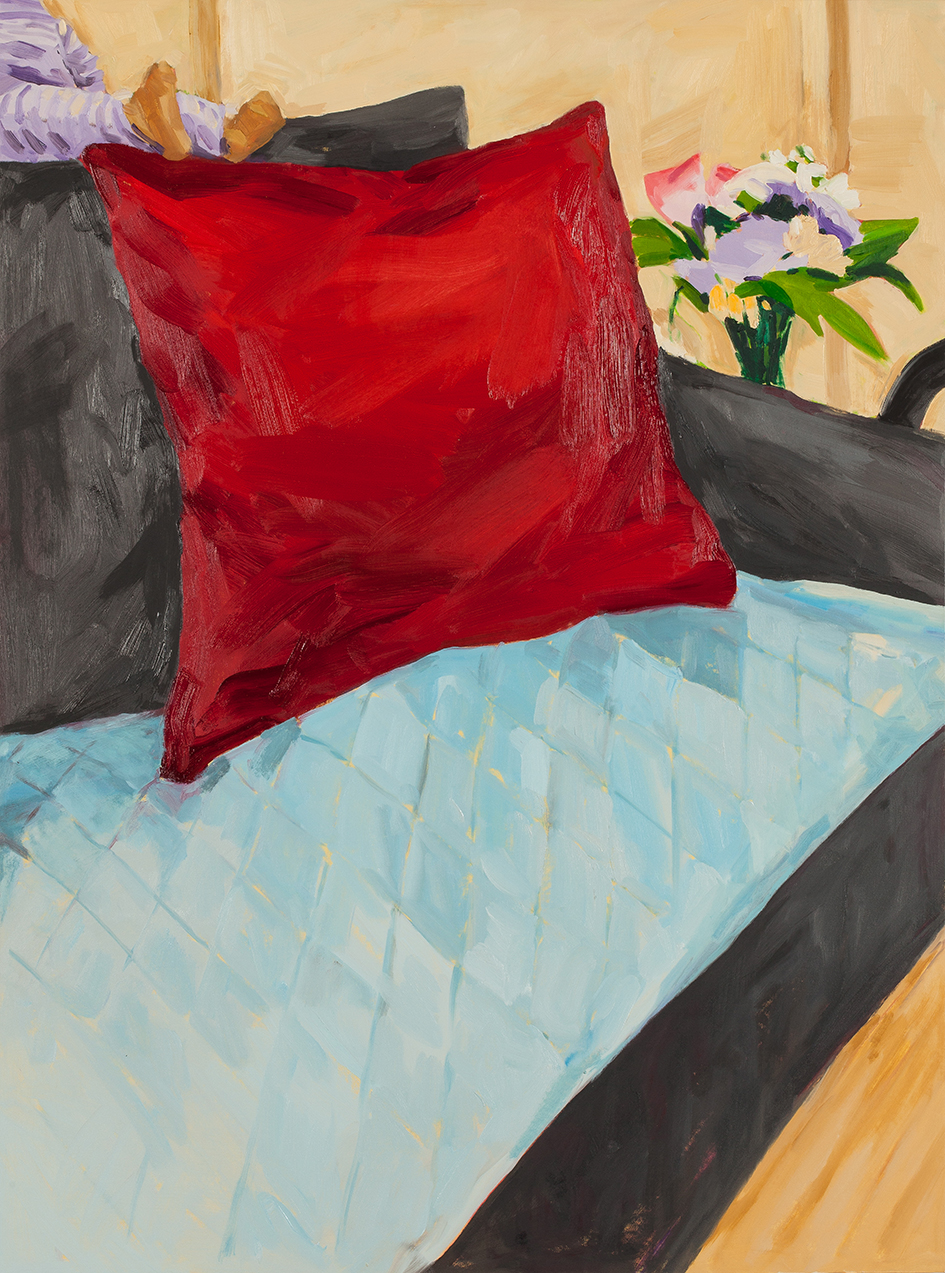
Im Sunny has long been active in the field of video art. What led her, after so many years, to return to painting—traditional painting—just two years ago? We met the artist at ‘Cafe M Gallery’ in Daechi-dong, where her recent works are on view, to hear her thoughts on the value of fine painting.


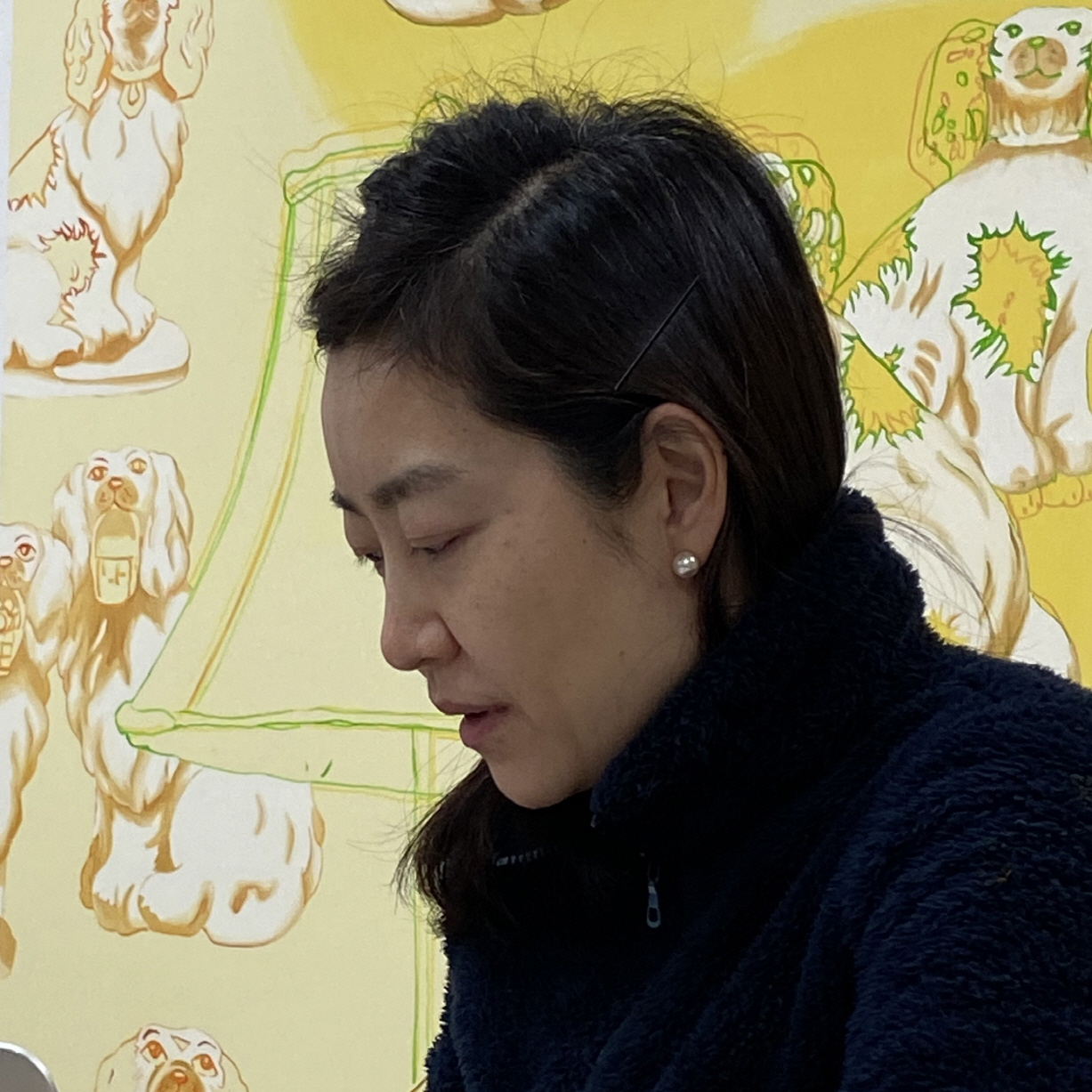
Im Sunny ©Den

Exhibiting work in a restaurant rather than a gallery—how did that happen?

The era in which art belonged exclusively to galleries is long over. With the advent of postmodernism, art exhibitions began taking place in a wide variety of spaces. In Korea, this tendency grew markedly in the early 2000s. These days, it’s common to see art not only in cafés but also in cosmetic shops or eyewear boutiques.

I see this as a positive change—people can encounter art without pressure, and it enriches the atmosphere of a space. Visual satisfaction can make the time spent there feel fuller and happier.

I hope more people will be able to encounter my work comfortably in everyday environments. I’m also very interested in art collaborations—applying my work to product packaging, clothing, and other items.
 
 
Many of the works on view depict plants. Why plants?

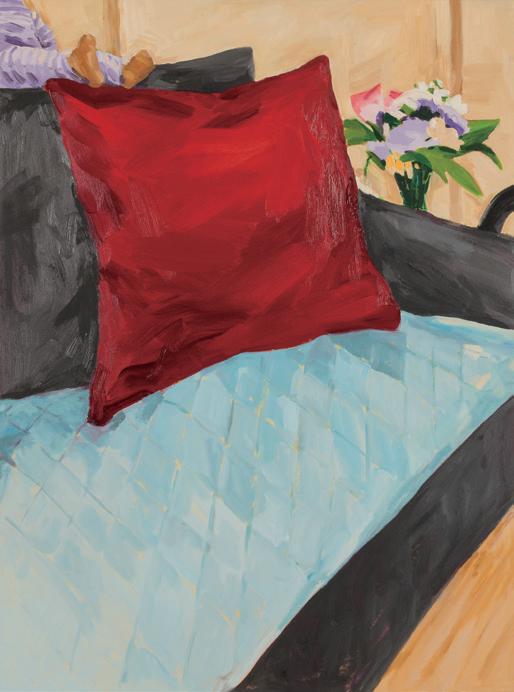
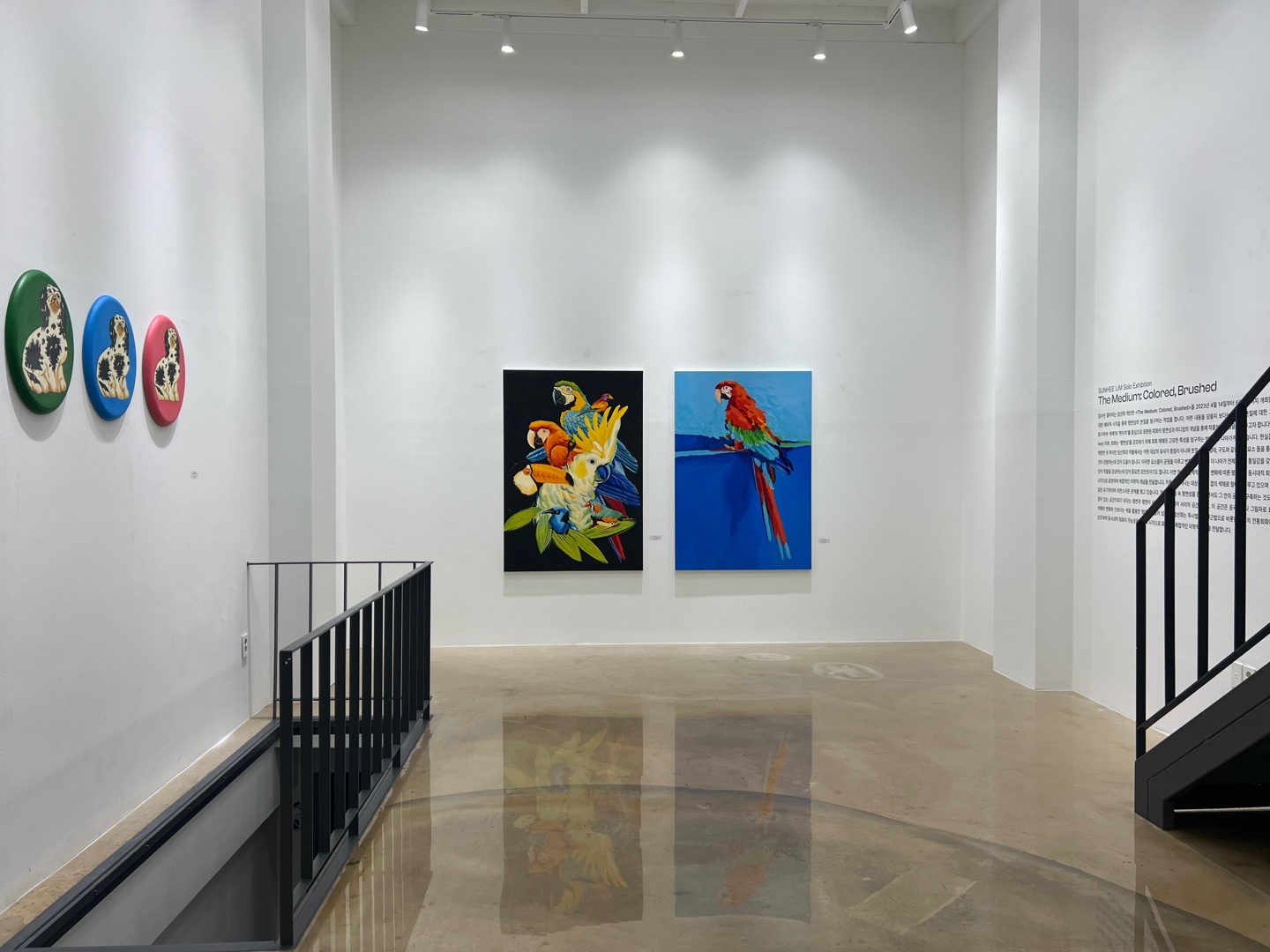
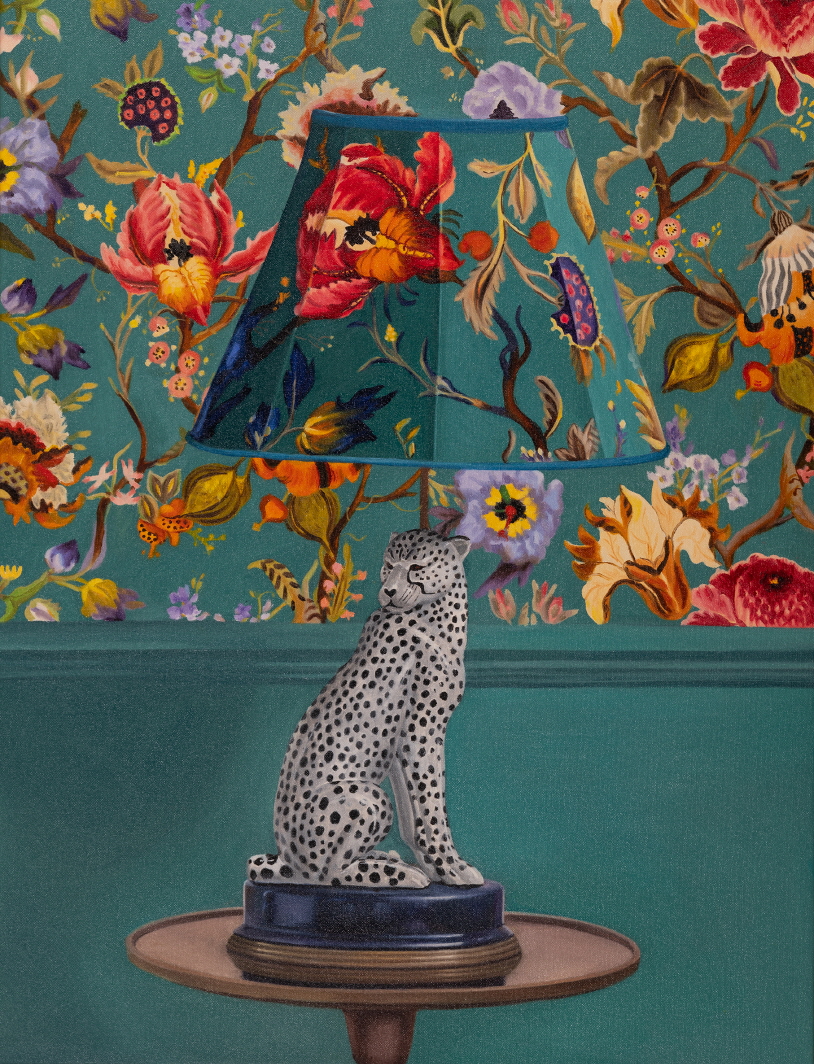
It wasn’t intentional at first—I simply happened to have a plant I was tending to nearby, and I began painting it. I don’t pursue subject-driven painting. Instead, I focus on discovering the formal elements within an object—how to arrange them and how color and composition can express them.
When I asked myself what subject might best convey these concerns, plants became the natural answer.
 
 
Is there a theme that runs through your work?

I’m drawn to the word “Essence”. I think deeply about the essence of life, of human existence. Recently, my central question has been: ‘What is the essence of painting?’ This inquiry led me to the issue of “Flatness” in painting.

"At one point, I began doubting the work I had been doing and went through a period of wandering. Eventually, I made the decision to commit to traditional painting as a lifelong practice. Since then, I’ve been training my eyes and brush to pursue what I call 'Painterly Painting'.”


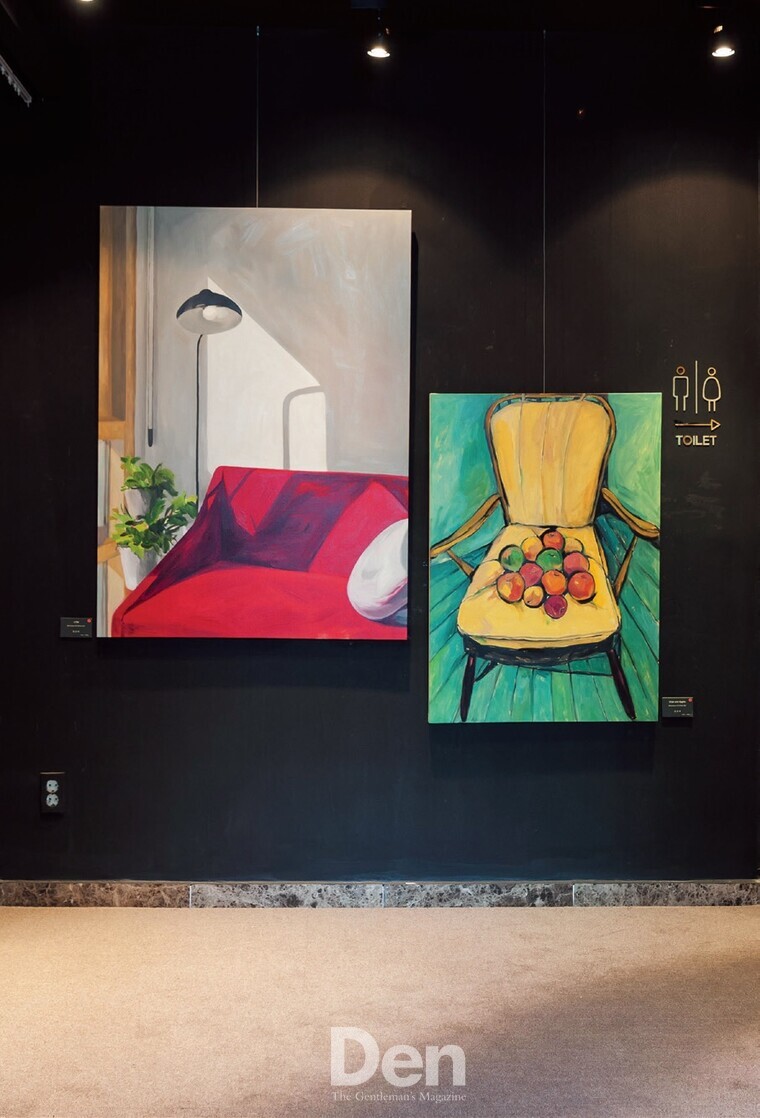
Exhibition view ©Den

What does “Flatness” mean in art?

Throughout art history, each era grappled with flatness in its own way. During the Renaissance, the key issue was perspective—how to depict the three-dimensional world as realistically as possible on the two-dimensional plane of a painting, often through illusionistic techniques.

Cézanne, however, broke from this tradition. Instead of creating optical illusions, he observed forms closely and painted them as he perceived them, building a modern pictorial space through layered brushstrokes. He wanted the viewer to be aware that a painting is, fundamentally, a flat surface.

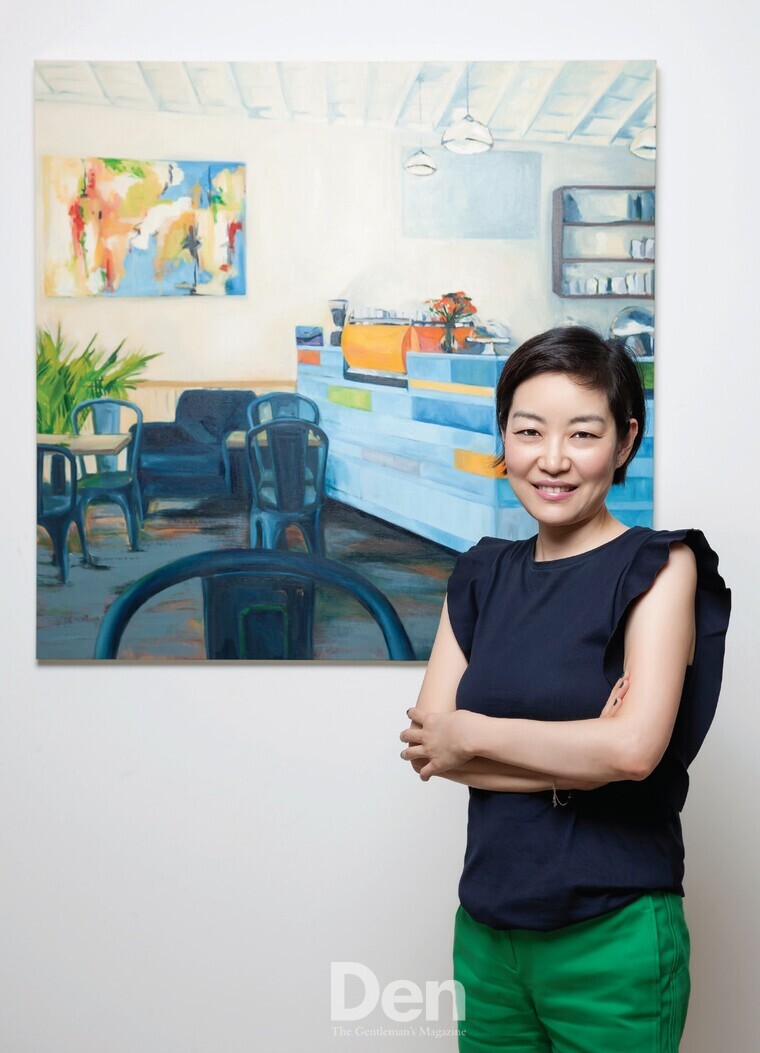
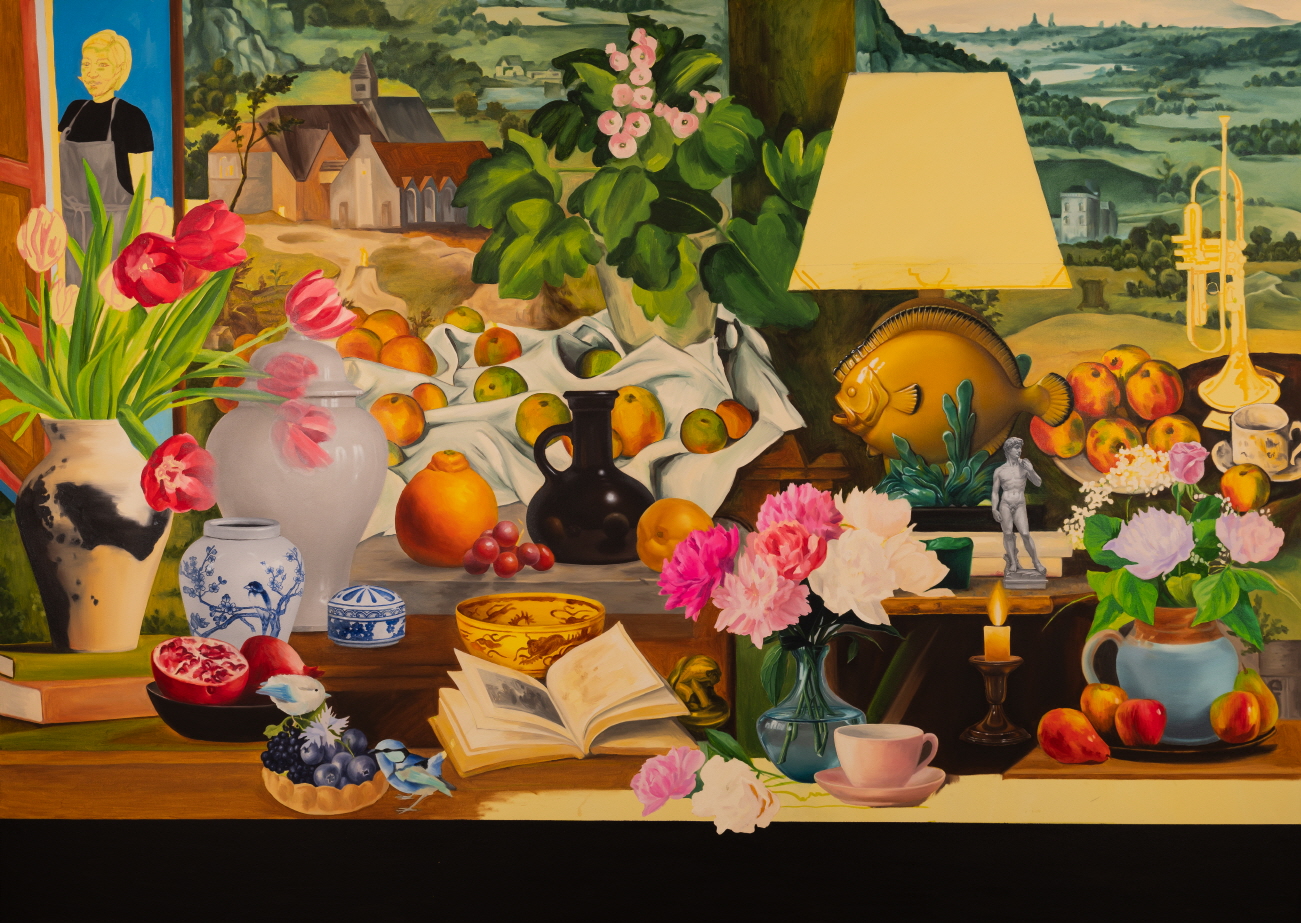
In the postmodern era, artists reinterpret earlier art movements in their own ways. Each artist approaches flatness differently. My approach stems from Heinrich Wölfflin’s concept of the “painterly” and continues aspects of Cézanne’s thinking. Rather than outlining objects with clear boundaries, I blur or overlap contours, emphasize spatial depth, and construct integrated compositions—this is the “painterly painting” I pursue. I’m still at the beginning of my journey as a painter, and finding my own language remains my most important task.
 
 
You previously worked in video art.

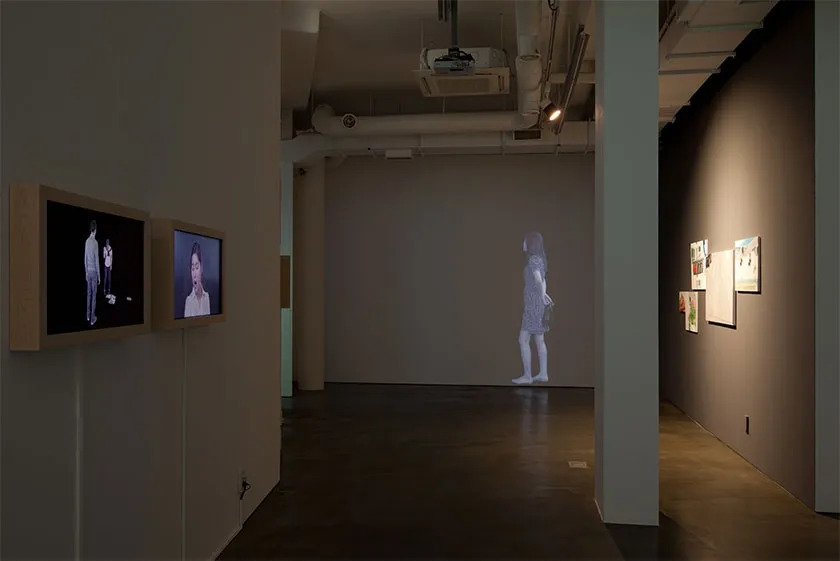
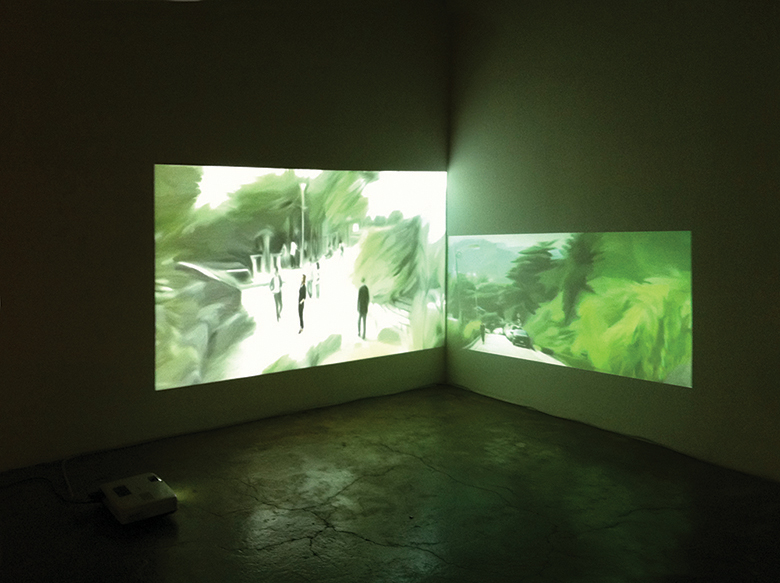
I majored in Western Painting during my undergraduate studies, and later studied printmaking in graduate school. It was through the idea of expanded printmaking that I began working in video. My first solo exhibition was in 2003, so I spent about fifteen years making video art.

My early work explored “multiple identity,” focusing on the self. I used editing techniques that replicated or composited video footage itself. As my interests shifted toward popular culture and media, I began addressing the way media shapes our views of women and society, using clichés—drama scenes, dialogue, sound fragments—to construct my work.


Im Sunny ©Den

How does it feel to be working as a painter now?

The more I paint, the more difficult it feels. Painting has a completely different nature from video art—the approach, the method, everything is different. The hardest part has been unlearning the habits formed through years of video work. On a flat rectangular canvas, I must contain everything I want to express, yet it often refuses to follow intention.

References