“If
an image is a site where multiple perspectives intersect, then we might
associate the image with the notion of a ‘gap.’ For, as a singular act, the
image is not an isolated object that belongs to one viewpoint or another, but
rather nothing other than the tension that emerges in the space between those
perspectives. (…) It is within this widened gap that the image begins to
vibrate and pulse.” [1]
A
certain writer once said that a mountain is a strange head that has risen from
the ground, and that a river is the tear shed by the mountain. The deer, then,
quenches its thirst from the mountain’s sorrow. In Cha
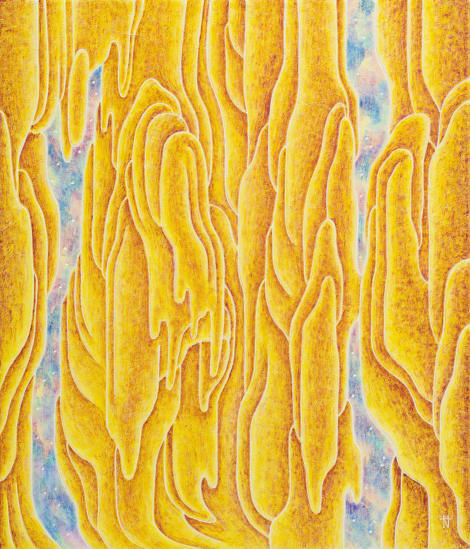
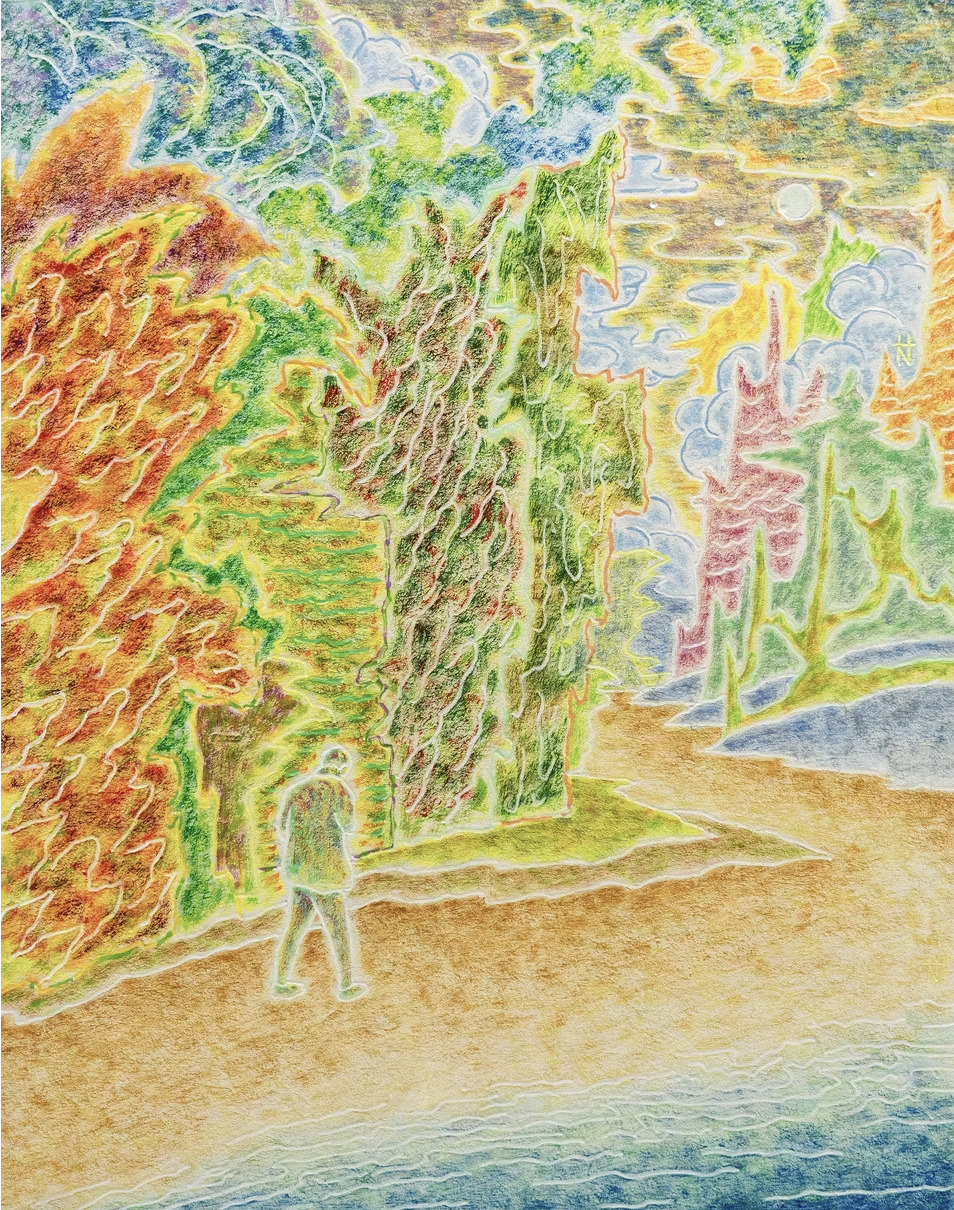
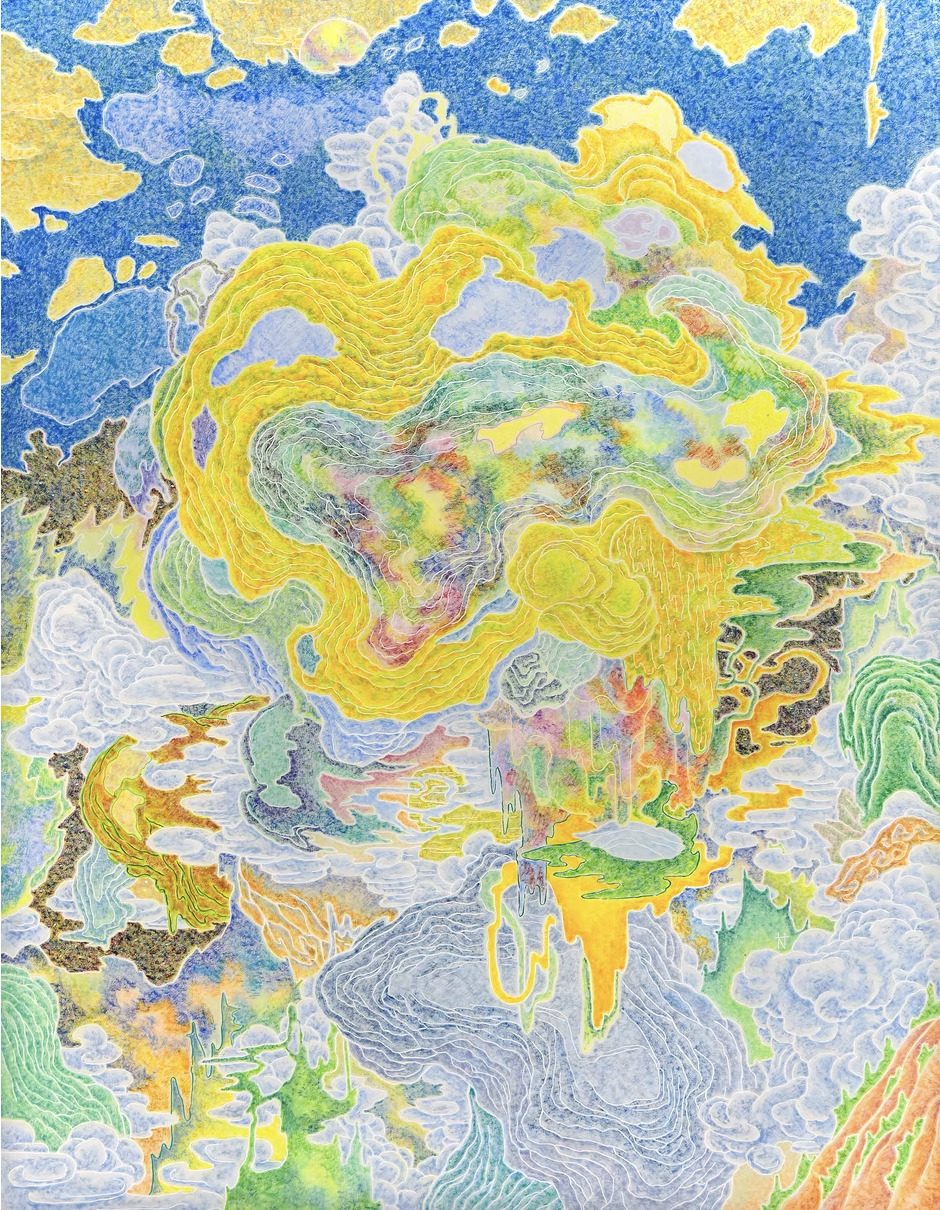
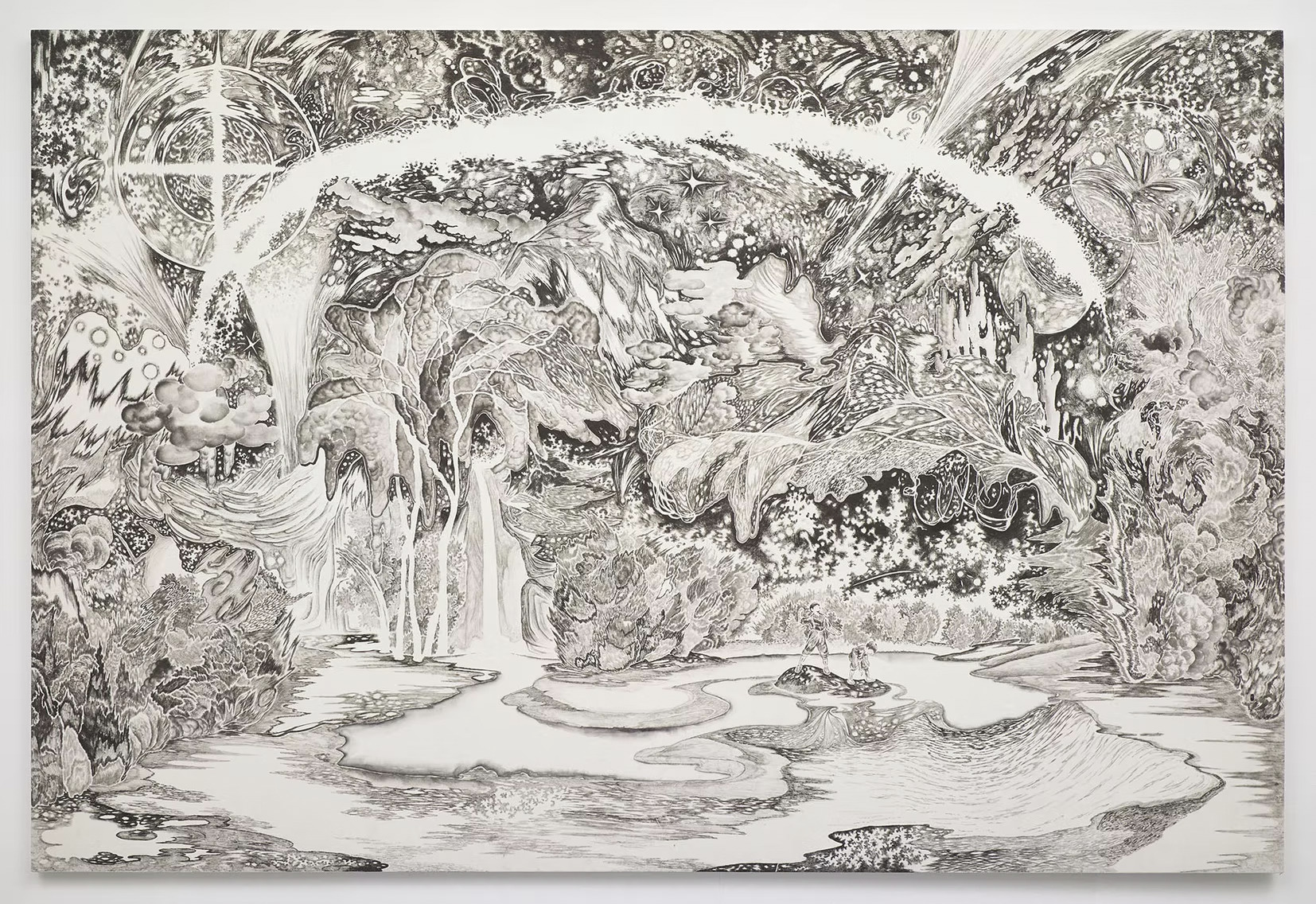
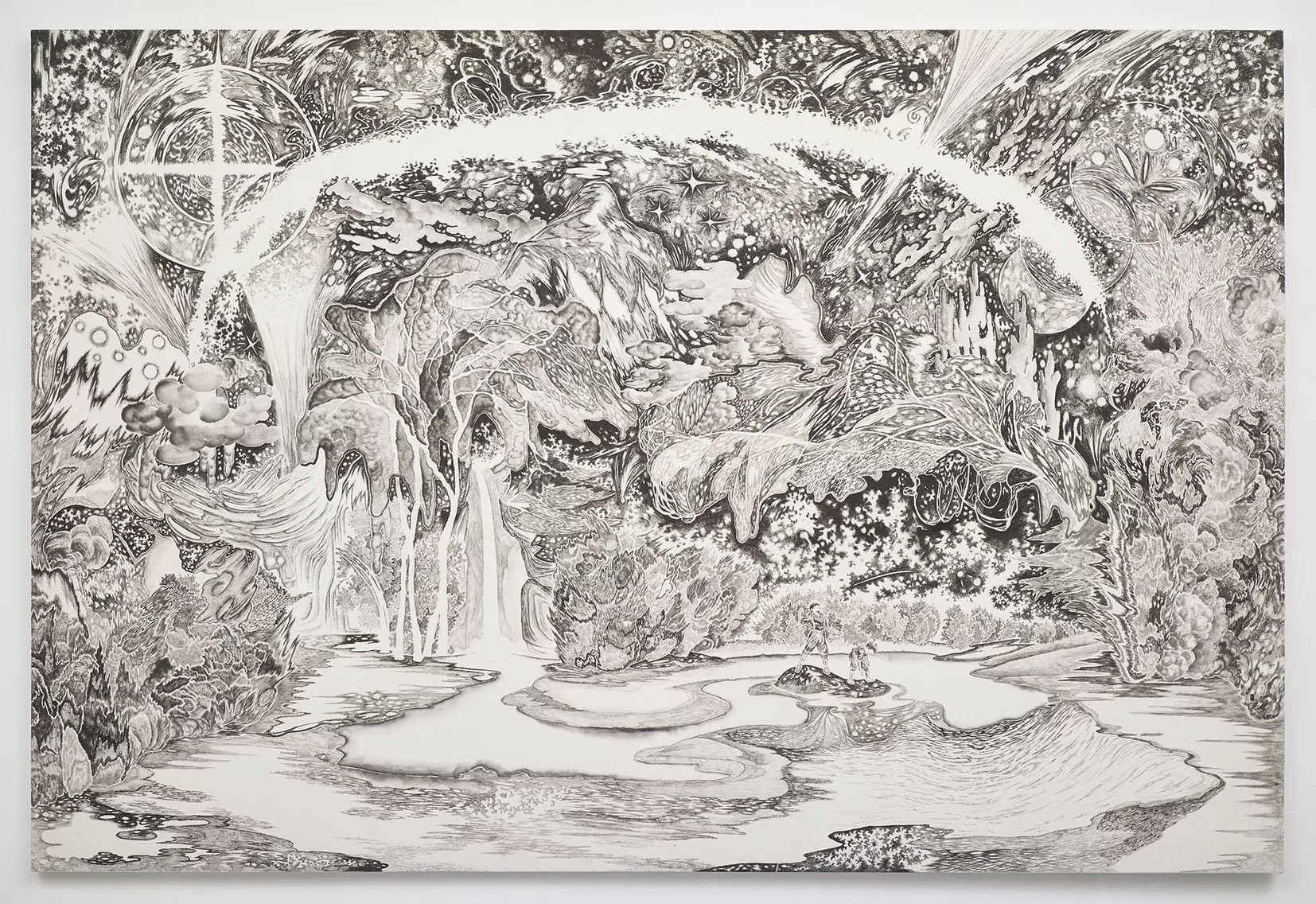
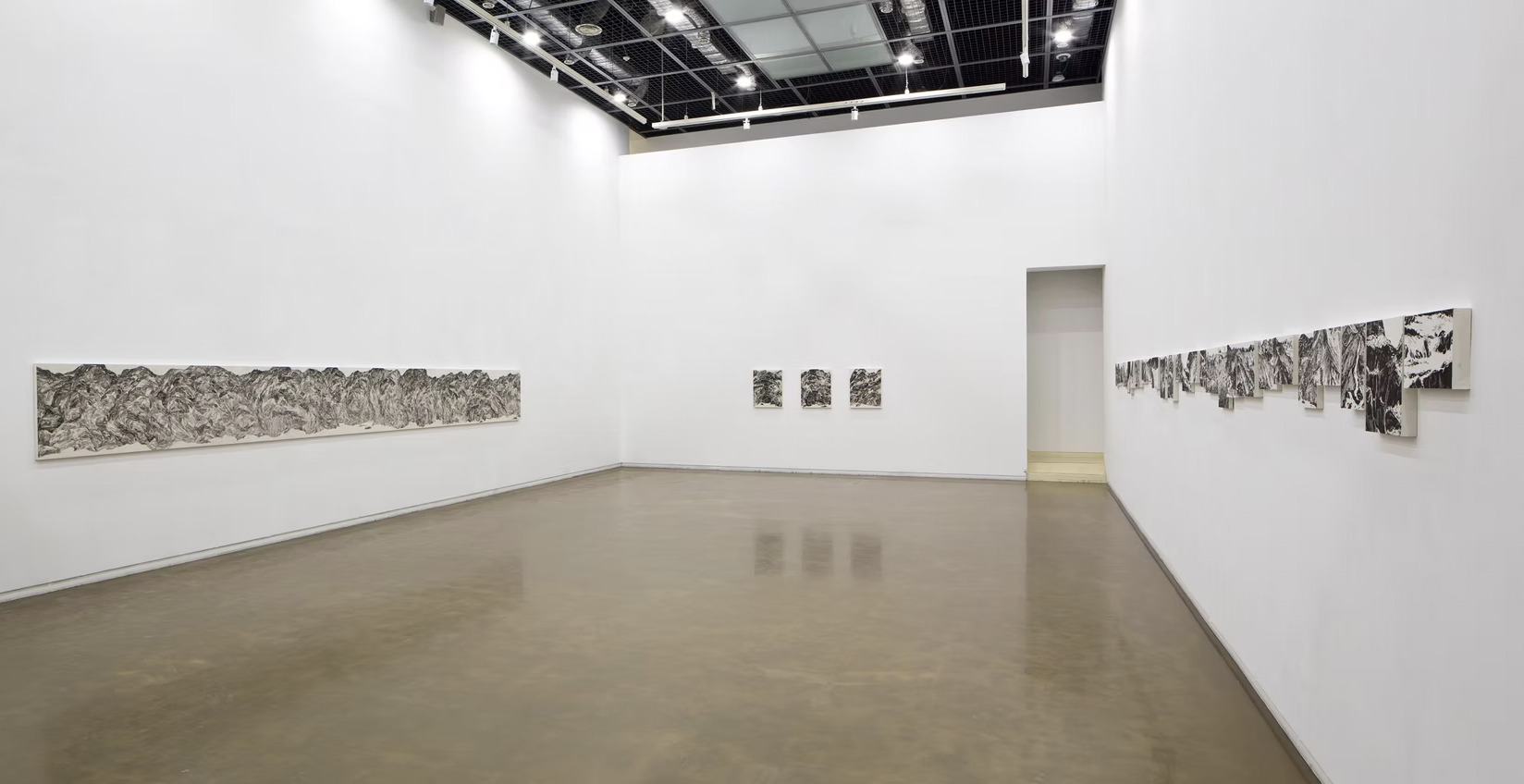
Hyeonwook’s Endless Night, streams flowing from
landscapes of memory gather to form a river. If one were to cup the trickles in
one’s hands, their color might be, perhaps, polychromatic. That distant cosmos
once observed through a telescope might glow blue, the four trees seen from the
entrance in Songchu-dong might be tinted with the color of the wind, and the
faded landscapes of memory might be aglow with the hues of a sunset.
If
one could speak of the time that is not yet asleep as the boundary between day
and night, then there are beings that dwell in that threshold. Such things tend
to be precarious yet supple—they ride the breeze or drift with a scent,
crossing without warning. These memories are not like the momentary blooming of
spring, nor are they the fleeting remnants of a passing airplane. Rather, they
are like footprints left in unset cement—traces that persist even as time flows
over them in layers, waiting only for a light dusting to reappear just as they
were. That’s how memory works. Even the slightest gap lets it rush in,
unannounced.
One
of the advantages of painting is its ability to summon back moments, scenes,
and landscapes that no longer unfold before our eyes. If a darkly pressed dot
is the scene as fact, and the way a droplet spreads across it is the landscape
of memory, then there is a realm that lies just beyond where the brush no
longer reaches. That space is a gap in the sense that it cannot be crossed, and
a void in that it remains unfilled—but it is precisely this “widened gap” that
generates movement and makes room for another kind of imagination.
This
gap becomes the Milky Way stretching across an endless night, a waterfall
flowing through it, and the snowflakes scattering above. Each landscape,
interwoven with others, cuts across the void, and these crossings together form
a cosmos. And that realm is neither day nor a night that vanishes with the
morning. It is, like the title suggests, an endless night—where landscapes from
unexpected memories intersect.
But
this is, after all, a world of imagination. If you choose to believe it, that’s
enough. Perhaps we’ve only visited it in dreams. On the back of a
postcard—stamped with cosmic patterns as if sent from some unknown planet—these
words are written:
滄海月明珠有淚 “The moon bright on the blue sea—tears become pearls.”
藍田日暖玉生煙 “On warm days, mist rises from jade stones in
the southern hills.”
此情可待成追憶 “This feeling could have waited and become a
memory,”
只是當時已惘然 “But even then, it was already too
heartbreaking.”
—
Li Shangyin, Jinse (The Brocade Zither)
[1] Georges Didi-Huberman, Survivance des lucioles, trans. Kim Honggi, Gil
Publishing, 2020, pp. 170–171.
[2] Pascal Quignard, Vie secrète, trans. Song Uikyung, Moonji Publishing,
2001, p. 353.