







Solo Exhibitions (Brief)
Cha’s
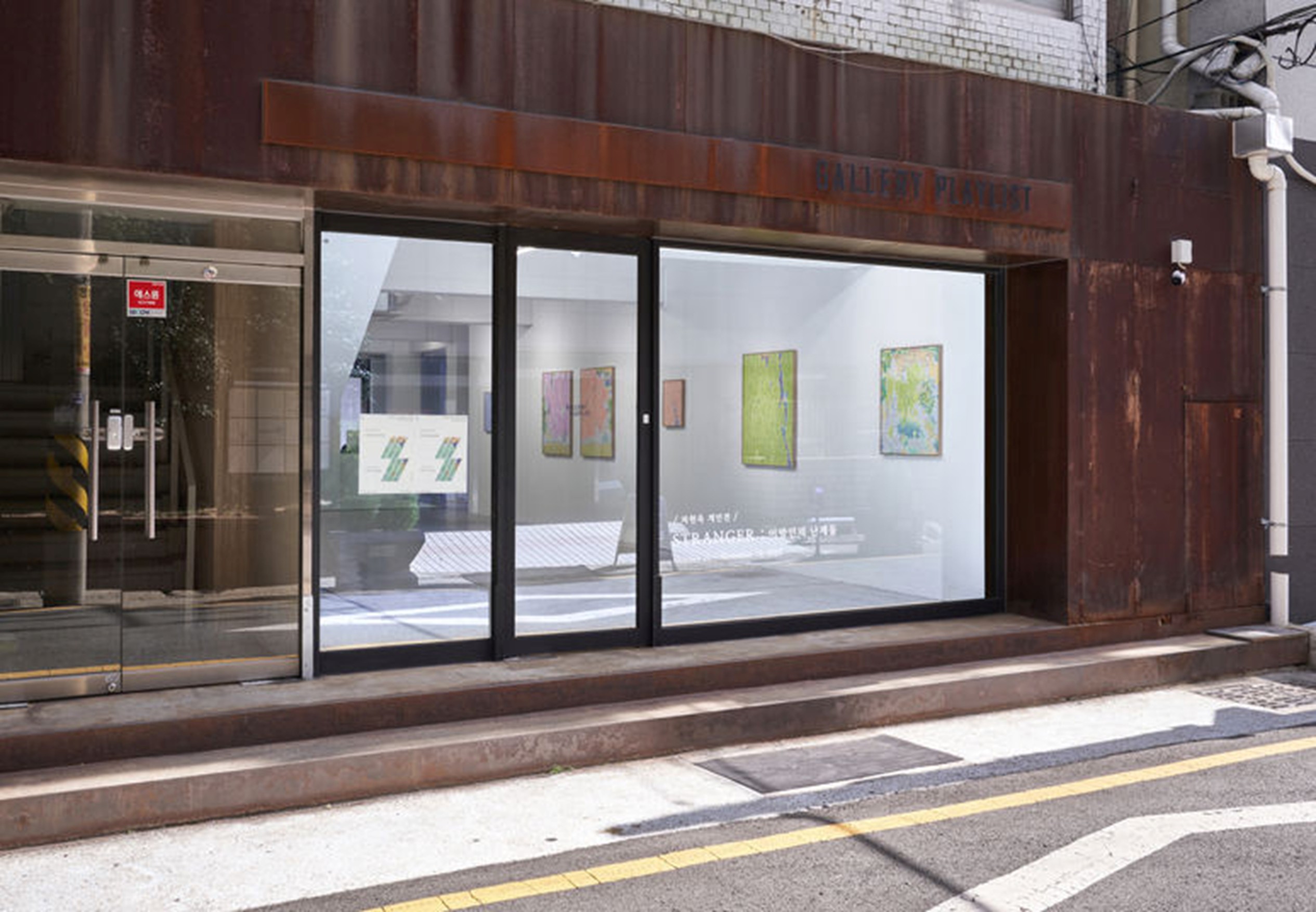
solo exhibitions include 《Low Glide》 (Arario Gallery, Seoul, 2024), 《Stranger》
(Gallery Playlist, Busan, 2023), 《A
Little More, Closer》 (The Necessaries, Seoul, 2022), 《Staying through the Shadow》 (Gallery 175,
Seoul, 2020), 《Night Blooming Flowers》 (Daegu Art Center, Daegu, 2018), among others.
Group Exhibitions (Brief)
Cha has
also participated in numerous group exhibitions such as those held at Incheon
Art Platform (Incheon, 2025), Outhouse (Seoul, 2023), Kumho Museum of Art (Seoul,
2022), Daegu Art Factory (Daegu, 2020), Jeonnam International Sumuk Biennale (Jindo,
2018), Zaha Museum (Seoul, 2018), Daegu Art Museum (Daegu, 2018), Posco Gallery
(Pohang, 2016), and Cheongju Art Studio (Cheongju, 2016, 2014).
Awards (Selected)
Cha was awarded the
‘Young Artist of the Year’ (Daegu Art Center, Daegu) in 2018 and the ‘4th
Gwangju Hwaru Artist Award’ (Gwangju Bank, Gwangju) in 2020.
Residencies (Selected)
Cha Hyeonwook was selected for the residency programs at the Gachang Art Studio (Daegu, 2012) and the Cheongju Art Studio (Cheongju, 2014).
Collections (Selected)
Cha’s works are in
public collections such as the National Museum of Modern and Contemporary Art,
Art Bank, Daegu Art Museum, Daegu Arts Center and Seoul National University
Museum of Art.