"Wait till you’re my age and see. This
country won’t change no matter what you do… I wish adults wouldn't say such
things."1)
This was the headline of an article featuring
interviews with Korean secondary school students serving in the Youth Assembly.
When I read the article some time ago, I was reminded of a conversation I had
with my mother two years ago. We were having coffee at a café when the subject
of the Candlelight Demonstrations (a nationwide movement to oust President Park
Geun-hye from office in 2016 and 2017)2) came up in conversation.
My mother asked me if I went to “those sort
of things” too. Taken aback by the implication of those words, I replied to
her, “Of course I go to those places too, mom. But not every week.” My mother
looked at me with a mixture of compassion and pity in her eyes. She smiled
bitterly. “Do you think [your actions] will change the world?”
I am one of the older members of the
“millennial” generation in Korea—those born between 1980 and 1994. We learned
modern history edited according to the political leanings of whoever was in
power at the time. Our tiger parents drilled us through the fervently
competitive education system to ensure we entered the top universities and
lived more comfortable lives than theirs, but we cannot ever hope to achieve
the same level of economic success as their generation with the Korean economy
in constant depression and with the real estate market plagued with speculative
investments.
While we are adept with technology as either
“digital natives” or “users” and receive the benefit of higher education, we
are also moving out of our familial homes later than preceding generations.
The generation before mine, the generation of
my youngest aunts and uncles, is called the 386 Generation3) or the
Democratization Generation. Before that is the Baby Boomers, my parents’
generation, who spent their adolescent years during the two military
dictatorships. Their parents’ generation, the Silent Generation, acquiesced to
their given fate. Each generation’s knowledge of modern history was shaped by
the political aims of those in power, which is why although I was raised by my
parents, their view of the Candlelight Demonstrations differs from mine.
Of the legacy each generation leaves behind
for the next, some things are meant to be forgotten and relearned. As Korea is
an ethnically homogeneous nation, issues like class conflict and racism are
relatively obscure. However, there clearly are disagreements between the
generations, mainly surrounding the blatant lack of
understanding on gender issues and acceptance of multiracial
families. Korean millennials are now in the process of exposing such issues and
bringing about change.
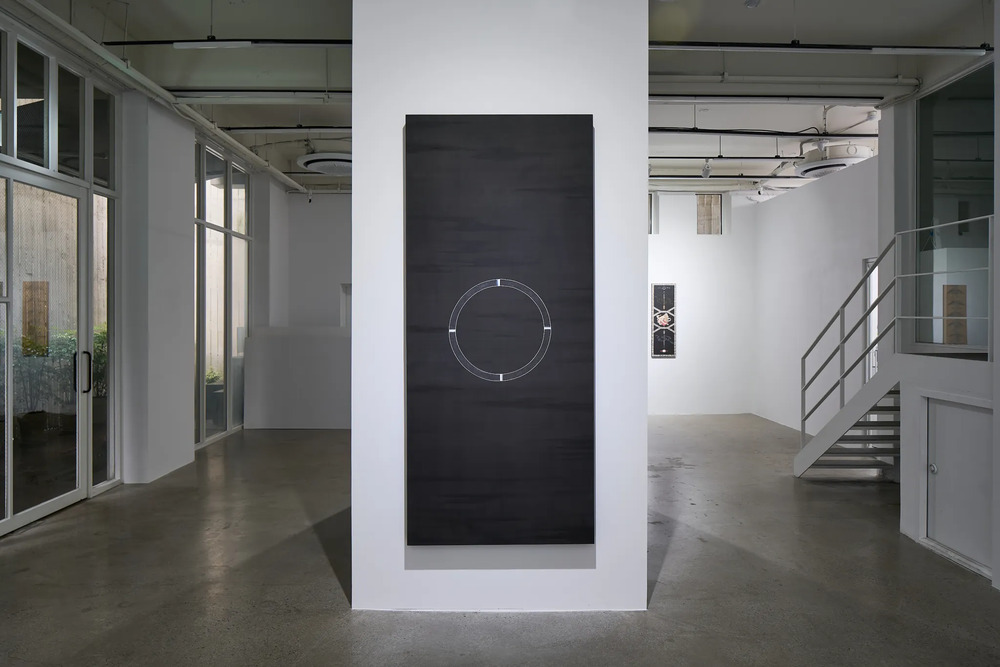
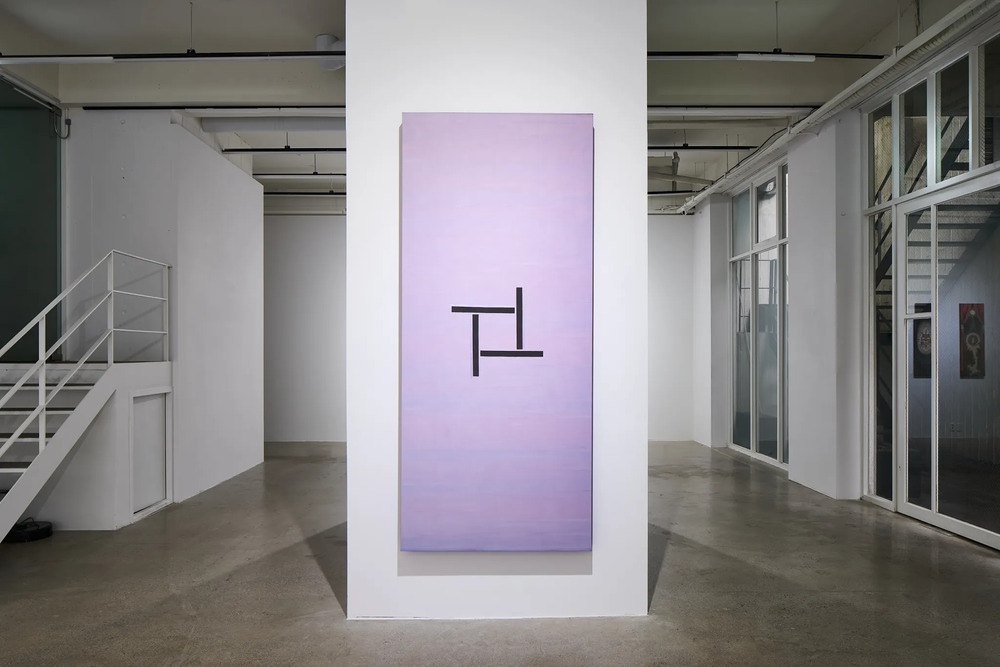
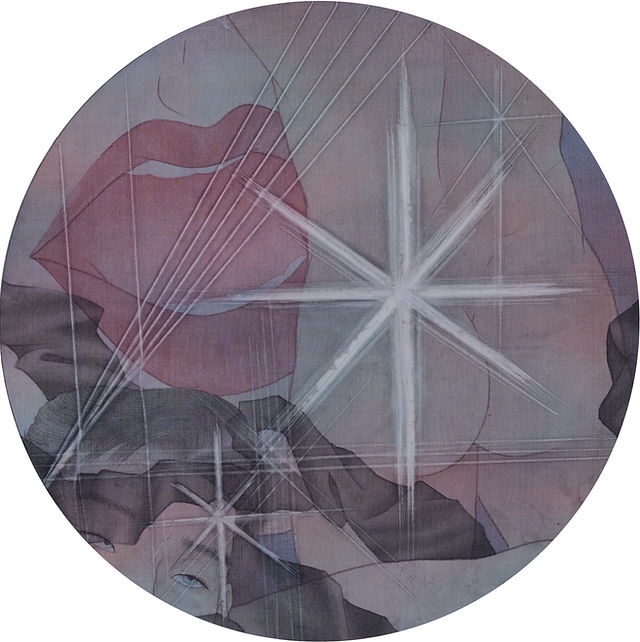
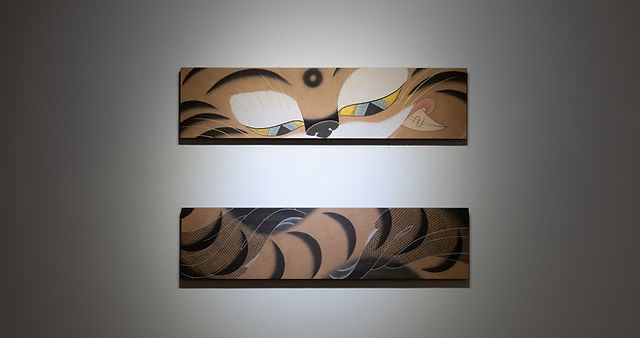
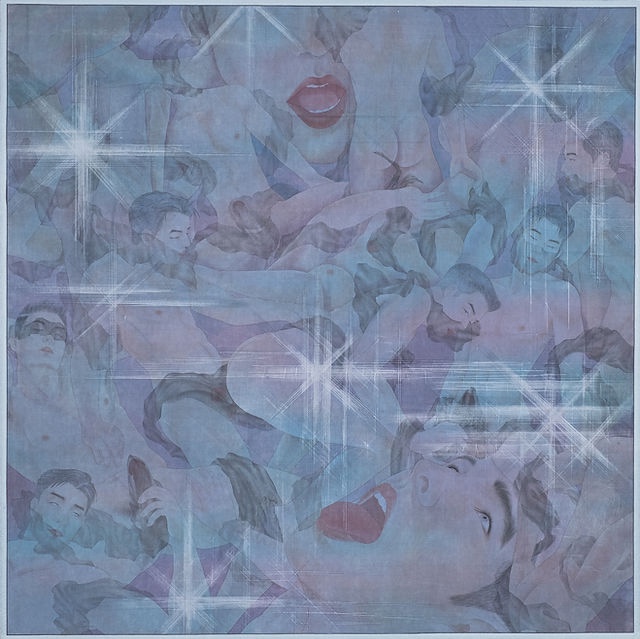
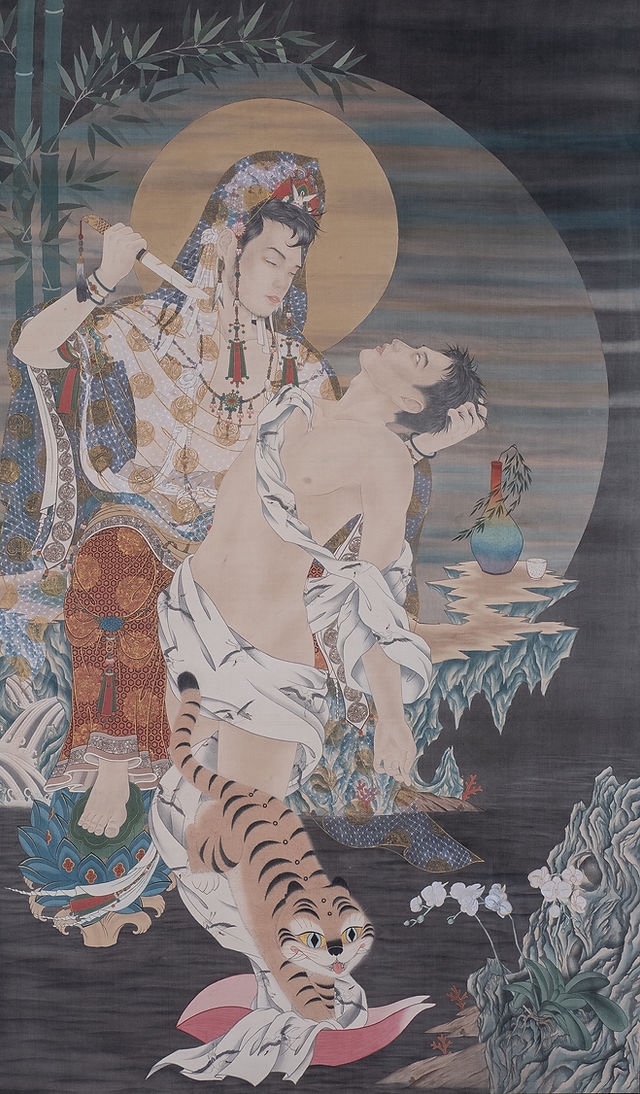
《Flags》 is an exhibition I have built through the process of observing,
interacting with, and studying my family, neighbors, and others in and around
my life: separate generations of a seemingly homogeneous Korean society. The
exhibition begins with the imagery of “flags” hoisted by many individuals and
groups during the Candlelight Demonstrations of 2016 and the responses that
followed thereafter.
The groups represented by the flags during
the protests of 2016 and 2017 went beyond the scope of the usual protesters,
largely comprised of universities, labor unions, and political parties. Such
new flags included the flag of the Green Party, which advocates for
environmental movements, the rainbow flag of the LGBTQ+ community, as well as
countless flags of other civil organizations. Other protesters engaged in a
playful jest using flags by parodying existing organizations.
Flags for the
Korean Confederation of Cat Unions, Rhino Beetle Research Association, Aquarium
Sans Frontiers, and the Federation of Korean Dog Owners were raised. These
flags served as “floating signifiants” (@jangpoongyeon, the Rhino Beetle
Research Association's Twitter account), whose bearers participated in and
contributed to the protests in the context of their respective interests. The
flags they hoisted proclaimed their identity, beliefs, and orientation and
signified the bearers' social coordinates.