Exhibitions
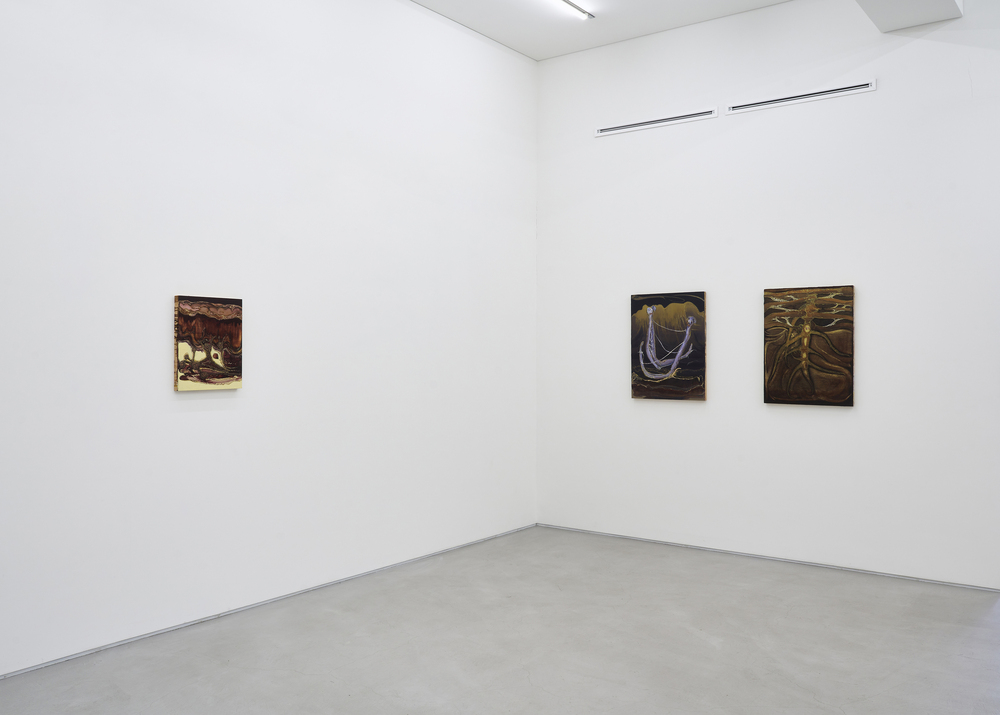
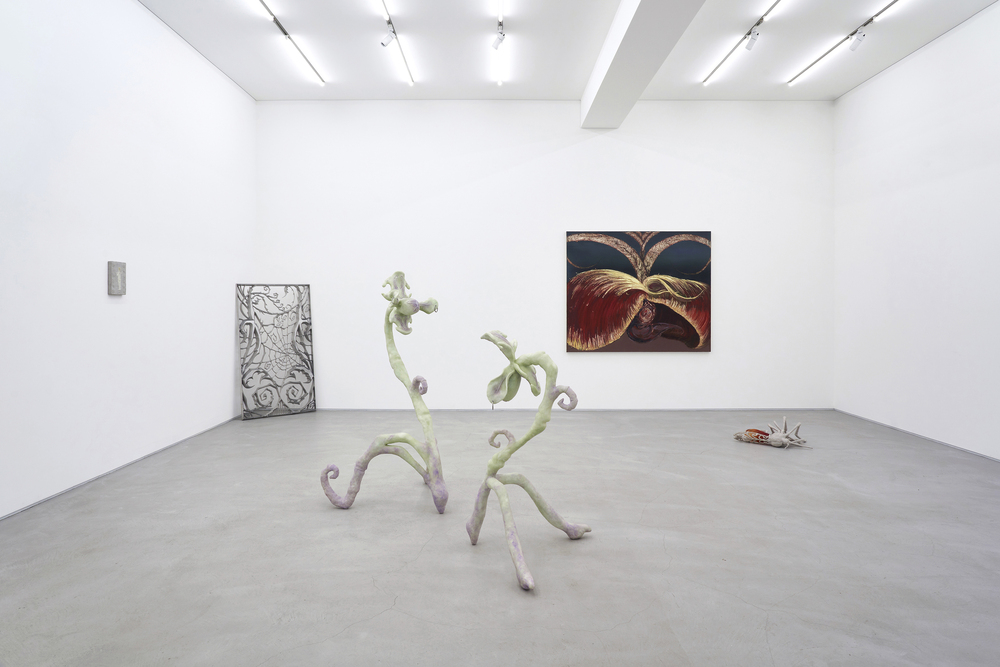
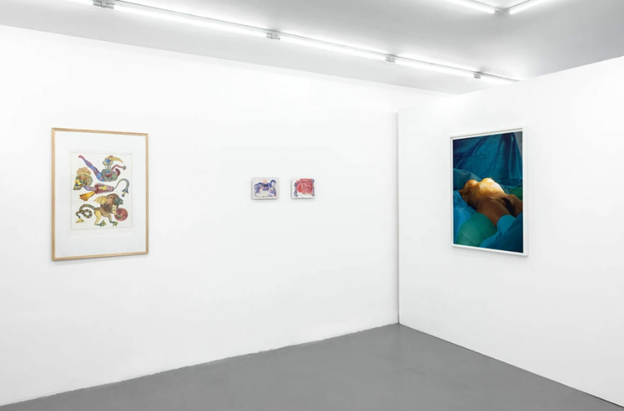
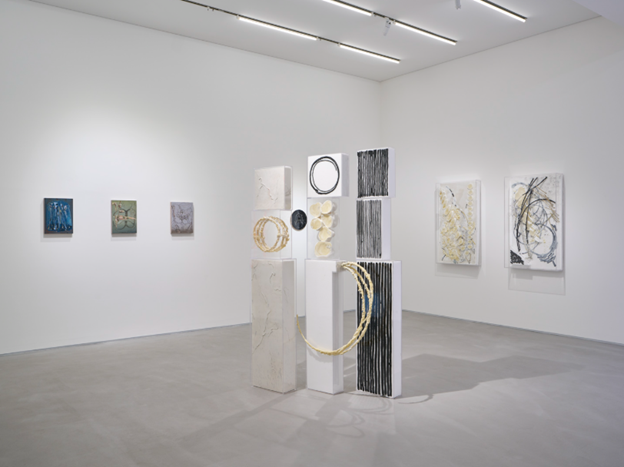
《Exoskeleton》, 2024.04.26 – 2024.06.08, P21
April 25, 2024
P21

Installation
view ©P21
Their
internal anatomy externalised, exoskeletons are both haven and spectacle,
offering shelter and concealment for the animals they encase. Our perceptions,
often focused on our external existence, obscure our enigmatic interior.《Exoskeleton》is a group
exhibition that confronts the discord between our outward perceptions and the
complexities of our internal anatomies.
In
the process of externalising and reimagining human organs and bones, the works
in this exhibition explore the enduring cognitive dissonance between our
external facade and our intricate internal reality; a discord that has echoed
throughout history and was especially felt, amidst the recent turbulence of the
COVID-19 pandemic. Historically our disconnect with our anatomies has
persisted, manifesting enigmatic ailments and sought remedies rooted in
superstition, folklore, and pseudoscience.
Today, this disconnect is evident in
the proliferation of conspiracy theories, where individuals turn to purported
panaceas for ailments ranging from the common cold to chronic illness.
Similarly, diets and fitness regimens marketed as quick fixes exploit our
insecurities and anxieties, capitalizing on our fragmented understanding of our
internal anatomies and the persistent desire for control over our bodies,
underscoring the enduring quest for empowerment in the face of medical
ambiguity, perpetuating a cycle of mistrust and vulnerability.
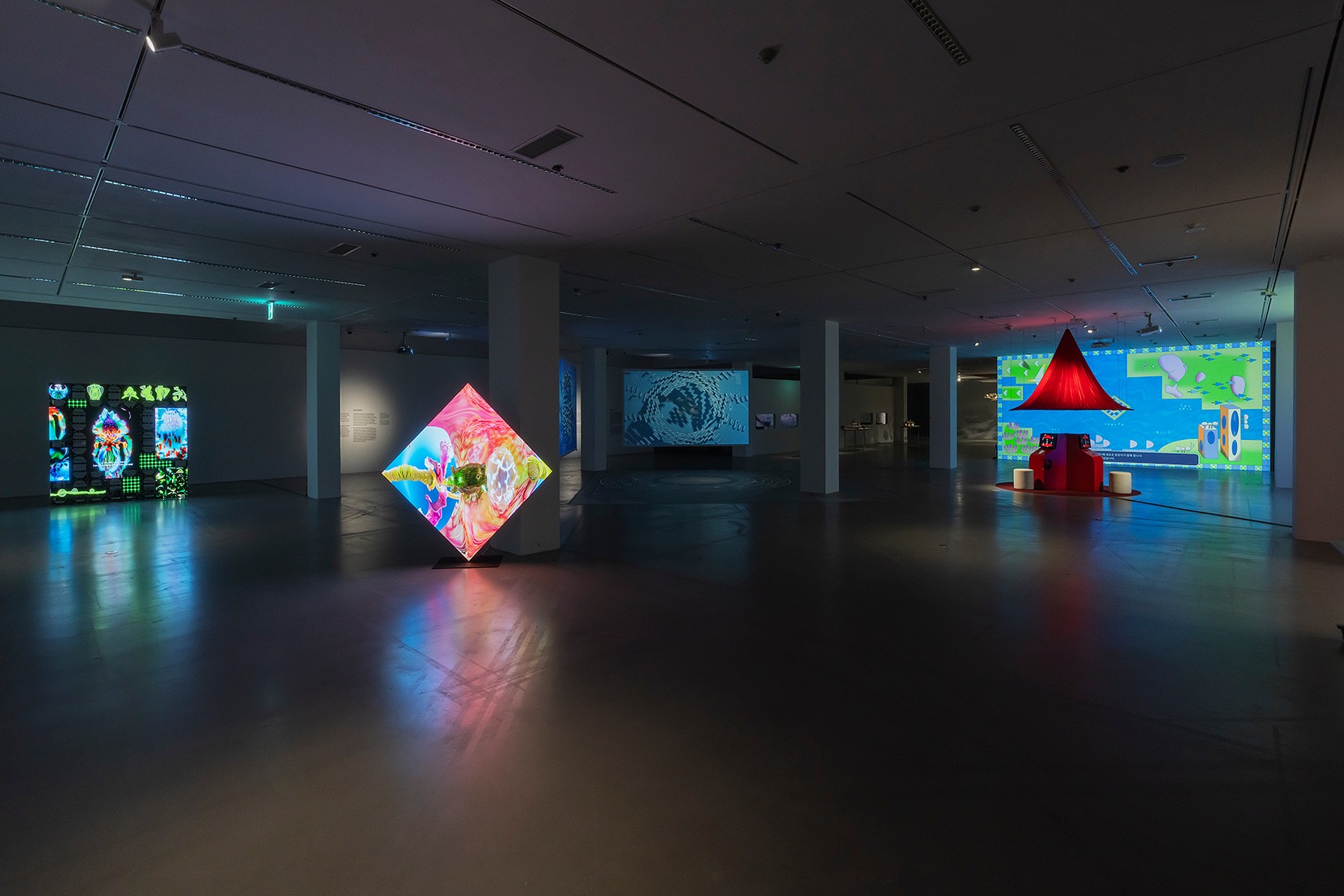
Installation
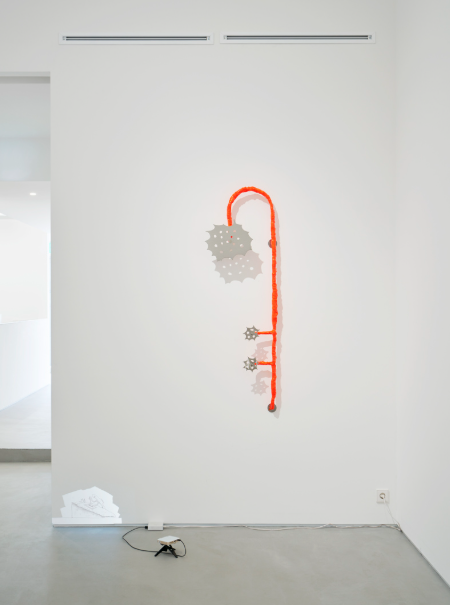
view ©P21
The
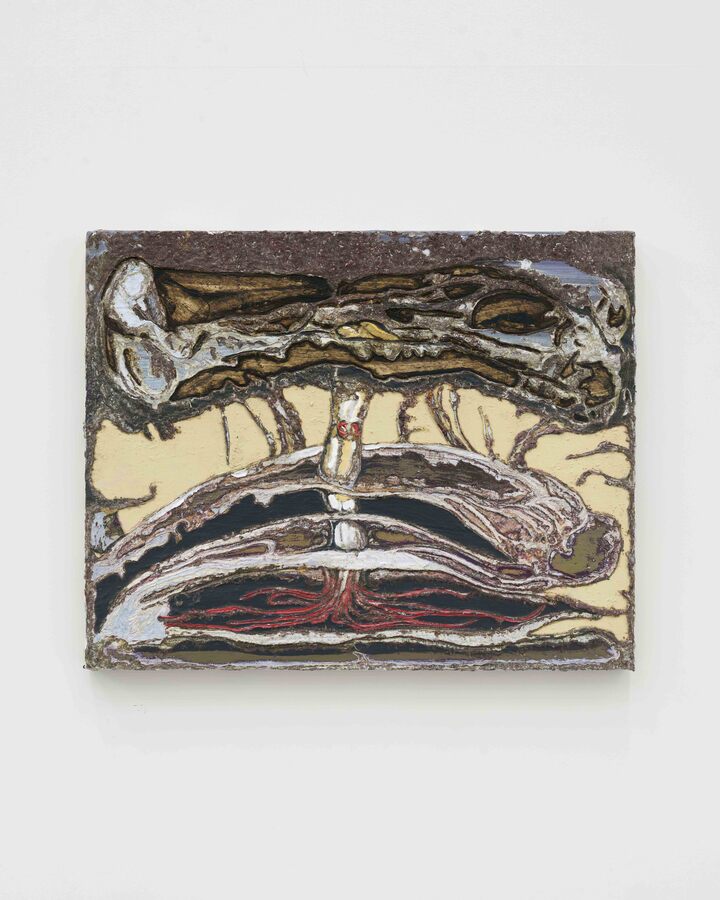
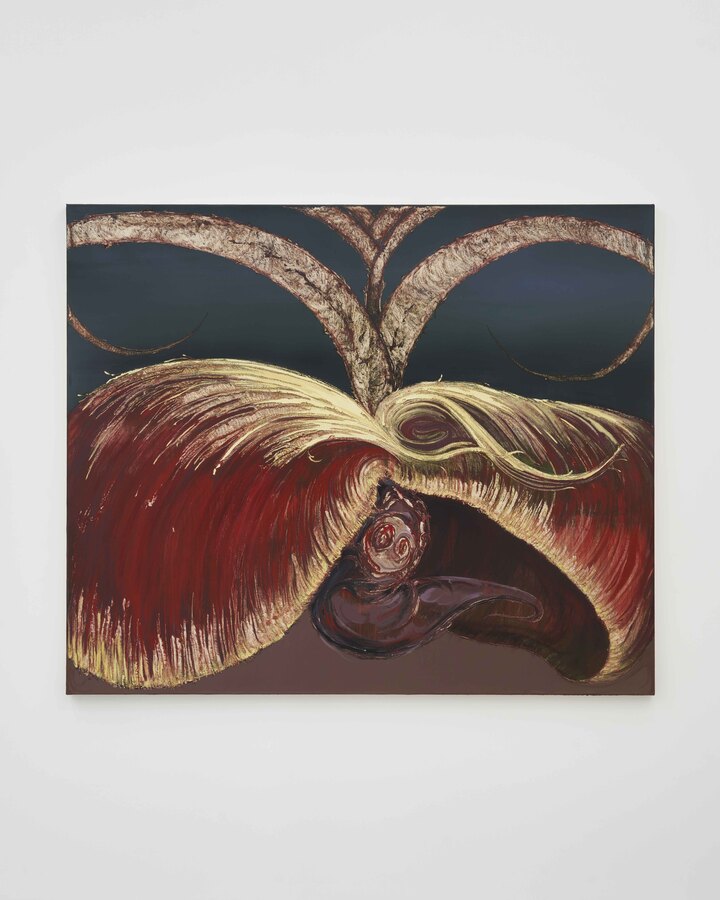
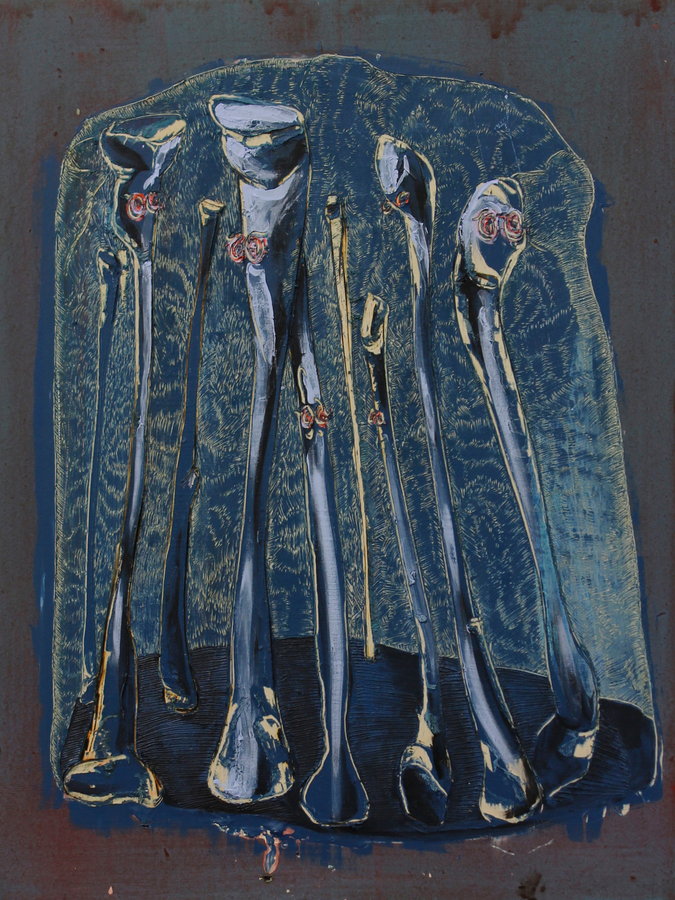
artists interpret and reinterpret our internal anatomy; bodies are laid bare,
brains, livers, muscles, tissues, and bones, prompting contemplation on the
intricate nature of our physical selves. In meticulous detail the human form
becomes a canvas for introspection, revealing every external influences that
leave their mark on our bodies and psyches reminiscent of scientific
illustrations. Antique scissors feature both as a motif and a tool for surgical
exploration, a pragmatic symbol to understanding our interior forms.
Sculptures
blur the boundaries between the tangible and the abstract, displaying organs
and body parts reinterpreted and rearranged; a leg surgically cut into
sections, a perfect circle made from an intestine. Puzzle like canvas pieces
fit alongside one another, their surface undulating and writhing with the
movement of internal bloody landscapes. A bloody skin formed on their surface.
Organs stripped of their external flesh express elements of cartoonish
individuality, while subversively revealing the universal experience of the
human body.
A surreal parallel to the human skeleton is drawn with a bright
orange shower, revealing the permeable boundaries between the self and the
environment. In tune with the shower an animation tells a story featuring a character
nonchalantly pulling eyeballs, his own body exposing his bony ribcage. Without
our outer shells are we more human or less, are the neuroses spurred from our
misunderstanding of our own bodies what define the embodied experience?