As
part of its corporate cultural program, The Export-Import Bank of Korea
organizes exhibitions at the SAFE Gallery, located in the lobby of its
headquarters, selecting outstanding emerging artists recognized through
programs such as the National Museum of Modern and Contemporary Art’s 《Young Korean Artists》 and the Seoul Museum
of Art’s support initiatives.
This
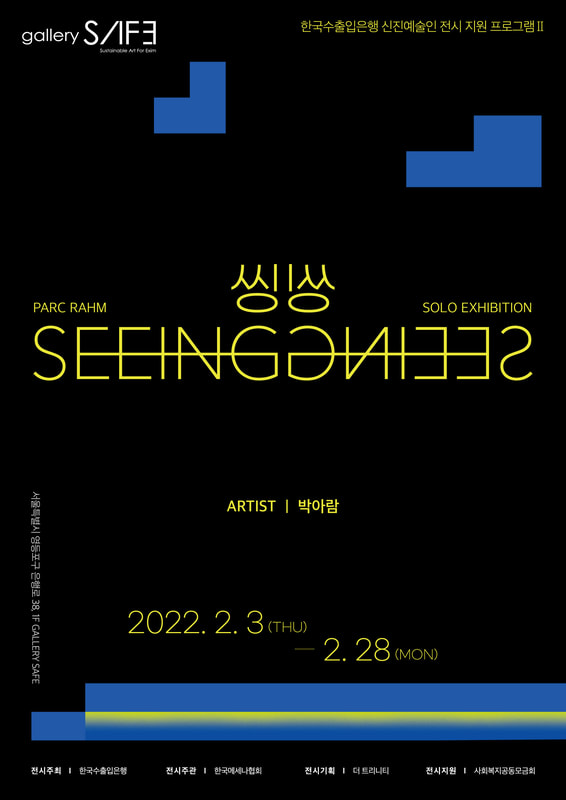
exhibition highlights the work of Rahm Parc, an artist who has already gained
recognition from leading institutions including the National Museum of Modern
and Contemporary Art, the Seoul Museum of Art, the Ilmin Museum of Art, and the
Asia Culture Center. Rahm Parc translates the digital language that underpins
contemporary society into the language of art, offering insight into how
contemporary modes of thinking operate. Just as spoken or written language
reveals the structure of thought, her work visualizes the operational
mechanisms of digital media tools, allowing viewers to contemplate fragmented
signs within our linguistic systems that often go unnoticed.
Many
contemporary artists approach digital media from humanities or sociological
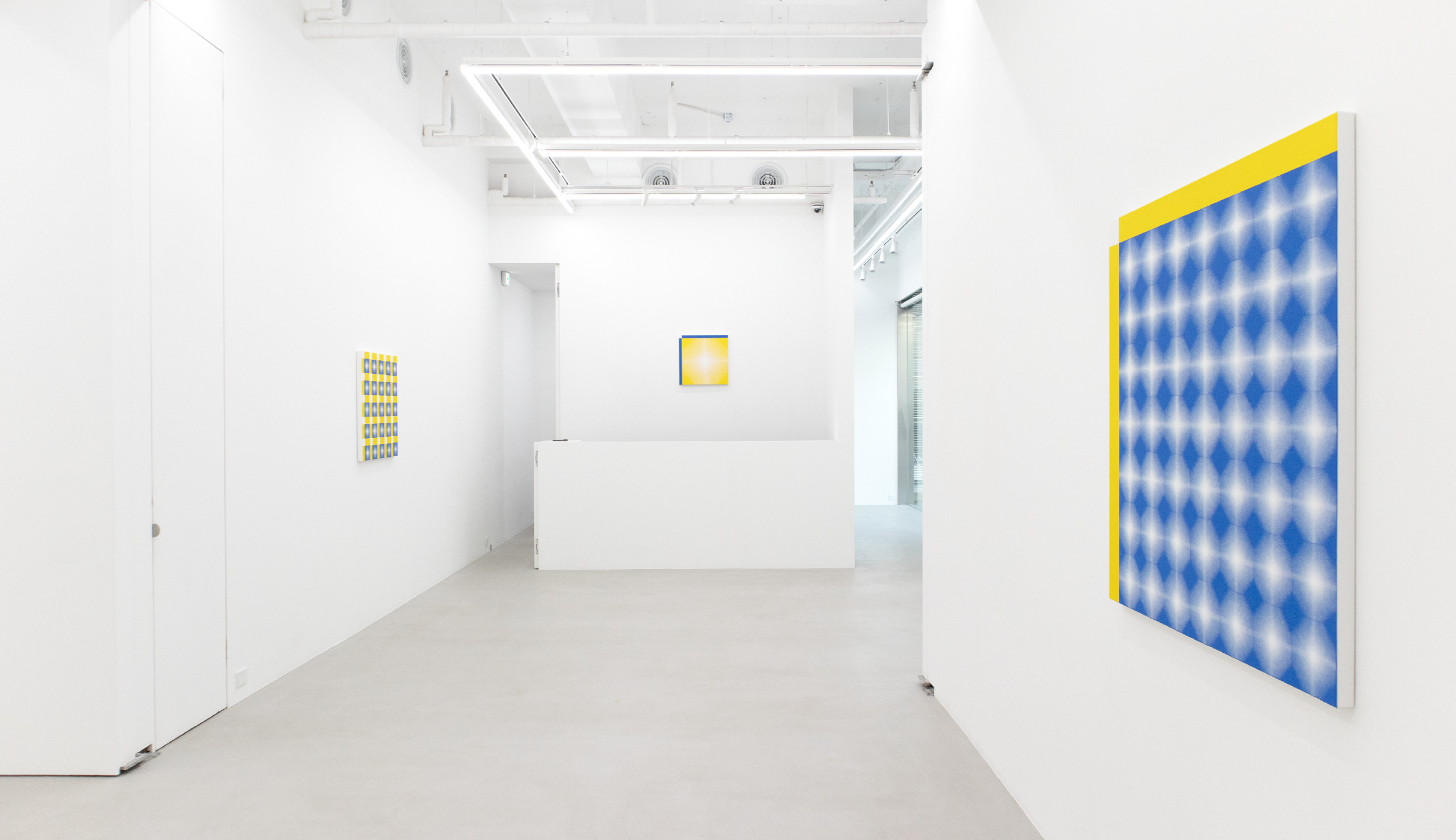
perspectives. Within this broader context, Rahm Parc takes a sculptural
approach to reinterpret how digital media analyzes and stores real-world data.
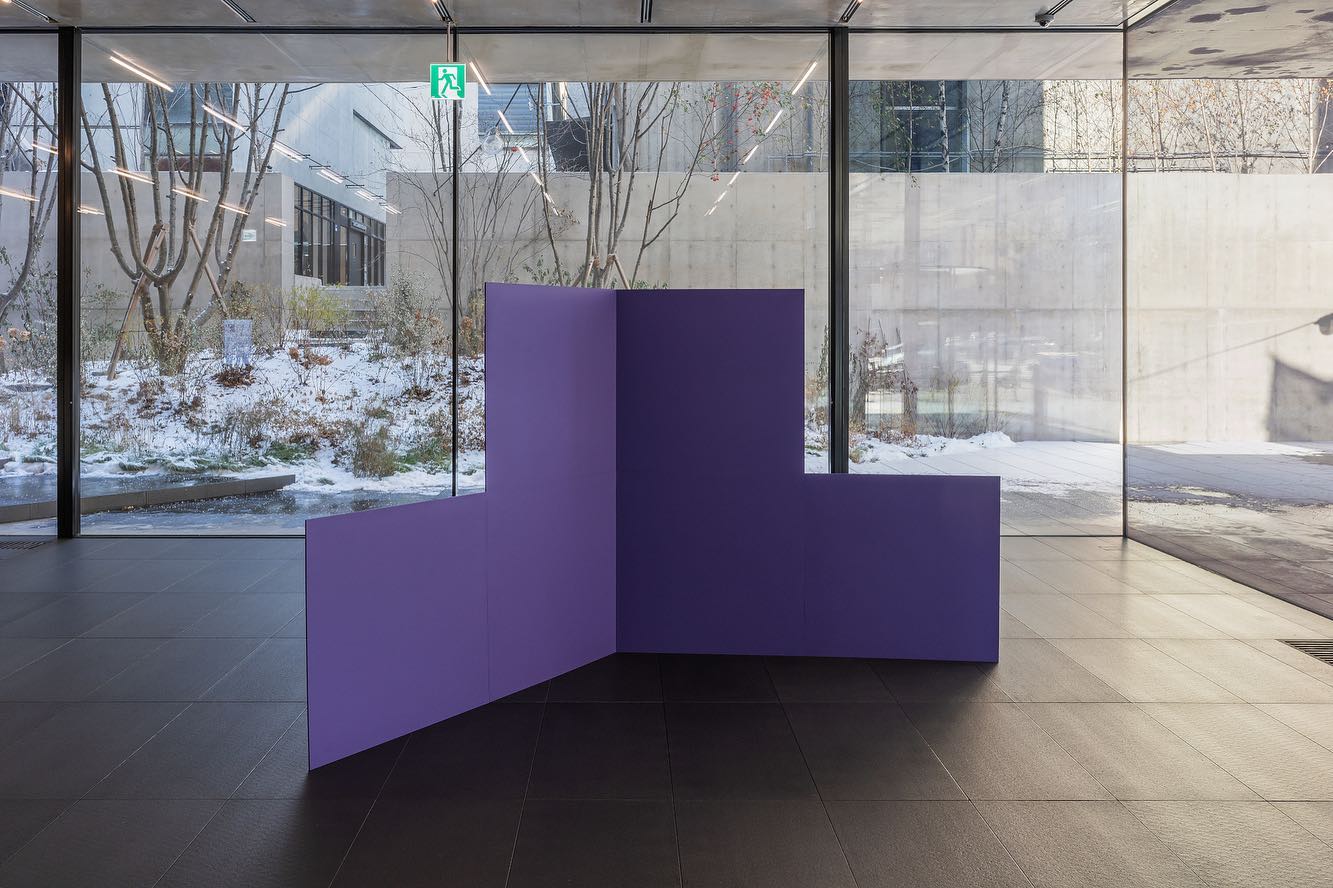
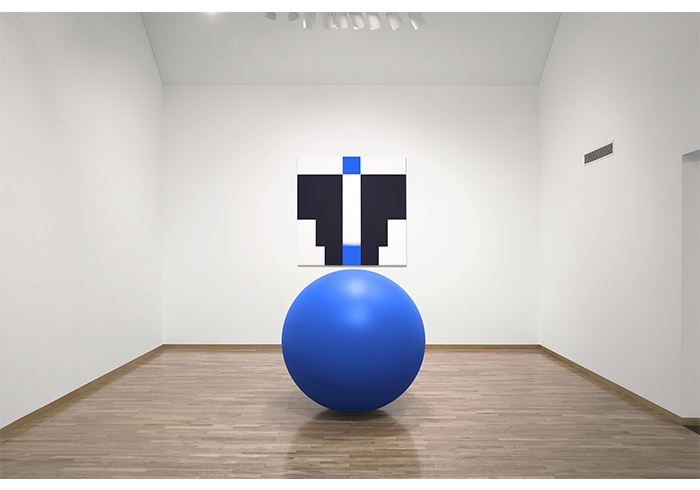
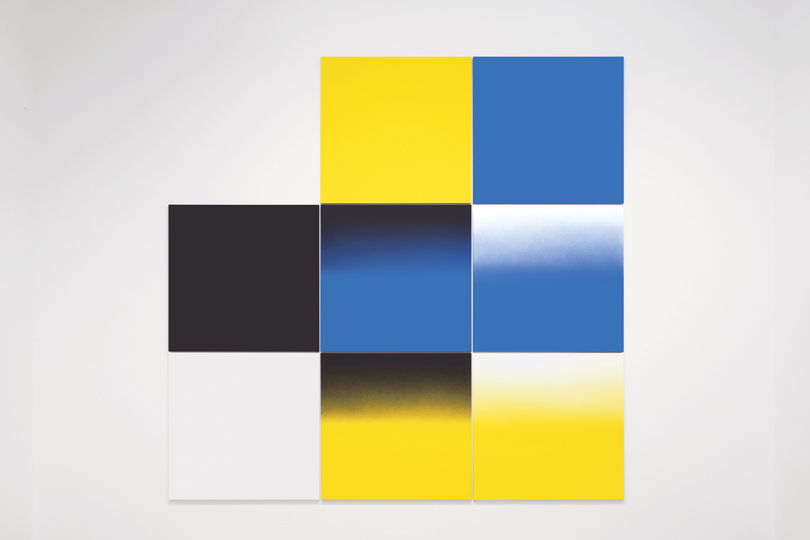
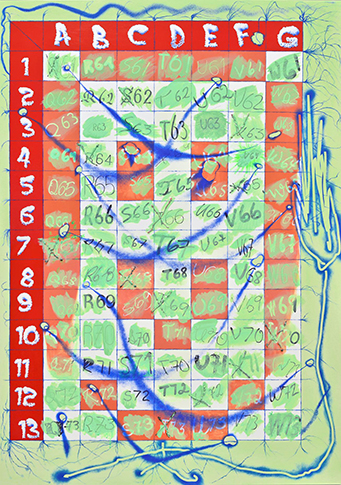
She converts the quantitative, computational processes of software programs
like Google Sheets or Excel into works composed of color and form. In her work,
the concept of an "index" transforms into "colors," and
formulas are reinterpreted as lines or planes indicating arbitrary vectors or
quantities. Much like how we input data to predict the weather or analyze DNA
methylation to estimate lifespan, the formal structures and color data embedded
in her paintings offer glimpses into an image that extends beyond the canvas,
suggesting a space yet to be depicted.
Rahm
Parc compares this predictive system to perspective drawing. Perspective,
developed during the Renaissance as a scientific approach rooted in geometry,
produces the illusion of depth within a two-dimensional space. Although
converging lines directed toward a vanishing point allow viewers to perceive
space, this is ultimately a pictorial illusion. Parc reconstructs the
computational logic of digital space through painterly techniques, envisioning
a new form of spatial representation that reflects how contemporary society
produces space and imagery.
Her
works prompt viewers to reflect on the rapid speed of transformation within
contemporary life, where we are compelled to adapt to constant technological
change regardless of individual will. Her AUTO series
captures this reality through the imagery of cars speeding through the night,
symbolizing the delegation of control (autonomy) to machines, akin to
autonomous vehicles. The proliferating units within her compositions expand
across black-painted gallery walls, integrating the exhibition space itself
into the artwork. Through this dynamic spatial arrangement, Parc playfully
unpacks contemporary modes of image production.
New
media has reshaped how we perceive reality. In an era where the metaverse is
celebrated and the boundaries between virtuality and reality blur, what does it
mean to believe in "reality"? We check daily statistics on weather,
time, or COVID-19 cases and gauge popularity or attention through the number of
likes on social media. Spaces filled with these numerical indicators, when
combined with the dimension of time, begin to suggest directionality,
transforming our conventional understanding of time and space. Within this
context, the new spatial landscapes Rahm Parc presents serve as markers,
inviting reflection on how we comprehend and navigate the world today.