Apollo, the god of the sun—also
the god of medicine, archery, music, and poetry, and above all, the god of
prophecy known for delivering the most brilliant oracles. The famed prophecy of
Oedipus's tragic fate, too, came from the Oracle of Delphi, the sanctuary of
Apollo. He moved the sun across the sky to bestow a rhythm of order upon the
world, and humans came to perceive time as a tangible concept based on that
celestial rhythm. Even in an age where we no longer rely on oracles, Apollo’s
name resurfaces incessantly—from America’s lunar mission to the cheap
glucose-laden Korean snack colored with artificial dyes.
The Apollo Project, launched in
1961, succeeded in landing on the moon with Apollo 11 in the summer of 1969.
Coincidentally, the nostalgic Korean snack “Apollo” was also launched that same
year, borrowing its name from the space mission. Although these were events
that took place a generation before the two artists featured in the exhibition 《APOLLO》, they are deeply familiar with them.
Because time always finds a way to return—through history, memory, retro,
nostalgia, or trauma. Through countless other methods, at times embedded in
objects, and often mediated by the format of art.
Though these methods vary, the
past is never recalled in uniformity. Memory always holds more oblivion than
recollection. Even if we believe we have stored it in objects, the result is
the same. The objects that stir memories of the past vibrate between memory and
oblivion, nostalgia and trauma, and event and repetition. The repetition that
arises from this cannot merely reproduce what came before. Repetition
generates. In the works of these two artists, repetition either collapses
objects or forces them to rupture. The divergent desires—to flatten the
three-dimensional into planar forms, or to explode the flat into
multiplicity—interfere and distort one another.
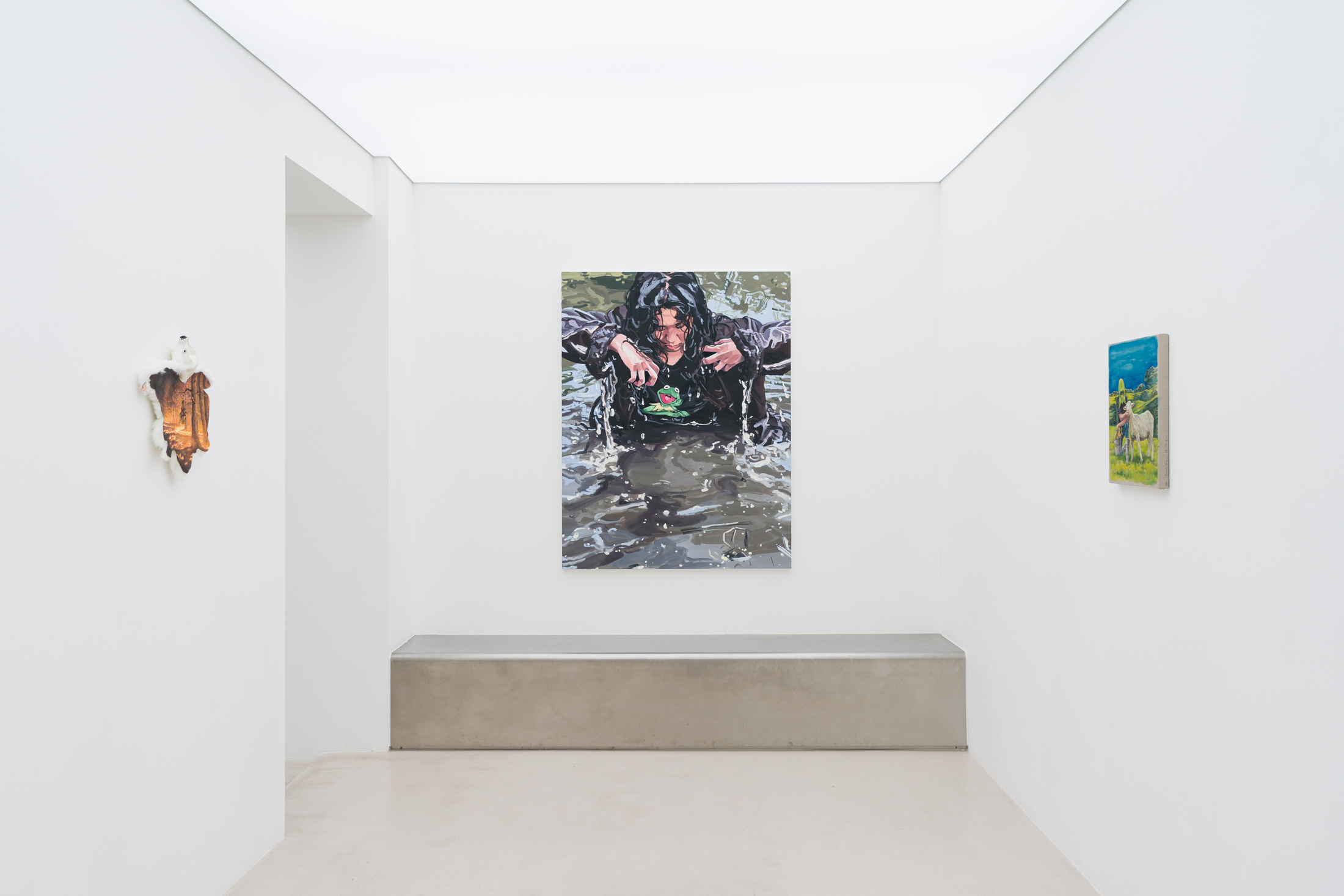
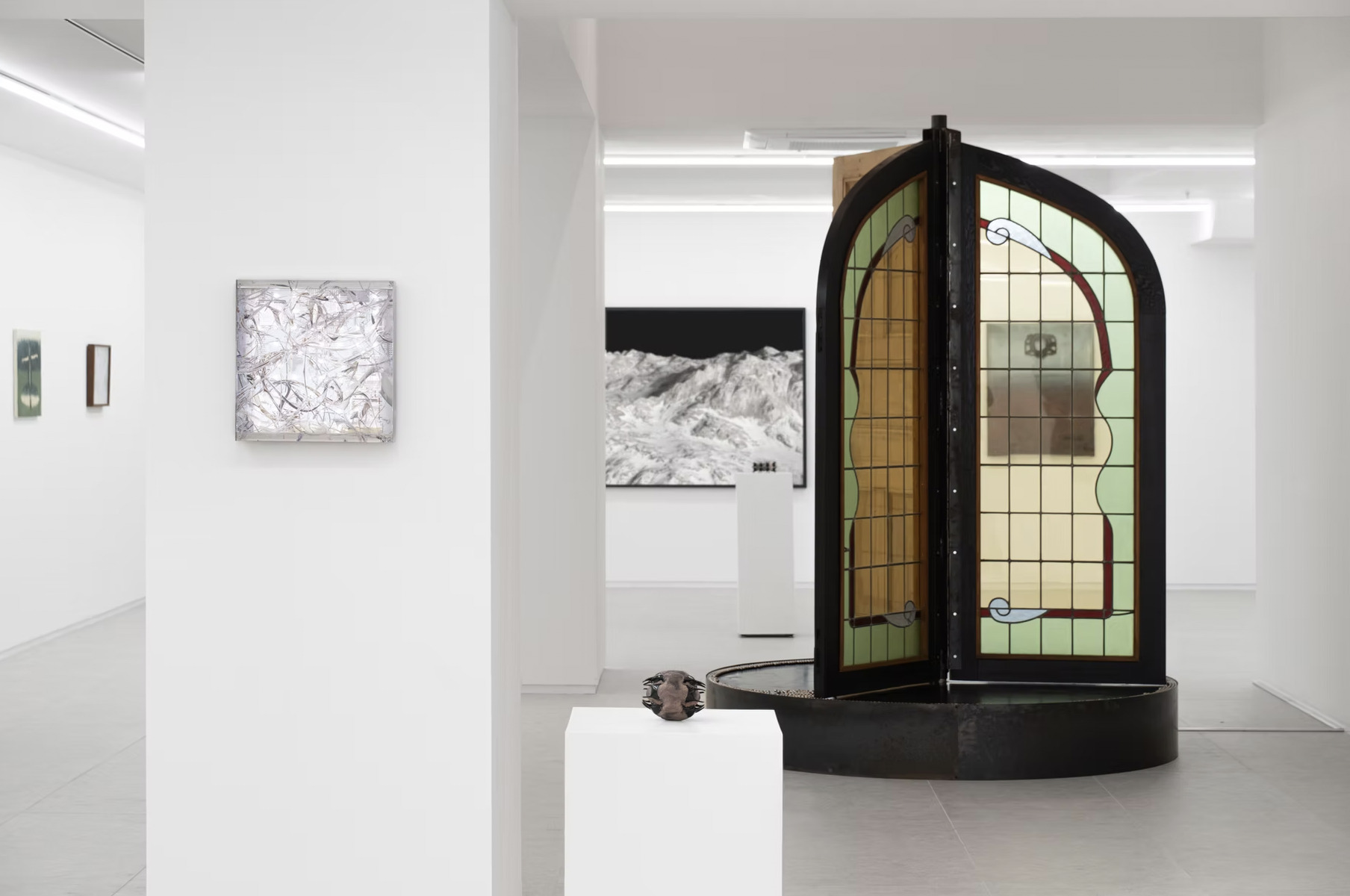
Shin Jong Min reconstructs
three-dimensional objects into flat planes. His methodology, reminiscent of
classic low-polygon modeling, invites viewers to reconsider the very
distinction between two-dimensional and three-dimensional forms. His work
blends the grand narratives of sculptural history and computer graphics with
trivial, personal, and even inaccurate memories. Especially in this exhibition,
objects such as vintage cars and rest stop snacks are used to summon the past
in a particular way. The issue is that they return in a degraded state—torn
apart, hollowed out, pierced with holes, laid bare with empty insides. In these
deteriorated forms, mediated through erosion and collapse, they are placed
before us as entirely different entities from the past. Within this
transformation, we do not face the past as it was, but rather come to imagine
the multilayered conditions that mediate it.
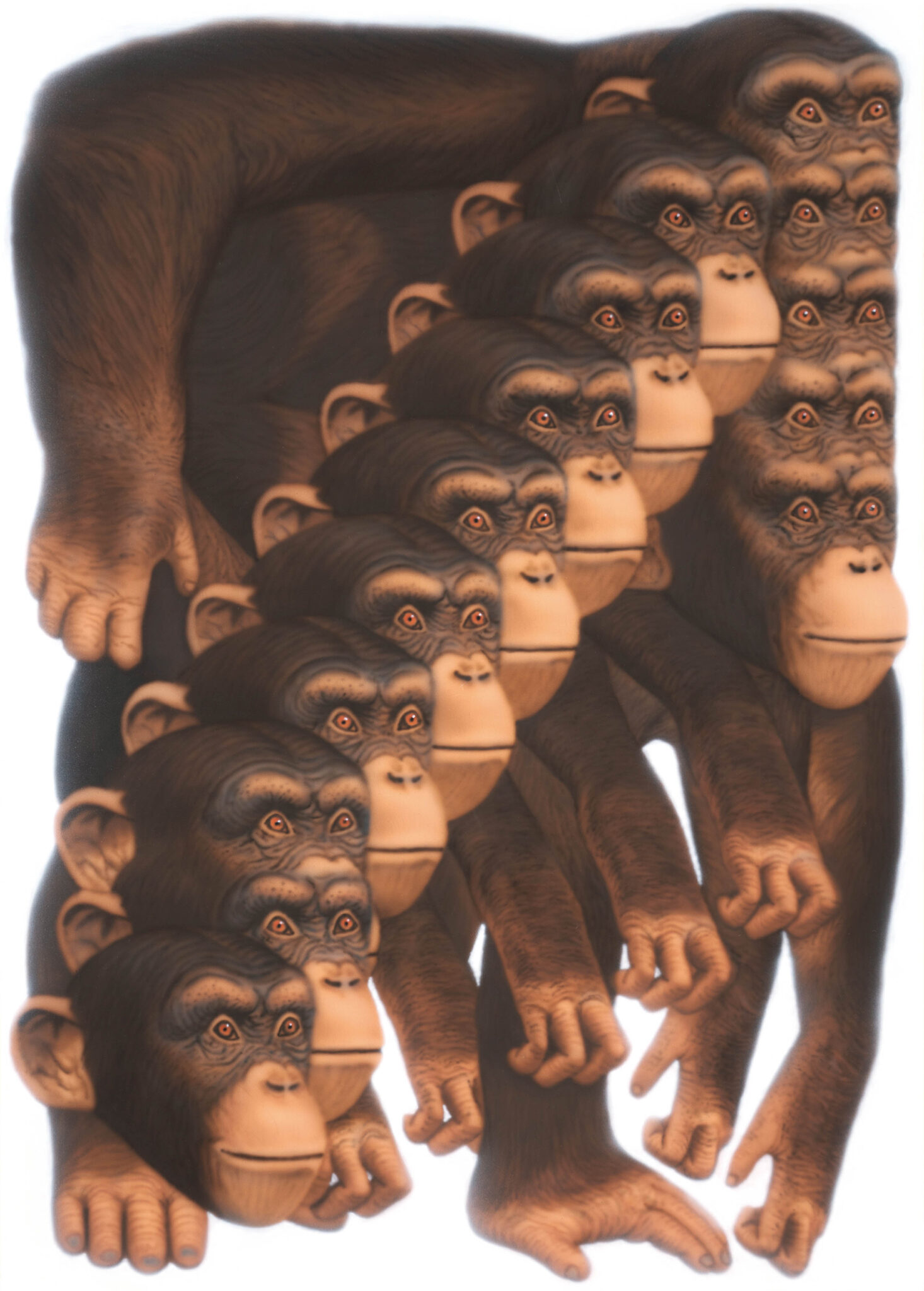
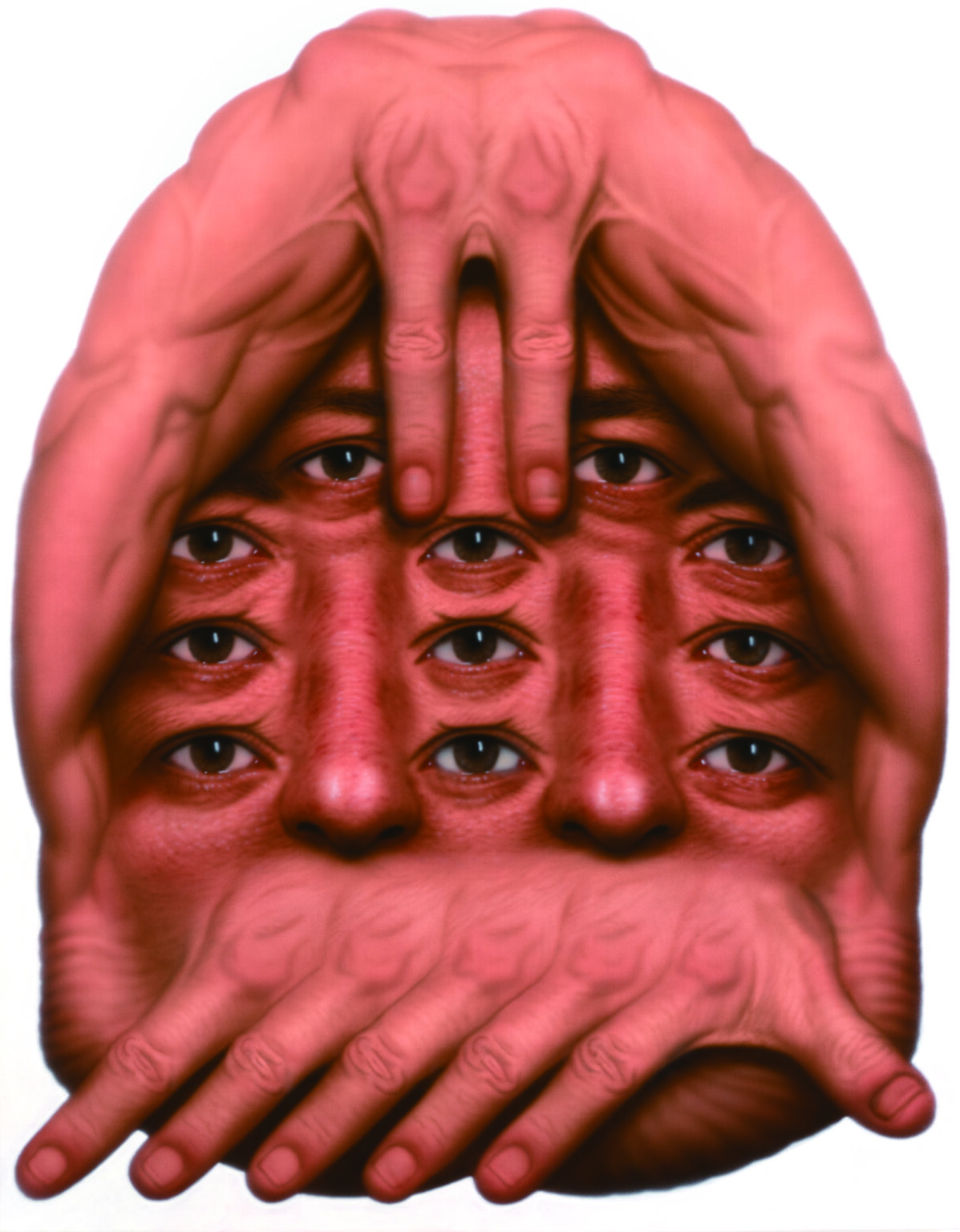
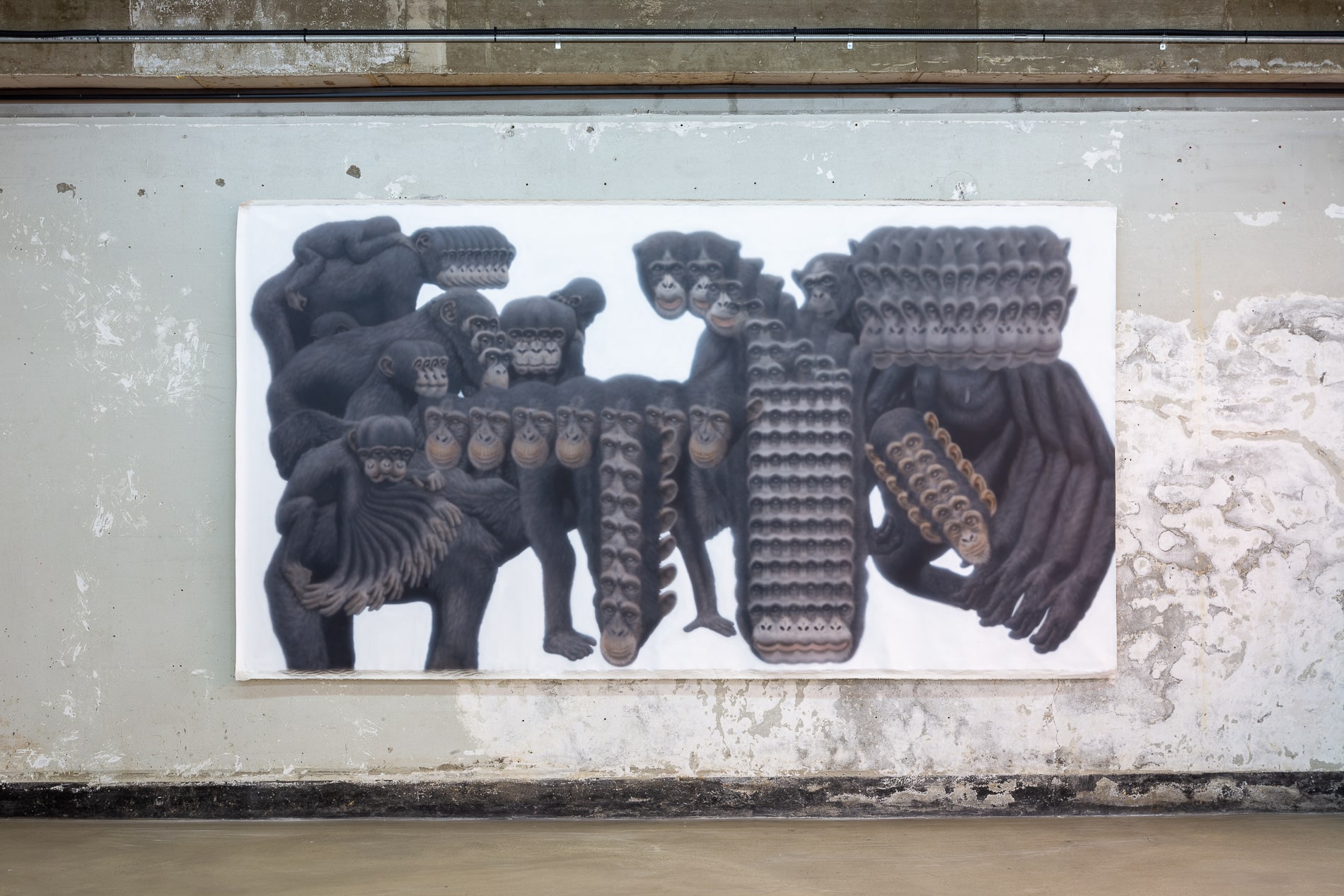
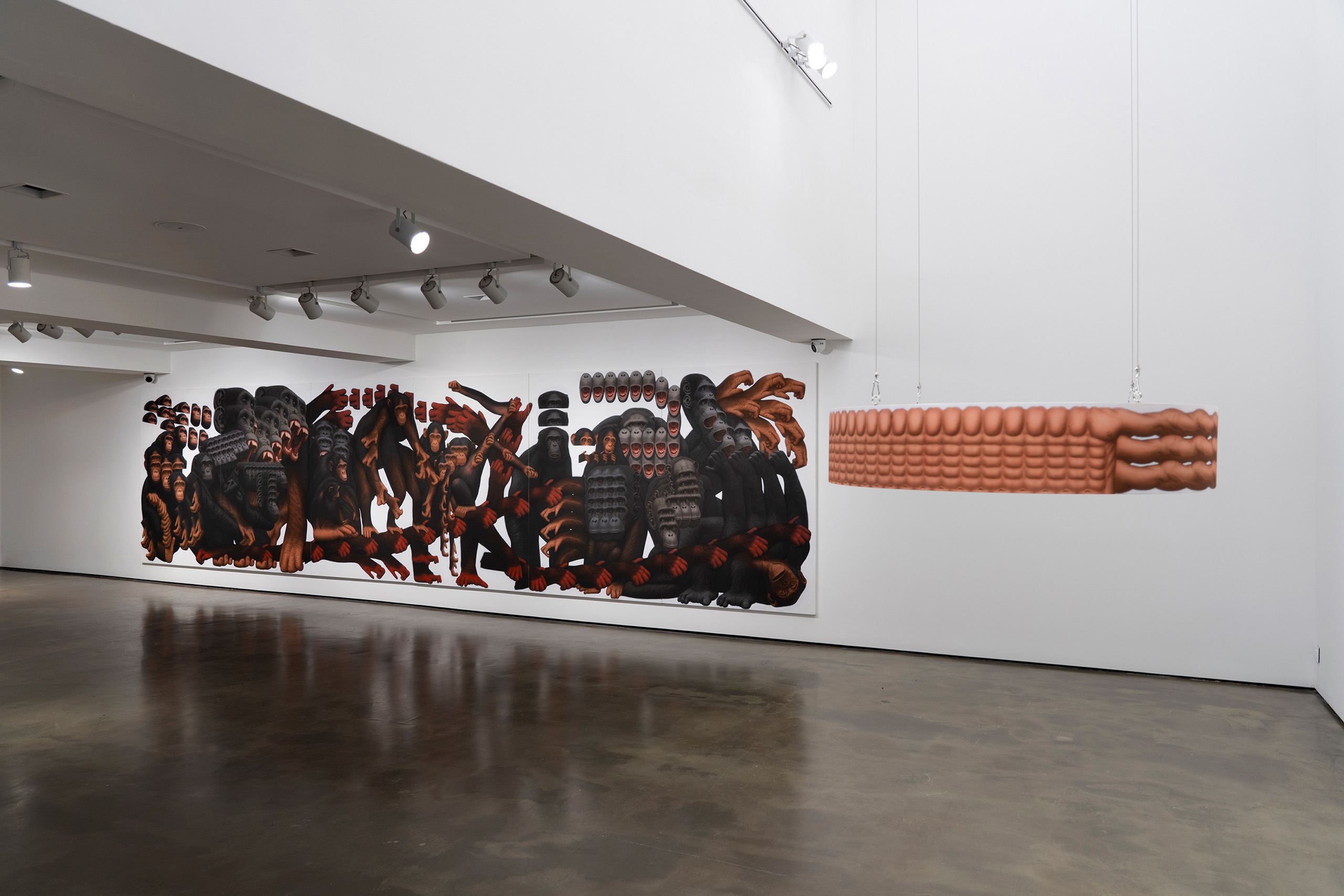
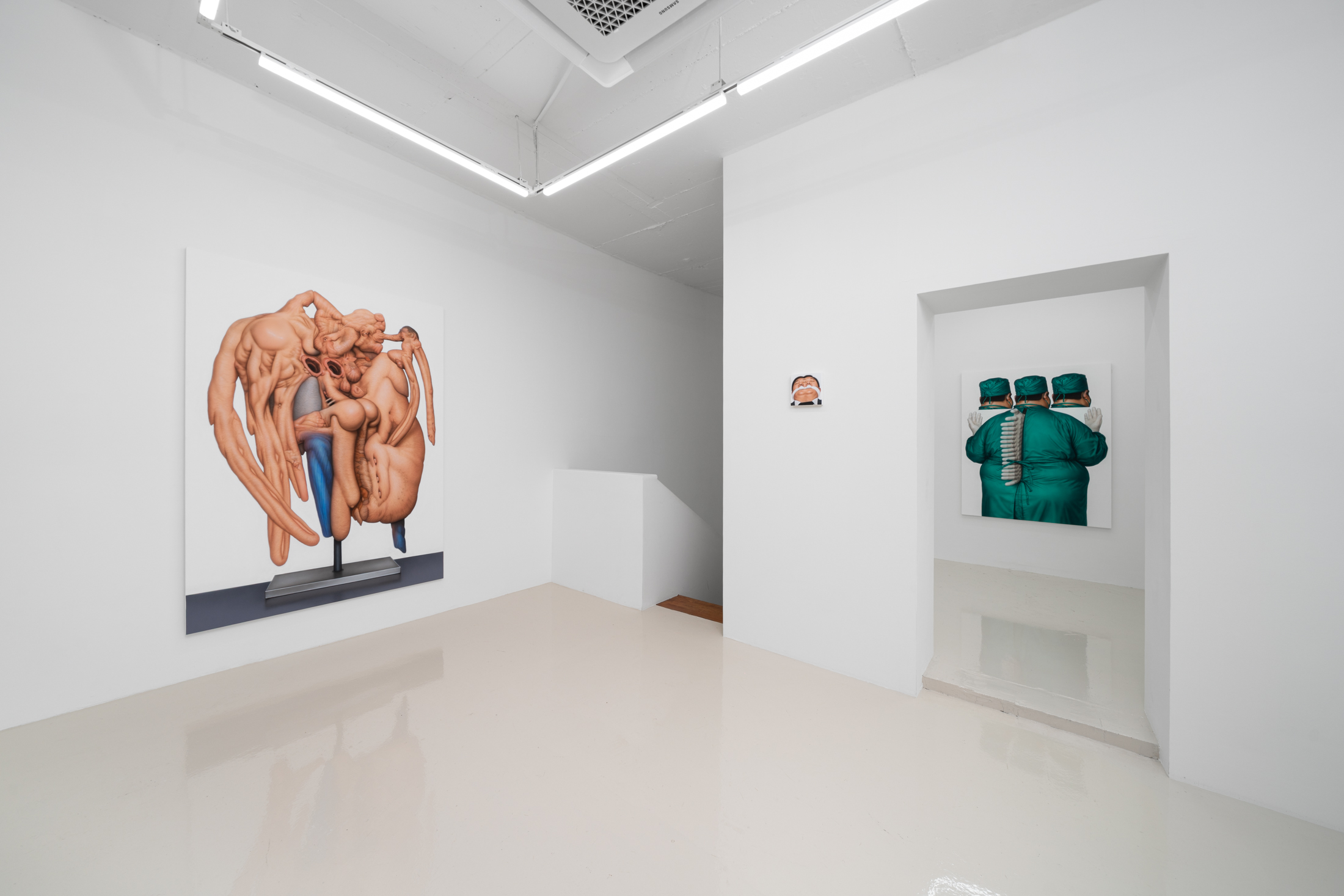
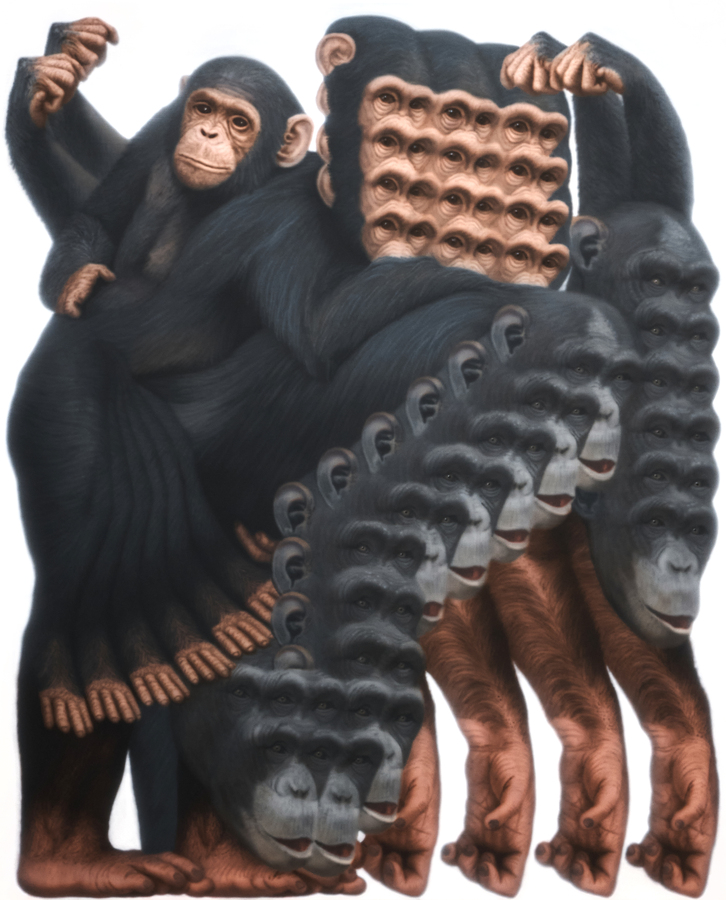
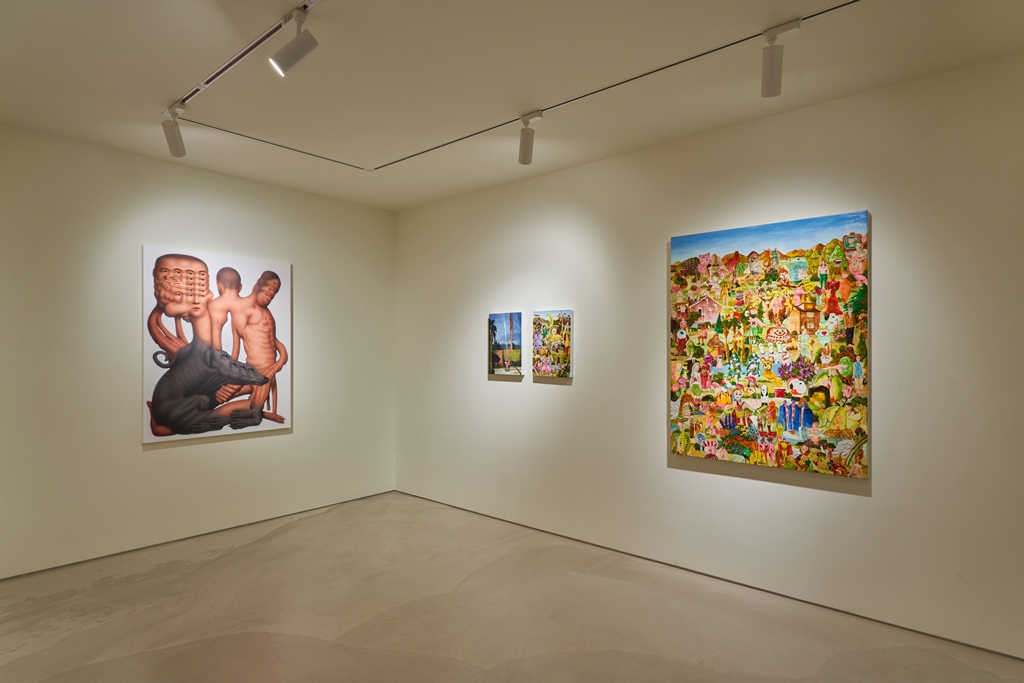
In Young Uk Yi’s work, a single
object is fractured and multiplied. Through rupture, expansion, and repetition,
the object seems on the verge of disintegration, yet interestingly, his
compositions always retain a formal sense of order. These subjects, both
multiple and singular in their organic combinations, contain chaos and order
simultaneously. When viewing his lengthy, disjunctive titles and images
together, one can often sense an intimate narrative. These narratives largely
stem from personal memories, but at times, an art historical reference—such as
Dürer’s hare—unexpectedly surfaces. The past, under various names such as
memory, nostalgia, trauma, or history, is invoked through both the personal and
the public, the singular and the plural. The rabbit, as a symbol, is both a
historical reference and a contemporary subject; it is Dürer’s rabbit, yet also
Yi’s rabbit. The stories embedded within it become Dürer’s allegory and
simultaneously Yi’s own.
The intersection of the two
artists—one exploring geometric flatness and the other organic
expansion—generates acts and counteracts of compressive and expansive forces,
prompting viewers to imagine a dynamic interplay of power. From reflections on
the conditions of sculpture and painting to the unexpected glitches that emerge
between meticulously planned arrangements and accidental deviations, the
exhibition conjures moments where Apollonian order collides with Dionysian
chaos, revealing what lies in between. It is only through order that we can
truly sense what escapes it, and only through form that we become aware of what
exists beyond it.
Like a biker gang’s motorcycle
constructed from dismembered human limbs, or a full-sized car assembled from
jagged geometric planes. Eyes that are not meant for seeing, mouths that are
not meant for eating or speaking—these elements move between bodies without
organs and organs without bodies. Between a sober Apollo and an intoxicated
Dionysus. Between familiarity and estrangement. What we witness in 《APOLLO》 may be the paradoxical past revealed
through prophecies of the future, the rupture caused by rules, the glitches
triggered in attempts to operate something, the failure that performed success,
the spacecraft and the junk food, and the inevitable overlapping of Apollo and
Dionysus.