2.
From
modernity to the age of globalization, various types of urban wanderers have
emerged. Image and language, literature and art, photography and media all
serve as essential tools for such figures. The artist walks through cities
filled with artificial beauty. Walter Benjamin admired this artificiality. Andy
Warhol filmed the Empire State Building in real time, and Kimsooja traversed
winding roads atop a truck loaded with bundles.
These gestures were made
possible by a utopian belief that the power to overturn existing systems—and a
world led by the people—could be realized through machinery and artificiality.
Kang Sang-jung observed that Tokyo, as a site of globalization, has undergone
“creolization.” Yet utopia is not merely paradise; it is a political arena
entangled with multiple agents and interests, and above all, an object of
speculation.
The dream of rapid development has come to dominate Korean society
as a whole. Whether this dream still holds validity is another question. Not
everyone shares it, and for many, it has become problematic. Even if younger
generations perceive it not as inheritance but as burden—or even as a decayed
ideology—it remains difficult to reject.
Despite this, the dream continues to
shape our world: from development cities to new towns, from new towns to
innovation cities, from Digital Media City to eco-cities. These developments
extend beyond large-scale housing complexes, introducing new lifestyles and
monumental spaces of consumption. The project of realizing utopia is bound to
fail.
Advertising images that simulate utopia repeatedly and compulsively
testify to the end of the age of images. Even if visual representation has
shifted from spectacle to everyday life, it cannot necessarily be considered a
more progressive artistic stance. Instead, we must ask whether belief in images
is still possible.
In
The Future of the Image, Rancière critiques the inertia of
semiotic approaches that mourn the “end of the image,” arguing that modernist
art—from the Russian avant-garde to abstract expressionism—did not abolish
images. He asserts that we no longer live in a time when the pleasures of
semiotic interpretation remain valid.
In contemporary photography, attempts to
move beyond semiotics are widespread: photographing Cold War relics or
monuments produced by developmentalism, or treating objects, people, cities,
and nature as equivalents—all point toward a postmodern condition in which
signifier and signified no longer align. Here, images resist semiotic
interpretation and must instead be approached aesthetically and discursively.
Whether this signals an end or a transformation of the system of life is
difficult to determine—but Rancière would likely argue for the latter.
3.
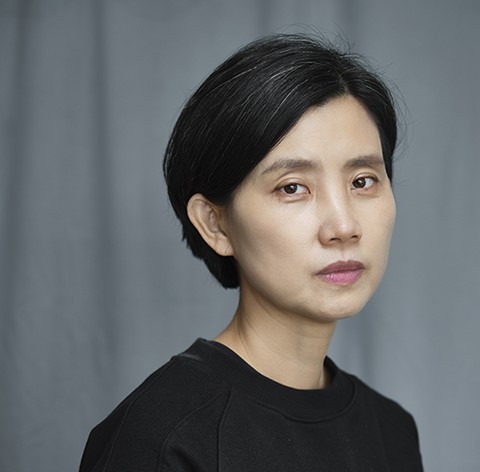
Jeong
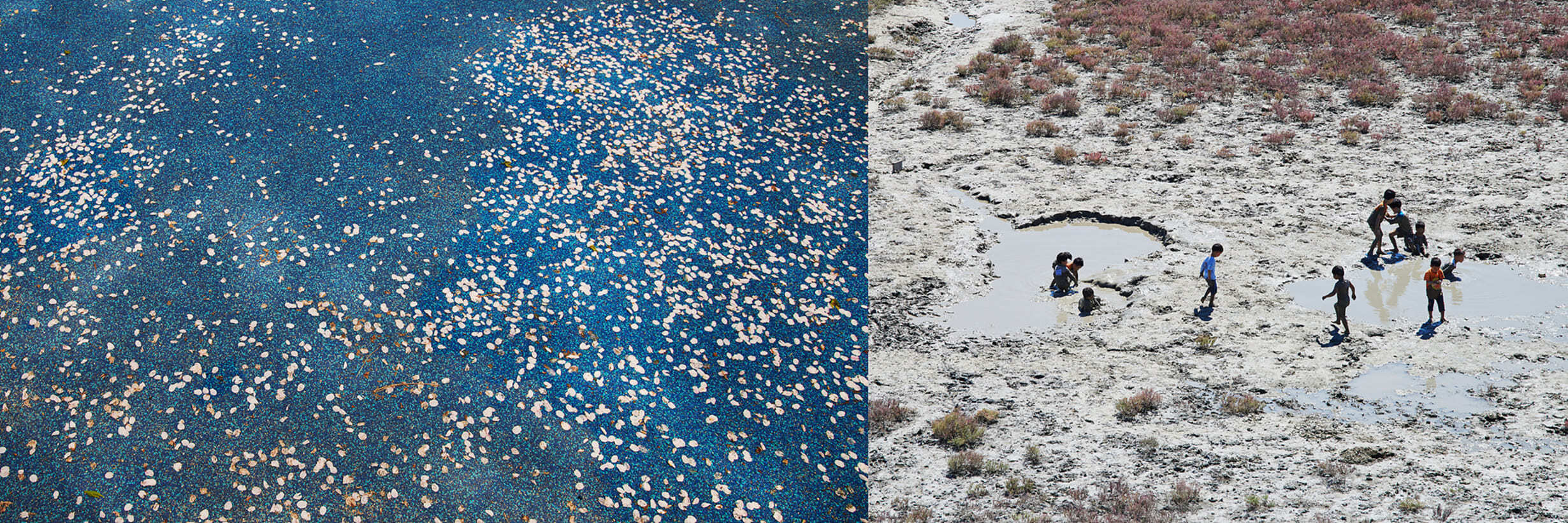
Kyungja neither asserts the purity of photography nor relies on meaning-making
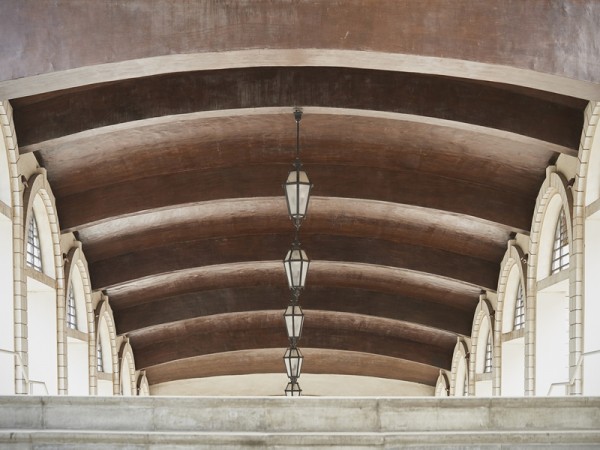
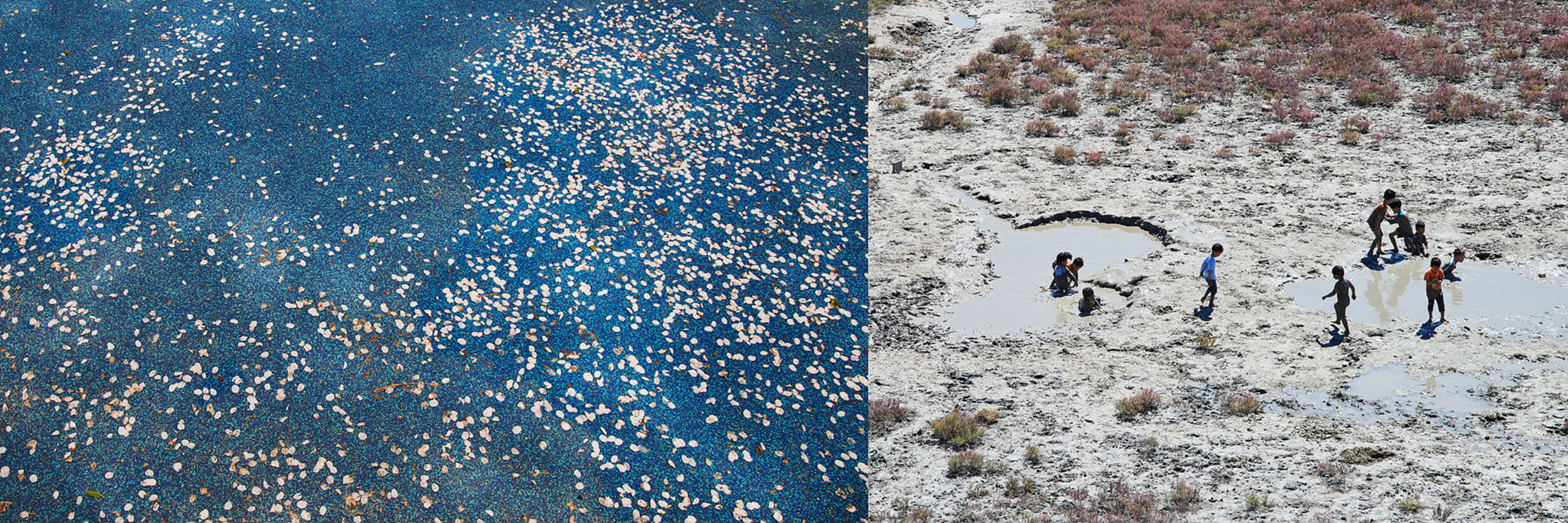
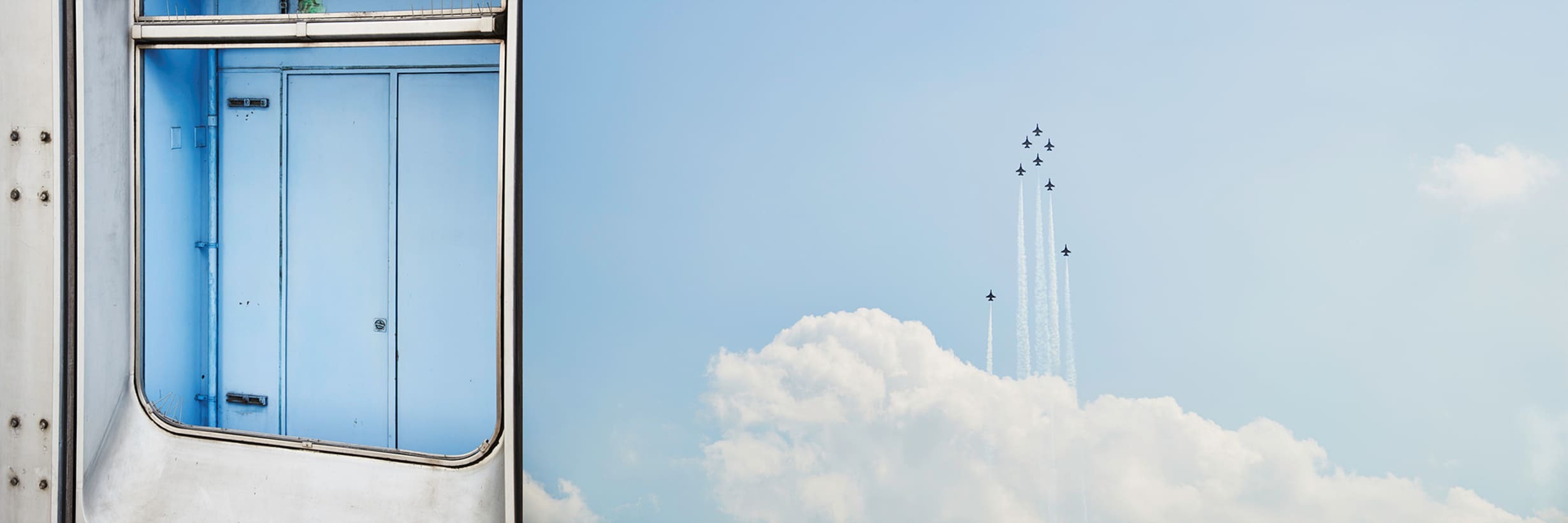
grounded in semiotics. Faced with images in which place and subject remain
indeterminate, viewers draw upon memory, knowledge, and experience to compare
them with similar references. We recognize them only as something vaguely
familiar—unfinished buildings, surreal landscapes—yet cannot fully grasp them.
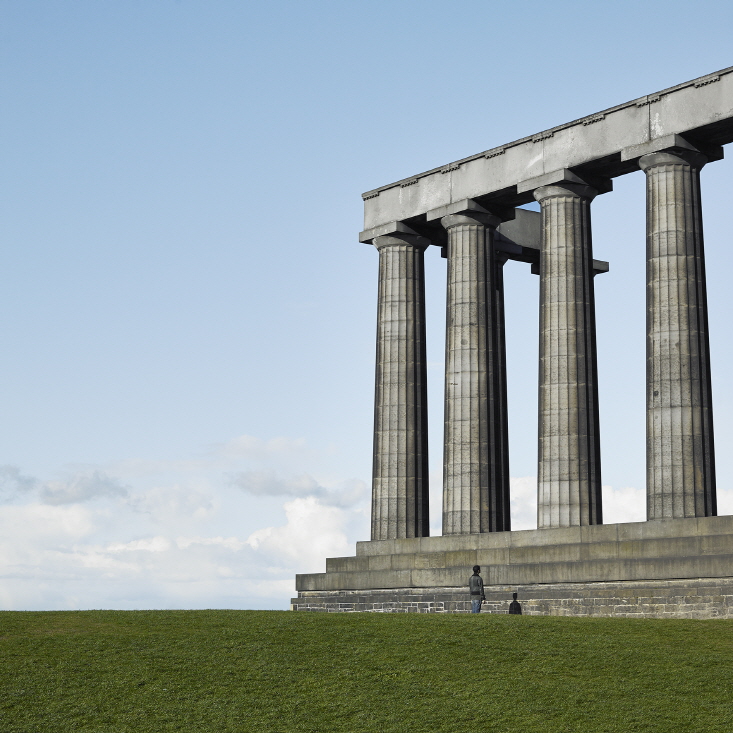
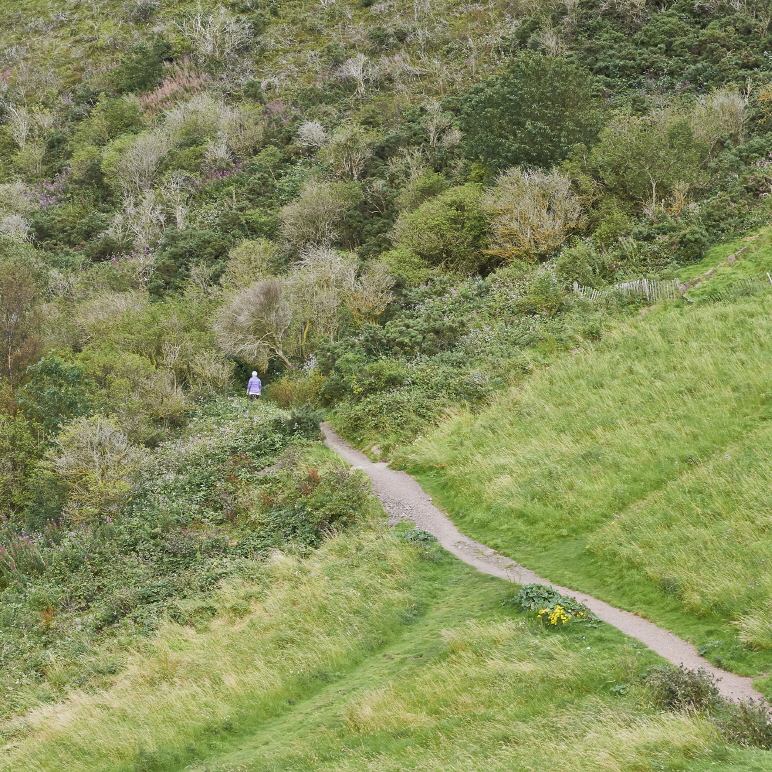
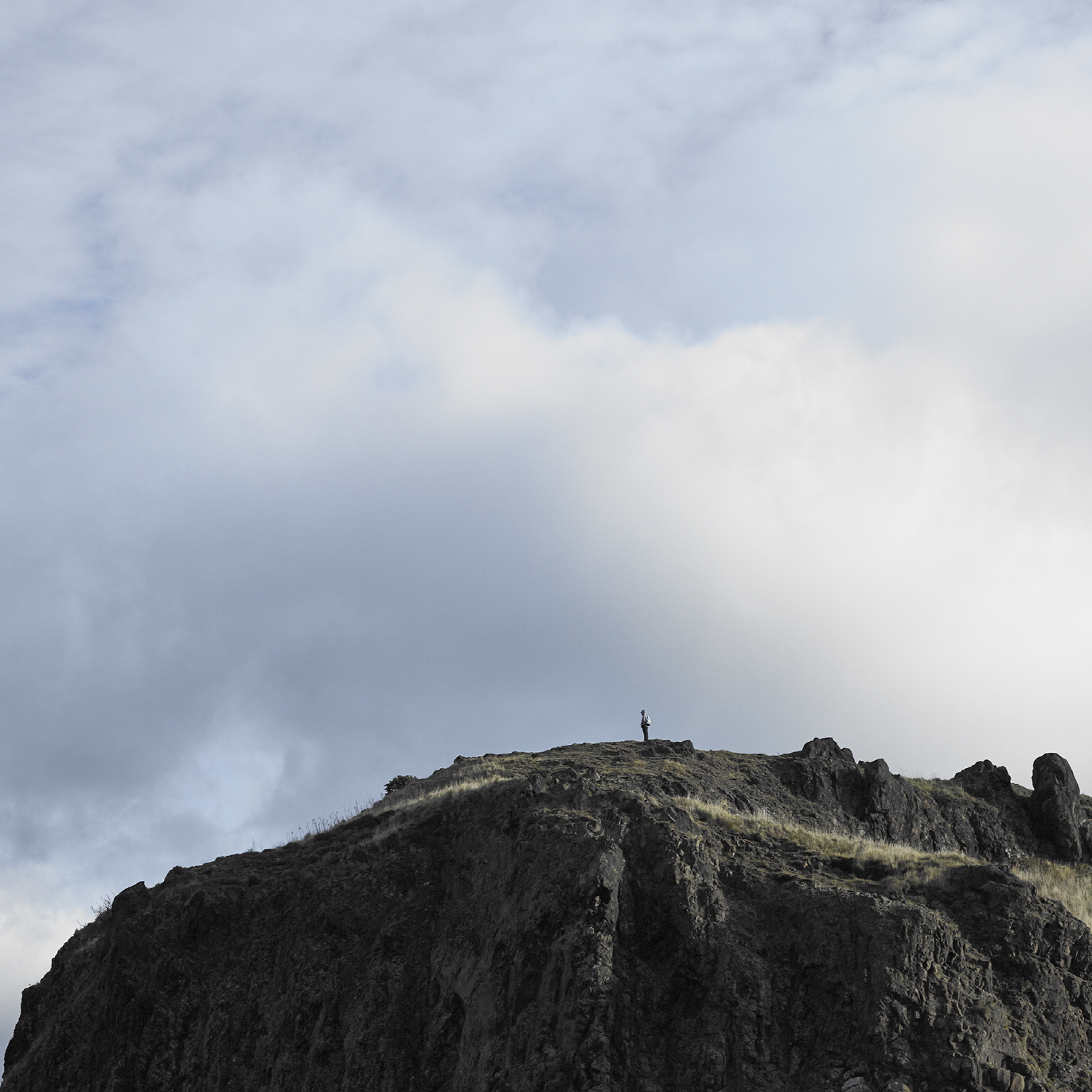
The artist wanders around the clichés of utopia constructed through complex
interests and desires, uncovering subjects and presences concealed behind
exaggerated façades and stylized graphics. These are things that cannot be seen
within the blind momentum of progress. Can these chance encounters be
understood as systems of visible and invisible relations? Can we critically
identify possibilities that exceed the artist’s immediate psychological
impulse? Rancière writes that “in a certain sense, the image resides in the
heart of things as a mute form of speech.”
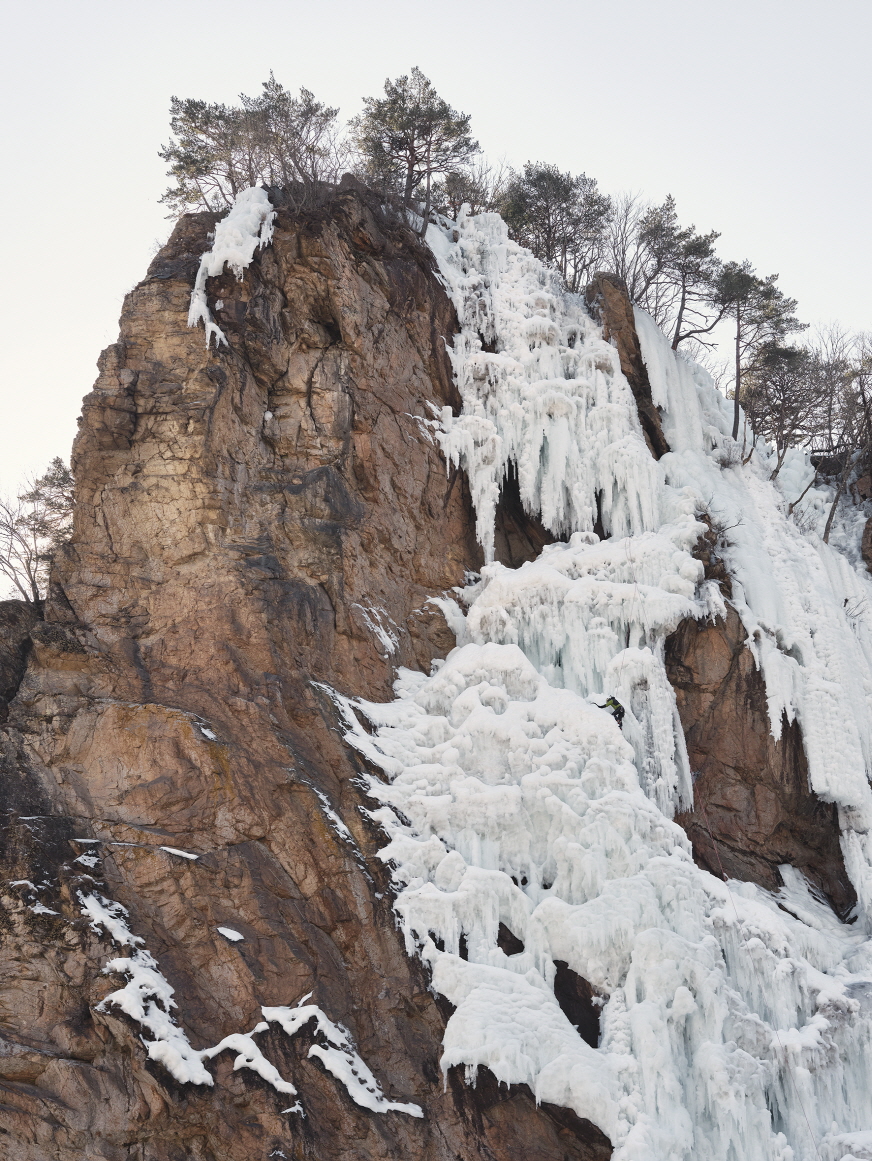
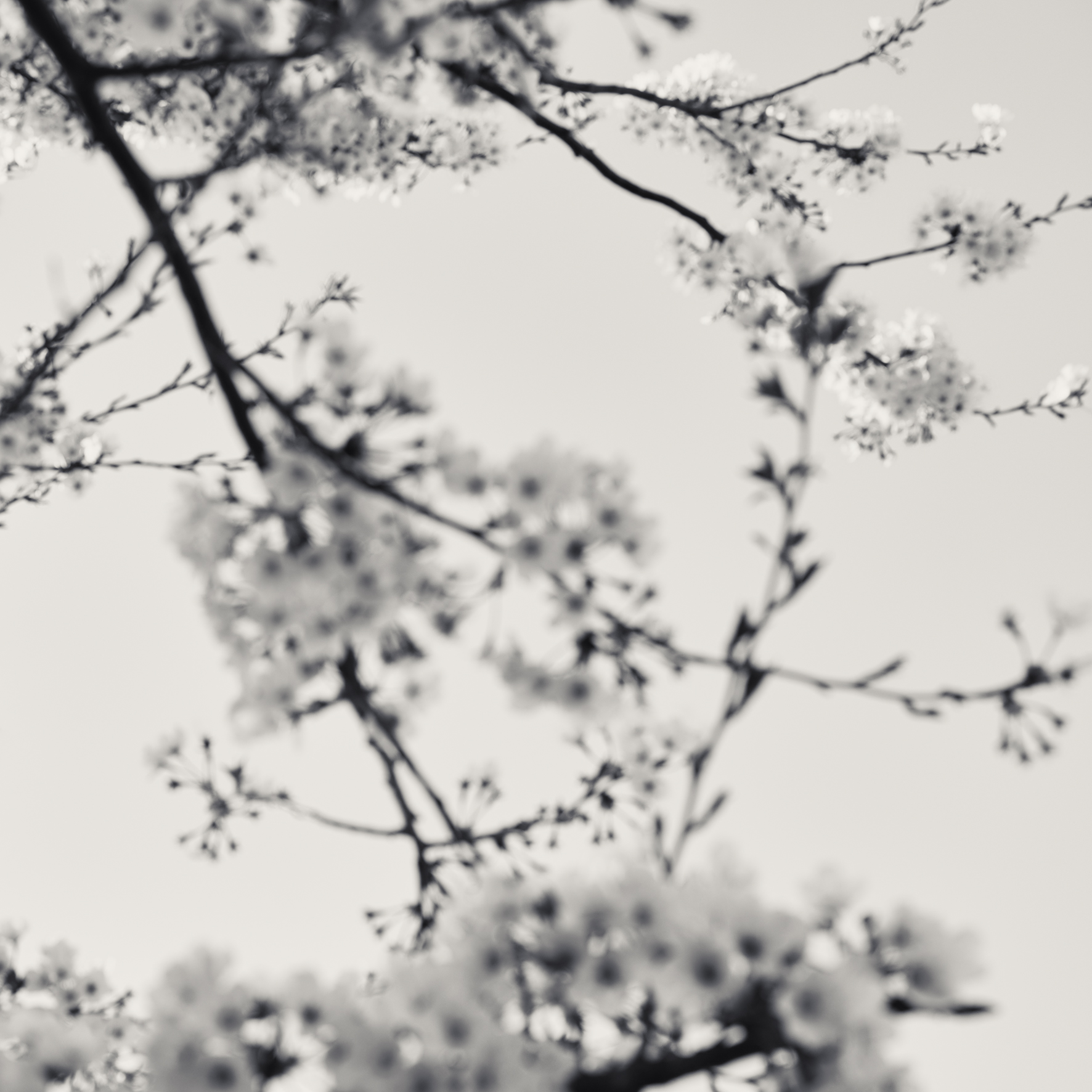
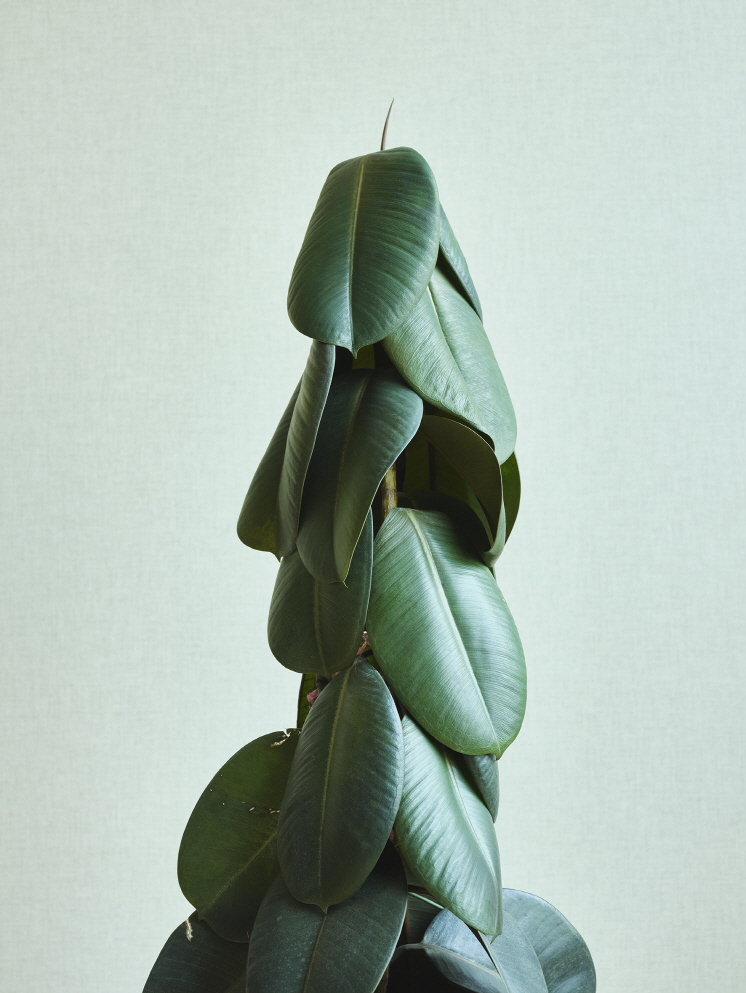
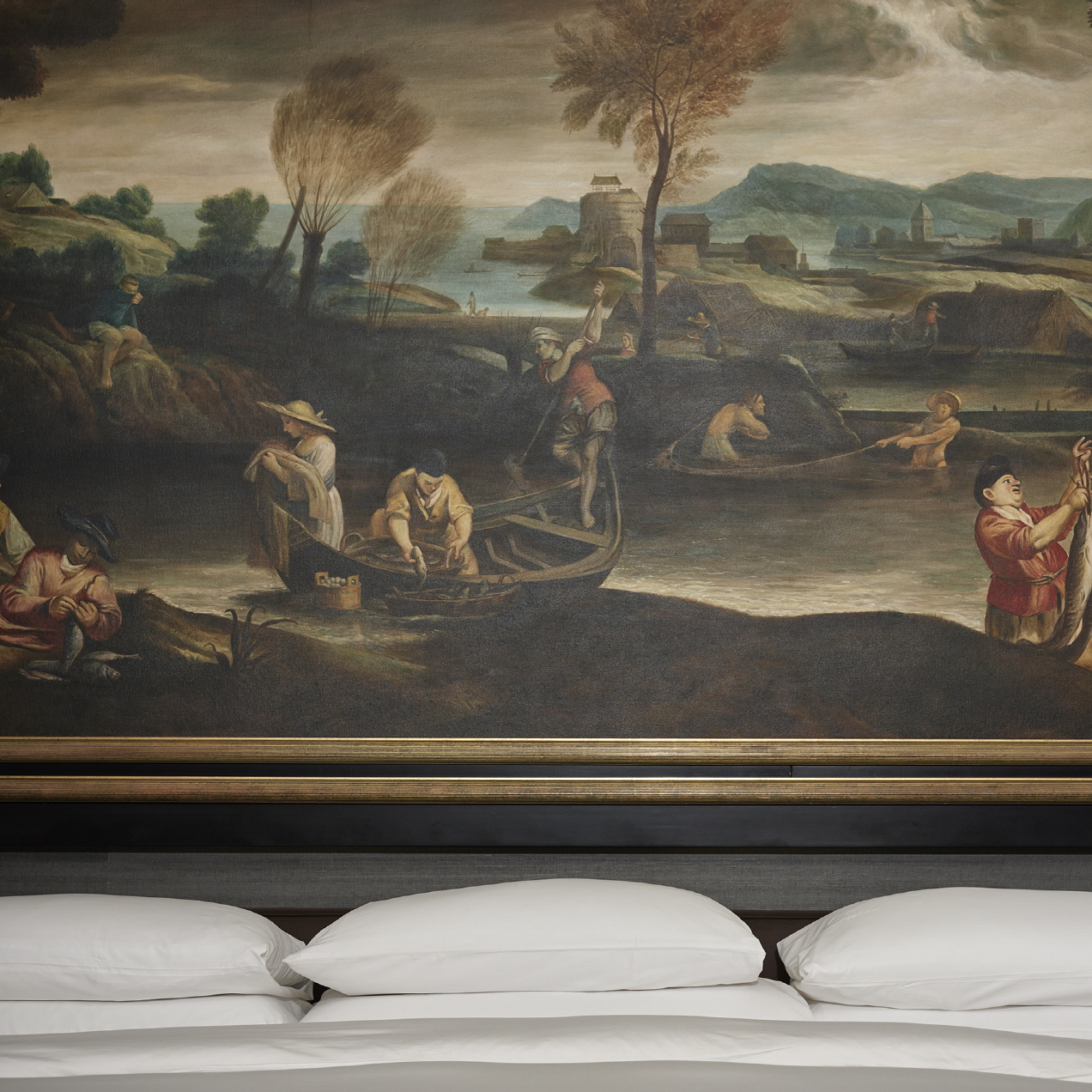
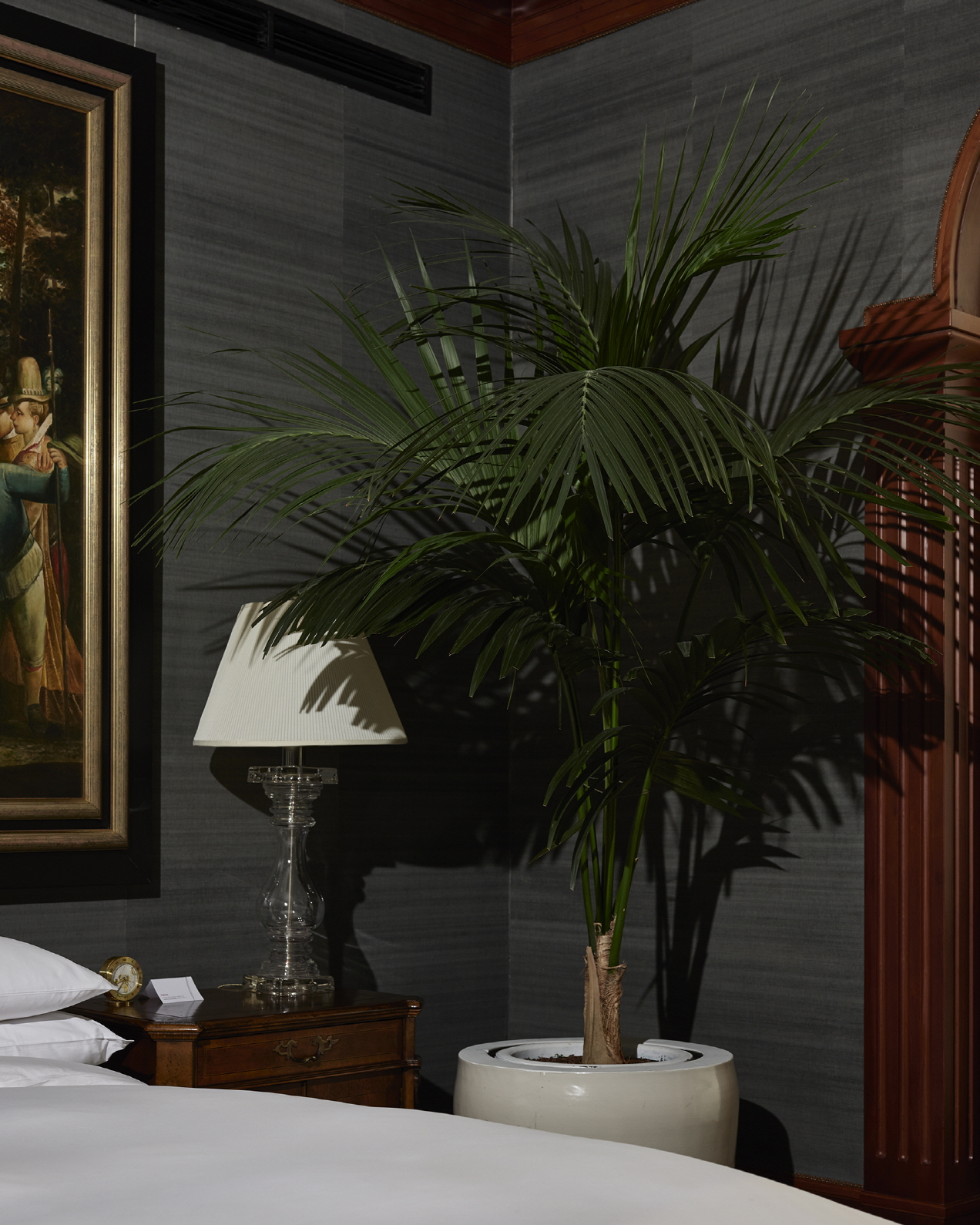
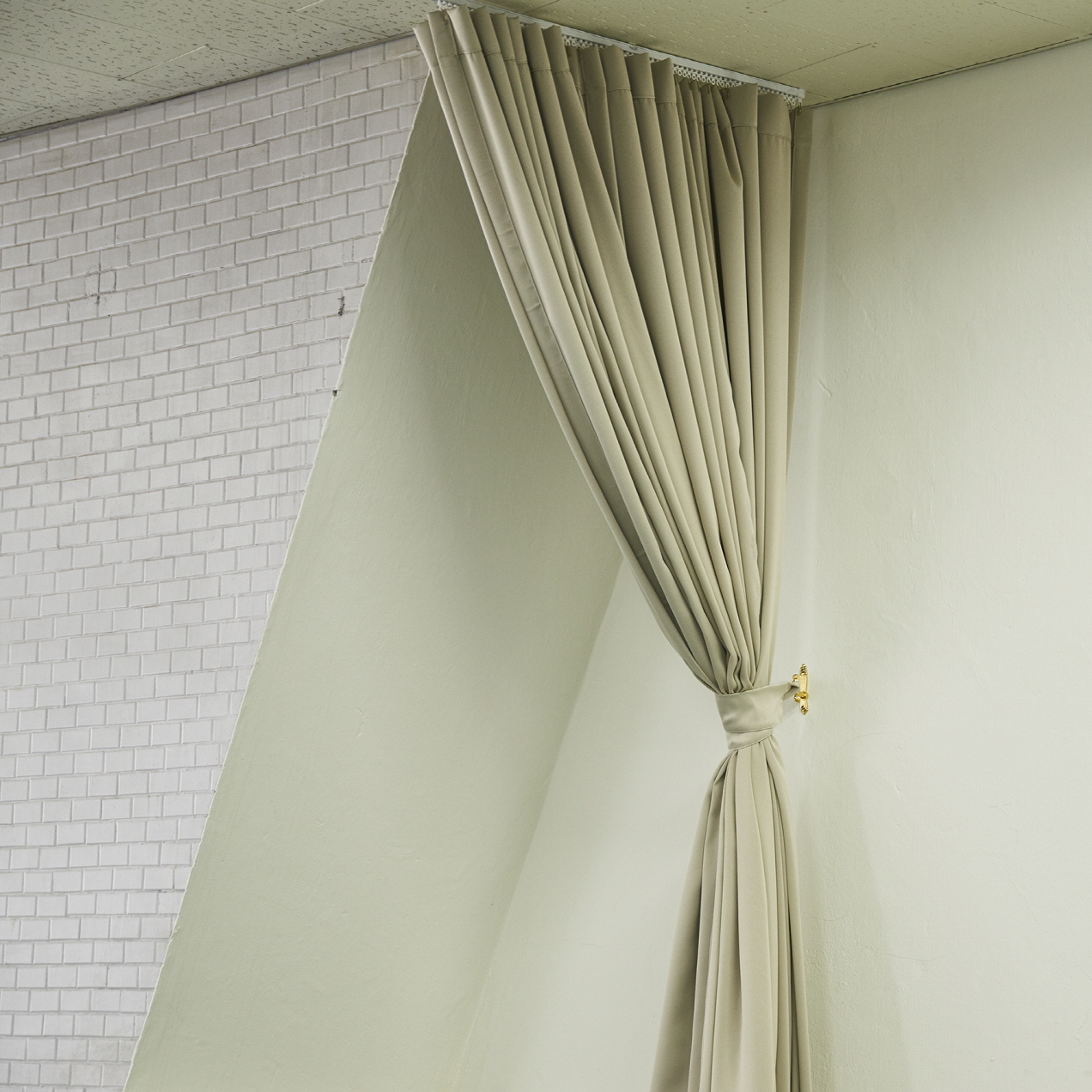
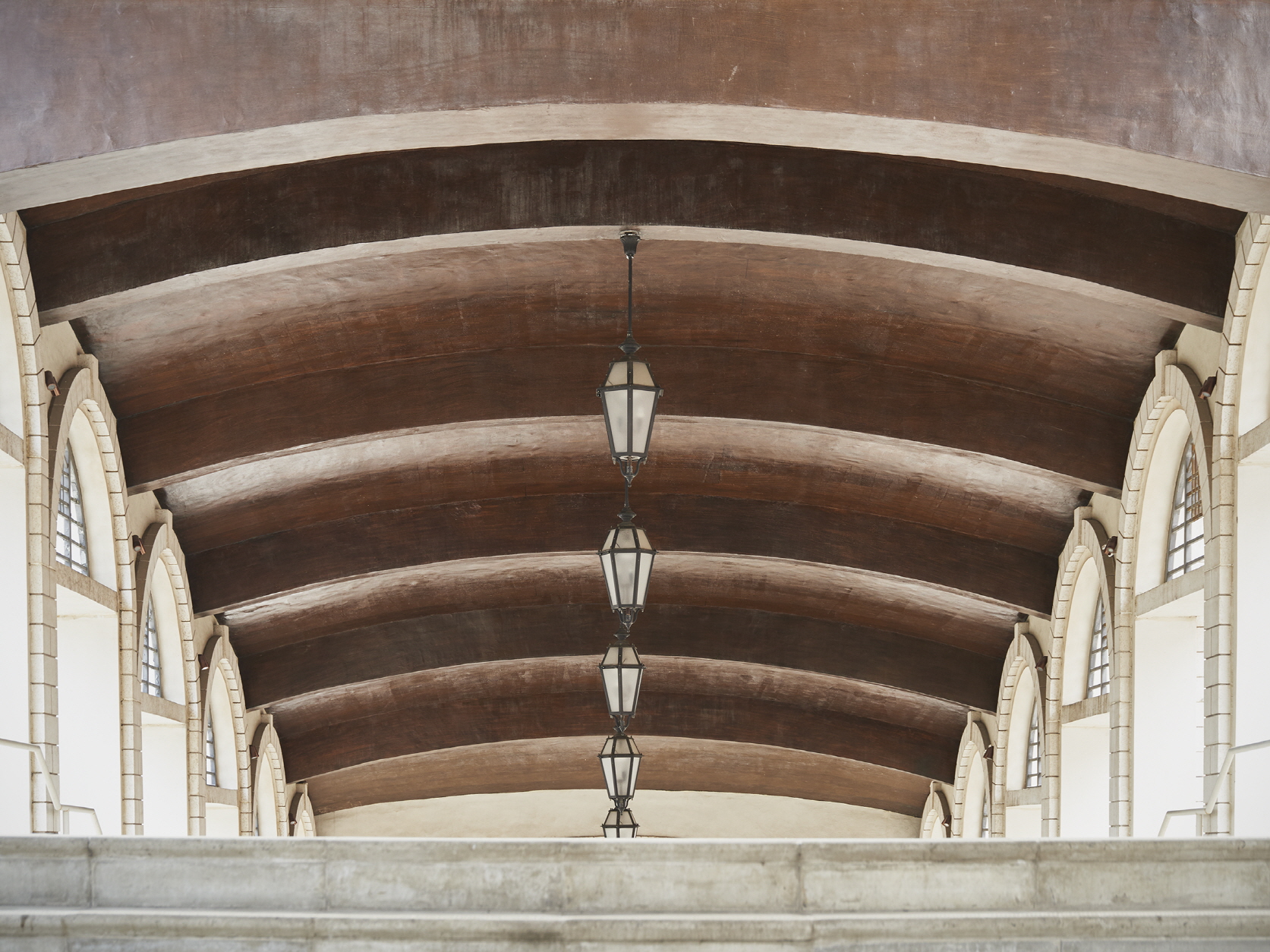
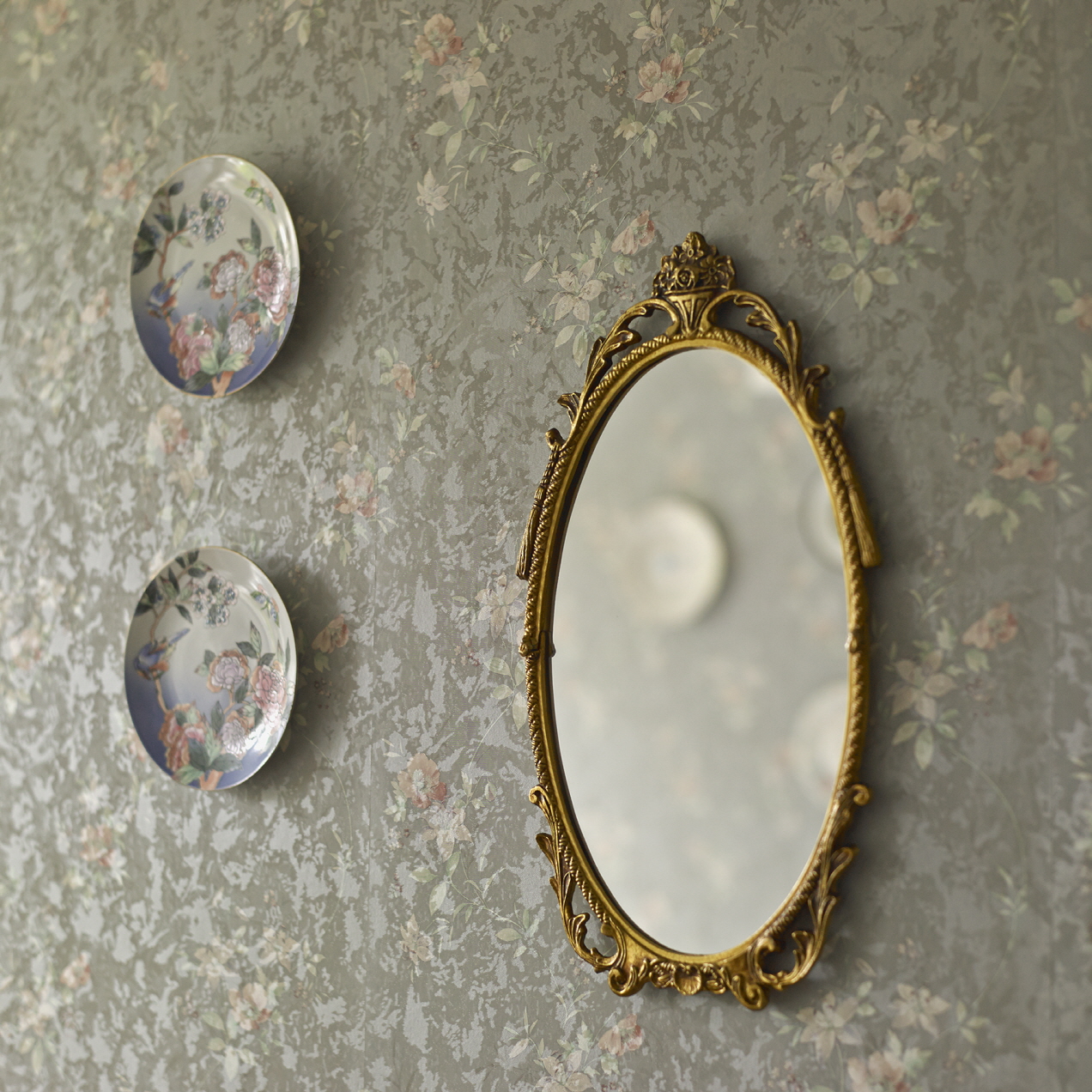
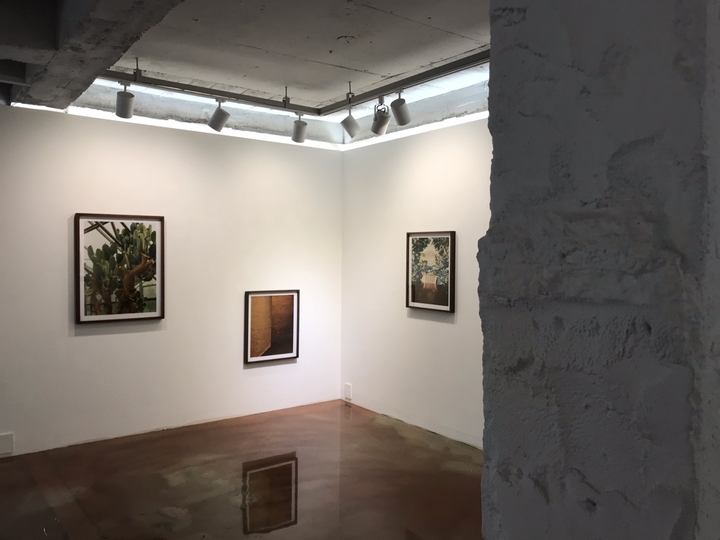
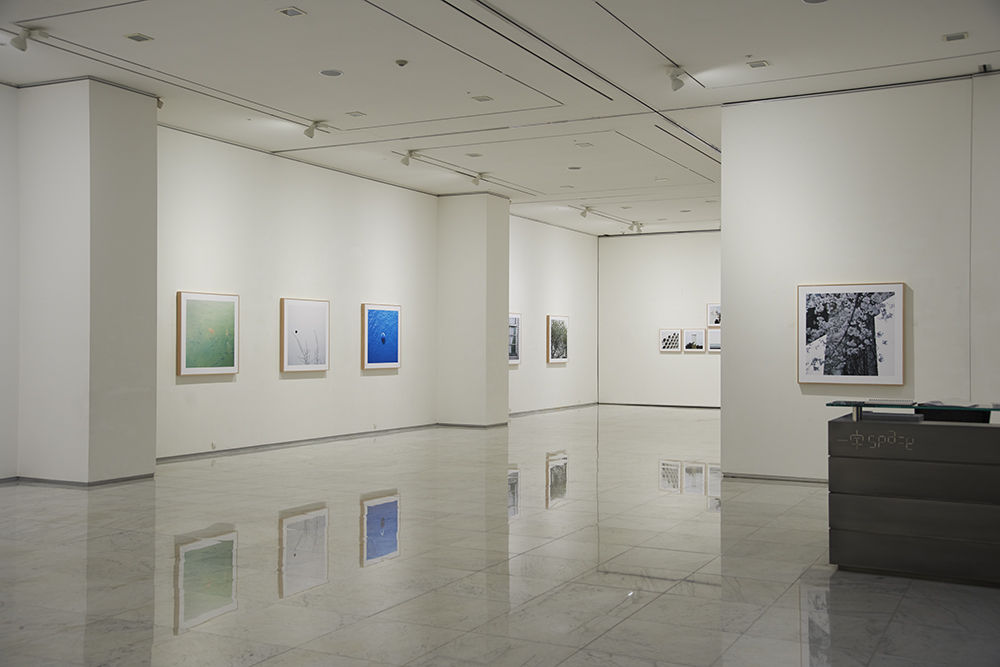
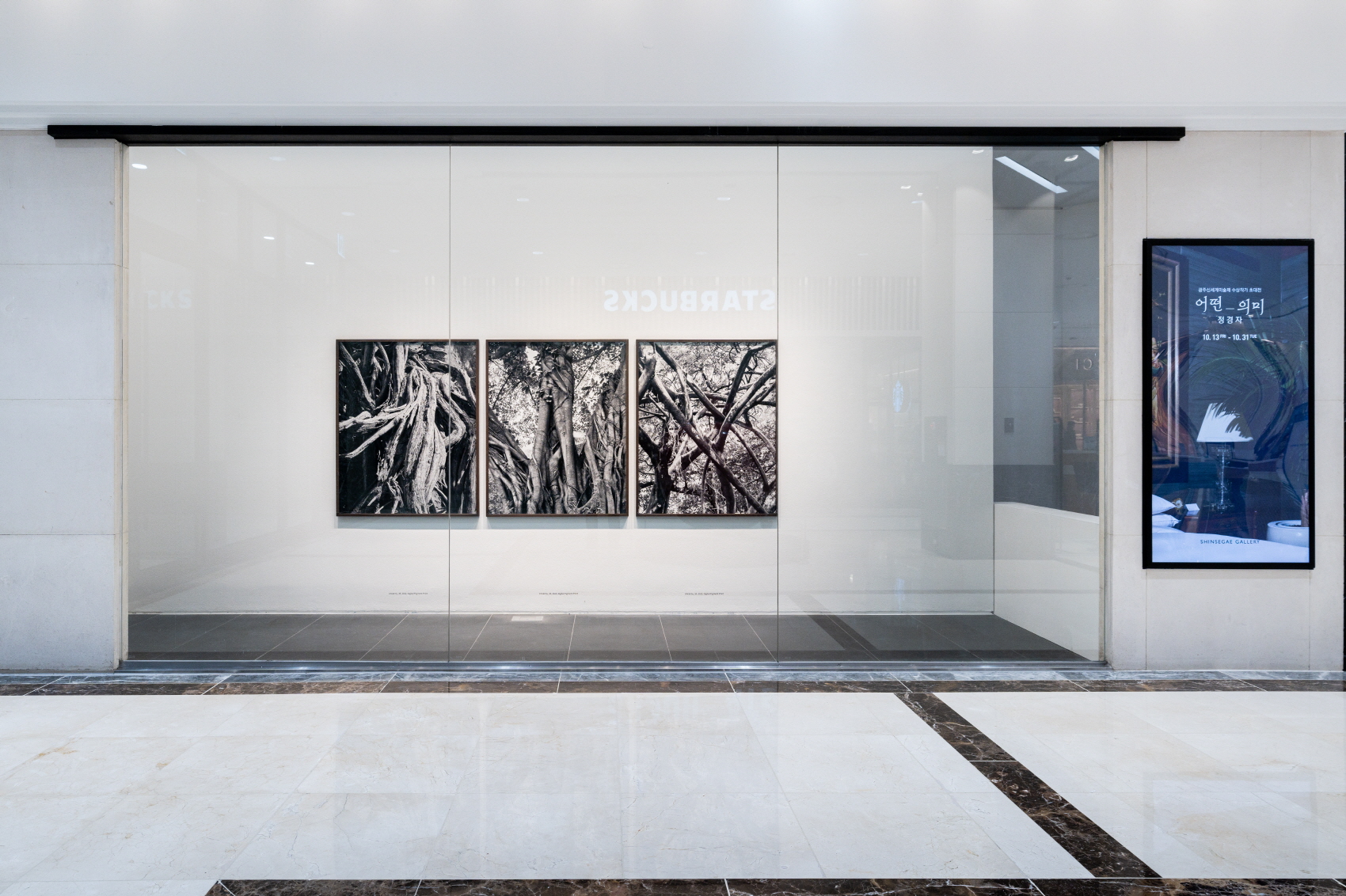
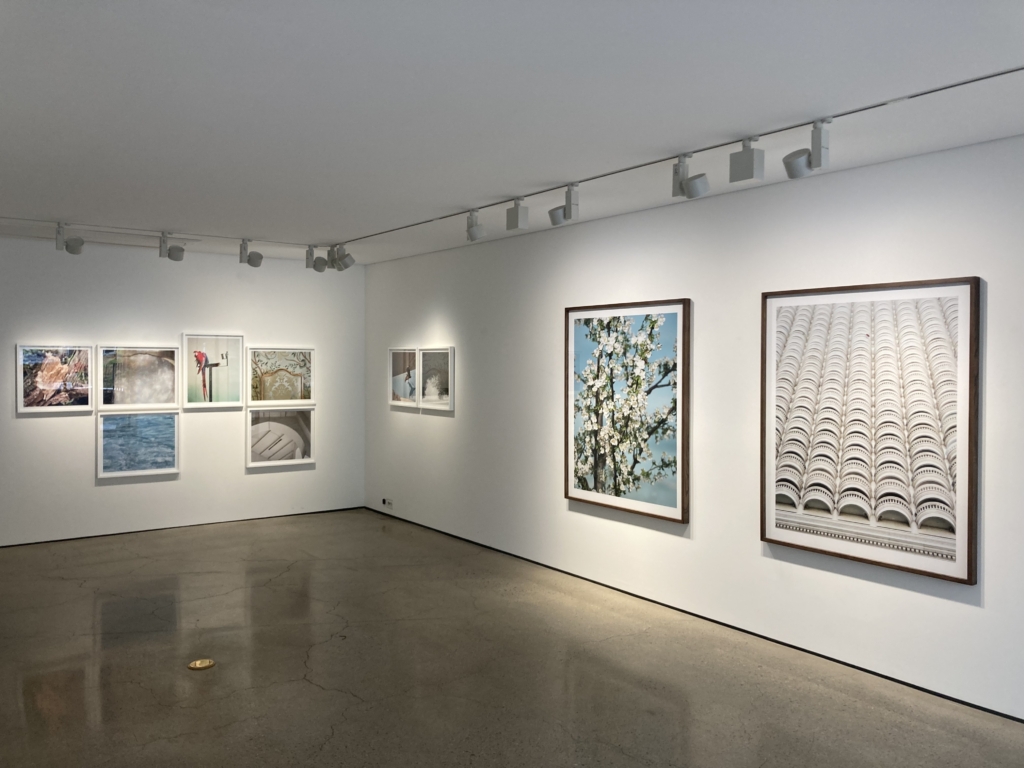
Jeong Kyungja’s photographs
inherently contain time, language, and narrative. She dissects the visible
world—not in the manner of anatomical analysis seeking truth, but by delimiting
her perceptual boundaries and extracting fragments of the world as images.
These captured scenes do not belong to grand historical narratives; they exist
outside history, born of contingency rather than permanence.
Through this
process of extraction, the artist presents poetic moments. Yet these moments
should not be mistaken for mere expressions of beauty. They are fragments of
the world—simultaneously partial and socially obscured expressions.