There are photographs that allow us to
fully encounter the ‘now’ and the ‘self.’ Rather than specifying what is
depicted, they attend to the relationship between that ‘something’ and ‘me.’
When that ‘something’ is an object or a landscape, it is entirely the ‘self’ of
the present moment that observes this relationship. Because the gaze belongs to
me, it is also my task to fill the empty space of meaning.
In front of such
images, I am inevitably confronted with my present self. It is an “empty
moment” that halts the self endlessly fleeing from countless presents, chased
by a past “then” or a future “someday.” In the void of all things, silence
grows, and silence lays bare the very substance of reality.
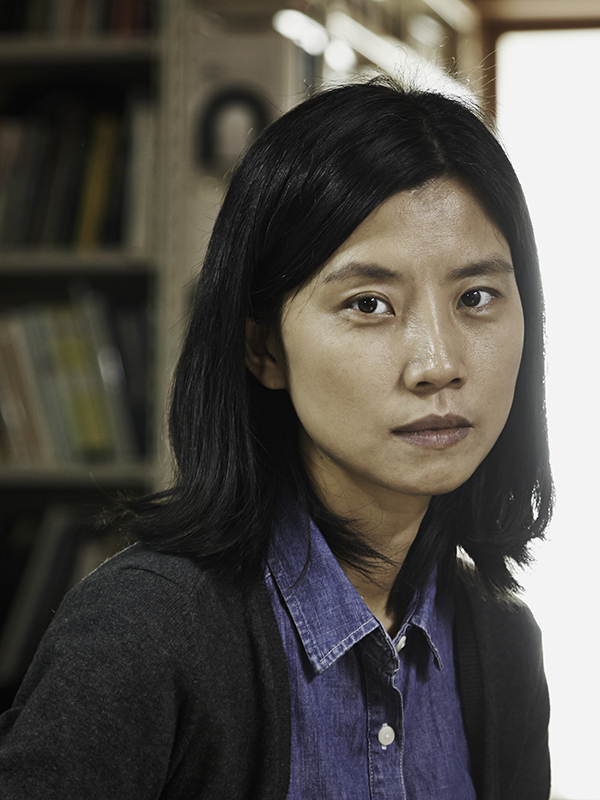
Jeong Kyungja’s exhibition 《Serene Days》 compels us to look inward at the self
as human beings, within the suffocating silence imposed by the COVID-19
pandemic and the estrangement brought about by socially agreed
distancing—within this tumultuous stillness. As a civilization that has
advanced relentlessly by drawing boundaries through power and technology
momentarily falters, we encounter both the “self” and the “we” within the
relationship between humans and nature.
The artist presents obstructed, closed human
spaces alongside an open nature that transforms and circulates. She also
captures traces of humanity—though itself part of nature—seeking to desire and
possess it, through snapshots of everyday time and space that appear grand yet
are easily dismissed.
Through a gaze that fragments and reveals passing objects
and scenes in singular ways, and through a narrative that weaves together a
sequence of photographs, she draws in the viewer’s act of looking.
From the series ‘Spiegel im Spiegel’
(2000) to her recent work ‘Nevertheless’ (2021), Jeong Kyungja has never lost
the “self” in her photography. She halts the camera’s gaze on what she senses
and feels, never hesitating to press the shutter even when its meaning cannot
be defined. She has focused on the “individual” rather than society, on
indifferent objects rather than grand events, and on the finite time of human
life rather than the dream of eternity.
Accepting the disappearance of
existence, she concentrates on the “present” of today—not memories of yesterday
nor expectations of tomorrow. Since the present is constituted by each passing
moment, there are no fixed relationships or stable meanings. Whether taking or
viewing photographs, one simply encounters the self of that very moment.
Through images that are ambiguous yet
sensorially precise, the artist constructs her own lexicon, presenting her
photographs in different configurations with each exhibition. In ‘Story within
a Story’ (2013), which focuses on the relationship between the self and
everyday objects, and in ‘Speaking of Now’ (2015), which examines the
relationship between time and death in daily life, she composed sentences
through a handful of individual photographs.
In ‘Elegant Town’ (2016), which
addresses the relationship between the individual and urban space, she created
a single sentence by combining two images into a panoramic composition. Unlike
a conventional dictionary, Jeong’s lexicon does not define the world; it simply
leads us toward it.
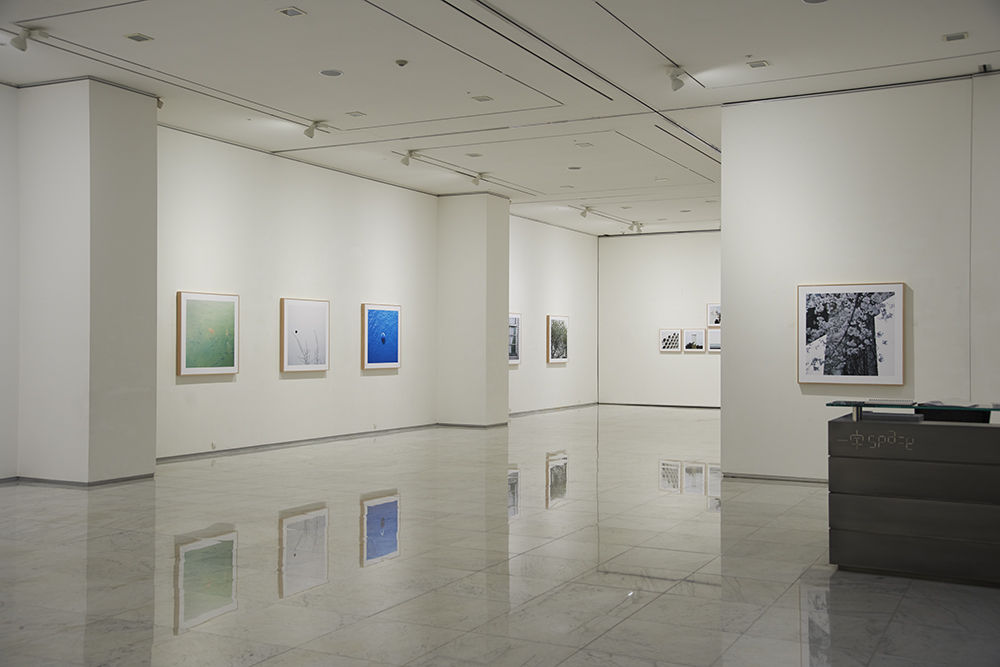
The exhibition 《Serene Days》 interweaves selected works from
‘Nevertheless,’ which views the contemporary pandemic through the temporal lens
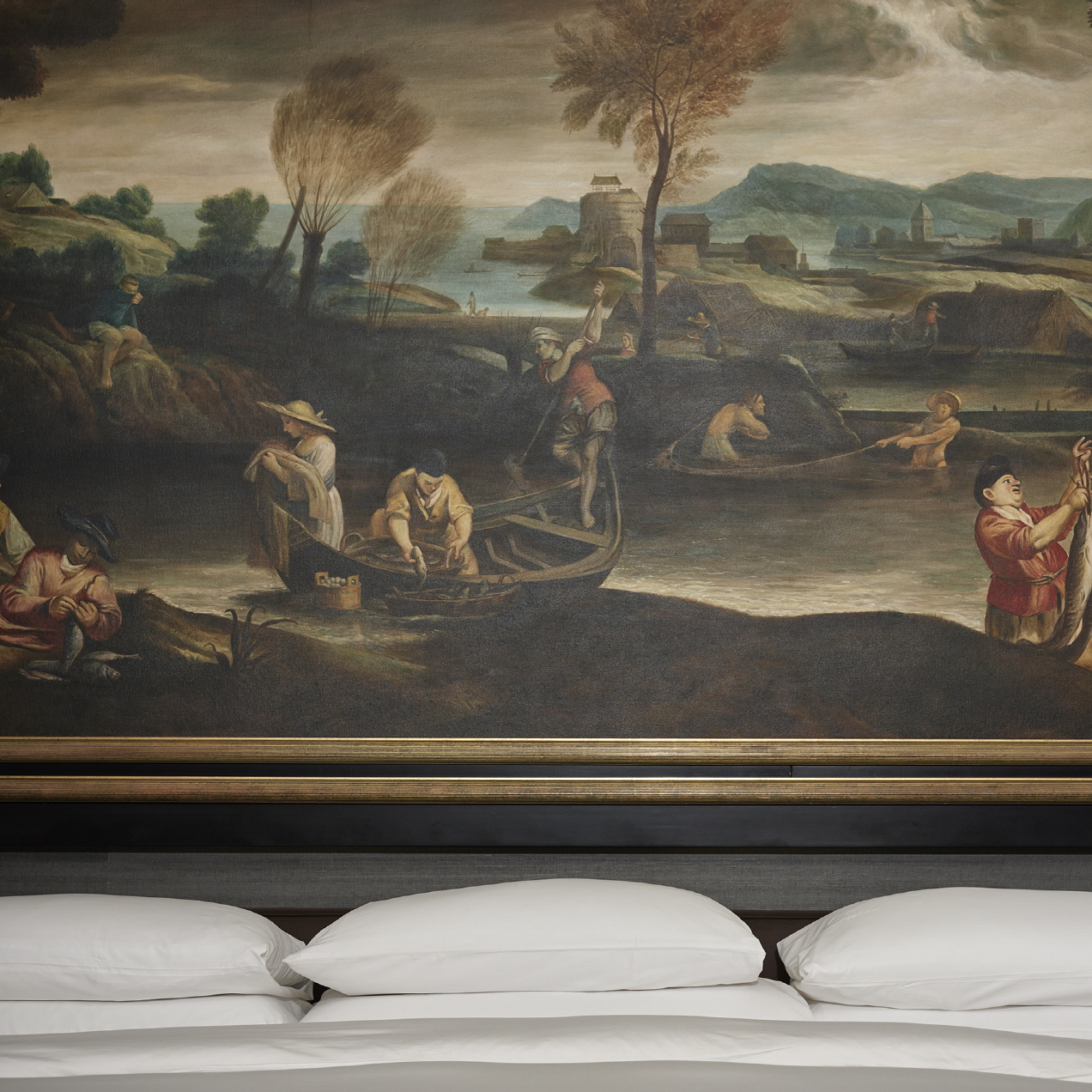
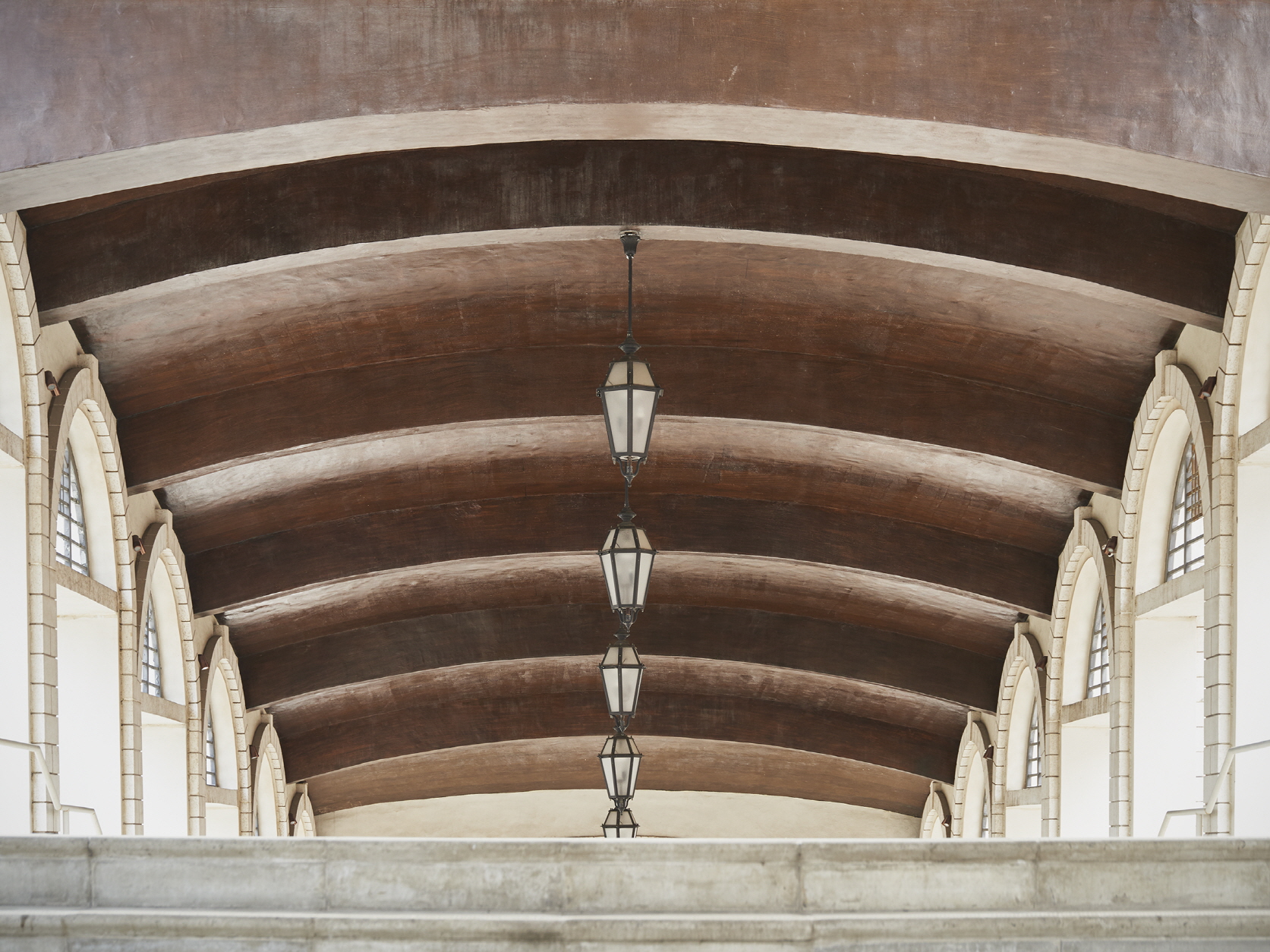
of nature, and ‘So, Suite’ (2019), which gathers the memories of a human
space—a hotel that disappeared after 25 years—not of its inhabitants but of the
space itself.
In doing so, it observes the turbulent time of humanity shaken by
unforeseen trials through the composed temporality of nature, while tracing the
seemingly unending human desire for eternity and nature within spaces destined
to vanish. Beginning with the story of the “self” in the present everyday life
of the pandemic, the exhibition expands into a broader reflection on the
“world”—on how finite human actions, as part of nature, affect the entirety of
the ecosystem.
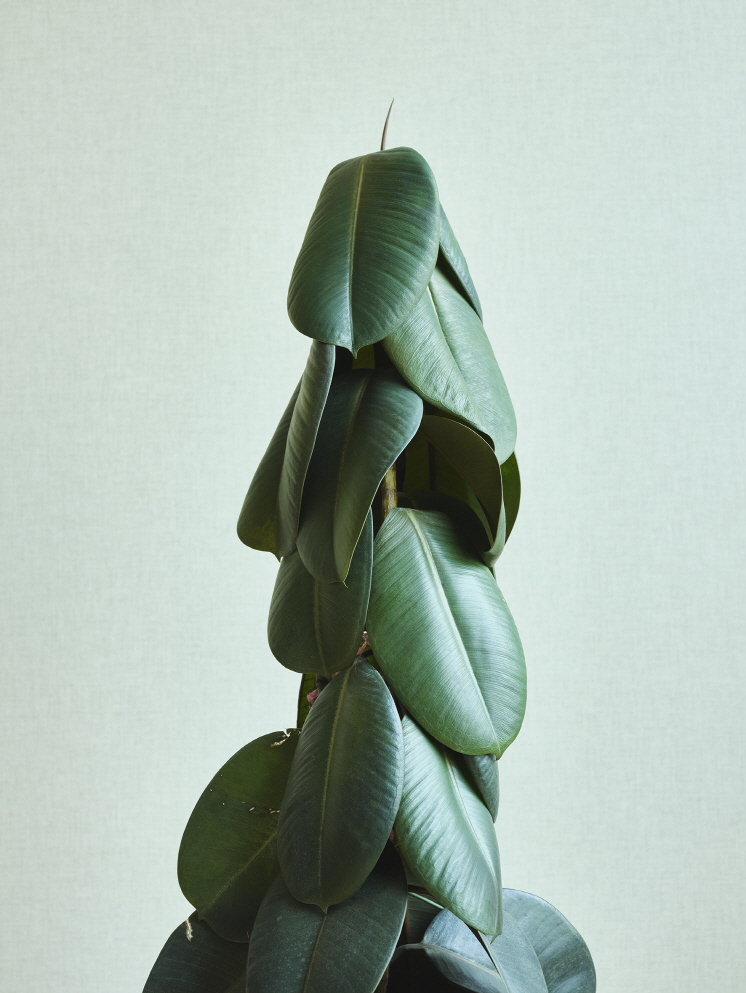
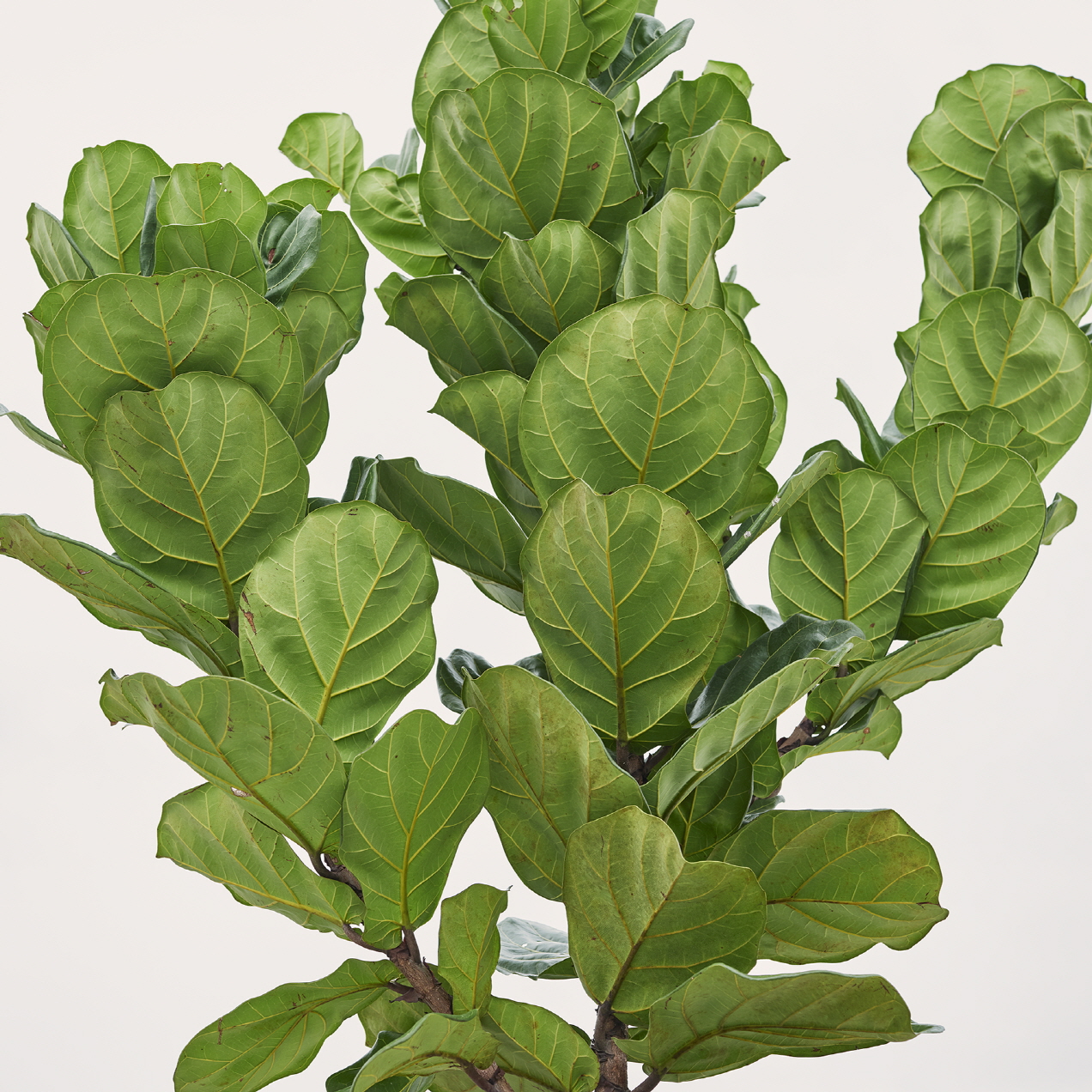
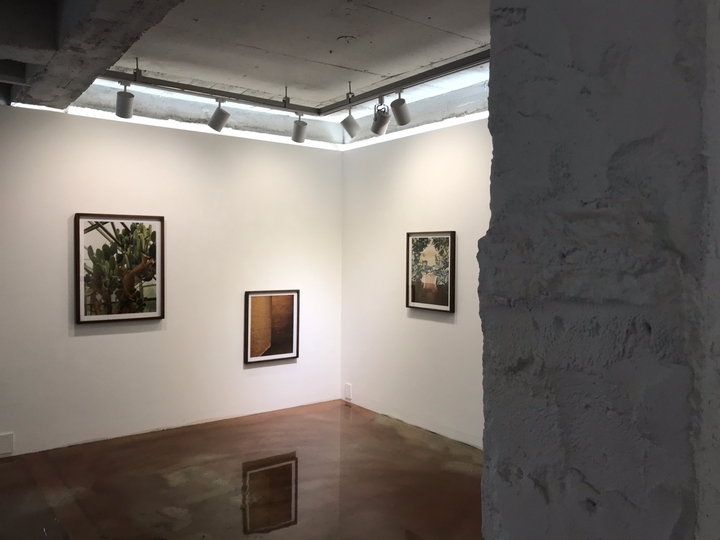
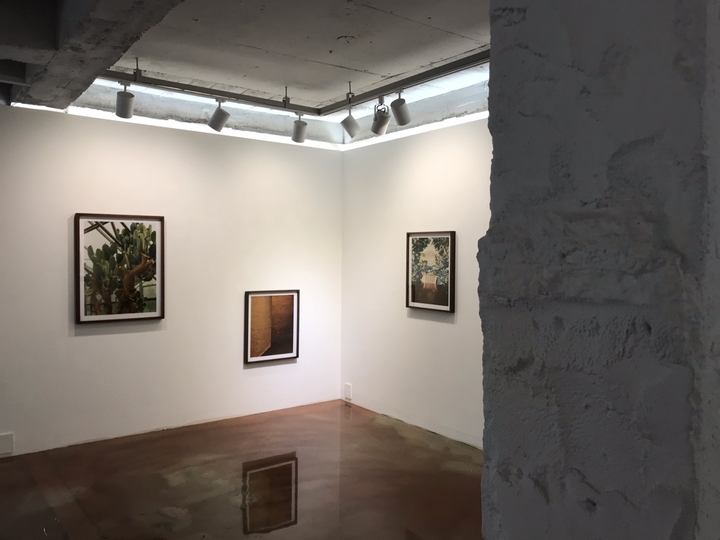
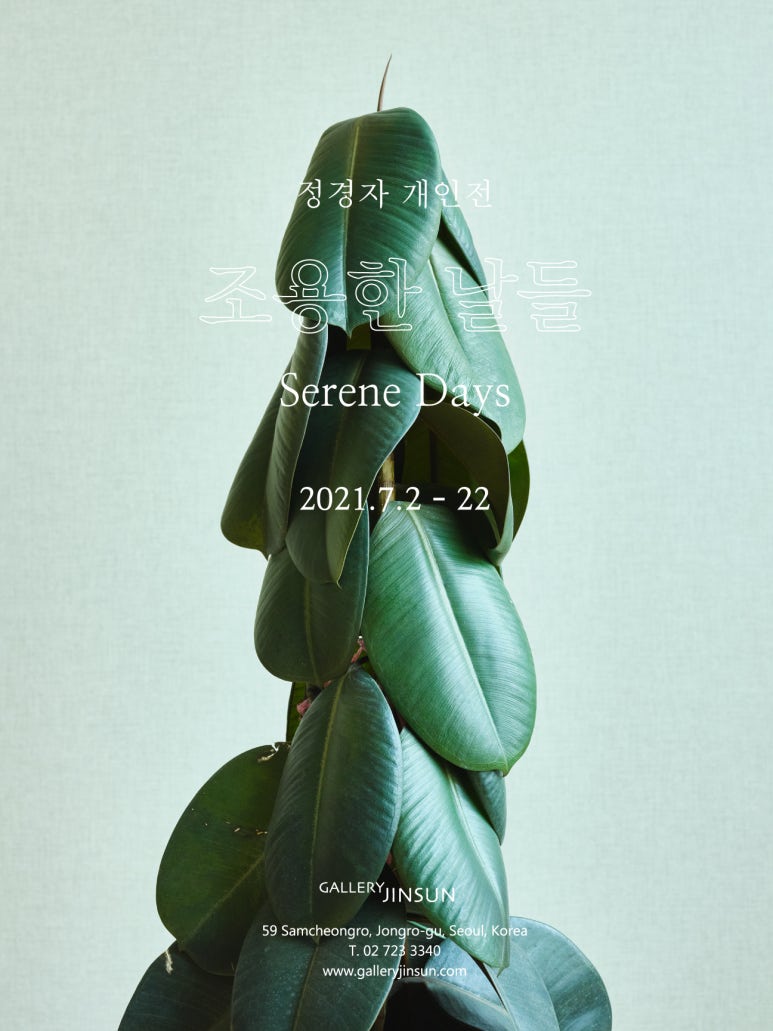
Upon entering the exhibition space, one
first encounters a photograph of a rubber plant shriveled by indoor cold, and
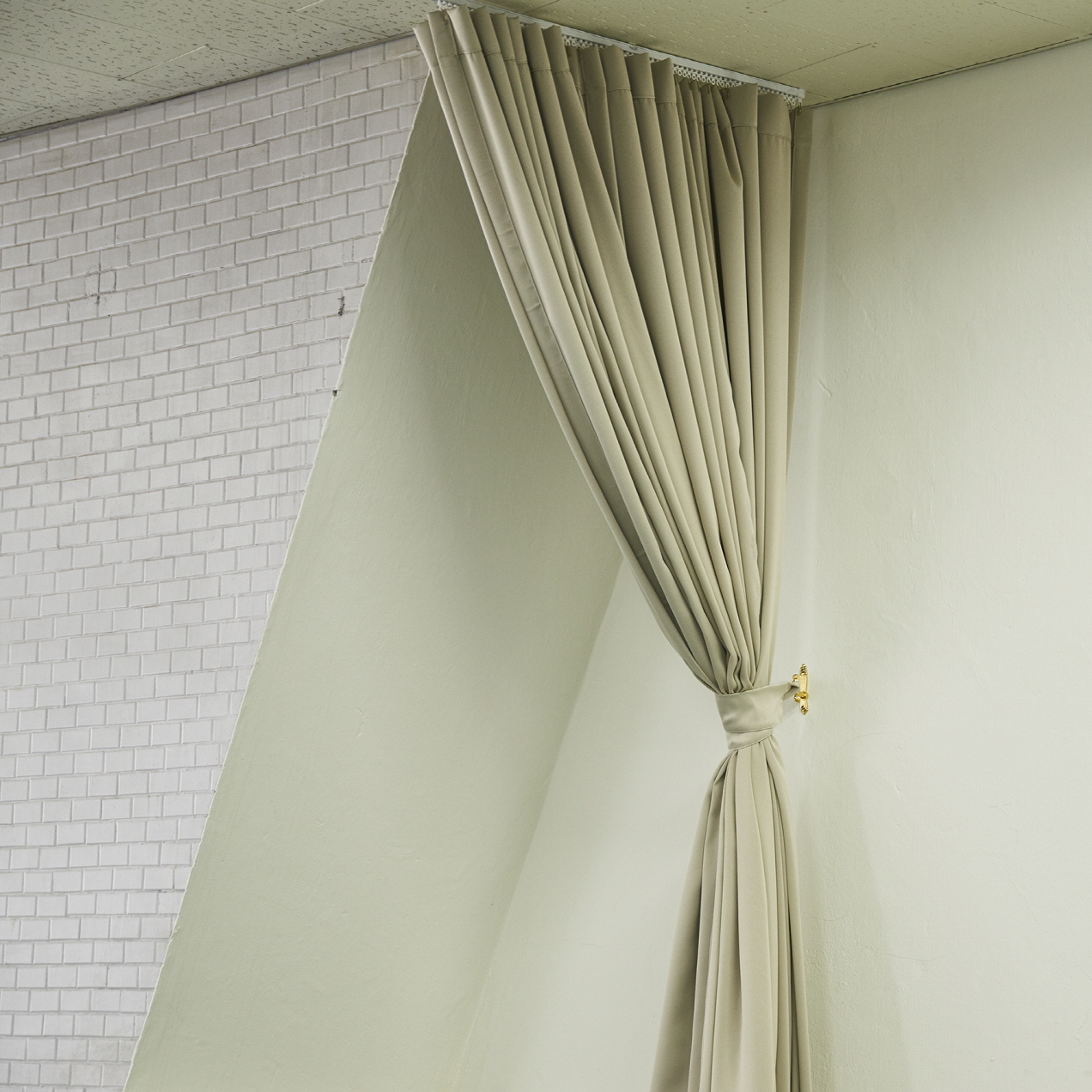
the narrative of 《Serene Days》 proceeds toward an image of a closed window with curtains too long to
hang freely, forced to fold. At the exit, two photographs of equal scale are
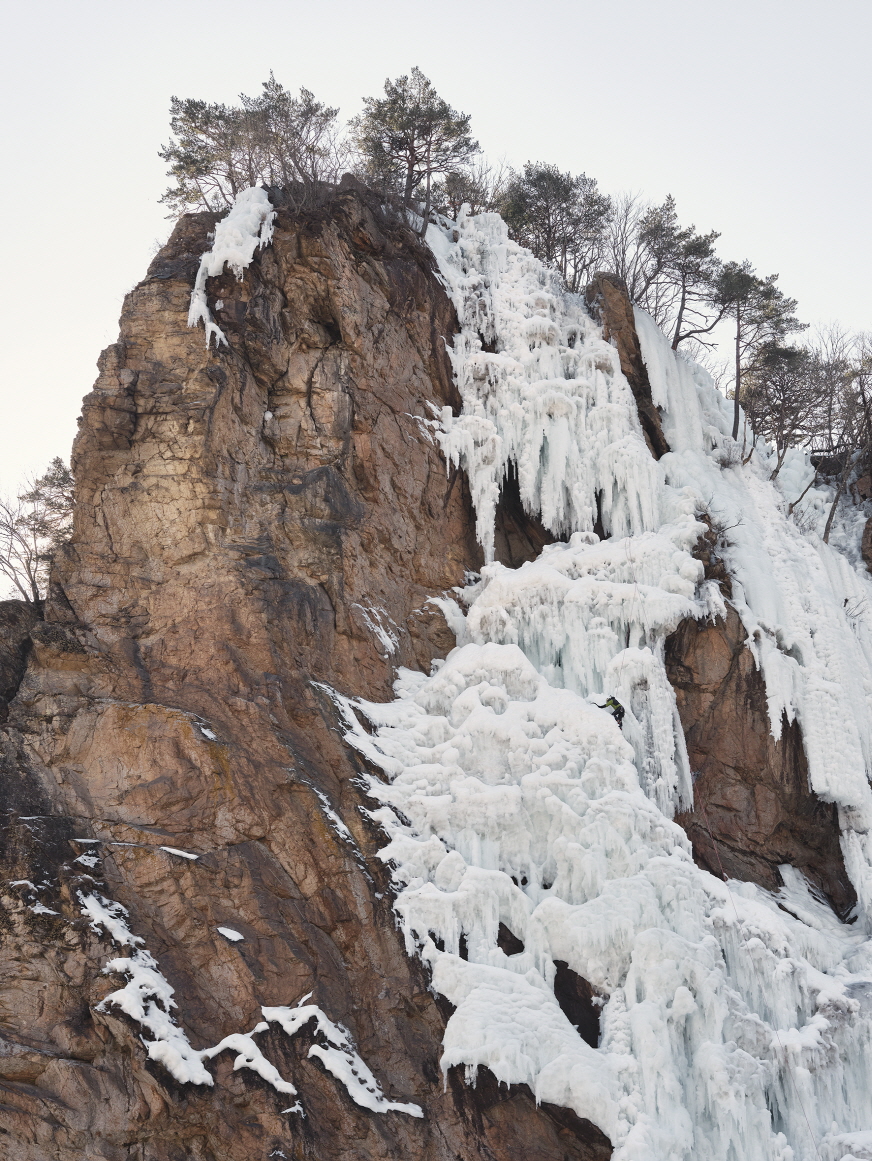
presented: a snow-covered mountain glowing in daylight, and artificial
industrial lights illuminating the night.
There are no human figures onto which
clear emotions can be projected, nor events from which a distinct narrative can
be drawn. Objects within interior spaces lead into enclosed worlds; towering
mountains and vast seas collide with miniature landscapes depicted indoors; and
green life confined within a botanical garden cannot penetrate the glass and
steel of the greenhouse that reveals the outside world.
The artist does not explicitly separate
the ‘Nevertheless’ and ‘So, Suite’ series in the exhibition. Yet if one were to
distinguish them, the former engages with the reality of nature, while the
latter addresses the artificial reality that imitates nature. 《Serene Days》, where nature and the artificial
coexist in varying scales, mirrors a human civilization that continuously
expands its domain by separating itself from nature.
It pursues nature yet
distances itself from it, imitates it while damaging it, and, though part of
it, attempts to dominate the whole. It is a world in which humans—connected to
all species on Earth—have divided a single world into two, yet remain
inevitably part of nature within a finite system.
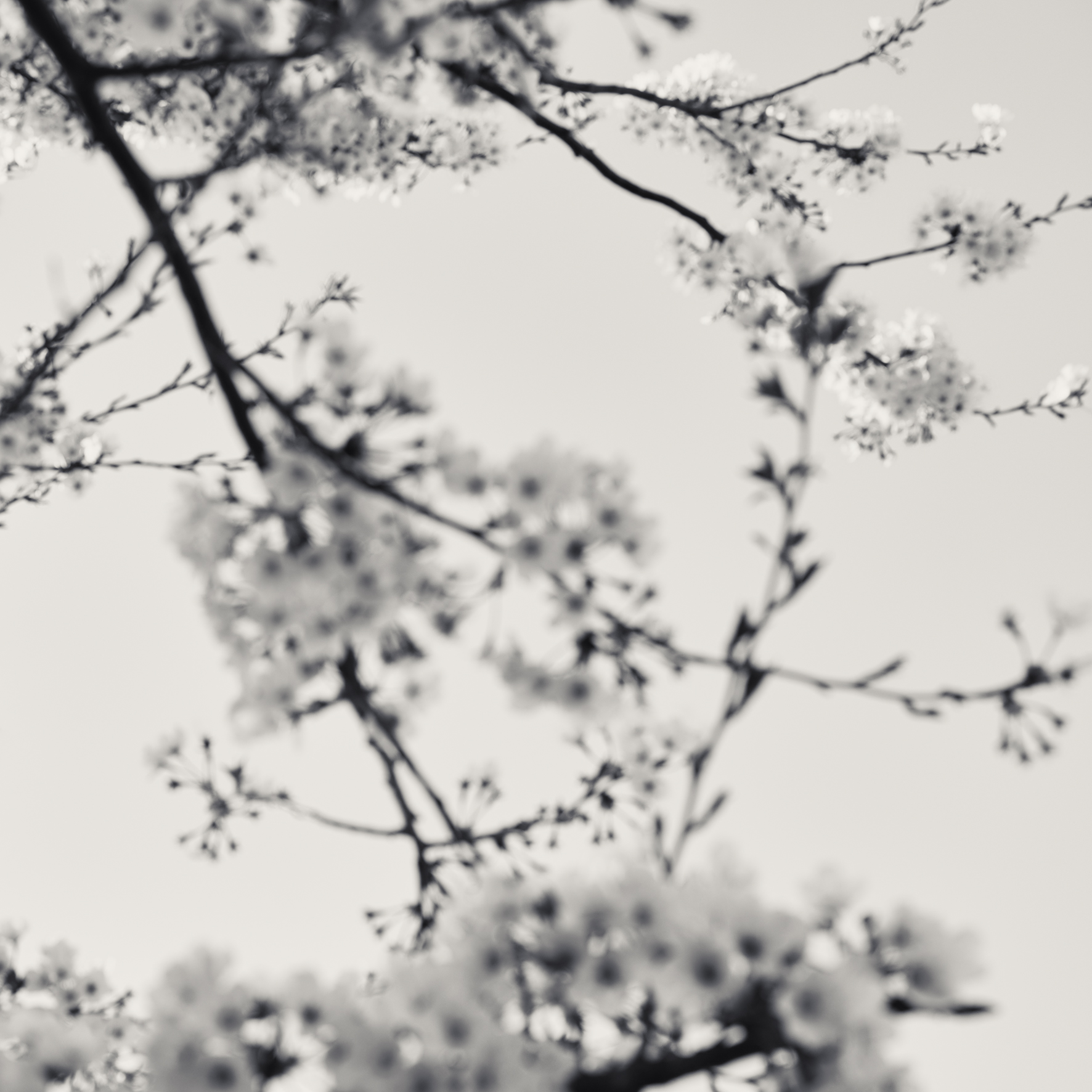
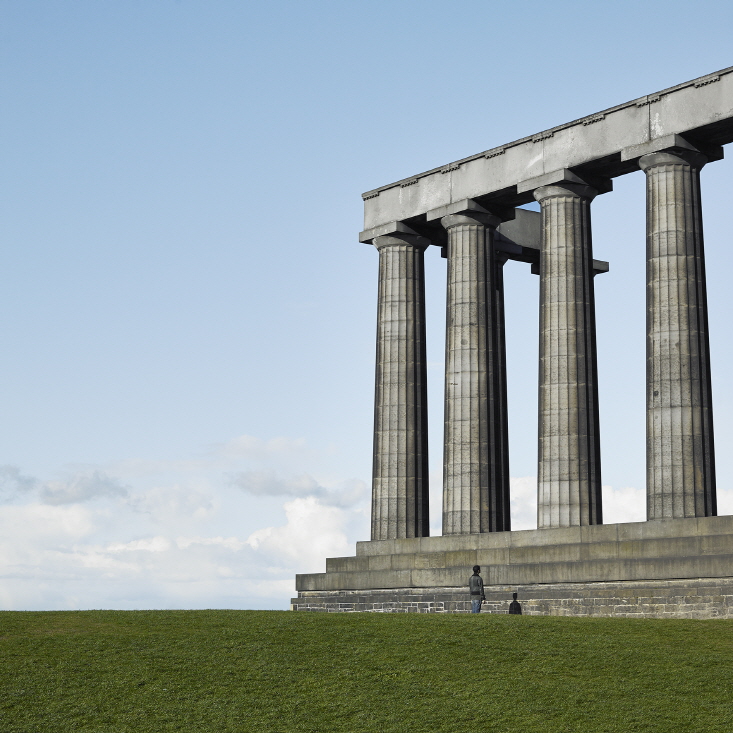
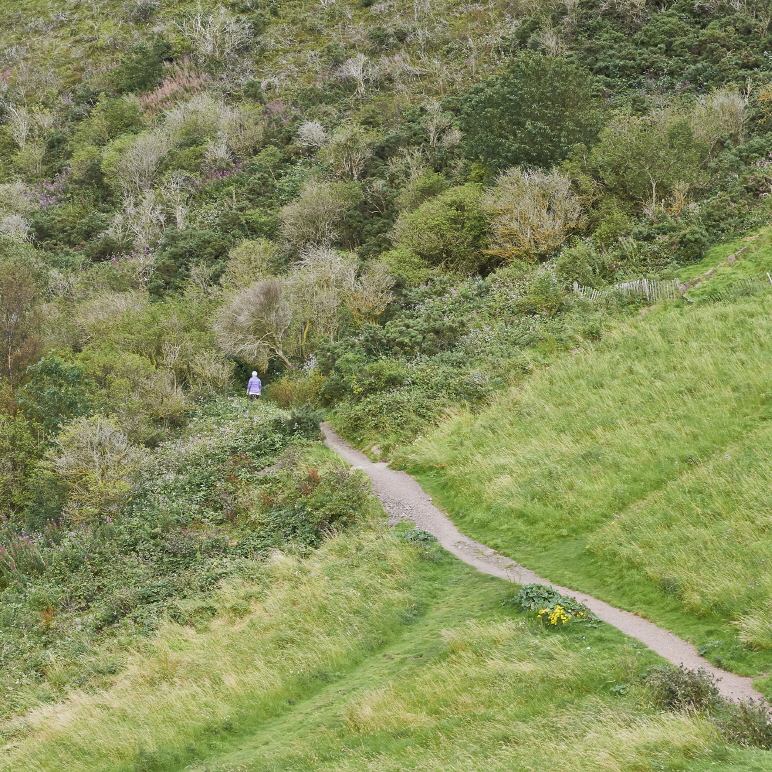
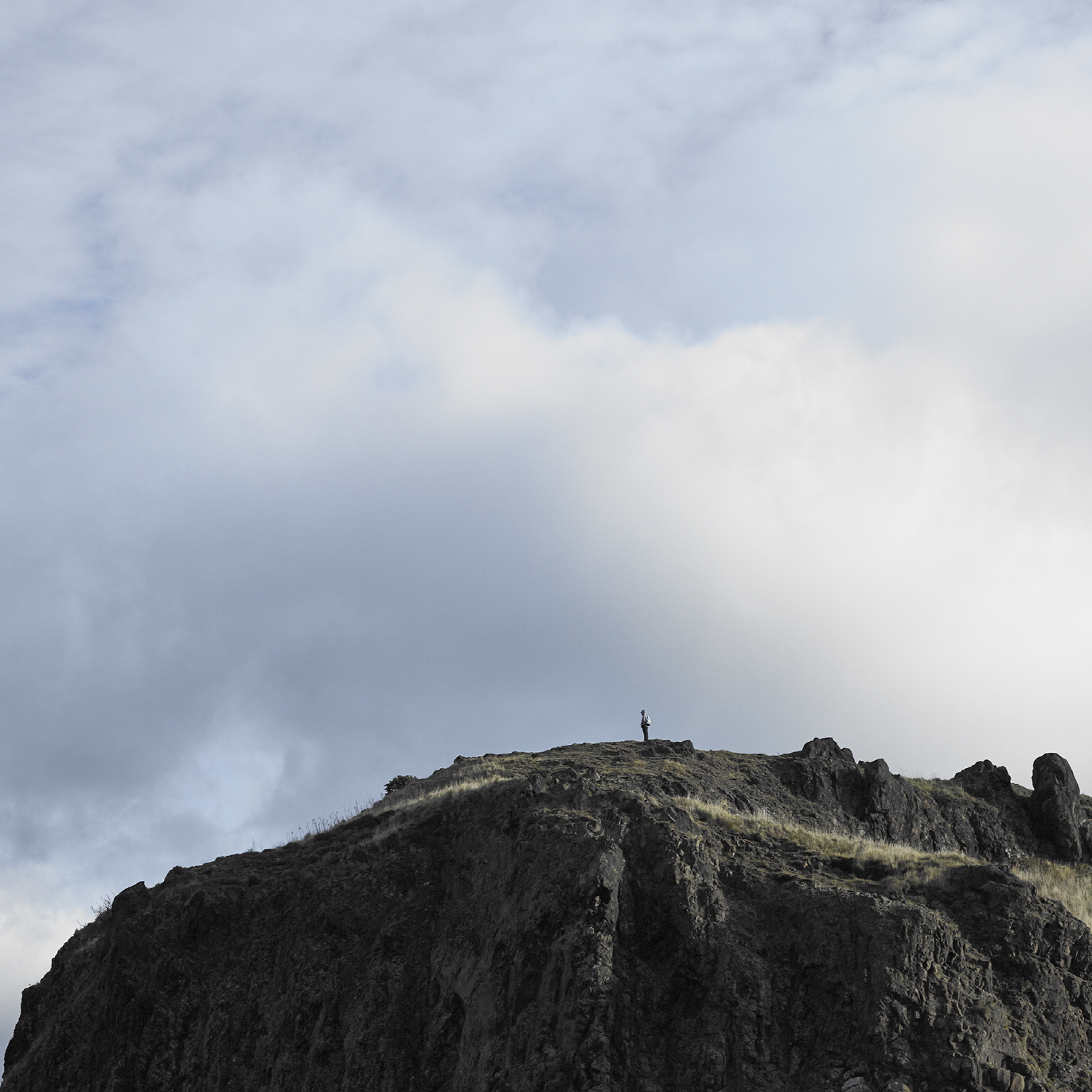
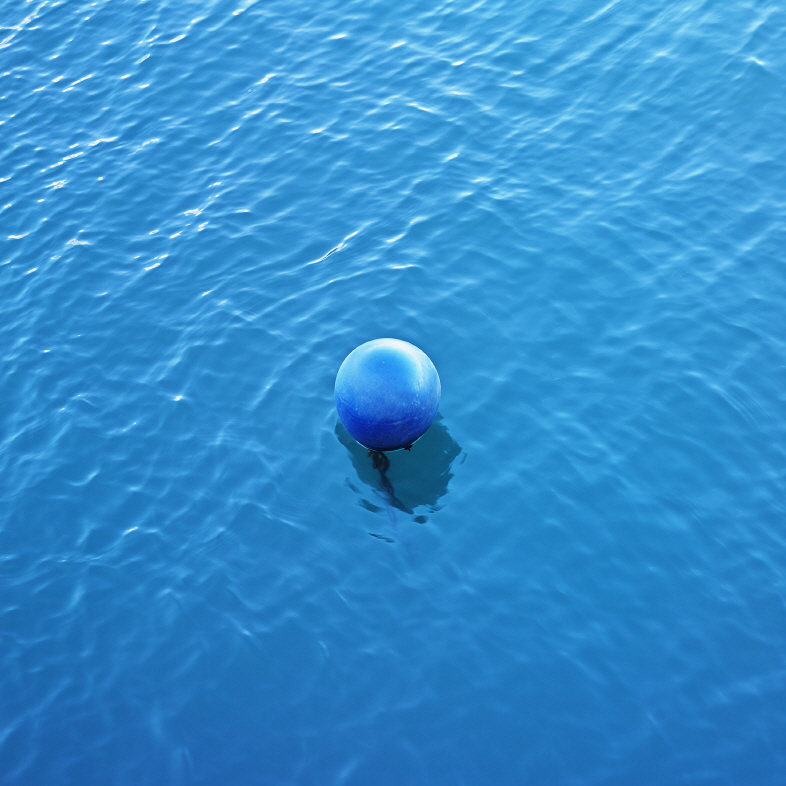
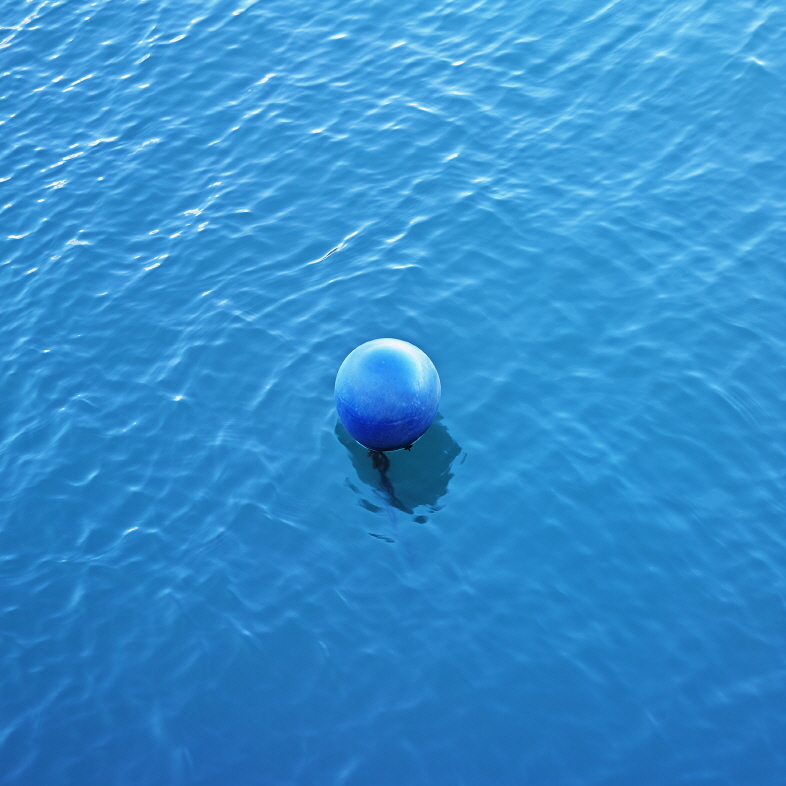
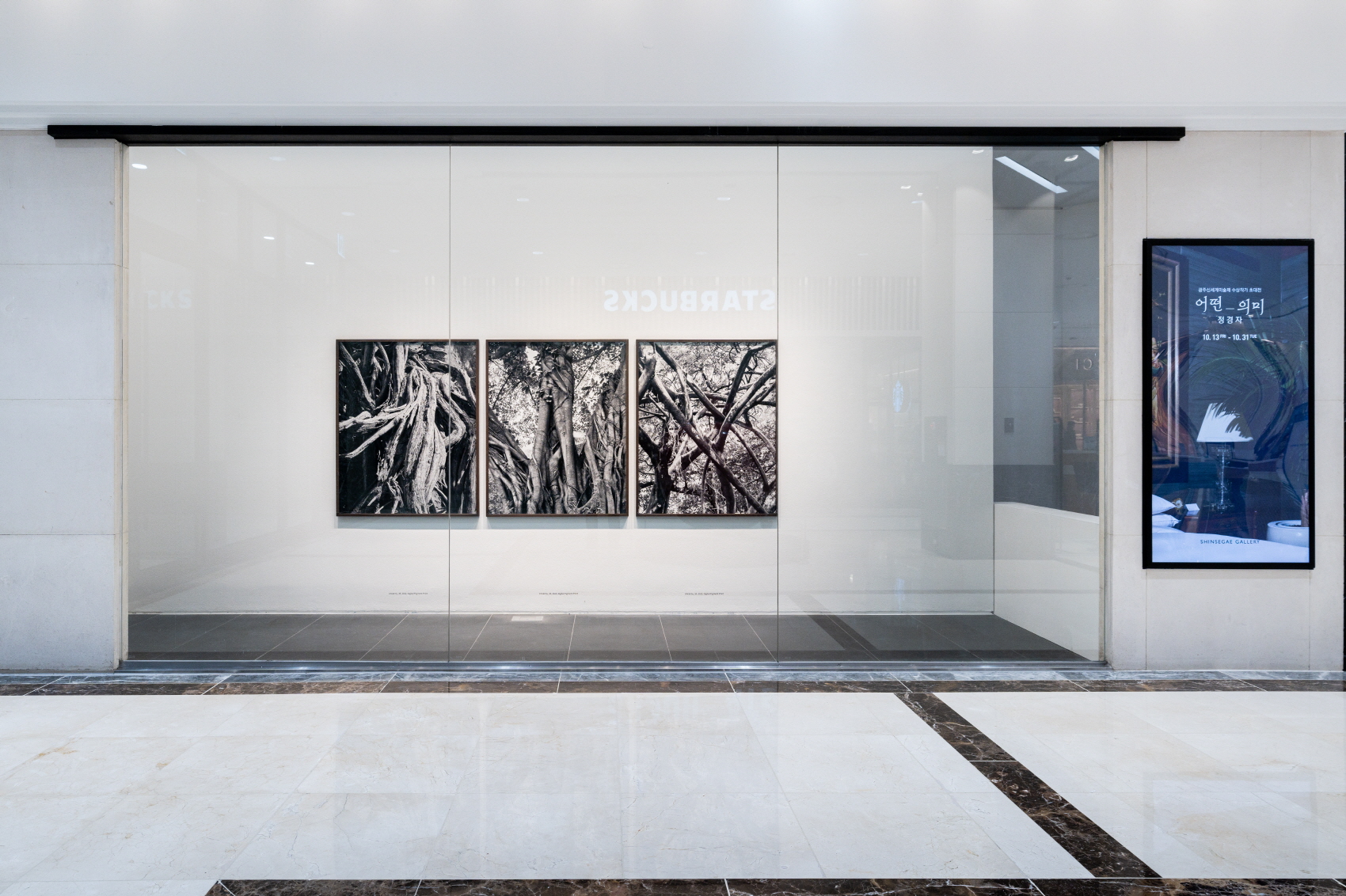
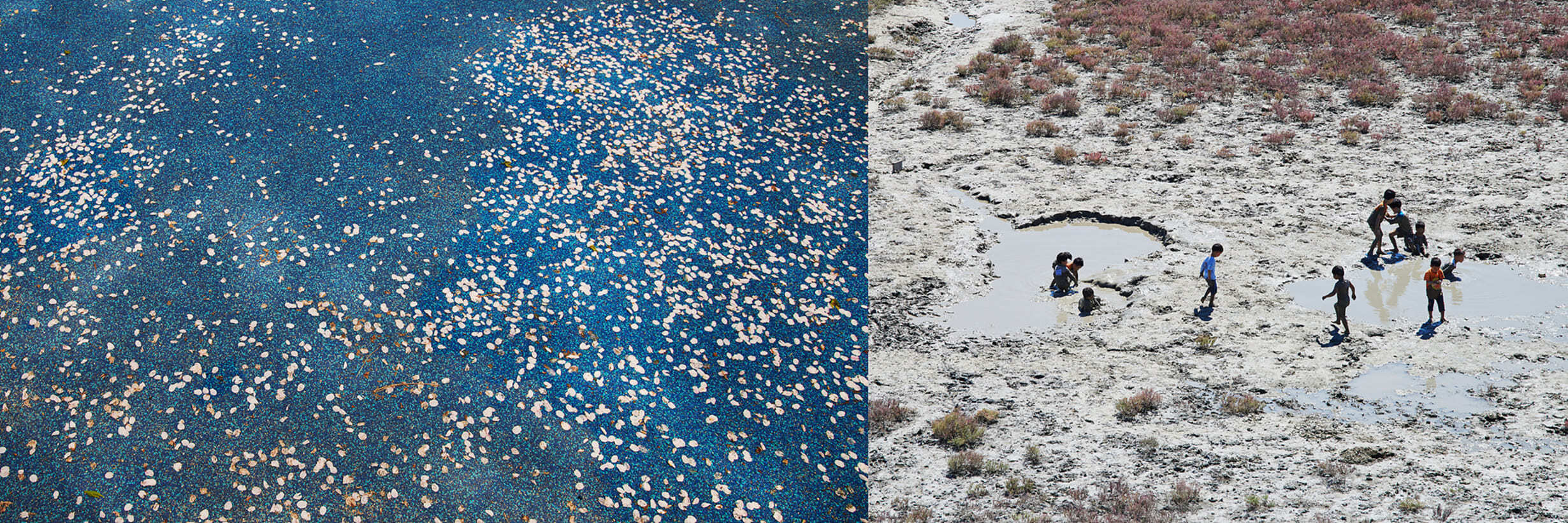
In ‘Nevertheless,’ the natural world
unfolds through trembling cherry blossoms, trees shedding leaves, winter
mountains brushing off snow, seas where waves endlessly arrive and recede, and
the sky itself. Everything empties and fills, owning nothing yet constantly
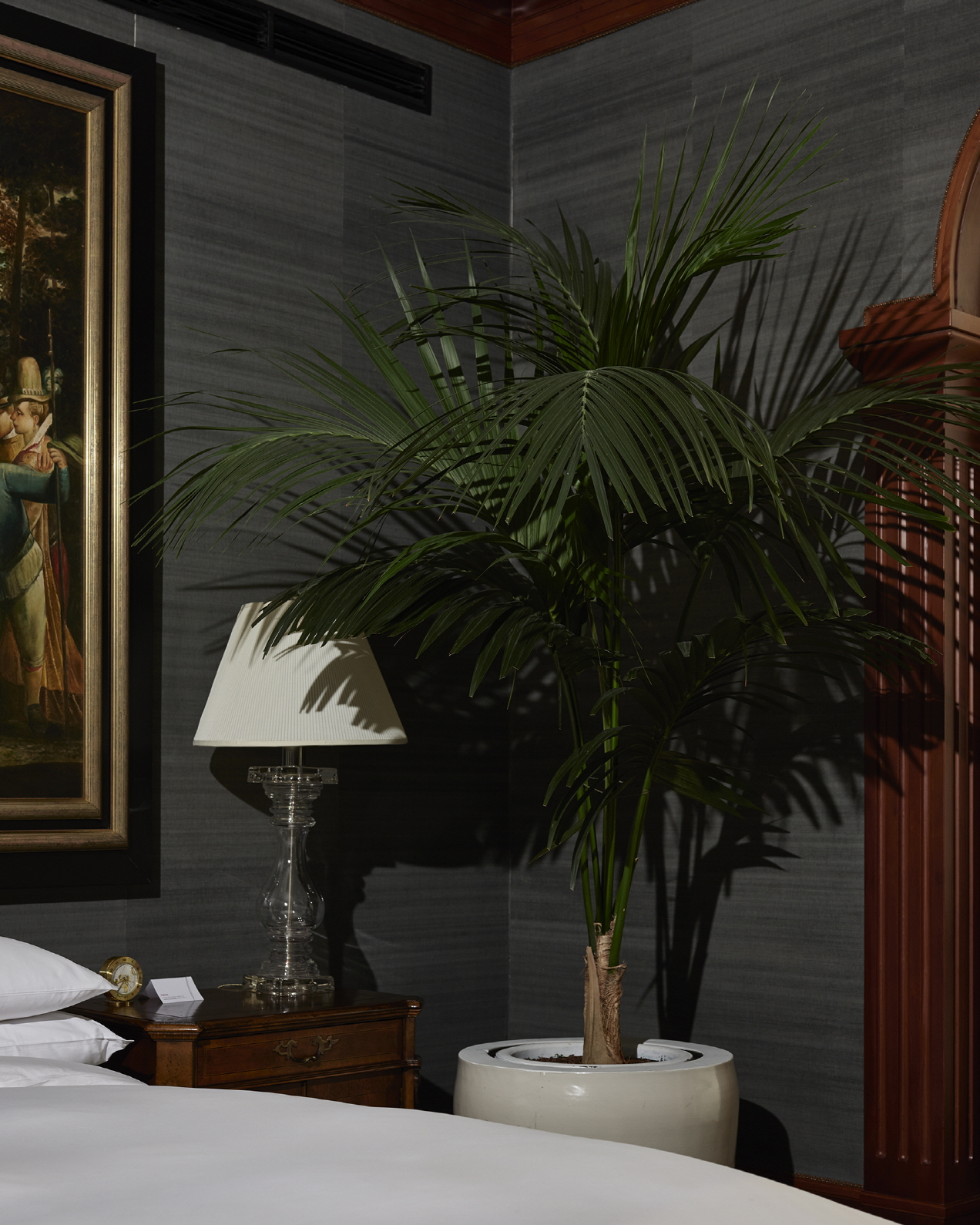
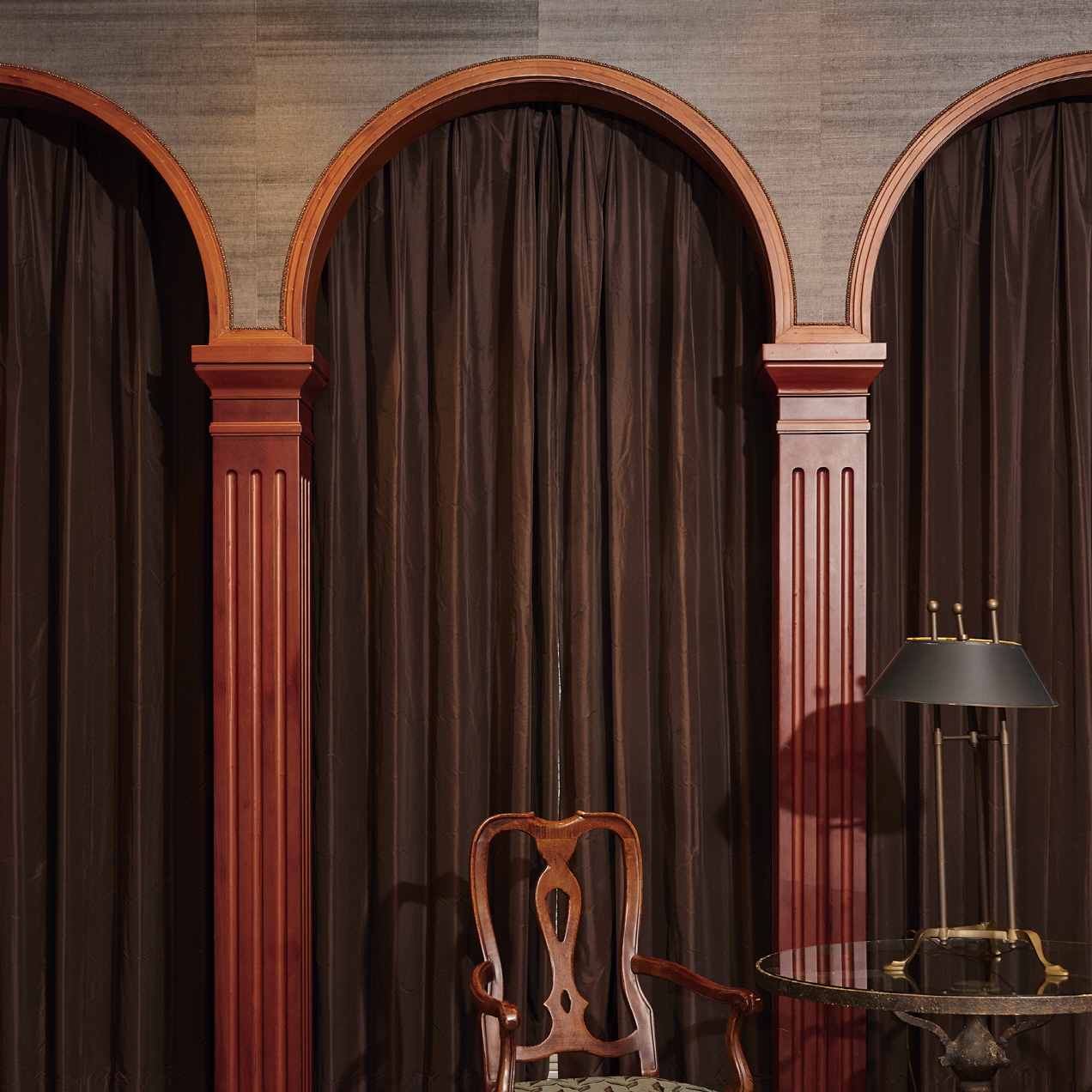
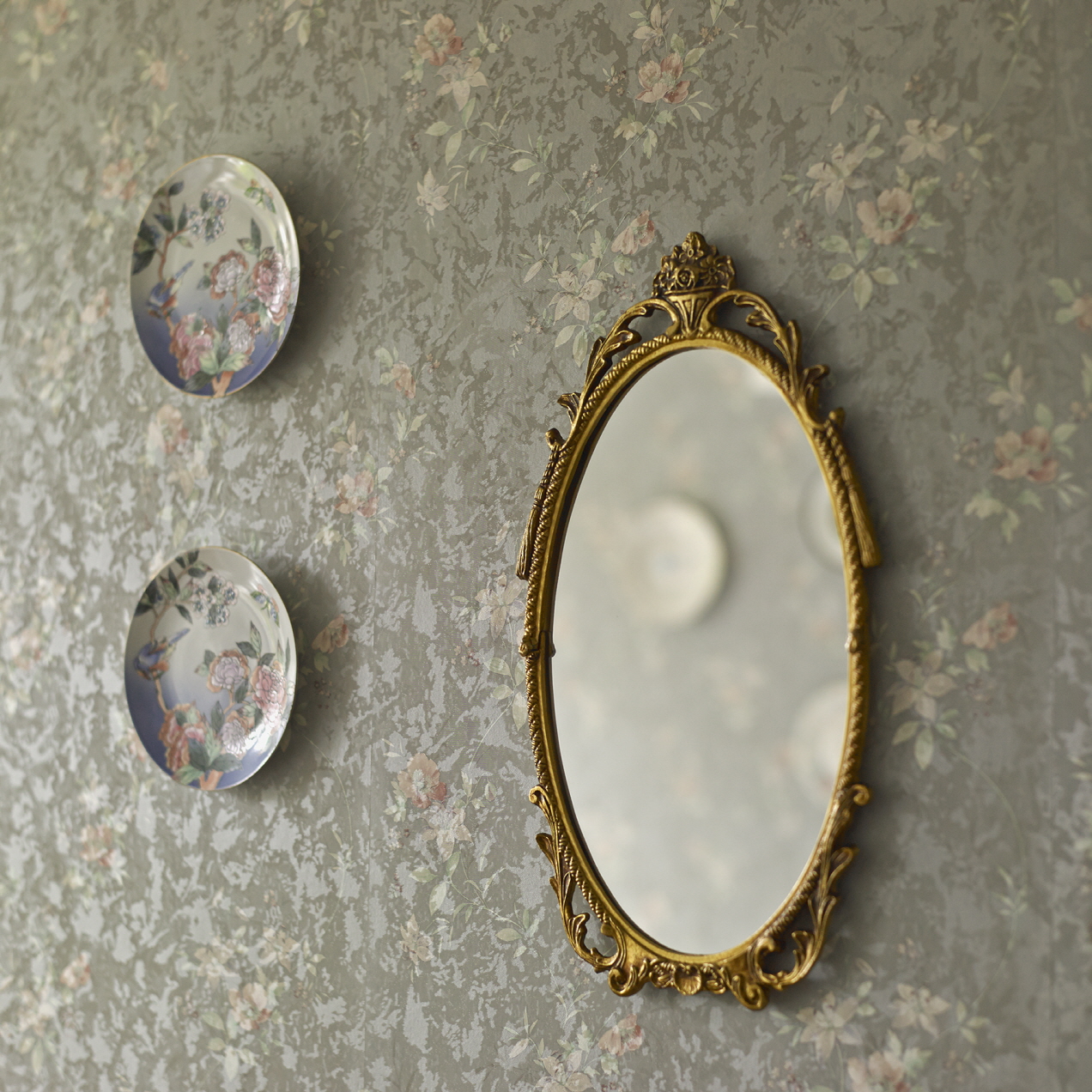
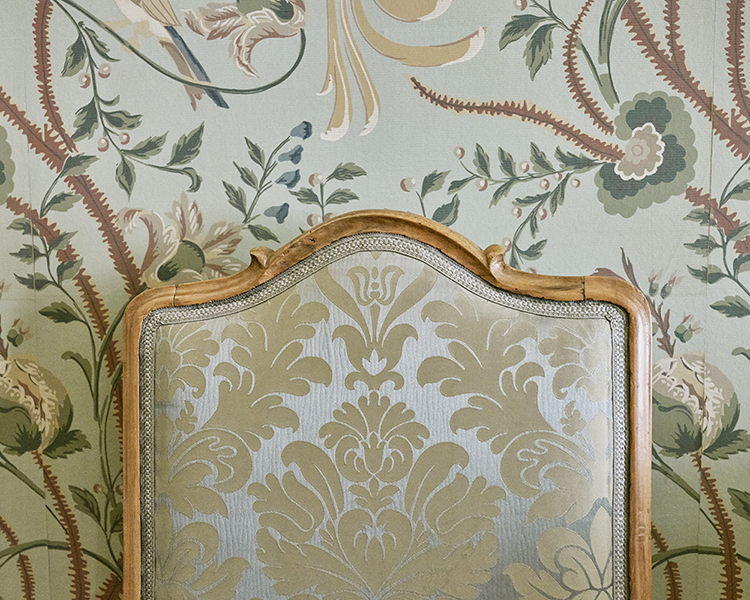
changing with time. In contrast, the human world in ‘So, Suite’ gleams with
velvet-covered furniture and curtains, while carpeted walls and floors
partition space.
If velvet and carpet are artificial products mimicking natural
textures, then potted plants and landscape paintings placed around bleached
sheets and polished furniture resemble exhibits of a desire to confine and
possess life within glass greenhouses or vessels.
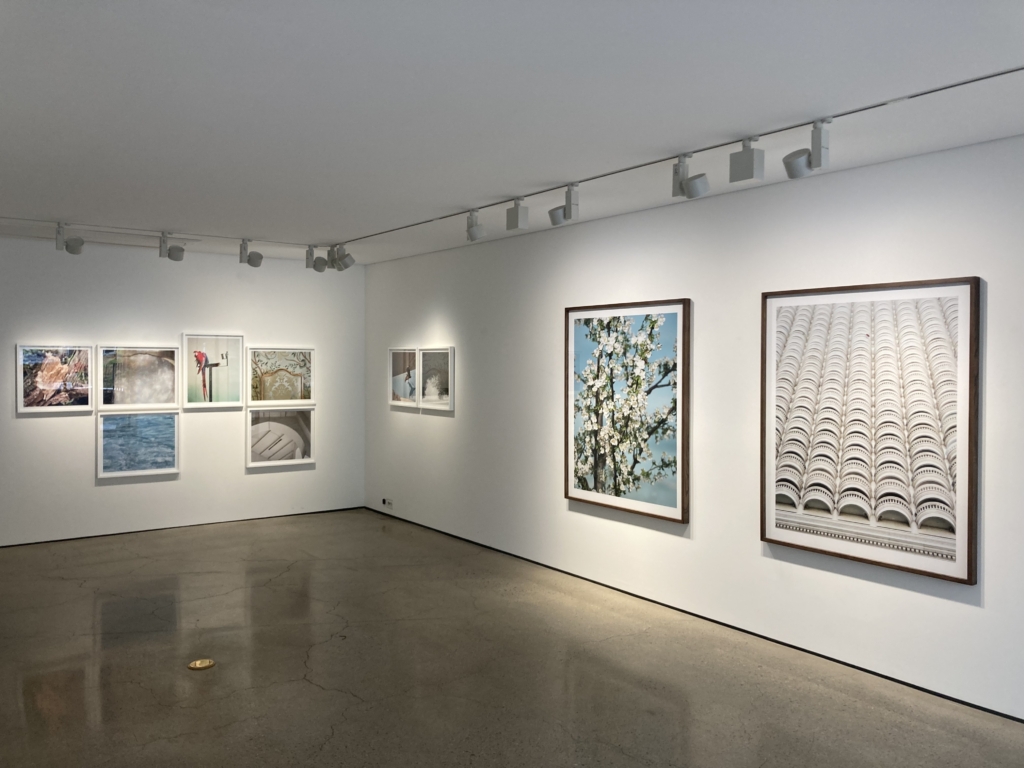
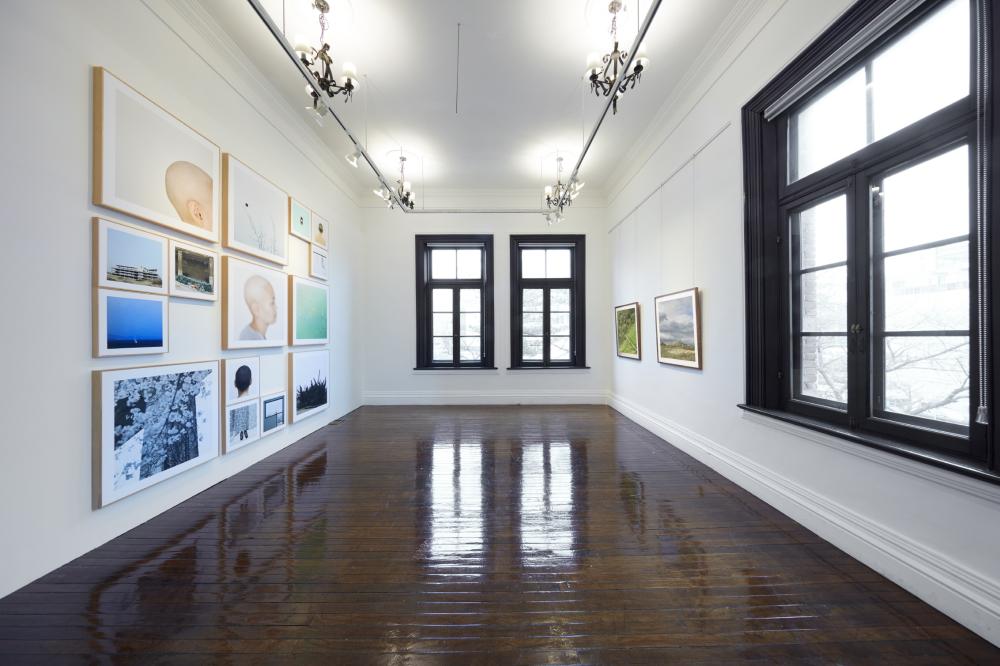
Unlike earlier exhibitions, where
sequences followed specific compositional methods, the selected photographs
from ‘Nevertheless’ and ‘So, Suite’ form one extended sentence through
individual prints of varying sizes. Vast nature appears in small images, while
fragments of nature are enlarged, breaking away from the perspectival scale of
everyday human vision.
The “hotel,” which accumulated decades of fleeting
memories as an artificial space, and the transparent greenhouse nurturing
captured nature are both reduced in scale despite the magnitude of desire they
contain. Nature stripped of color approaches like recollection, while the
vividly colored human spaces drift like imagination. Some images function as
words, others as commas—but nowhere is there a full stop.
The artist presents her gaze on today’s
pandemic under the title “Serene Days.” It is both an ironic reflection on days
when the world holds its breath in fearful stillness and a question directed
toward the “serene days” that may unfold after the pandemic. Rather than
asserting hope or collapsing into despair, she presents only a recurring
pattern: contraction and expansion, closure and opening, confinement and
release.
What nevertheless emerges is a gesture of withdrawal—of calmly
observing the situation, like nature that simply changes in place—and an
offering of empty space, where fear, anxiety, and distrust may settle into
silence.
In encountering Jeong’s
photographs—whether within the exhibition 《Serene Days》 or in a photobook—there is nothing we are required to do. Yet if we
choose, we may open the boundary between ourselves and the image, stepping into
the void of meaning that the artist has offered. Some may regard pandemics as
recurring events in human history, seeing the present as merely another passing
moment.
Others may understand it as a warning to humanity in the face of
ecological destruction driven by modern civilization. There is no definitive
answer, and no one can claim certainty about the world that will follow. Thus,
we confront the “now” together through silence.
Everything reveals its substance not in
what is filled, but in what is empty. Even if, in that moment, we find only a
self endlessly fleeing from the present, that recognition marks the beginning
of reflection—the present of reality itself. And if, instead of escaping sudden
trials, we confront them directly, we may transform and transition rather than
deteriorate in unknowable suffering.
No matter how we attempt to flee from the
present, the next moment will again be the present—and even the future we imagine
as an escape offers no certainty. The only way to live is to continually delve
into the fragile self of the present and the vulnerable world it inhabits.