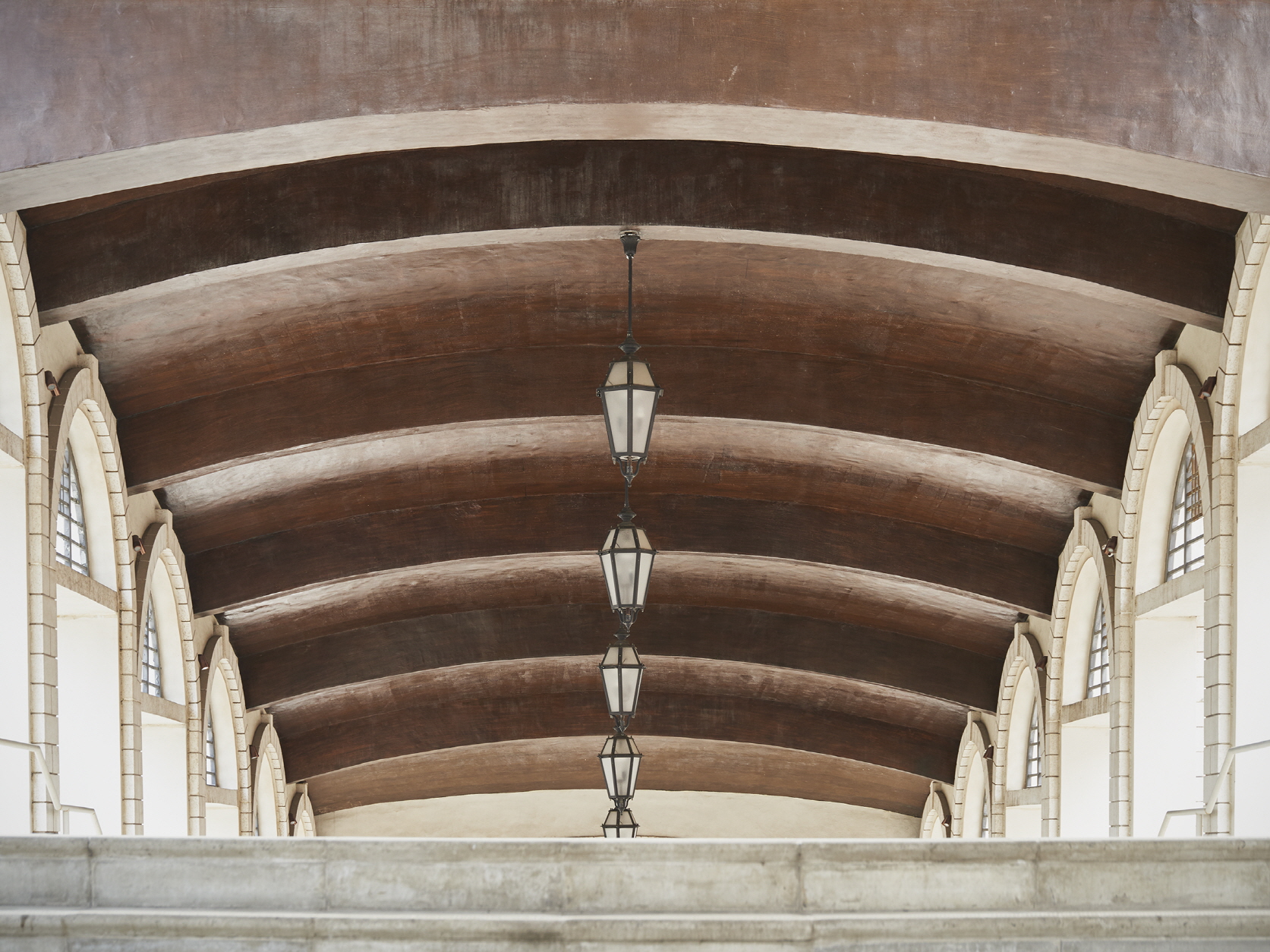
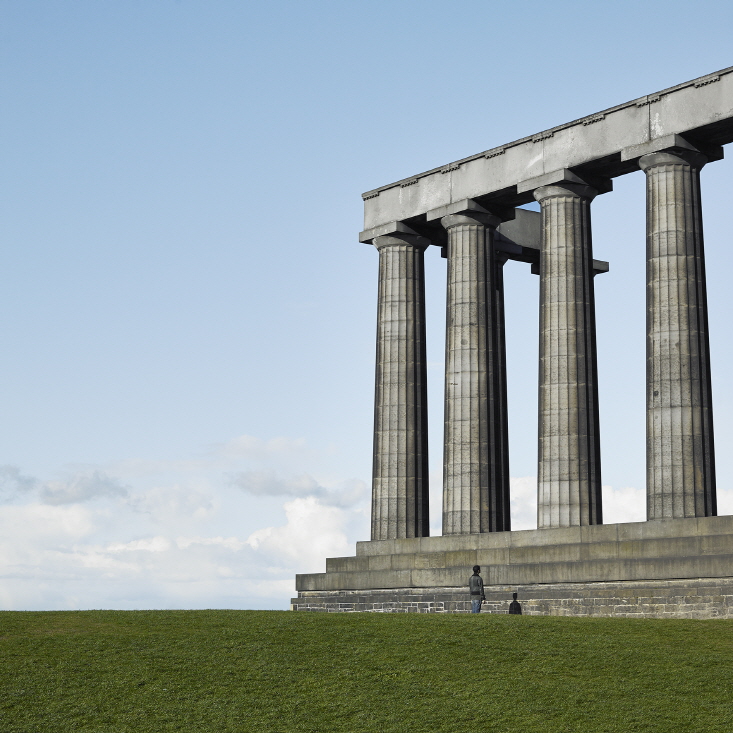
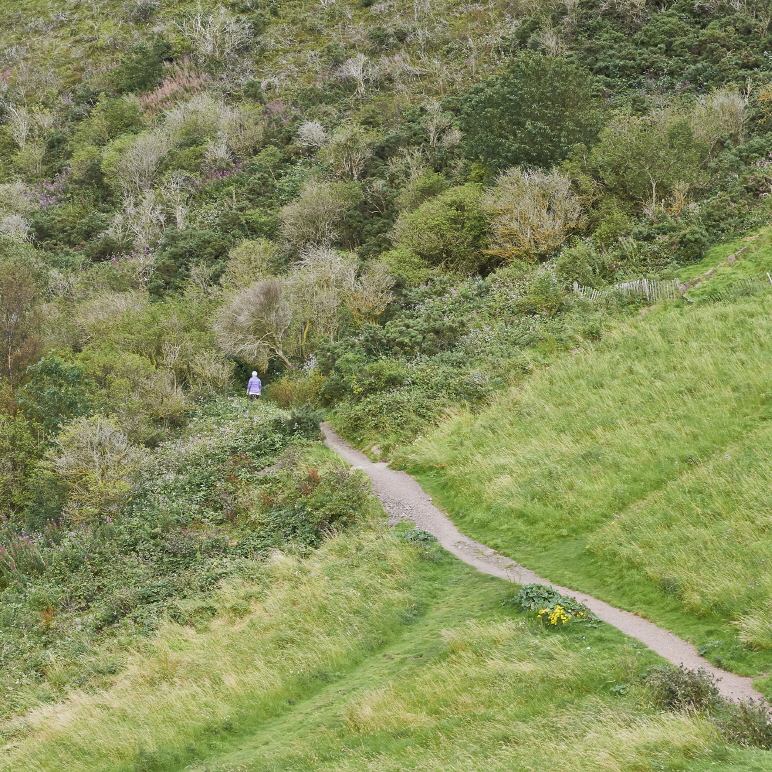
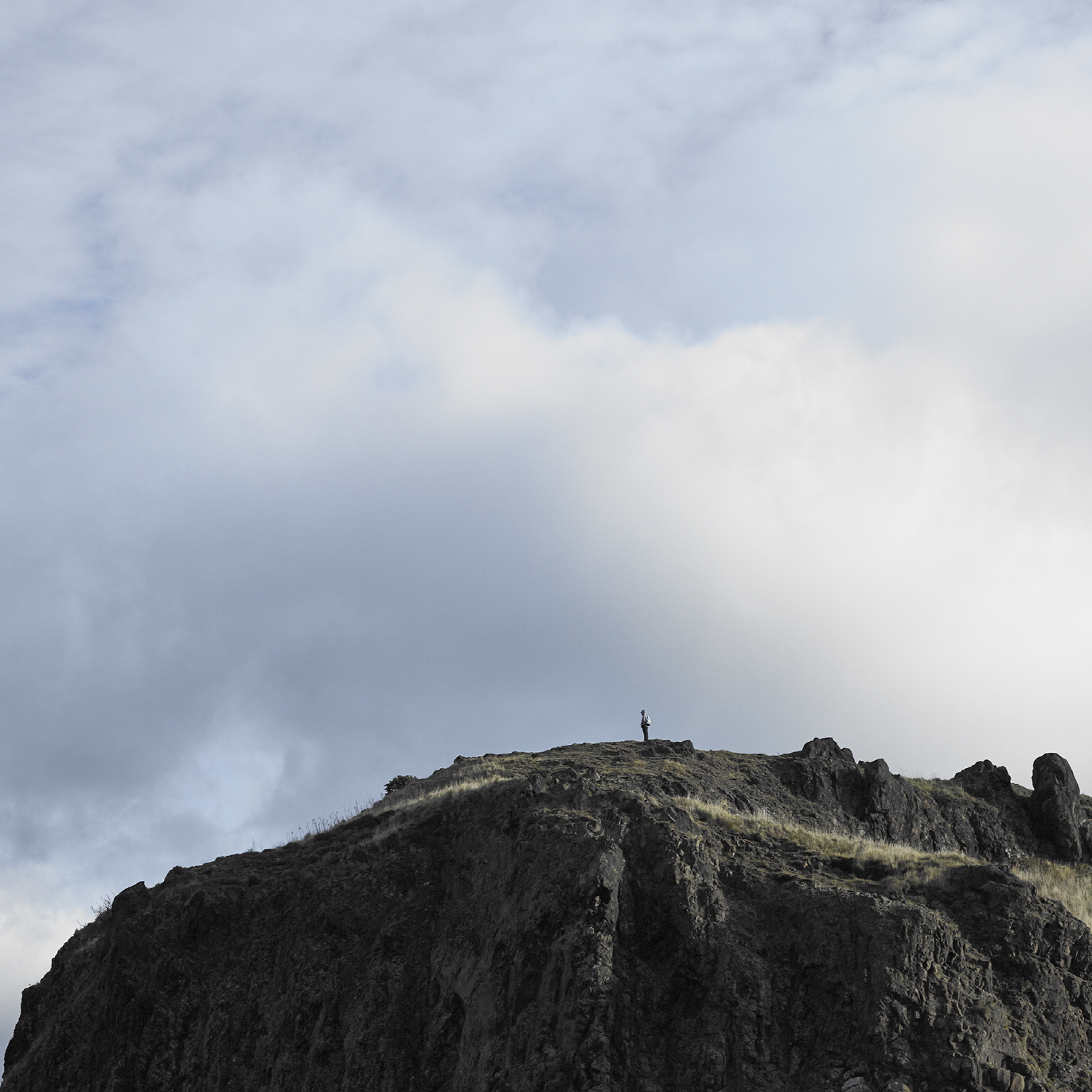
For audiences accustomed to the square
frame of Instagram, these images immediately draw the eye. Within sharply
trimmed photographs, subjects are densely composed; yet curiously, one senses a
certain “gap” and even a “breath” within them. This refers to the photographic
works of Jeong Kyungja exhibited at Space22. They are snapshots that extract
fleeting moments from seemingly insignificant everyday scenes and imprint them
onto the image.
While they are straight photographs that faithfully capture an
instant, they are also distinguished by their carefully composed framing and
display, which create a refined atmosphere. Jeong Kyungja states that she
relies entirely on intuition when pressing the shutter. This exhibition, she
explains, was conceived around the question: “Where is the boundary that
divides this sensation?”—hence the title 《The Boundary of Sensation》.
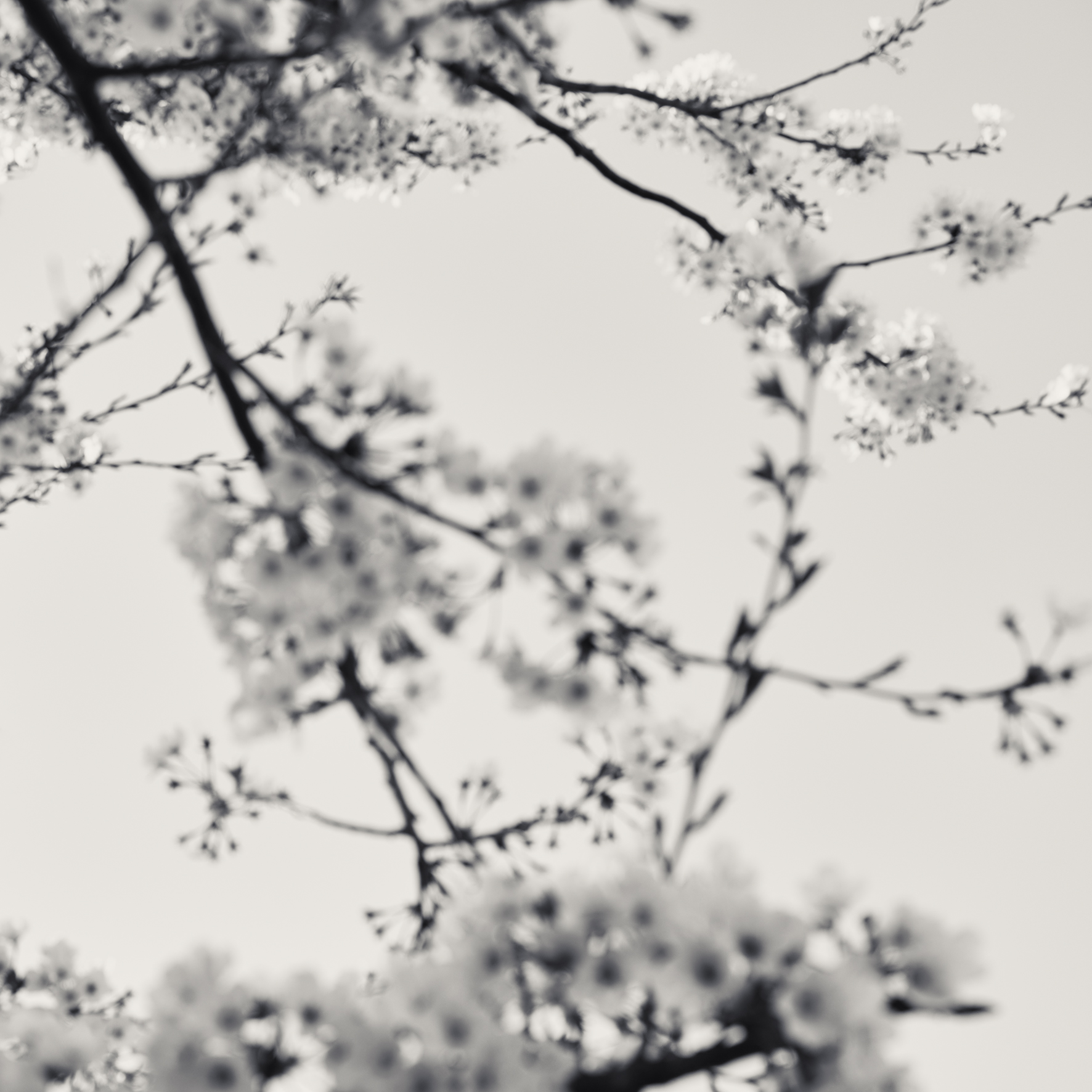
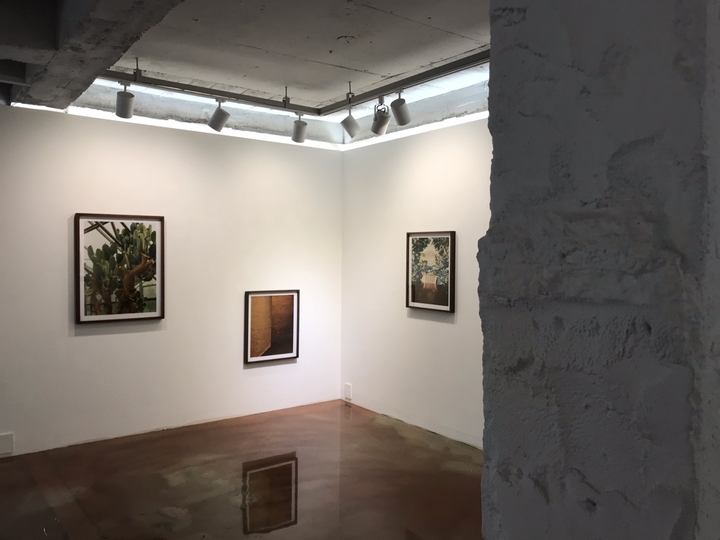
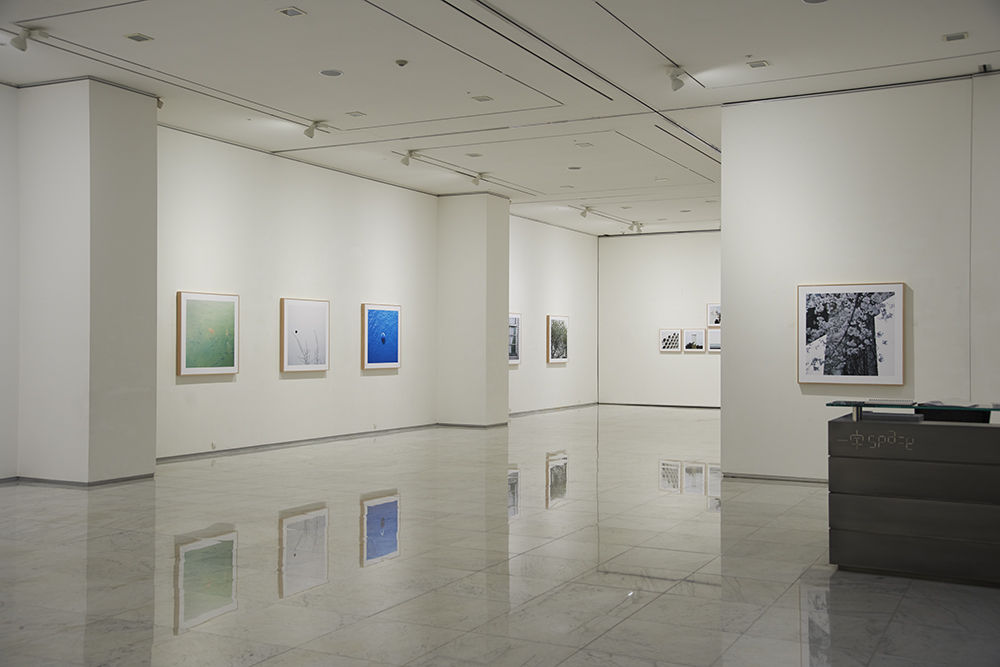
This exhibition, the artist’s first solo
show in three years, presents subjective moments captured in and around
anonymous architectural spaces. It includes the new series ‘Drifting’ (2019),
which quietly observes the peripheries of spaces where people temporarily
dwell, such as residential areas or churches; ‘So, Suite’ (2019), which
mysteriously frames close-up views of the interstices within an old hotel suite
awaiting major renovation; and ‘Elegant Town’ (2016), which recombines two
photographs into a single frame to depict scenes from newly developed urban
areas across Korea.
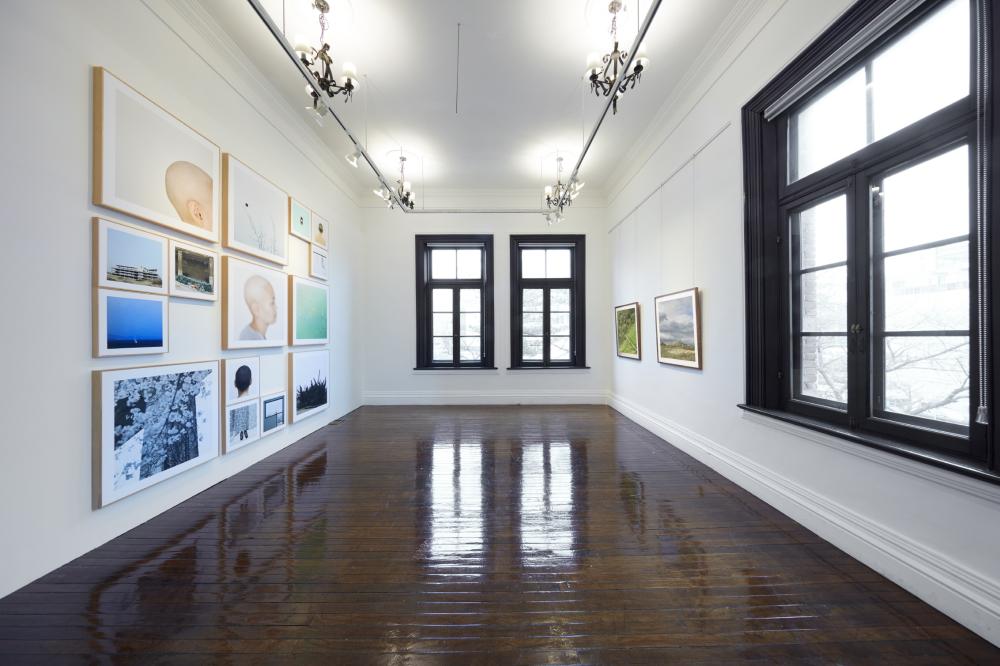
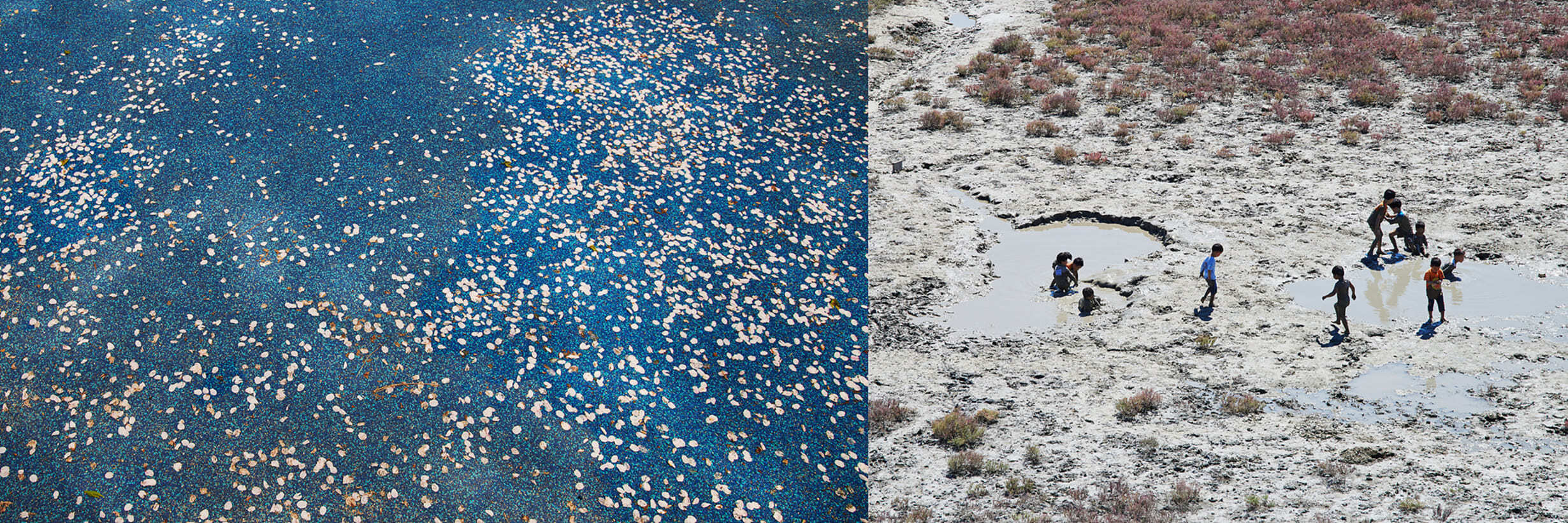
The ‘Elegant Town’ series is presented as
two horizontally formatted photographs merged into a single frame. Due to their
uniform color tones and precise trimming, each pair appears as though it were
captured in a single location. In reality, however, these images are composites
assembled from photographs taken in various new towns across the country.
They
capture and rearrange the standardized spaces between residential structures.
Ironically, the aesthetic of standardized elegance—characteristic of new towns—is
most amplified at the moment when scenes from different times and places are
combined into a single frame, erasing spatial specificity.
This reflects our
own lives in a networked world, where we imitate one another: pursuing
simultaneous global trends and consuming homogenized lifestyles—elegant yet
monotonous. Opposite the horizontally extended ‘Elegant Town’ series, a long
horizontal window overlooks the bustling Gangnam Station area. The facades of
high-rise buildings and the pedestrians moving between them form yet another
panorama, continuously generating new “presents” in real time.
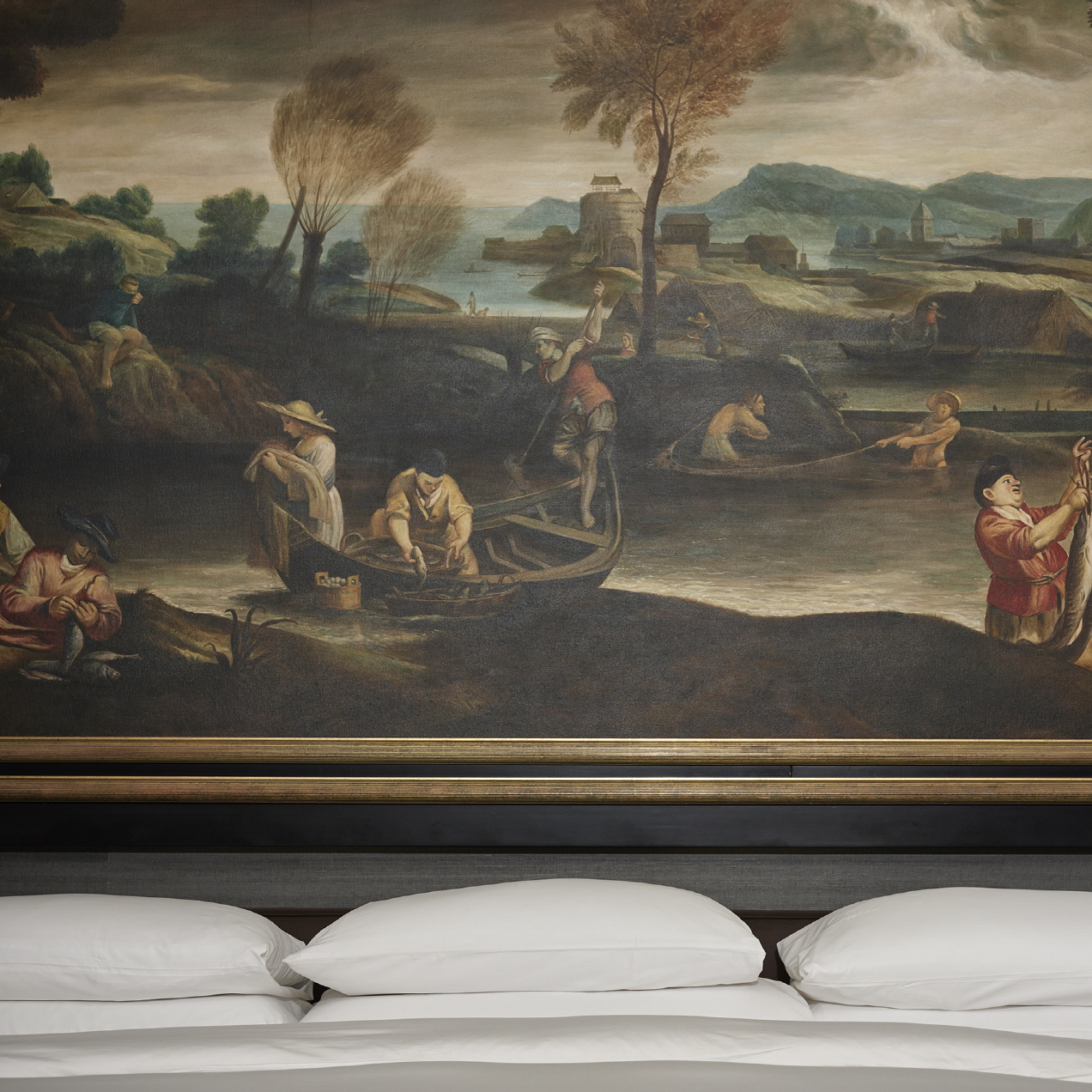
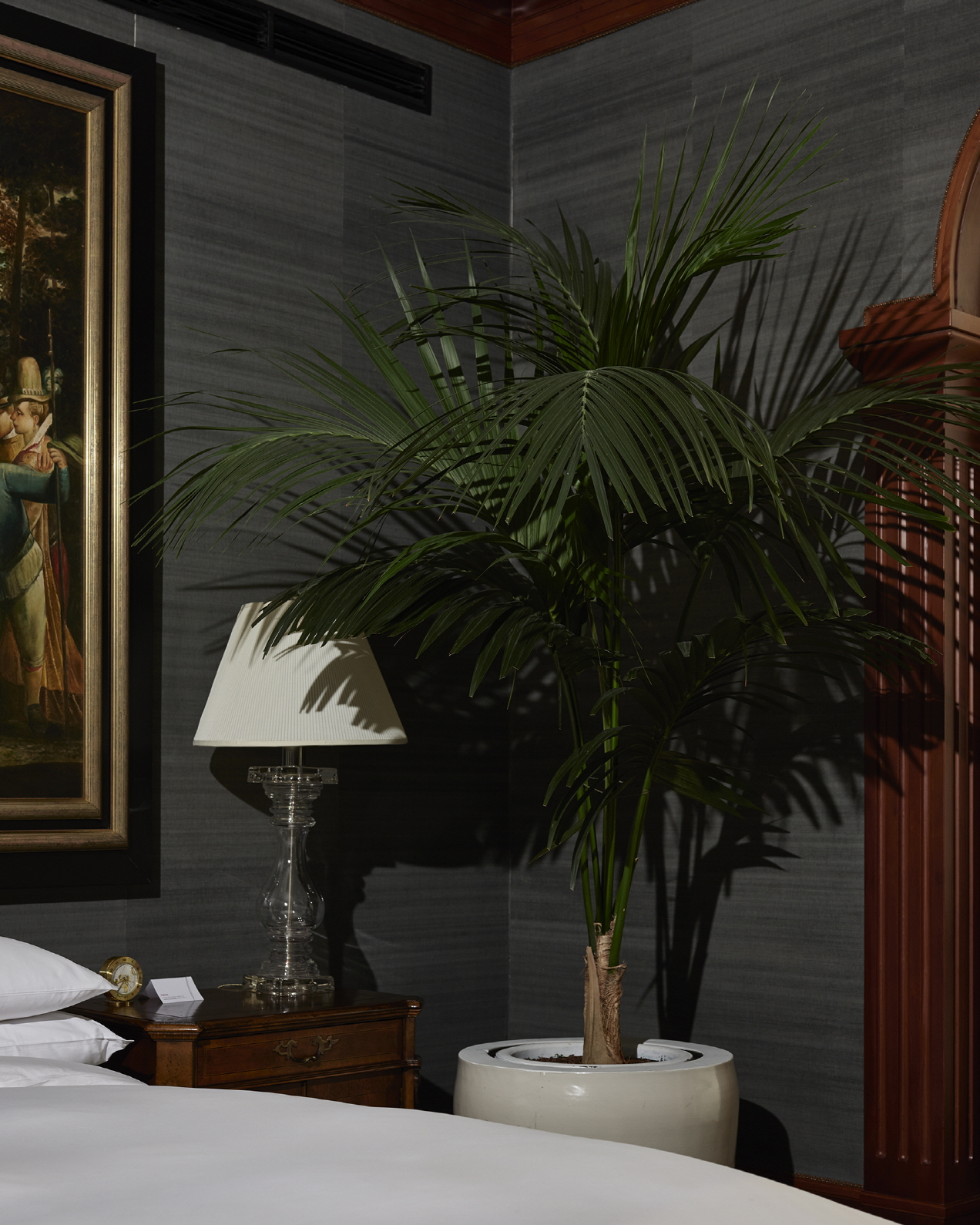
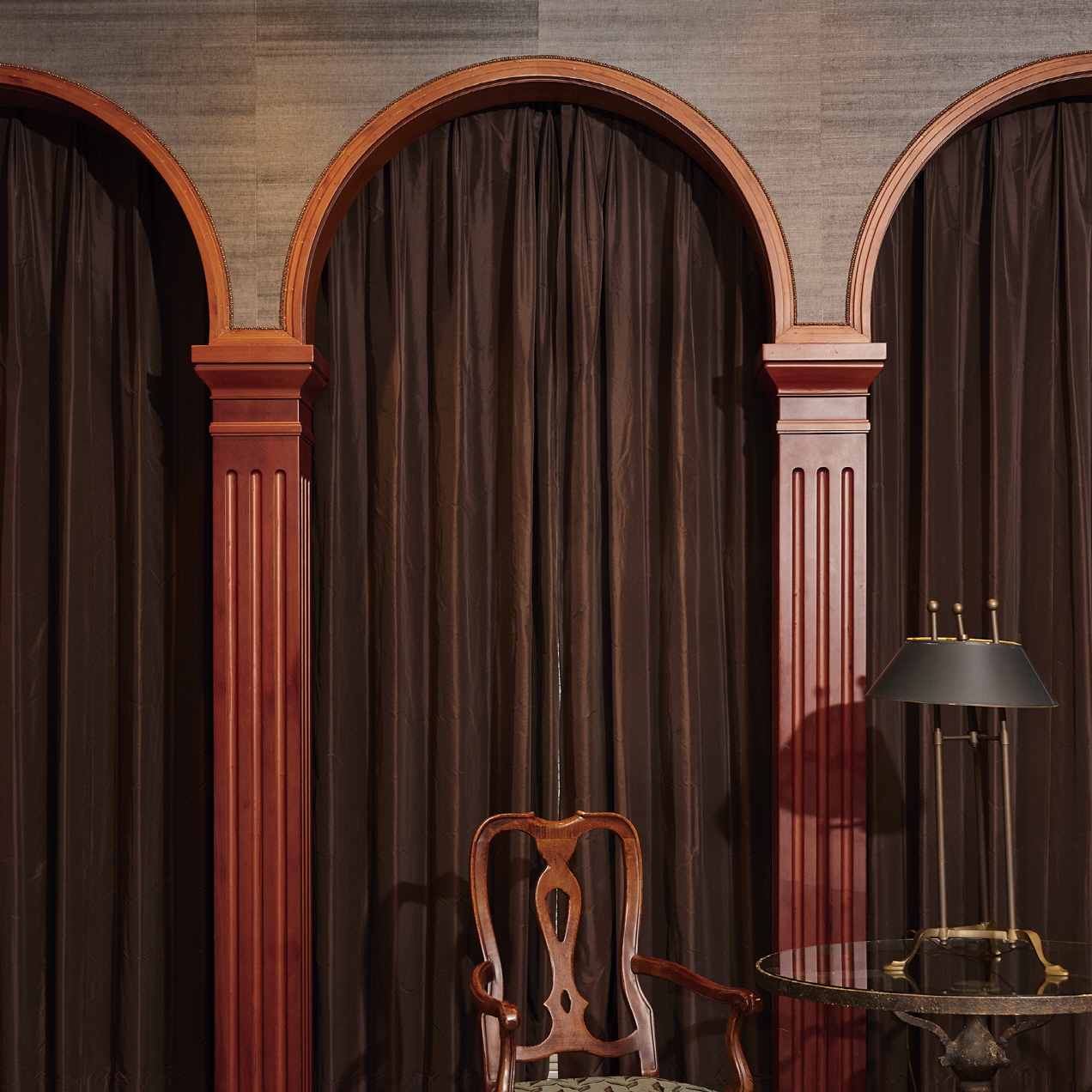
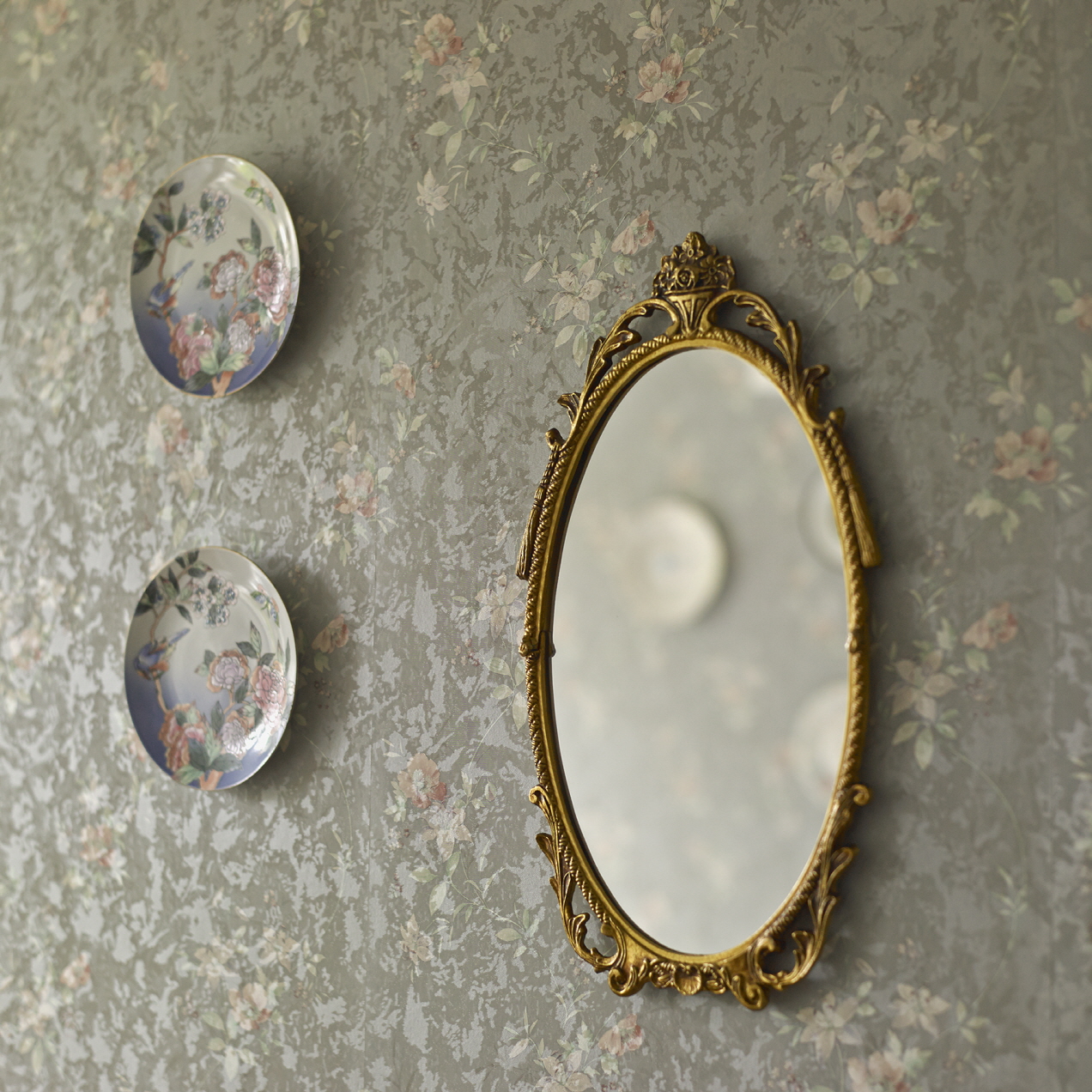
Meanwhile, ‘So, Suite’, which documents
every corner of a hotel suite in Seoul with over 25 years of history,
visualizes the abstract notion of “memory” embedded within space through the
artist’s sensibility. Objects in the photographs—such as worn chairs bearing
traces of time, or sofas whose faded colors have merged with the aged paintings
behind them—are intricately trimmed so that only fragments, rather than the
whole, are revealed.
As a result, attention shifts from the objects themselves
to the atmosphere of the space in which they are situated. The events and
memories that unfolded within a hotel—spaces only temporarily occupied by
individuals—are not preserved in the physical space, but rather inscribed
differently in each person’s subjective memory. Jeong’s suite photographs
function as terminals where such memories are shared. The flattened spatial
rendering removes depth, prompting viewers to recall their own memories not
through individual objects but through the image as a whole.
In this context, the new works in the
exhibition appear to extend beyond the subjects at which the artist’s gaze is
directed, as if embracing what lies outside the frame. One might say that the
personal perspective evident in her earlier works has expanded. In ‘Story
within a Story’ (2010–11), which focuses on encounters between everyday objects
and their spaces, and ‘Speaking of Now’ (2012–13), which reflects on life and
death, one could sense the artist’s intense gaze positioned closely to her
subjects, even as she remained an observer of daily life.
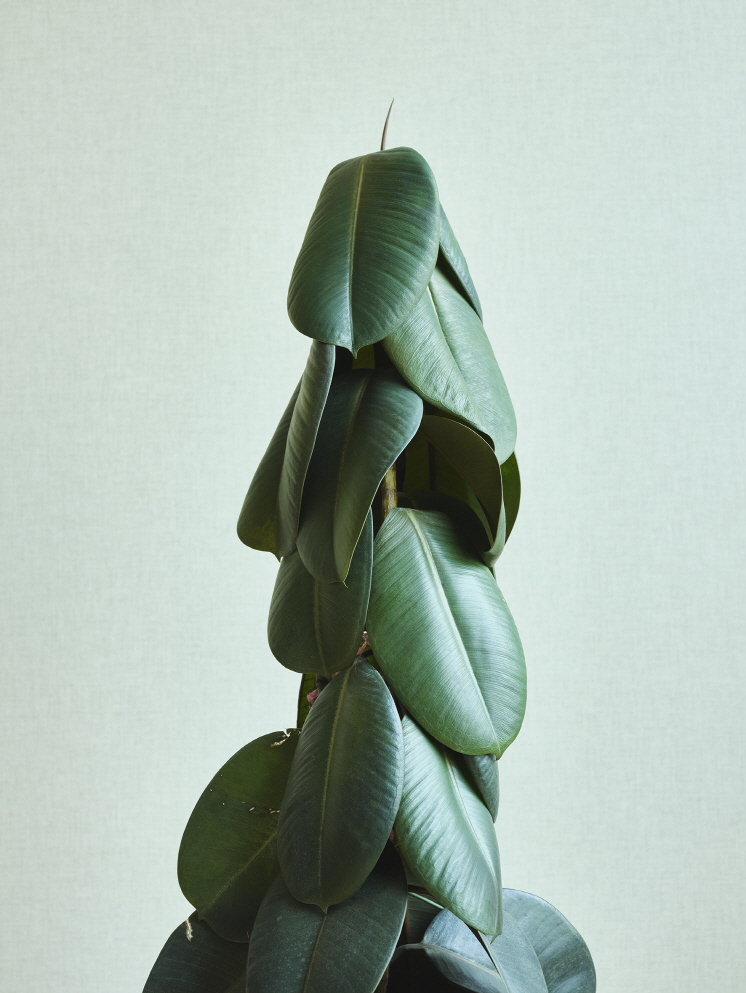
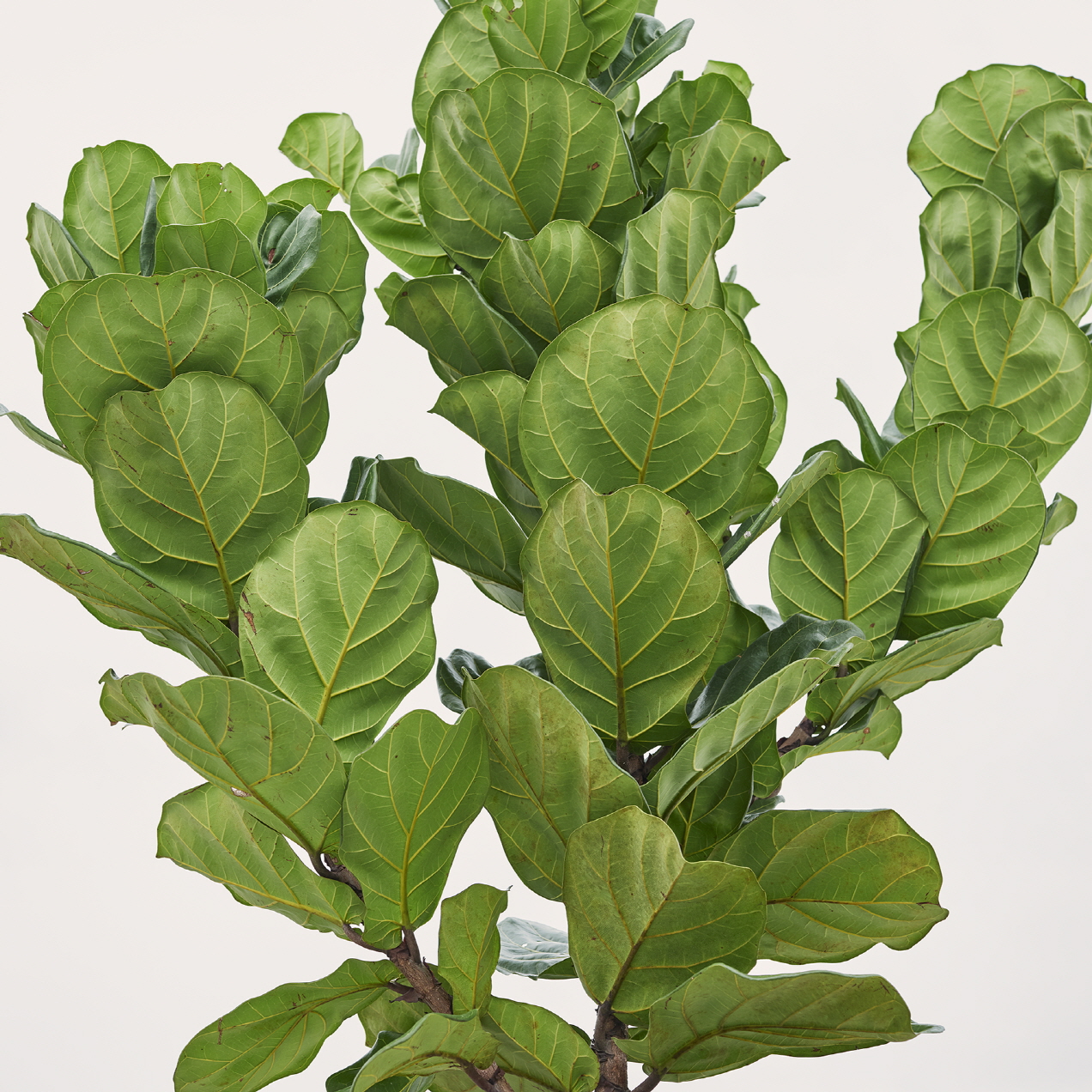
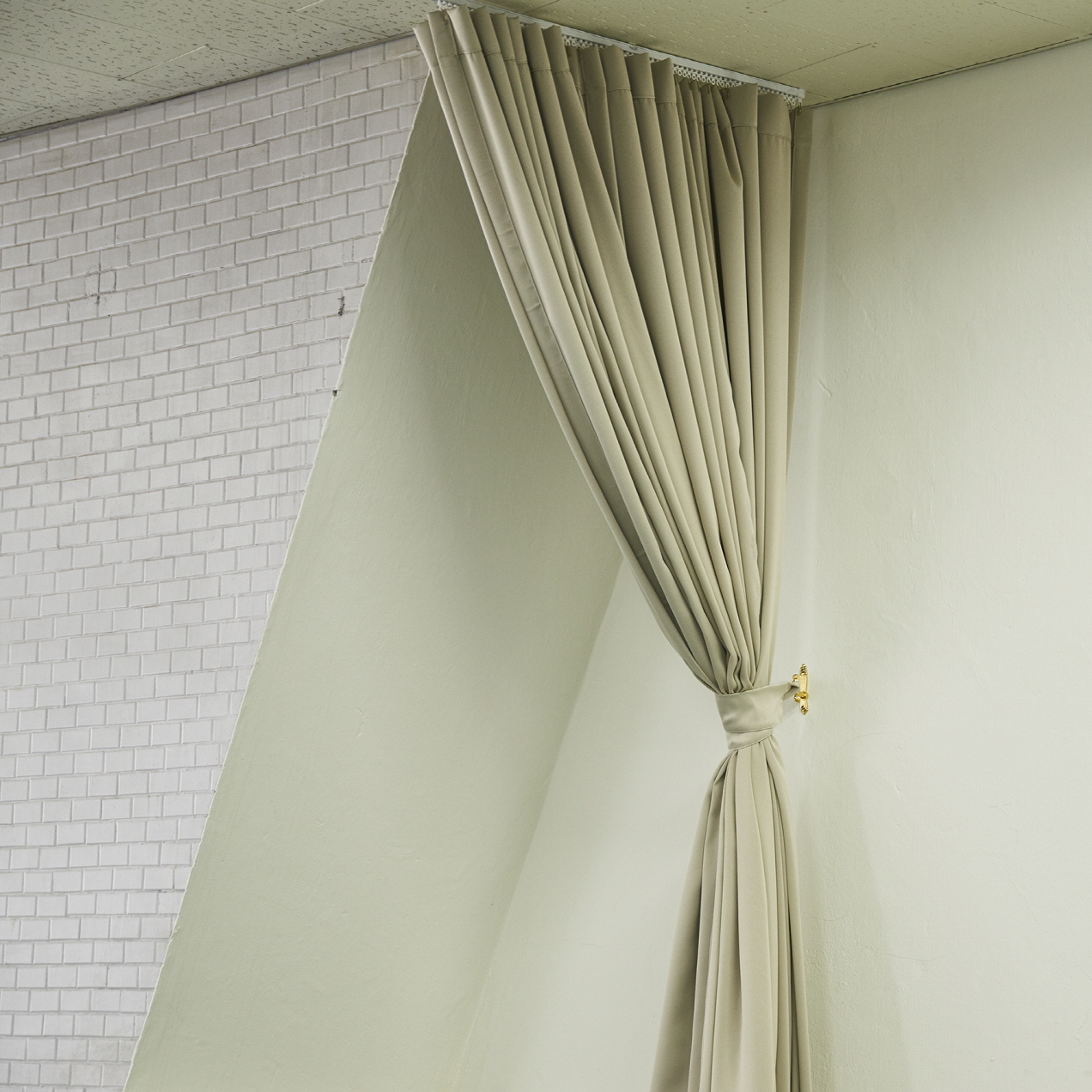
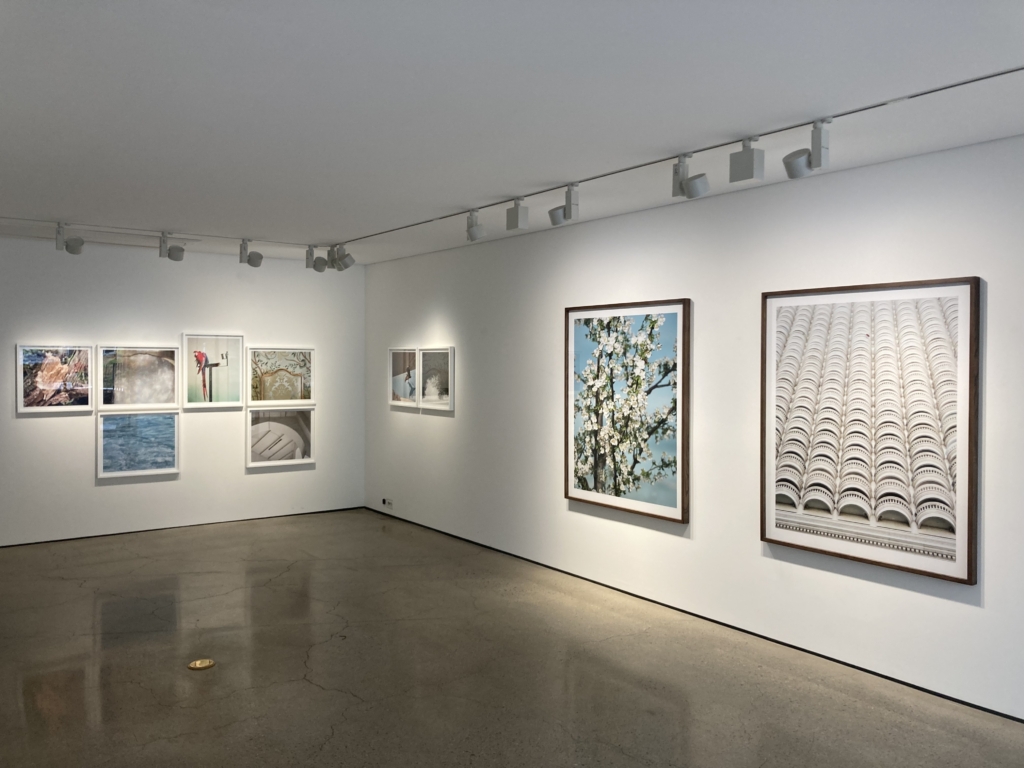
The theme of “memory” becomes even more
pronounced in another new series, ‘Drifting’, which captures the peripheries of
large-scale residential complexes devoid of individuality. As suggested by the
title, which implies a state of drifting, the history of these spaces has
vanished, leaving behind surfaces wrapped in the prescribed aesthetics of
“white” and “concrete.” The artist’s gaze flows freely, seeking the possibility
of subjective memory within these environments.
Artificial-looking plants
rendered through extreme close-ups, or a decaying poster occupying an entire
wall of a residential unit, are placed among images of standardized
architecture of varying scales. The display thus seems to carve out a space for
subjective narrative. As the artist notes, “Photographs that each contain their
own narrative create new interactions depending on their arrangement, and in
doing so construct new stories.”
Through photographs created via the
abstract lens of intuition—imbued with the artist’s own breath—the exhibition
paradoxically stimulates a shared yet infinitely subjective “sensation”: the
“memory” that belongs both to you and to me.