Photography has now become an empty set.
An empty set is a subset of all sets, yet contains no elements of its own. In
Korea, the number of smartphone users has surpassed 40 million, and the
smartphone penetration rate ranks first in the world. The digital cameras
embedded in these devices offer at least 10 megapixels.
In other words, we live
in a country where 40 million people carry a camera wherever they go. Moreover,
through various social media platforms such as Facebook, KakaoTalk, and
Instagram, we now possess a system that allows us to capture and share our
everyday lives. Anyone can take a photograph, and anyone can share (or publish)
it.
Photography has established itself as a
medium that represents powerful visual literacy; yet when faced with the
question of what constitutes the photographic, we hesitate to answer. In an era
overwhelmed by the sheer volume produced by digital technology, the question of
where photographers should stand—needless to say—renders even the act of
contemplating photography itself increasingly futile. If the seemingly naïve
(indeed, perhaps truly naïve) question of what photography is can still hold
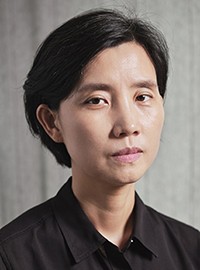
validity, I would like to seek part of the answer in the work of Jeong Kyungja.
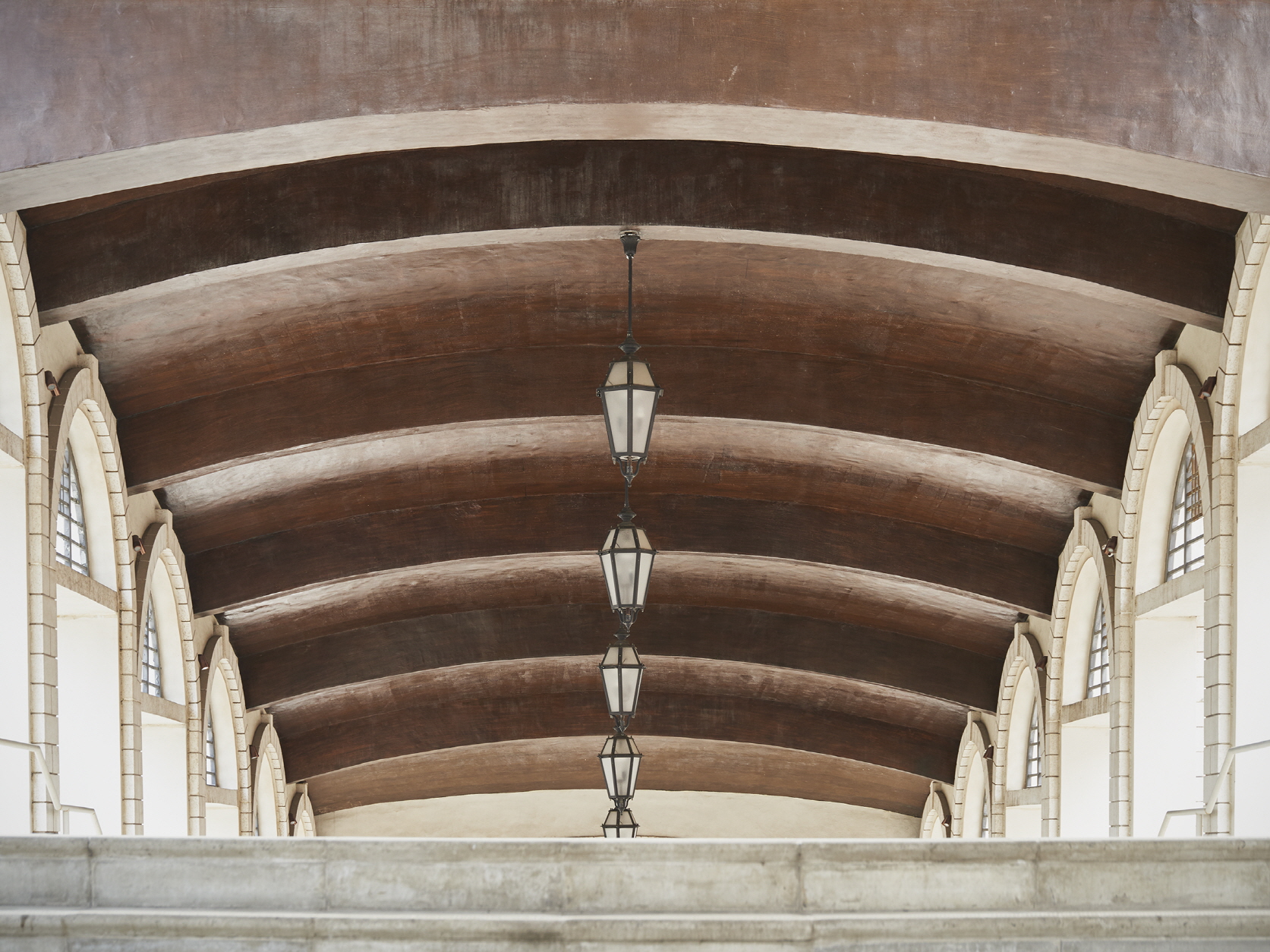
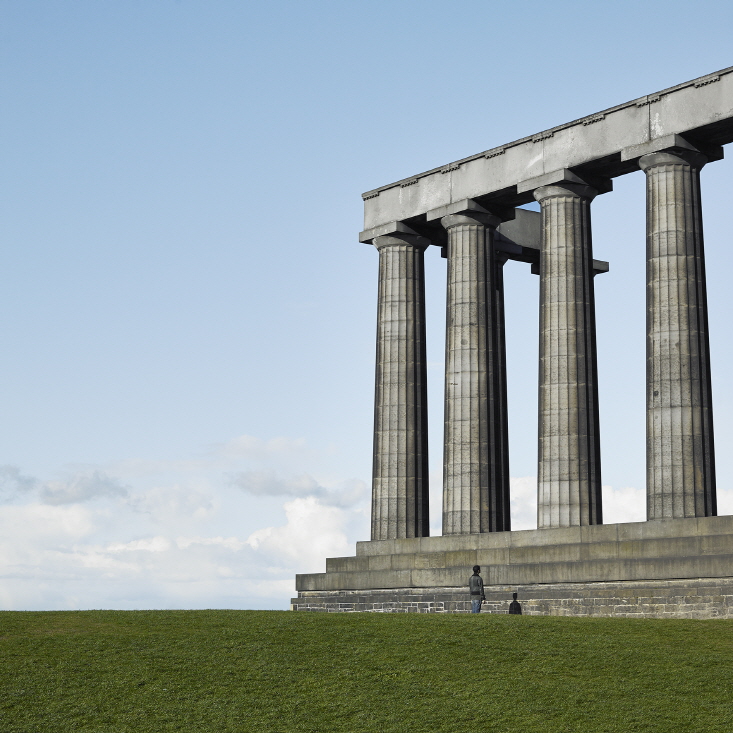
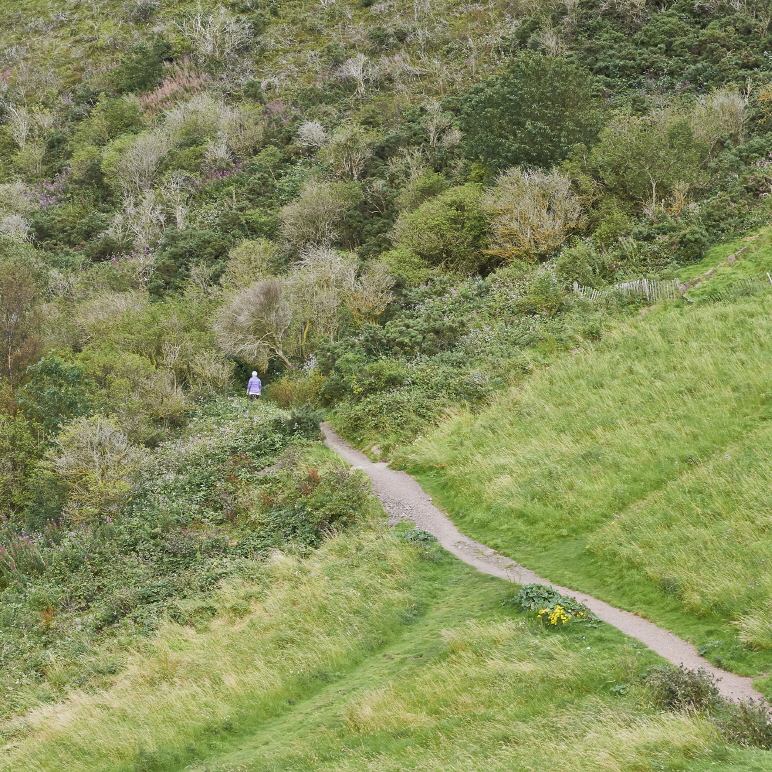
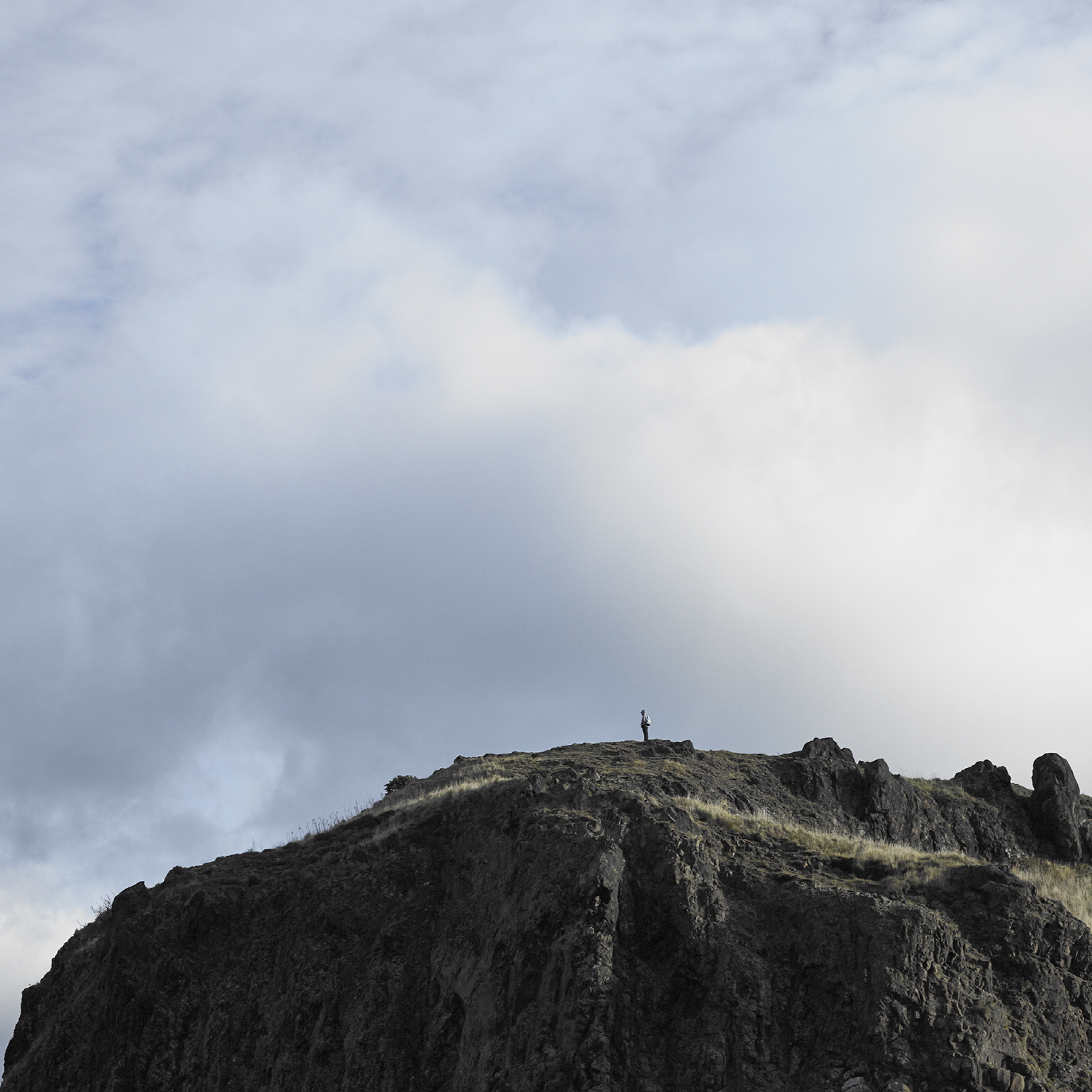
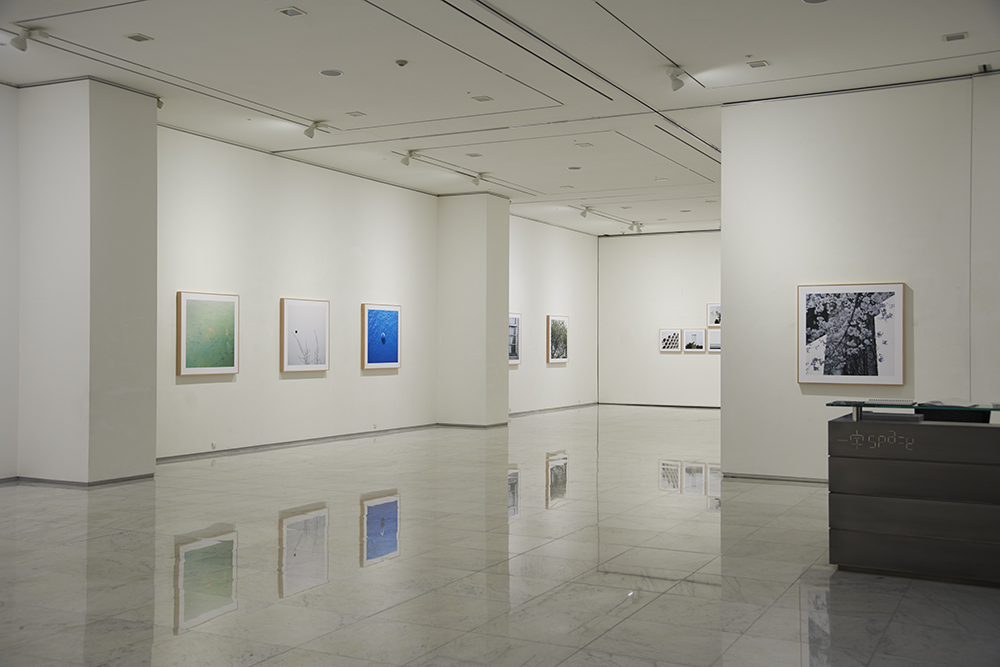
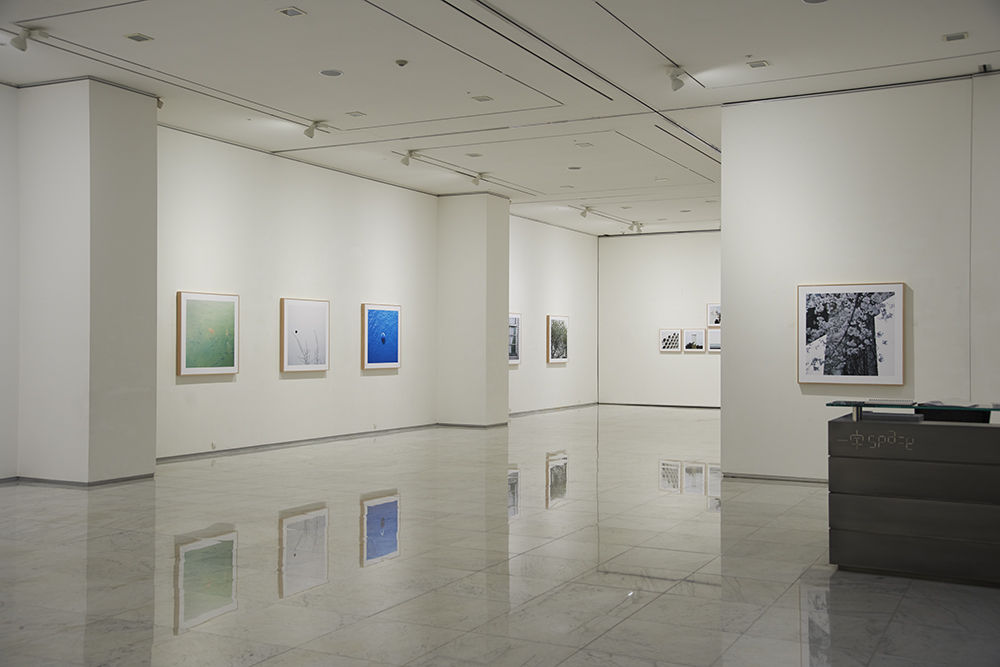
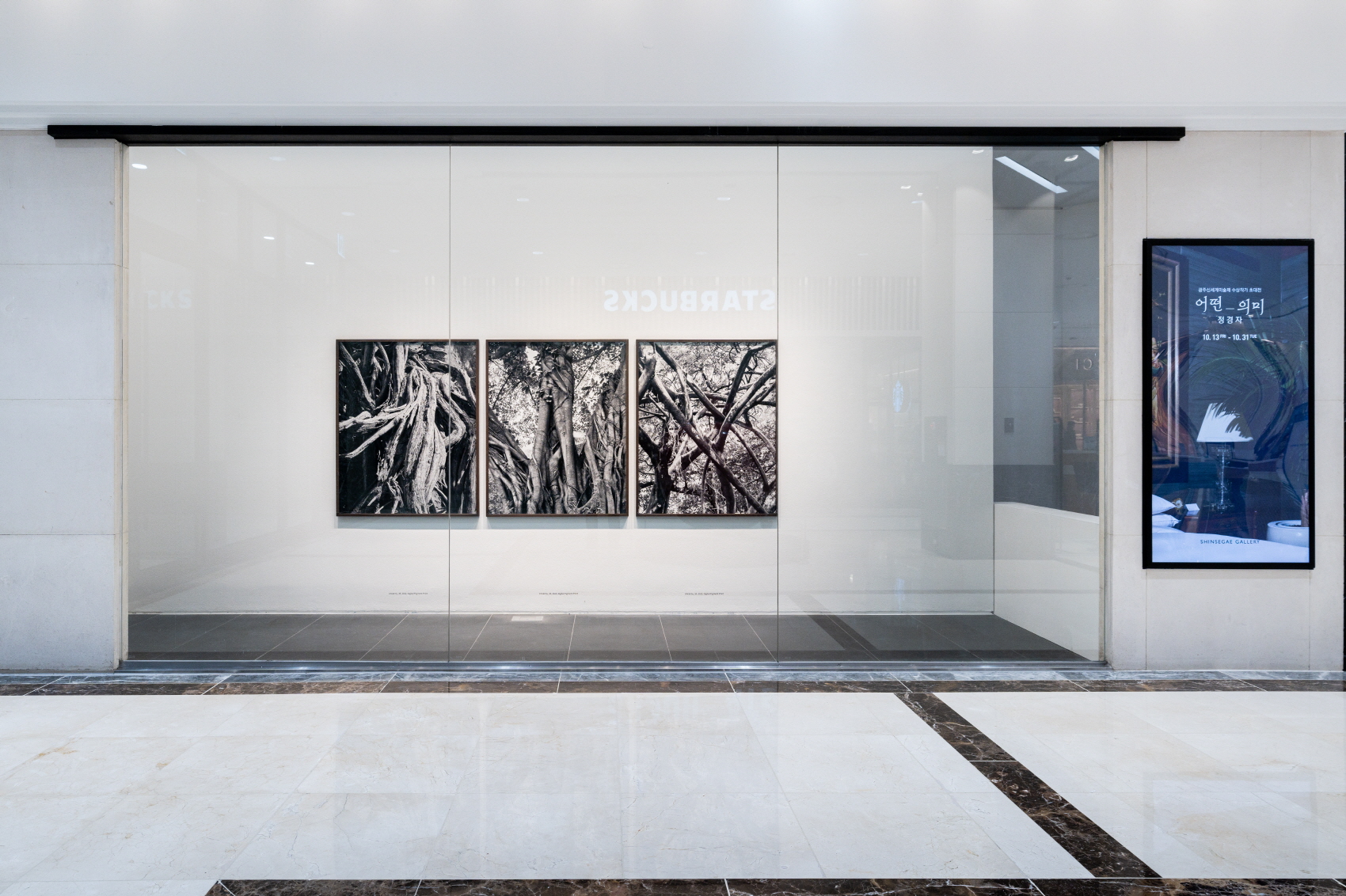
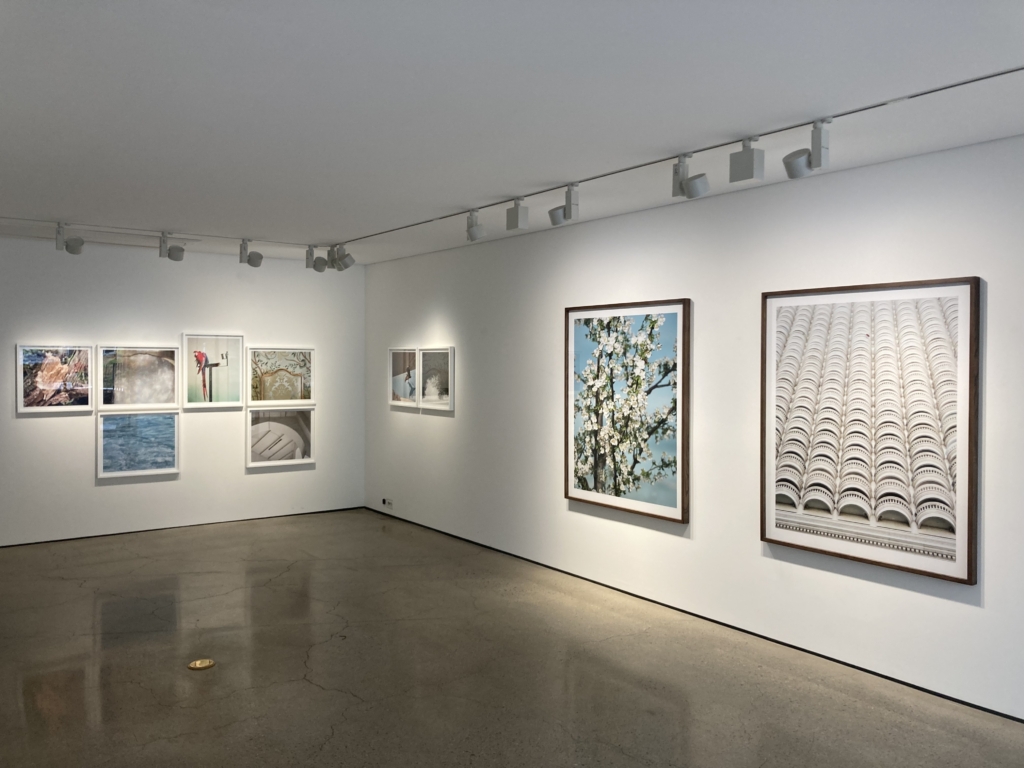
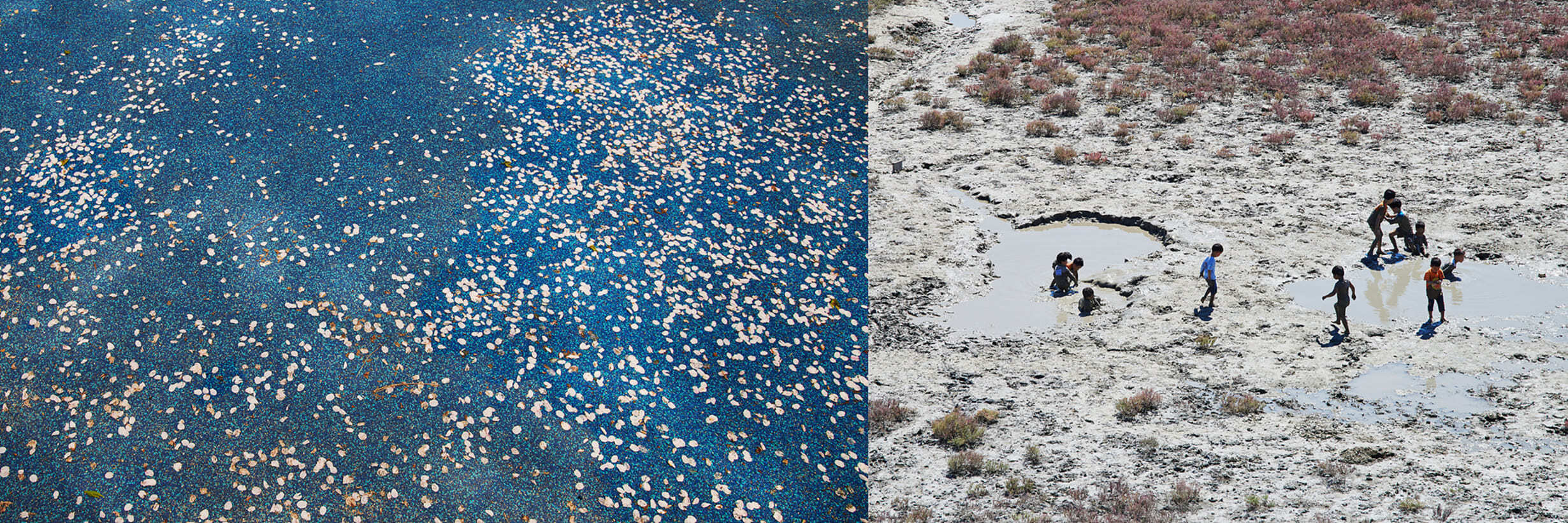
In her solo exhibition 《The Roots of Coincidence》, Jeong Kyungja brings
together a body of work developed over approximately five years, beginning with
her studies in the UK in 2010. The exhibition includes ‘Story within a Story’
(2010–11), which speaks of a sense of another world existing within reality
through objects; ‘Speaking of Now’ (2012–2013), a confession of lived
experiences of life and death drawn from the artist’s surroundings; and
‘Language of Time’ (2013–2014), which explores cycles of generation, growth,
and extinction through objects found in abandoned ruins where time appears to
have stopped.
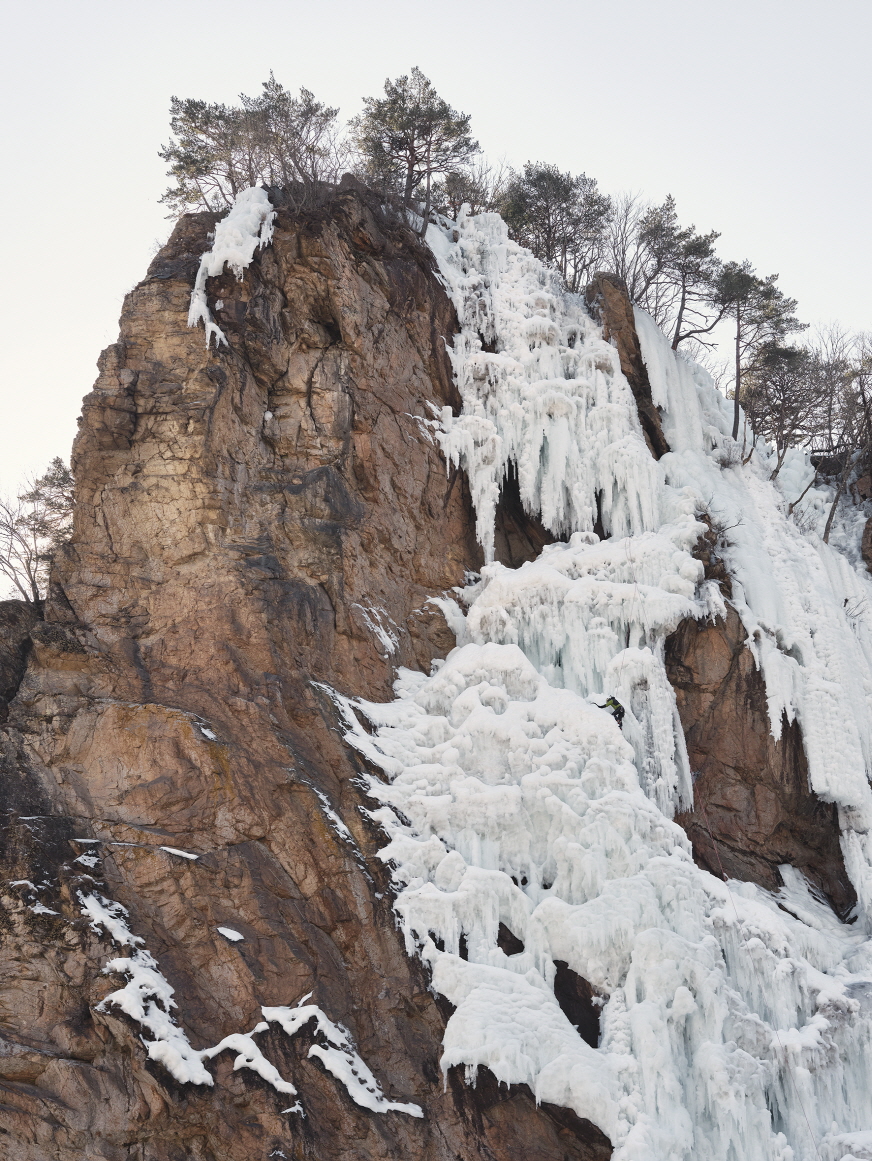
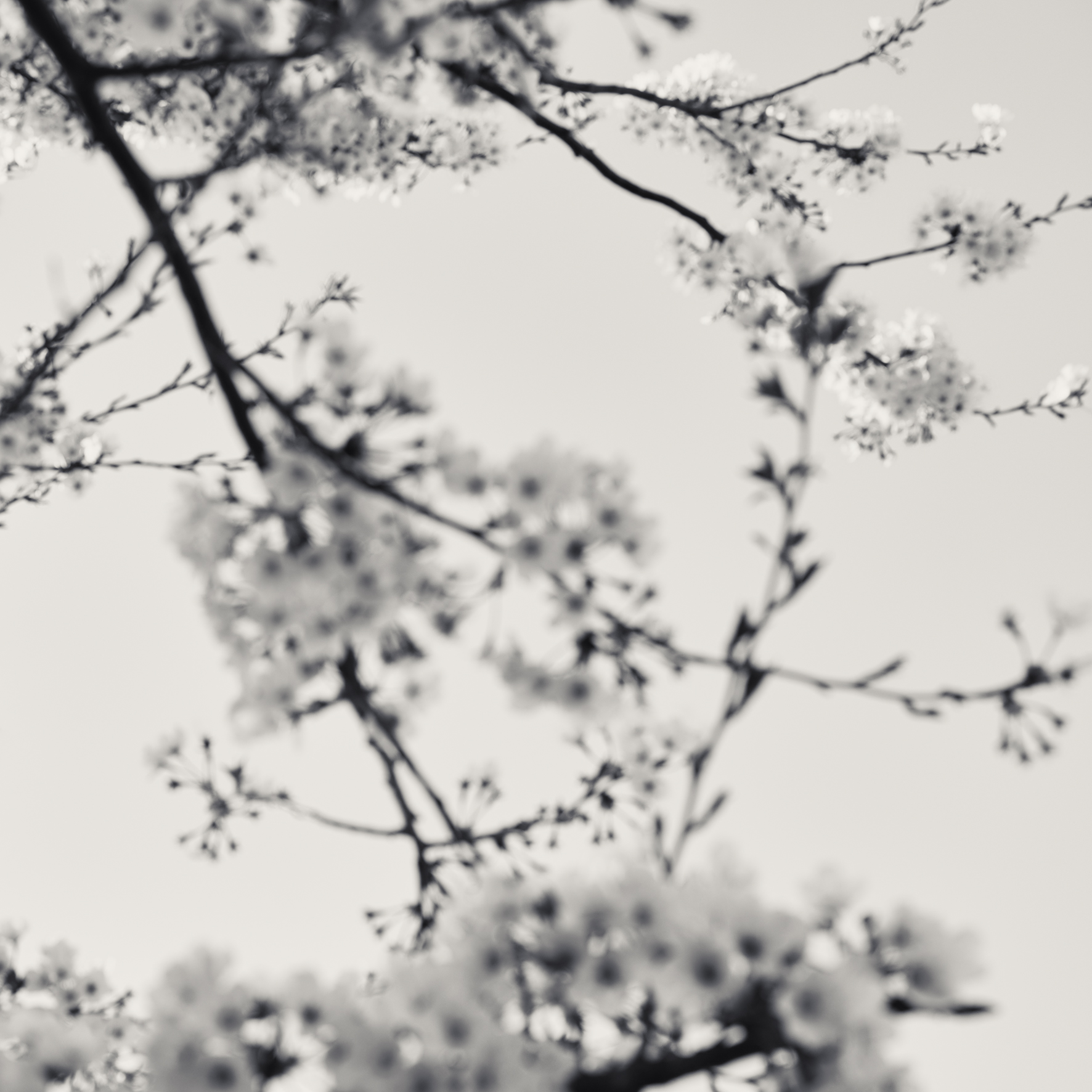
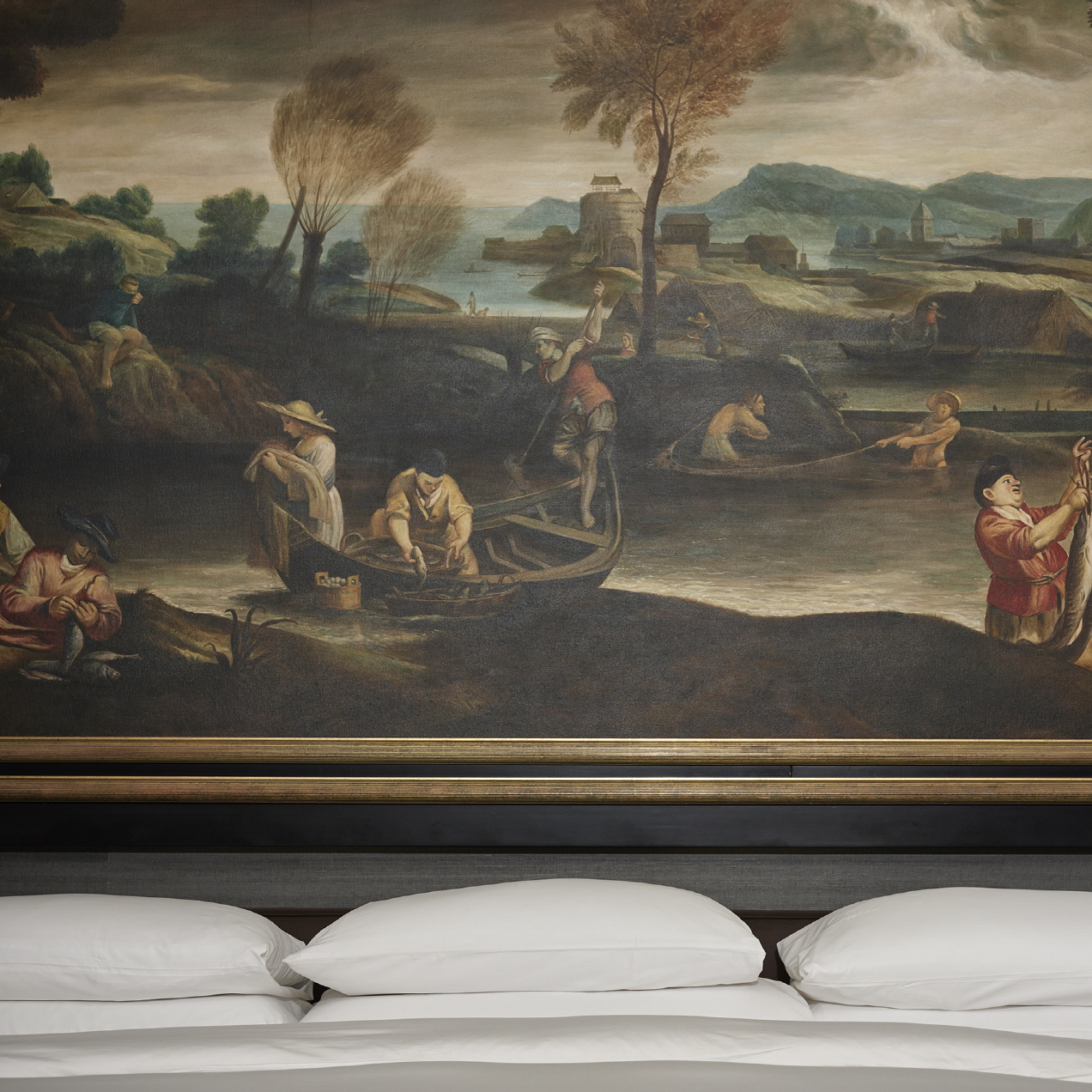
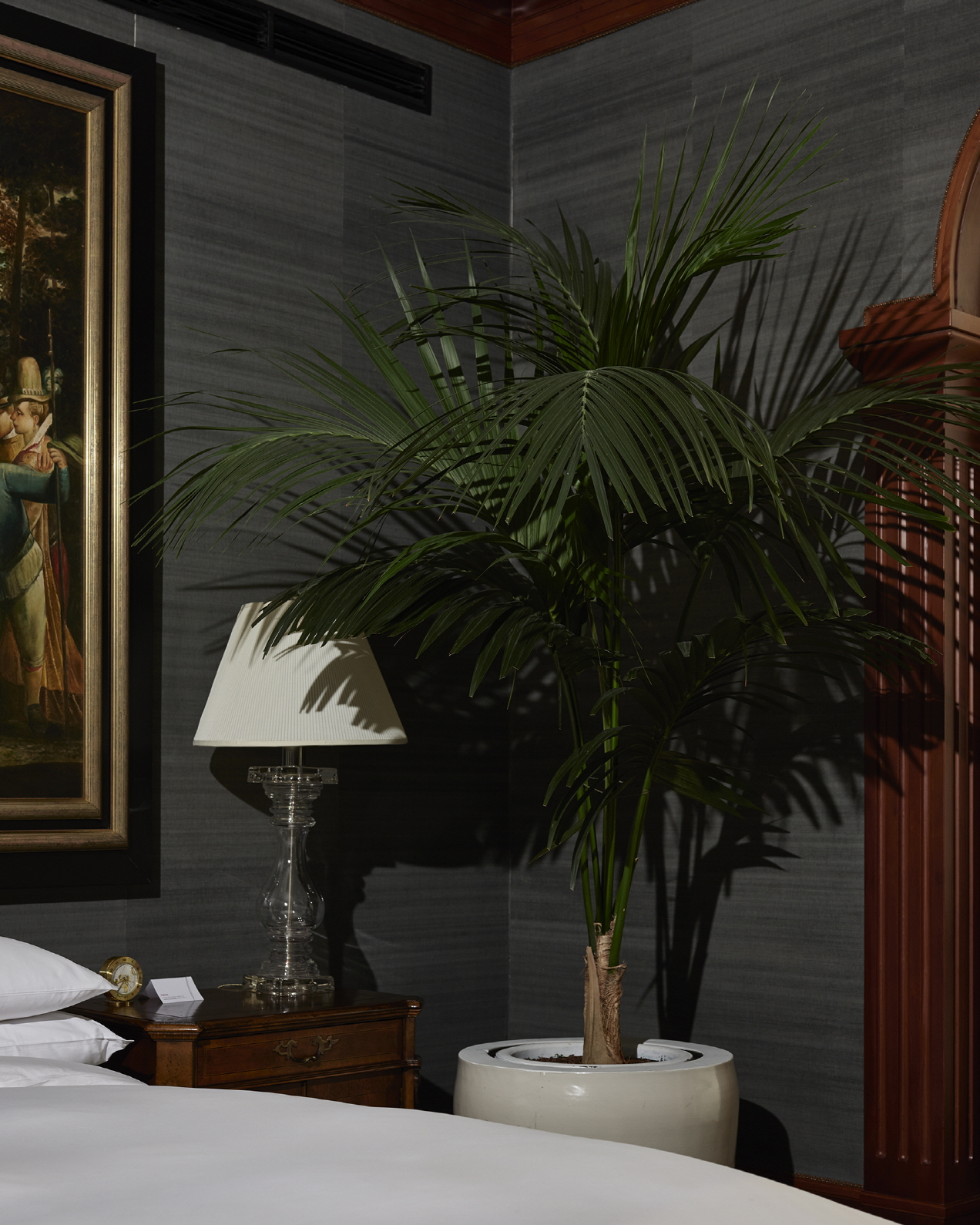
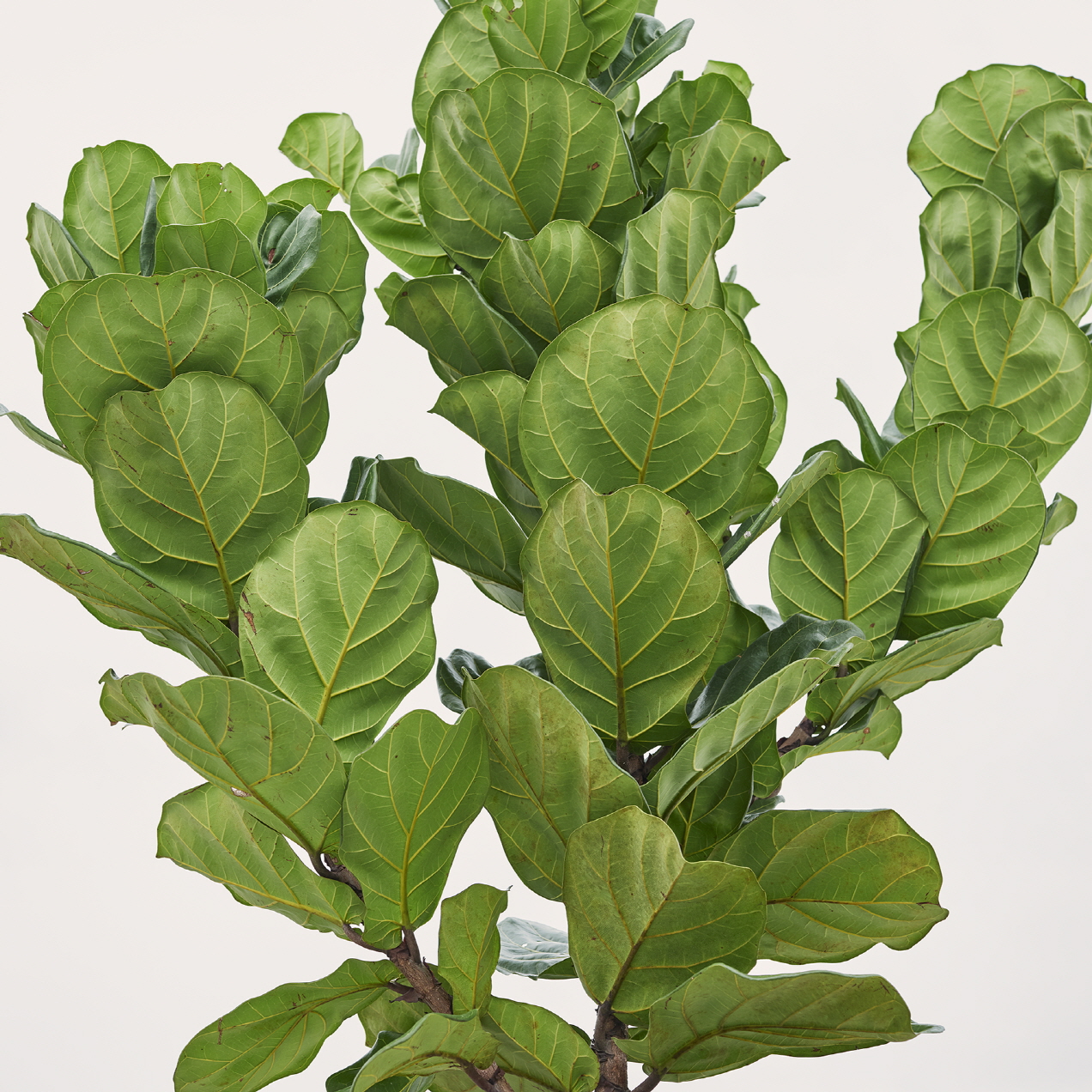
Jeong Kyungja photographs with her camera
in the streets, at home, in nature, in the city, within people, and among
objects. Although her works adhere closely to the straight photography approach
rather than constructed imagery, her photographs seem to depart from reality.
They evoke an effect akin to “making photography.” This is precisely what makes
her work distinctive.
The three stages of photographic development described by
Philippe Dubois are almost perfectly intertwined within her practice. Dubois explains
the photographic act as progressing through three stages: first, the image as a
direct reflection of reality or nature; second, the attempt to transcend mere
reflection by symbolizing a higher level of reality through abstraction; and
third, the index, which reveals the causality and proximity of reality (or
absence) itself.
Jeong’s photographs function
simultaneously as pure reflections of what she observes and as symbolic
fragments abstracted through her own perspective. At the same time, they
operate as indices—traces that pierce the viewer through the gap between
presence and absence—what Roland Barthes described as “that accident which
pricks me (but also bruises me, is poignant to me)” within the photograph.
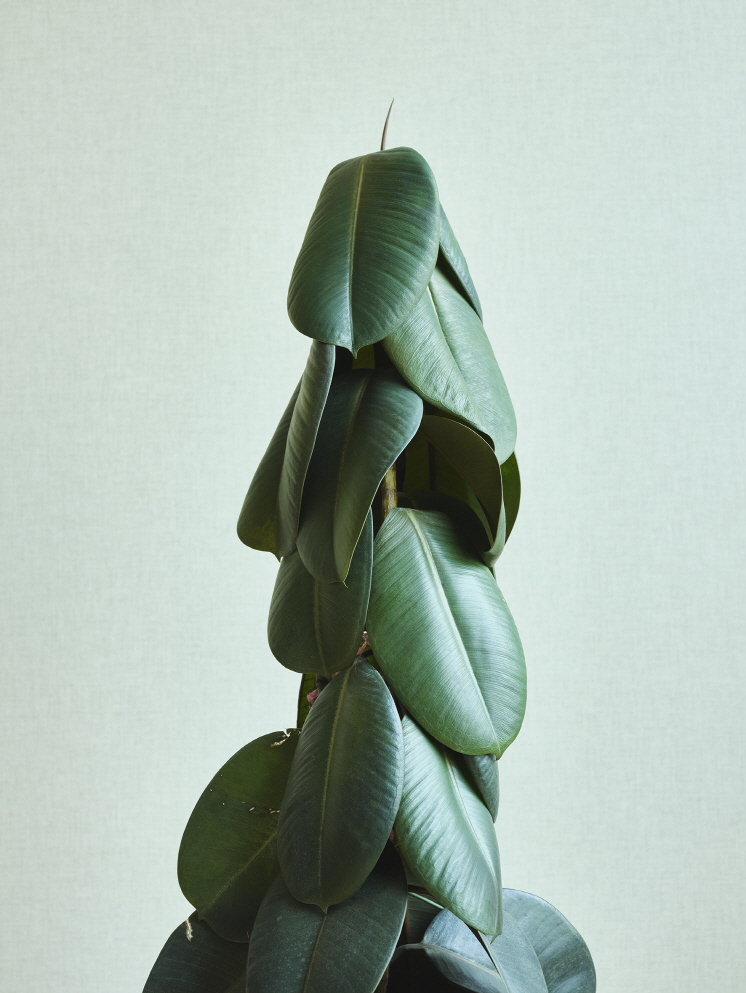
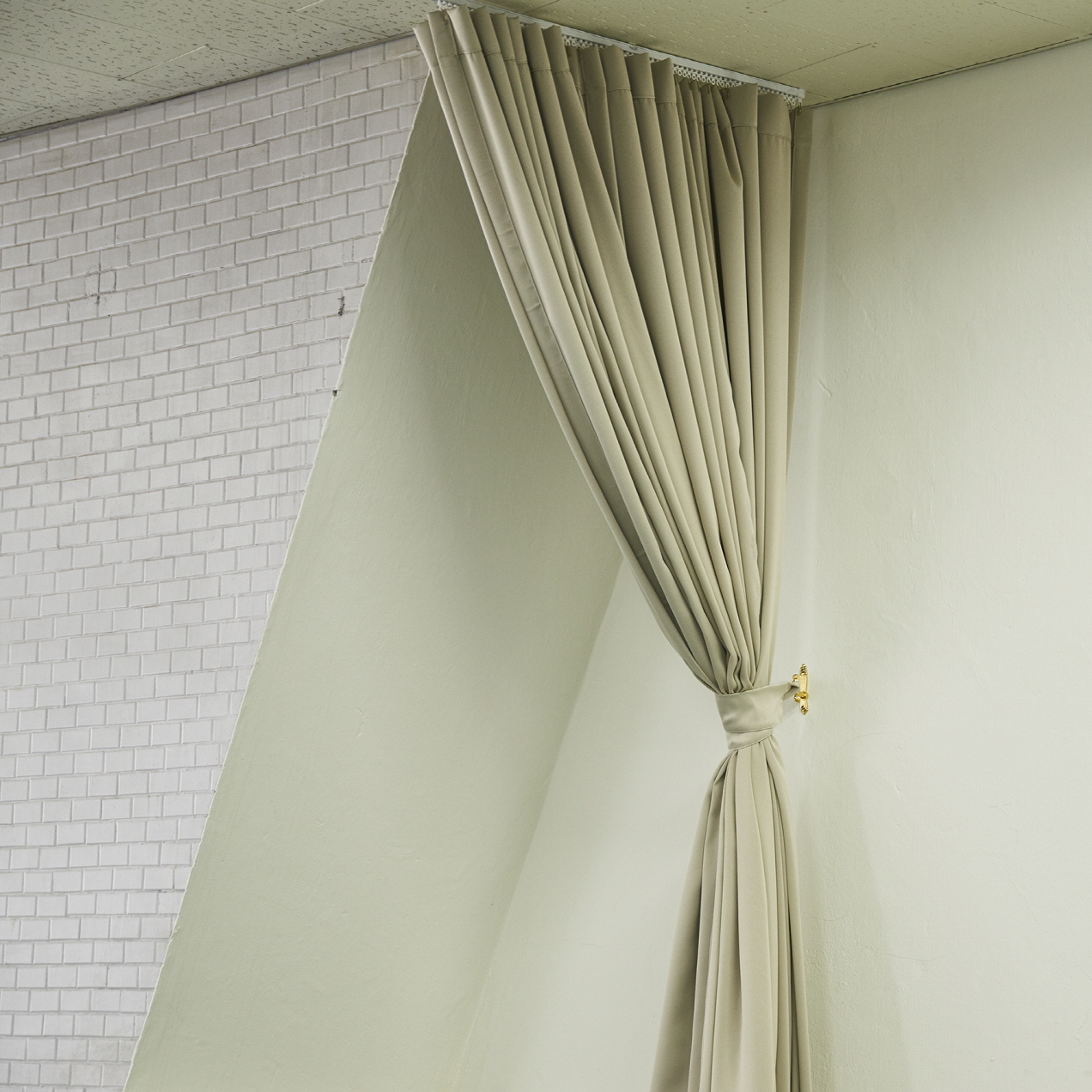
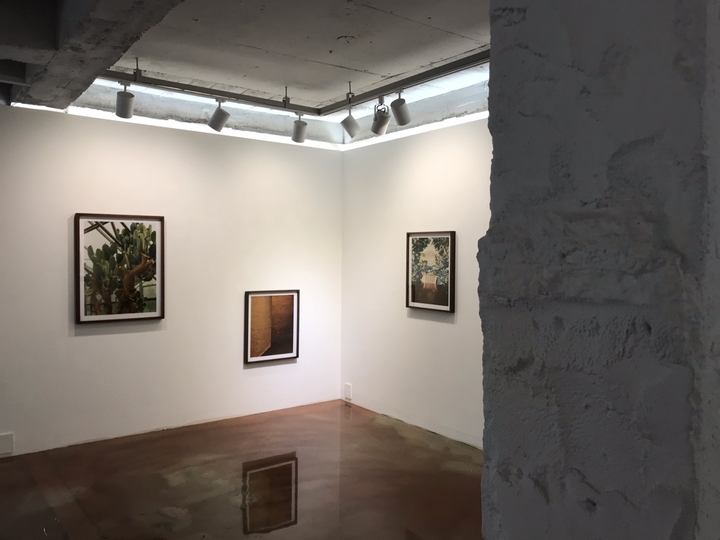
The sharp spines of a cactus by the
window, the texture of a curtain, a street reflected in a pool of still water,
shadows cast upon a moss-covered wall… These records of moments that emerge
from the cracks of everyday life preserve the time of that instant and the
existence of the self who witnessed it, carrying them into the present.
The
fragments of seemingly insignificant moments captured in these photographs
inevitably lead us into the realm of the uncanny—both familiar and strange.
Jeong’s gaze penetrates through disappearance, stillness, alienation, oblivion,
and abandonment—cutting through the accumulation of time and bringing it into
the here and now. Her gaze, searching for the roots of coincidence in the midst
of everyday life, is persistent yet unhurried, lonely yet lucid.
As we look at Jeong’s photographs, what we
experience is not sheer eeriness but a familiar kind of uncanniness. It
resonates more closely with what might be called the destructive power of
images—an energy that recalls through forgetting and generates from ruins. This
power, rather than being an imaginative force that renders the absent present,
is the capacity to recognize the insubstantial or illusory nature of what is
present (Kim Hongjung, The Sociology of Mind, p.181).
This
recalls Walter Benjamin’s observation of Eugène Atget’s photographs of deserted
Paris streets, taken as though documenting crime scenes: “Free-floating
contemplation is no longer suited to such photographs. They unsettle the
viewer; he feels that he must find a particular path in order to approach
them.”
Although Jeong records reality as it is, what she ultimately captures
are the hidden underside of the world, the remnants of reality, the residue of
emotions—the landscape of ruins, and their imprint. And this, in the end, is nothing
other than the quiet frustration of a young photographer who seeks to inscribe
these ghostly traces of the photographic within a reality where they wander as
specters.