Ziggy Stardust: The Time of Narcissism and Betrayal
“I
walked a confusing and unstable path, learning how to show only parts of myself
to others, while struggling not to betray my true essence.”
The
creative time we spend thinking, imagining, dreaming, and convincing ourselves
always rests upon self-realization. An 'artist' constructs an independent
worldview through works born of inner chaos, evolves by embedding identity, and
stands on an inevitable stage of confrontation where one's own work begins to
question oneself.
For
example, in the 20th century, David Bowie projected his persona Ziggy onto
himself, while in 21st-century K-pop, aespa synchronizes each member's alter
ego into the ‘Flat’—a digital wilderness where the real and the virtual coexist
equally. Meanwhile, entertainers create numerous ‘sub-characters’ to freely
open and close the boundaries of identity, functioning both superficially and
fundamentally within the consciousness of the ‘self.’
Such
'Artistship' operates self-declaratively for creators, intimately linked to
their alter egos, yet inevitably placed atop endless conflicts and paradoxes.
Within this struggle for existence, artists create love-hate relationships
between desire and the drive to overcome, confronting and distancing themselves
repeatedly.
The
exhibition 《Ziggy Stardust》 focuses on the ultimate persona, one that recognizes the
simultaneous perfection and malfunction of identity through the cycle of
creating and abandoning sub-characters. The exhibition title references the
ninth track from David Bowie’s album The Rise and Fall of Ziggy Stardust
and the Spiders from Mars (1972), which tells the story of a persona who,
emerging with psychological fears hidden backstage, burns brightly like a moth
during the final moments of the world, only to collapse amidst insatiable
attention.
The
album's eleven tracks unfold an apocalyptic narrative where an alien persona
appears as a prophet to deliver a message, only to succumb to destruction.
Ziggy was symbolic because Bowie immersed himself in this fictional self within
the stage-crafted space-time narrative, realizing the persona with
self-sacrifice, only to ultimately distance himself from it.
Bowie's
fictional persona cleverly drifted between reality and musical narratives,
superimposing itself onto his true self. Yet, when the persona overtakes
reality, the balance collapses, often leaving neither side standing firmly.
This imbalance's oscillation between euphoria and despair is perhaps an escape
from narcissism, self-pity, and self-hatred, experienced in the dark solitude
that follows the spotlight.
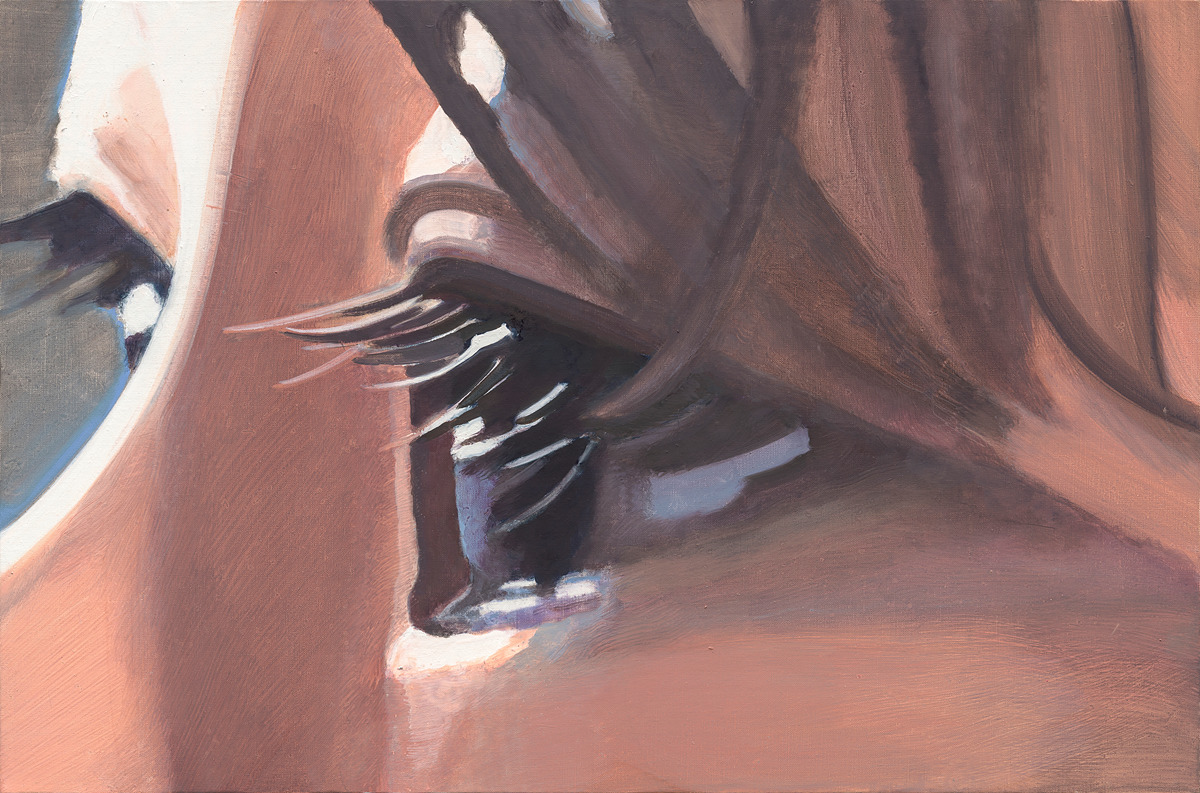
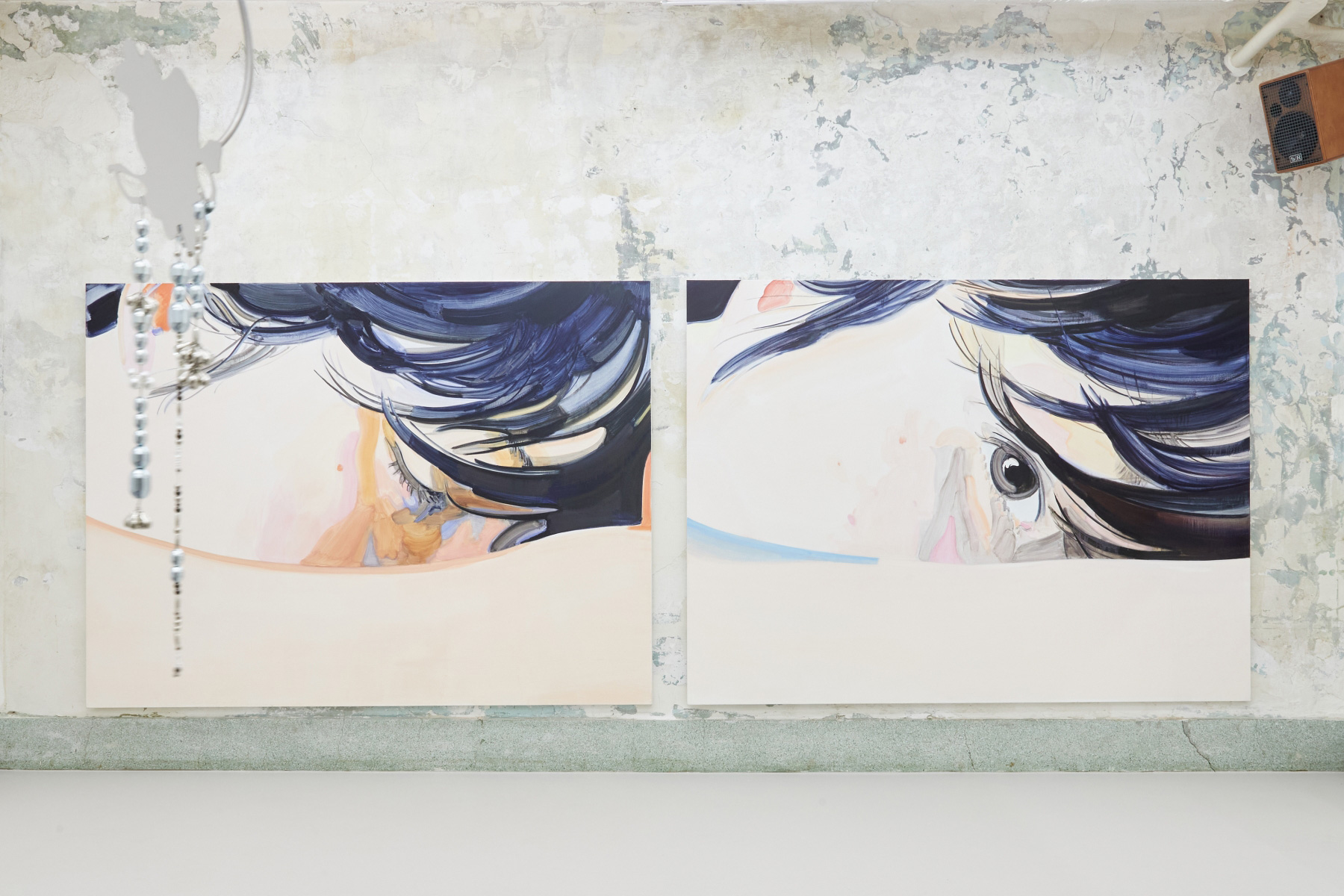
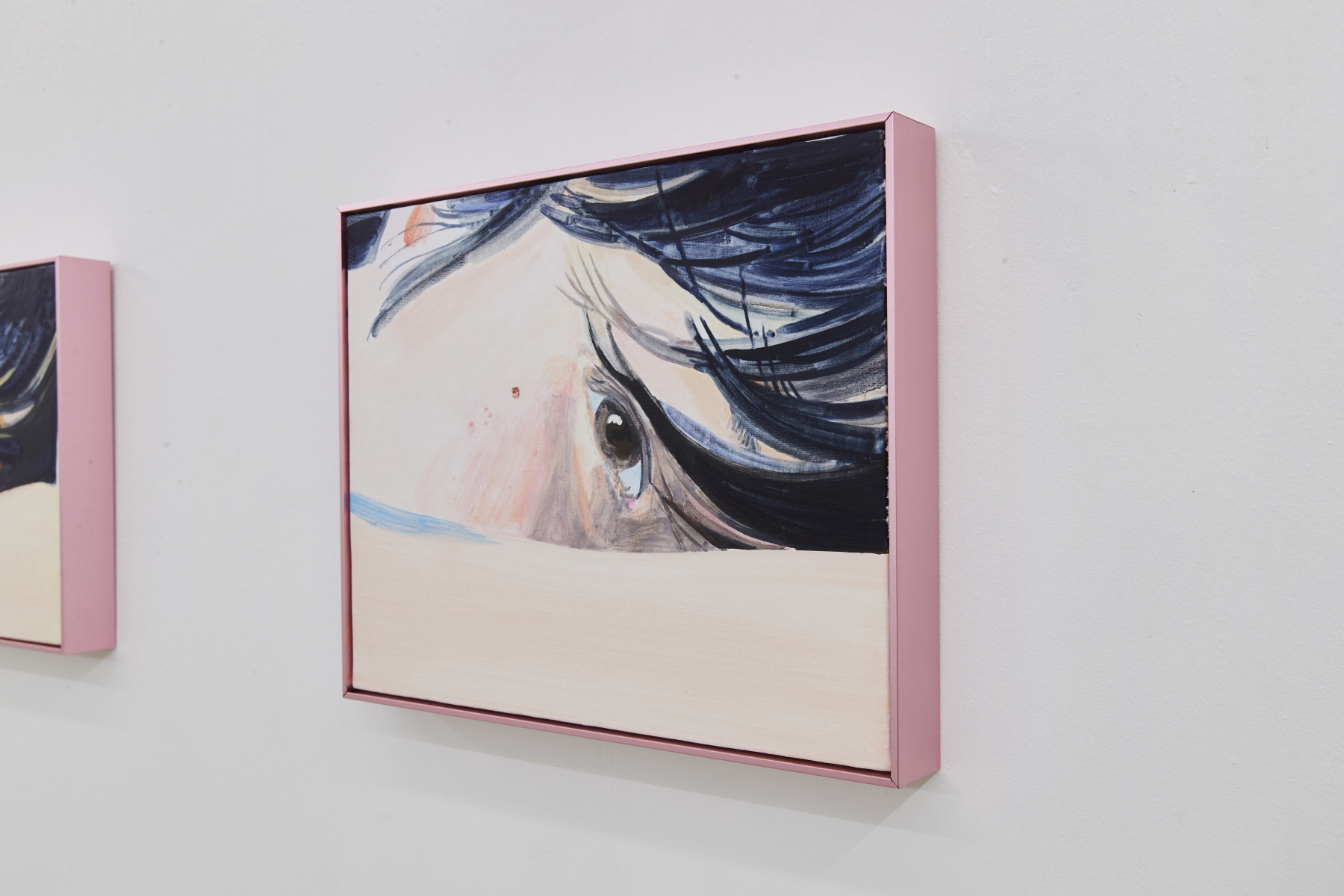
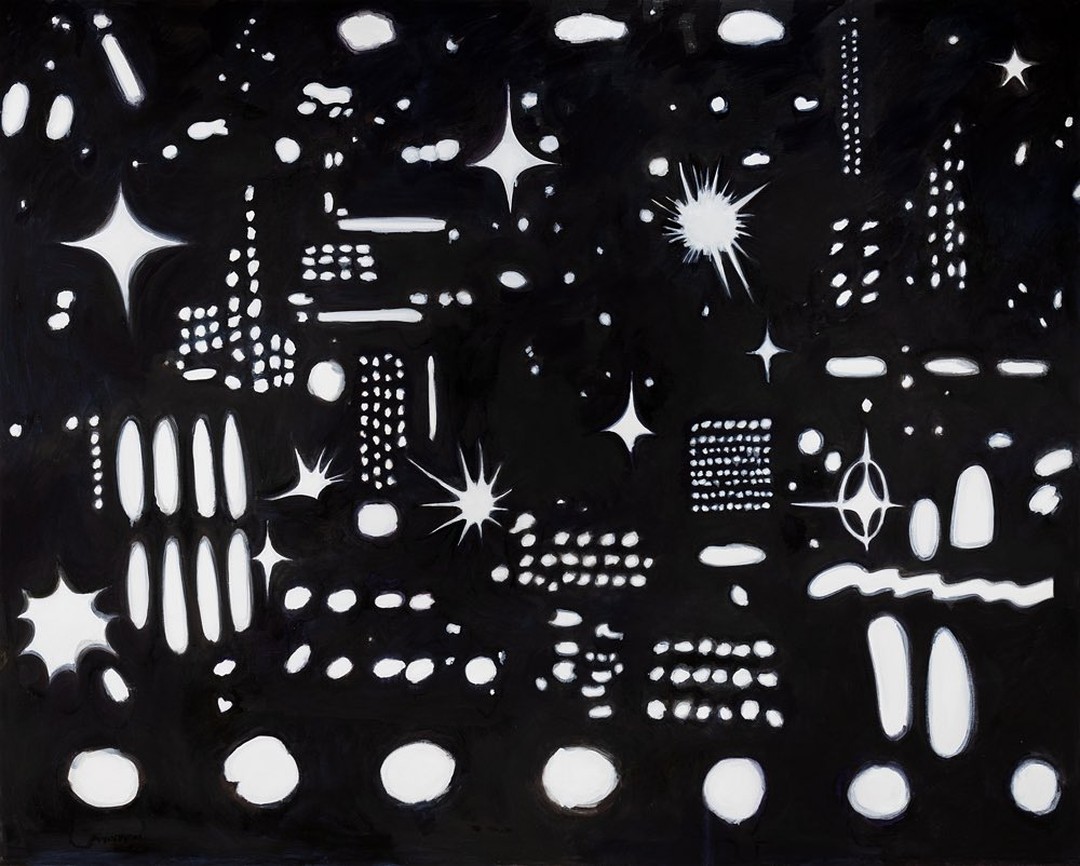
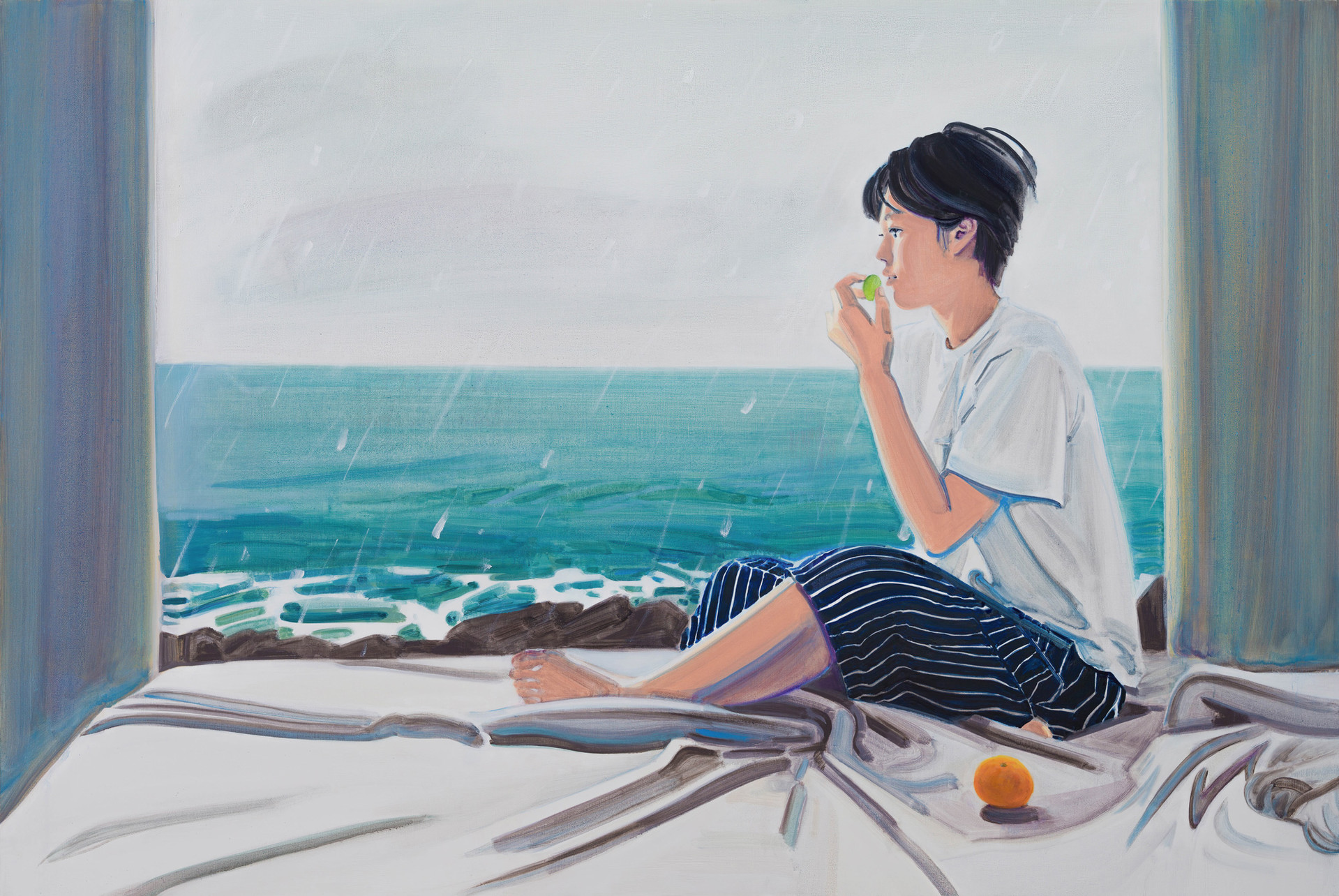
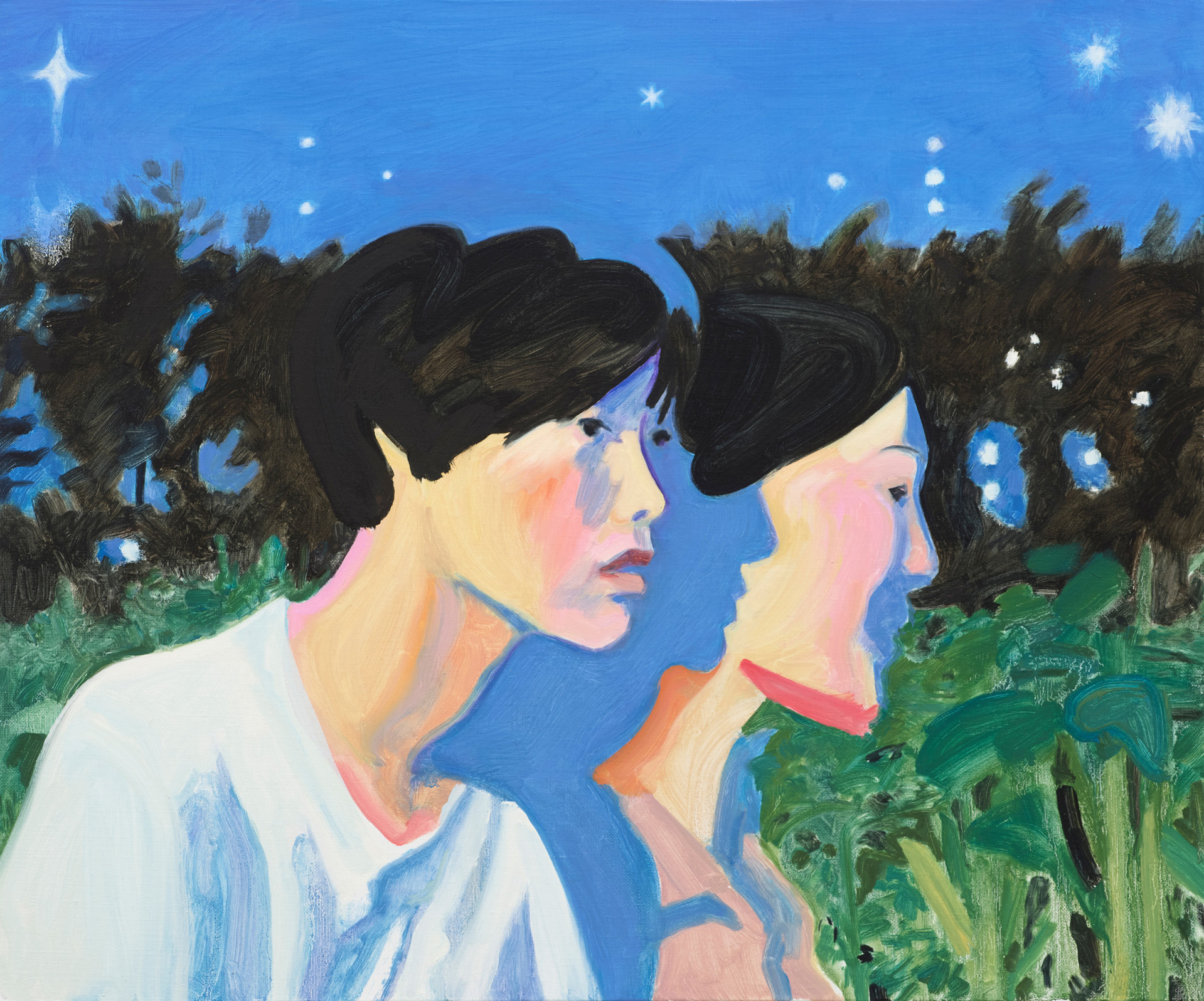
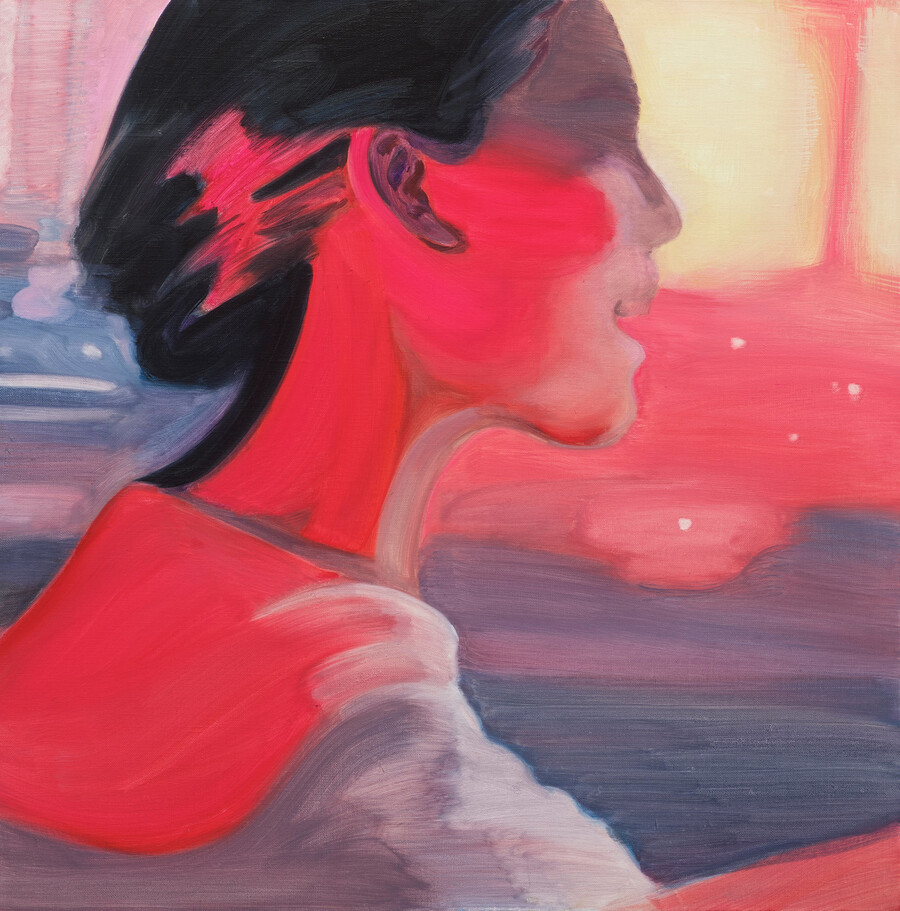
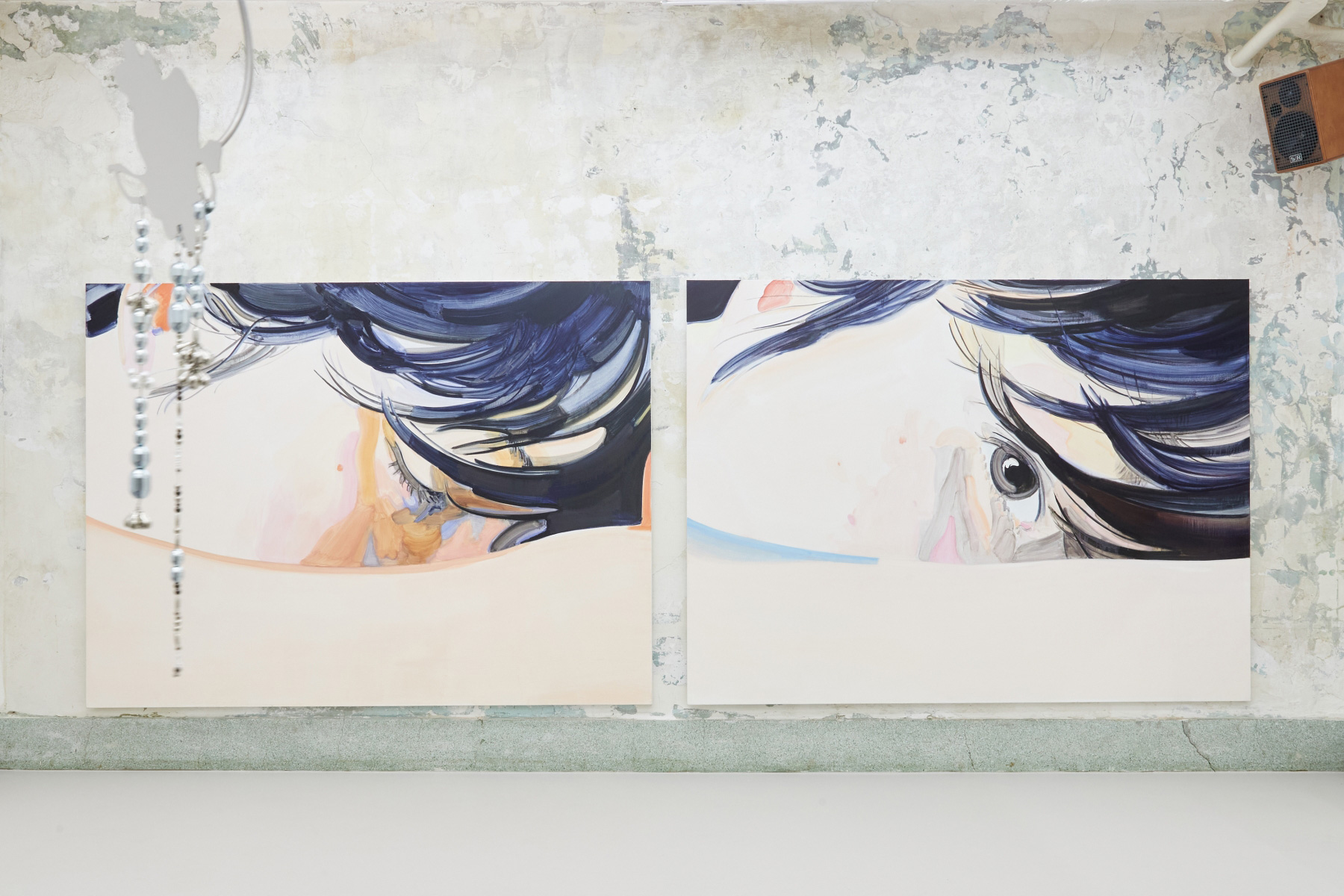
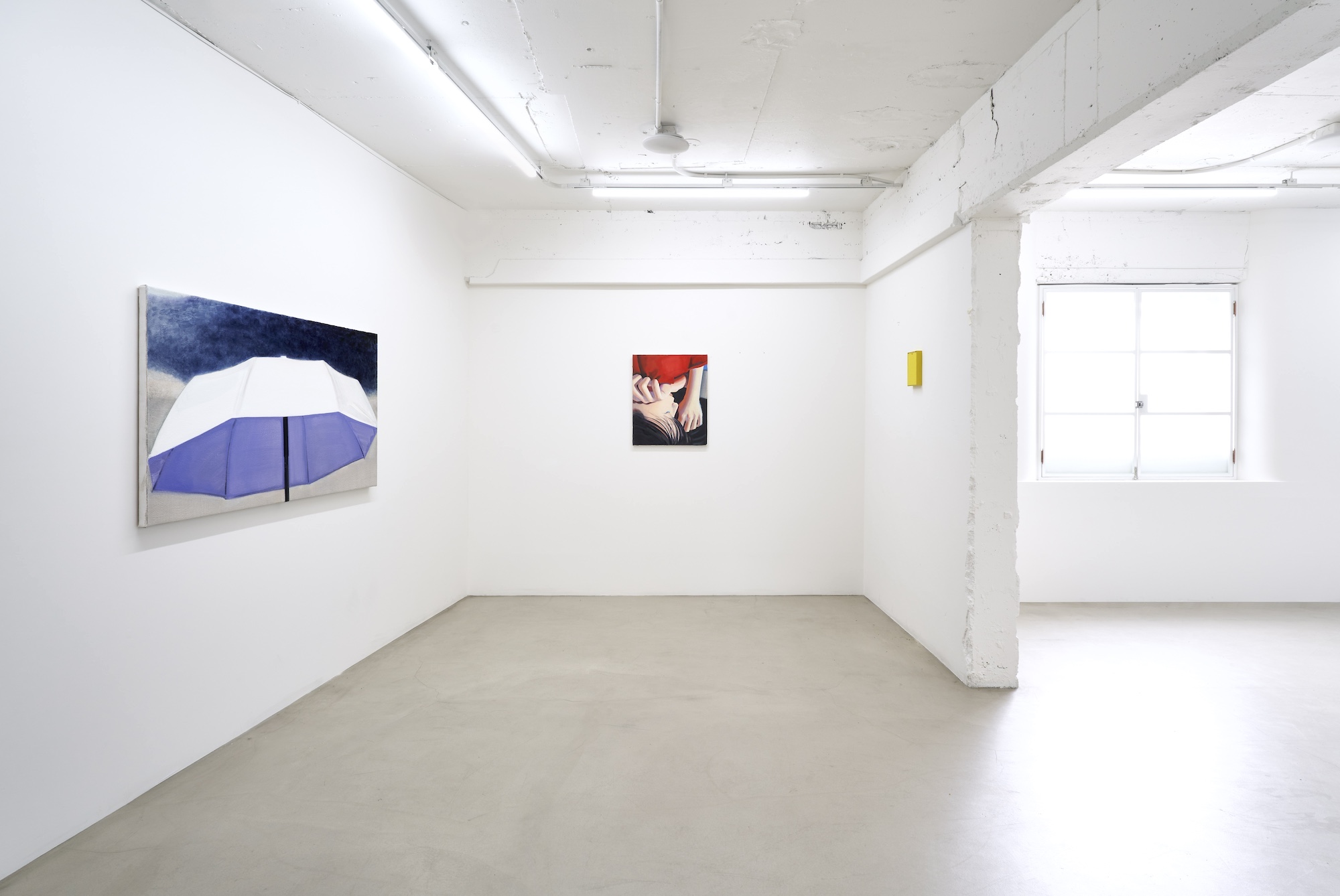
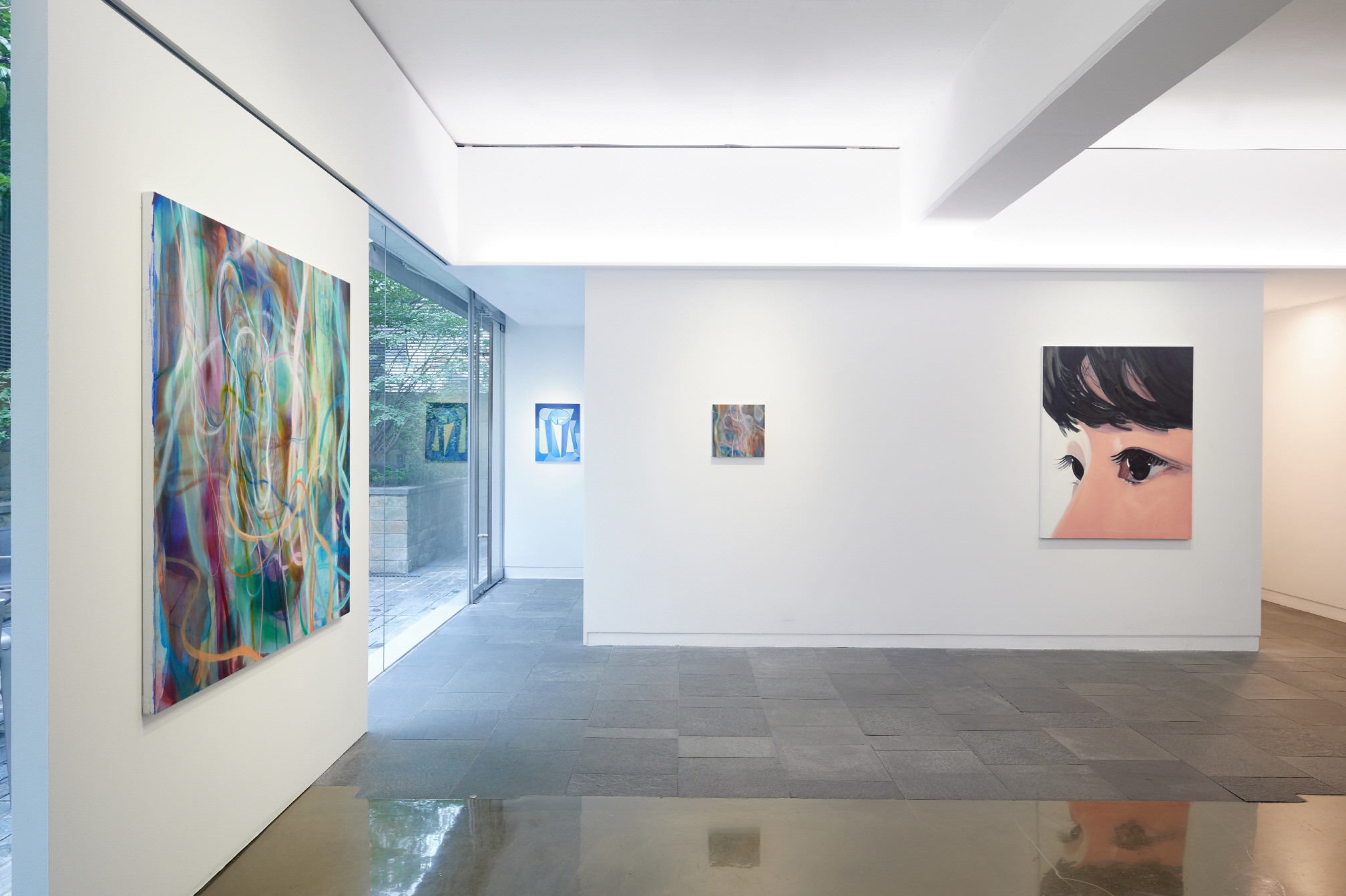
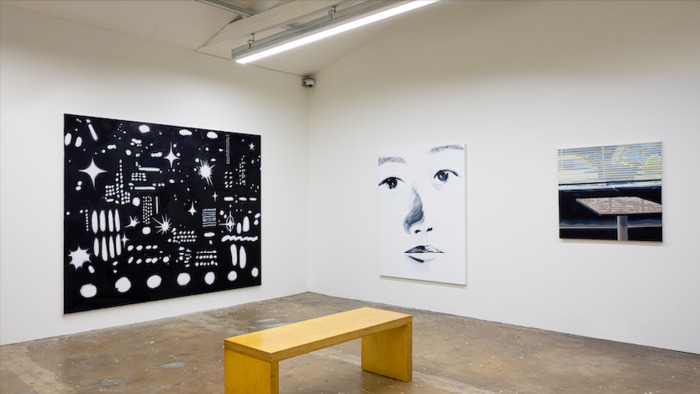
《Ziggy Stardust》 reflects these themes
through portraits (Heeseung Chung) that capture the artist’s attitude toward
their practice, through projections of the artist onto intimate others as
personas (Yiji Jeong), and through bodily internalizations of conflicting
emotions (Hannah Woo). Dew Kim's focus on 'becoming' queerness, Donghoon Rhee's
analysis of idol personas from a third-person view, and Sungsil Ryu's avatar
narratives that mirror distorted social structures further explore these fault
lines between self and persona.
Dreams Come True
Dew Kim selects one track each from five idol groups (WJSN, Oh My Girl,
GFriend, Rocket Punch, aespa) and performs short sequences filmed in the TikTok
interface. The platform’s compact, flashy effects maximize the fantasy of
bodily idol embodiment that the artist has long yearned for. The songs all
contain messages of granting wishes, while arrows and cracks across mobile
screens imply the interference of external forces.
In
works like As You Wish (2021–2022) and Dreams
Come True (2022), the artist transforms into a wish-granting
persona, weaving shamanistic language and choreography, combining sexual
imagery with ritualistic structures. Through this, the fantasy of a magical,
flattened persona, realized via social media, manifests as bodily performance.
The Bare Face of Natasha
Sungsil Ryu has long embodied 'Cherry Jang,' an avatar active in satirical
online performances. In this exhibition, attention shifts to 'Natasha,' another
fabricated character resembling Cherry Jang. Her interactive video work Daewang
Travel 2020 (2020) critiques Korea’s senior tour industry, where
Natasha—a local guide on Qingchen Island—appears, satirizing distorted family
structures and aging desires. Natasha's passive role compared to Cherry Jang
exposes the avatar's degenerating identity, suggesting that Daewang Travel may
be a prequel exploring fragmented personas born from social desires.