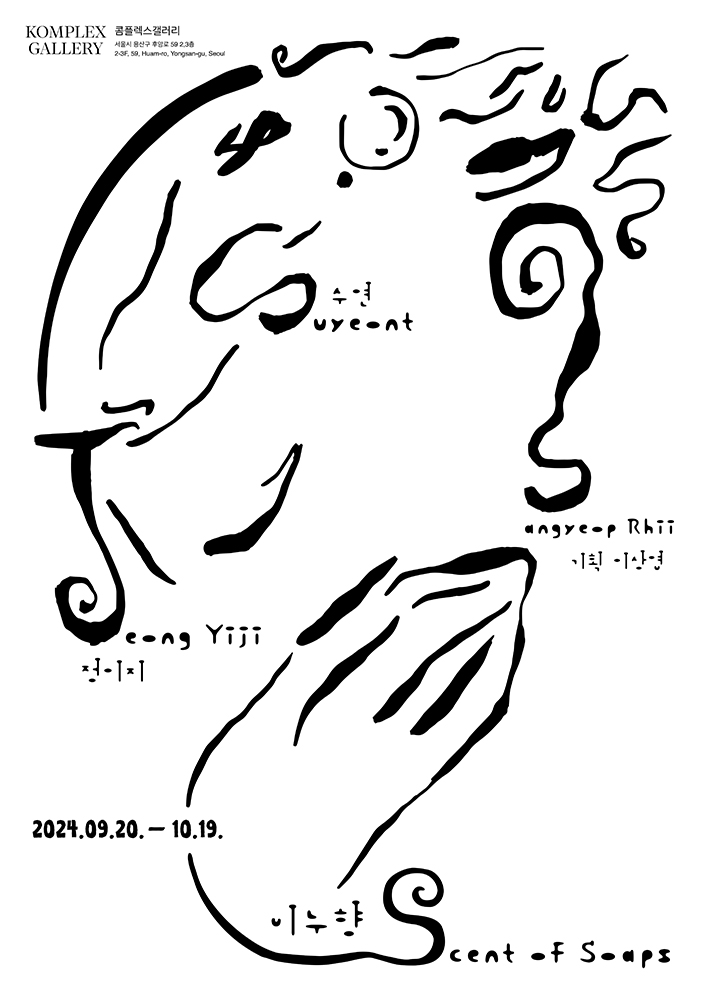
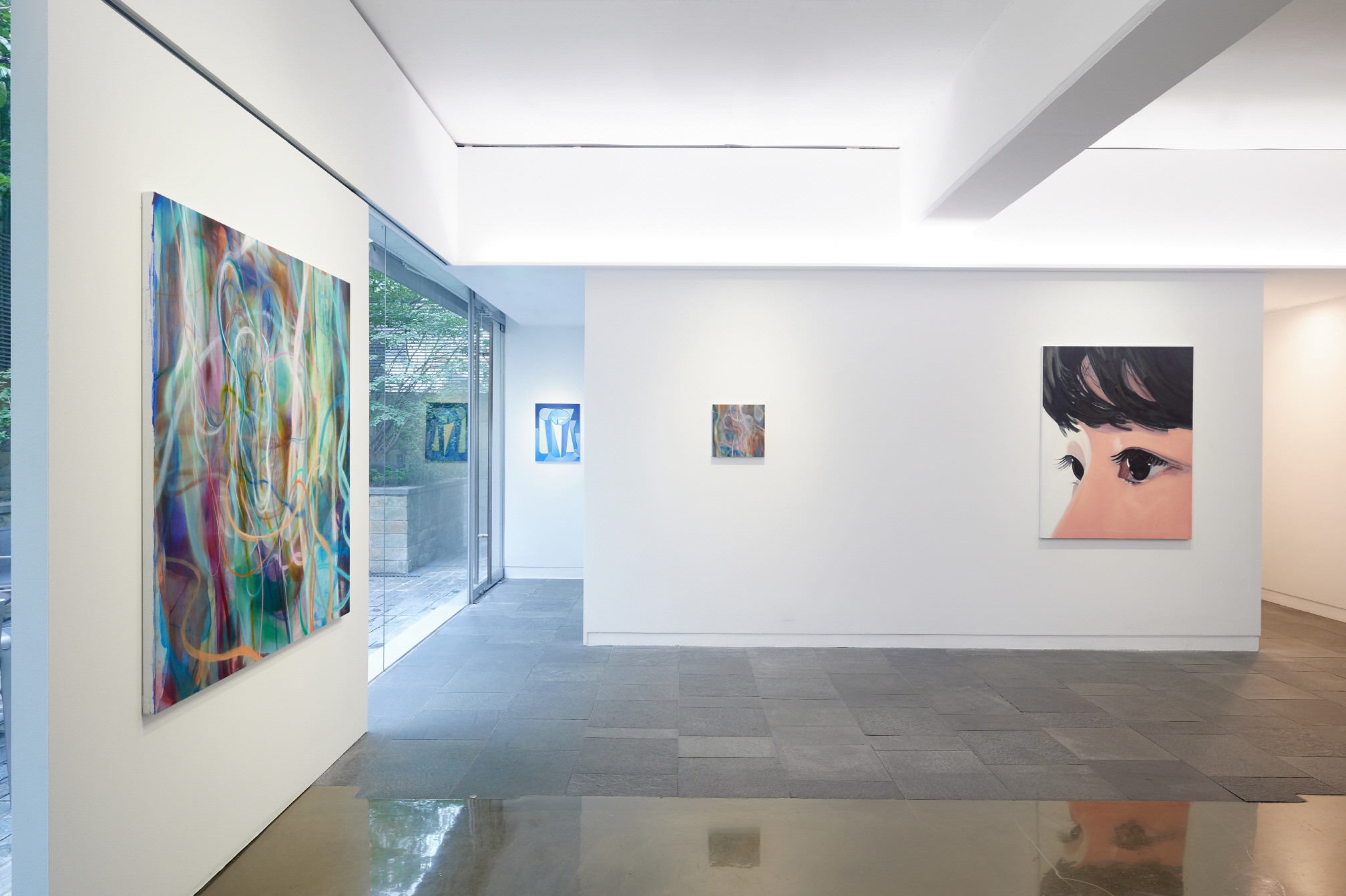
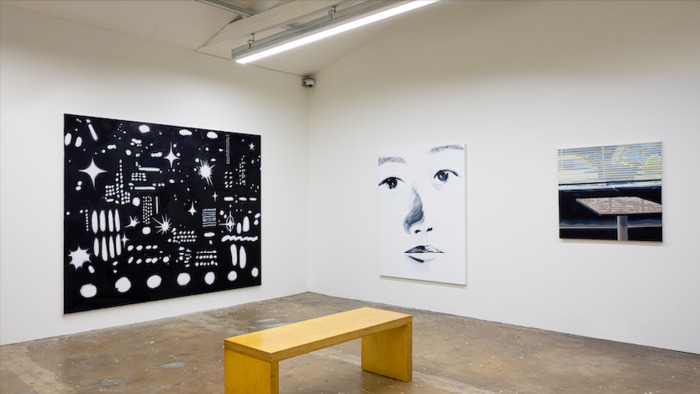
The two-person exhibition 《Scent of Soaps》 by Suyeon and Yiji Jeong
metaphorically evokes time and relationships through the notion of shared
scent—an atmosphere of intimacy and comfort. Soap, touched and worn away by
hand every day, gradually vanishes in physical form, leaving its lingering
scent transferred to the hands and body of the one who used it. Like the subtle
presence of soap, quietly intervening in daily routines and leaving traces
along one’s body, so too do invisible things—time, scents, and
relationships—quietly support and care for our everyday lives.
Soap's intuitive
yet metaphorical meanings as an element composing intimate life resonate
throughout the practices of Suyeon and Yiji Jeong. Anchoring their work in the
impression of "soap scent," the two artists develop personal
narratives around naturalness, comfort, closeness, and affection. Shared time,
sensory experiences, and emotional nuances weave throughout their works,
sometimes revealing themselves, sometimes hiding quietly behind the surface.
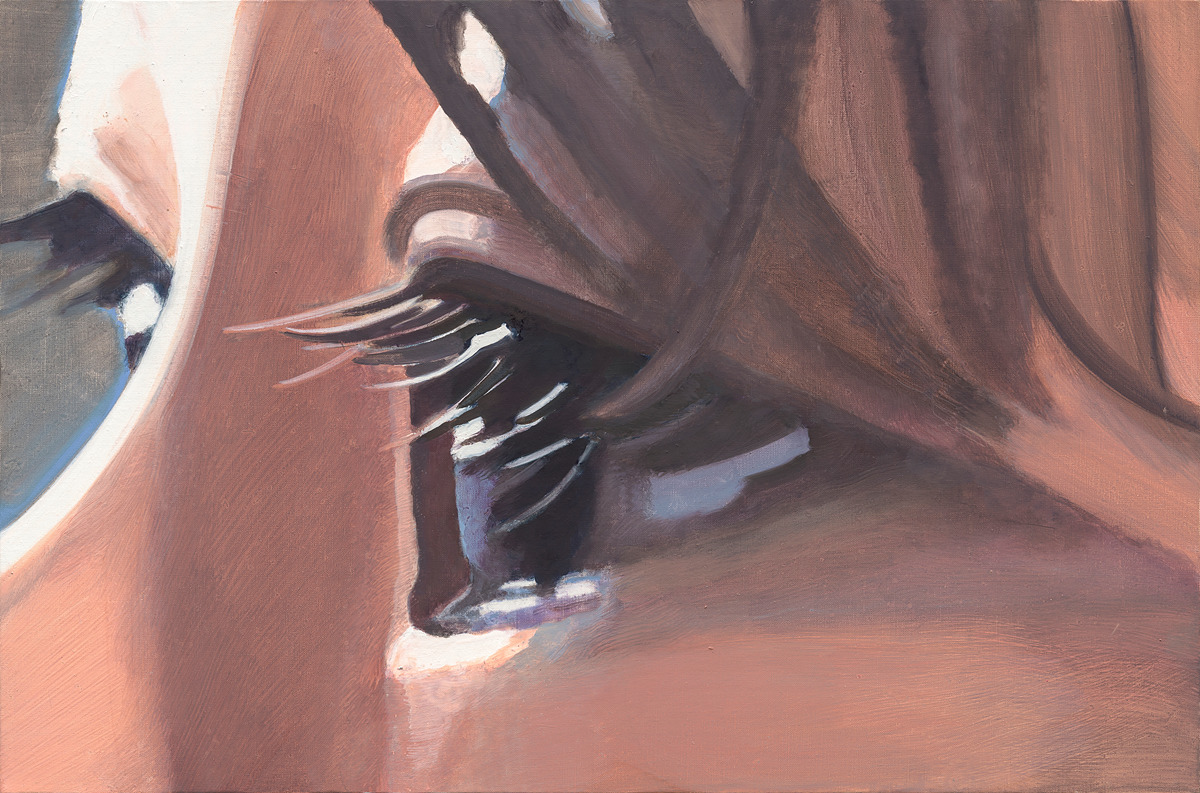
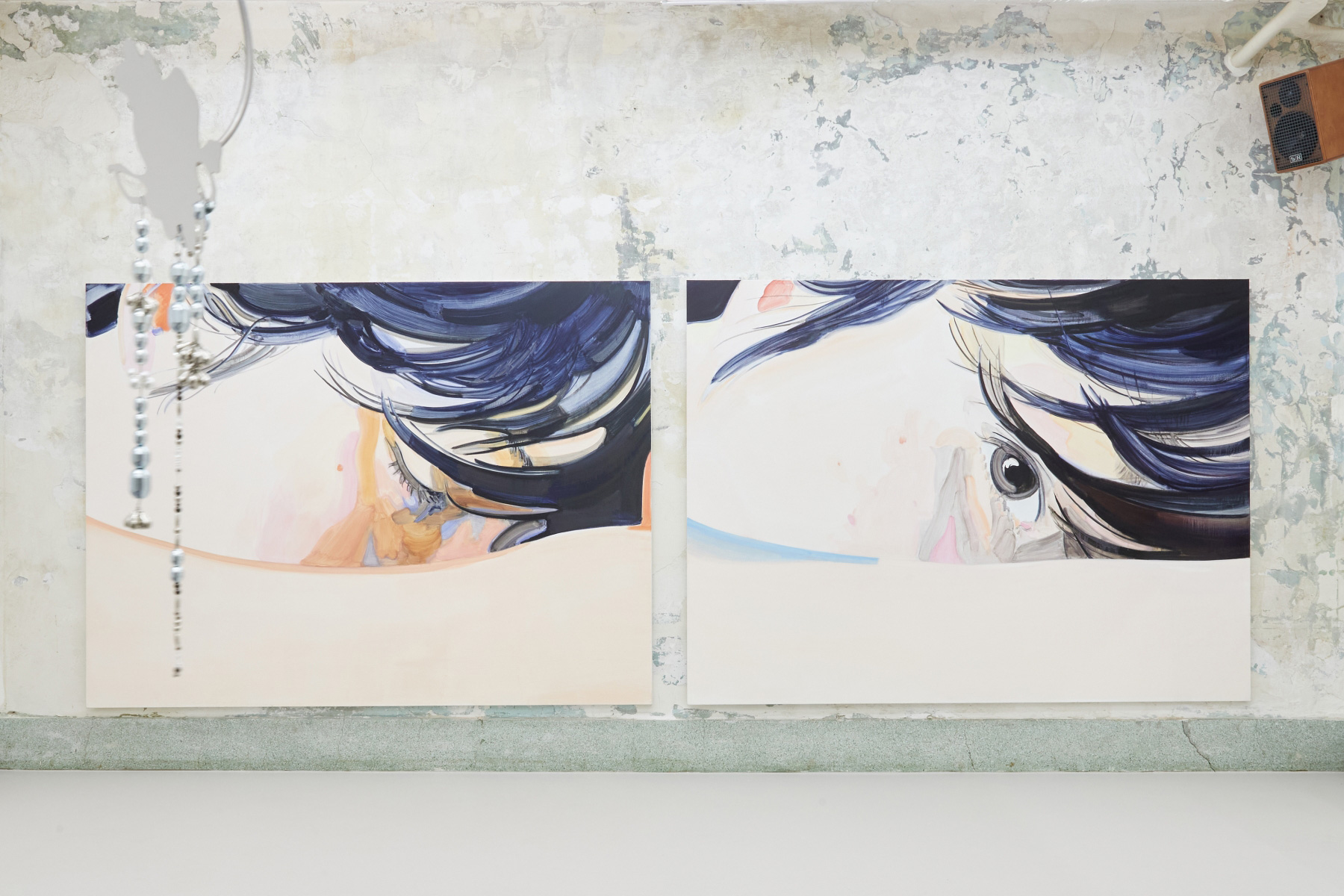
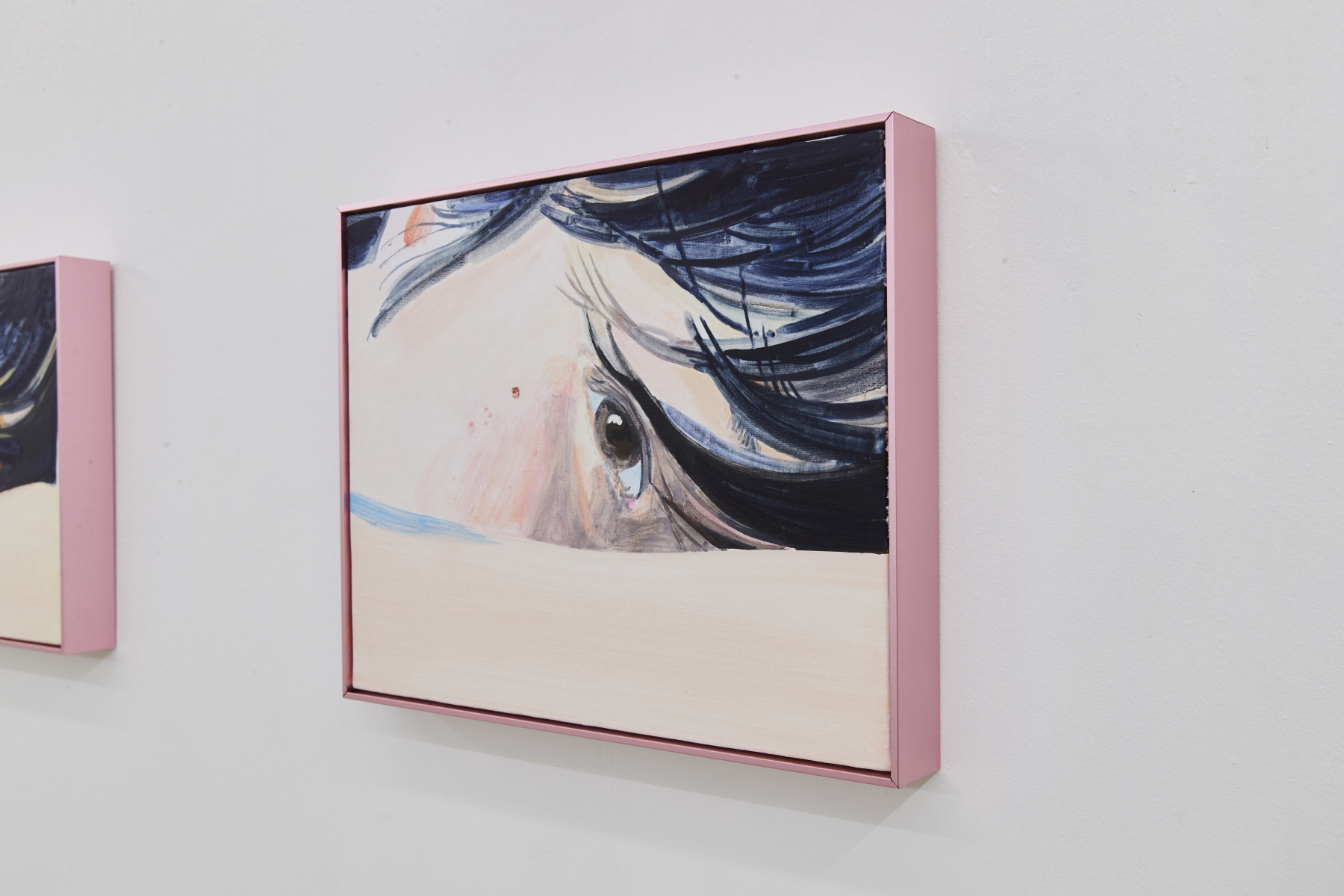
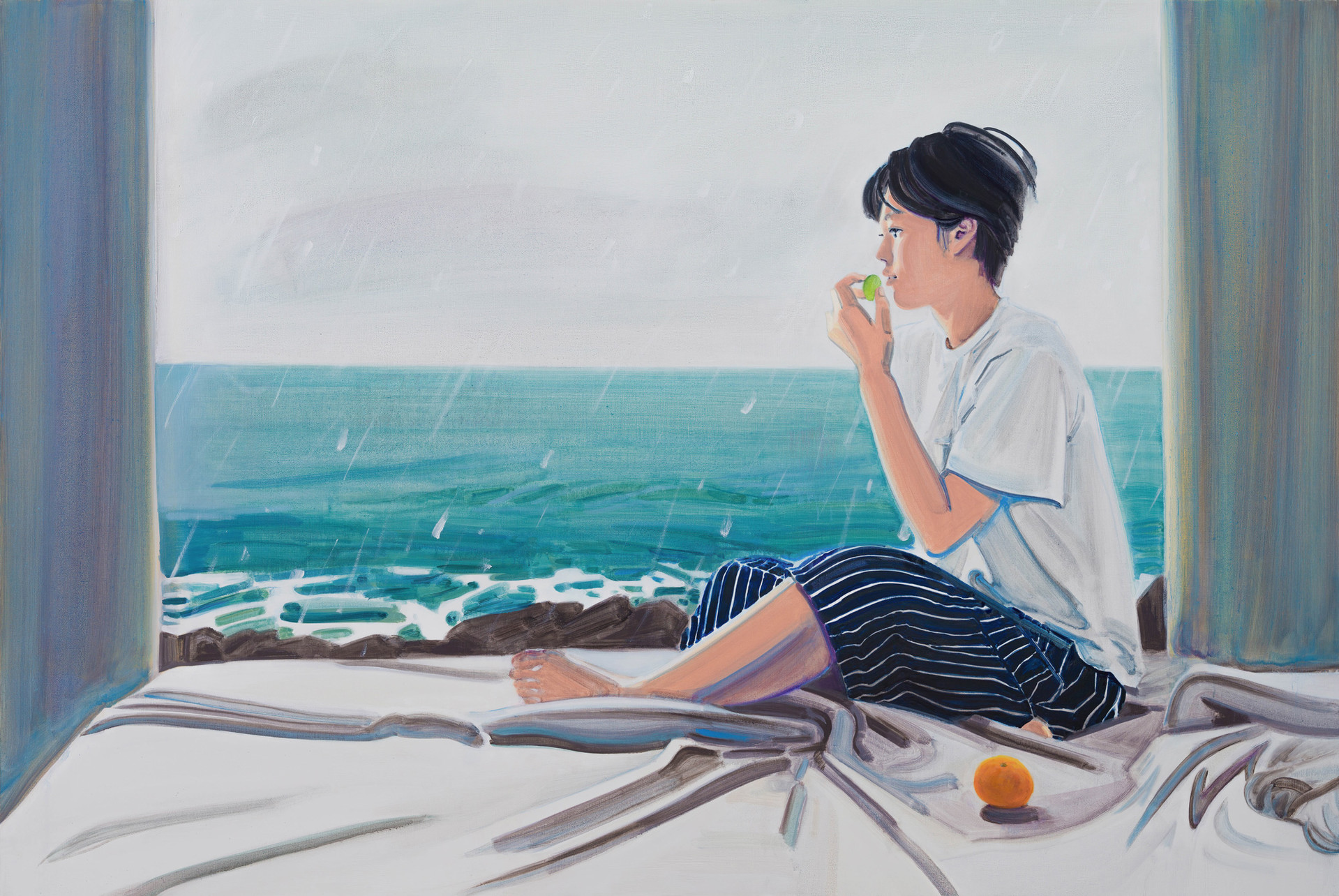
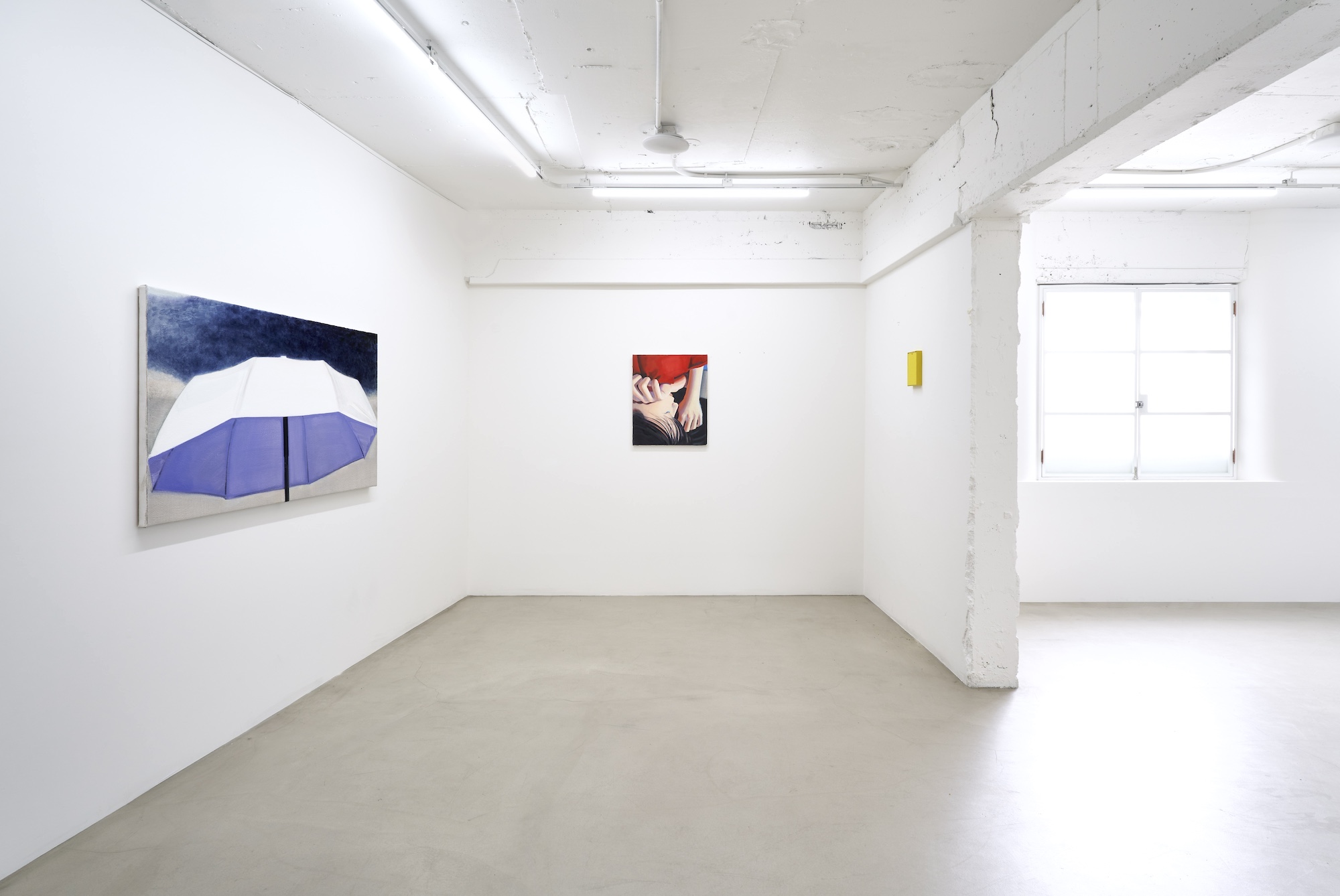
The objects and figures painted
by Yiji Jeong directly reflect her everyday life. Items such as cups, candles,
soaps, napkins, or familiar faces repeatedly appear in her paintings. The
elements she chooses to depict are all part of her daily life—things that
influence or resonate with her in some way. Yet this influence and resonance
are not found in flashy or dramatic objects but rather in the ordinary, quiet
things that might otherwise be overlooked. The comfort her paintings evoke does
not stem from a lightweight or simplistic life but from her conscious effort to
position herself—and her heart—within spaces of ease and calm. This thread of
comfort extends beyond her still lifes into her portraits as well.
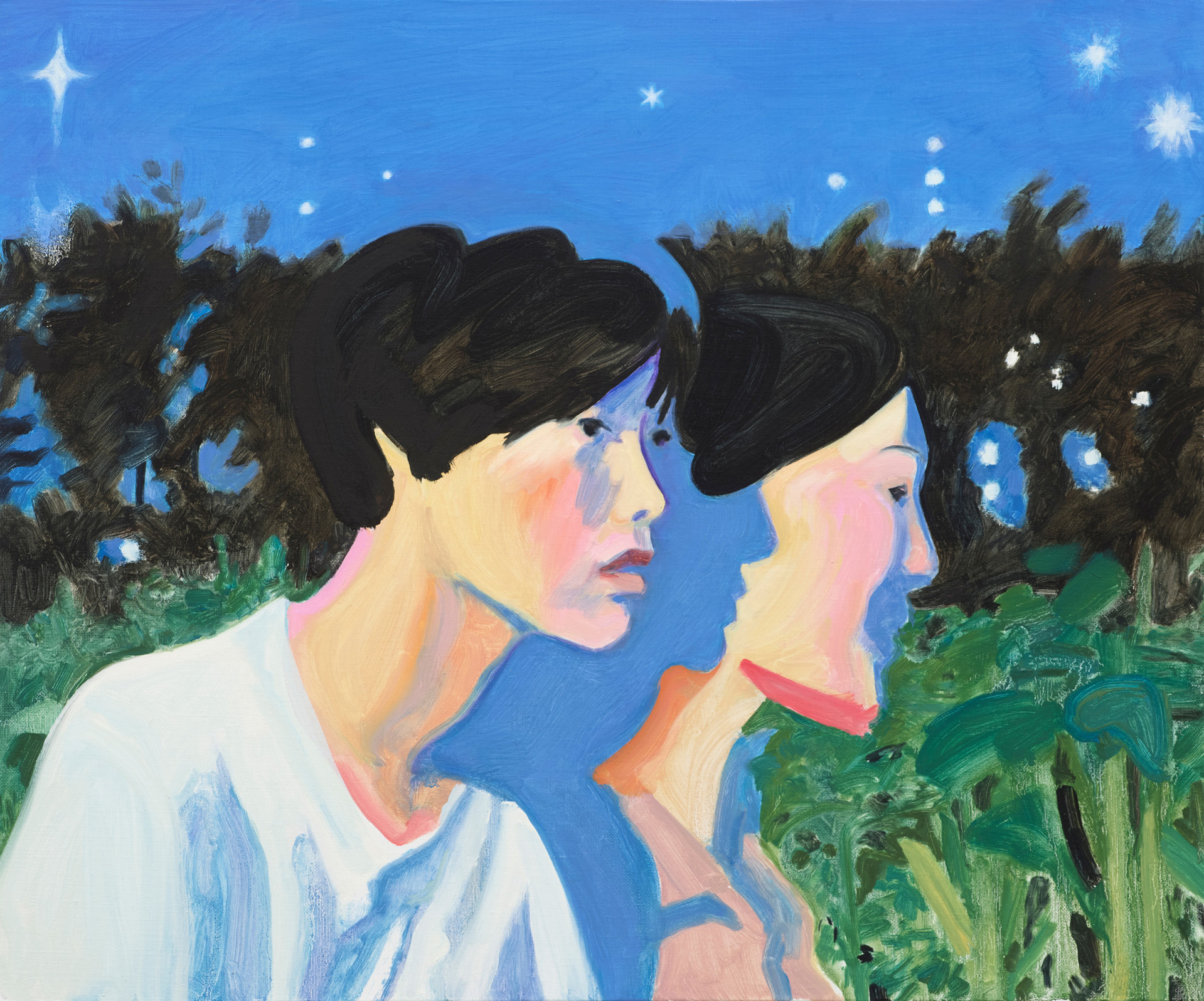
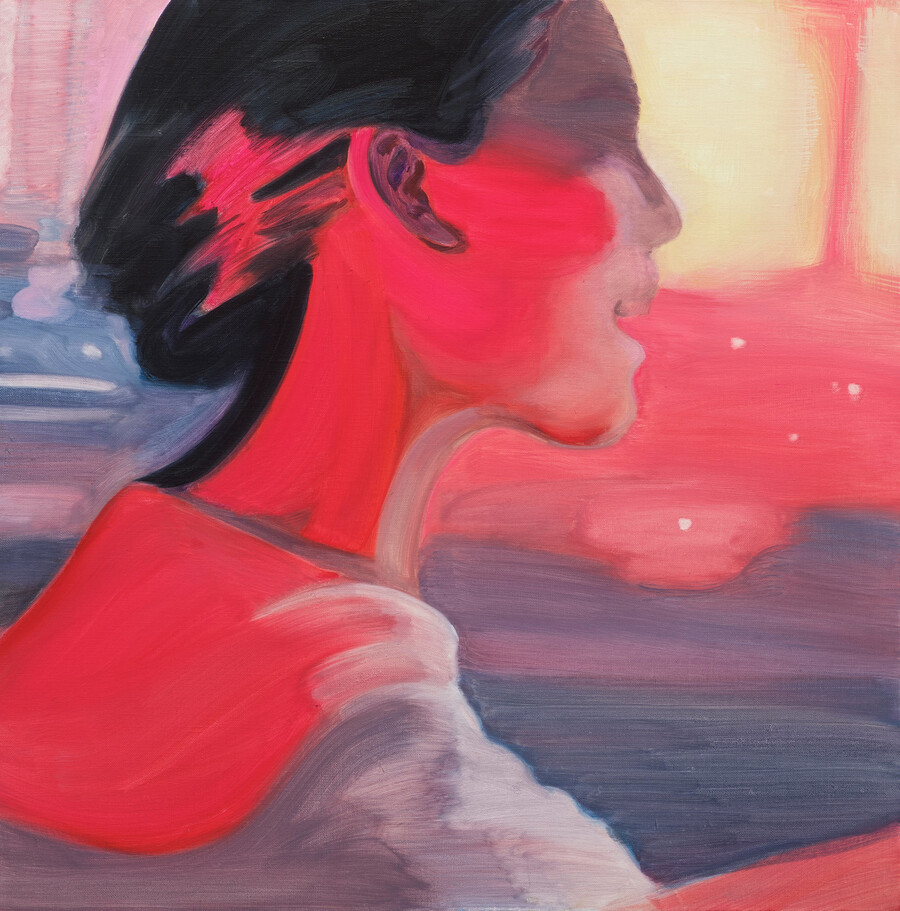
In this exhibition, the figures
depicted in her new works—Hello, Constellation,
and Pupa—all represent the same person: Suyeon. Yiji
Jeong has consistently painted not strangers but familiar individuals who hold
significant places in her life. Once again, she inscribes the presence of one
person onto the canvas as though imprinting them on her heart, tirelessly and
with affection. Surrounding her portraits is the atmosphere of warmth, personal
feelings, and the density and intimacy of their relationship, floating like air
around the figures. The scenes composed of resting objects and still figures
are not casual encounters but deliberate moments she strives to preserve within
her daily life, even amid its ups and downs. The comfort of daily life is not
something easily attained but something closer to an act of preservation.
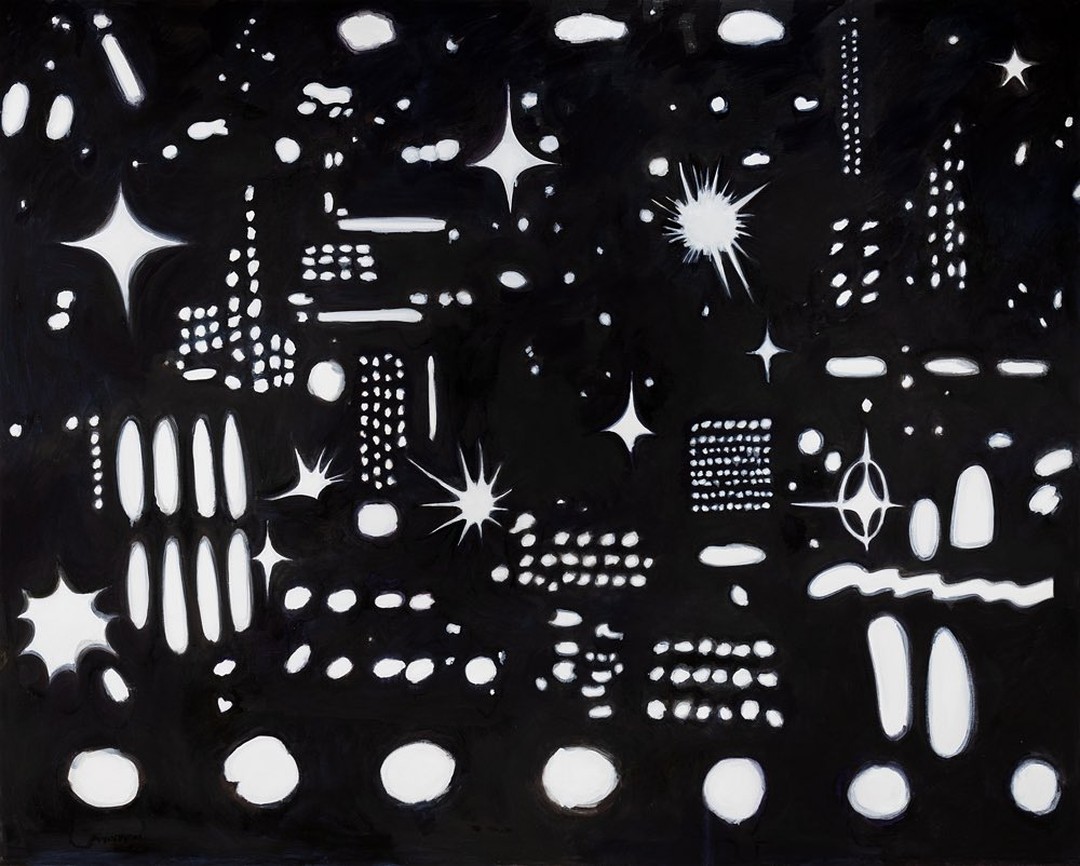
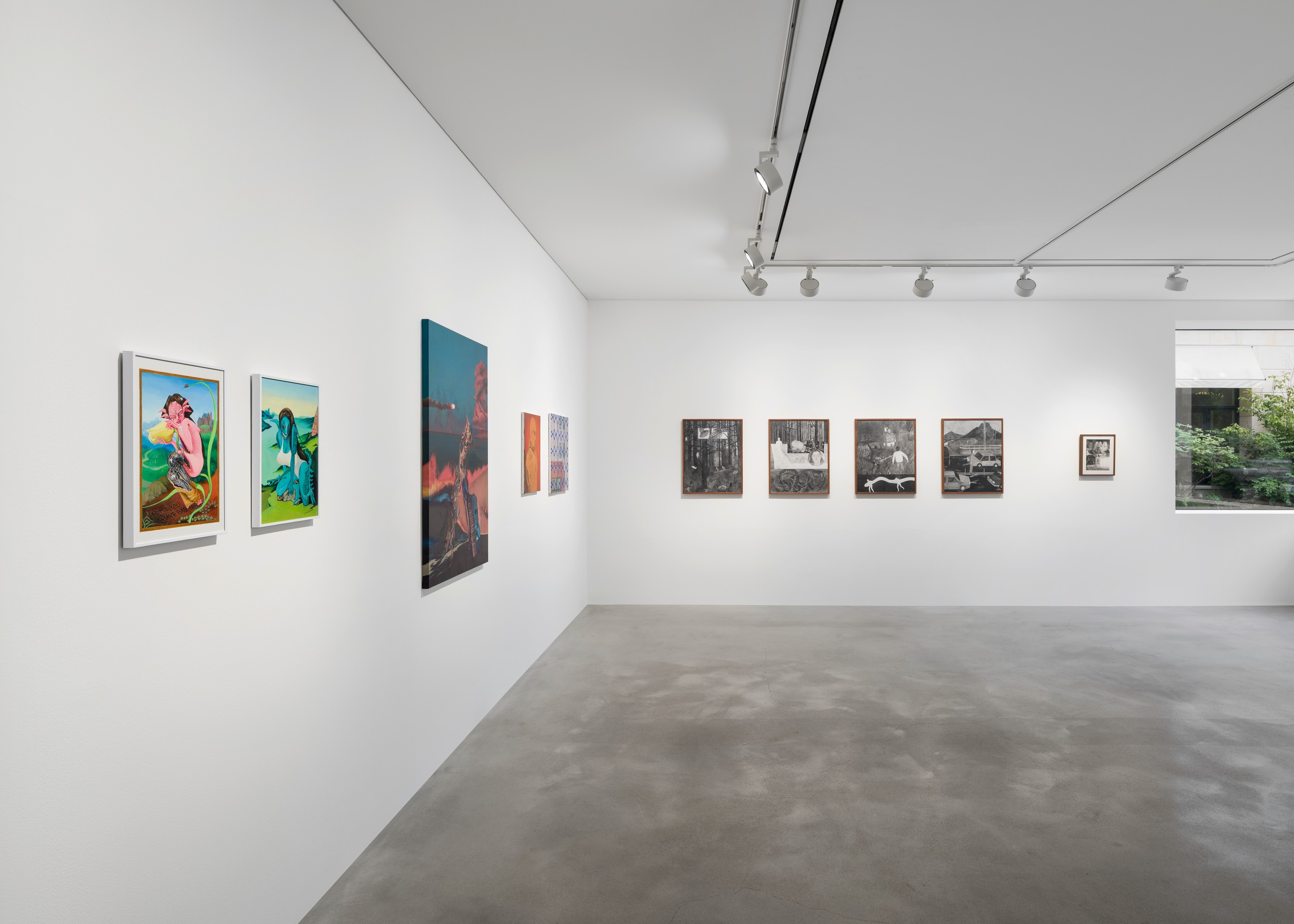
Meanwhile, Suyeon has long
painted "corresponding forms"—shapes or objects that align naturally
in pairs. She composes circles stacked atop each other, stars arranged side by
side, birds in twos, or butterflies, building visual pairings that feel
instinctive to her. Her new work, the Grid Paper Drawing Series, consists
of 36 sheets of grid paper on which images and colors accumulate slowly. These
papers align edge to edge, collectively forming a larger scene made of smaller
individual moments. Each drawing has its own title, encouraging viewers to read
and observe them in tandem—much like how a child, learning language, connects
words with images to comprehend the world.
This childlike purity is central
to Suyeon's practice. How can we explain this sense of purity? Like the scent
of soap dissolving into water and soaking into skin, her works naturally
permeate the spaces they inhabit. This happens quietly, as suggested by the
title of her stitched work on muslin cloth, Songs without Words—unfolding
gently, without words, as though always meant to be.
《Scent of Soaps》 explores
the overlooked repetitions of daily life—the cycles of time, the closeness of
relationships, and the feelings we strive to preserve. Alongside these come the
states of naturalness, comfort, and intimacy. Yet, the light and beautiful
meanings these words hold do not emerge automatically in life. Rather, they
arrive momentarily, like a fleeting glimmer of light or the brief intake of a
pleasant scent, when one actively clears away life's daily struggles, fiercely
lives through each day, and steadfastly protects their routines and heart.
What, then, is truly important?
Perhaps it lies in the simple, pure belief that one can detect such light and
scent in life and hold onto them—that bright moments and pleasant scents will
settle into one’s daily existence, if only one believes.