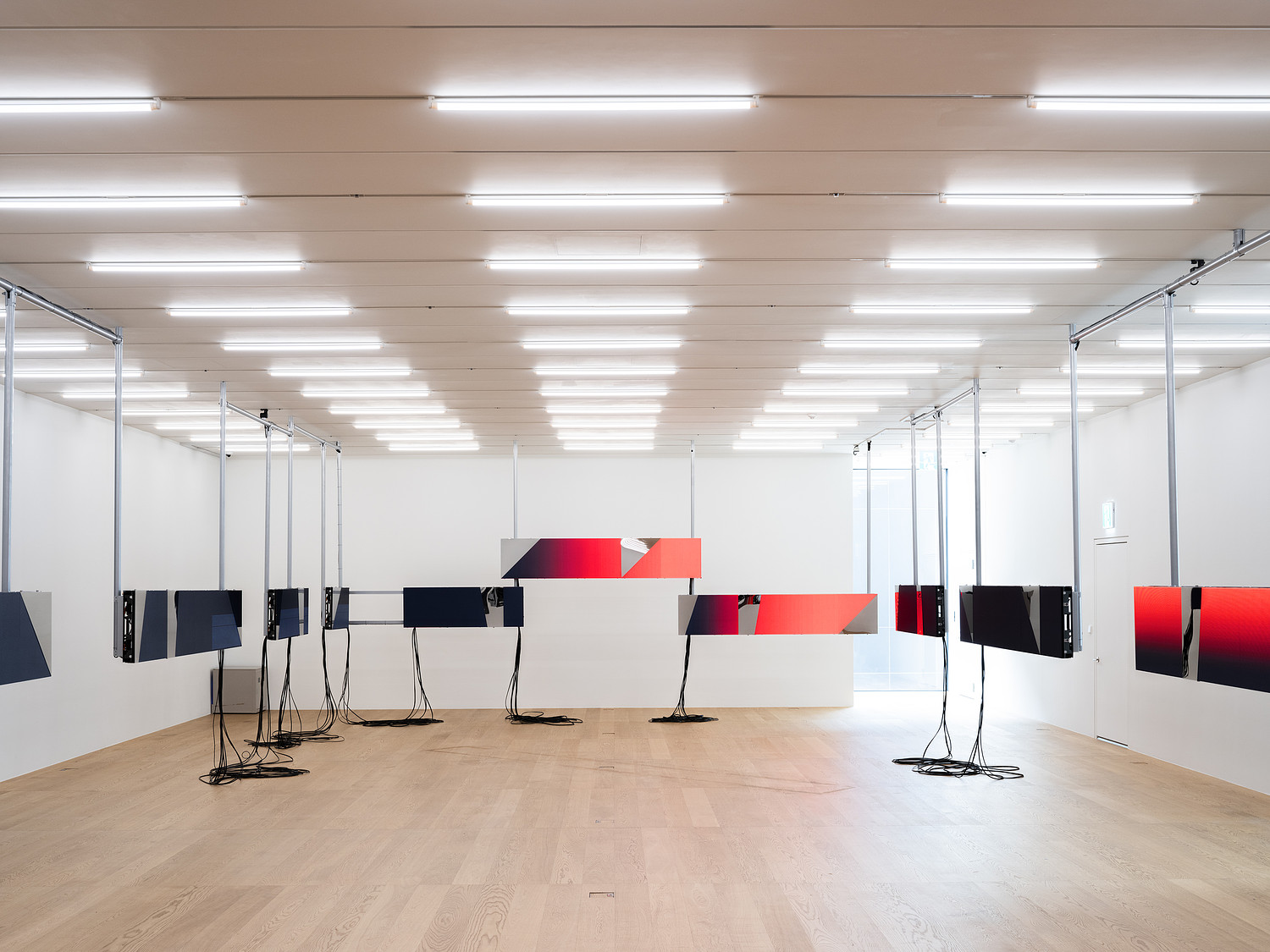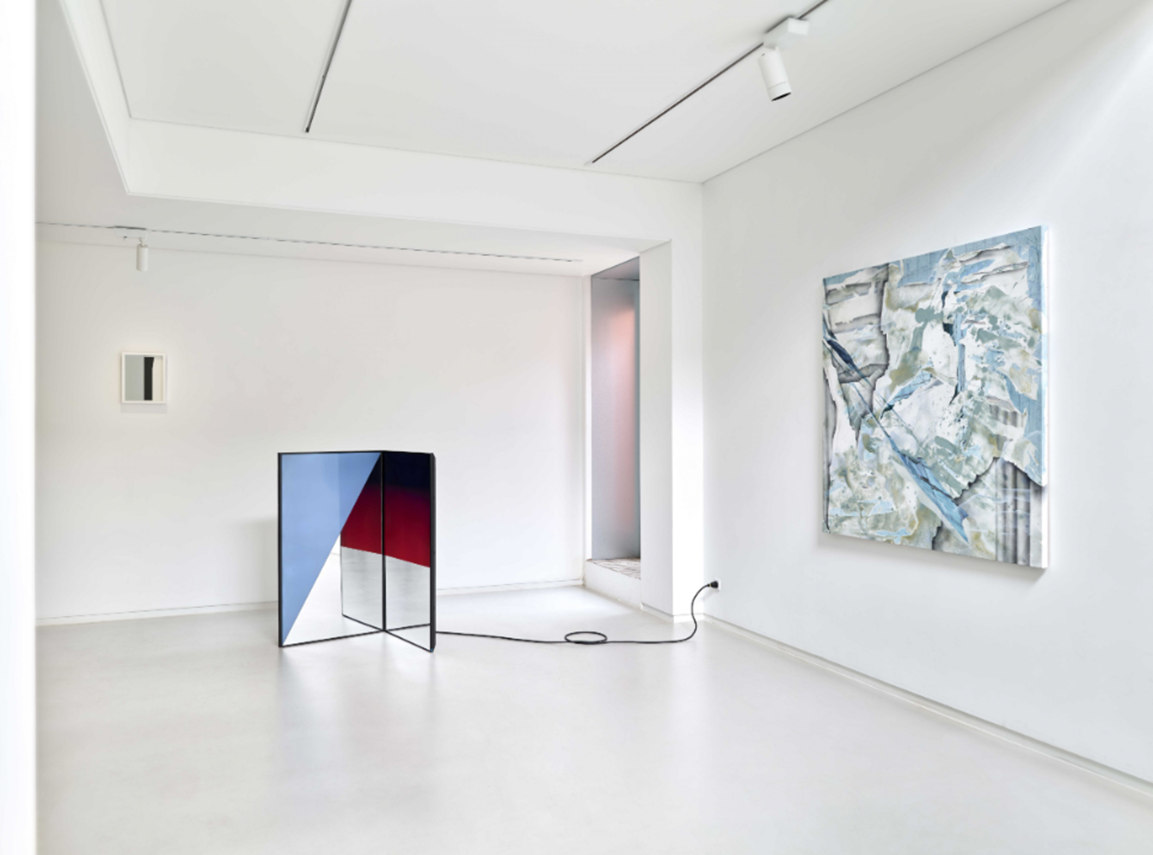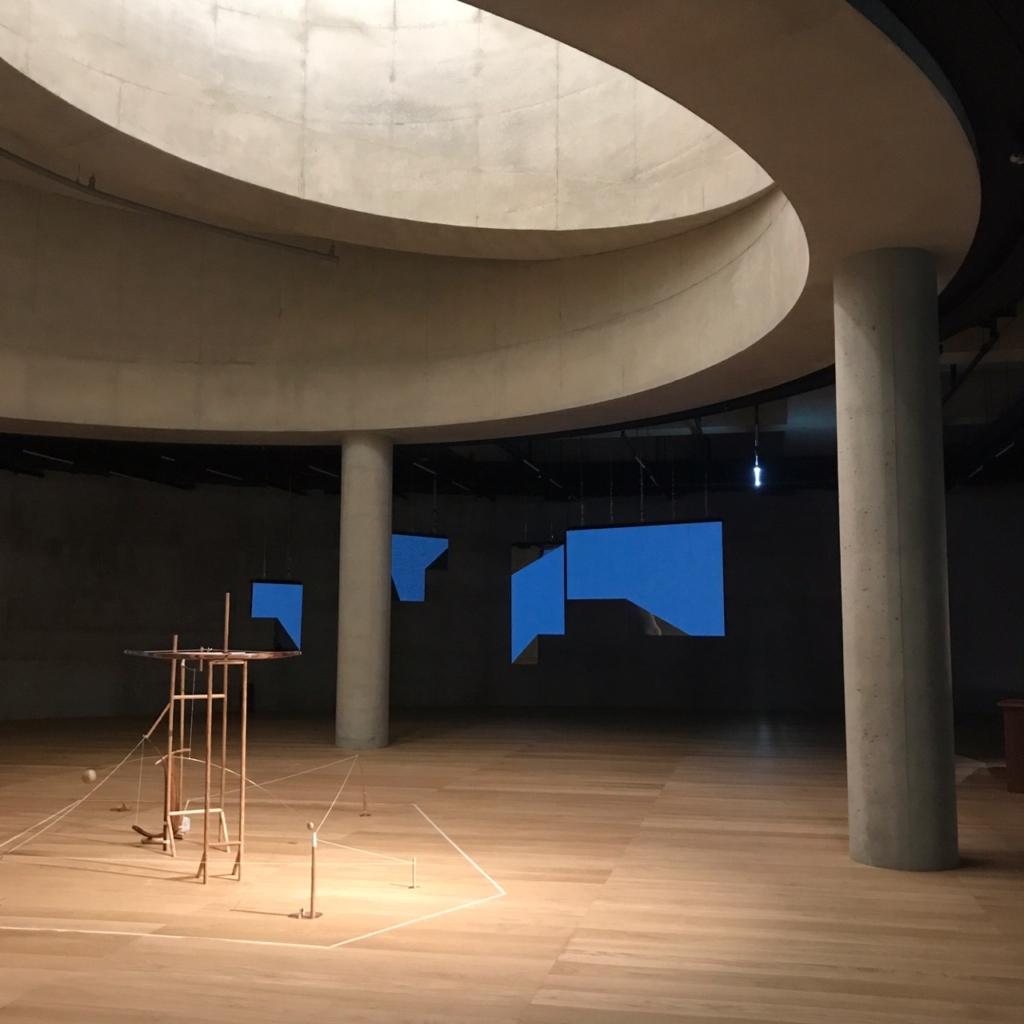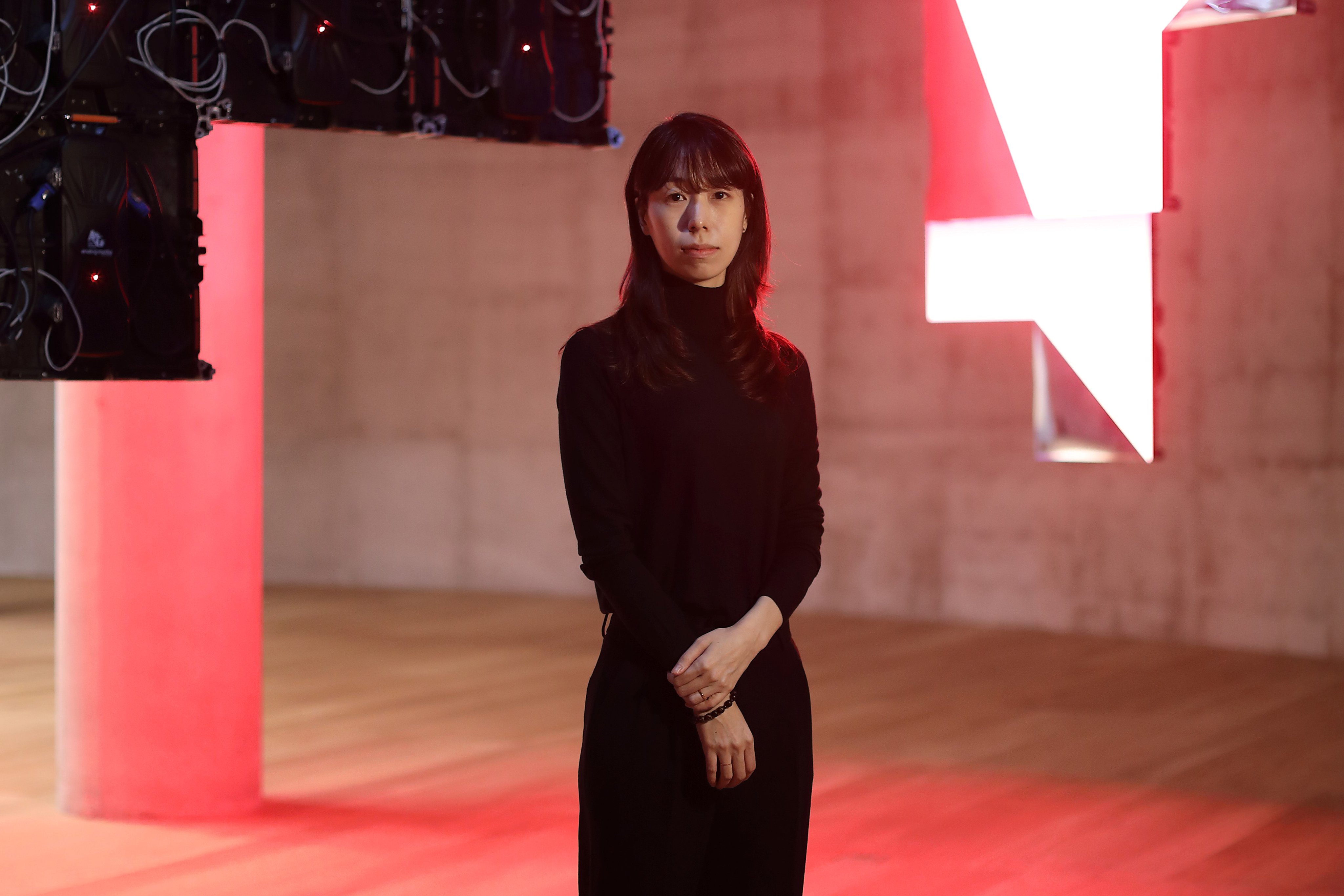


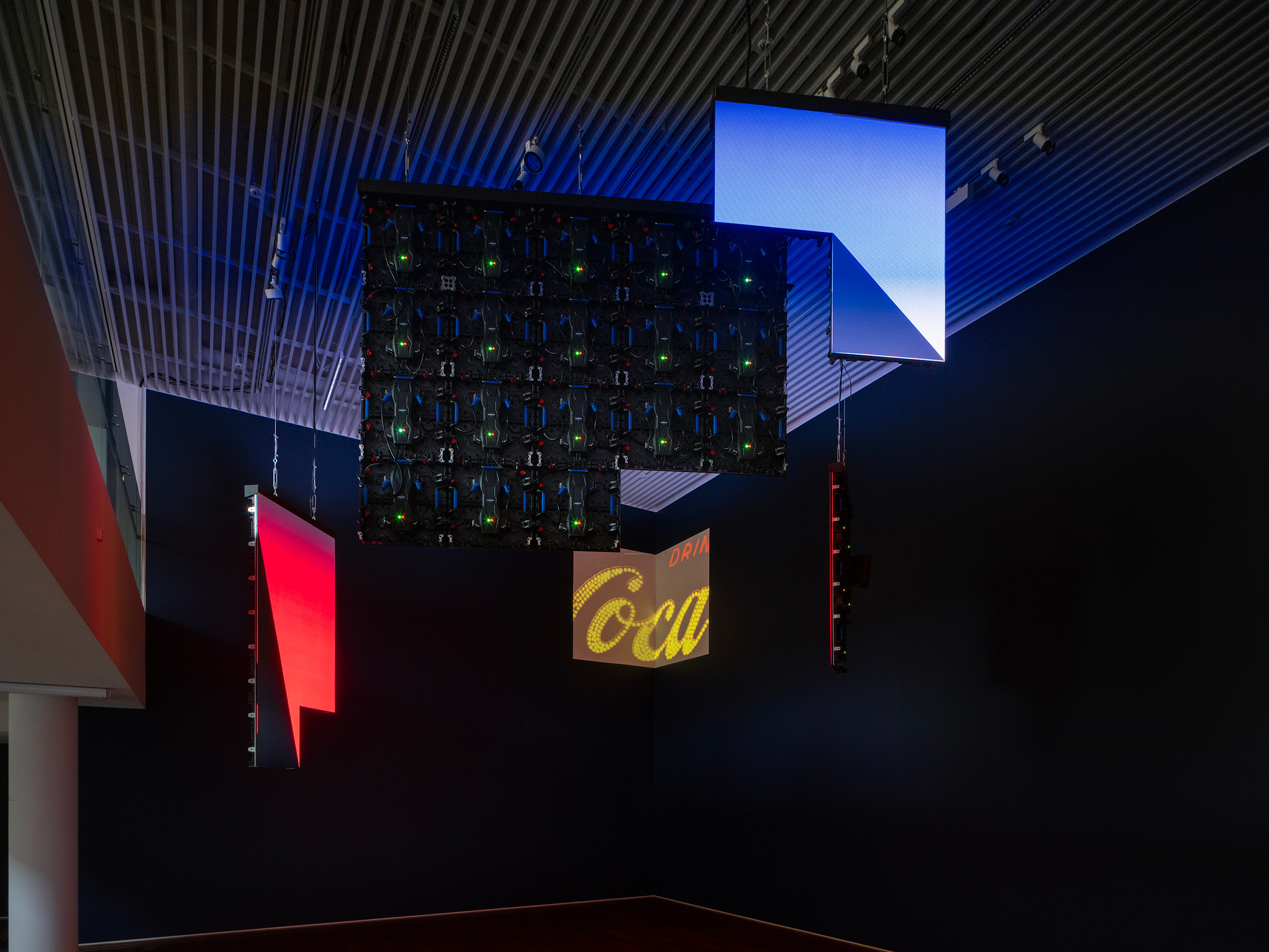
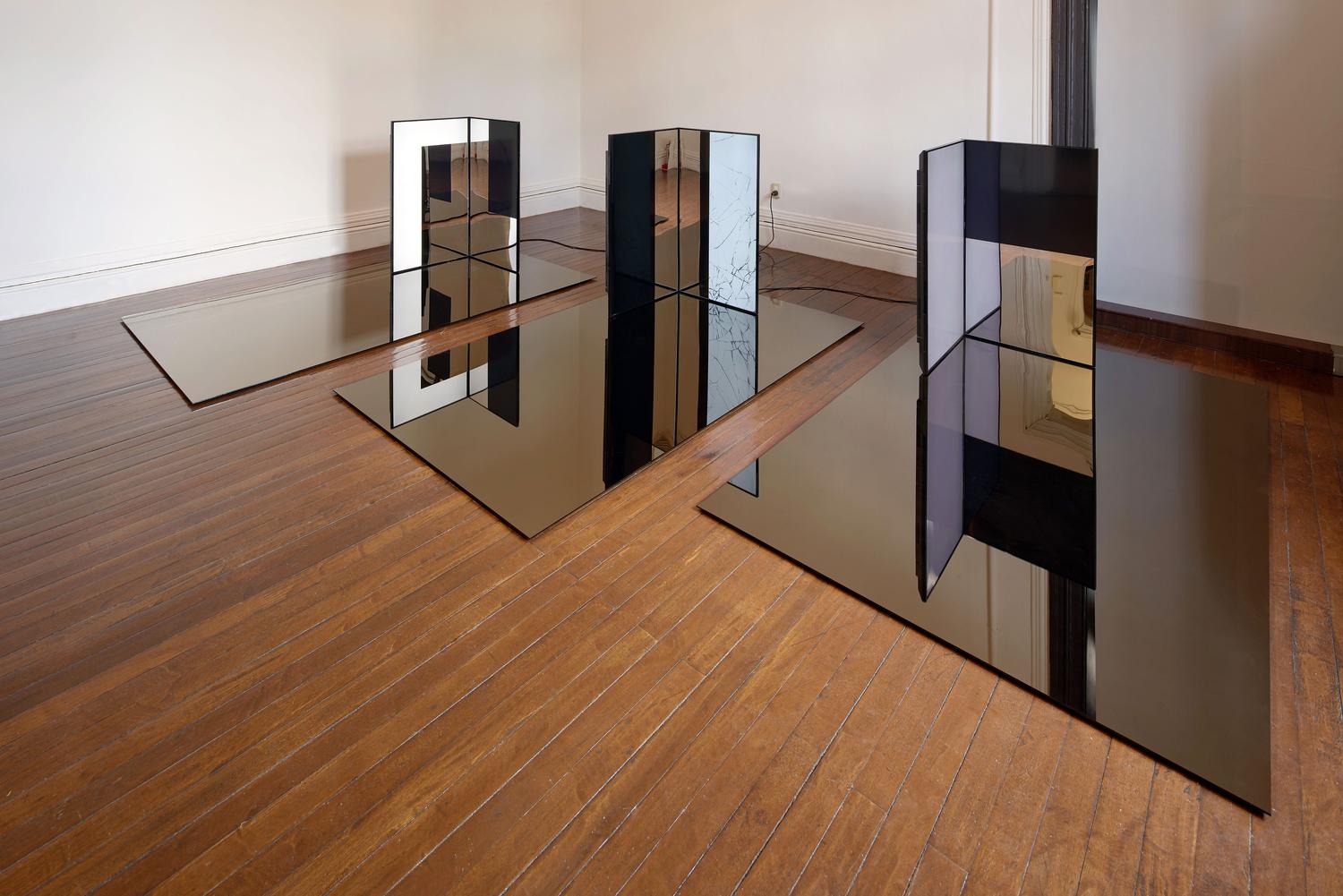
Installation view ©KICHE

《What I Want to See》 is a group exhibition that features the works of three artists, Ahram Kwon, Anna Han, and Hwang Wonhae. The exhibition will highlight the contrasts between the artists’ existing major oeuvres and their new works. The title of the exhibition, “What I Want to See,” borrows partially from the title of American artist Philip Guston’s book, I Paint What I Want to See.

The book is a compilation of conversations Gustong himself had with fellow artists since 1960 and is structured to give a glimpse into the evolution of his artistic concerns and choices (of methodology) of nearly 20 years (spanning broadly from the late teens to the 40s), in addition to his detailed practices. Taking inspiration from this approach, the exhibition examines why the three artists chose their specific subjects and through what perspectives they are engaging with their objects of inquiry.

Installation view ©KICHE

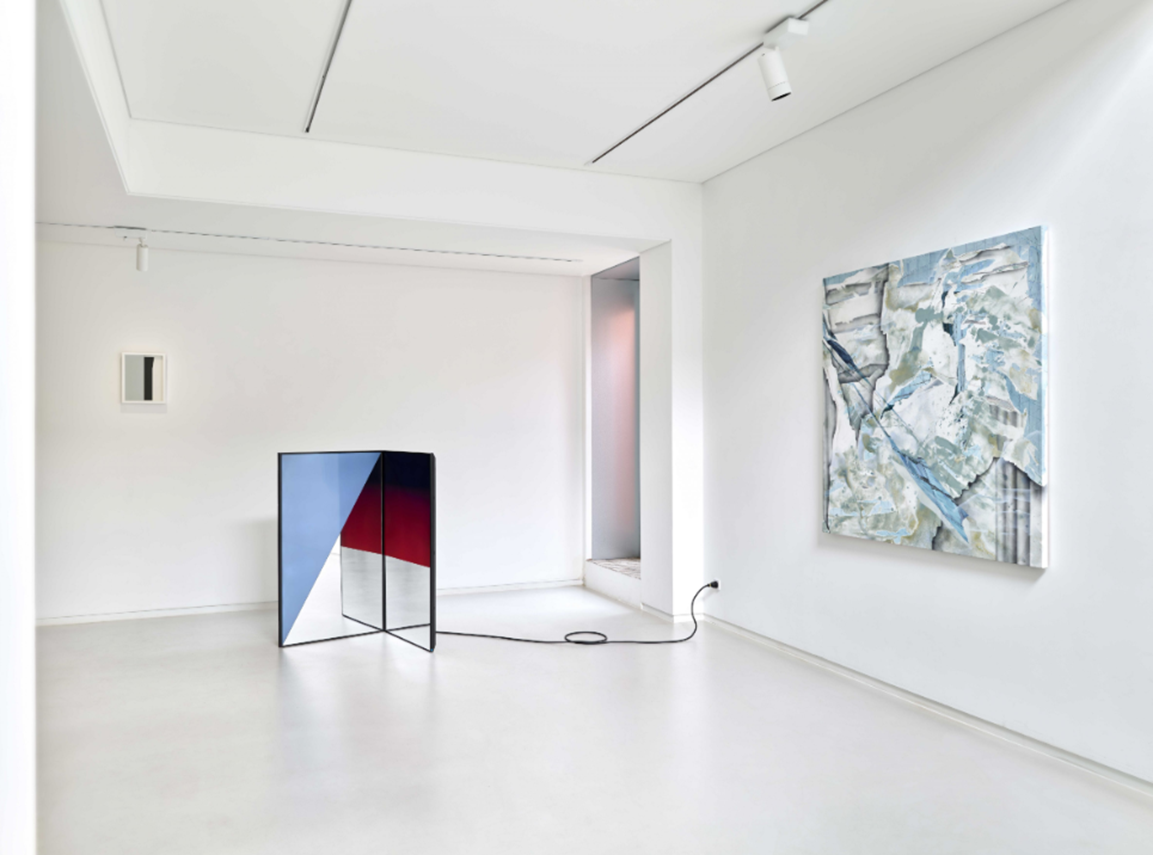
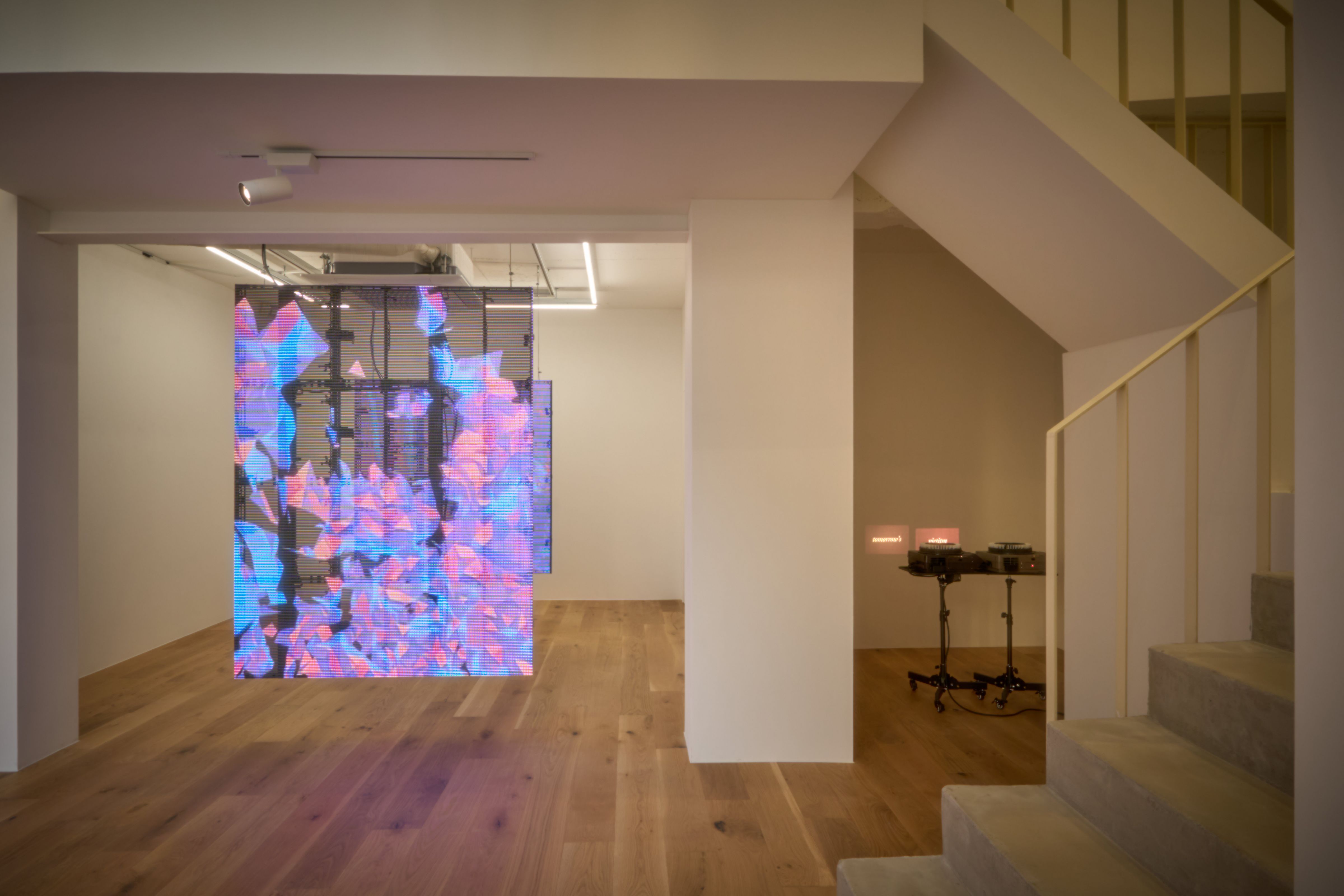
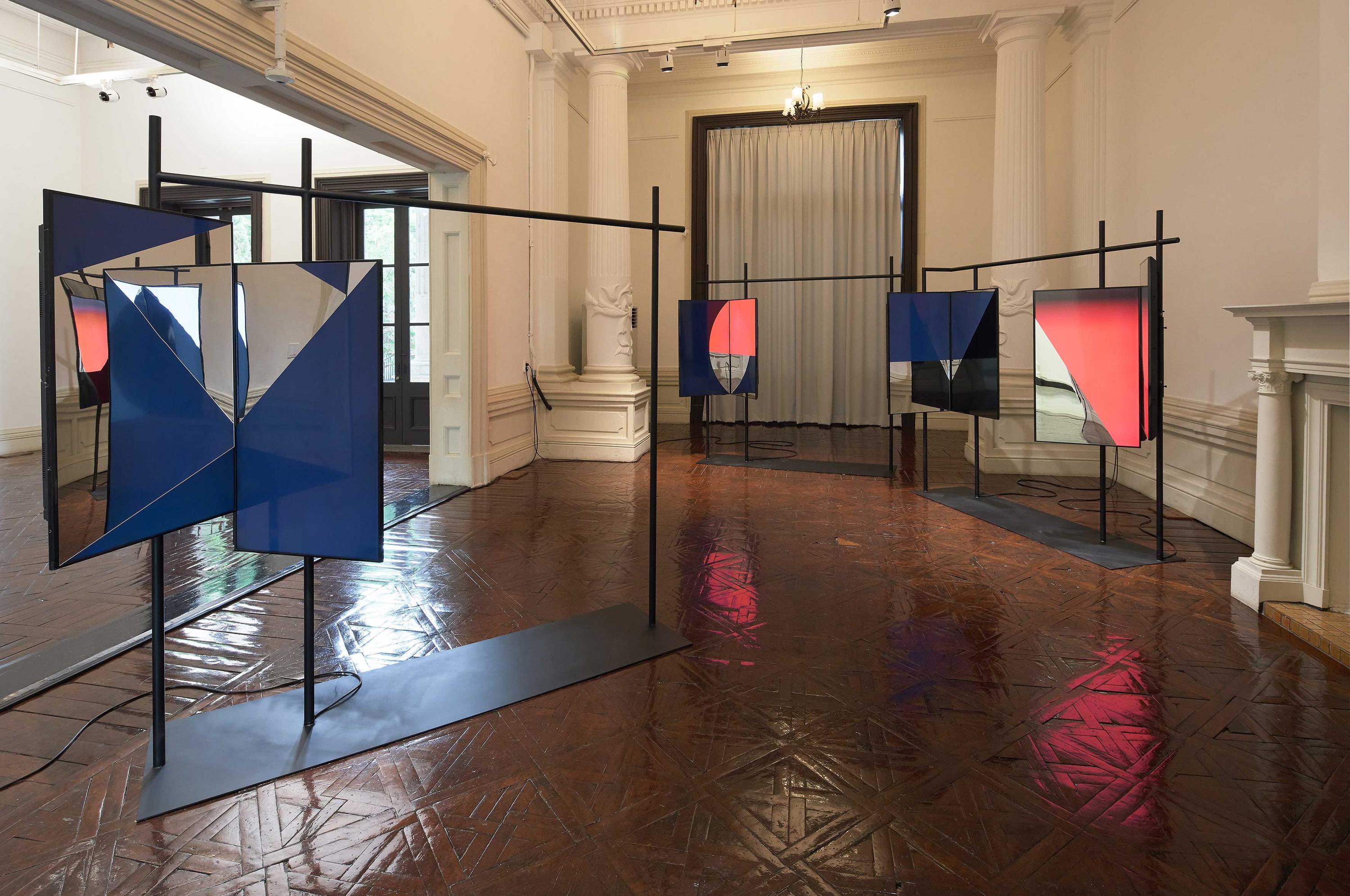
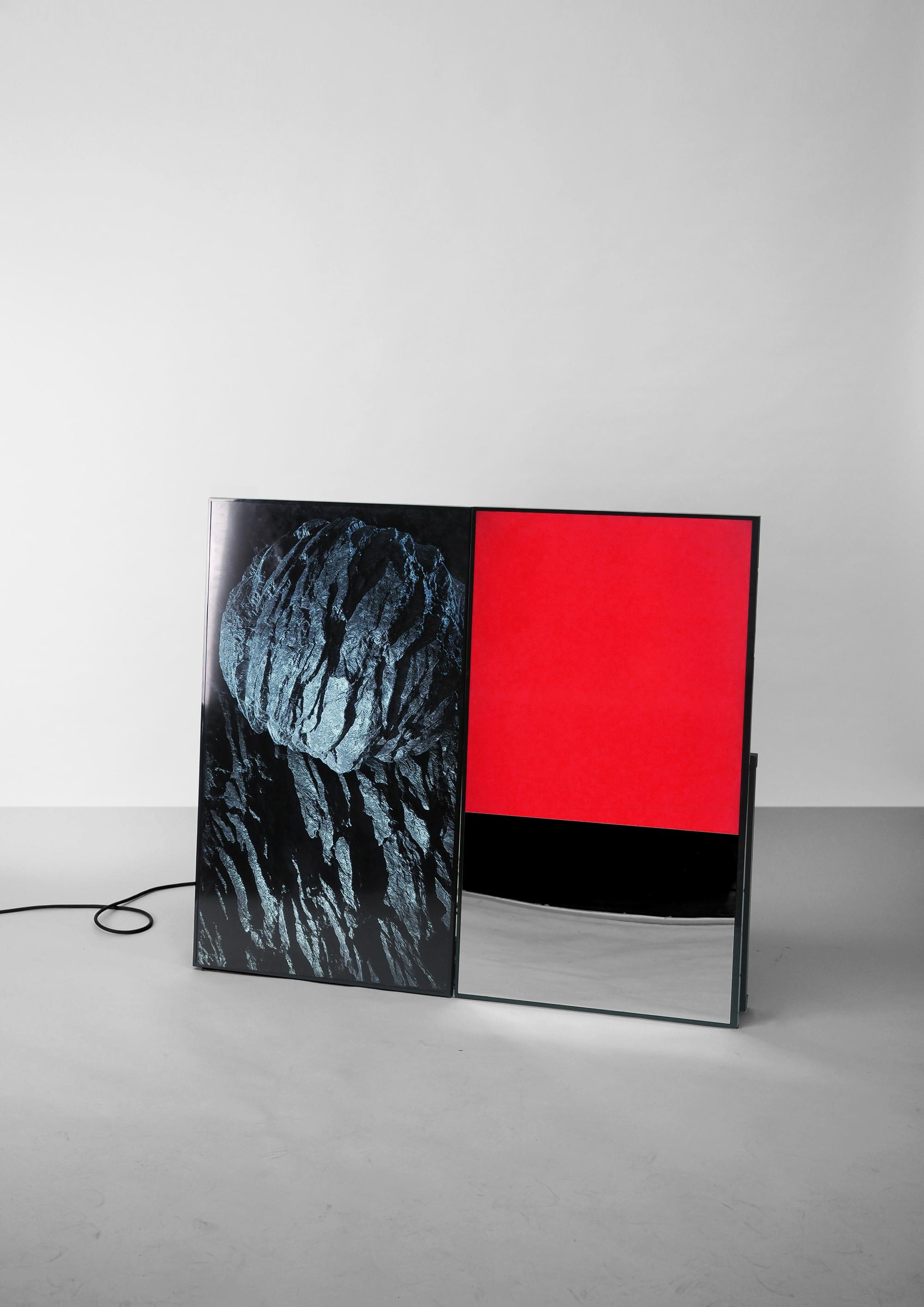
Ahram Kwon reimagines ‘(the methodology of) what is being seen’ through the media. The artist pays attention to the fact that the digital network, which casts a tightly knit net, affects the inner psyche of each individual, establishing itself as a major axis of so-called “subjectivity.” For Kwon, the world transmitted as a two-dimensional image can only be one in which details are omitted, disparate, and distorted from its true reality; it is one that has transformed into an “illusion” that has no resemblance to the original subject. Reflecting this view, Kwon, in her work Flat Matter, compresses visual information into symbolic images. The mirror juxtaposed with the images on the monitor continuously attempts to affirm its existence through an interaction that creates depth beyond the flat surface, only to fail repeatedly.

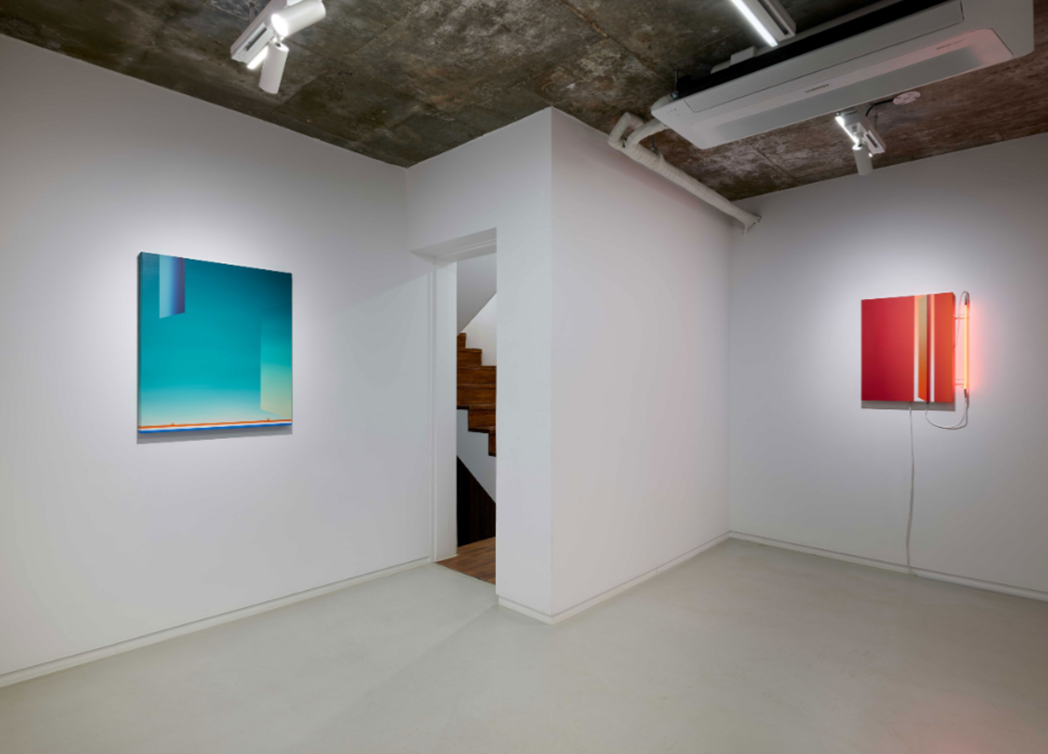
Anna Han explores the materialization of spatiality in various ways through the media of painting and installation. Maintaining the shallow and flat colored canvas, Han expands her work into sitespecific space design using not only lighting and fabric but also varied canvas support structures by staggering them, stacking them like a tower, or placing them laid down. Amidst these variations, her works would never escape the category of painting even if they presented themselves in a more explicit form of spatial installation. Continuing this approach, Han’s new work, Red Galaxy, incorporates neon to the sides of the canvas and brings light to the three-dimensions of the color spectrum. In essence, the space she seeks to create with her pictorial language is close to an intimate space where personal narratives and subsequent imagery are projected in their multiple layers.

Hwang Wonhae rediscovers the exterior elements of the buildings that constitute urban landscapes and expressively breathes life into the spatiality (i.e. narratives and history) embedded in them. By repeatedly adding, spilling, and wiping paint on the canvas, she builds multiple layers to capture its ever-changing internal and external dynamism. In particular, Hwang’s recent works follow the changes in the center of her focus that gradually shifts from a superficial representation of the physical phenomena to an exploration of the formative expression that utilizes her unique pictorial gestures.

References