Just
a few years back, there was a revival of media installations based on machinery
theory. These works, which emphasized the technological aspects produced
through programs and coding, were very often merely superficial, with an
emphasis on their interactive aspects. I began questioning the limits of
collaborations between technology and art. Conversely, it also started to
become meaningless at some point to impose definitions of “genre” when
approaching media/video installations that were not focused on video editing
and its content as such, but applied very personal methods and techniques based
on the media “language” that broadened beyond the level of technological
concepts.
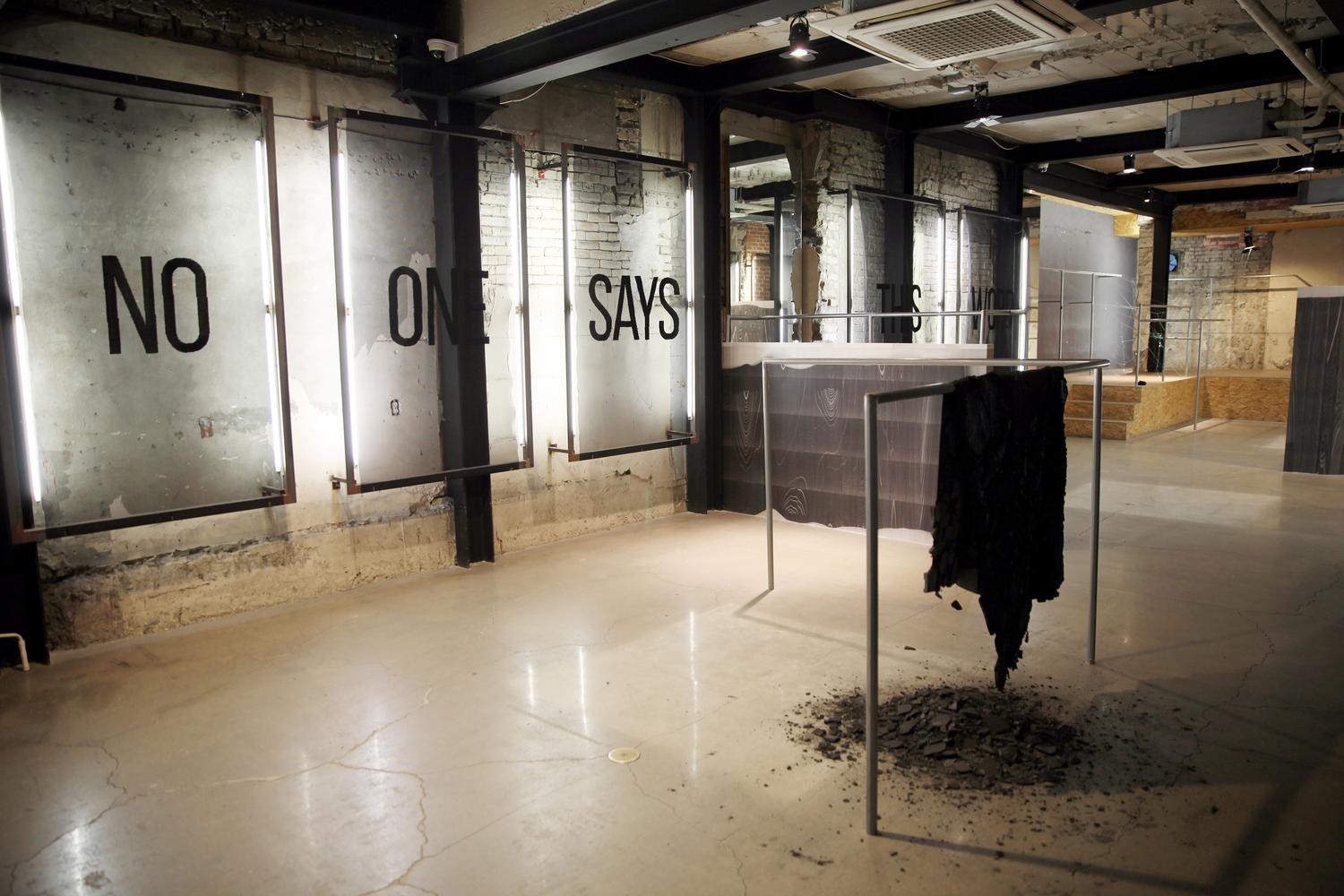
I had the opportunity to see Ahram Kwon’s Words without Words (2015)
at the 2018 Seoul Museum of Art collection exhibition The Lost
World, which finished up this year at SeMA’s Buk-Seoul branch. A
two-channel monitor was placed on the ground as though in a blackout,
flickering between the white screen in the foreground and the stone textures
with their marked black-and-white contrast. The screens changed rapidly to the
ticking beat of a metronome. The coarse mineral surfaces were quite candid and
powerful. Appearing at the same rhythm as the images of surface texture,
excerpted sentences from the text work Faust appeared with result
value errors as produced by a translation device. The data errors that emerged
in the phrases seemed somehow poetic. Like a work of anti-theater, the texts
and their incorrect phrasing deconstructed cause/effect and tense, leading to
the conclusion that the time contained within the images and language of memory
can be crude and systematized. It is like Kwon is collecting stones at random;
recalling the words of Faust – “Stop, moment, you are truly
beautiful!” – she begins to observe her memory images in an exceedingly flat
way, like minimal cross-sections.
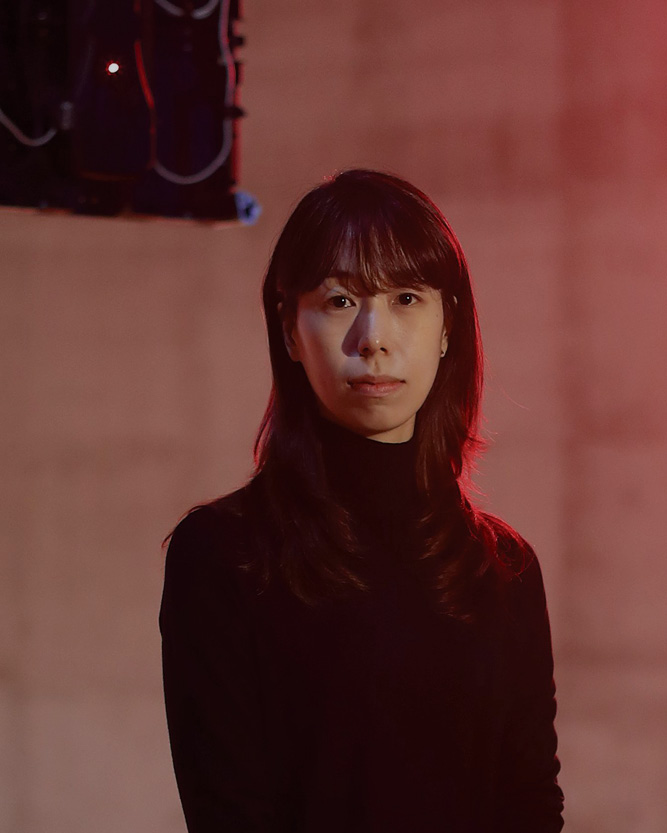
In 2010, the artist studied in Britain and took part in residency programs in
Paris and Germany. By 2016, she was presenting metaphorical works of video and
installation that posited language, time, and the body as tools and means for
supplementing media. In her work between 2013 and 2015, the idea of “language”
was a central focus, which she regarded as a device for mediating communication
and tool for translating the vertical to the horizontal. Living in Paris and
studying abroad, she experienced a sense of alienation and frustration from
having to communicate in a foreign language rather than her own; based on this
experience, she speaks about the impossibility of perfect communication. The
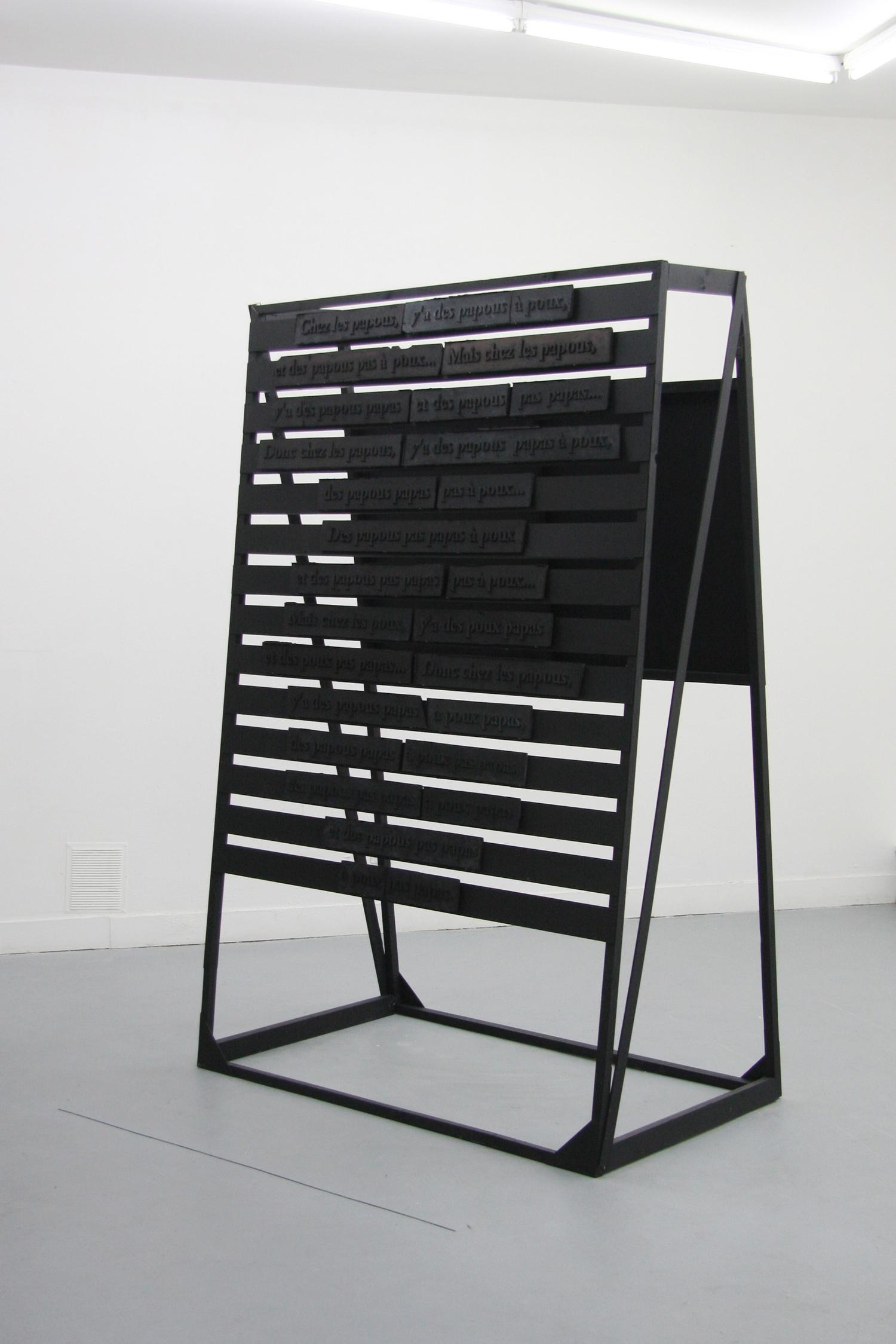
ashes of words II (2013) is an ink-colored structure with a more
sculptural quality than her later work. It adopts a monumental form as a way of
underscoring a sense of irony, with the erasure of the fluidity and vibrancy
that normally underlies language.
In 2015, Kwon’s work would begin to combine the functions of language with the
properties of media, introducing symbolic elements from literature such as
short fiction works from literary contests and the poetry of Sungbok Yi. On her
monitors, she would repeatedly show structures of division, tenses, and
meetings that arose beyond her own will – part of an attempt to expand beyond
the bounds of cinematic structure and video art. While she has continued to
employ language as a medium, the accumulated layers of references have brought
her to the limits of linguistic work, amid issues concerning the ability to
communicate. She would change course from there, using “words” as a material in
themselves and adopting a formal approach involving the “flatness” of media as
a way of avoiding becoming trapped within the frame of language. For example,
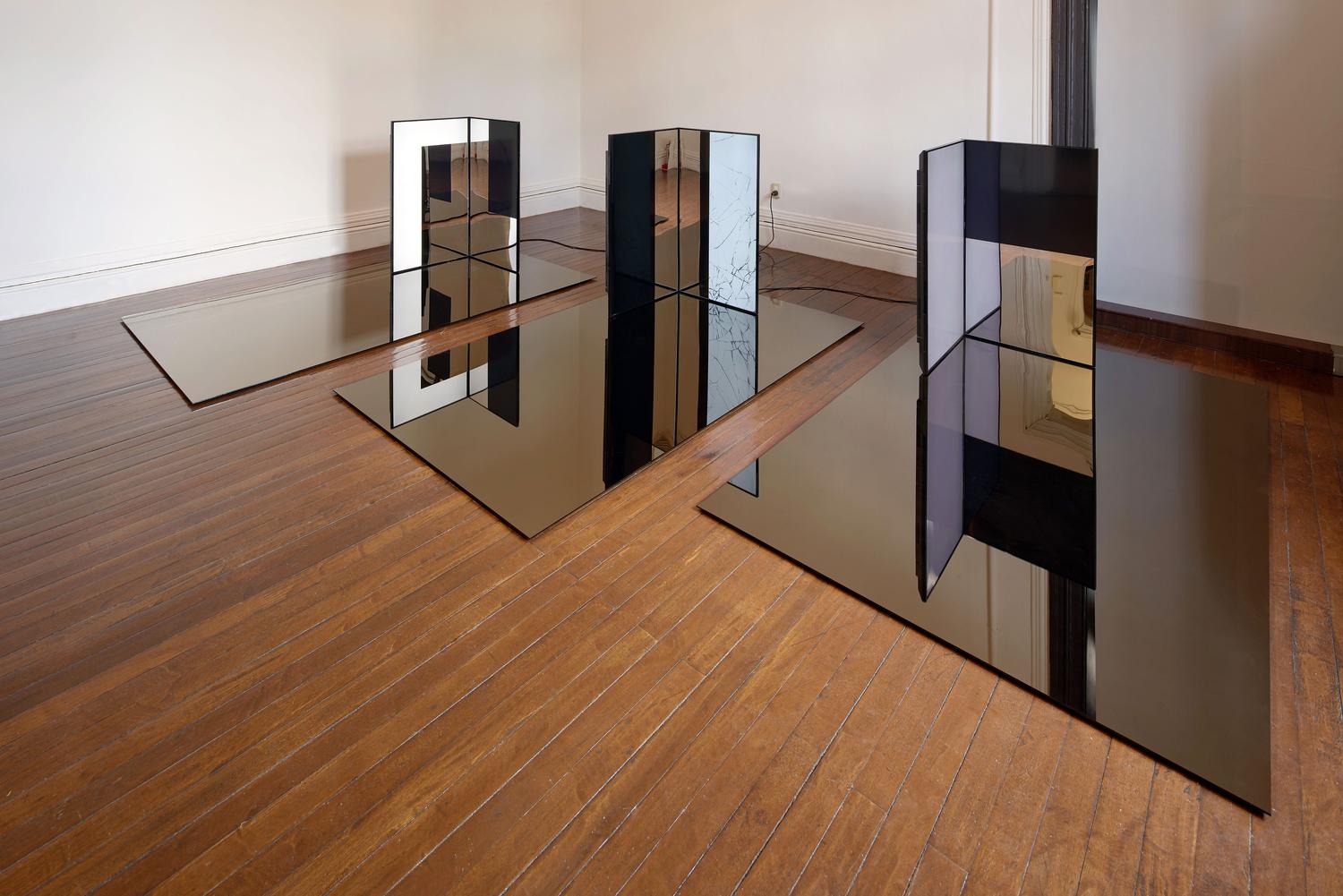
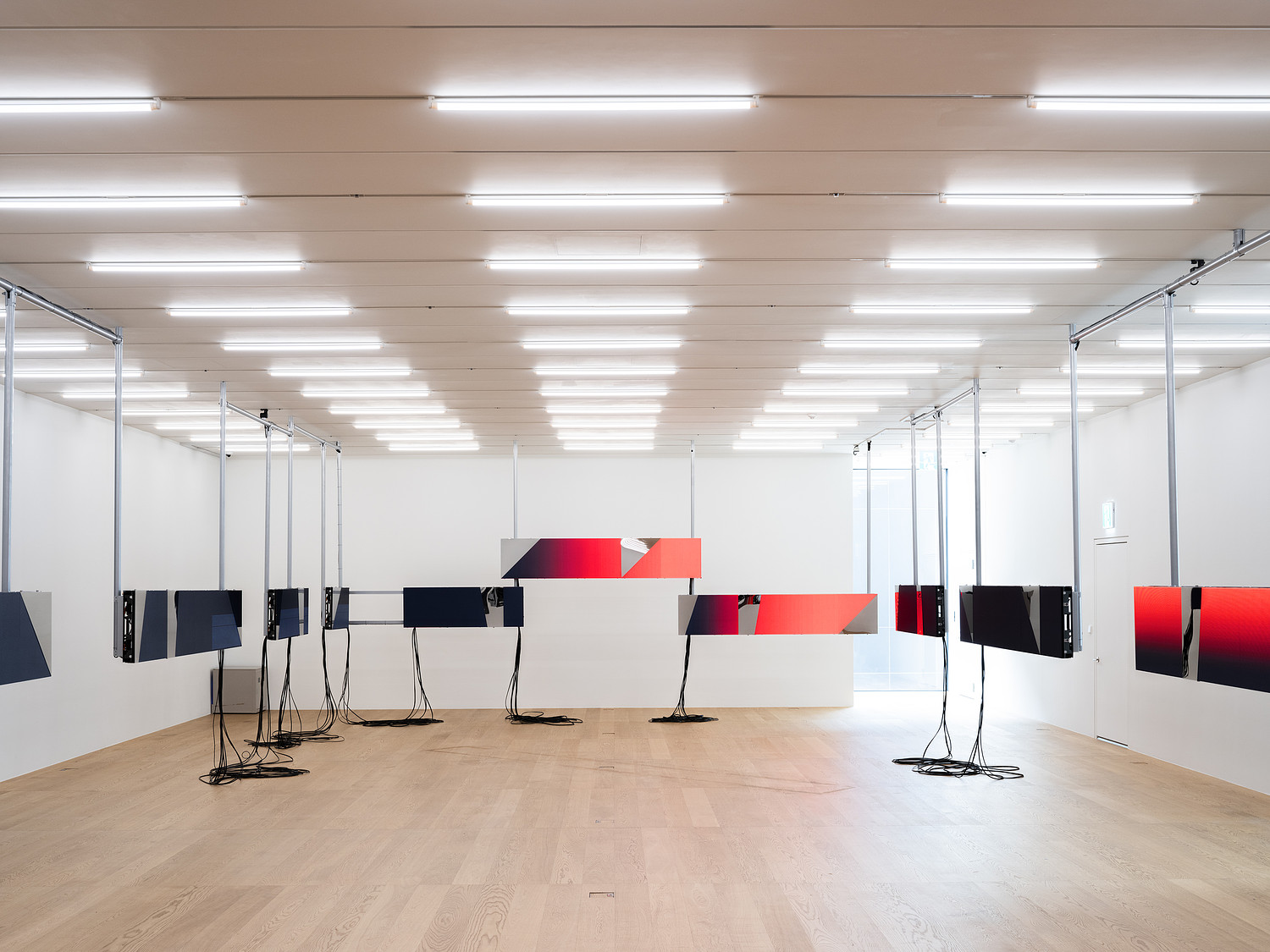
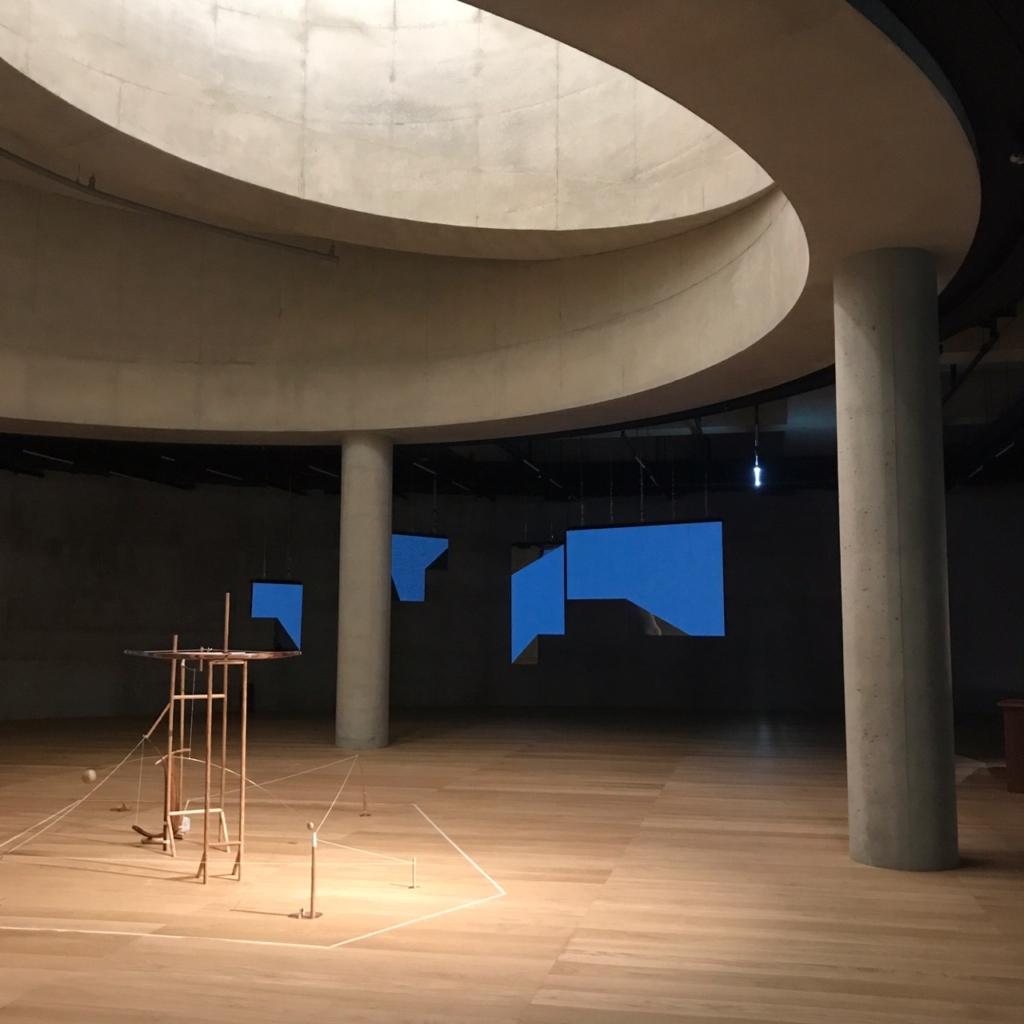
she may place five channels of video on the floor and equate the monitor’s
installation structure with the human body to match the perspective of the
text. Or she may use language itself as a supplementary medium as she focuses
on surrounding objects.
What do words and time represent to Ahram Kwon? “Words” contain psychological
or physical memories, yet Kwon is constantly keeping in mind that perfect
communication is impossible to achieve, perceiving how the individual’s
peripheral narratives are not labeled according to geographic position.
Adopting a metaphorical approach to media that deconstructs the elements making
up various systems beyond the concept of space – such as the “community” and
“state” – she focuses intently on perceiving the positions and images of
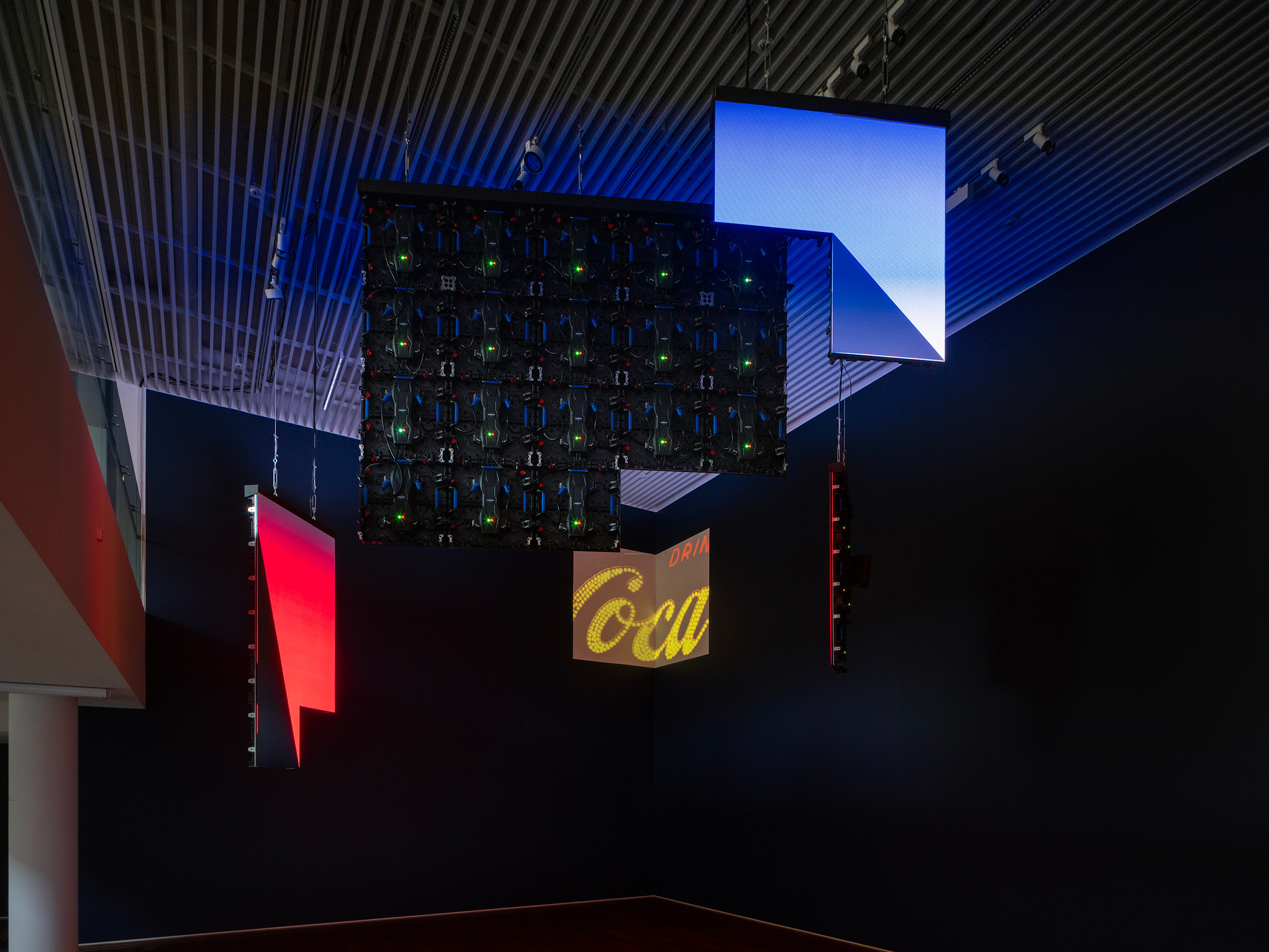
objects that alternate between the real and virtual. In Drifting
Coordinates (2016), she establishes x- and y-axes and centers
the weight on an installation structure that appears on the monitor’s screen,
translating the virtual textures and temporal position of flat surfaces in
physical space into an act of “tagging.”
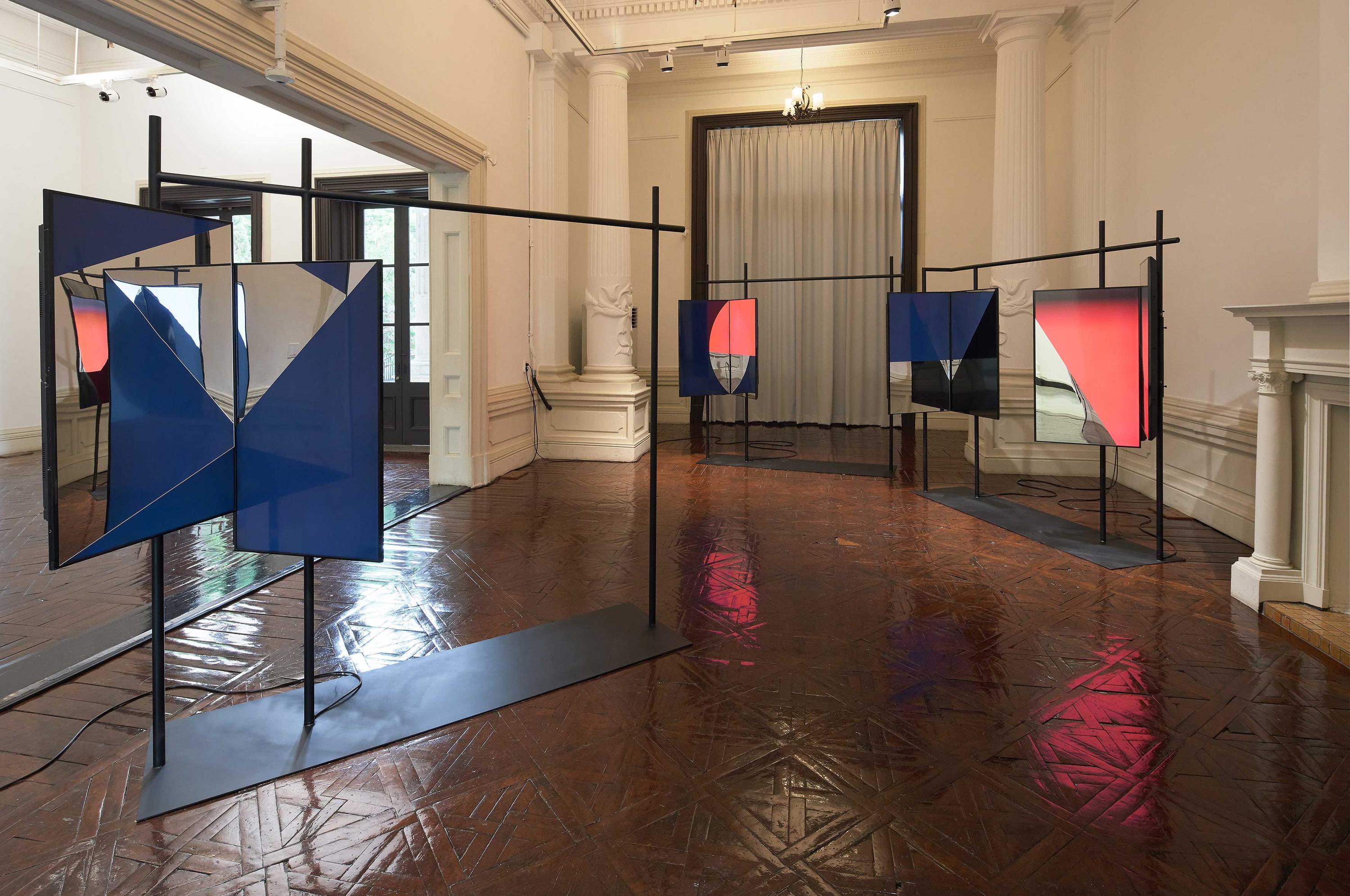
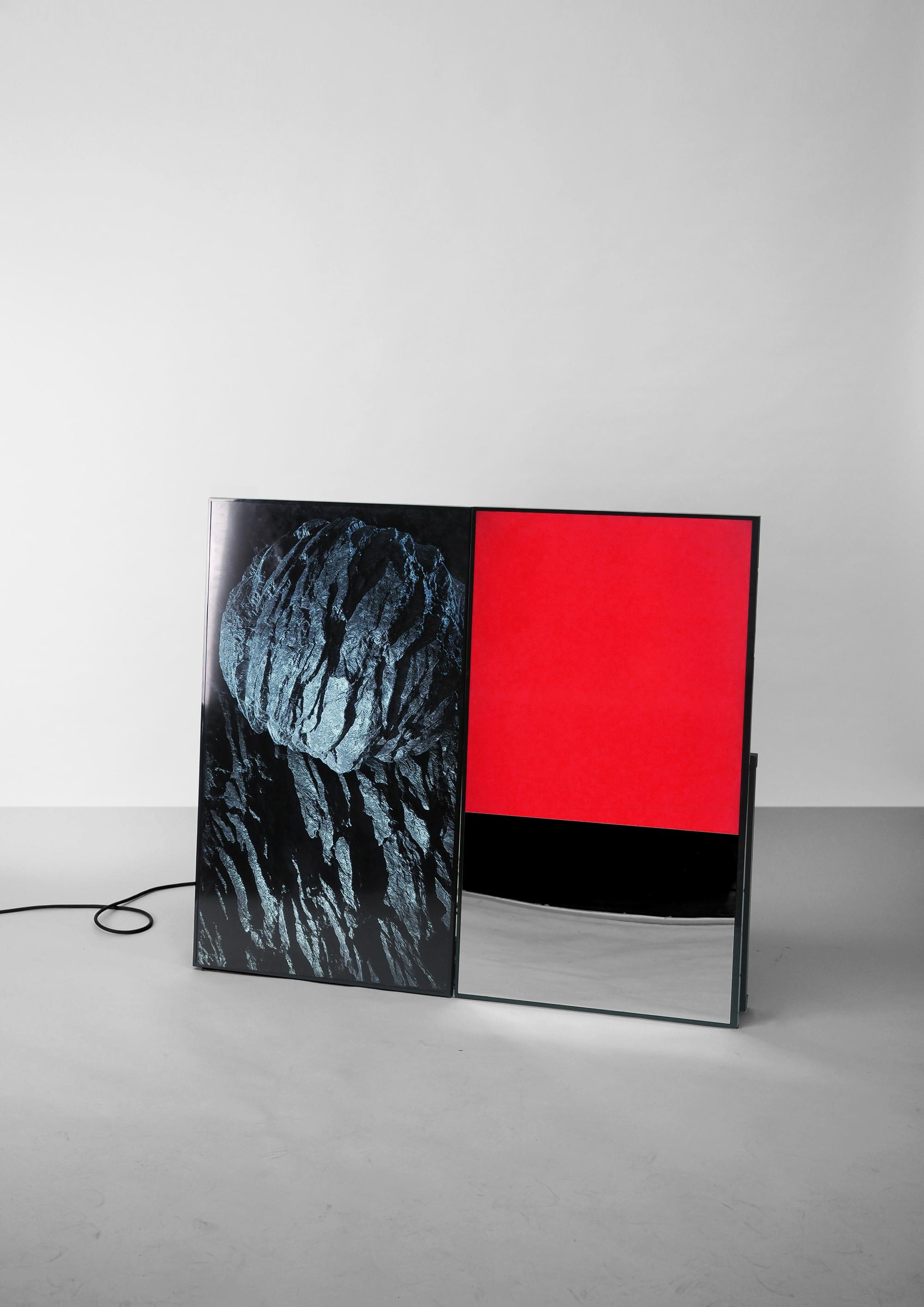
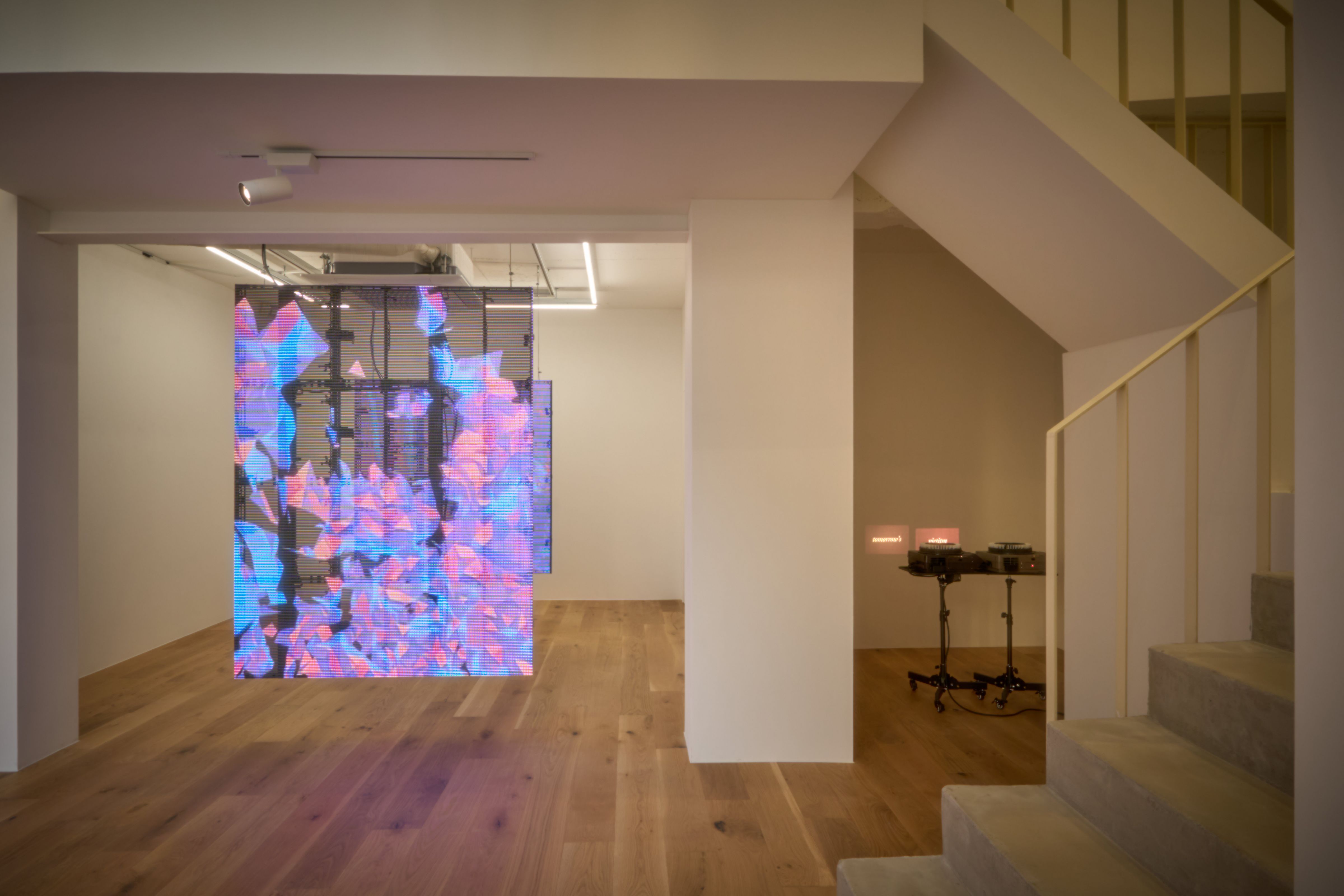
With Flat Matter (2017), the concepts through this
language and media operate disappear with random mixtures of skin, minerals,
and imaginary textures; the monitor and its objects are perceived in terms of
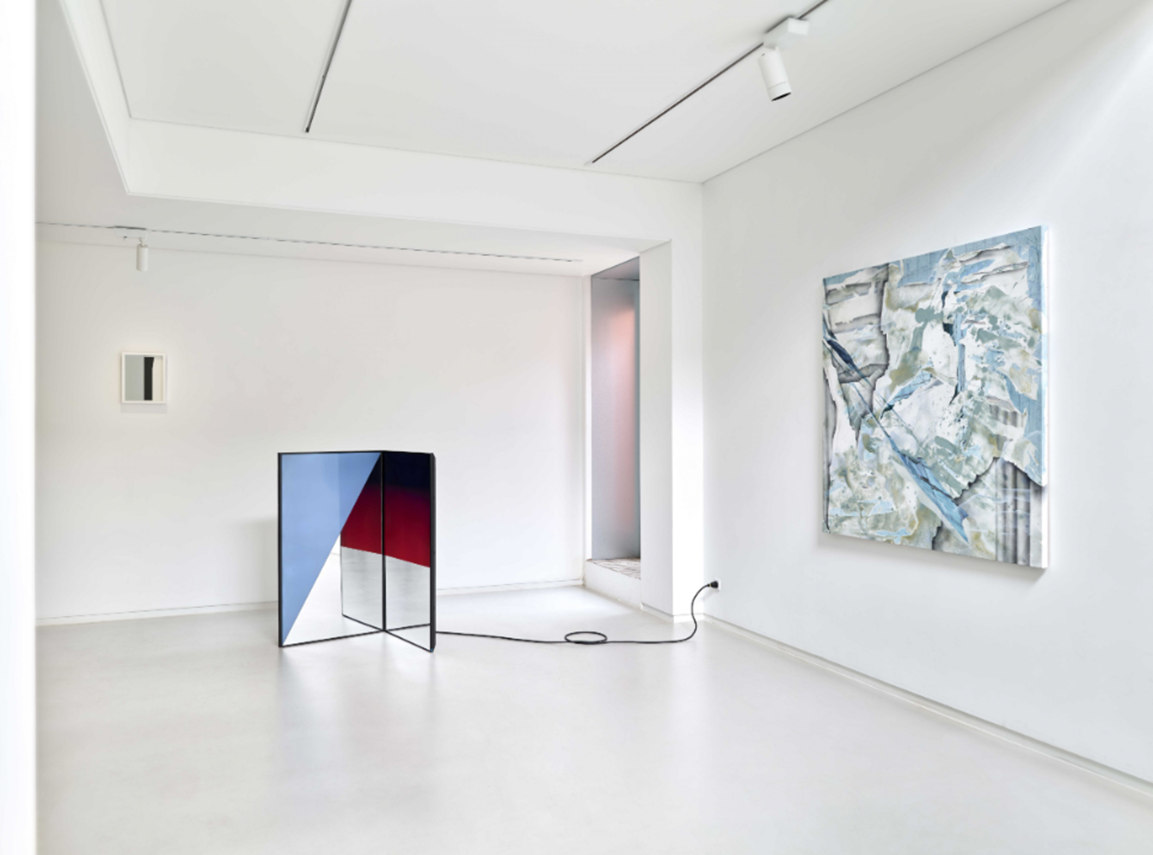
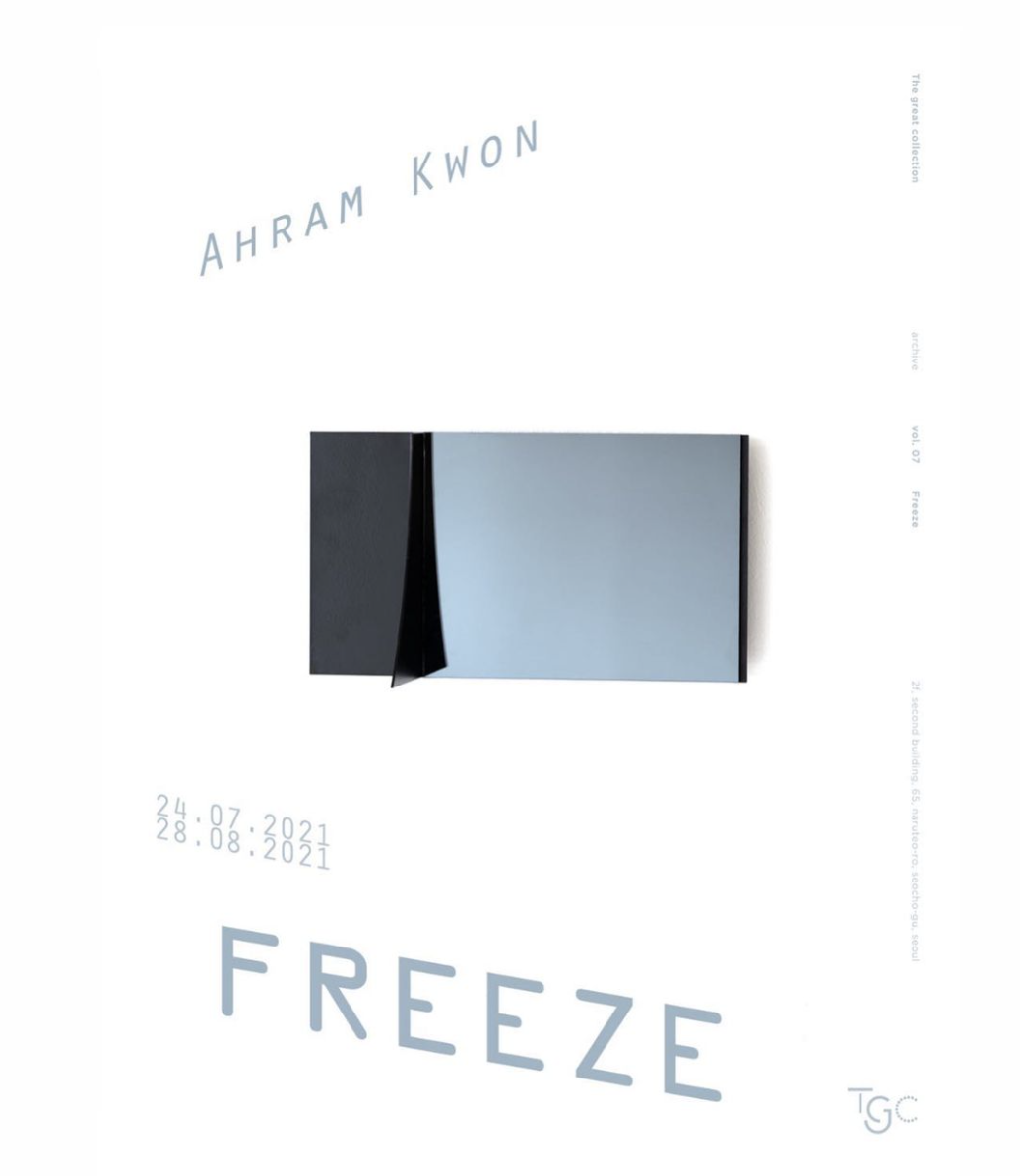
the material aspects of media. Attaching mirror that reflects surrounding
objects, as well as color plane in geometric shapes, the artist focuses on
formative aspects in what could be seen as an attempt to maximize the flat
surface within the monitor. Intuitive and sensuous, her work has transformed
into an approach where the flood of images in day-to-day life operate as tools
that substitute for language – like images that have been magnified many times
over on a cell phone’s liquid crystal display. This transformation toward a
feedback loop, where the material qualities of material transmit images without
language appearing at the surface level, has the effect of tagging memory and
time in ways that are both more sensuous and more realistic.
Time is present at this moment, but its coordinates are not oriented in any
particular direction. Originating in the personal isolation that she
experienced in a foreign land, Ahram Kwon’s ideas about language and time
create a self-organizing loops that begins from the time and places in which we
live, rather than broadening their reference to the level of cultural spheres
or countries. The disconnection that we experience in words and language at
every moment imitates itself with its endless position tags, without a clear
physical boundary or hierarchy between the real and virtual. And so the artist
looks to consider the time of memory in more compressed, more flattened ways as
it accumulates within a loop of images endlessly exchange through
self-replication. She is considering what comes next, beyond the places and
times where we have been, where we are now, and where we will be.