



Solo Exhibitions (Brief)
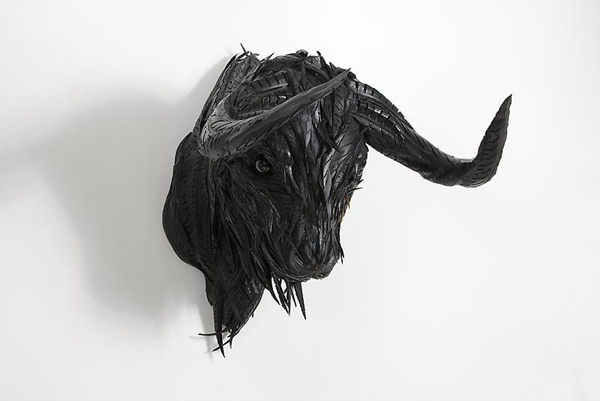
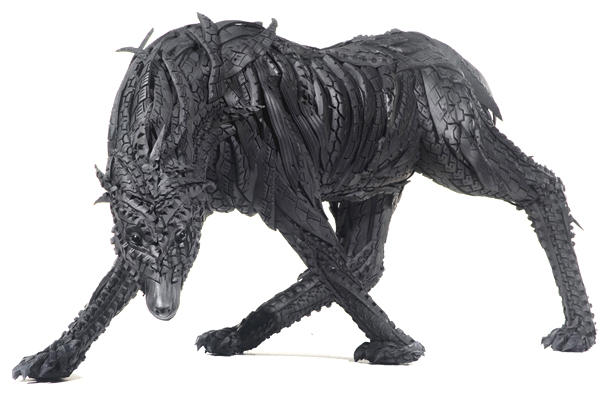
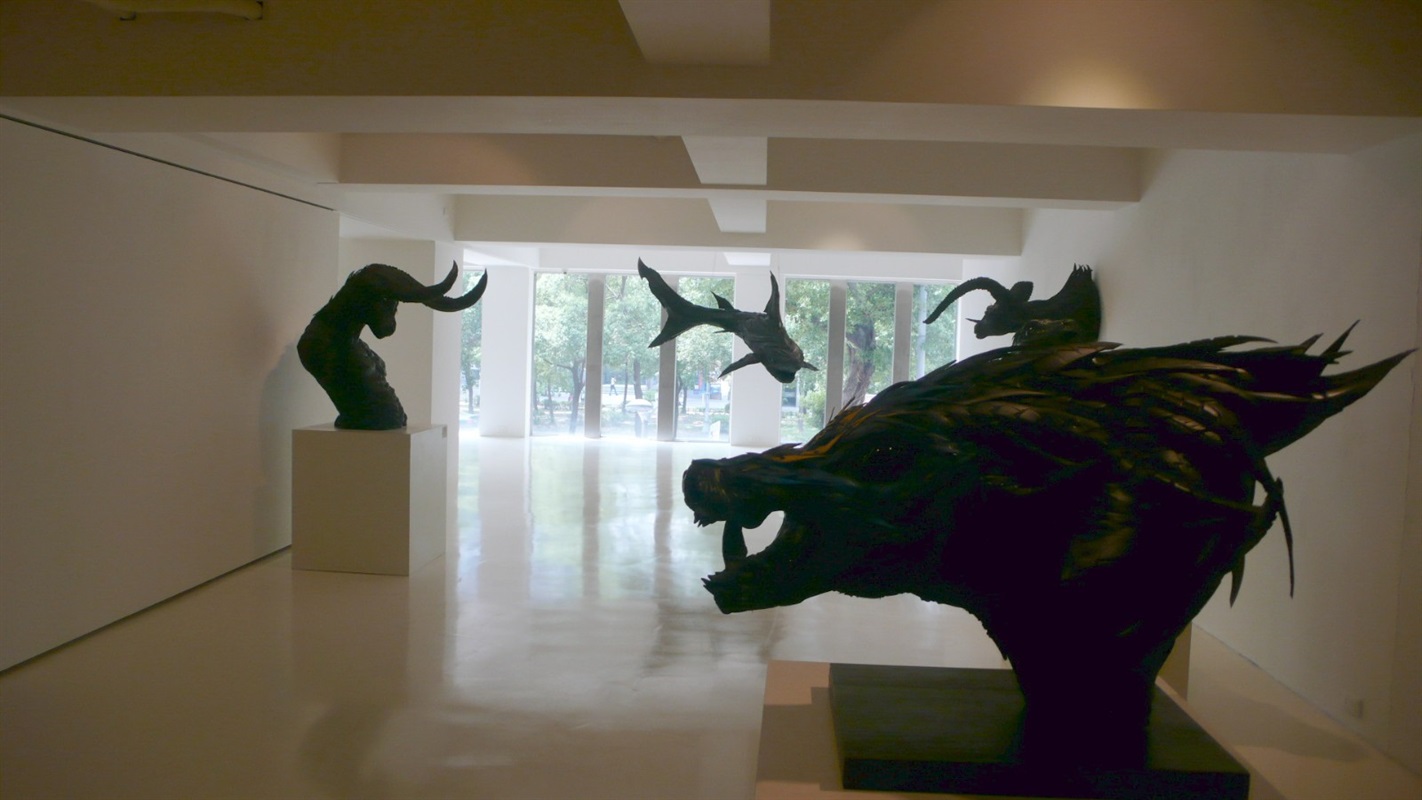
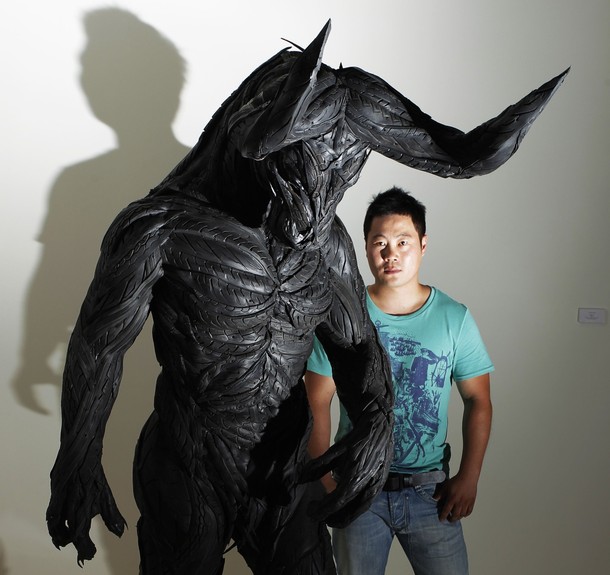
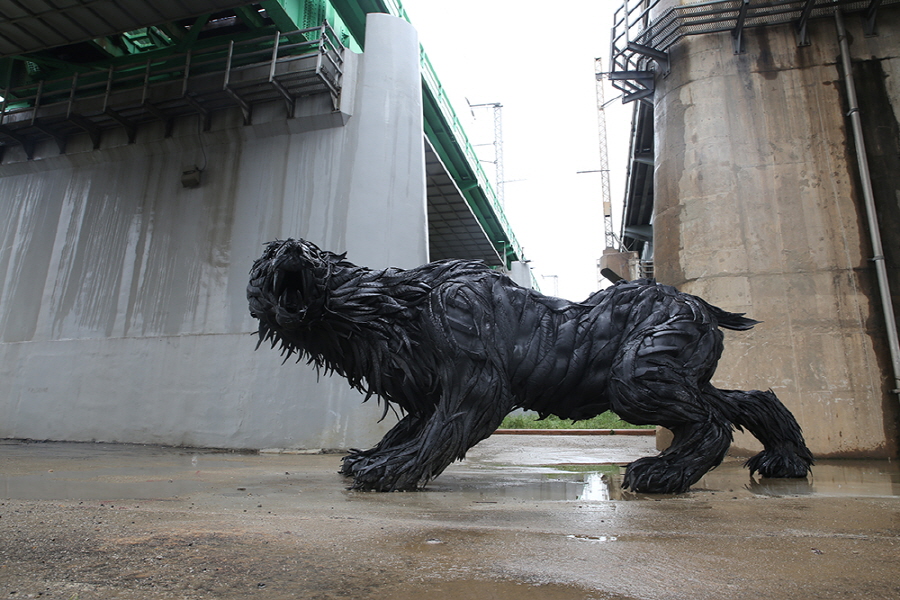
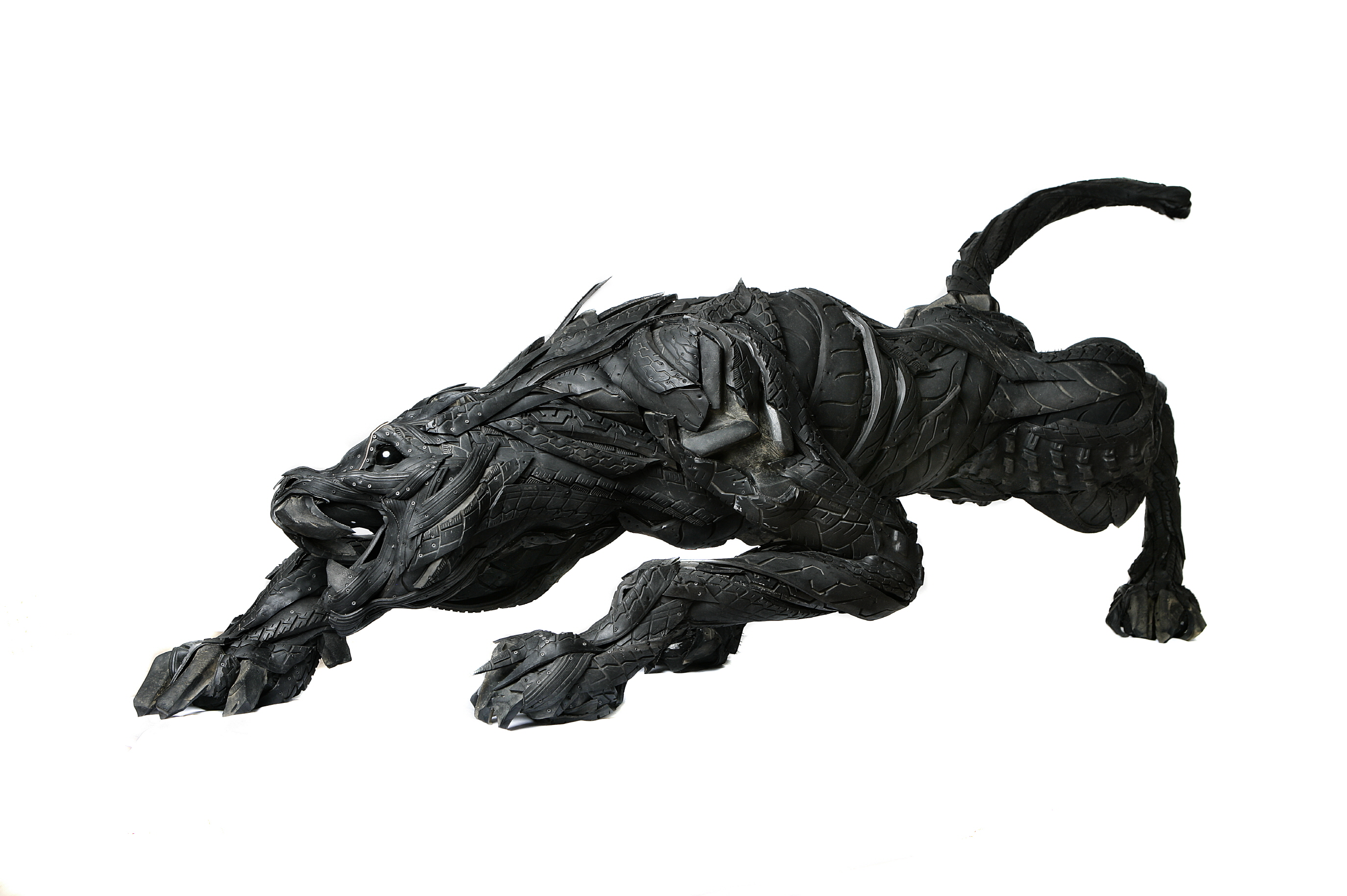
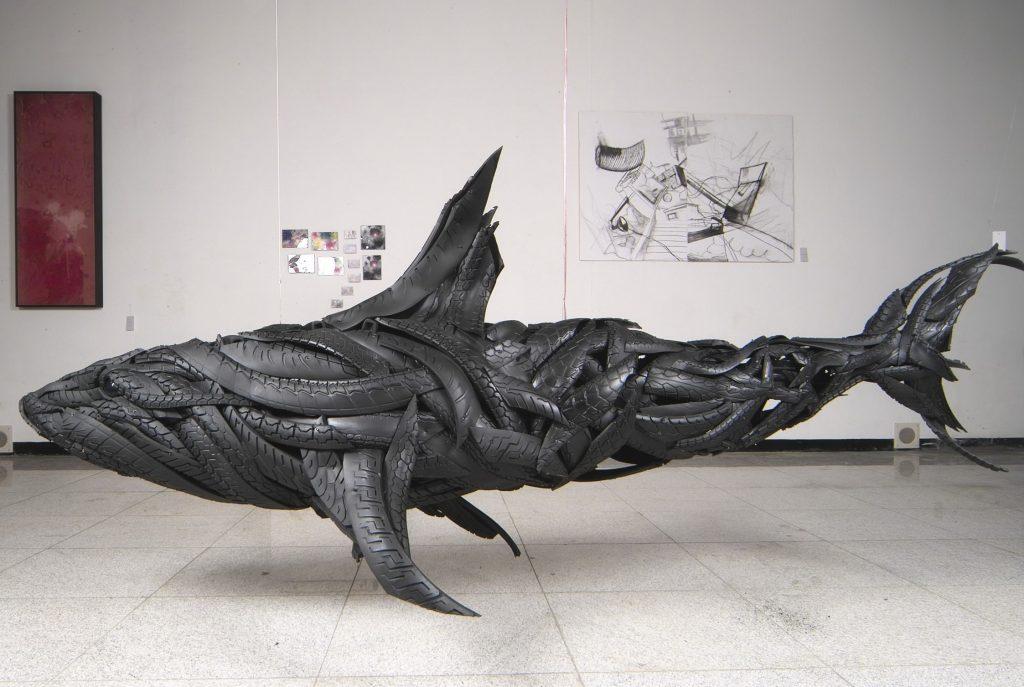
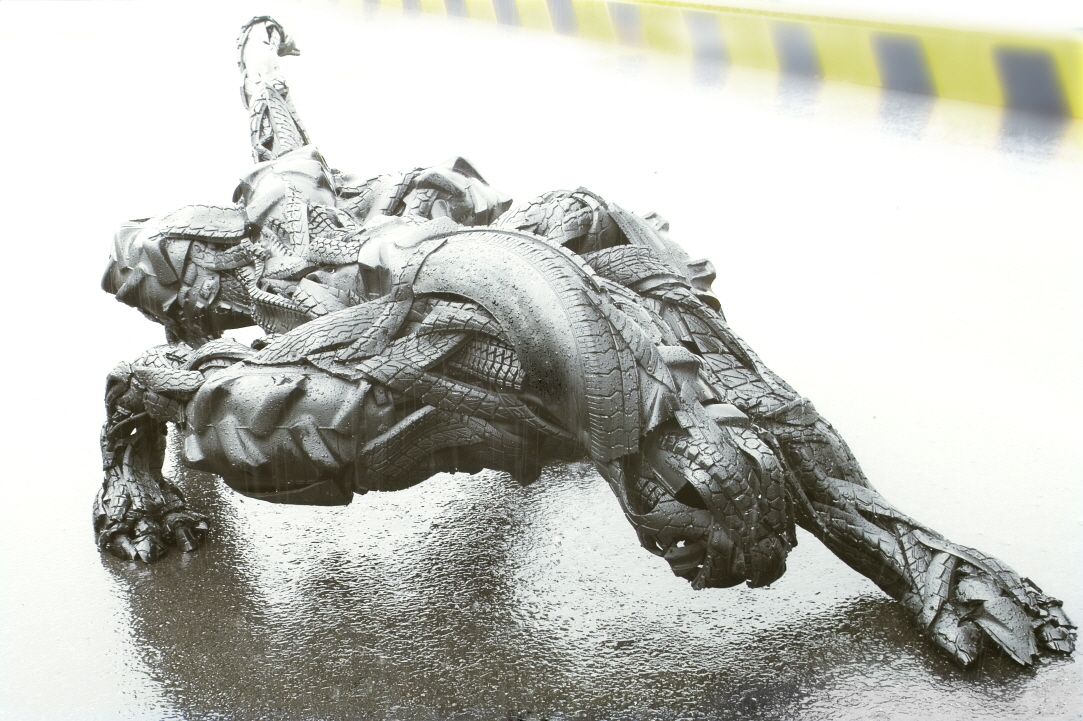
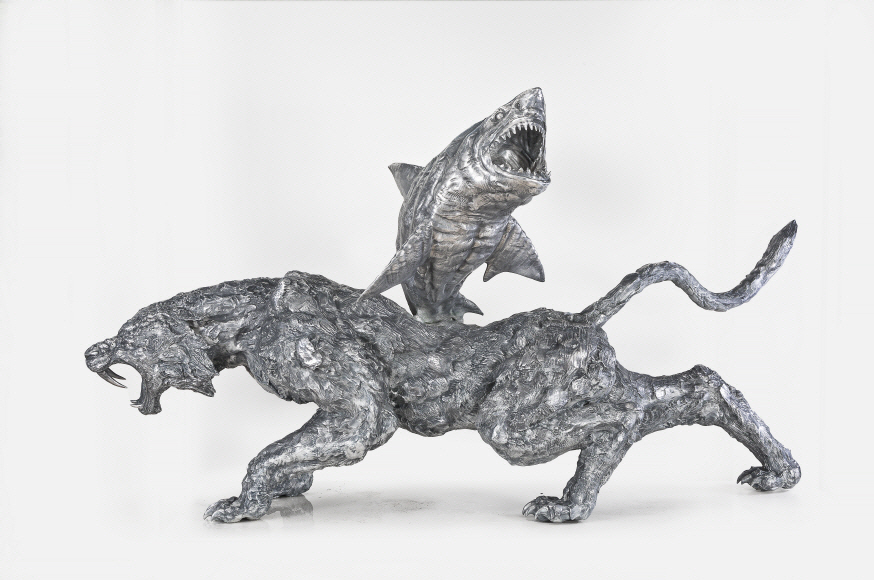
In 2007, Ji Yongho held his first solo exhibition 《Mutant》 at Insa Art Space (Seoul, Korea). After that, he held his solo exhibition 《Mutant Mythos》 in 2009 at Gana Art Center (New York, USA). Through this exhibition, his name began to be known in the overseas art world. In this exhibition, exhibited representative works Jaguar 3 and Shark 6.
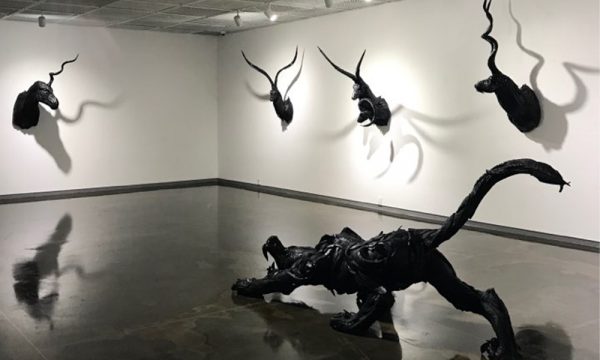
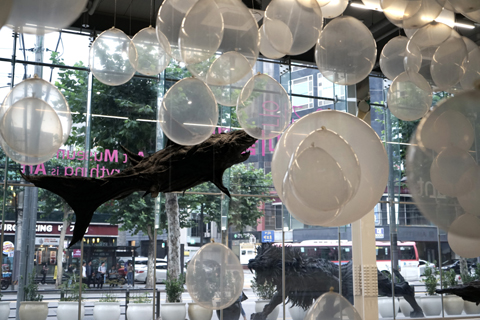
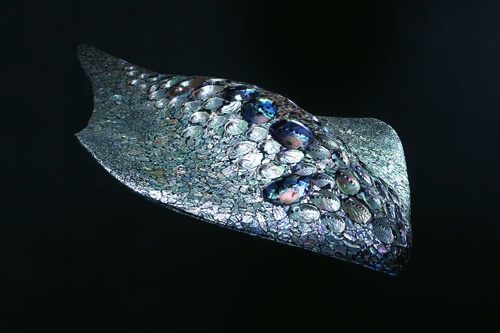
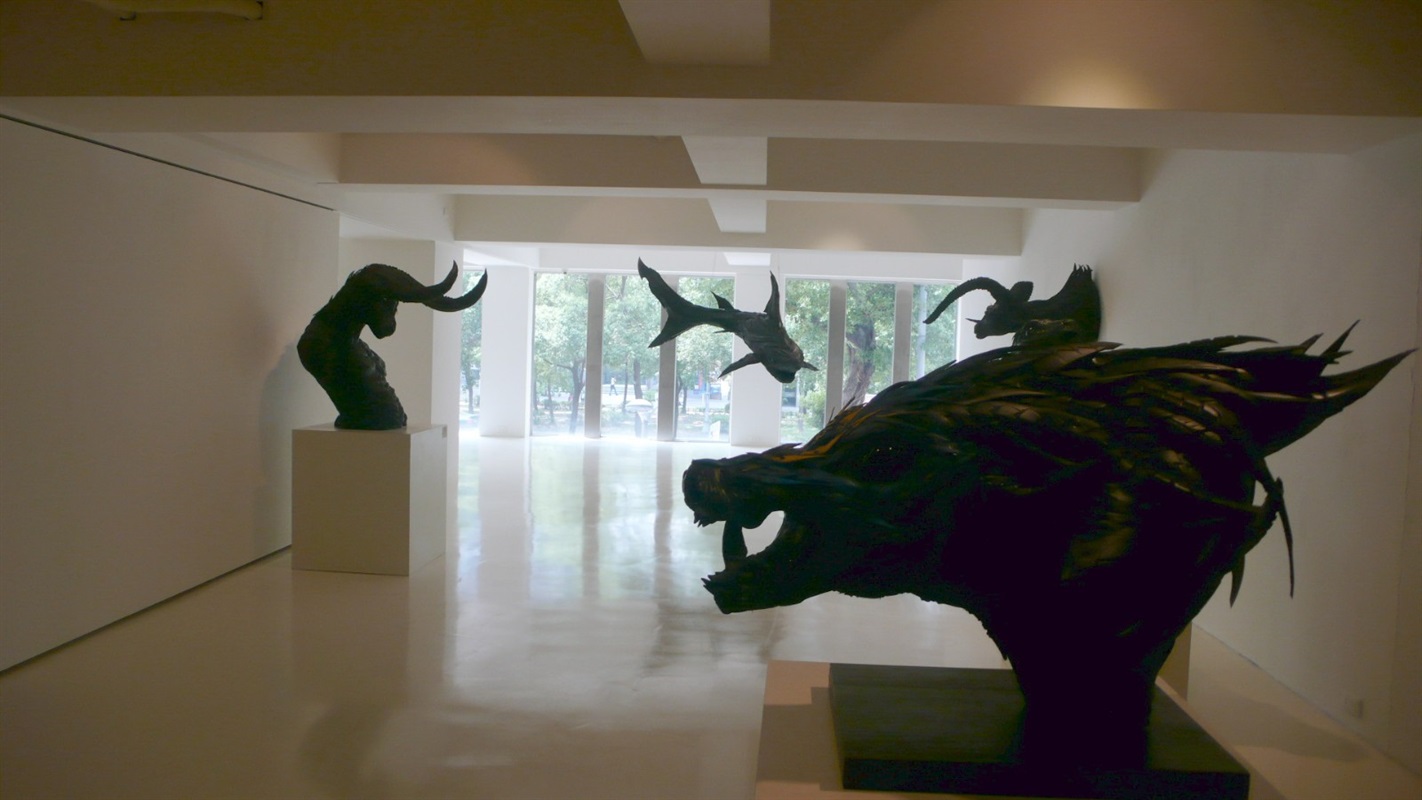
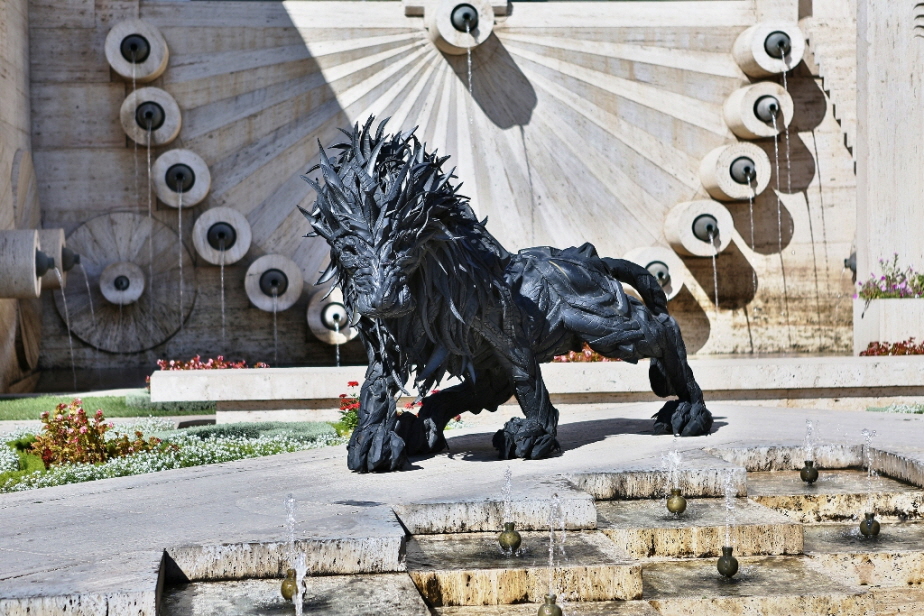
In 2013, the hammerhead shark series was exhibited at a booth at the F1 Stadium in Abu Dhabi, UAE. For.Smilodon, a hybrid of two smilodons, was exhibited at 《Anti-Art Museum Show: Against》 (K Contemporary Art Museum, Seoul, Korea, 2017). This work is installed by connecting the upper body of two Smilodon to a pole in the exhibition hall.
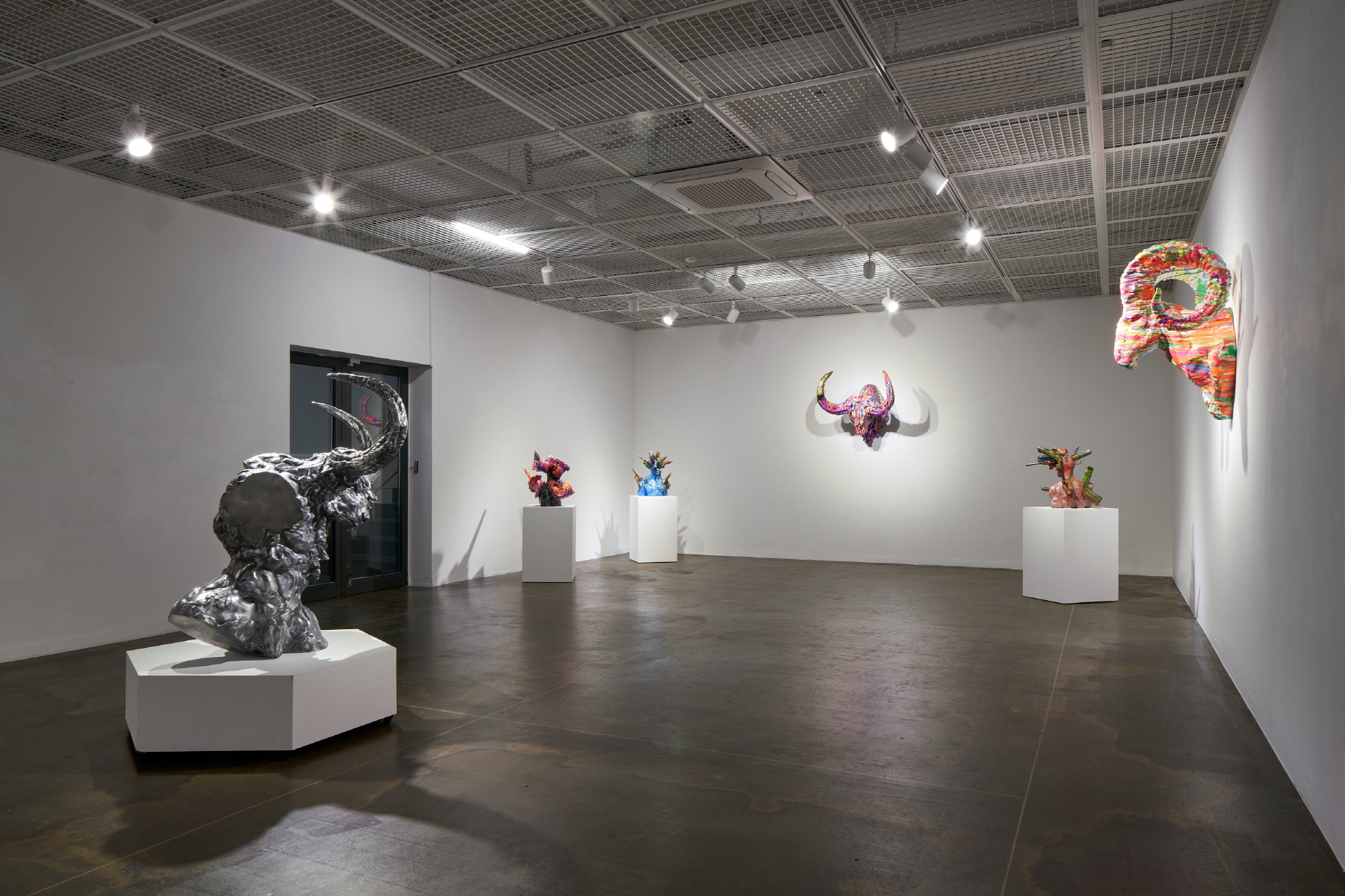
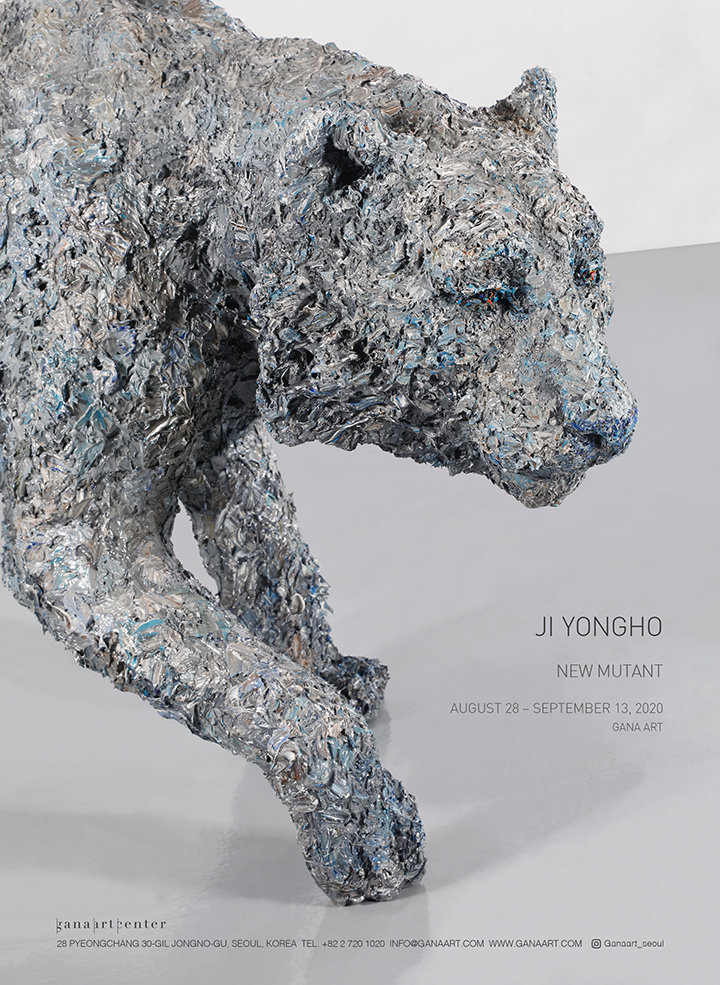
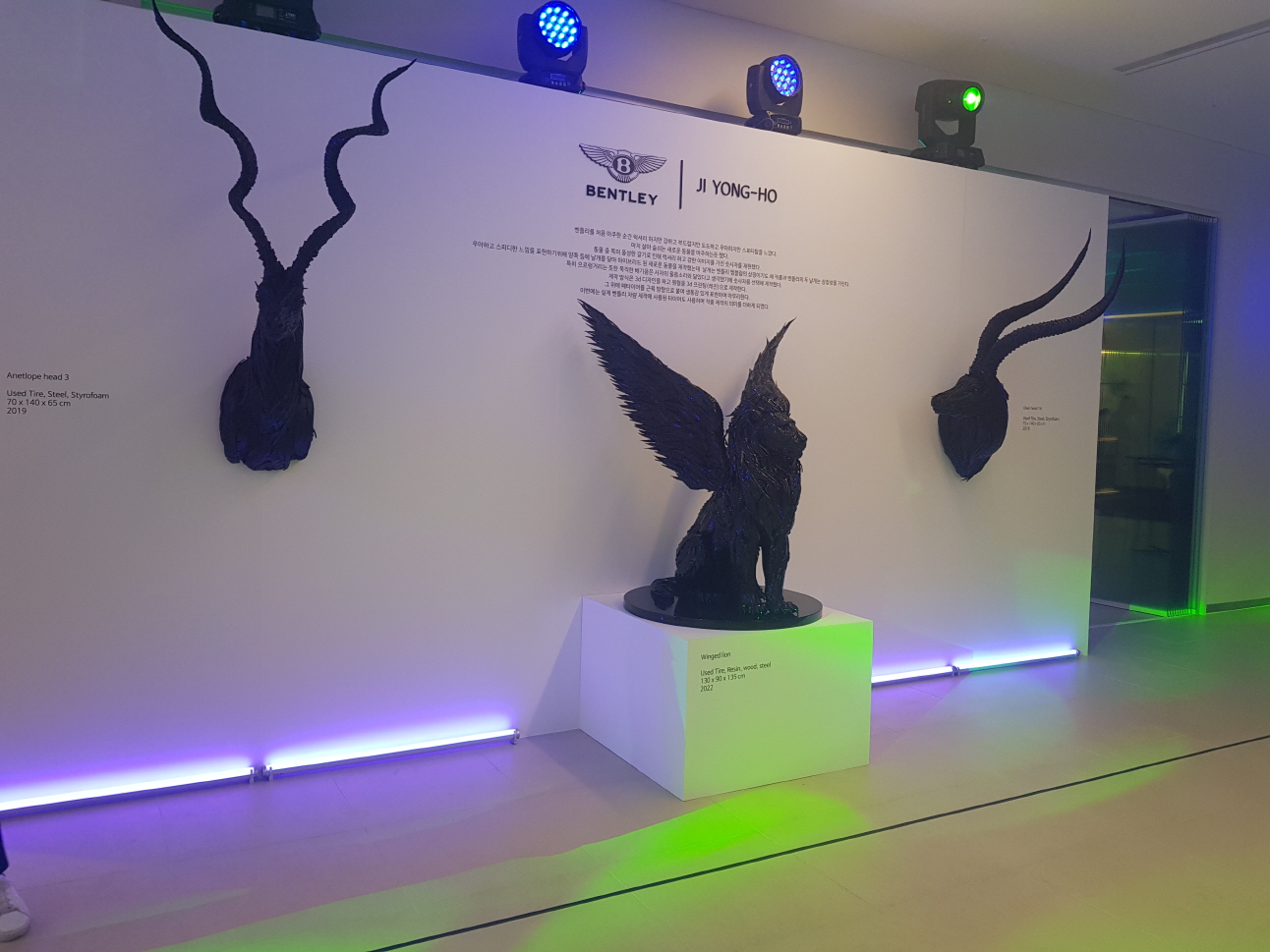
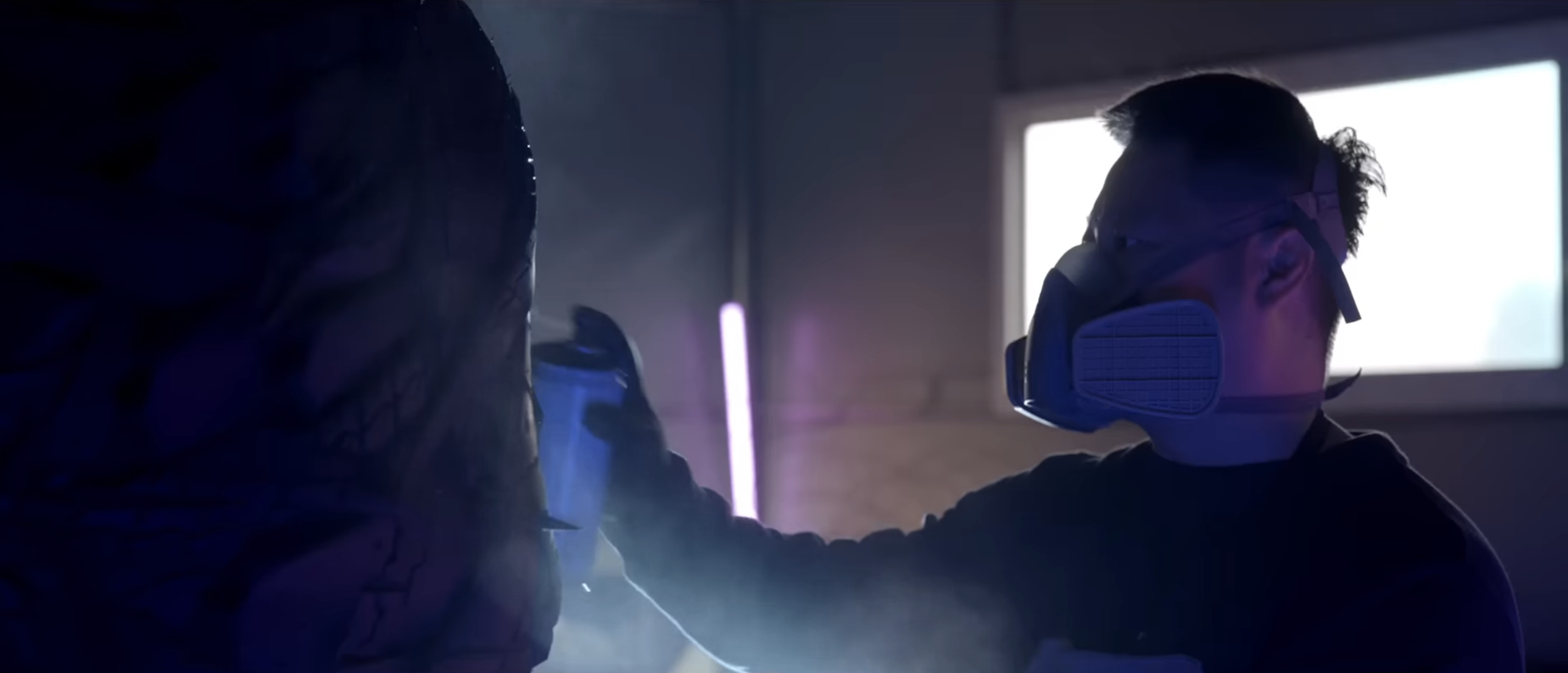
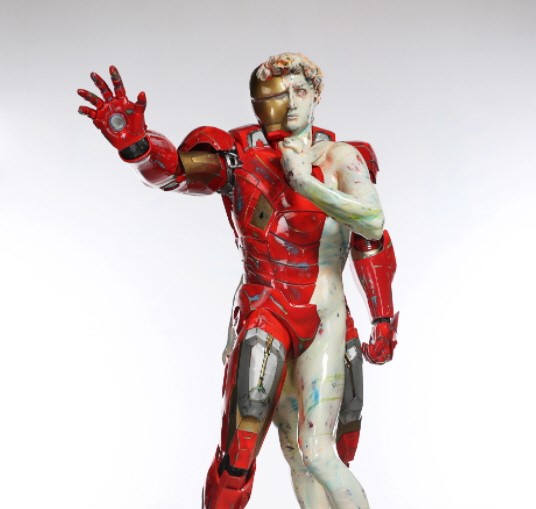
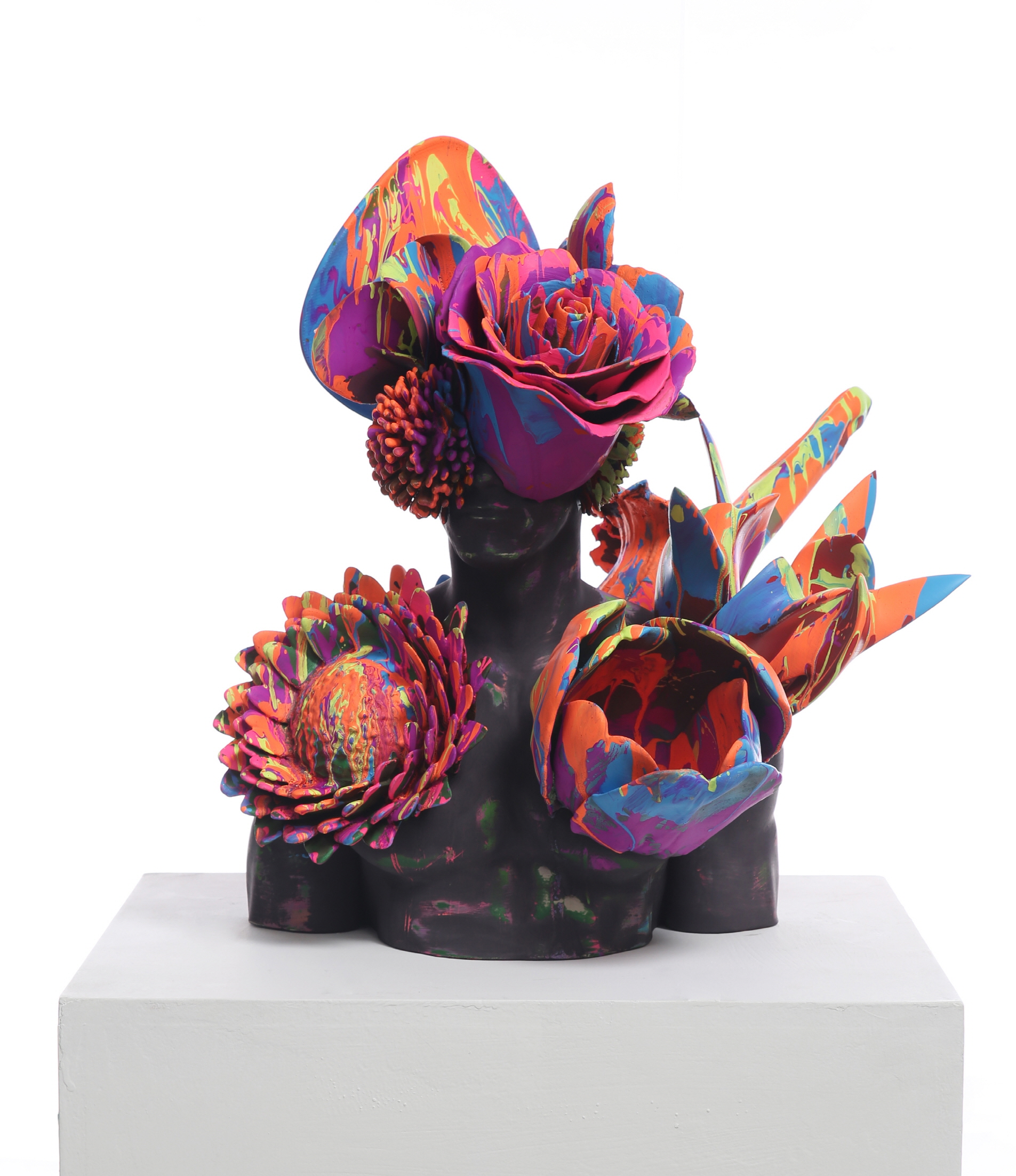
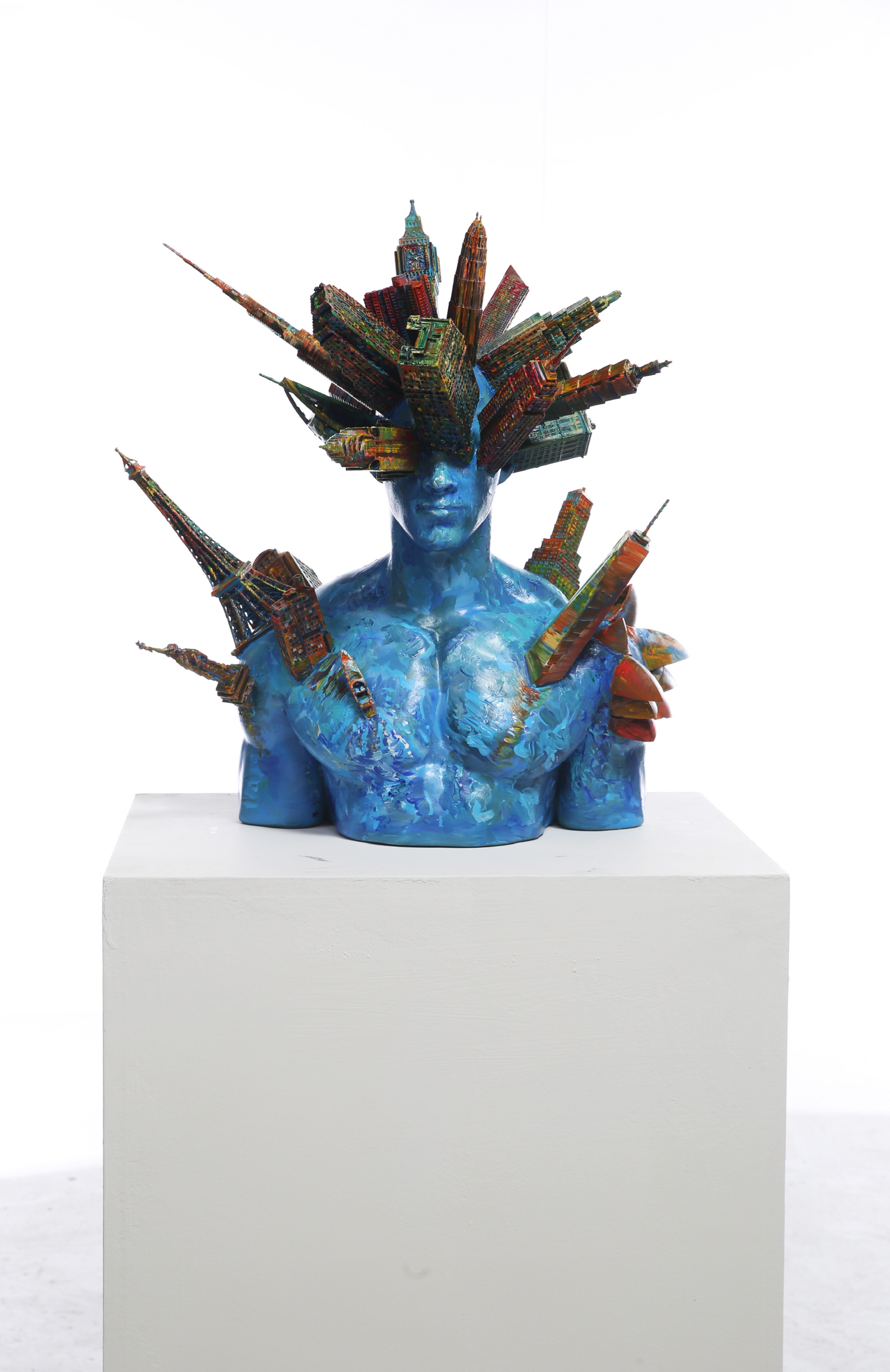
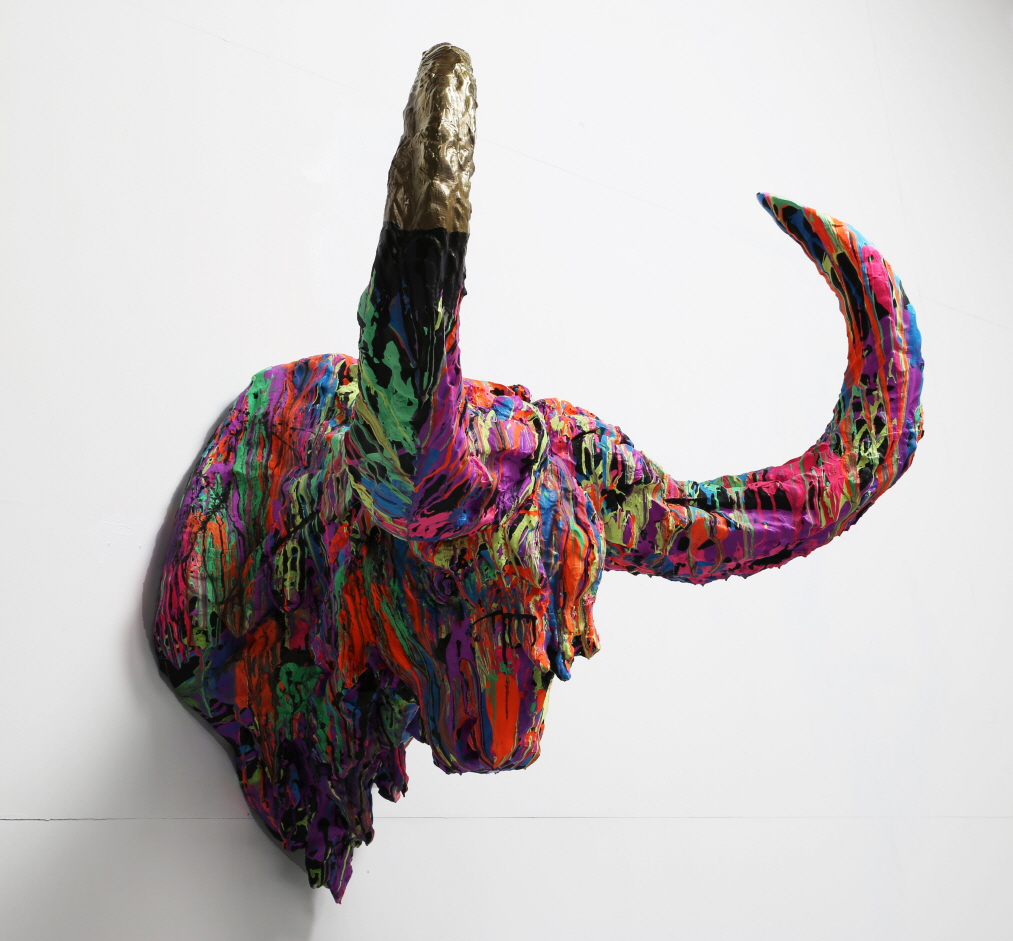
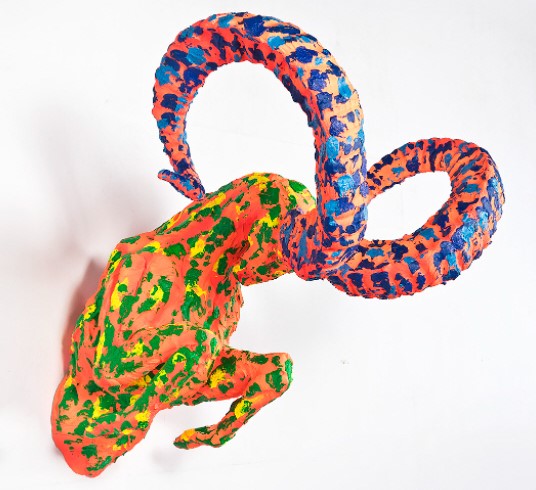
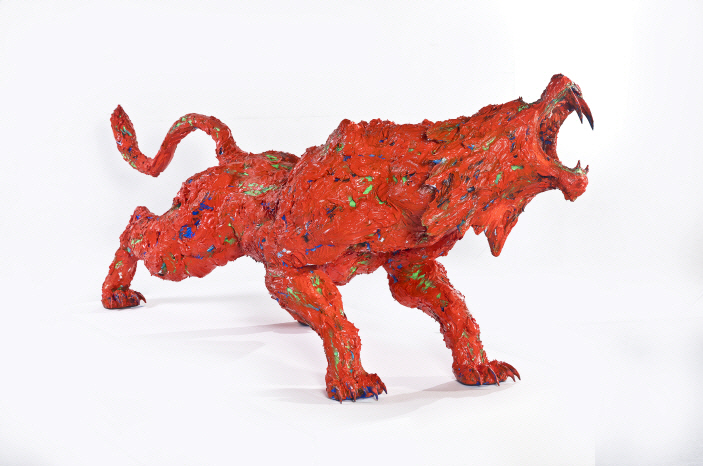
A new concept series was presented at the 《New Mutant》 (Gana Art Center, Seoul, Korea) exhibition in 2020. This series is characterized by the use of 3D printing techniques. There are two series, ‘Hybrid Mutants’ combined with objects, and ‘Color Mutants’ with colors.
Group Exhibitions (Brief)
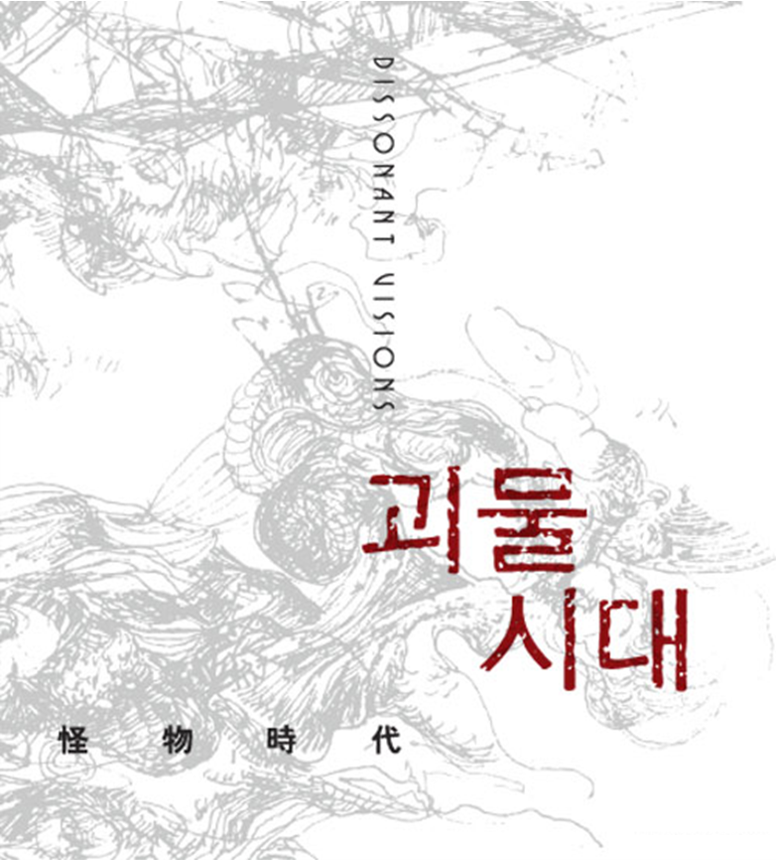
The artist returned to Korea from New York in 2009 and participated in the exhibition 《Dissonant Visions》 held at the Seoul Museum of Art. It was an exhibition with the theme of creatures newly reinterpreted and born in the imagination of the artists or monsters with bizarre shapes.
The exhibition 《Korean Eye: Fantastic Ordinary》 held in 2010 at Saatchi Gallery (London, UK) is an exhibition designed to introduce Korean artists abroad. Companies were paying attention to the potential of young Korean artists and selected promising Korean artists on the international stage, and Ji Yongho was also selected to participate in the exhibition.
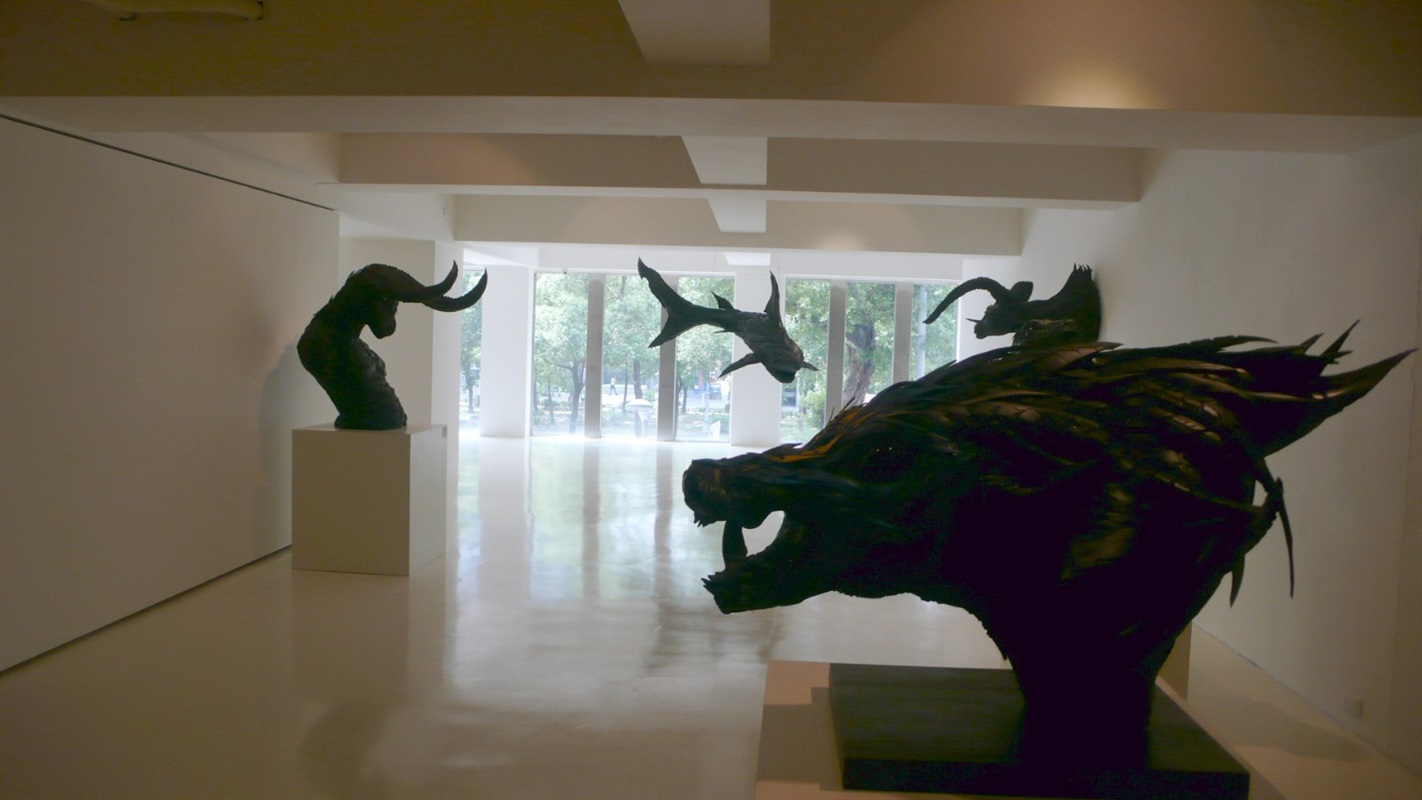
In addition, 《Power of Making》 (2011, Victoria & Albert Museum, London, UK), 《Let’s dance animal》 (2016, Chimei Museum, Taiwan), 《Outdoor Exhibition》 (2018, Suwon I’Park Museum of Art, Suwon, Korea), etc. Participated in several group exhibitions held at home and abroad.
Awards (Selected)
The artist won the Excellence Award at the ‘JOONGANG FINE ARTS PRIZE’ in 2003 and the 19th ‘Today’s Young Artist Award’ in 2011. ‘Today’s Young Artist Award’ is given to promote morale and inspire and promote creativity by rewarding cultural artists who have contributed to the development of culture and art.
Collections (Selected)
The International Contemporary Art Foundation, 21C Museum Hotel (Bentonville, USA), West Collection (Oaks, Pennsylvania, USA), National Museum of Modern and Contemporary Art (Seoul, Korea), Seoul Museum of Art (Seoul, Korea), Daejeon Museum of Art (Daejeon, Korea), Osan Museum of Art (Osan, Korea), Gana Art Park (Jangheung, Korea), Golf Zone (Daejeon, Korea) and other domestic and foreign collections have been.