

What now defines the media environment that has become such a routine part of our daily lives as to no longer feel special is the digital virtual space. When this particular form of space first began to emerge in the 1990s, it carried with it utopian expectations—dreams of liberation for those who dared venture into its unfamiliar realms. The immaterial conditions made possible by the rise of the internet and digital technology were envisioned as alternatives capable of freeing us from various constraints rooted in the material world.

The globally interconnected media space brought about by the internet transcended the limitations of physical geography, creating a worldwide public sphere. Similarly, the anonymity of users within digital space enabled a form of disembodiment and depersonalization—liberation from physical reality. But three decades on, where has that vision brought us? Despite the forced migration into virtual space due to COVID-19 and the recent fervor surrounding the metaverse, the emancipatory promise of cyberspace now feels difficult to locate.

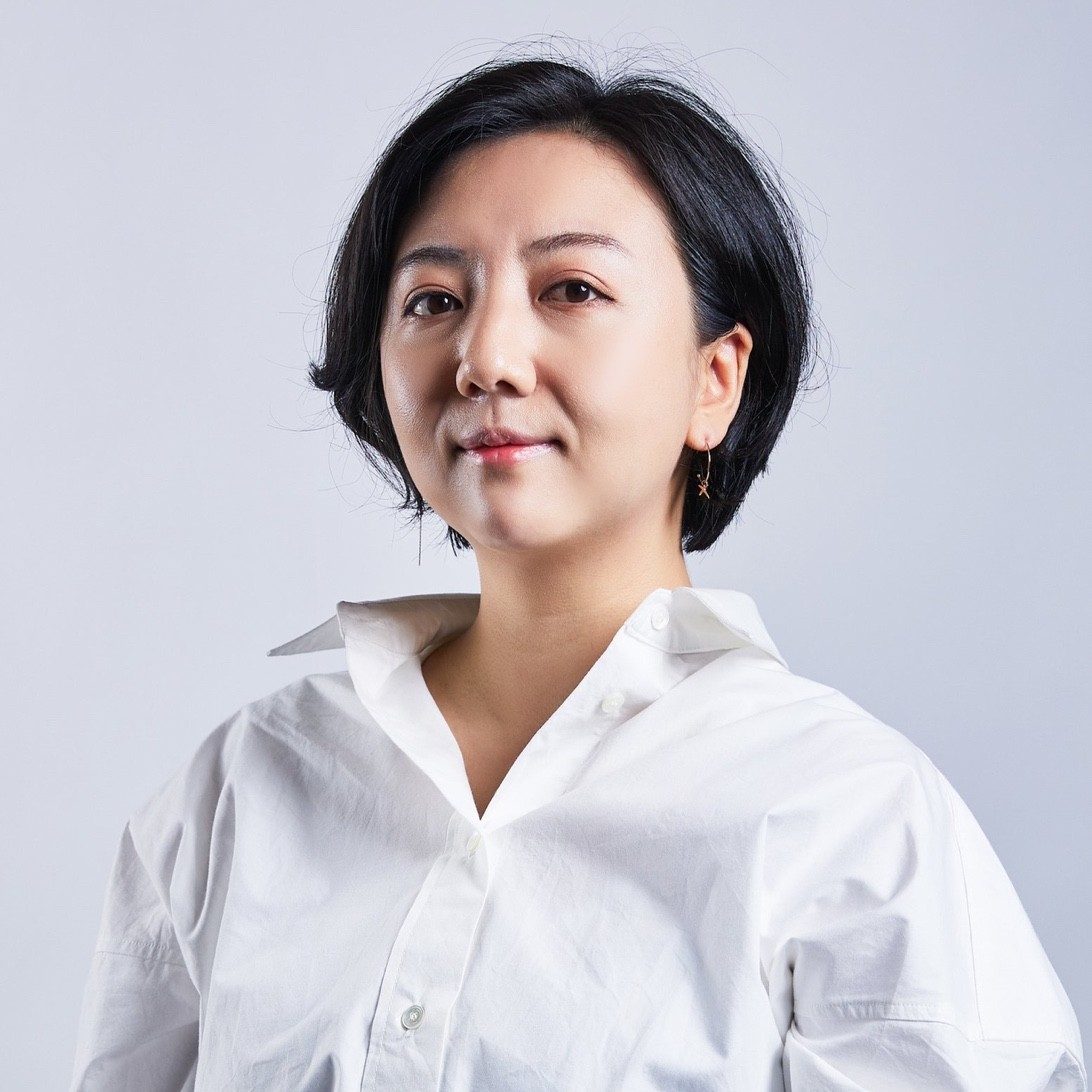
Visual artist An Gayoung seeks to rediscover these once-liberatory visions that accompanied the early emergence of digital virtual spaces. Her particular focus lies on the possibilities of the body within such environments. Distancing herself from earlier approaches that prioritized immaterial conditions, An turns instead toward the game medium—one specific realm within the broader field of digital development. Why, among the many domains of digital space, does she fixate on the world of games?

Unlike earlier predictions that digital virtual space would become a stage for disembodied, dematerialized users, the game-based virtual space still strives to offer material experiences of the virtual body. The embodied experiences afforded by in-game avatars allow players to momentarily break free from the limitations of their real-life, physical bodies. In this sense, games provide alternative pathways into today’s politics of the body. Based on this understanding of bodily experience, An Gayoung continues to experiment with the game medium.

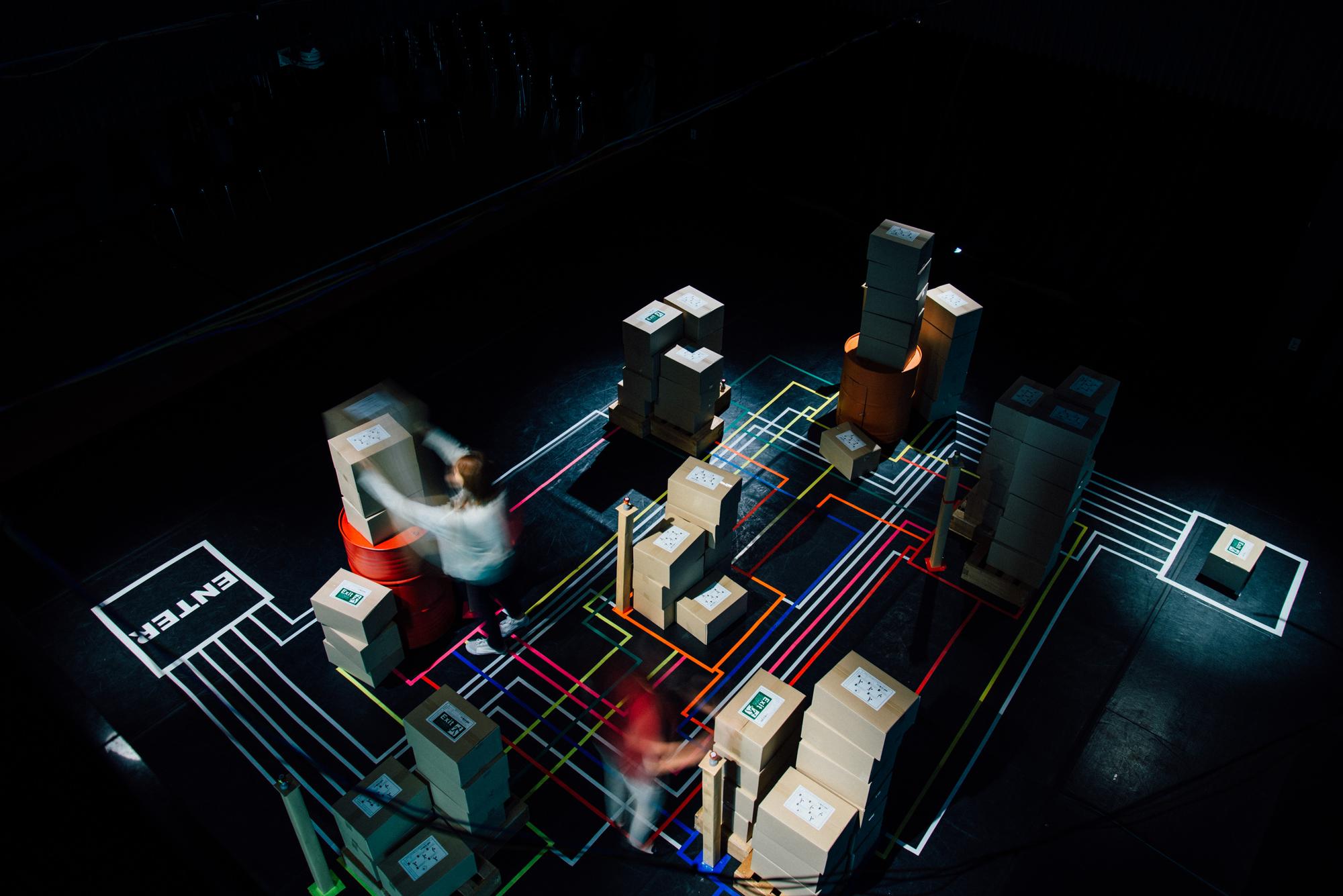
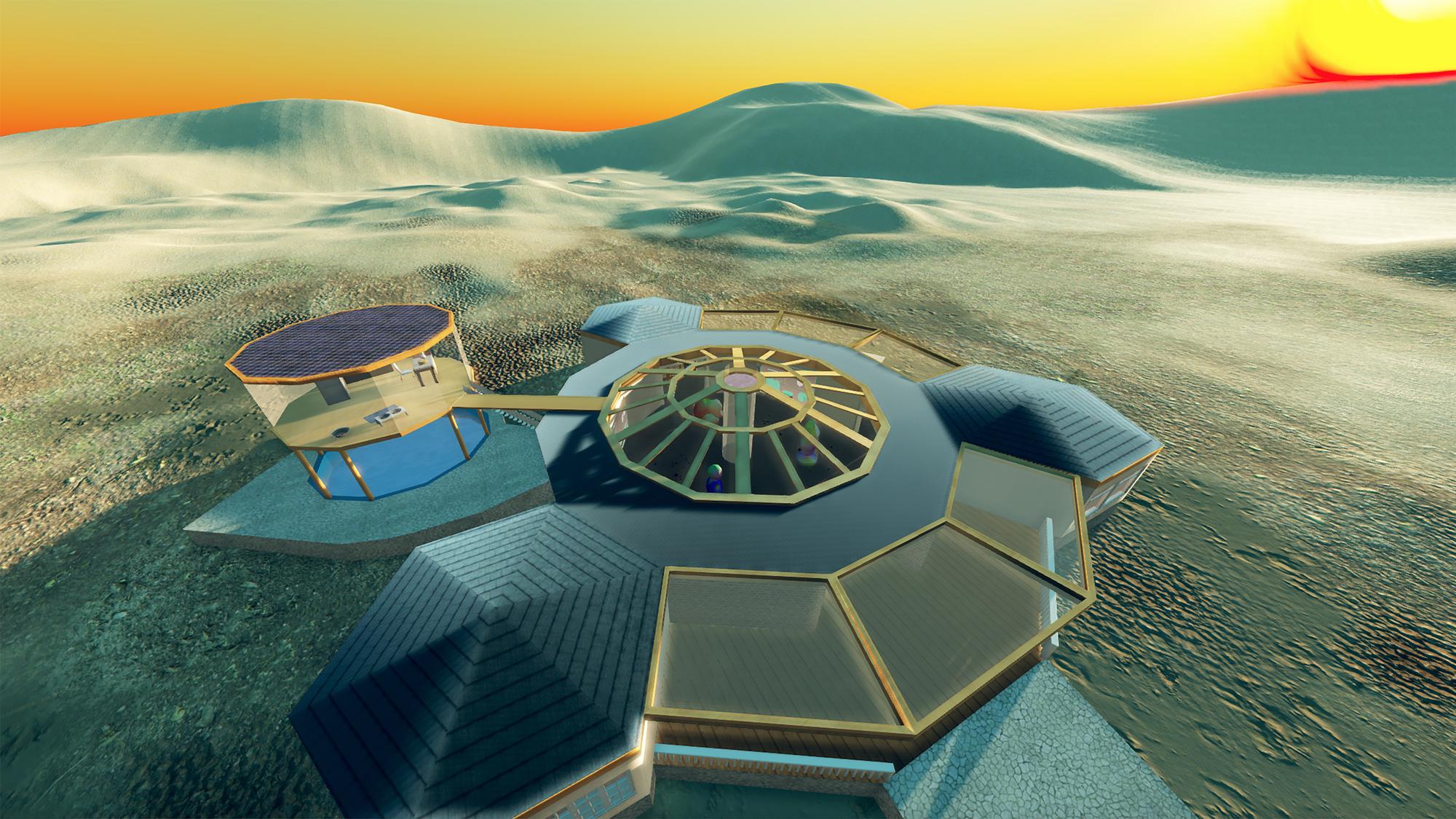
Iridium Age: Making New Kin (Seongbuk Children's Art Museum Dreamjaram Curated Exhibition, July 2021). ©An Gayoung

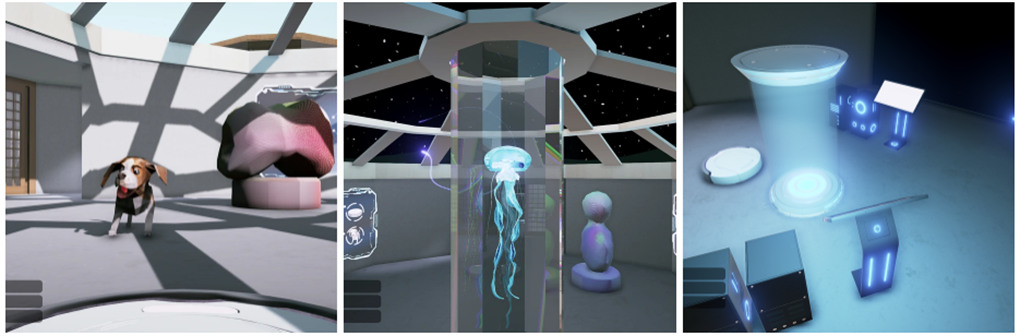
KIN in the shelter: in the Shelter (2019–2021), which An has developed and continuously updated, is a playable game-based artwork. This game recalls the well-known life simulation game The Sims. Like The Sims, it adopts a quarter-view perspective, and the core gameplay centers around mediating relationships among the in-game characters. What stands out, however, is that all of the characters in KIN in the shelter belong to different species.

In The Sims, players manage the interpersonal relationships of human NPCs called “Sims.” As such, players can draw on their own real-life experiences to navigate these relationships. In a way, the true tutorial for The Sims is our actual lives. But the NPCs in KIN in the shelter are far removed from the familiar neighbors we meet in daily life. The game features a migrant worker named July, a cloned dog named May, and an AI cleaning robot named June. Unlike in The Sims, players here are not equipped with real-world experience as a tutorial. To play this game, one must imagine how fundamentally different species—each a stranger to the other—might relate to one another.

Let’s touch briefly on a familiar narrative about games. One of the biggest draws of gameplay is that it allows players to experience all sorts of unfamiliar situations. People often say that the appeal of games lies in their capacity to enable such non-ordinary experiences. But unfamiliarity is not always positive. Rather, it can signify that we’ve stepped outside of our safe, predictable routines. The unfamiliar comes with the risk of unexpected conflicts and uncertainty.

Think of the frequent debates over video game violence. The actions commonly cited—mass shootings, murder, car theft—are certainly far removed from our everyday lives. Setting aside moral judgment, it’s clear that unfamiliar experiences in games can provoke controversy. But the spectrum of unfamiliar experiences in gaming is far broader than just the violent ones.


Games as Spaces for Non-Human Objects

KIN in the shelter: in the Shelter seeks to ensure that the unfamiliar experiences encountered through gameplay serve as opportunities for new modes of thought. The main objective of the game is to mediate the relationships among the in-game characters. As the player simulates interactions between the migrant worker (a human), the dog (an animal), and the AI robot (a machine), they are invited to imagine how relationships between such fundamentally different species might be formed and sustained.

The real challenge is the AI cleaning robot named June. Unlike May the dog, whose biological functions are familiar and relatively easy to anticipate—even though she is a clone—June possesses autonomous intelligence and agency. Her "physiology," so to speak, is difficult to comprehend.

Screenshot 1 from KIN in the shelter: in the Shelter. ©An Gayoung

To play KIN in the shelter, one must imagine ways of relating to these others—particularly non-human objects. The two non-human characters, the "beast" and the "machine," are central to the game’s conceptual and experiential difficulty. For the player, a human, to envision meaningful relationships with them is a demanding task.

Boris Groys, the art theorist and philosopher, points out in his book The Communist Postscript (translated by Soo-Hwan Kim, Munhakgwa Jiseongsa, 2017) that modern anthropology often treats "mechanicalness" as a threat to "humanity." Machines are no longer merely tools designed to serve human needs but are now perceived as an existential threat to the human species. In dystopian science fiction, evil AIs frequently symbolize this antagonistic dynamic, often representing a kind of interspecies conflict between humans and machines.

But if we flip the perspective, this perceived antagonism also underscores the urgency of coexistence. The same structural logic applies in KIN in the shelter. The machine, as a non-human object imbued with potentially threatening traits, invites a deeply unsettling relationship. Yet, engaging with June—the AI—also raises crucial questions about how we might construct alliances across boundaries once thought impermeable.

But what if this narrative of opposition between humans and non-human objects is not limited to the relationship between humans and machines, but also extends to interspecies differences more broadly? Boris Groys offers an intriguing historical contrast to his earlier point on machinic threats to humanity. He notes that although it may be difficult to imagine today, utopian thinkers in the past believed that the most human aspect of humanity lay in its machinic qualities. They considered these qualities—discipline, repetition, mechanical thought—to be what separated humans, the "thinking animal," from mere beasts. Groys writes, “At that time, the greatest threat to humanity was considered to be animality.”

Today, however, this schema seems to have been completely reversed. What is now considered truly human is closer to animality. Cold, mechanical reason is now seen as the ultimate threat to human values, while instinctual, impulsive, and indeed animalistic tendencies are increasingly understood as guarantors of true humanity.

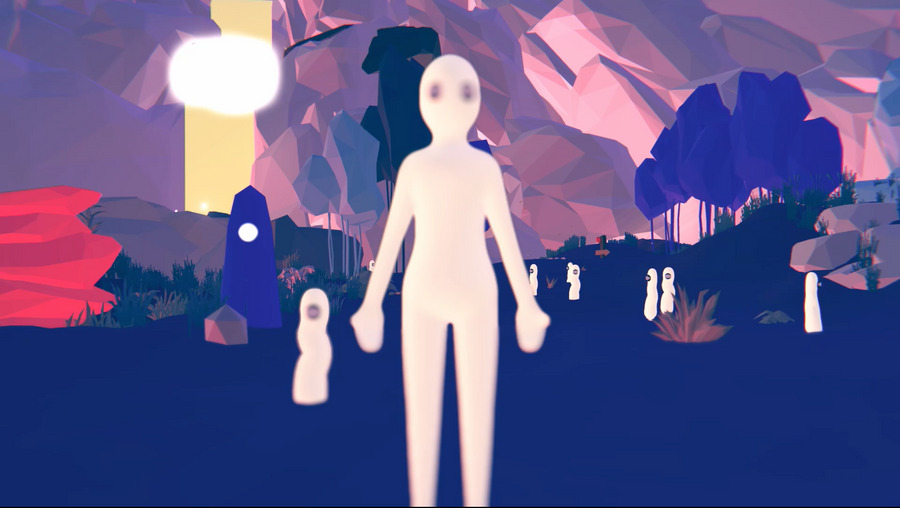
Screenshots 2, 3, and 4 from KIN in the shelter: in the Shelter. ©An Gayoung

If that is the case, then the two non-human objects—the beast and the machine—serve as allegories for the historical negativity and positivity embedded within the idea of humanity. The machinic nature of June, the AI cleaning robot, embodies the most alien yet deeply human part of ourselves. The animality of May, the cloned dog, plays a similar role. To relate to such non-human objects may require us first to confront the inhuman—or perhaps the truly human—dimensions already embedded within our own selves.

In an age where reality and the virtual are increasingly entangled on a massive scale, the game-like spatiotemporal realms of the metaverse begin to resemble new forms of “nature” that we must reckon with. And the myriad non-human objects we encounter within these digital ecosystems may very well be the agents that lead us toward a liberated future.

References