Exhibitions
《Kimberly the Optimist》, 2021.12.11 – 2021.12.26, Space 413
December 10, 2021
Space 413
 Installation
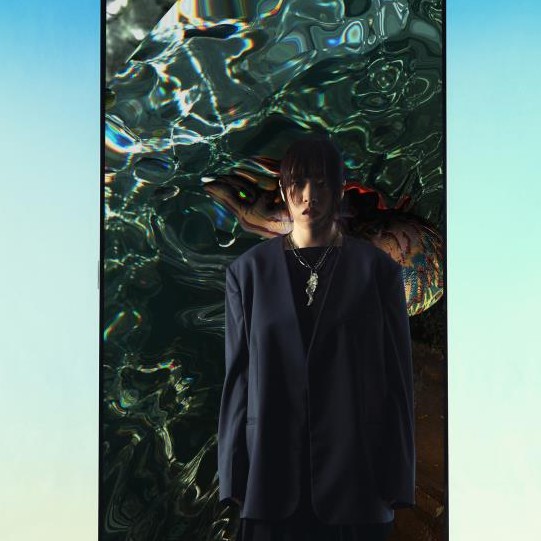
view of 《Kimberly
the Optimist》 (Space 413, 2021) ©Space 413
Installation
view of 《Kimberly
the Optimist》 (Space 413, 2021) ©Space 413
 Installation
view of 《Kimberly
the Optimist》 (Space 413, 2021) ©Space 413
Installation
view of 《Kimberly
the Optimist》 (Space 413, 2021) ©Space 413
Space
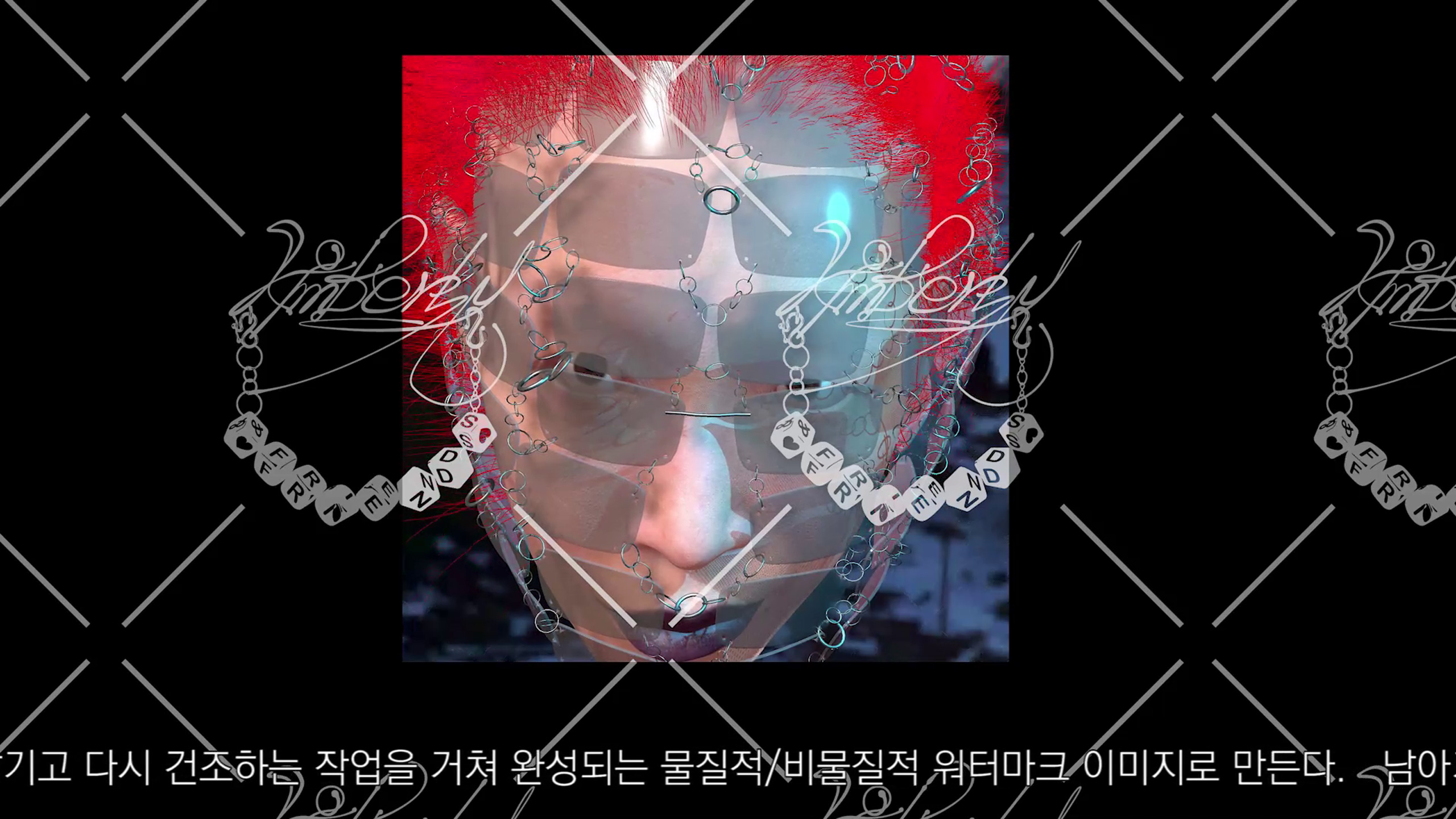
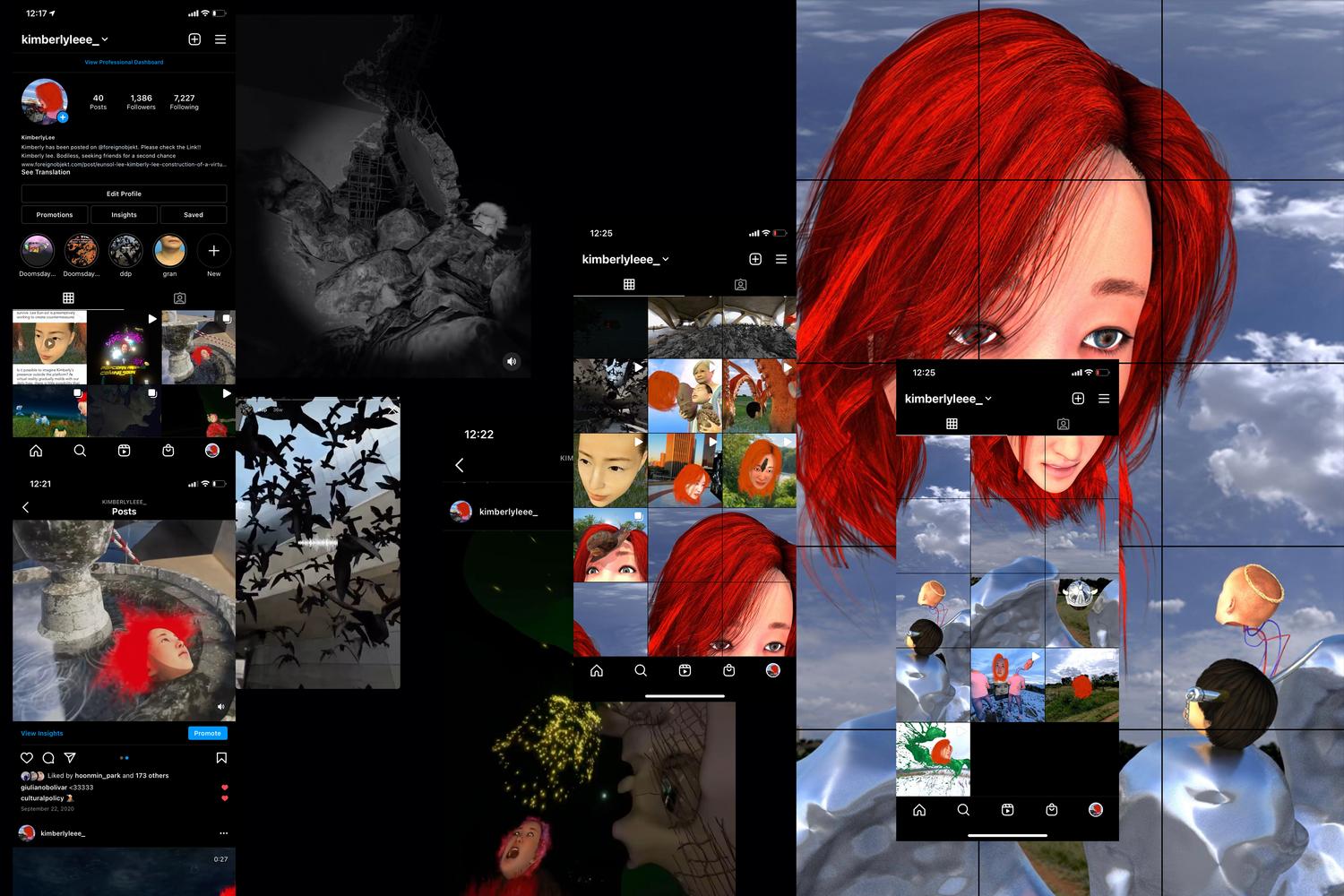
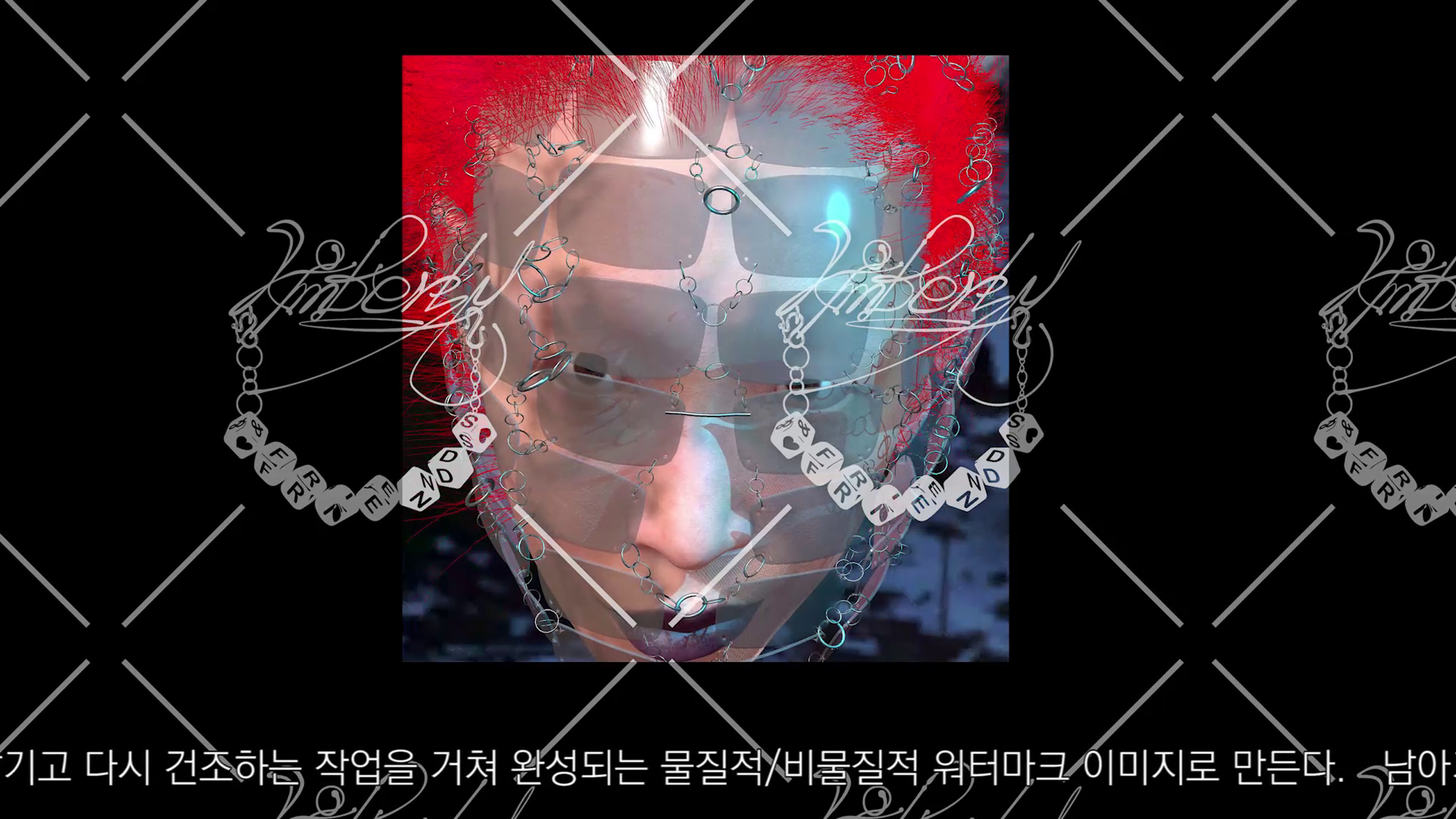
413 presents Eunsol Lee’s second solo exhibition, 《Kimberly the Optimist》. Lee is the creator
of the digital head “Kimberly,” a being that exists without a body and occupies
virtual space, and he is constantly engaged with the problem of optimization.
While “optimization” is a term widely used in fields such as engineering, mathematics,
and economics, in this exhibition, the artist defines it as “the act of finding
the proper degree of value that can yield the most effective performance within
a given environment.”
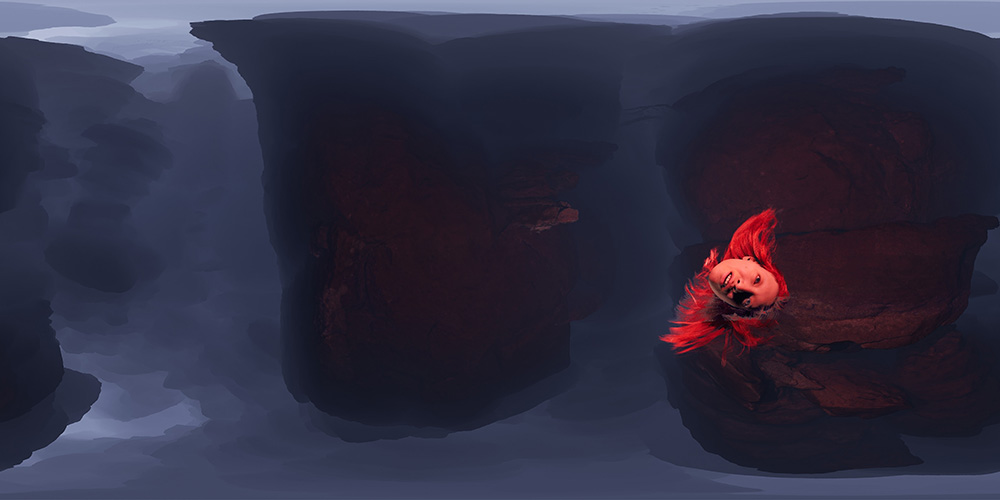 Eunsol Lee,
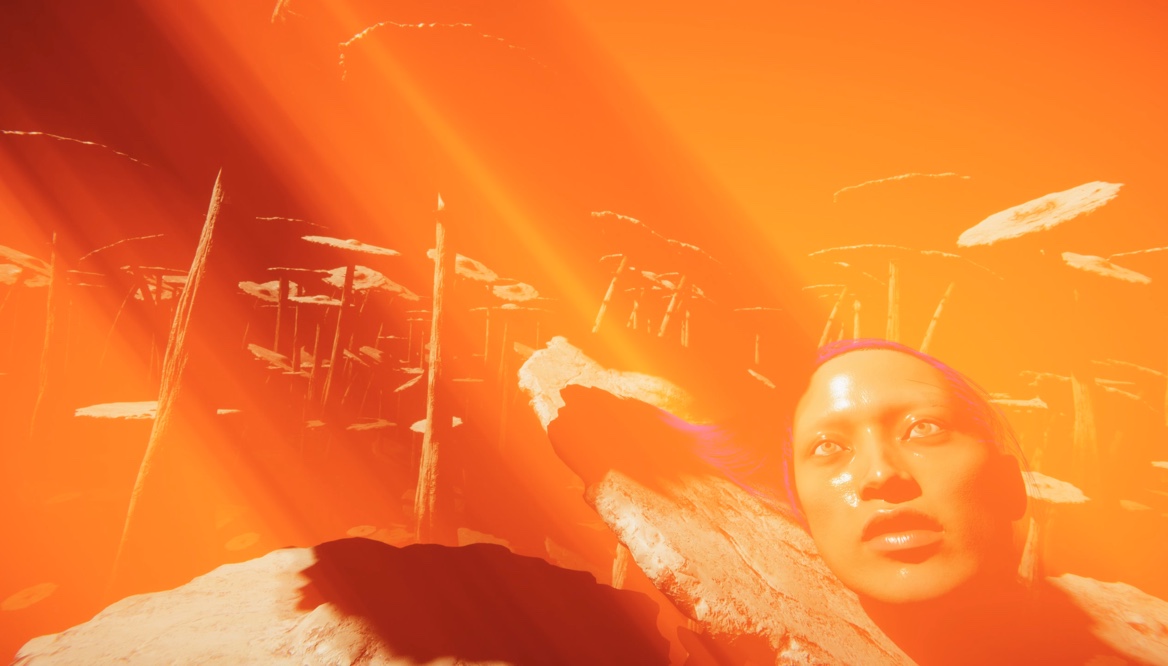
Nanight, 2021, 360 video, 4K, color, sound, 8min. ©Eunsol
Lee
Eunsol Lee,
Nanight, 2021, 360 video, 4K, color, sound, 8min. ©Eunsol
Lee
Last
summer, the game engine Unreal Engine released Unreal 5 under the slogan
“Nanite: The End of Polycounts?” Nanite, which powers Unreal 5, is a
virtualized micropolygon geometry technology that allows for real-time
rendering of massive amounts of visual detail—down to the level of the highest
perceptible resolution. In simple terms, Nanite enables the real-time
implementation of high-resolution visuals optimized for the player’s screen.
While this is a highly effective technology for real-time gaming or VR content,
it is currently only supported on platforms like Xbox and PlayStation 5.
The
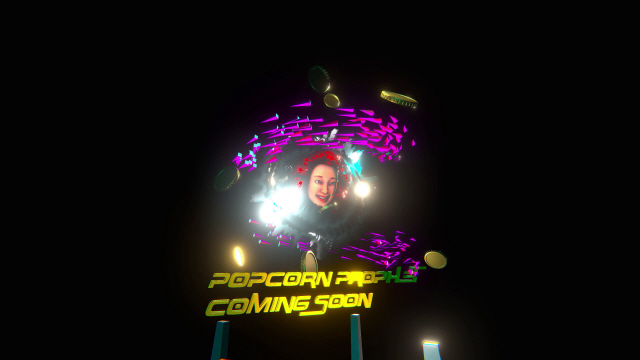
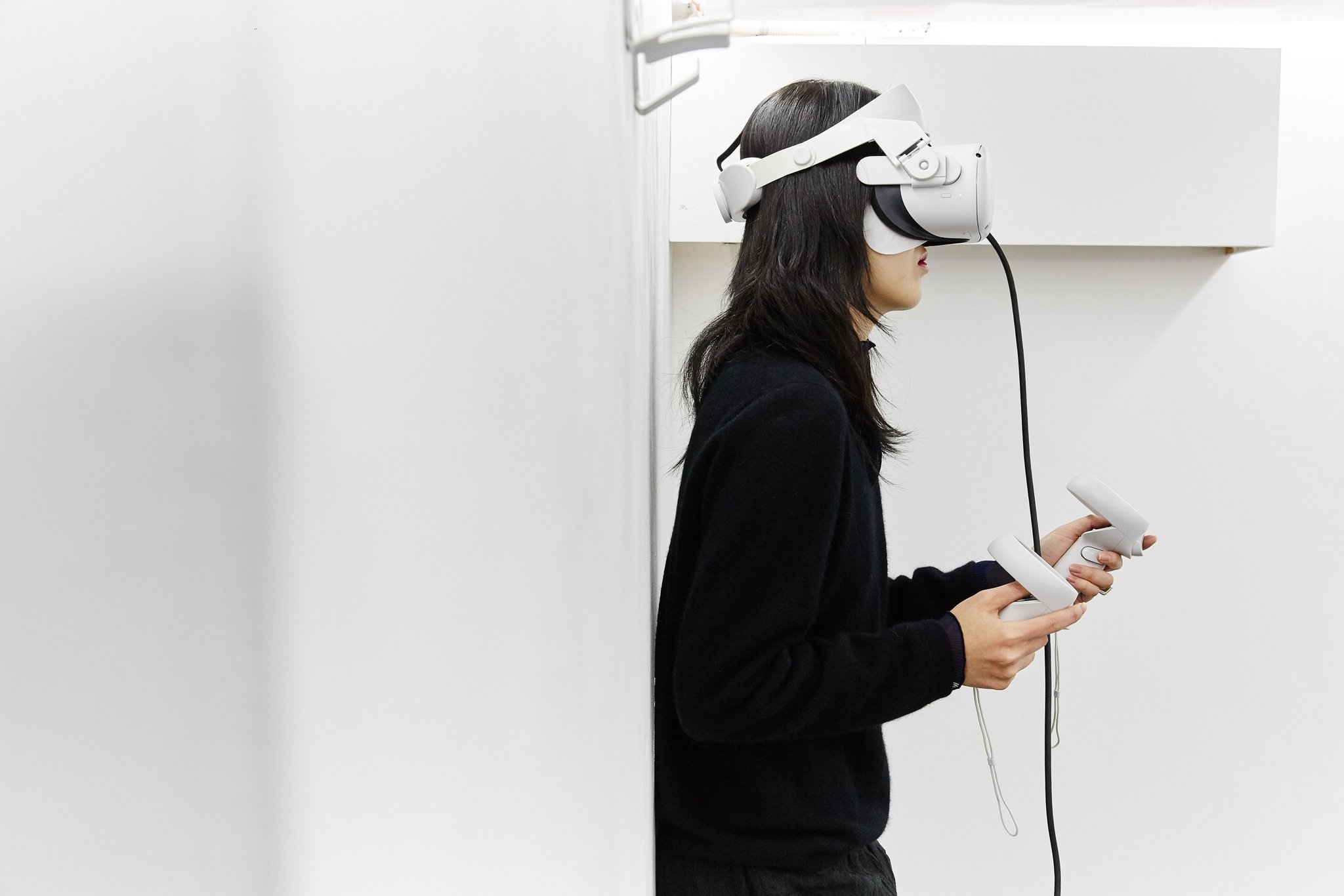
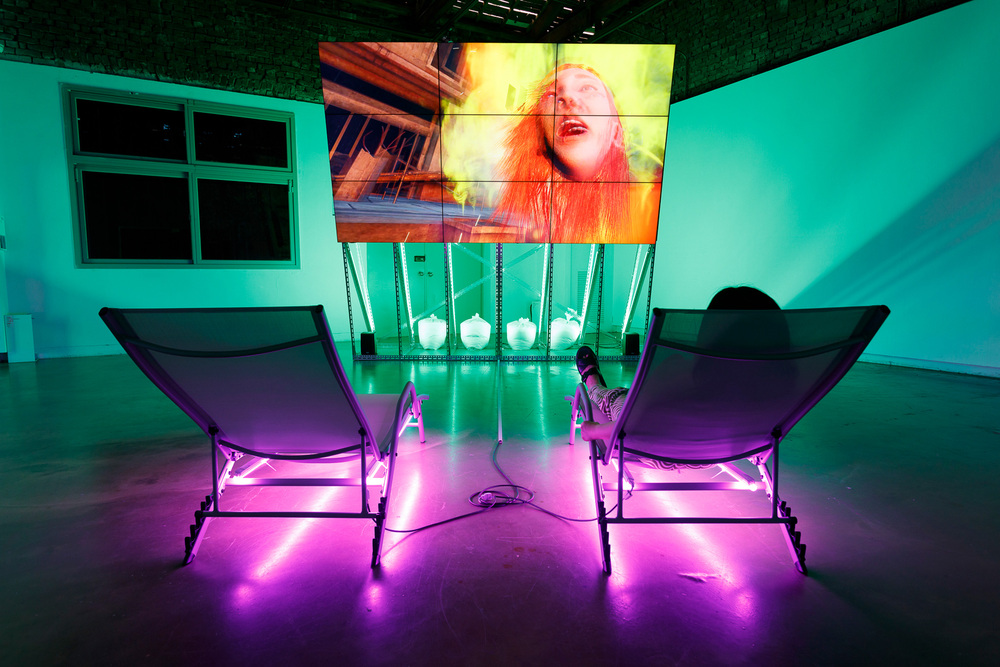
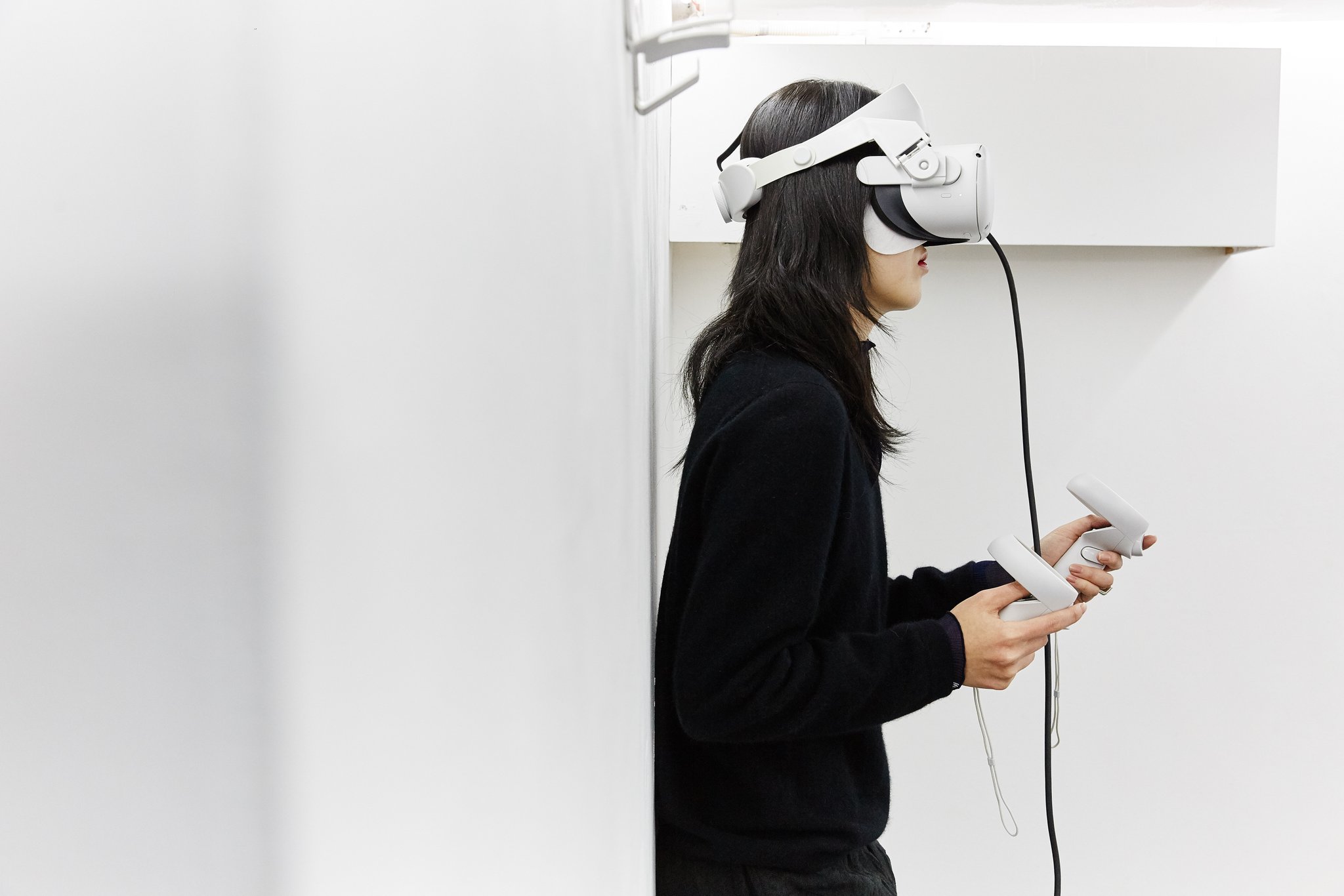
newly unveiled work Nanight(2021) is a 360 video set in a
modified promotional environment for Nanite technology. In it, Kimberly
continuously passes through dramatically optimized environments. The artist
records these scenes using 360-degree video and transposes the vivid renderings
into Oculus VR.
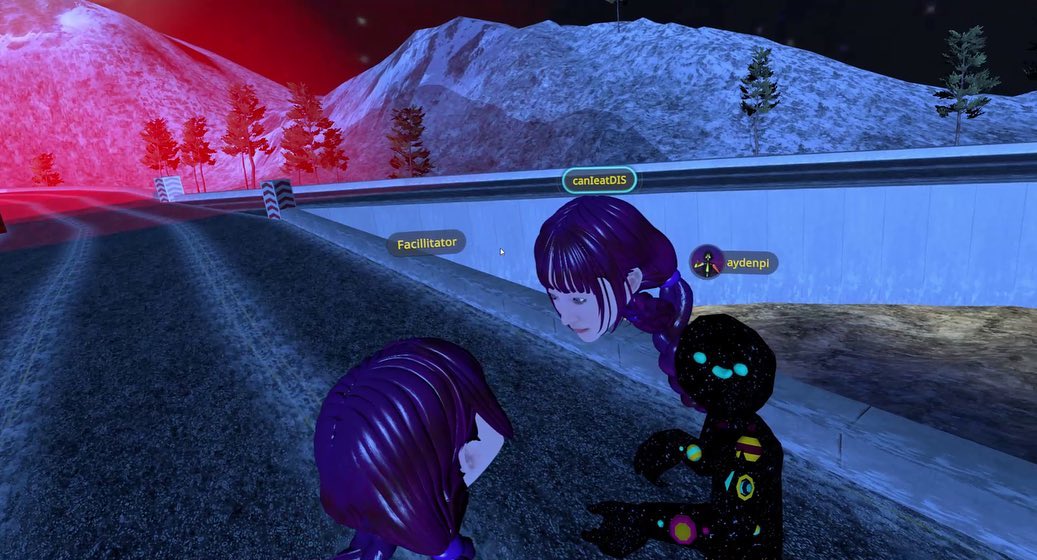 Eunsol Lee,
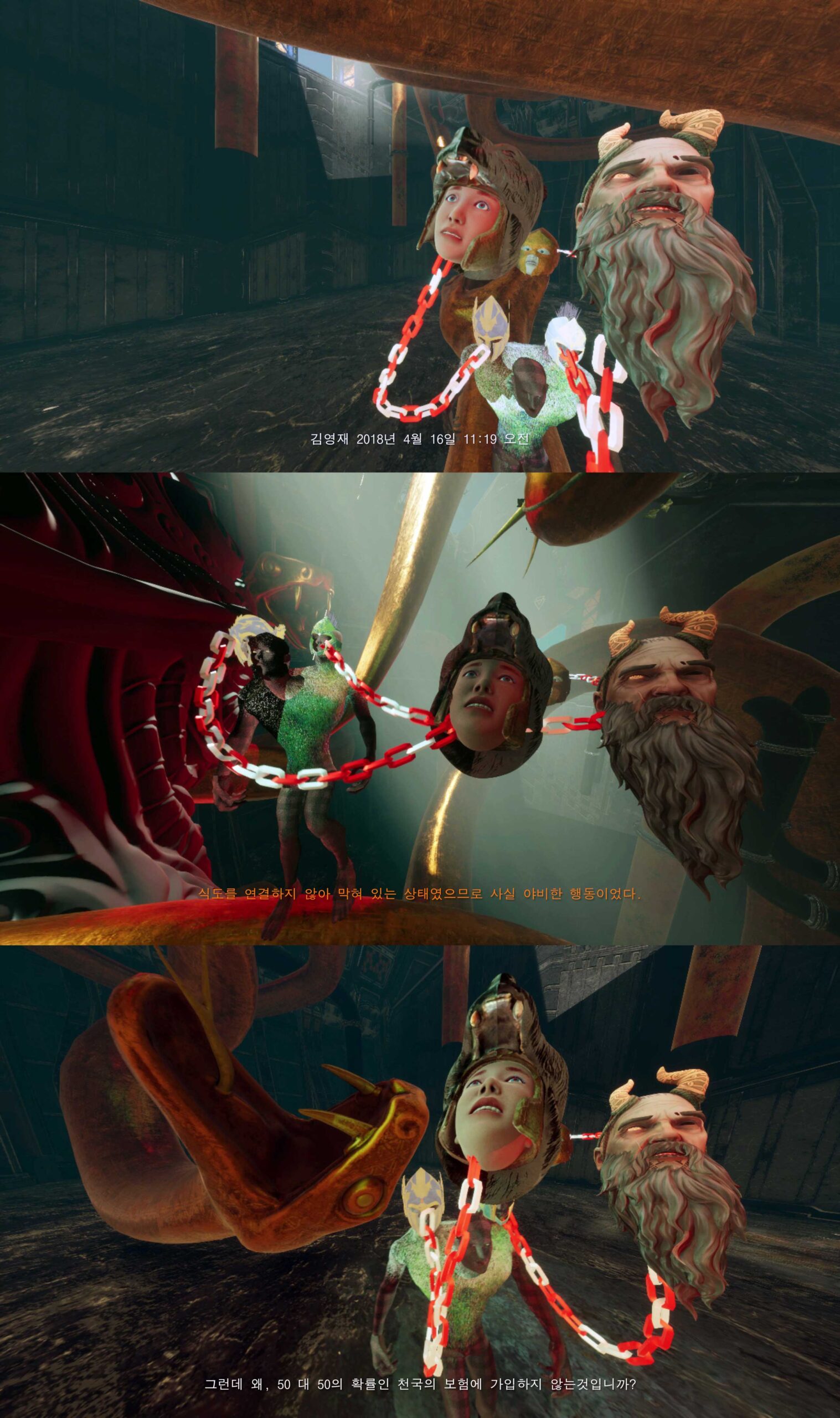
My Cephalopod Friends, 2021, VRchat Open World Game, avatar,
3d ©Eunsol Lee
Eunsol Lee,
My Cephalopod Friends, 2021, VRchat Open World Game, avatar,
3d ©Eunsol Lee
In
contrast, My Cephalopod Friends(2021) is a work in the
open-world game genre. It uses the social virtual world platform VRChat, which,
despite its shallow and somewhat crude environment, allows for various forms of
interaction among users. In VRChat, viewers explore the virtual world constructed
by the artist while embodying the braided-haired Kimberly avatar. The map is
designed in the form of a circular loop, where the start and end points are
connected. Thus, regardless of which blue circular spawn point a Kimberly (or
Kimberlys) begins at, they are bound to pass through the same points
repeatedly.
This
work can be accessed not only at the exhibition site but also through personal
devices by following the VRChat link shared on Linktree. Whether using VRChat,
Instagram, Unreal Engine 5, or any other virtual platform or game engine, the
artist continuously upgrades and maintains Kimberly’s state to be optimized
within the given environment. Kimberly’s boundless movement through digital
interfaces becomes a deeper inquiry into the nature of her existence.
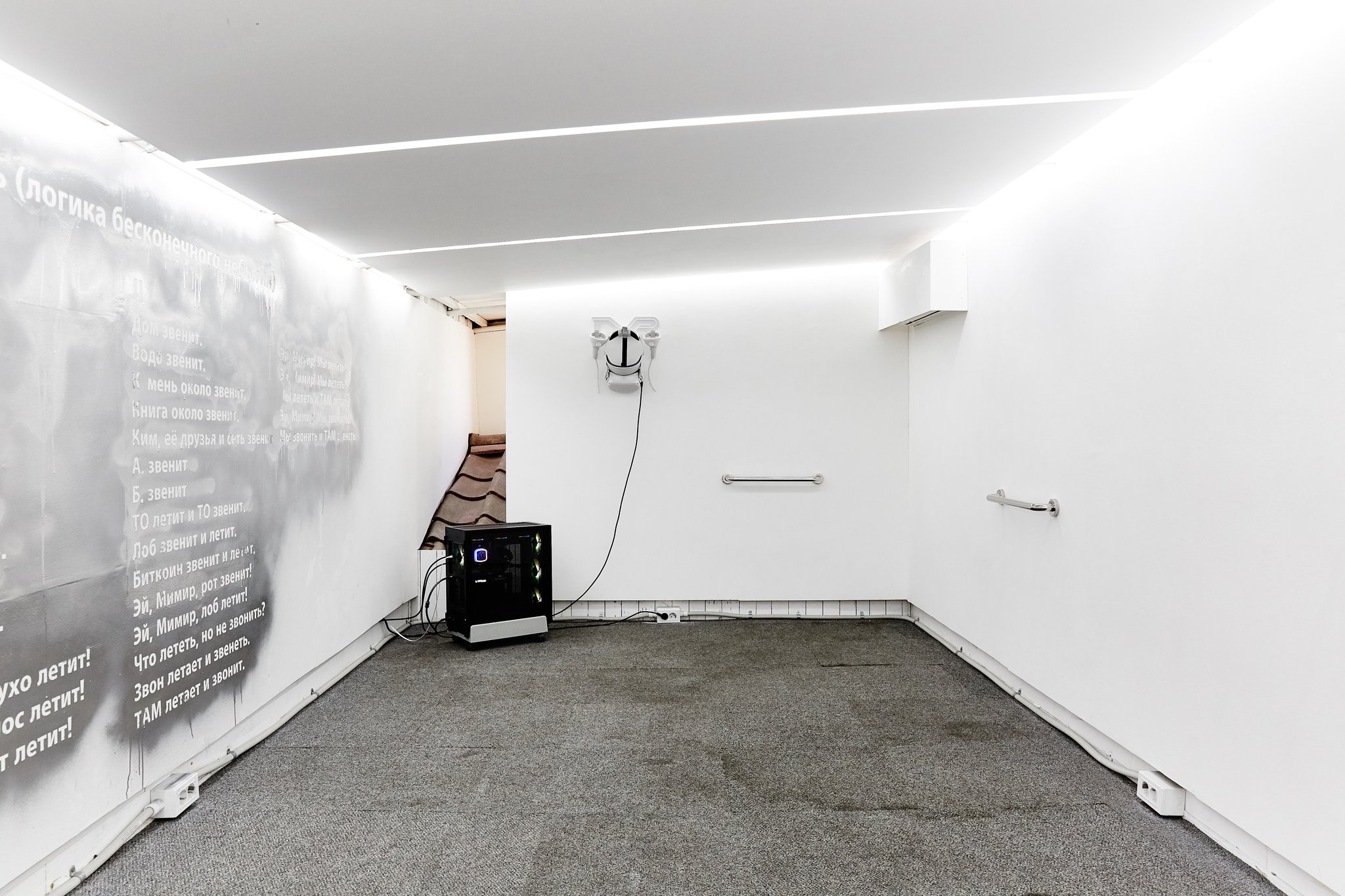
Across
from the wall where the Oculus headset is installed, there is a poem titled “To
Howl — To Fly (The 3rd Chispenitum)” (1930) by Russian avant-garde and
absurdist poet Daniil Kharms. In his writing, Kharms renders the movements of
various life forms, objects, and even time itself in fluid, nonlinear tenses,
expanding into a boundless temporal realm beyond logical spacetime—into the
past and future alike. It is precisely “there” that the artist guides the
viewer—toward Kimberly, who exists in that very space.