






Solo Exhibitions (Brief)
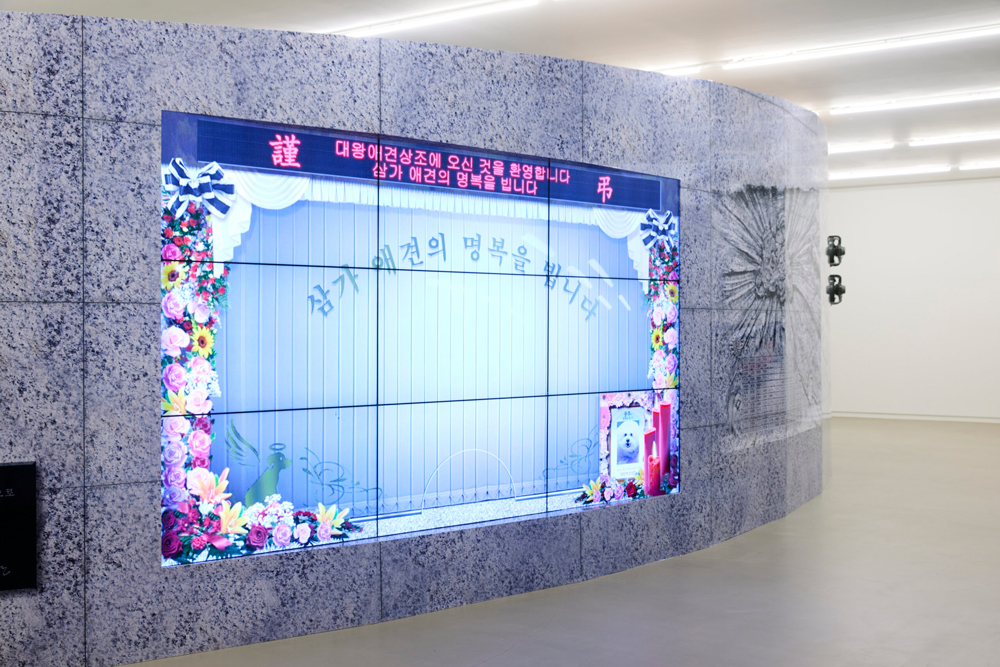
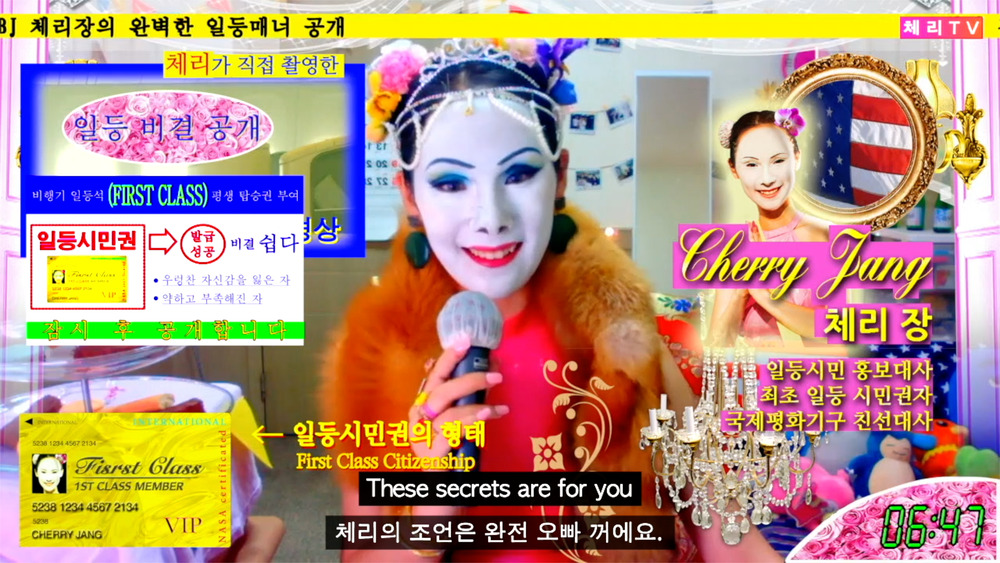
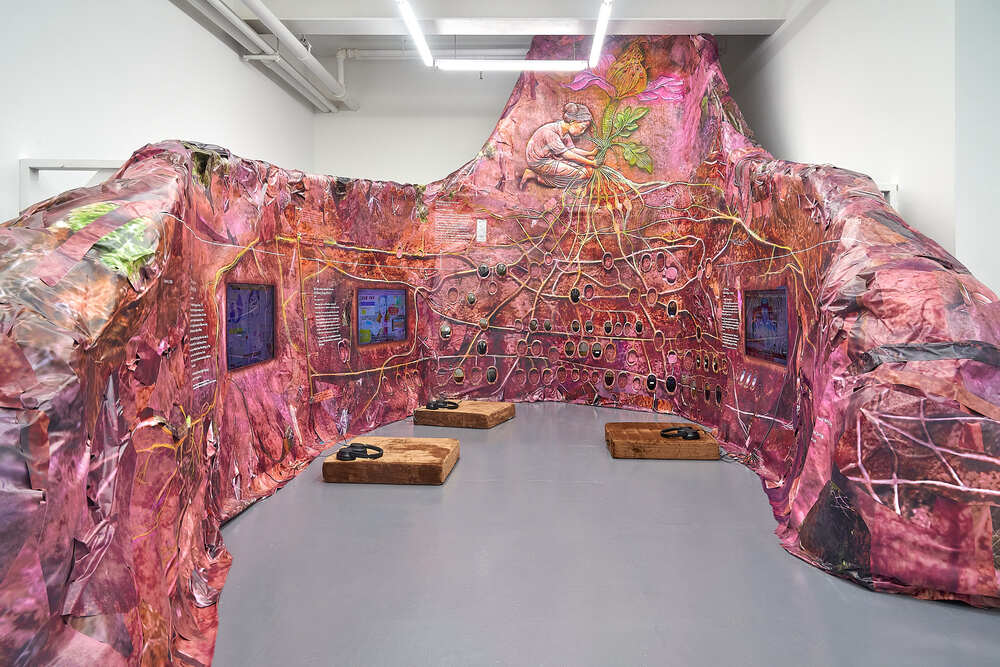
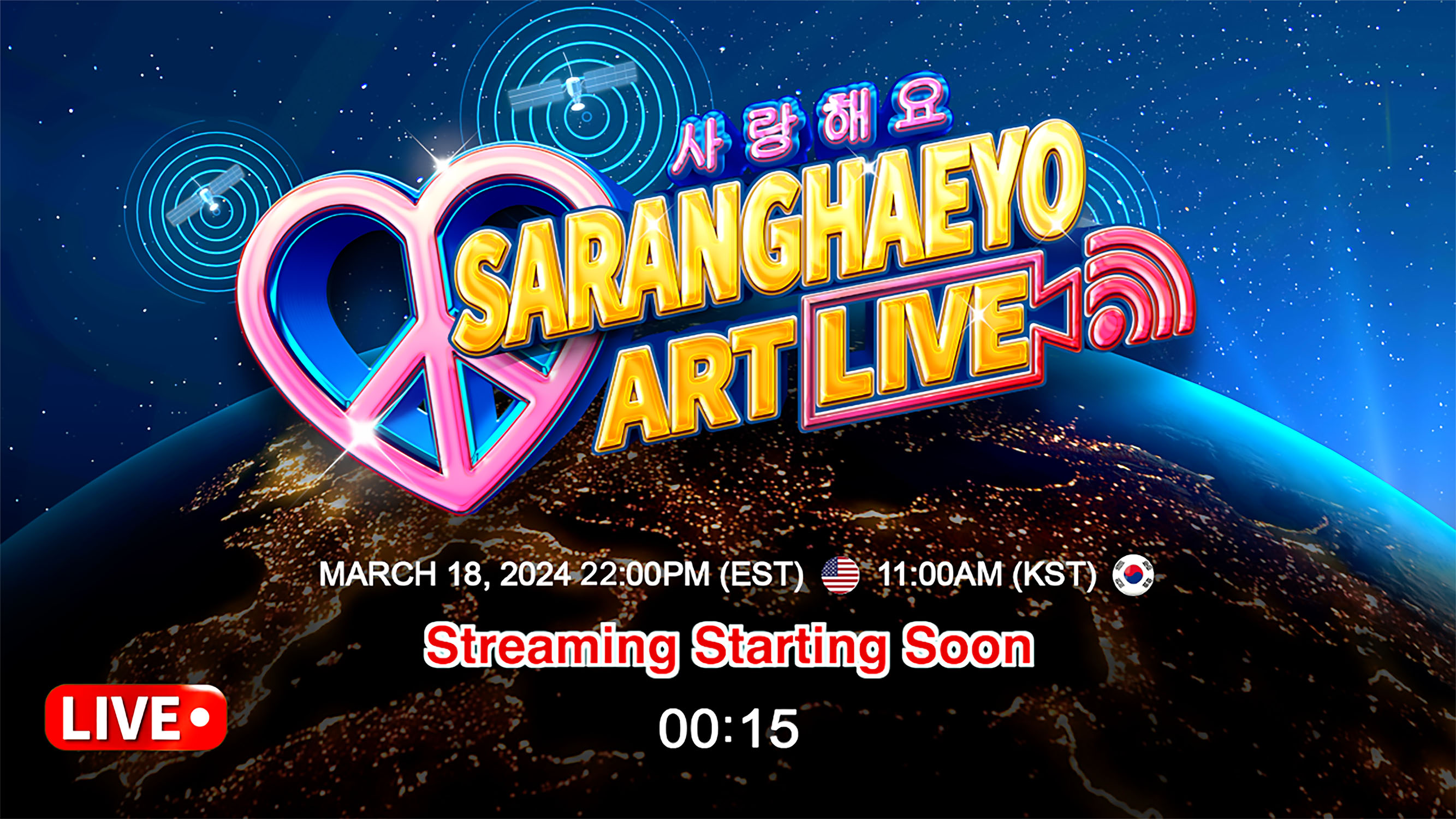
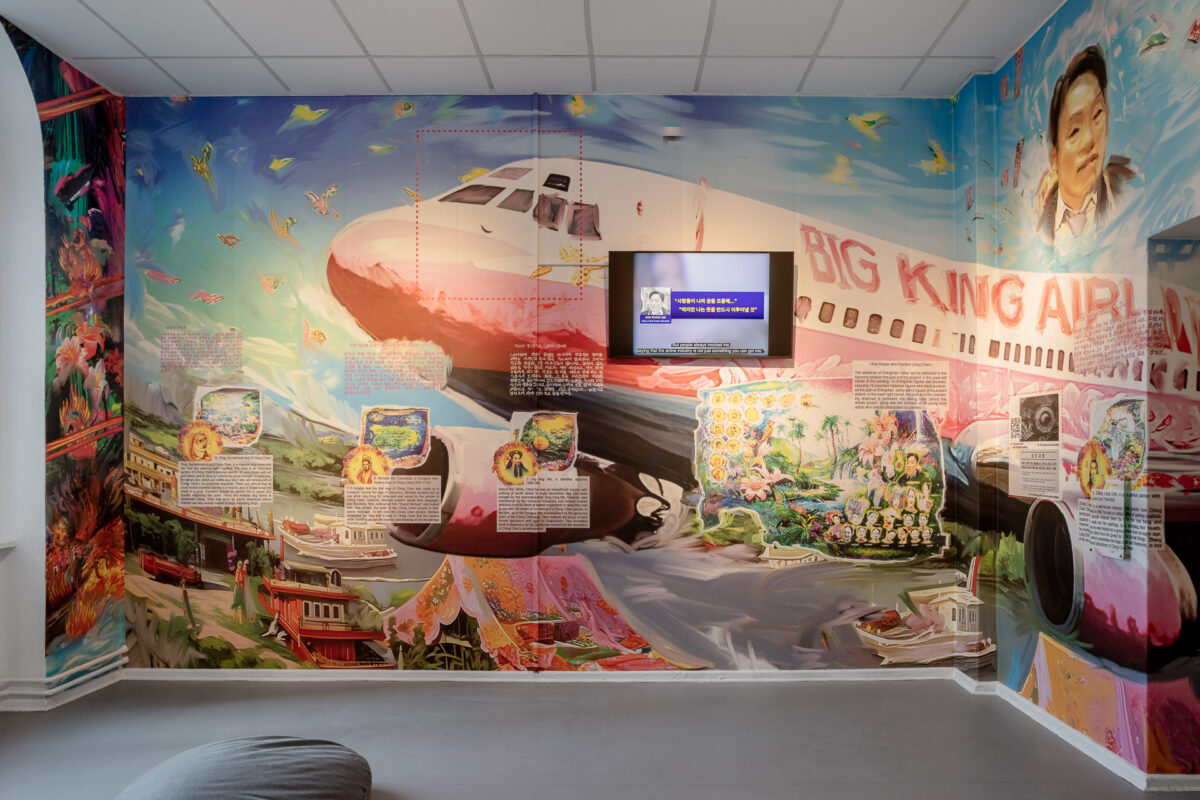
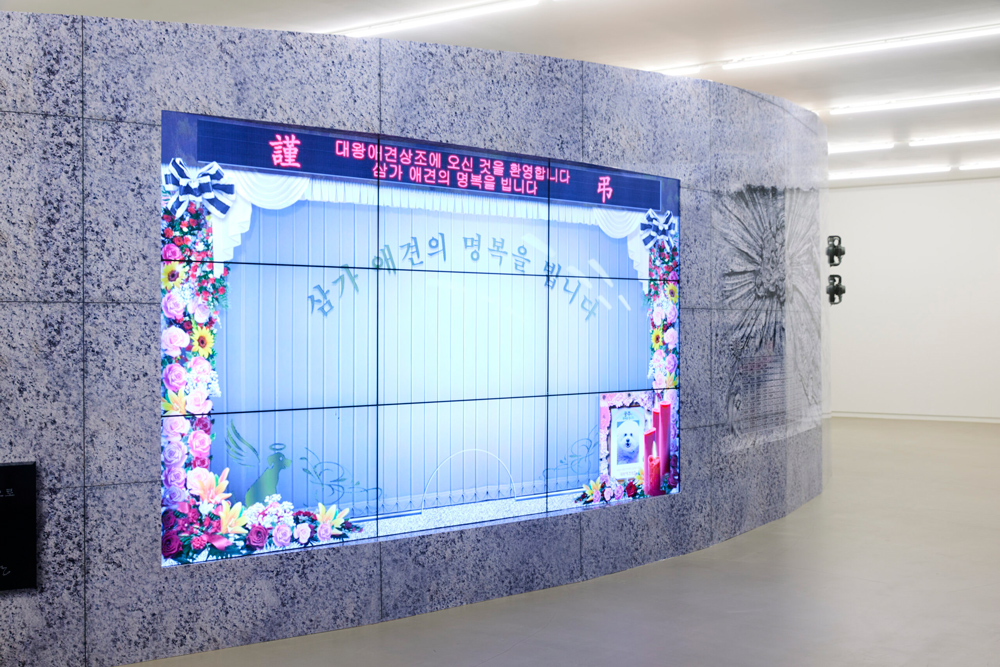
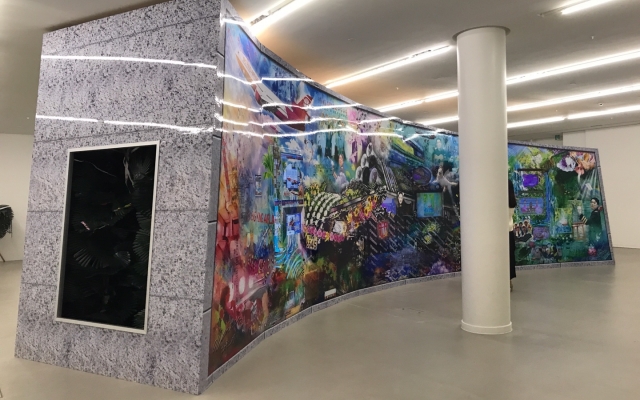
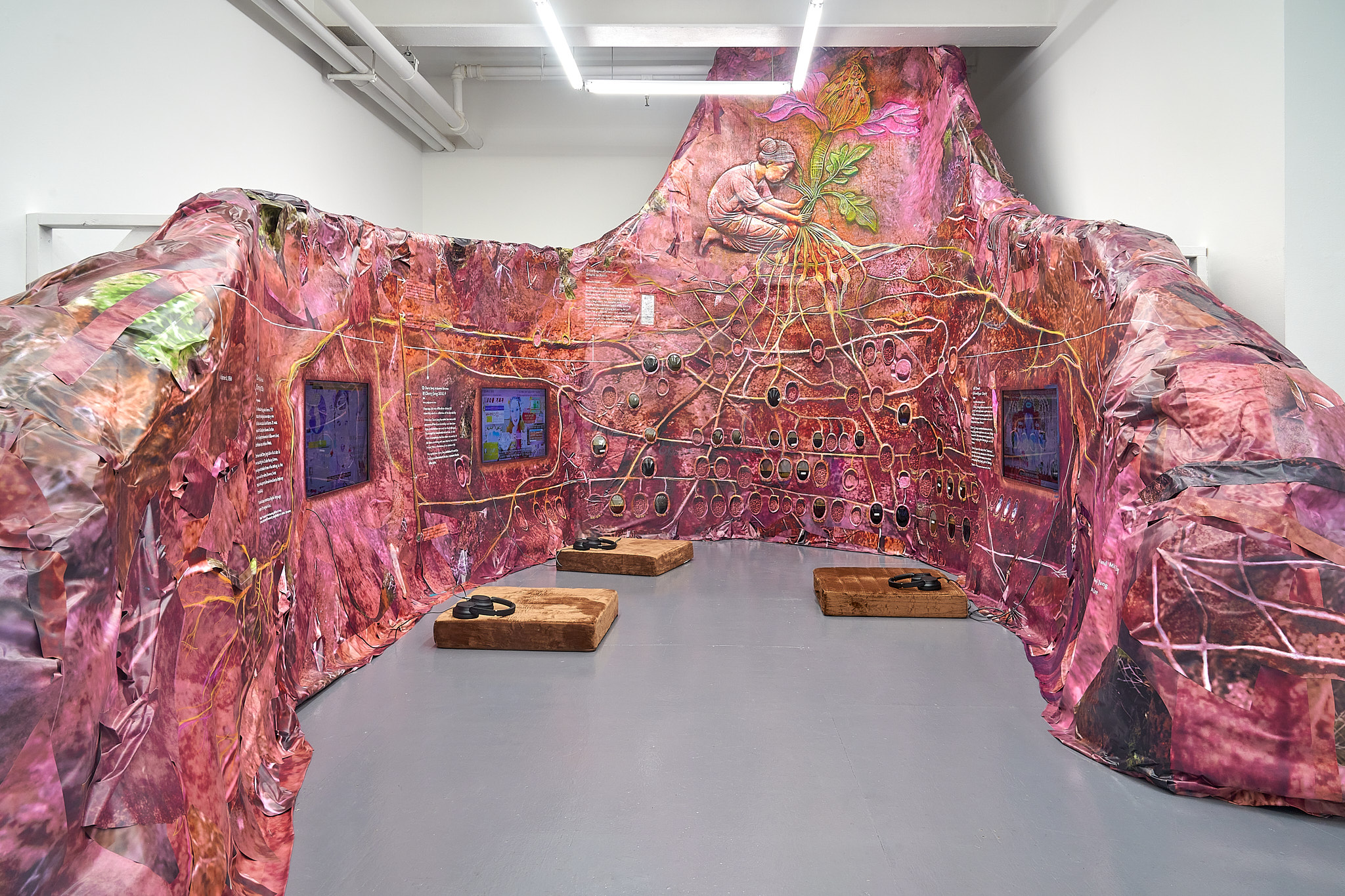
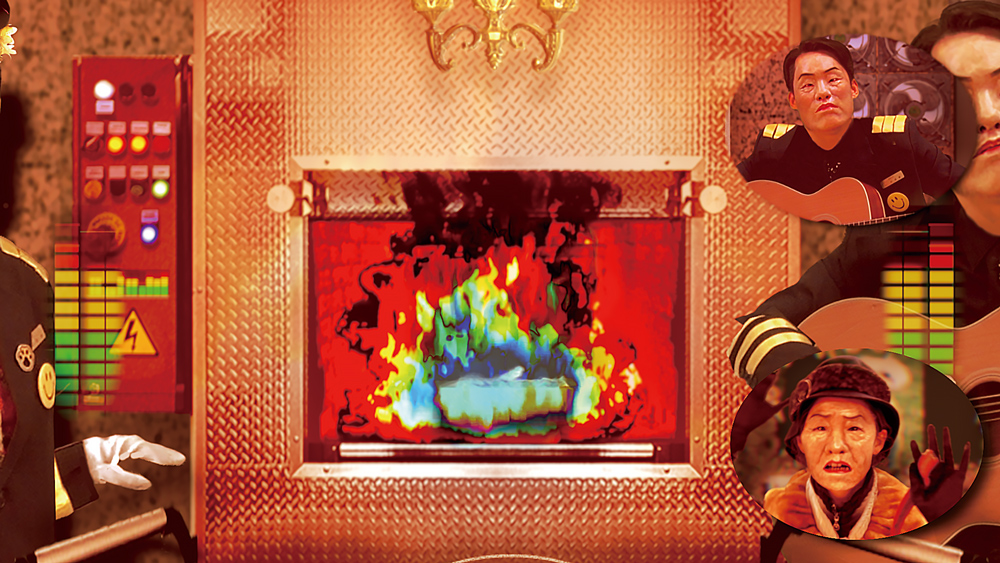
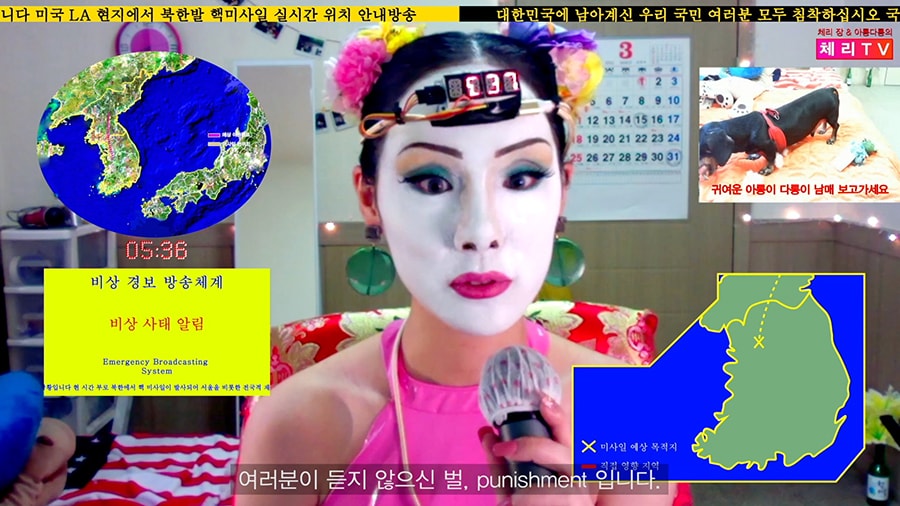
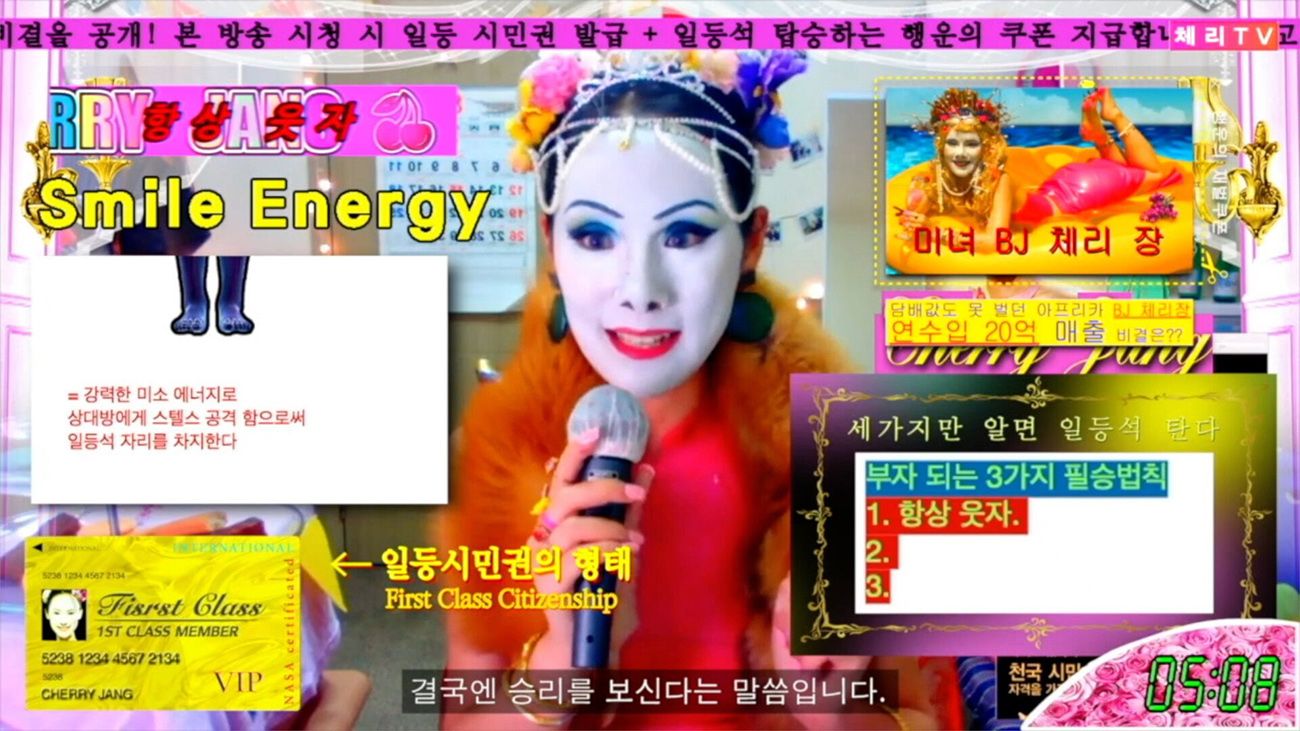
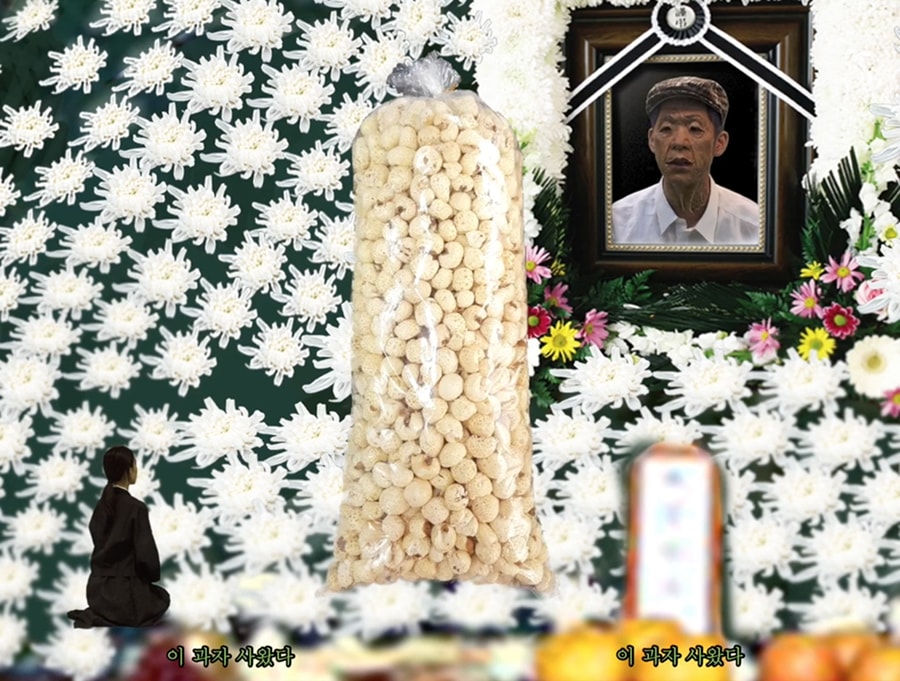
Her solo exhibitions include 《RETURN TO ROOTS: A RETROSPECTIVE IN MEMORY OF CHERRY JANG (1984-2019)》 (TSA NY, New York, 2024), 《Big King Air New Engine Fundraising Drive》 (CYLINDER TWO, Seoul, 2023), 《The Burning Love Song》 (Atelier Hermès, Seoul, 2022), and 《BigKing Travel Ching-Chen Tour》 (Post Territory Ujeongguk, Seoul, 2019).
Group Exhibitions (Brief)
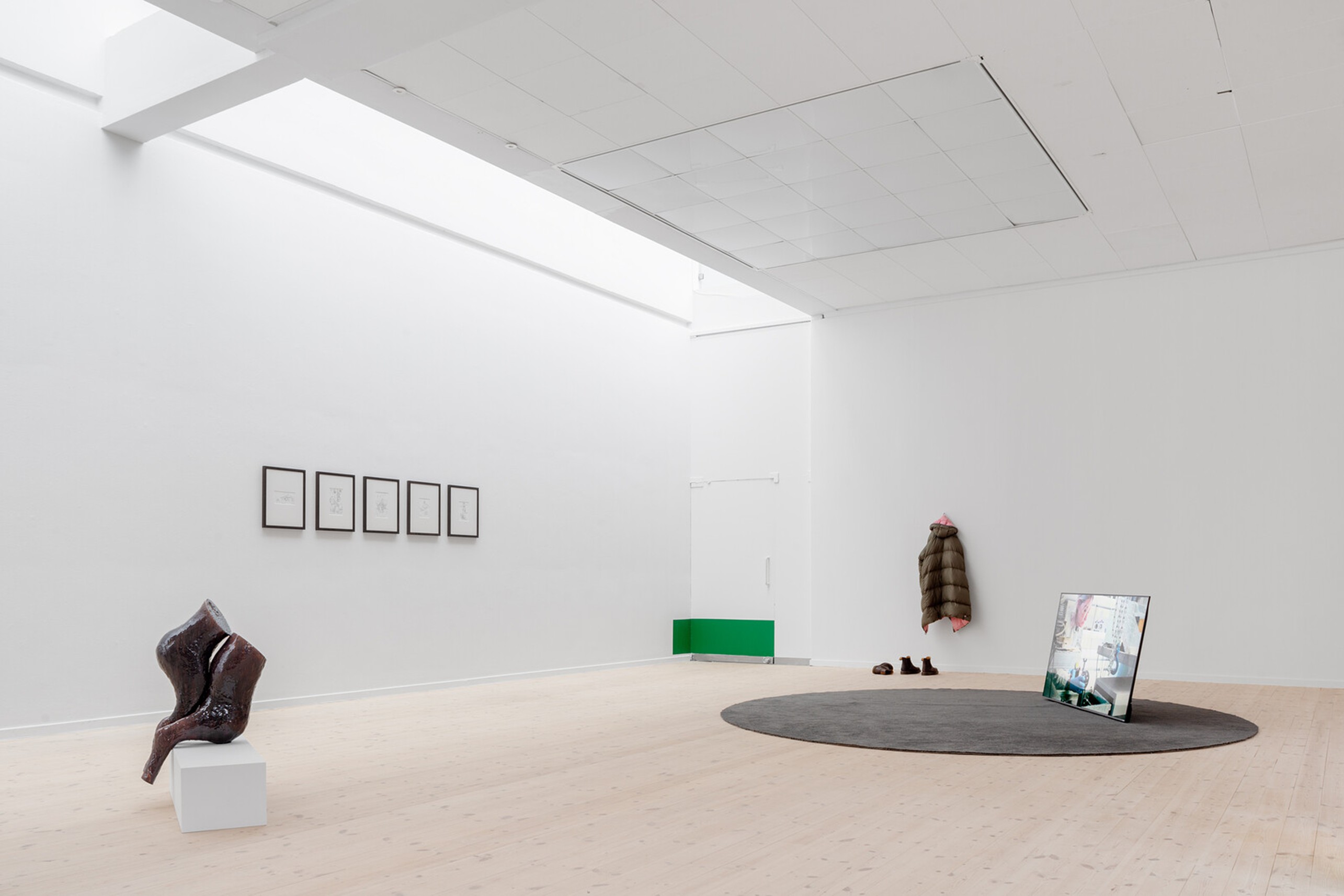
Ryu has participated in numerous group exhibitions at domestic and international institutions, such as the Museum of Oriental Art (Turin, 2024), Kunsthal Aarhus (Aarhus, 2024), Nam June Paik Art Center (Yongin, 2024), Singapore Art Museum (Singapore, 2024), SONGEUN (Seoul, 2021), and ARKO Art Center (Seoul, 2020).
Awards (Selected)
Ryu was also recognized as the youngest recipient of the 19th Hermès Foundation Missulsang.
Residencies (Selected)
Ryu has been selected as an artist-in-residence at the Seoul Art Space Geumcheon (2022), Singapore Art Museum Residency (2023), and DOOSAN Gallery International Residency Program (2024).
Collections (Selected)
Ryu’s works are housed in
prominent collections, including the National Museum of Modern and Contemporary
Art, Korea; Seoul Museum of Art; Nam June Paik Art Center; and more.