Exhibitions
《Deep in the Forking Tanks》, 2019.11.29 – 2020.02.09, Art Sonje Center
November 25, 2019
Art Sonje Center
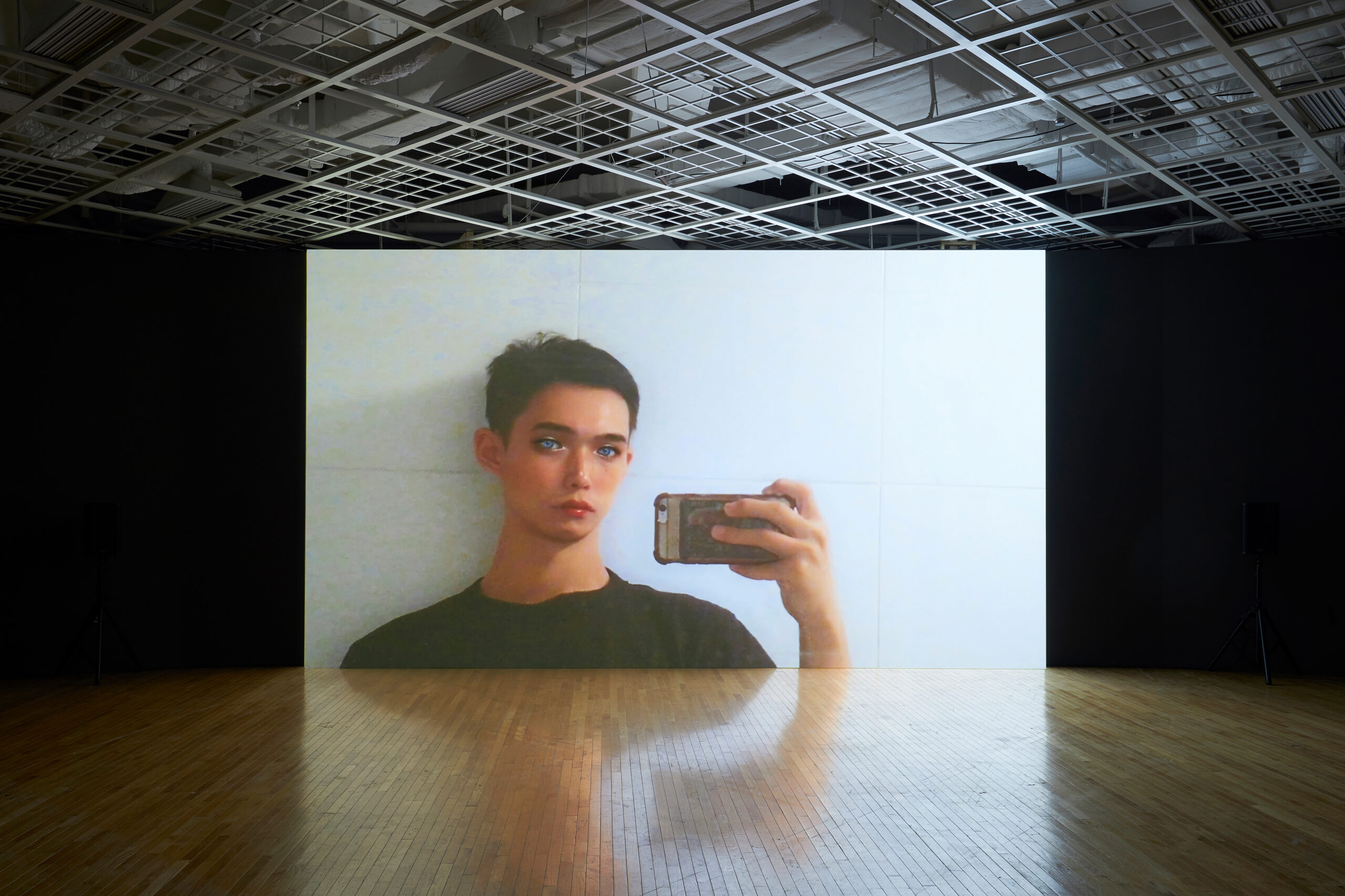 Kim
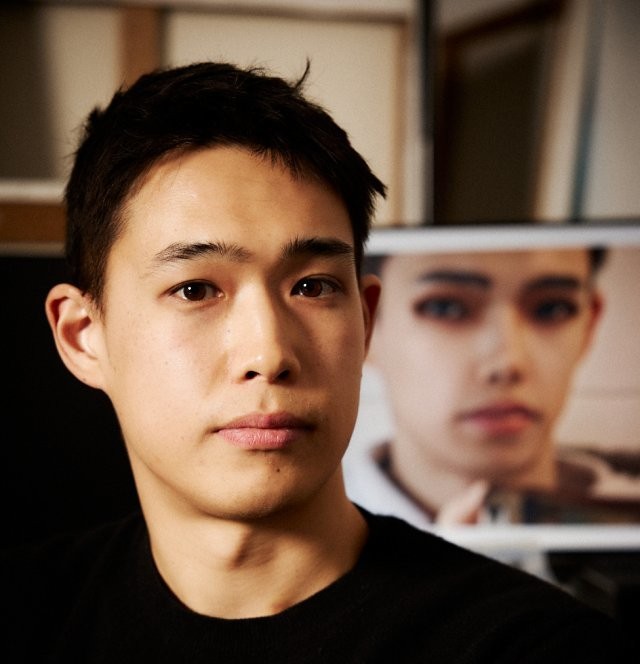
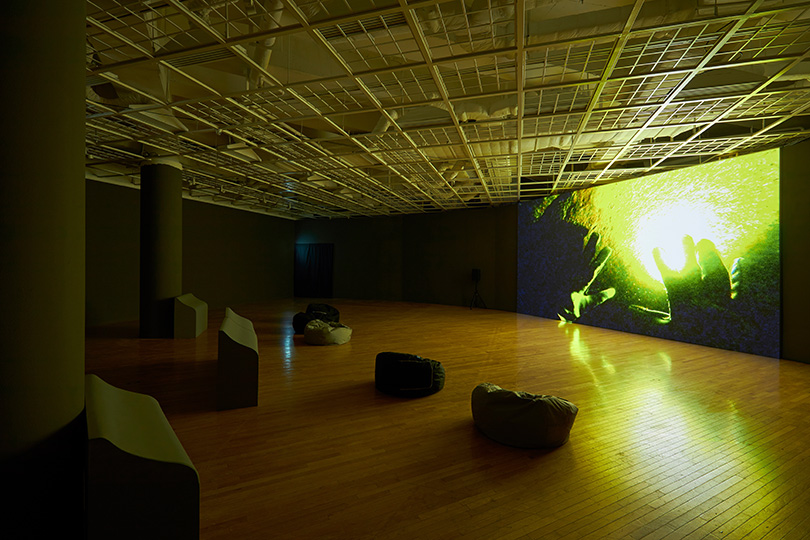
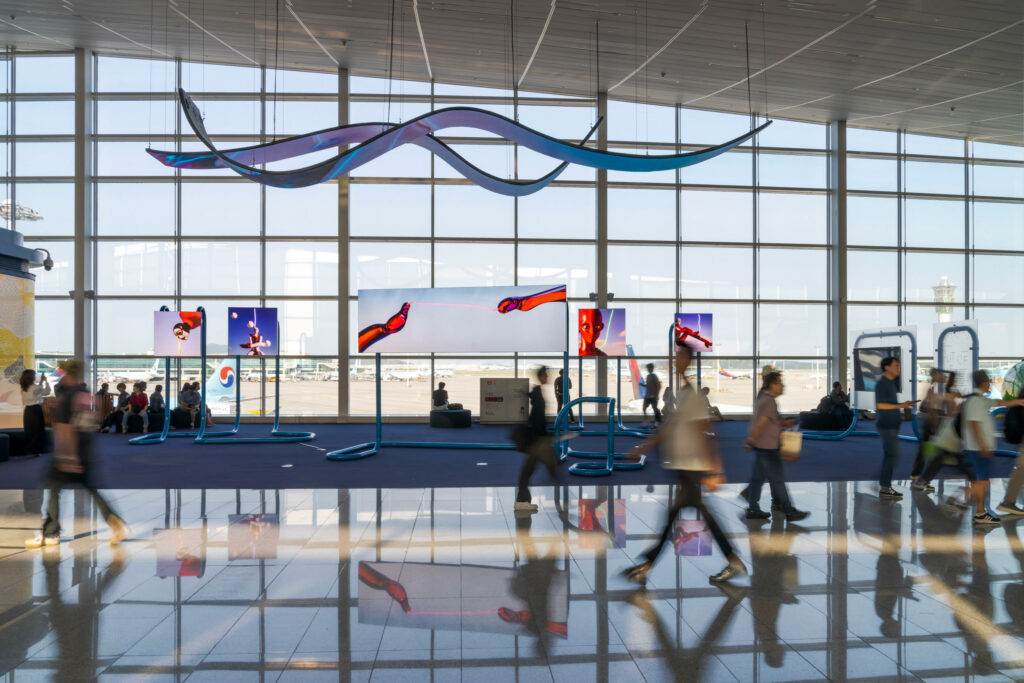
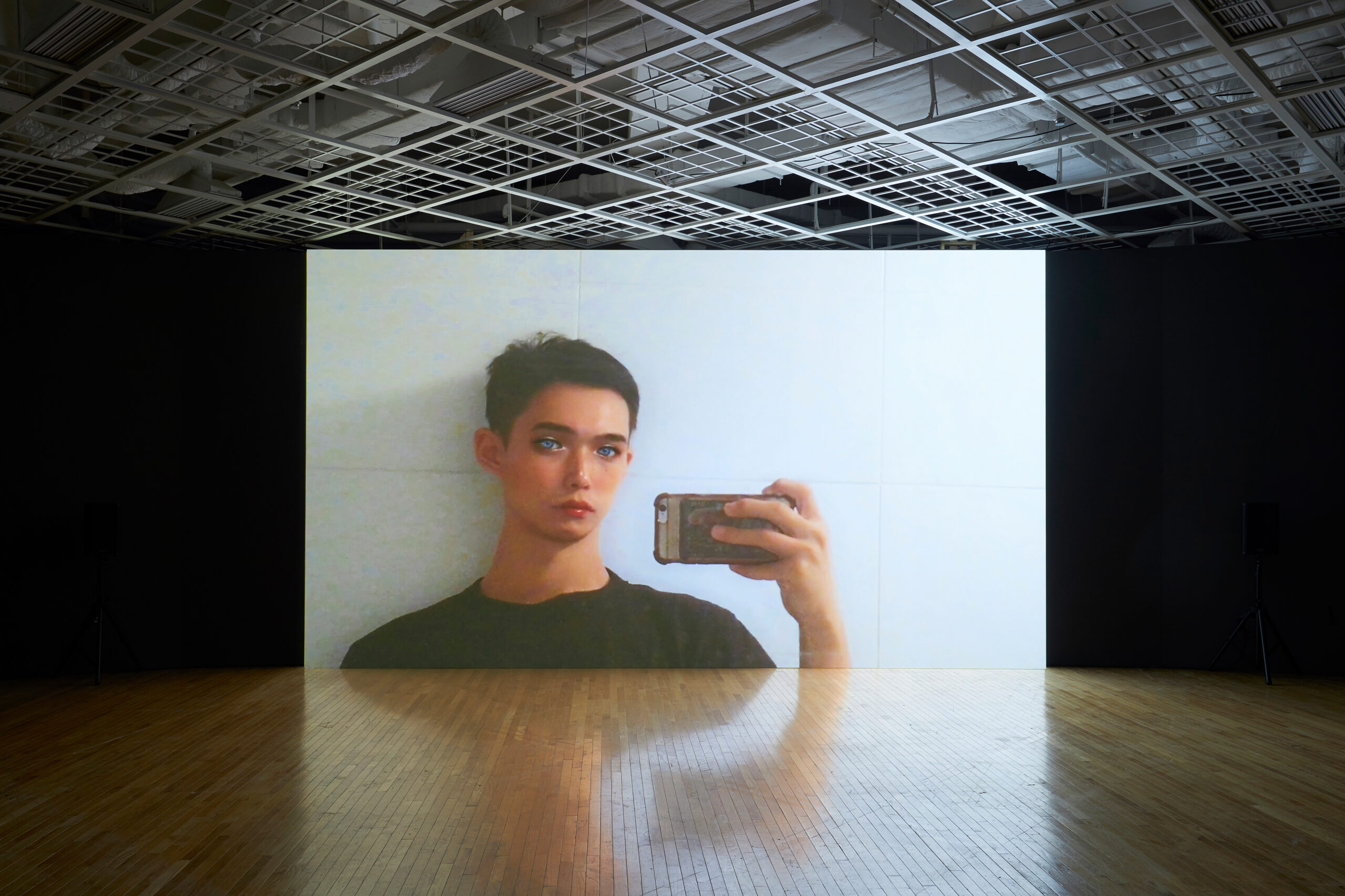
Heecheon, Deep in the Forking Tanks, 2019, Installation view
of 《Deep in the Forking Tanks》 (Art Sonje Center, 2019-2020) ©Art Sonje Center
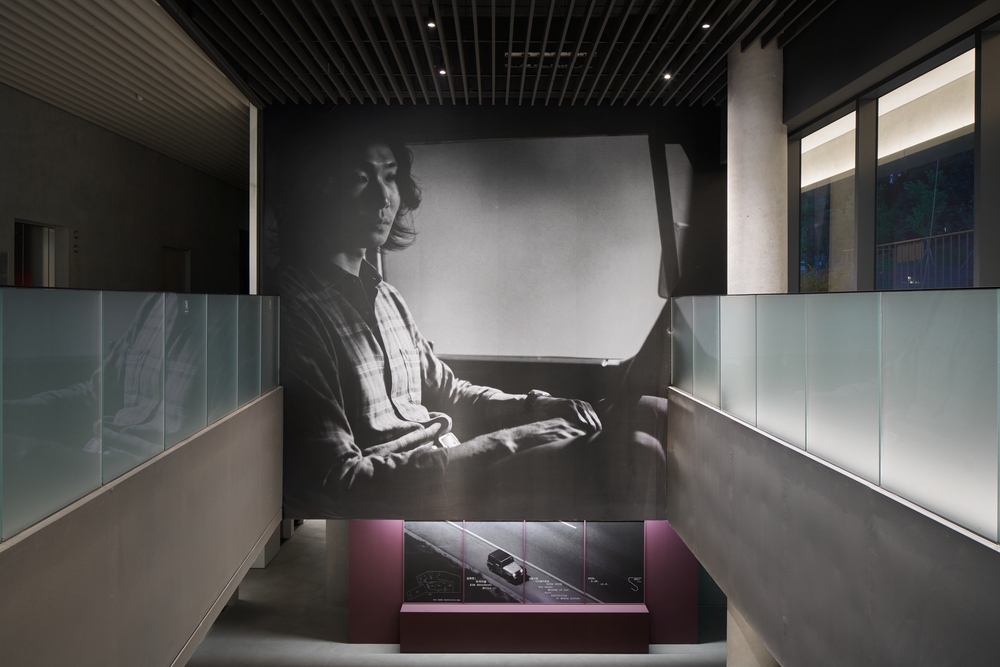
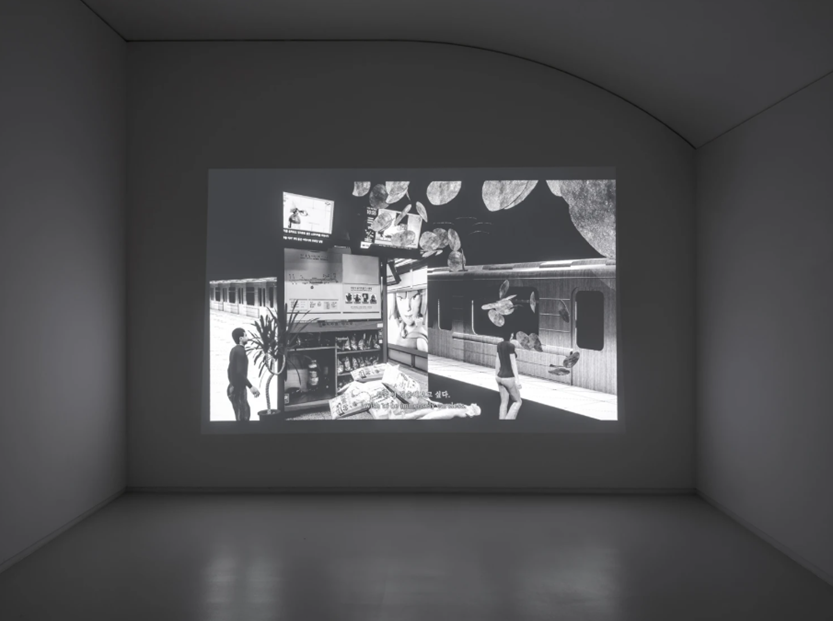
Kim
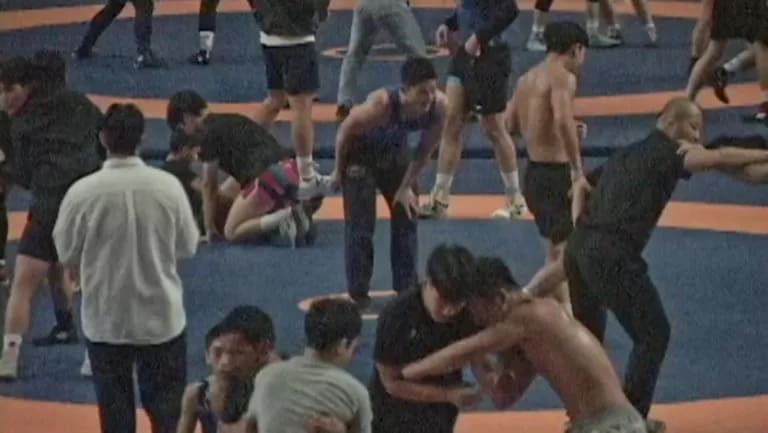
Heecheon, Deep in the Forking Tanks, 2019, Installation view
of 《Deep in the Forking Tanks》 (Art Sonje Center, 2019-2020) ©Art Sonje Center
For
some people, perceptions of an object are stimulated in a different way,
leaving them in a world that is not the reality. They experience an odd
phenomenon where the cracks leading to the outside world keep narrowing and
disappearing.
Something
keeps digging in between the different pixels and frames that serve as new
cracks in this world, which are constantly being filled back up. Before, the
cracks were filled at a fast rate; at some point, it began to approach real
time, and now it has gone beyond real time to reach the future.
Deep
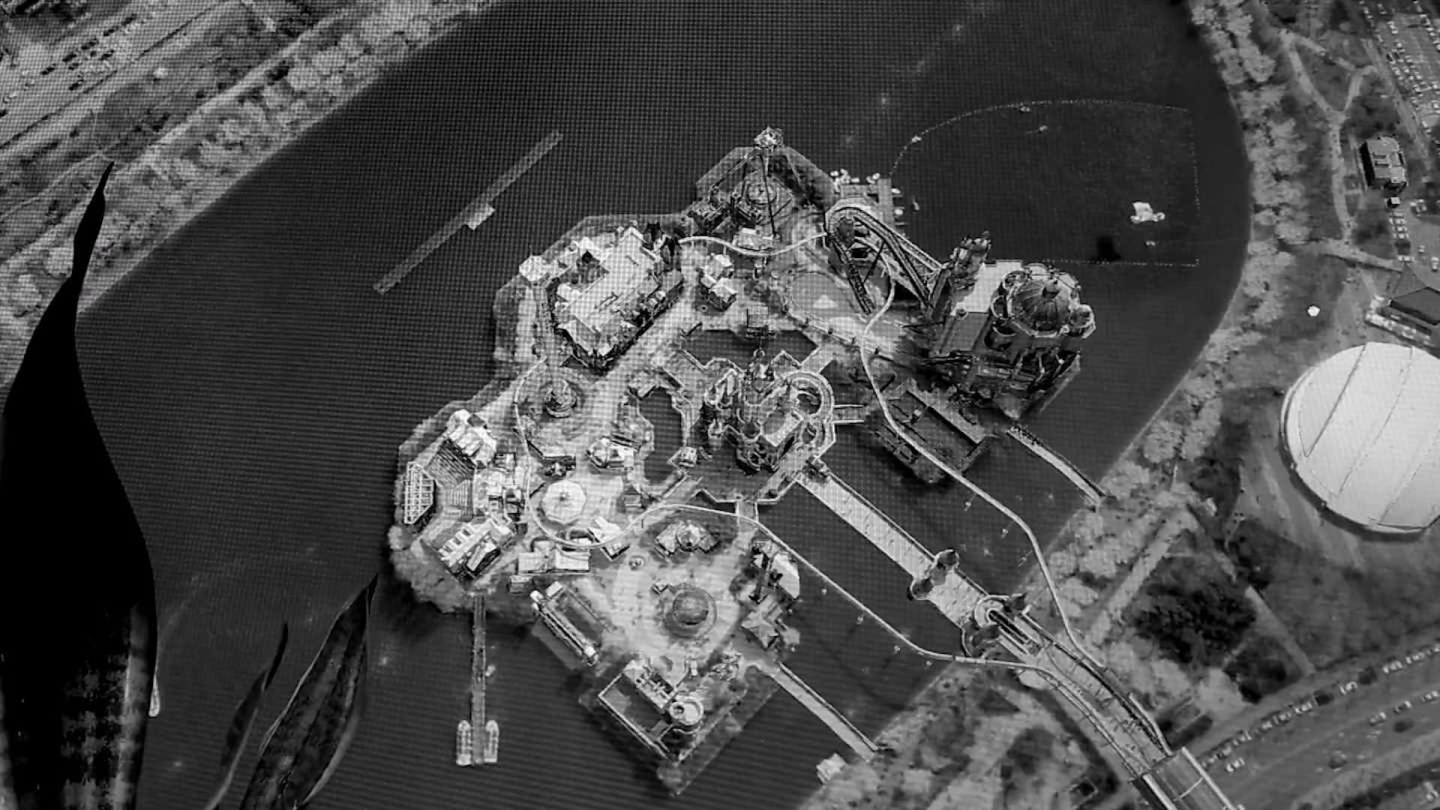
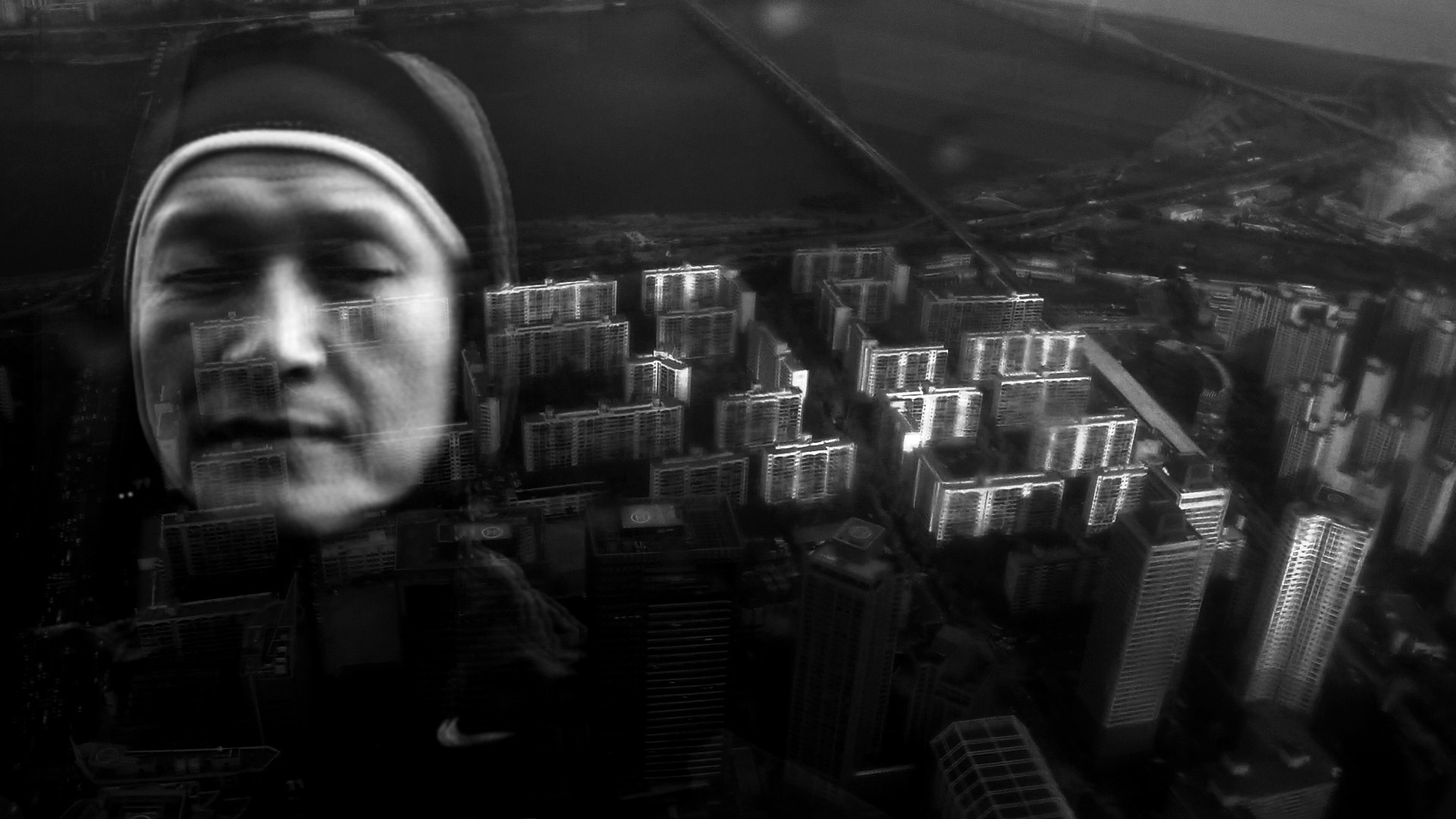
in the Forking Tanks, the new video that provides the title for this
exhibition, has artist Kim Heecheon meeting with divers and venturing down deep
into the water. Before entering the water, he goes into a flotation tank to
experience a simulated dive.
Also
known as a “sensory deprivation tank,” it is quite literally capable of cutting
off sense of sight, hearing, and smell. Inside one of these tanks, a person
loses the sensations of their body and is capable of focusing fully on their
mind. (Indeed, it is for this reason that athletes have sometimes used the
tanks for “image training.”)
But
as the training goes on, one starts to become confused at whether they are in a
simulation or actually diving. While they are being drawn into a state in which
their consciousness of physical reality is unclear, another sensory stimuation
from the tank itself gains momentum. The “tank” here is a kind of frame that
can blur the boundaries between the real and unreal perceptions, and the same
time accentuate those boundaries.
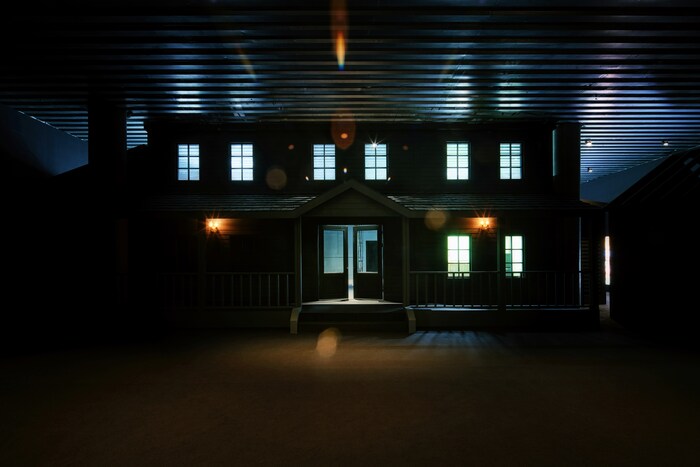
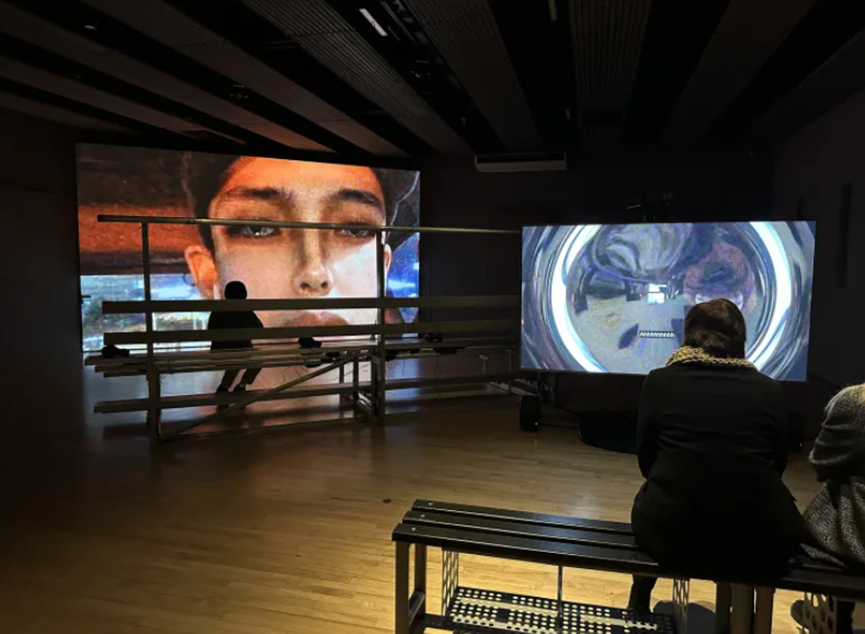
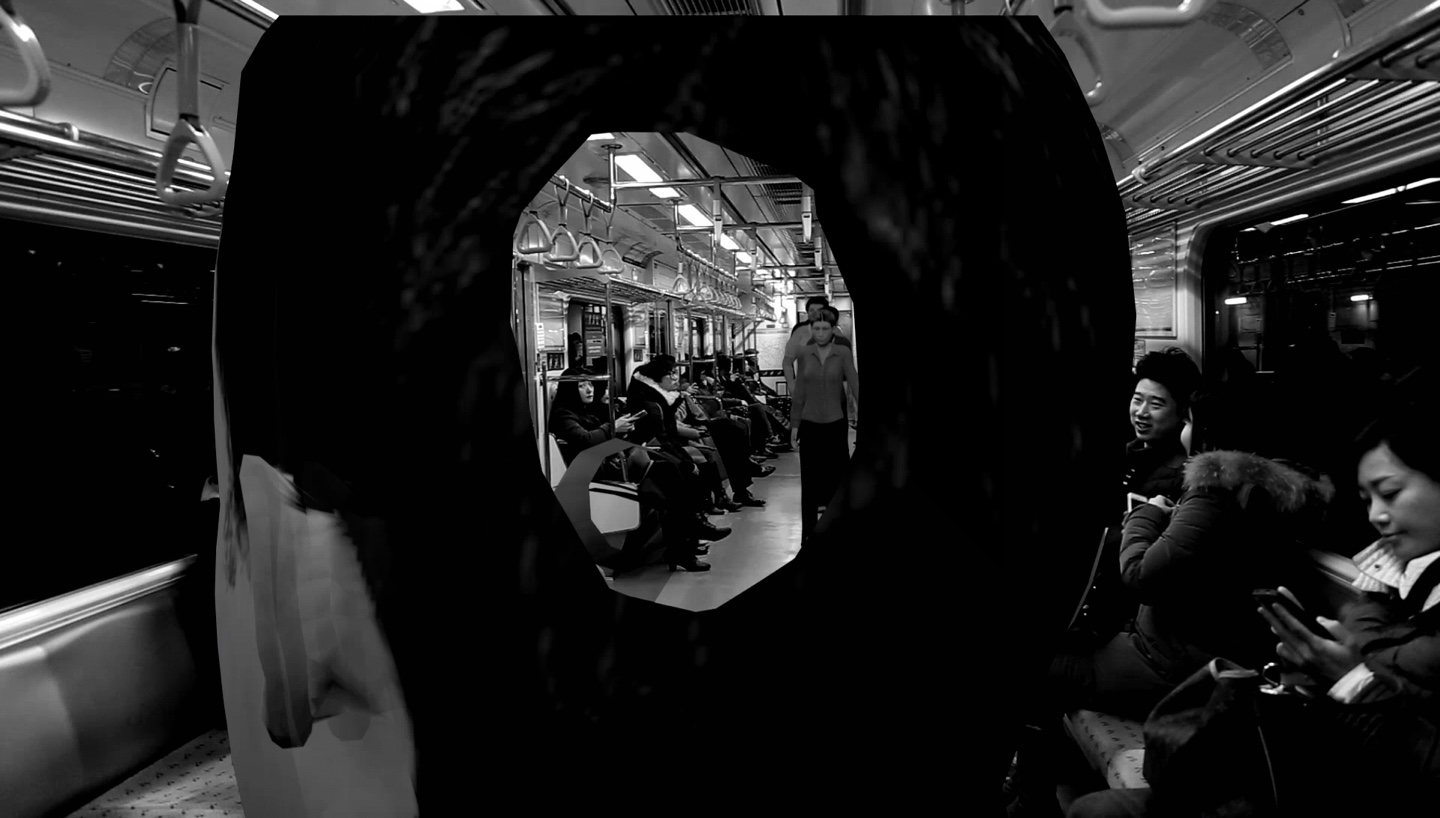
 Kim
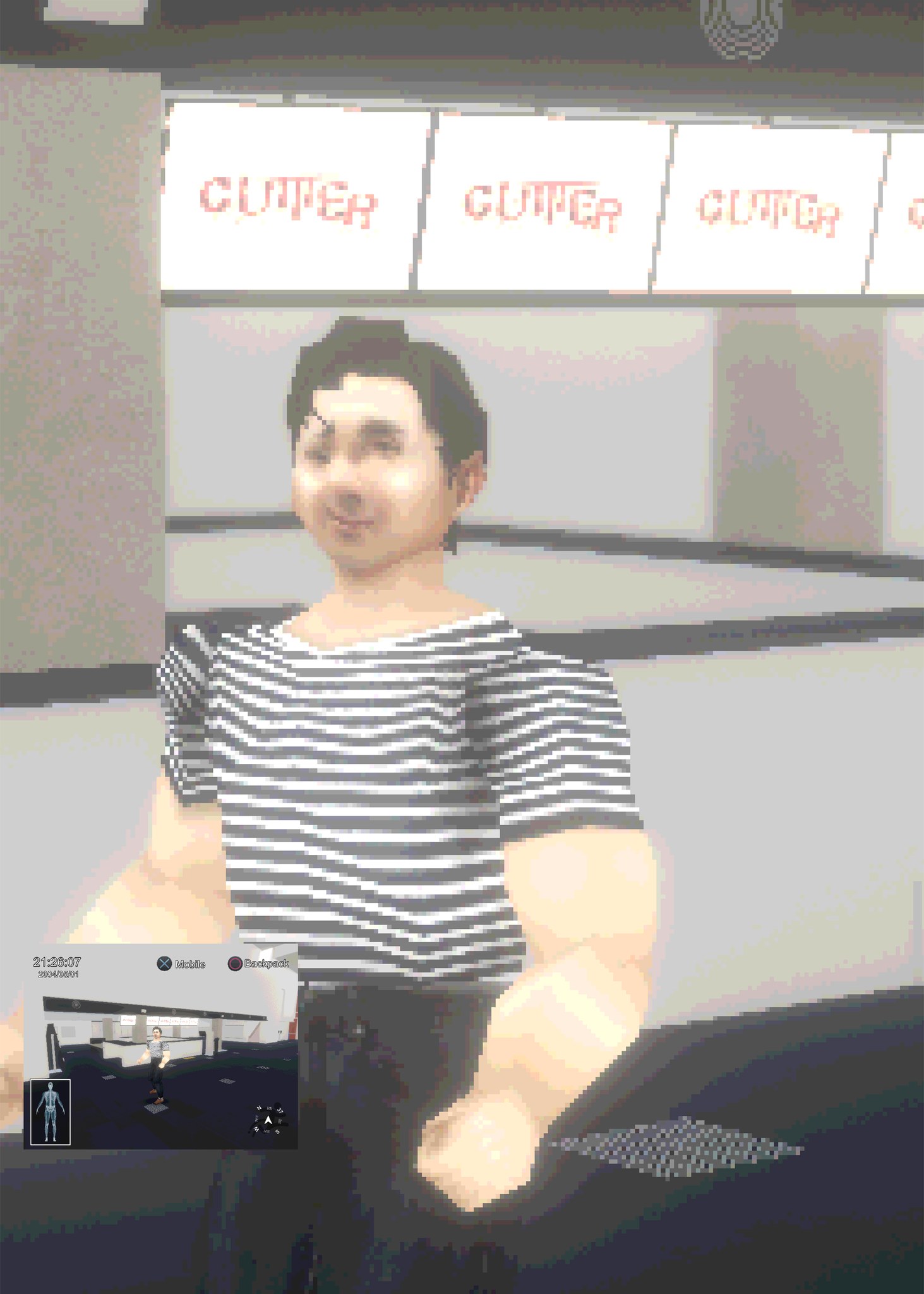
Heecheon, Deep in the Forking Tanks, 2019, Installation view
of 《Deep in the Forking Tanks》 (Art Sonje Center, 2019-2020) ©Art Sonje Center
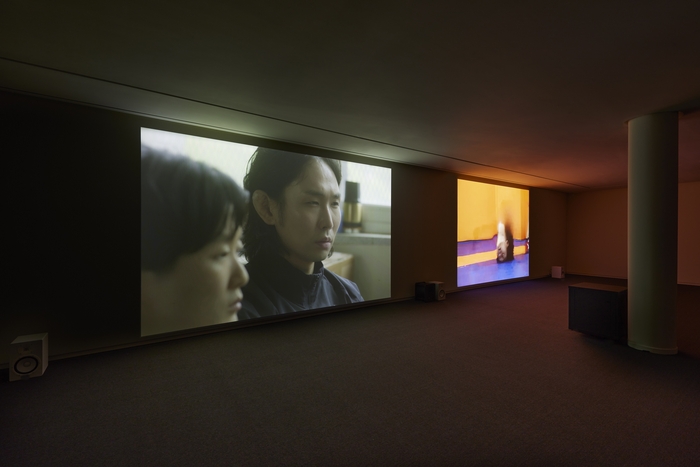
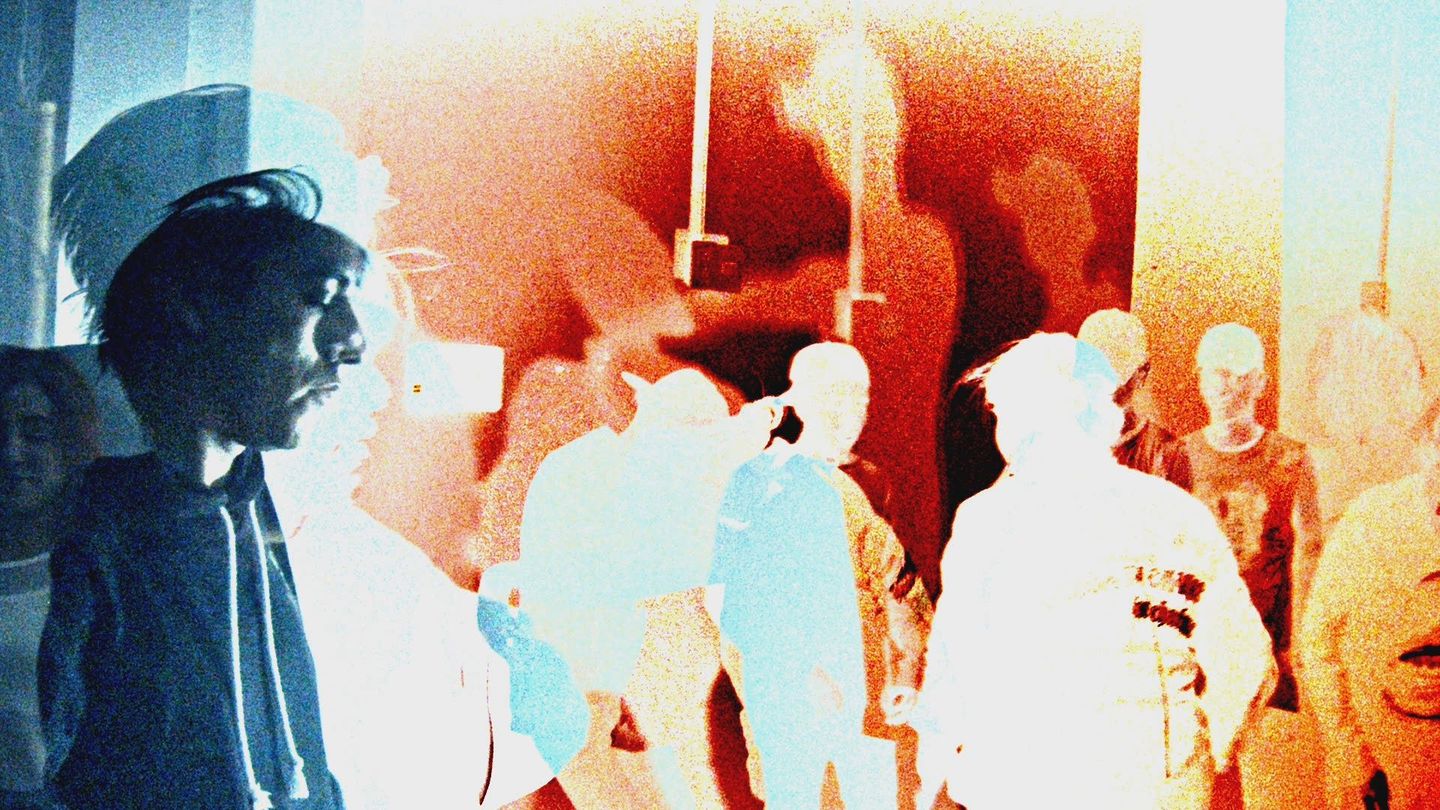
Kim
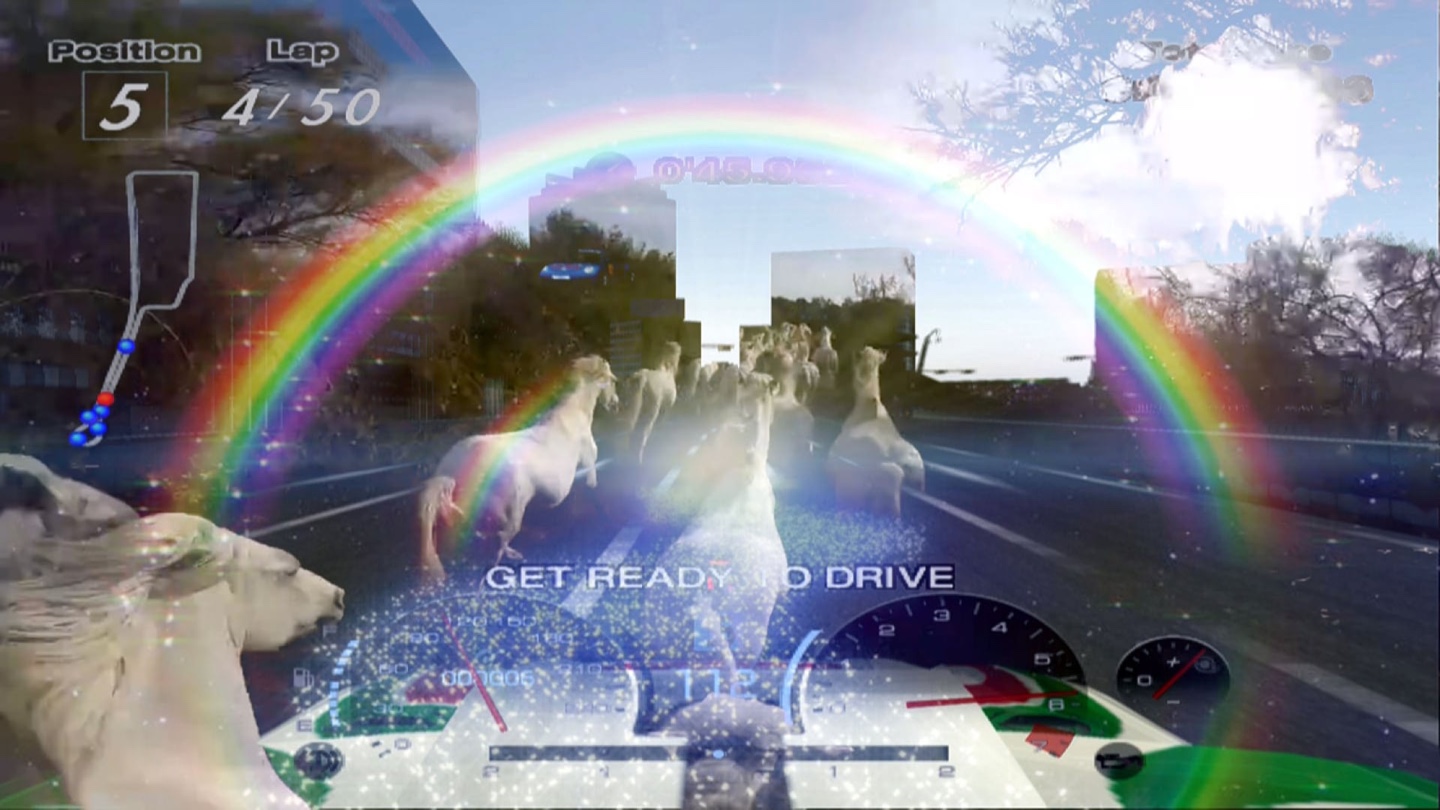
Heecheon, Deep in the Forking Tanks, 2019, Installation view
of 《Deep in the Forking Tanks》 (Art Sonje Center, 2019-2020) ©Art Sonje Center
As
he constructs his narratives in the video medium, Kim Heecheon applies his
patterns and submits them to a testing process. First, he records an actual
situation with documentary-like footage. This record is used as the “actual”
material to support his hypothesis. The artist actively applies digital
technology to his footage – GPS, VR, face swapping, games, and so forth – which
becomes a set of tools for achieving somehow “unreal” layers within a real
situation.
In
his artistic practice, these digital applications are one of his primary visual
rhetorics and serve as media to stimulate different perceptions of reality.
Through these methods, Kim presents us with an unusual situation in which no
distinction are drawn between the virtual perceptions and reality that human
beings are conscious of – where the boundaries between them disappear and
reappear. Observing how developments in technology have resulted in technology
becoming an invisible presence, he recognizes that this phenomenon is taking
place at a far faster rate than human beings are able to calculate.
He
uses ostensibly “futuristic” digital technology and images to produce his
artwork, but the “future” narrative he presents is a departure from our
ordinary expectations when we imagine the future.
For
human beings, cognition and consciousness can be as realistic as physical
states. We sometimes experience how a perception can become immense that it
blurs our awaraness of the reality that surrounds us. There are moments when
theories and concepts of reality lose all meaning, when all that matters is the
state we are perceiving. Historical time does not apply to the temporality of
such moments, which can proceed toward any point at any speed. Kim Heecheon’s
narratives unfold according to this temporality.
For
the viewer, this comes across like an experience with a new world ahead of any
interpretation of it as an object. Some people may perceive the temporality
within Kim Heecheon’s nimbly unfolding narratives as akin to a new experience –
but it is actually similar to enter an incisive realistic device, like a lens
offering an omniscient perspective on the human being inside of the “tank” as
another temporal world without realizing it. As something all of us living in
these times have arrived at ourselves, this odd temporality is utterly
realistic.