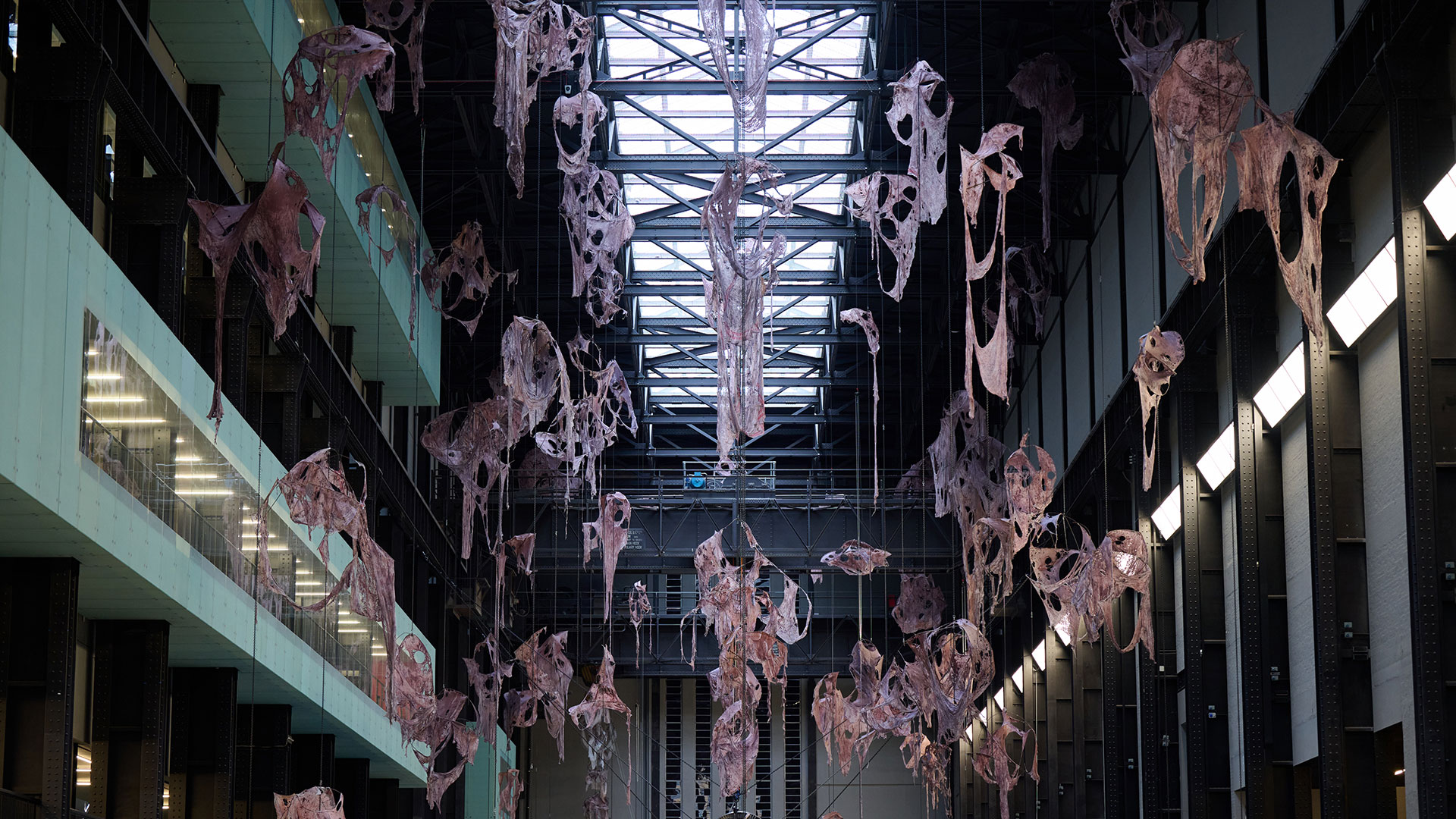
Adrift deep beneath the sea, a
life form seems to have appeared, swimming desperately upward in the hope of
finding air above the surface. Having swum up from the damp bottom of a swamp,
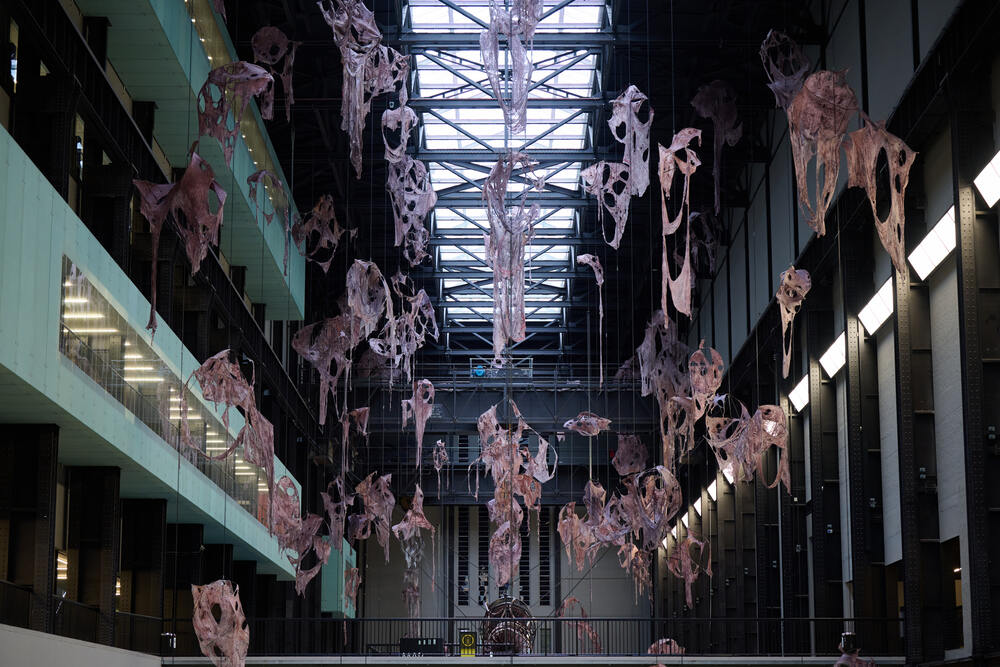
the stagnant water is now clouded—no, it is murky. The grotesque sculpture
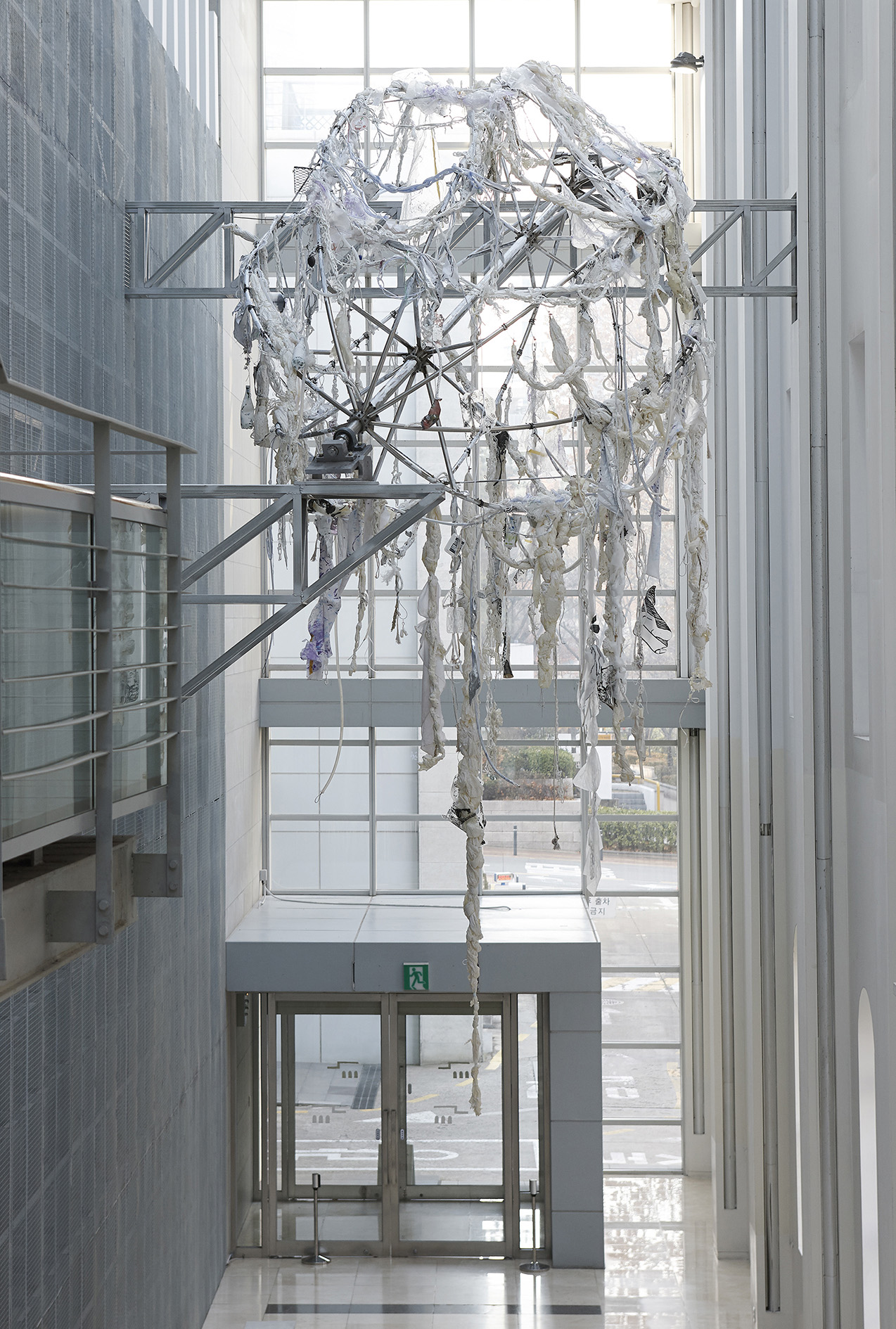
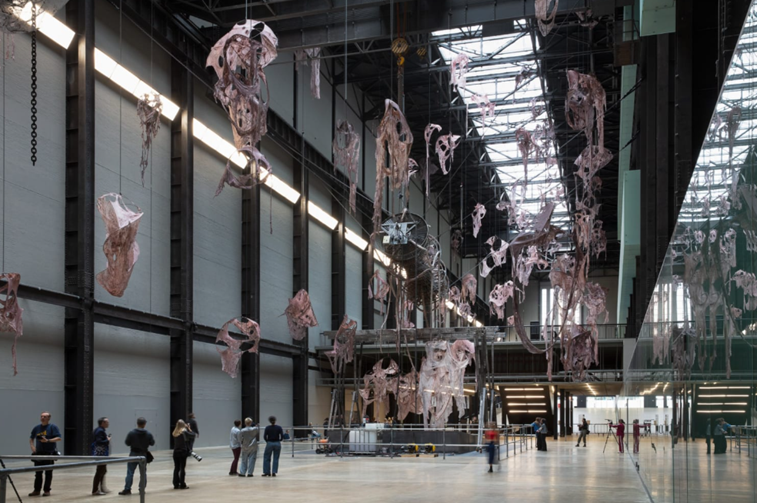
floating through the exhibition hall acts as both a breathing organism and a
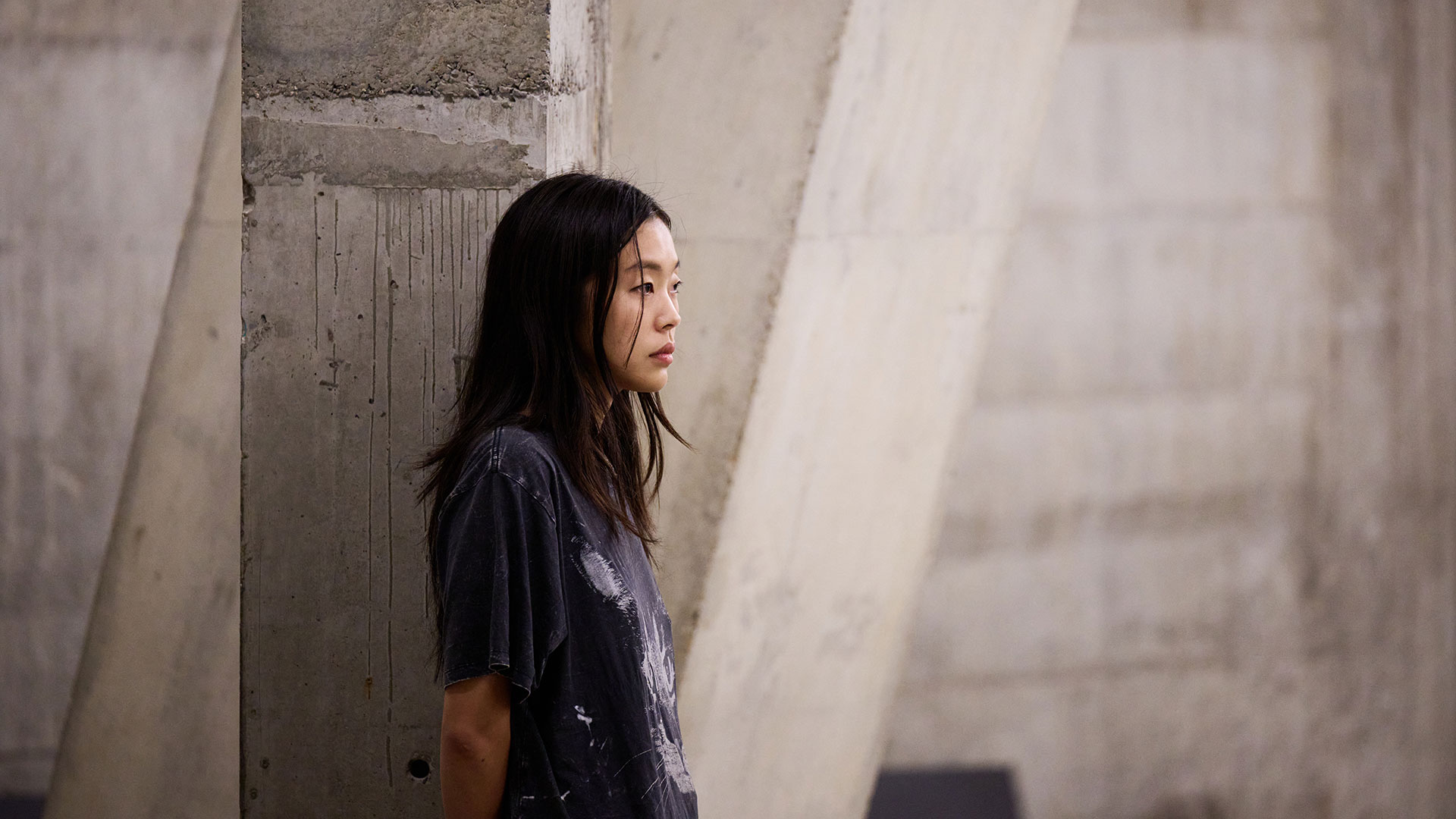
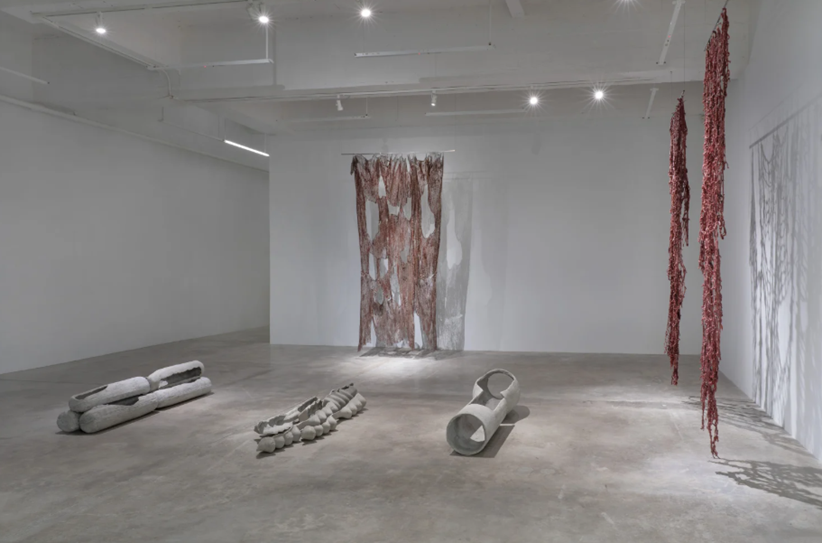
mechanical entity. On the fourth floor of the New Museum, installation sculptor
Mire Lee presents her solo exhibition, "Mire Lee: Black Sun," from
June 29 to September 17.
Drawing inspiration from the
body, architecture, horror, pornography, and cybernetics, Lee intuitively
expresses the characteristics that exist between the complete sensory
experience of the body and the technological realm through her kinetic
sculptures and installations. Her practice persistently explores the extreme
coexistence of life—disgust and anxiety, joy and euphoria—the fusion of the
organic and the mechanical, the fear and beauty of mortality, the boundary
between animality and symbolism, and studies of gender and femininity. Her
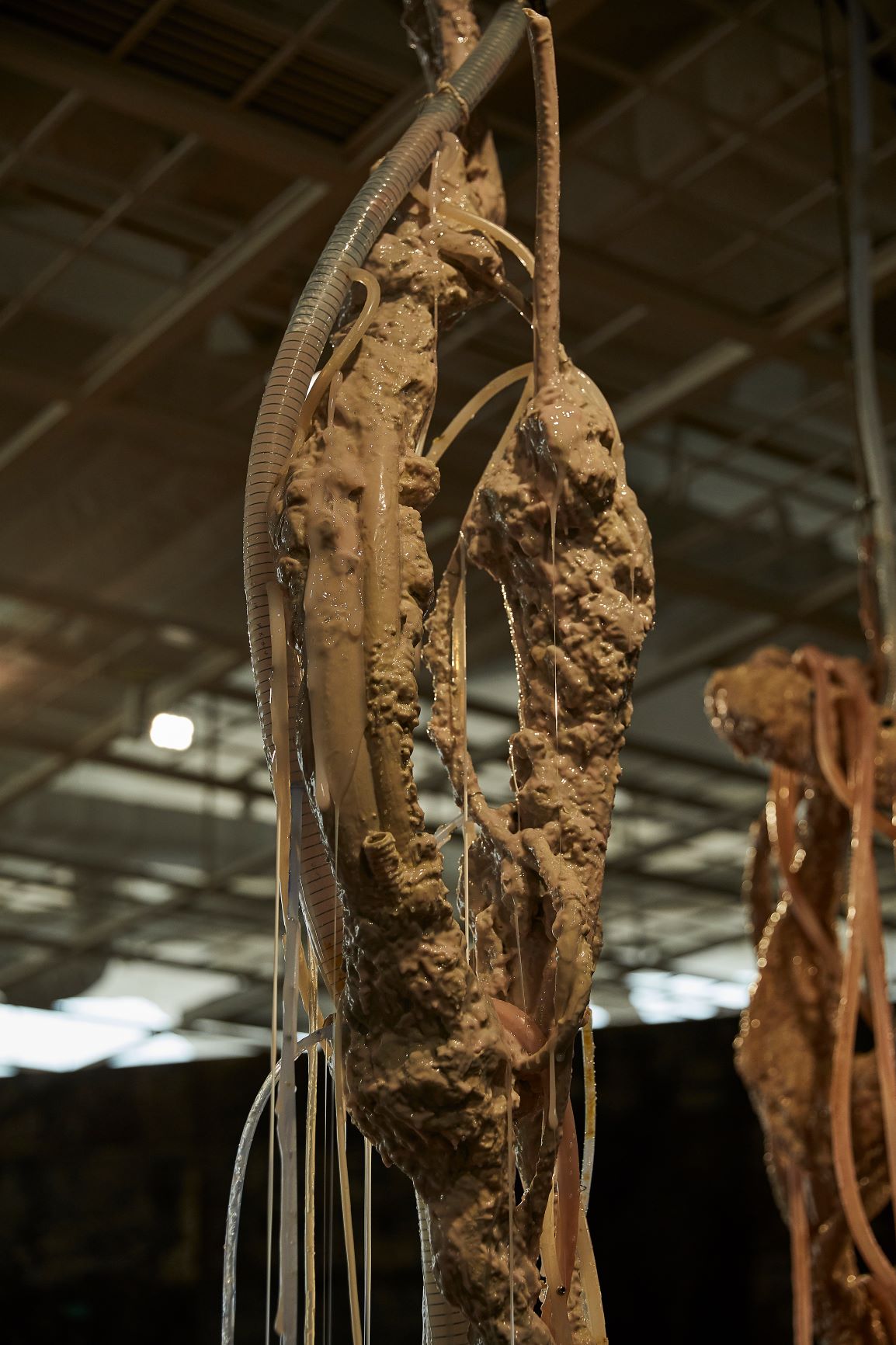
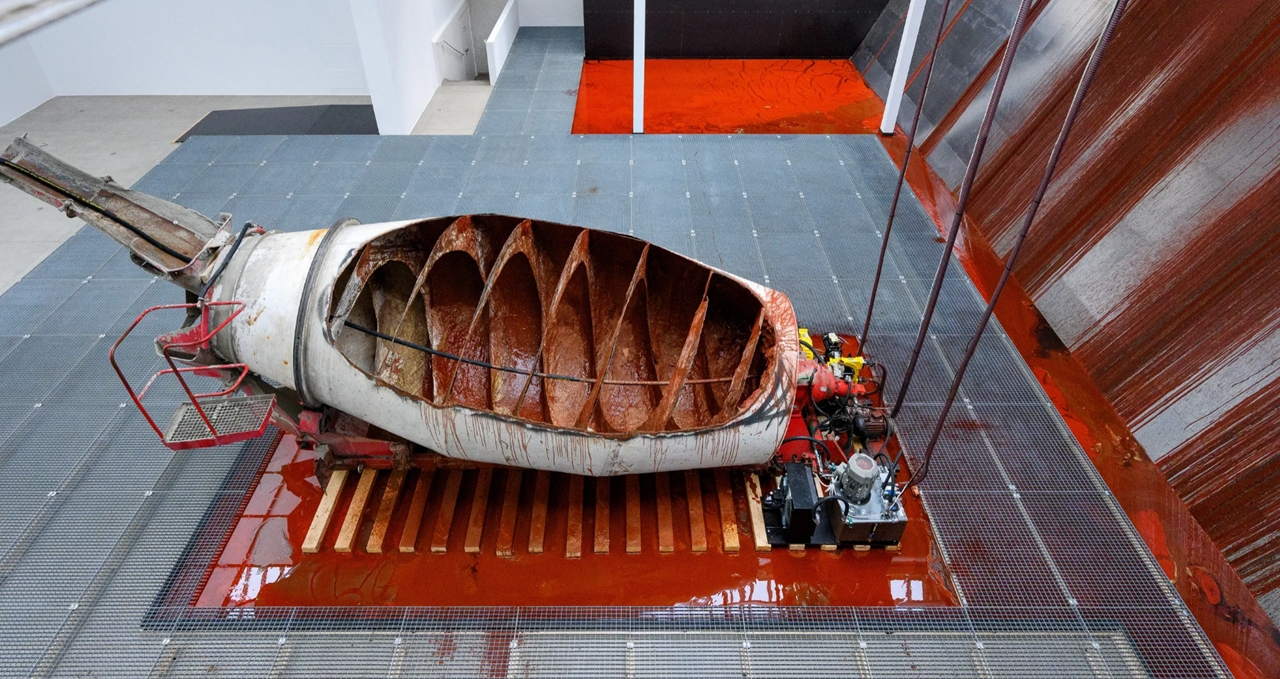
grotesque mixtures of motors, glycerin, silicone, clay, and hoses, outwardly
repulsive, paradoxically possess an intense allure. The melancholia that fills
the dark, dingy exhibition space is surely not felt by the viewer alone.
For this exhibition, Lee draws
from Bulgarian-French feminist, philosopher, and psychoanalyst Julia Kristeva’s
1987 book "Black Sun," appropriating the notions of depression and
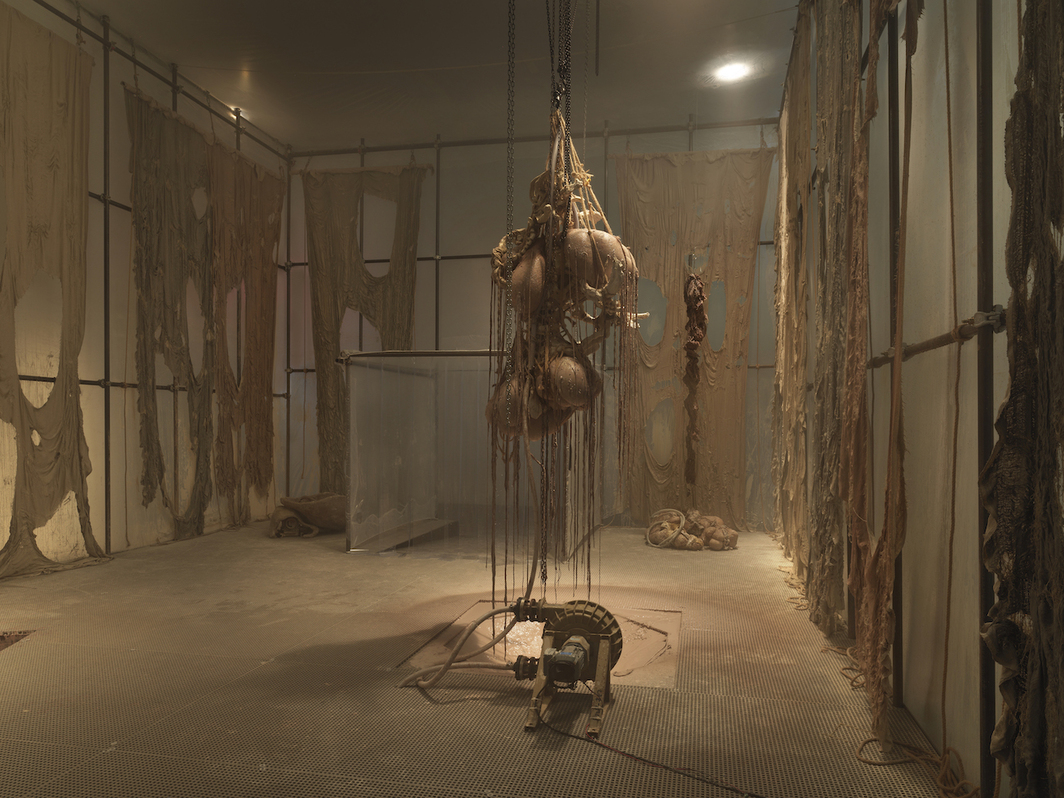
melancholia through her installation work. With her sagging, viscous
sculptures, she evokes sensations of sorrow, existential questioning, and the
despair that arises from the pain of human relationships. The heavy atmosphere
envelops the entire space, and the silence of the floor amplifies the unease.
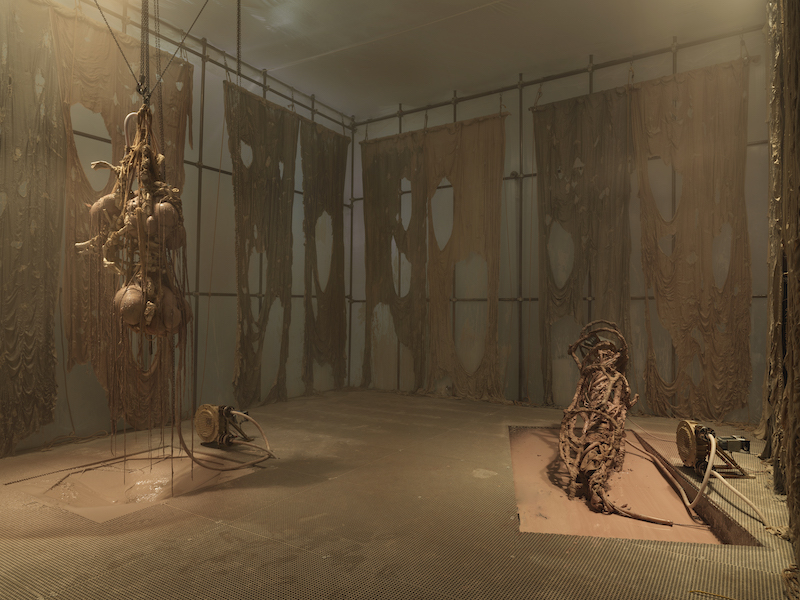
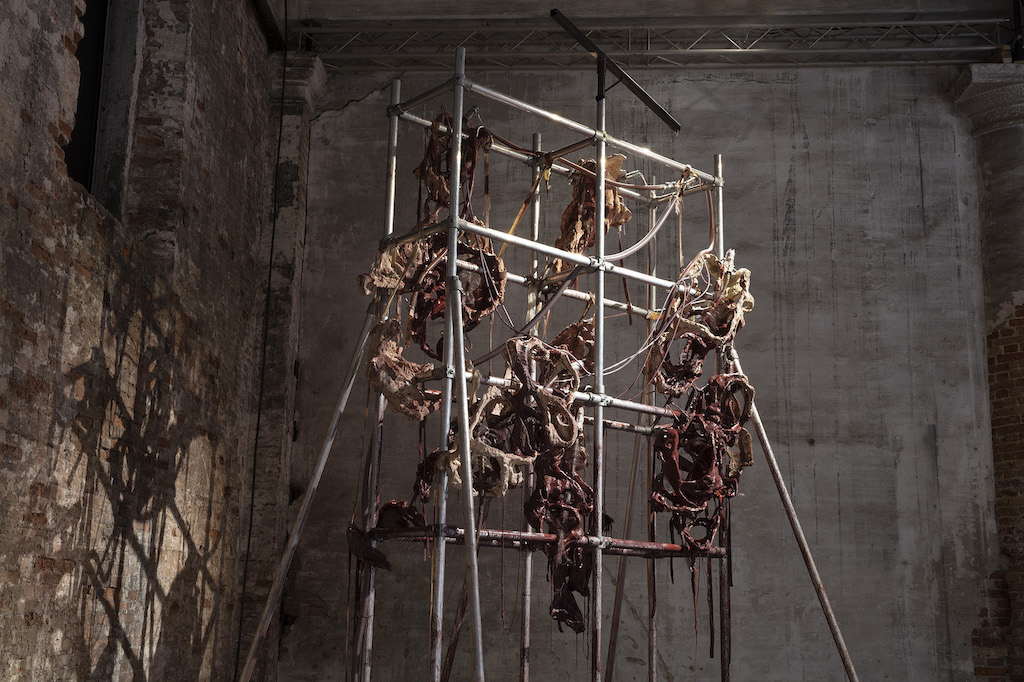
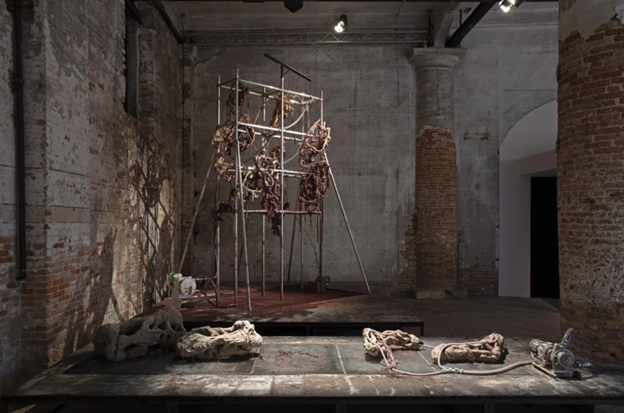
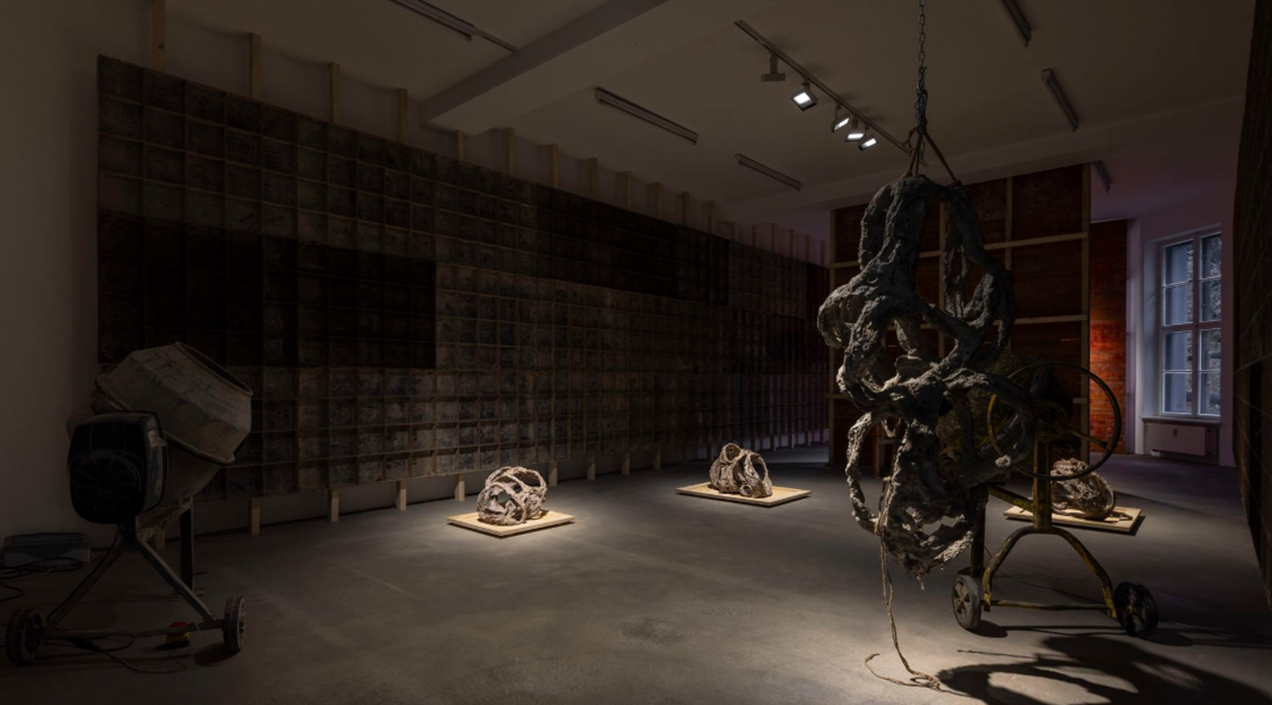
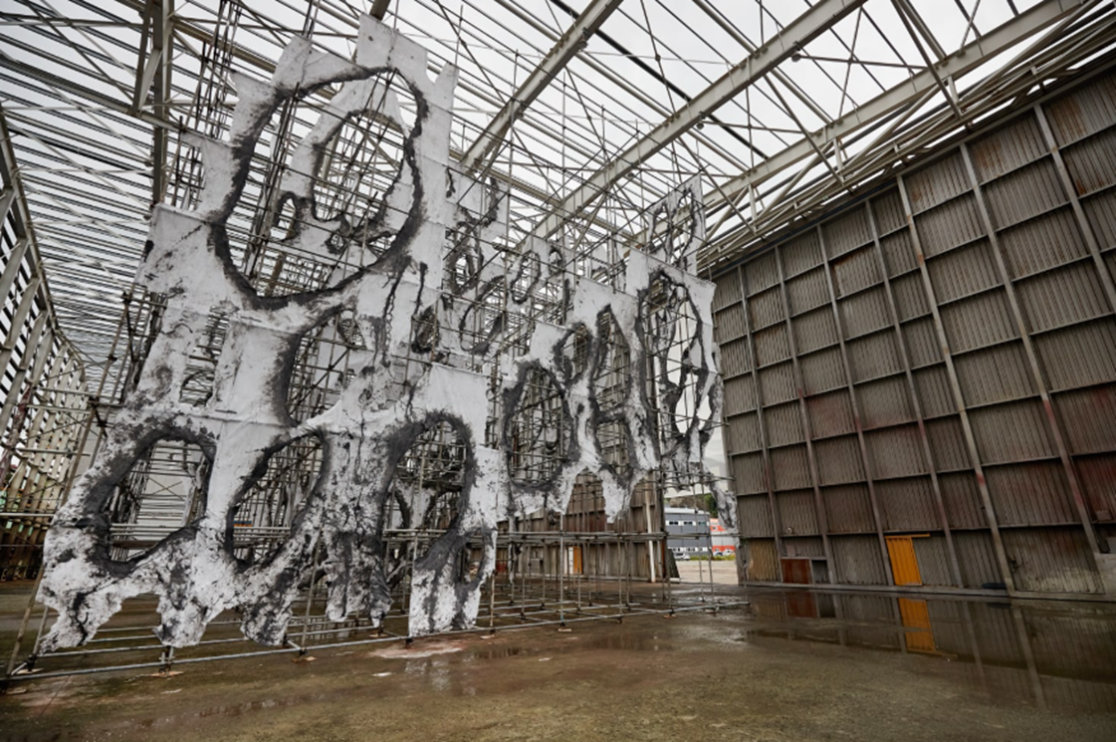
Within the large steel structures specifically created for this exhibition,
visitors are invited to experience a suffocating, uncanny world where dripping
fabrics and thick, cement-like fluids seem to desperately expel feelings of
discomfort, fear, sadness, and ennui. Kristeva defines melancholia as a
condition where time itself stands still—a stasis bound to a particular moment.
In Lee’s work, the sticky cement that endlessly flows but ultimately solidifies
dramatizes this arrested temporality. Her sculptures exist on the grotesque boundary
between emotion and machinery, creating a sacred, fractured reality where the
raw tactility of materials embodies psychological loss and emotional emptiness.
Sigmund Freud’s theory of the
uncanny (unheimlich) suggests that a specific kind of fear arises from the
unsettling return of what was once familiar yet repressed. Lee’s sculptures
echo this notion vividly: haunting presences emerge from ruins, reminiscent of
the unpredictable creatures in films like "The Host." These monsters,
seemingly born from the dark depths of oceans or desolate wastelands, embody
both menace and sublimity. To understand Lee’s work more profoundly, one must
grasp Kristeva’s concept of "chose," an ineffable entity tied to
early maternal relationships—a silent testament to fragmented and failed
attachments. Lee’s sculptures suggest that the root of human passion lies in
the unattainable desires projected onto others.
Standing at the entrance to the
exhibition, one feels blocked, as if floating within a stalled world. The
towering vinyl walls and torn skins, resembling fragile membranes, guide
visitors into a mysterious realm of anguish, fear, joy, and sadness. In Black
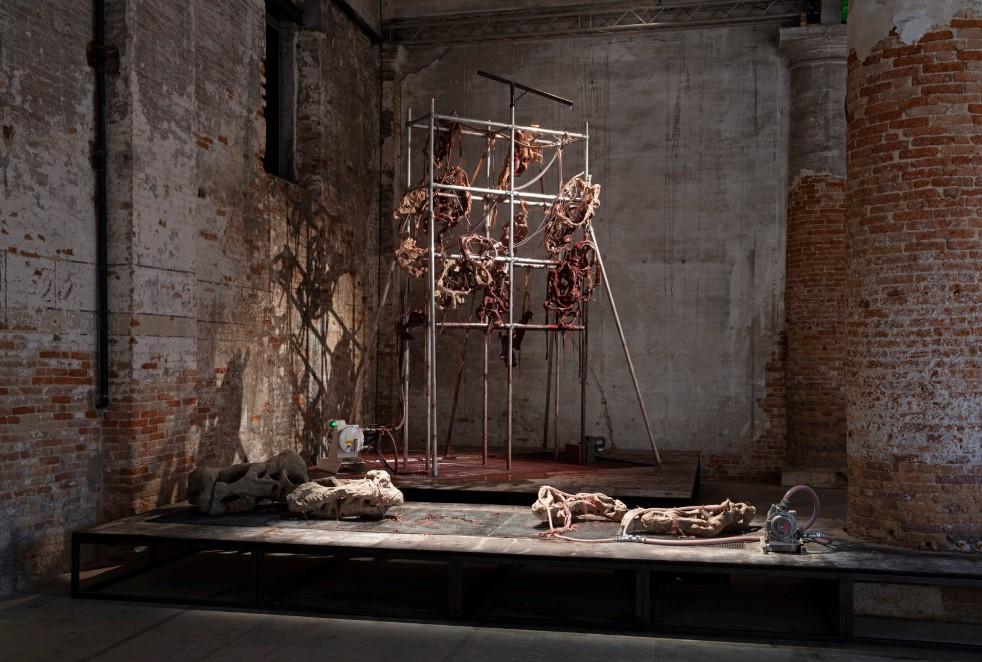
Sun: Vertical sculpture (2023), a suspended grotesque organism
resembles a corpse succumbing to despair, a body paralyzed beyond movement—no
longer ego or id, but something in-between. Not nothingness, but a heavy,
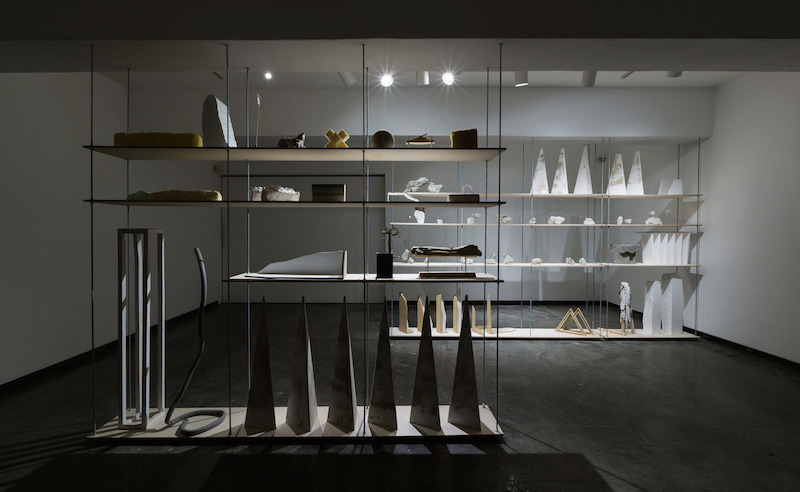
unclassifiable mass that weighs down the self. Similarly, Black Sun:
Studio prototype #2, #3 (2023) evokes monumental stones, embodying
oppressive, meaningless burdens that mirror existential despair.
Lee’s exploration of
abjection—linked to the body's waste and its abject states—becomes central to
her work. Kristeva posits that excretions like pus and filth mark the fragile
boundary sustaining life against death. In Black Sun: Asshole
sculpture (2023), Lee visualizes biological survival through the
imagery of expelling fluids and rot. Across her previous projects, including
the Venice Biennale (2022) and Carnegie International (2022), Lee has
consistently generated uncanny materials—regurgitated, spilled, oozing
substances that suggest alien existences born from forgotten bodily memories.
Lee’s exceptional technical
prowess evokes the feeling that she could conjure creatures straight from the
Han River’s depths. She visualizes the hidden, unspoken life beneath the skin,
preserving and extending life through her tactile, viscous installations. The
ambiguous substances, the alien textures, and the visceral materiality evoke
forgotten desires and obscure life forms.
In her new body of work, lowly
materials, traces of sexual difference, polluted elements, and broken machines
come together in a grotesque yet mesmerizing fusion, birthing new forms of life
that eventually return to a liberated self. Perhaps, that ultimate destination
is a return to a maternal embrace. In the world of melancholia, where the dark
abyss, the extinguished sun, cold ruthlessness, and suspended time prevail,
Lee’s monstrous creations fight desperately to live—to breathe—even under the
unbearable weight of despair.
To sink again, deeply, struggling
even to breathe.