As part
of its residency program, Incheon Art Platform is carrying out the “Creation
& Production Project” to support the creative activities of its 2022
resident artists. As the twelfth project in the visual arts category this year,
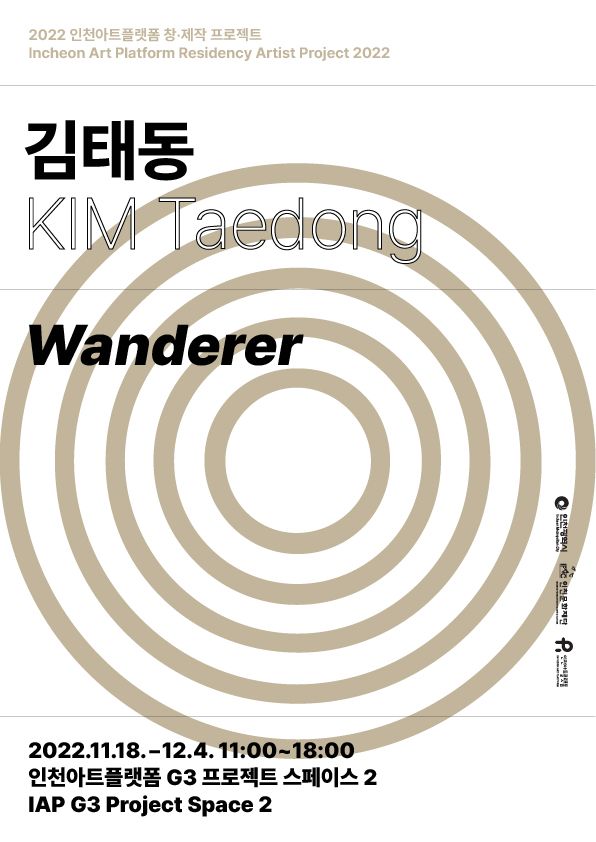
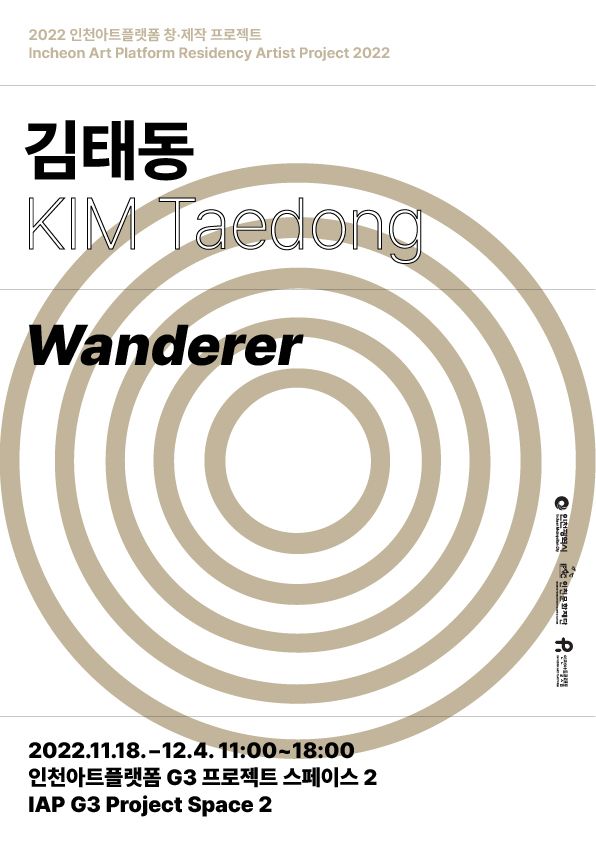
it presents Kim Taedong’s exhibition 《Wanderer》.
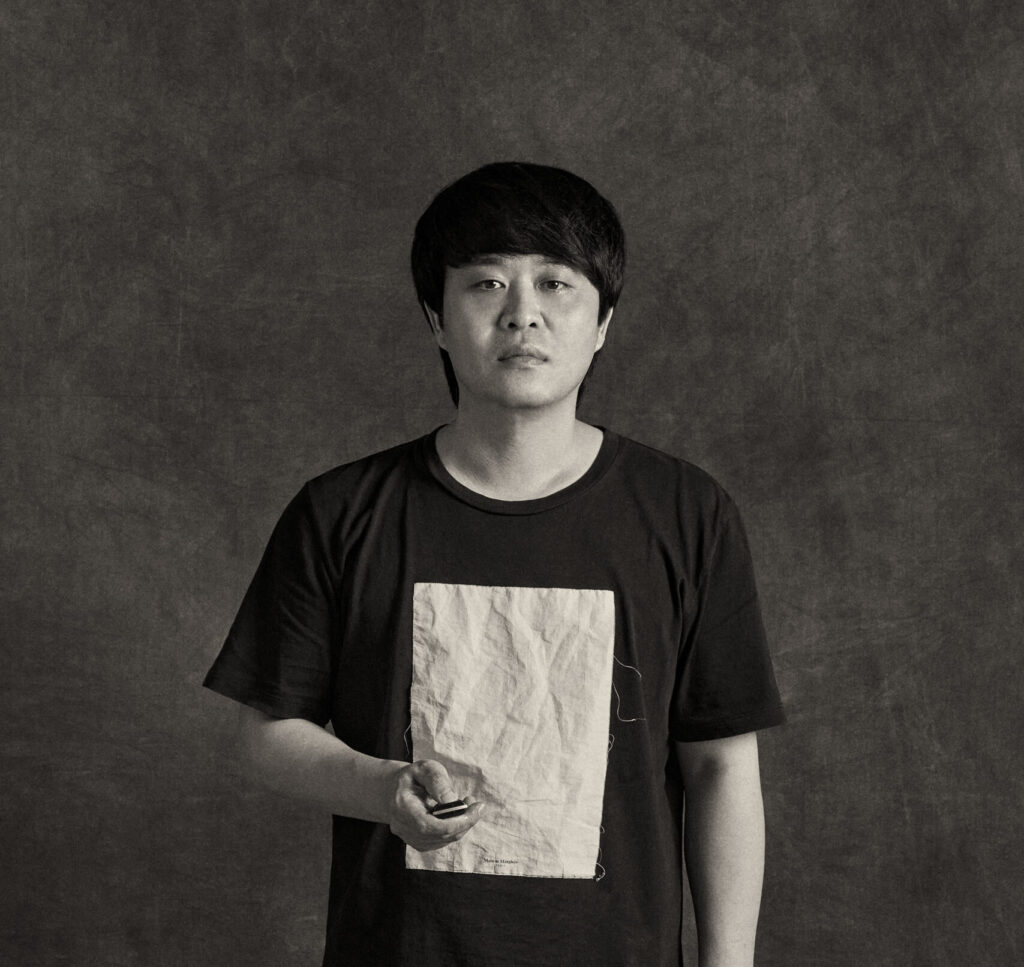
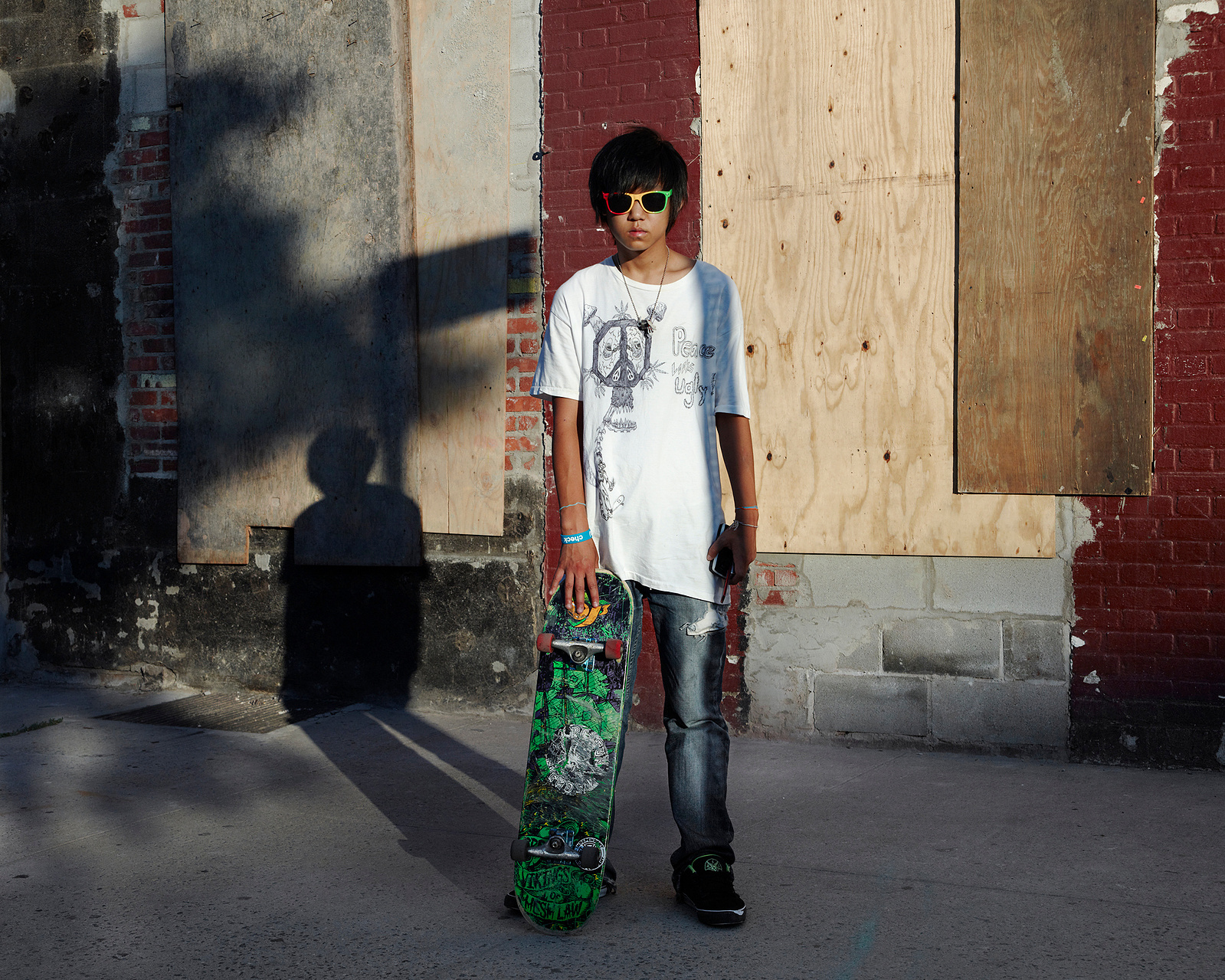
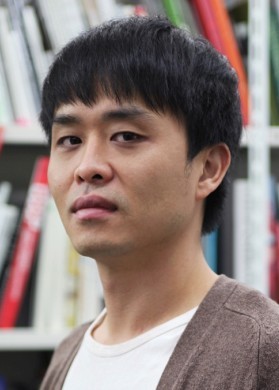
Kim
Taedong explores the city, collecting images while investigating the new
temporality produced through photographic representation. Through research, he
selects a city, traces its neighborhoods using maps, and engages in traditional
“straight photography” that captures subjects as they are.
At the same time, he
translates new questions that arise from this process into experimental
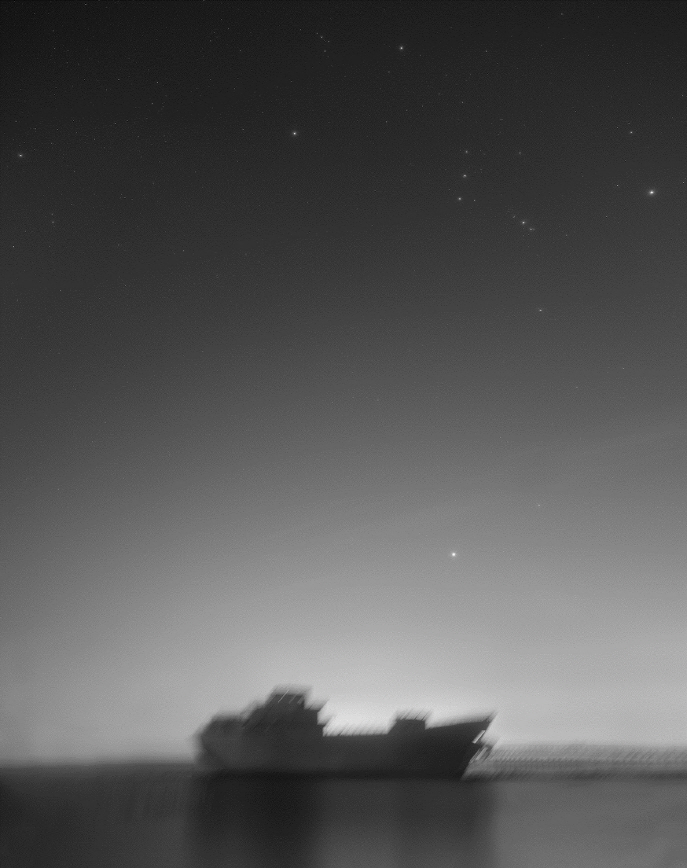
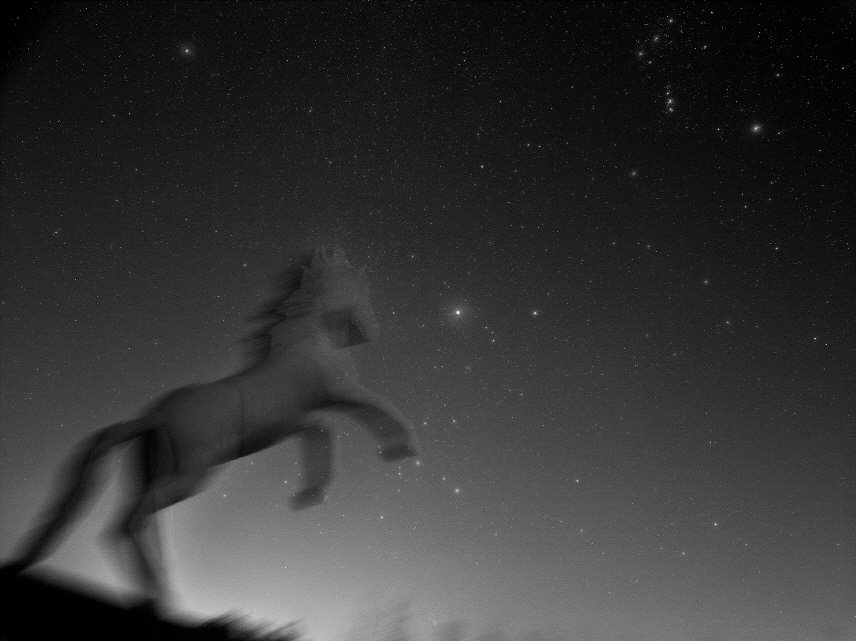
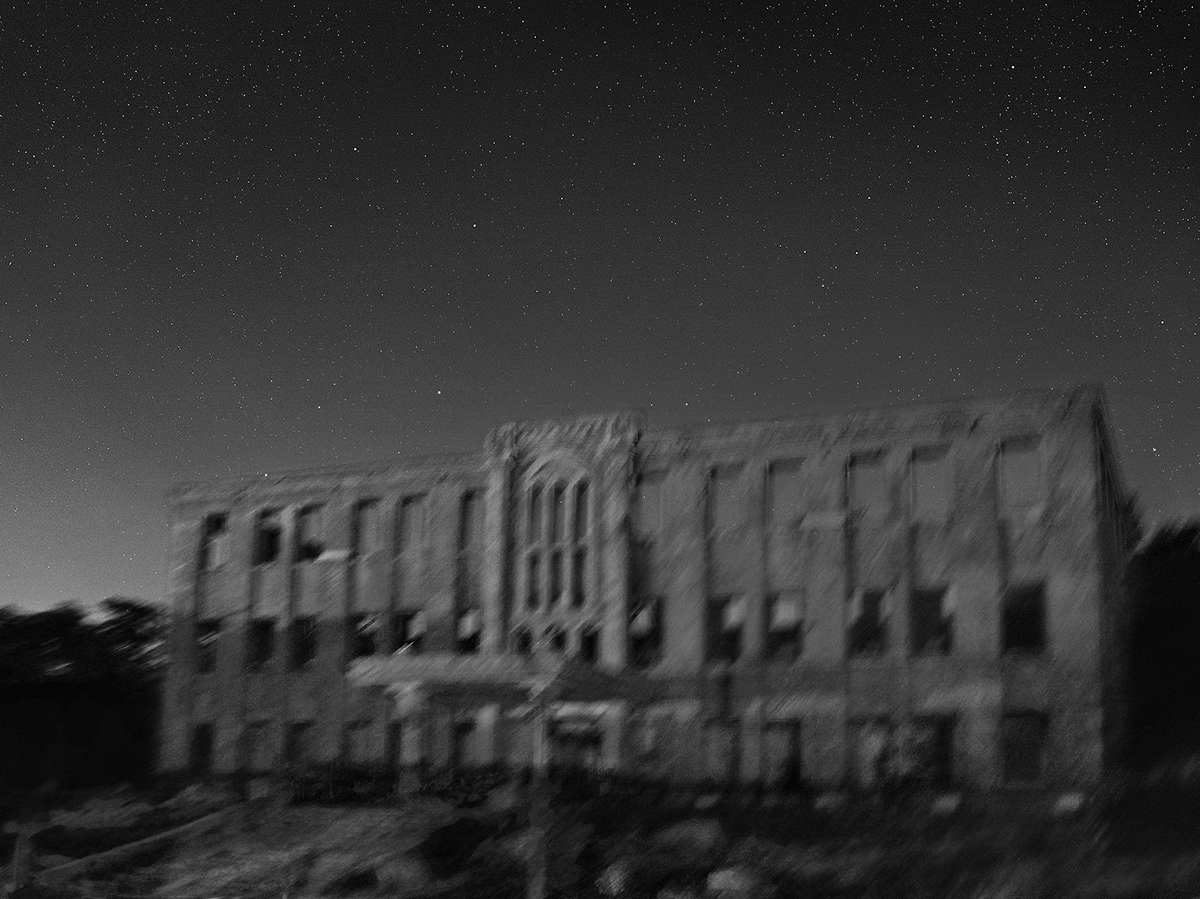
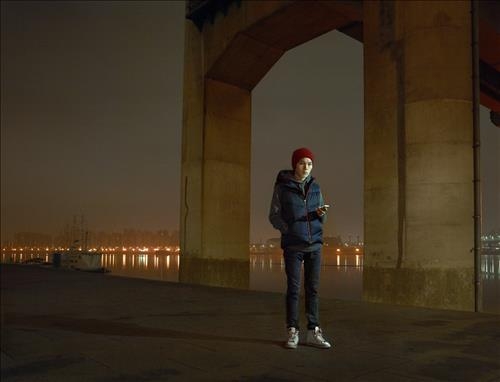
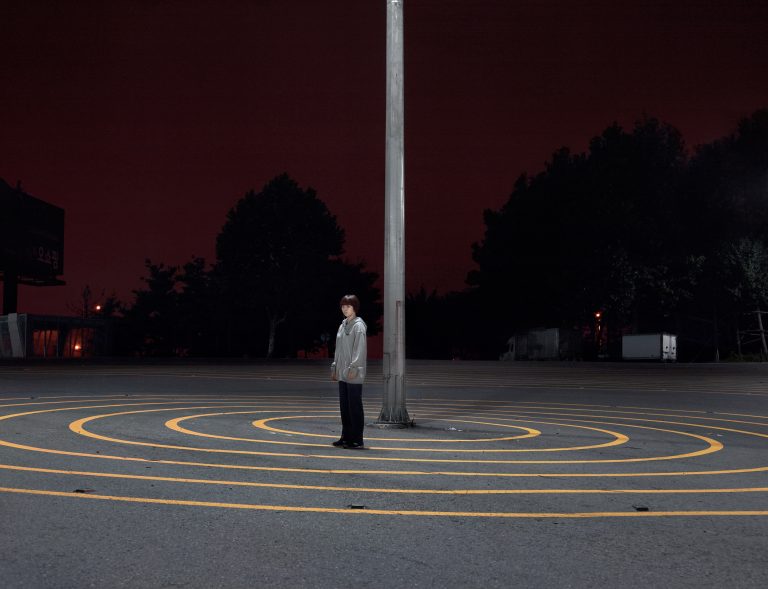
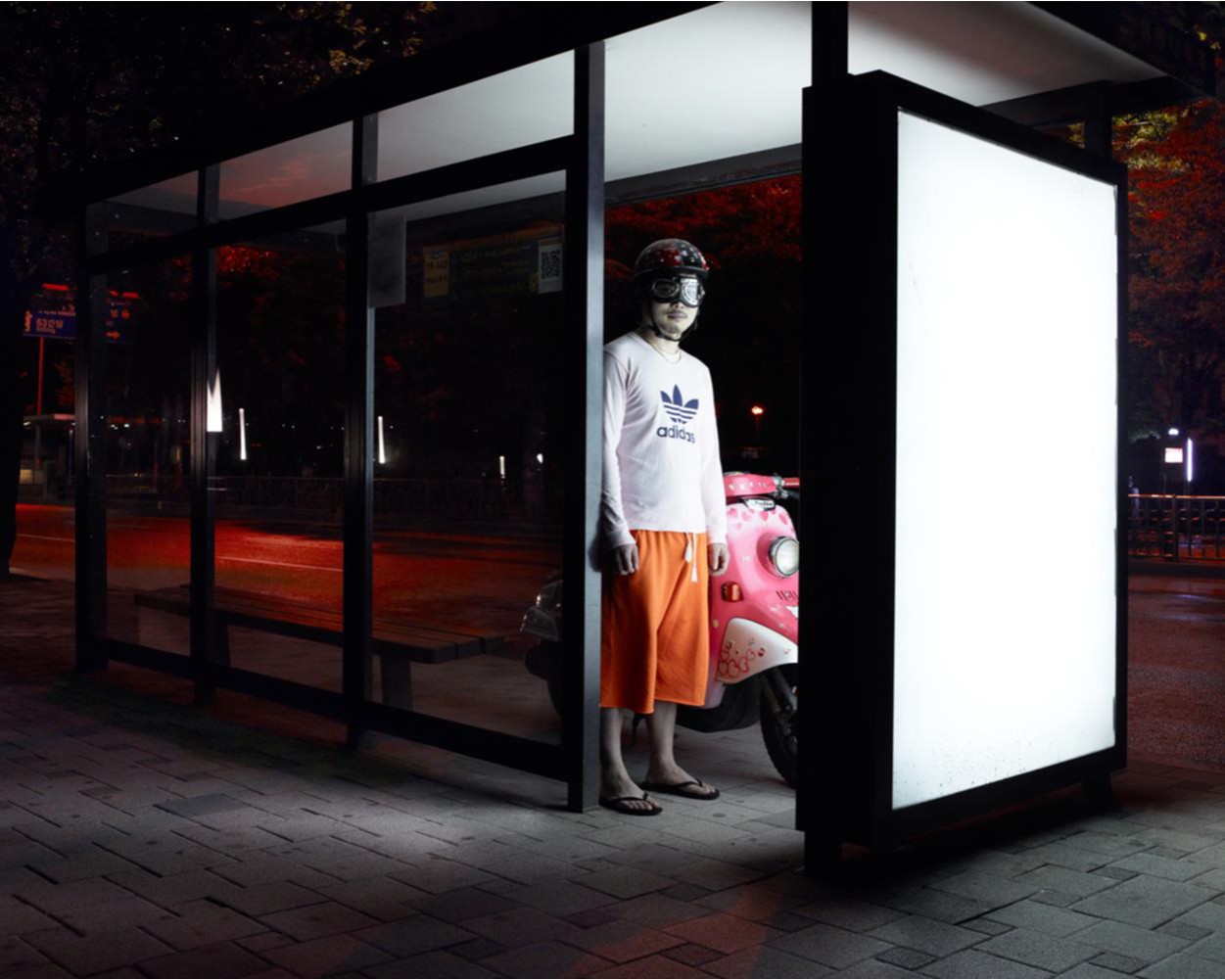
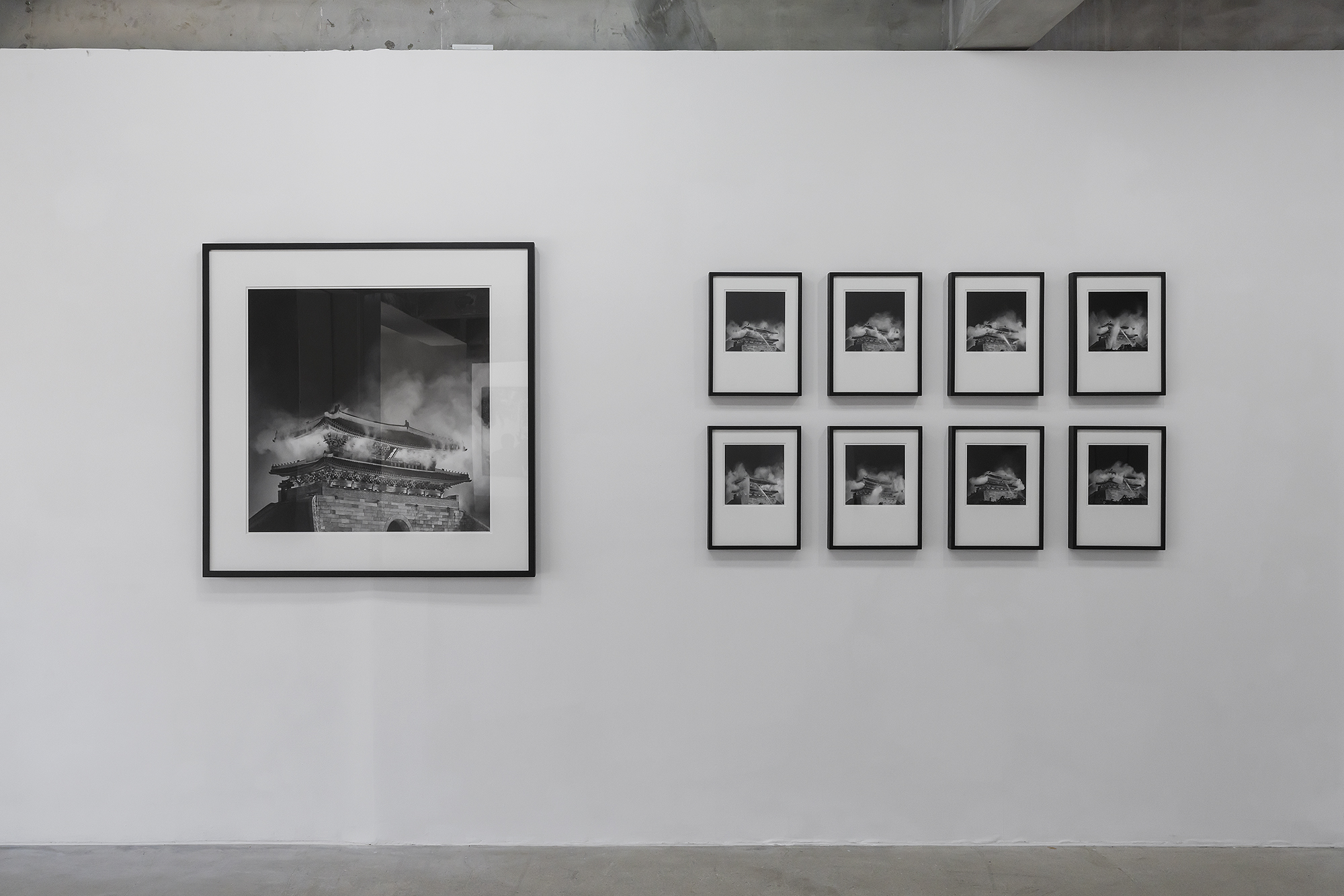
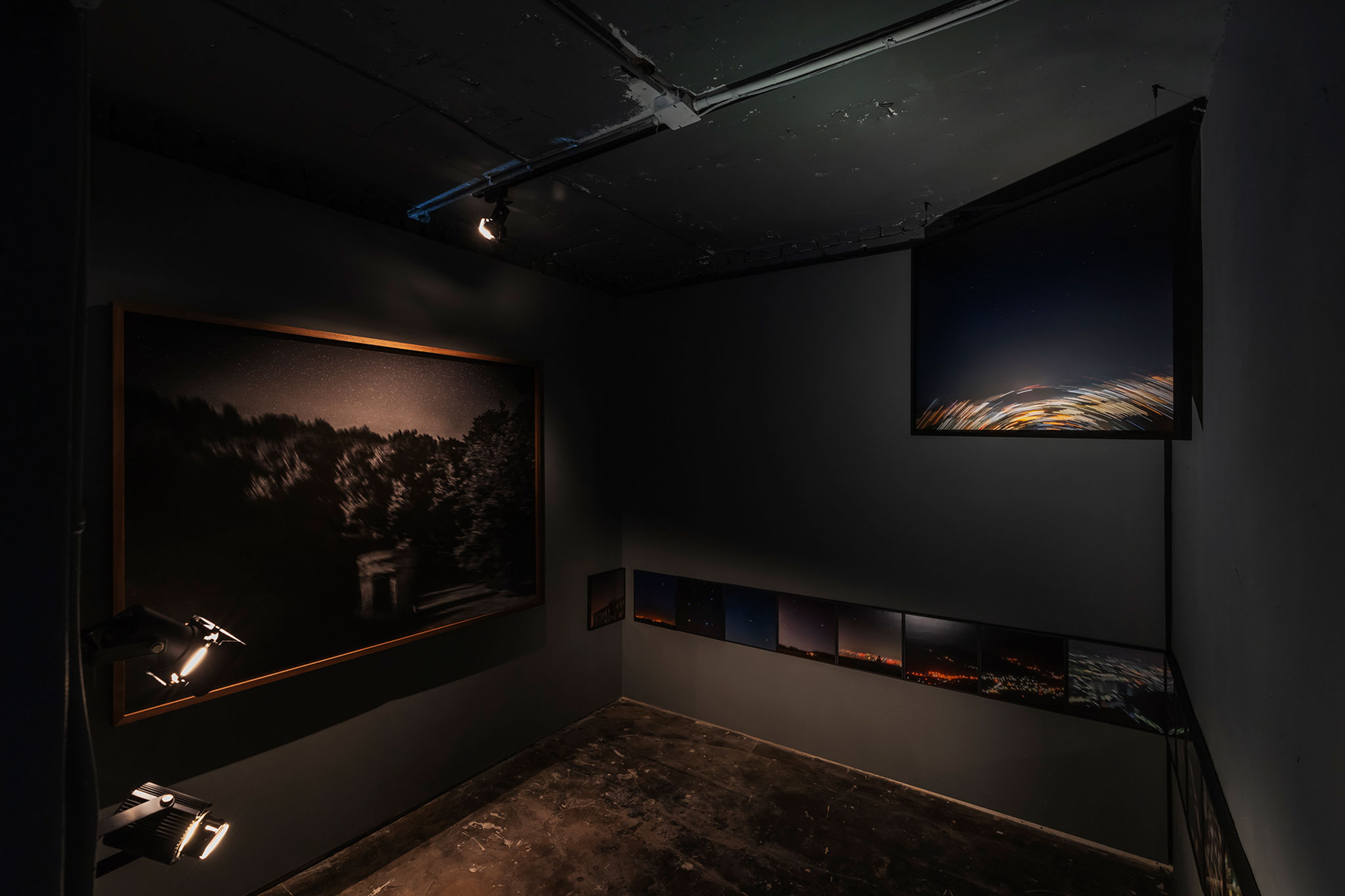
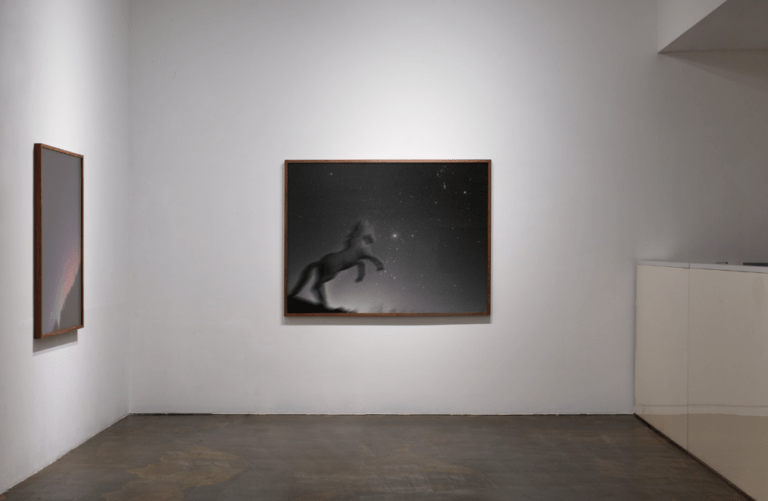
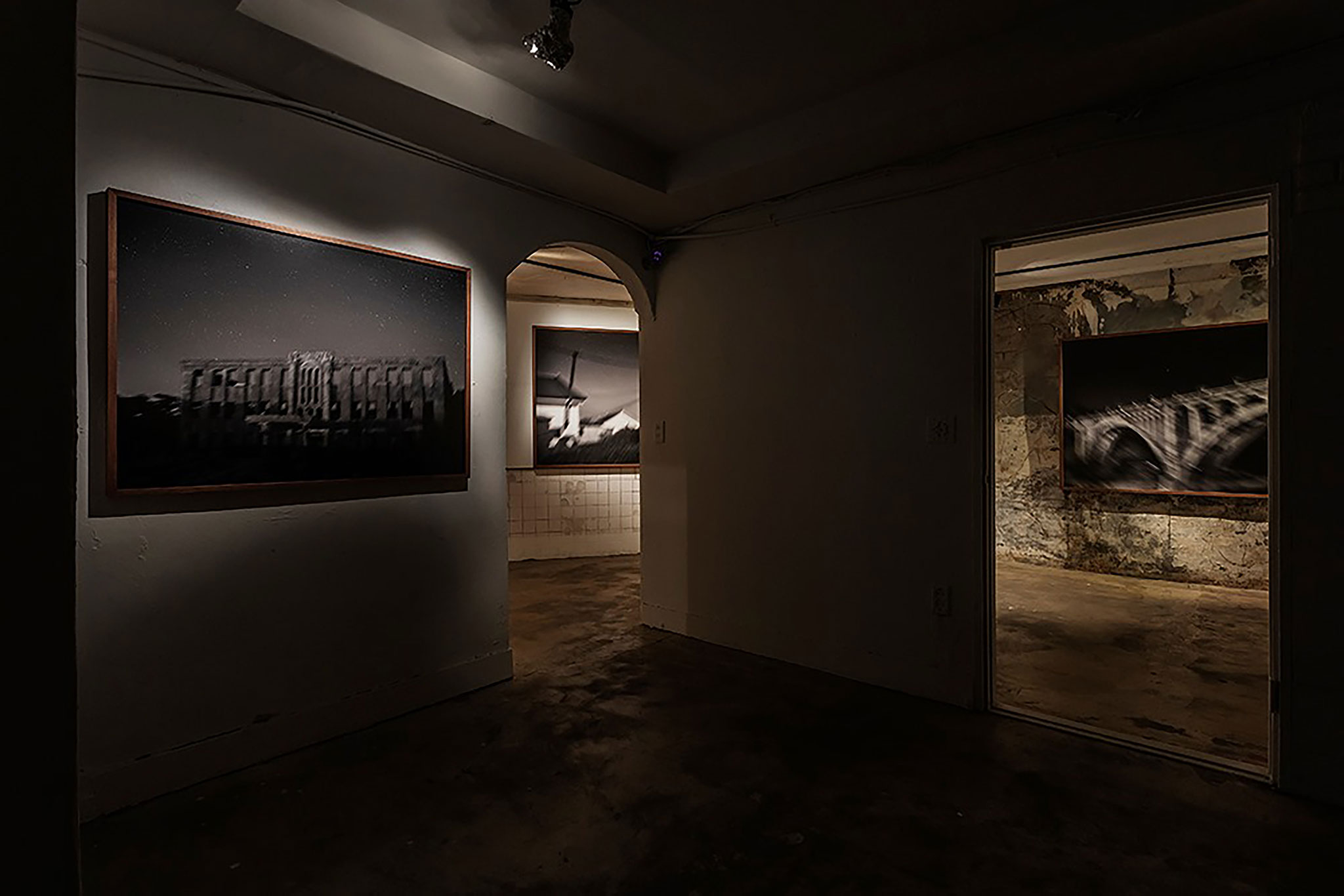
photographic works. His practice can be broadly divided into daytime and
nighttime works: during the day, he focuses on straight photography with a
strong “photographic” quality, while at night, he produces works that maximize
the theatricality inherent in the liminal time of dawn.
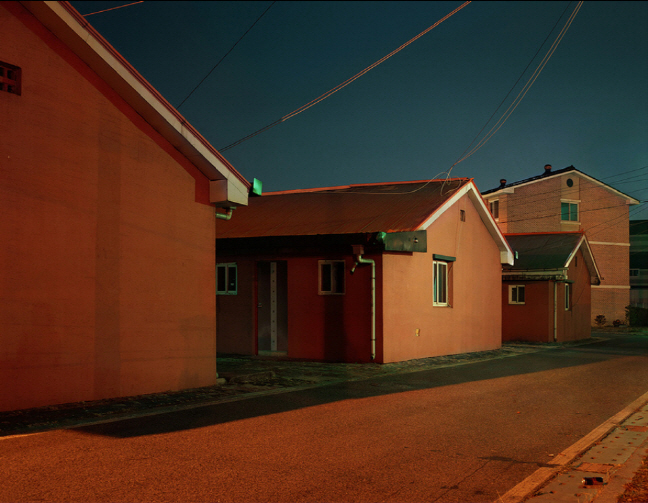
In 《Wanderer》, the artist presents two cities photographed across various hours of
the day: Flushing, New York, and Hambak Village in Yeonsu-gu, Incheon.
Flushing, located approximately 20 kilometers from the city center, is a
suburban residential area and home to the largest Koreatown on the East Coast
of the United States. Hambak Village, by contrast, is known as a residential
area for Koryo-saram migrants.
While Incheon and New York share the common
characteristic of being port cities, the immigrants living within them occupy
different positions—either as “Koreans” seeking acceptance into American
society or as “outsiders” attempting to belong within Korean society. At this
point, the artist turns his attention to the diasporic life implied in the
exhibition title 《Wanderer》, which
refers to “a person who wanders without a fixed destination.”
Through a
selection of works from ‘Symmetrical’ (2010), which captured Flushing in 2010,
alongside newly photographed images of Flushing from 2022 and works produced during
his residency at Incheon Art Platform depicting Hambak Village in 2022, Kim
examines the marginality and boundary conditions of migrant communities. In
doing so, he seeks to represent, through photography, the distinctive character
of cities where multiple cultures intersect and collide.
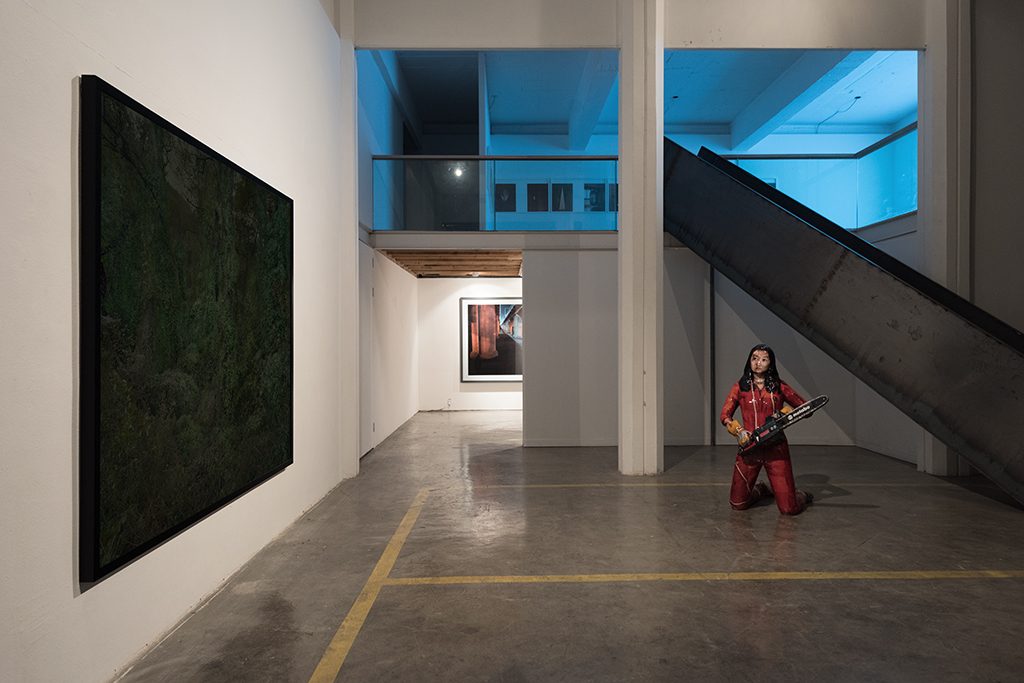
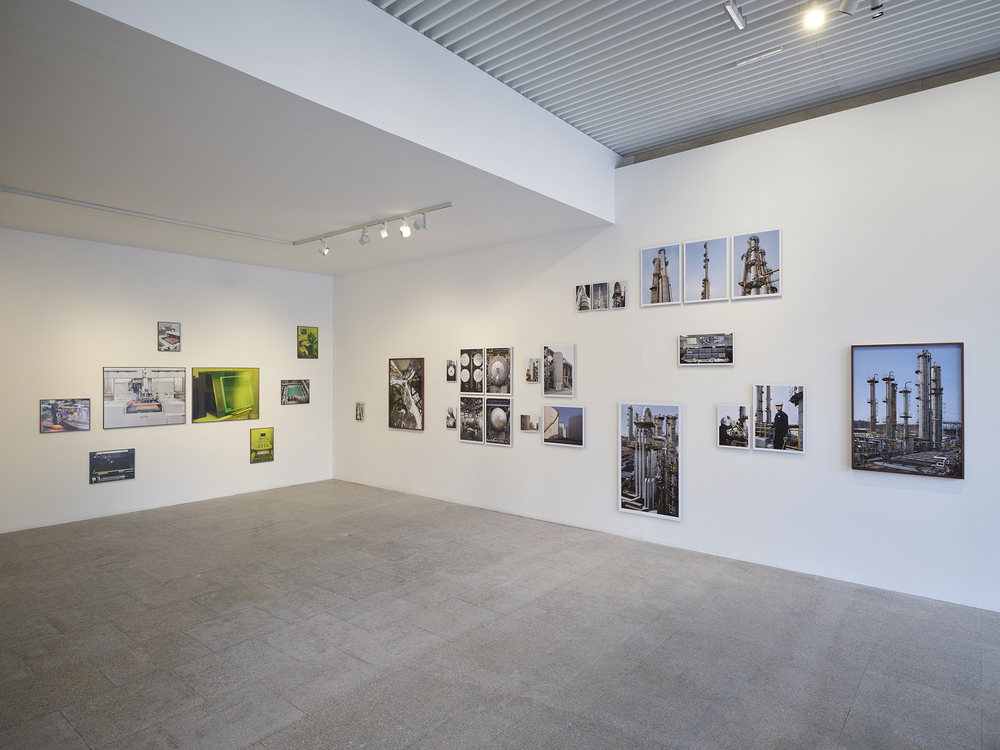
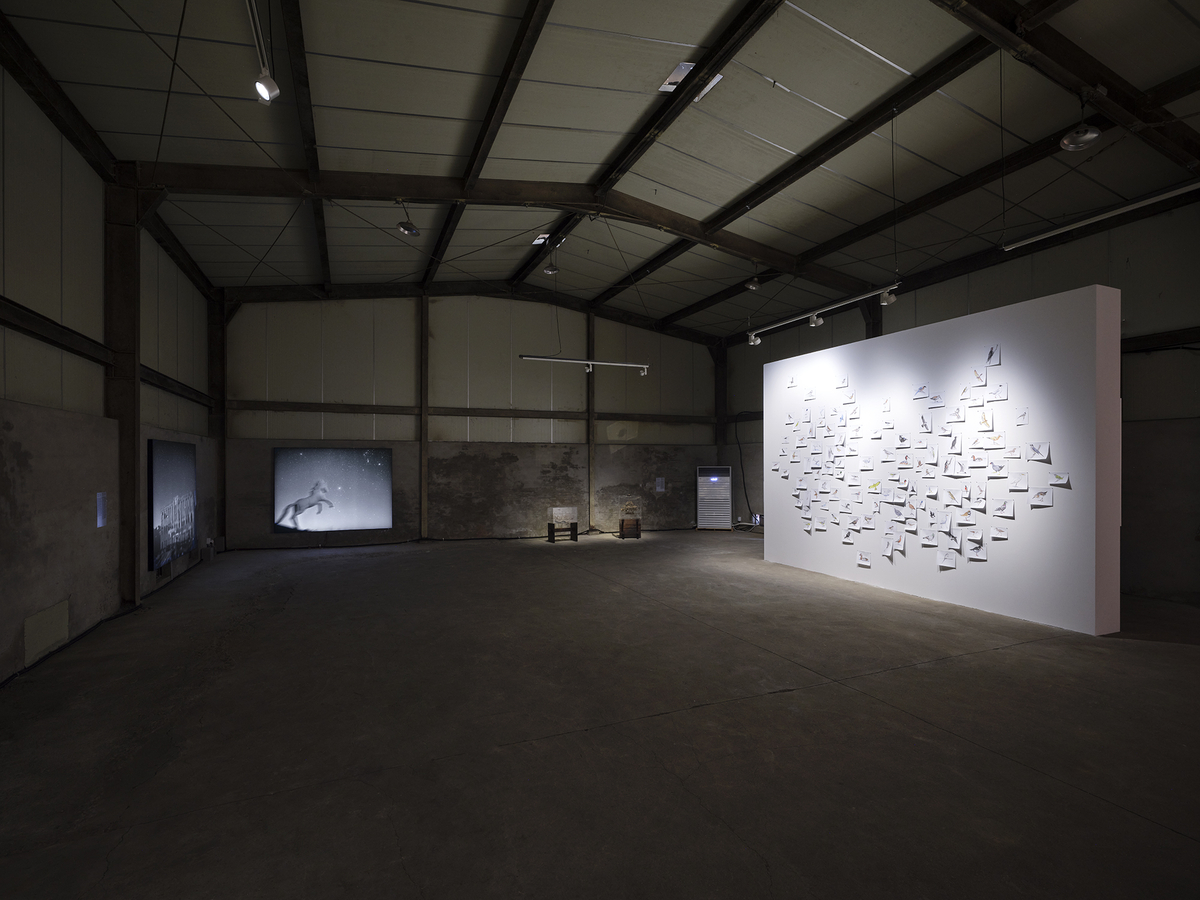
This
exhibition presents the artist’s photographic series from the two cities in the
form of an “archival structure.” While capturing both the symmetrical aspects
and the stark differences between Flushing and Hambak Village, it visualizes
the city as a continuously shifting and intermingling entity through a spiral
structure.
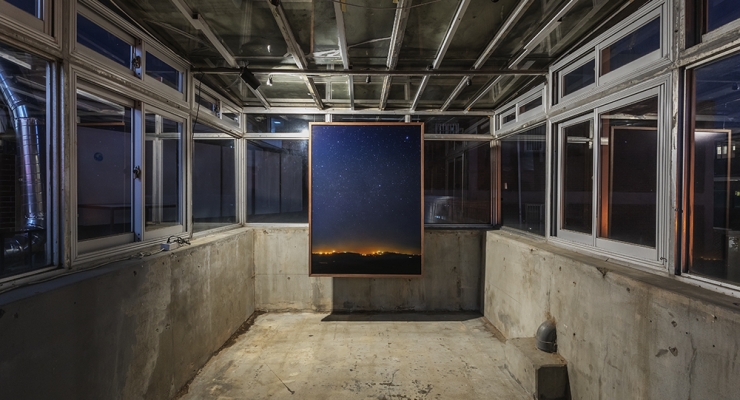
Additionally, works produced in 2010, 2014, 2022, and other moments
are arranged symmetrically around the corners of the exhibition space, allowing
viewers to trace the evolution of the artist’s process. By following the visual
clues embedded in the photographs, viewers are invited to imagine the lives
within cities where different cultures collide.