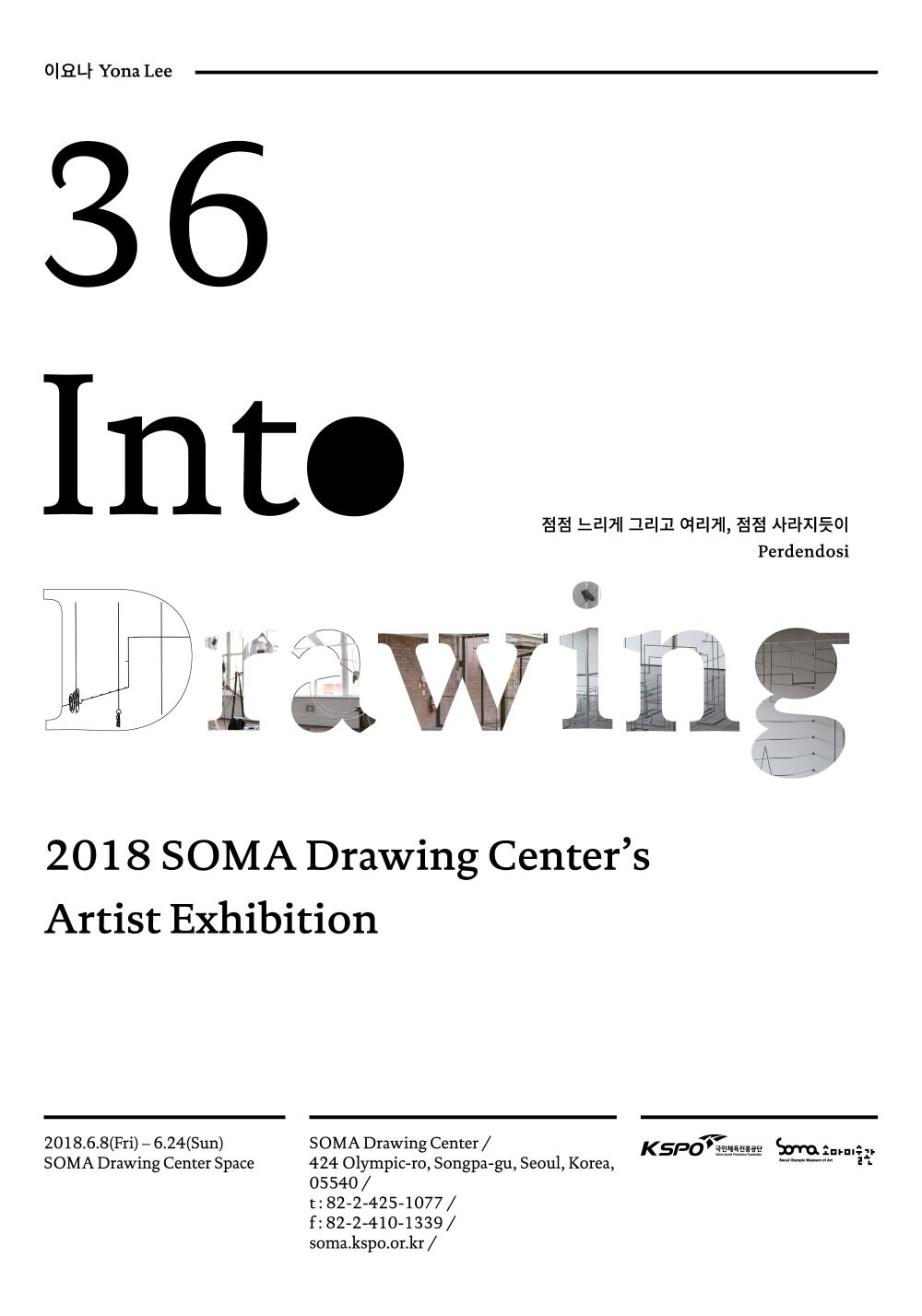
Yona Lee’s drawing practice evokes a
synesthetic experience of space by layering visual devices onto musical
reflections. A look at the artist’s own questions about drawing offers clues to
her intentions: “What do we think we know about drawing? How might three- or
four-dimensional drawing challenge conventional notions of drawing? Through the
process of drawing, is it possible to bring together space, time, and memory in
a single place?” (from the artist’s note).
The third question in particular
runs throughout Lee’s drawing practice. By reinterpreting everyday spaces
through her own artistic language and relocating them into new spatial
contexts, the artist summons memories and sensations embedded in daily life.
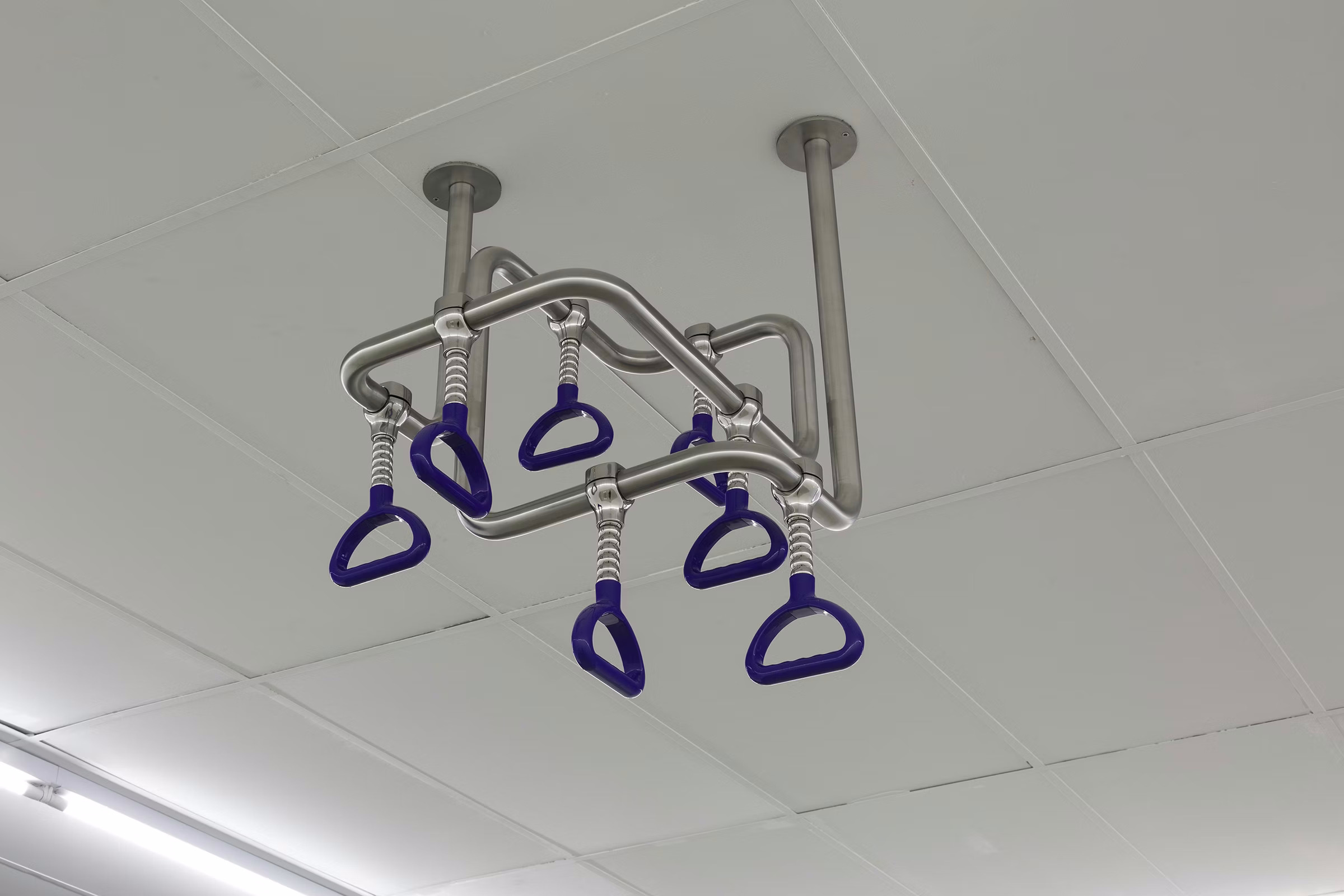
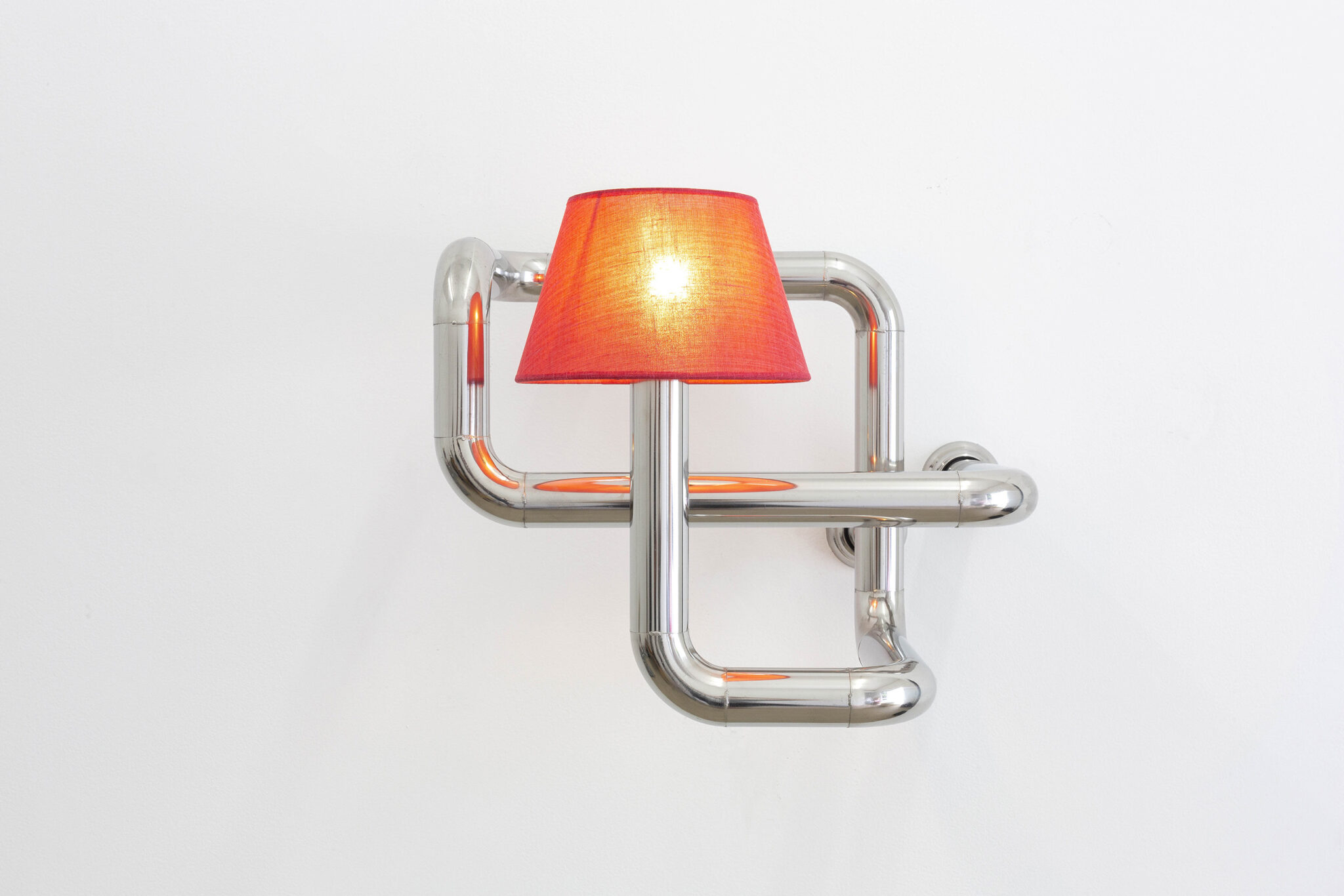
Her artistic language is primarily composed of two elements: music and objects.
Beginning with music, her language naturally develops into an interest in
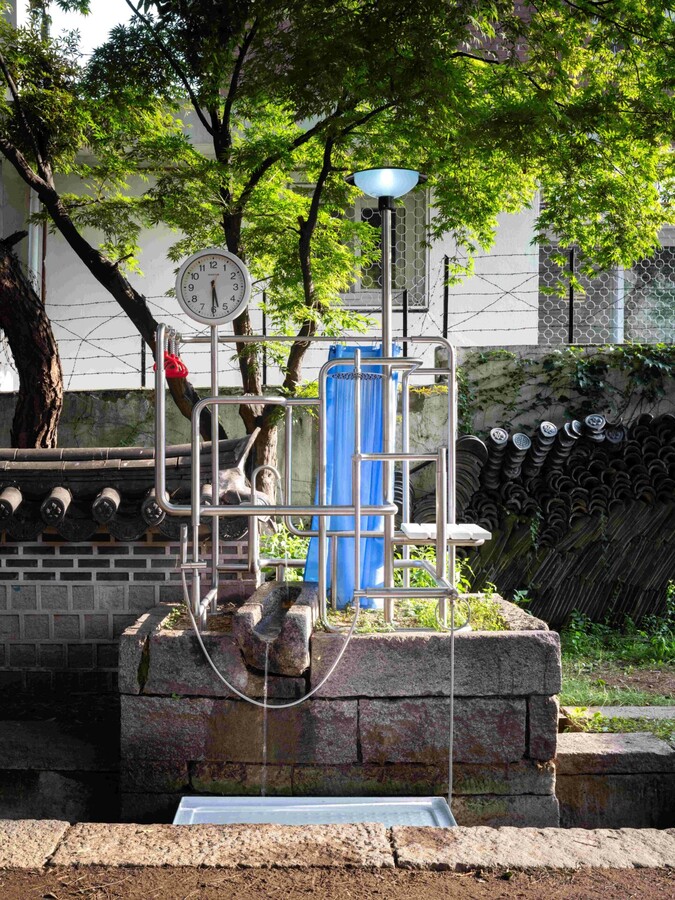
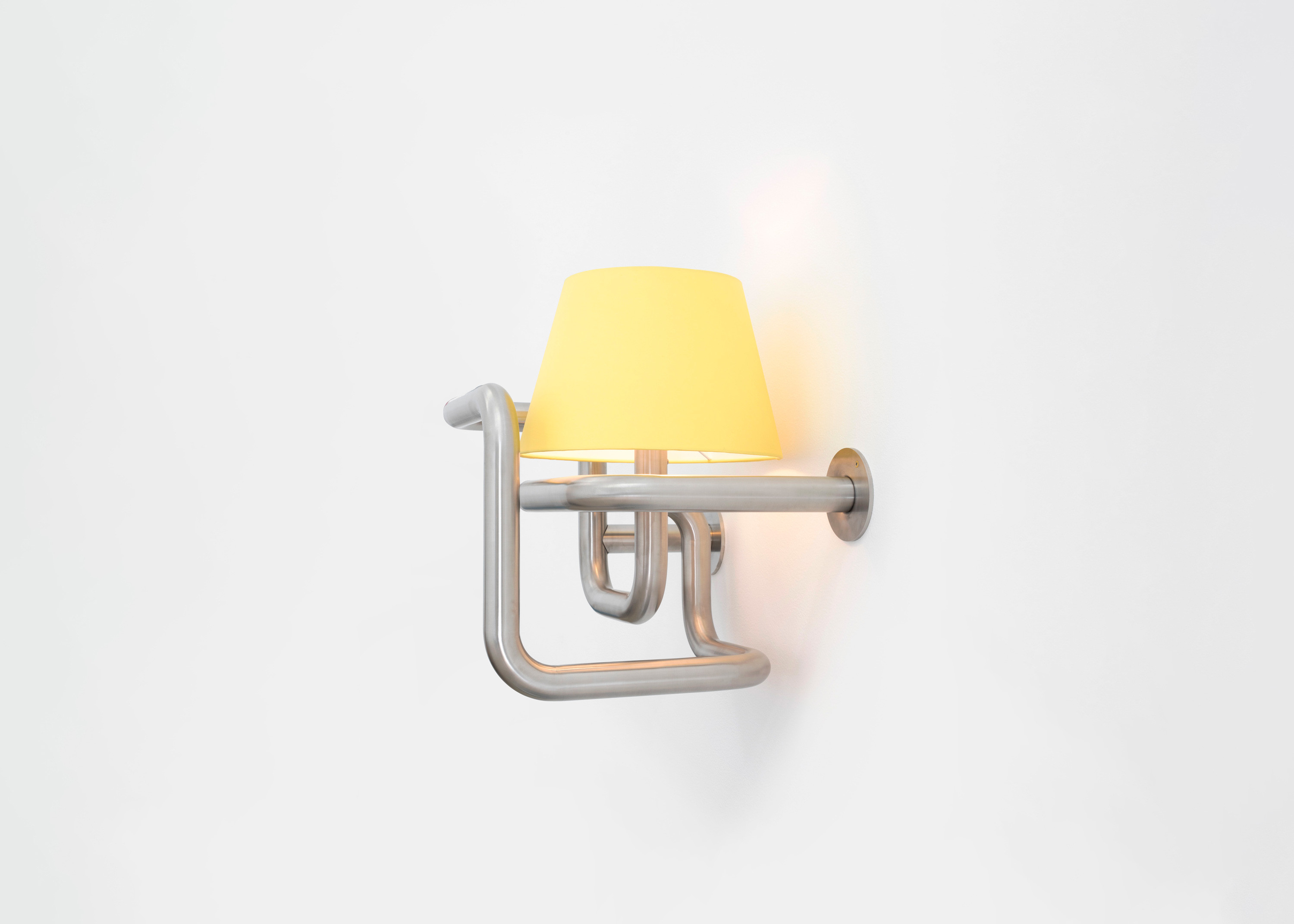
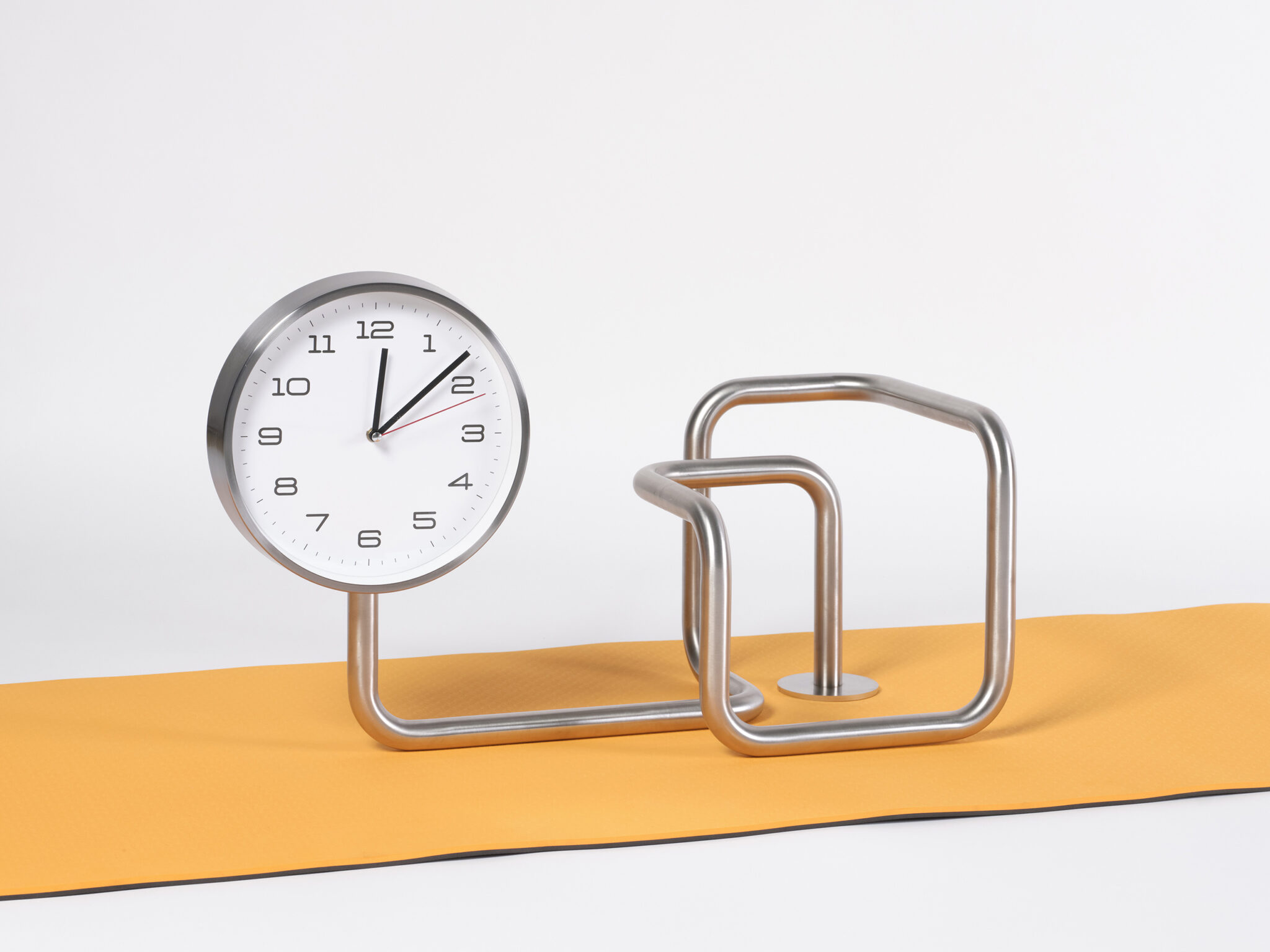
lines, which are then translated into linear objects.
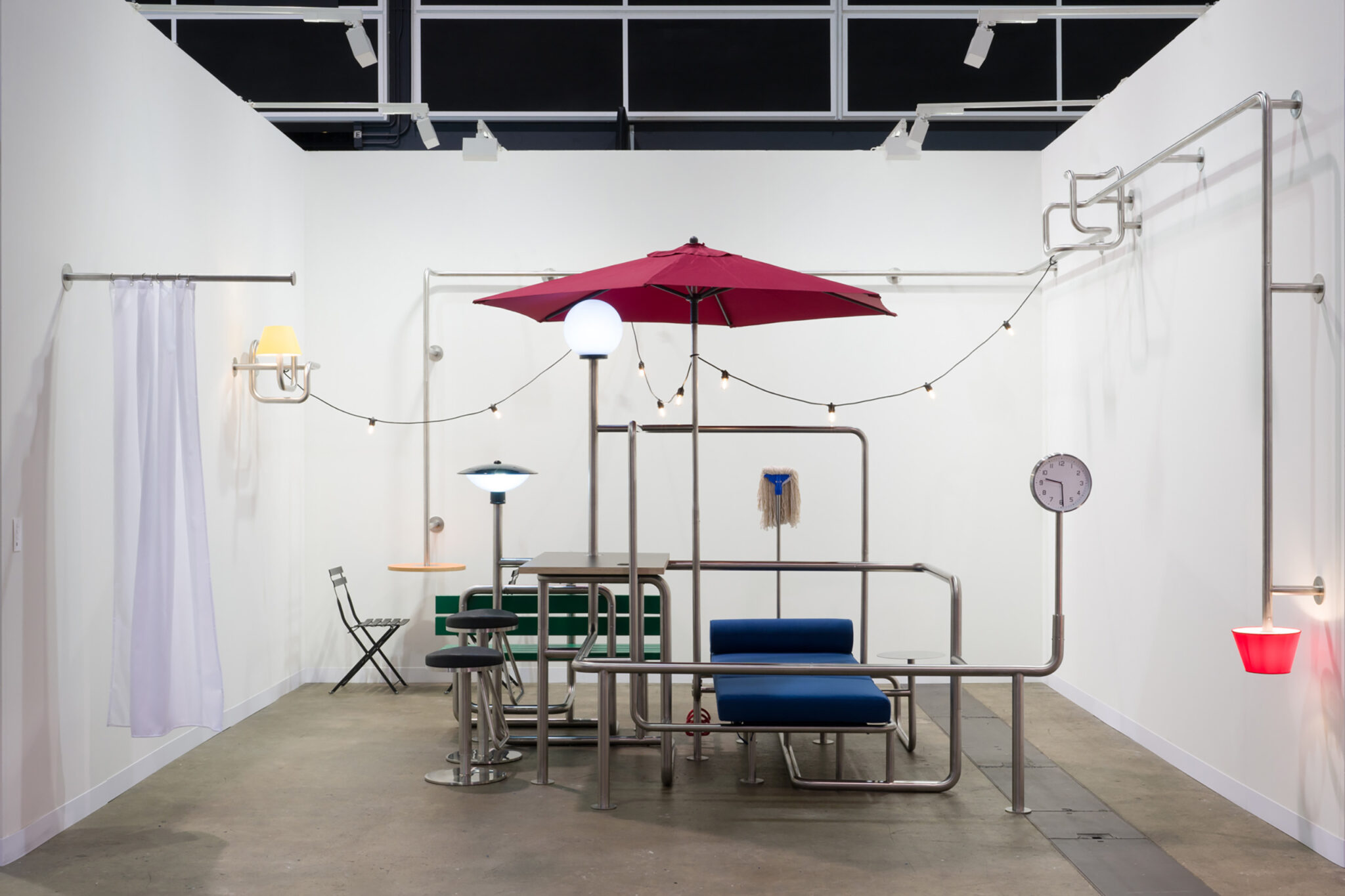
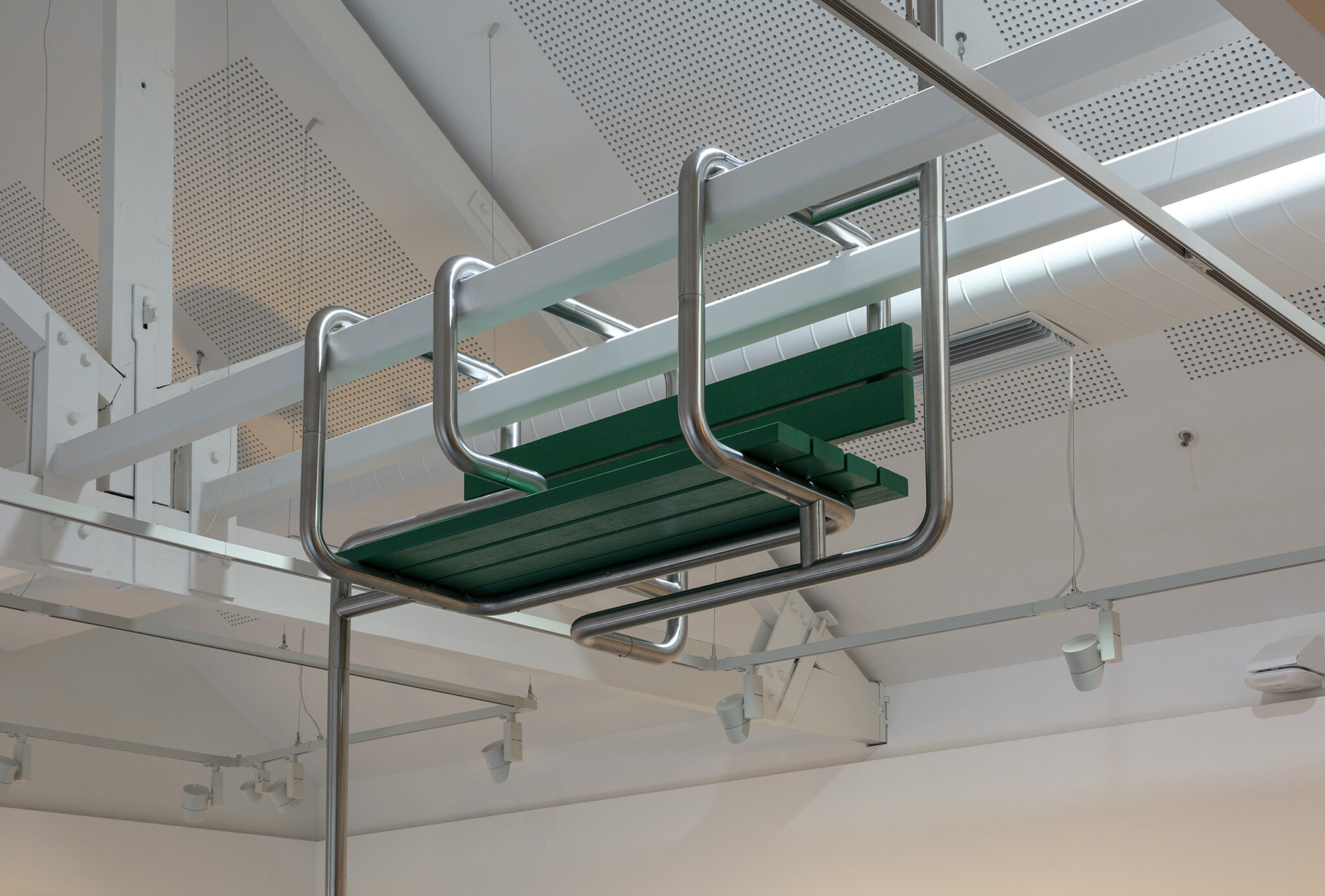
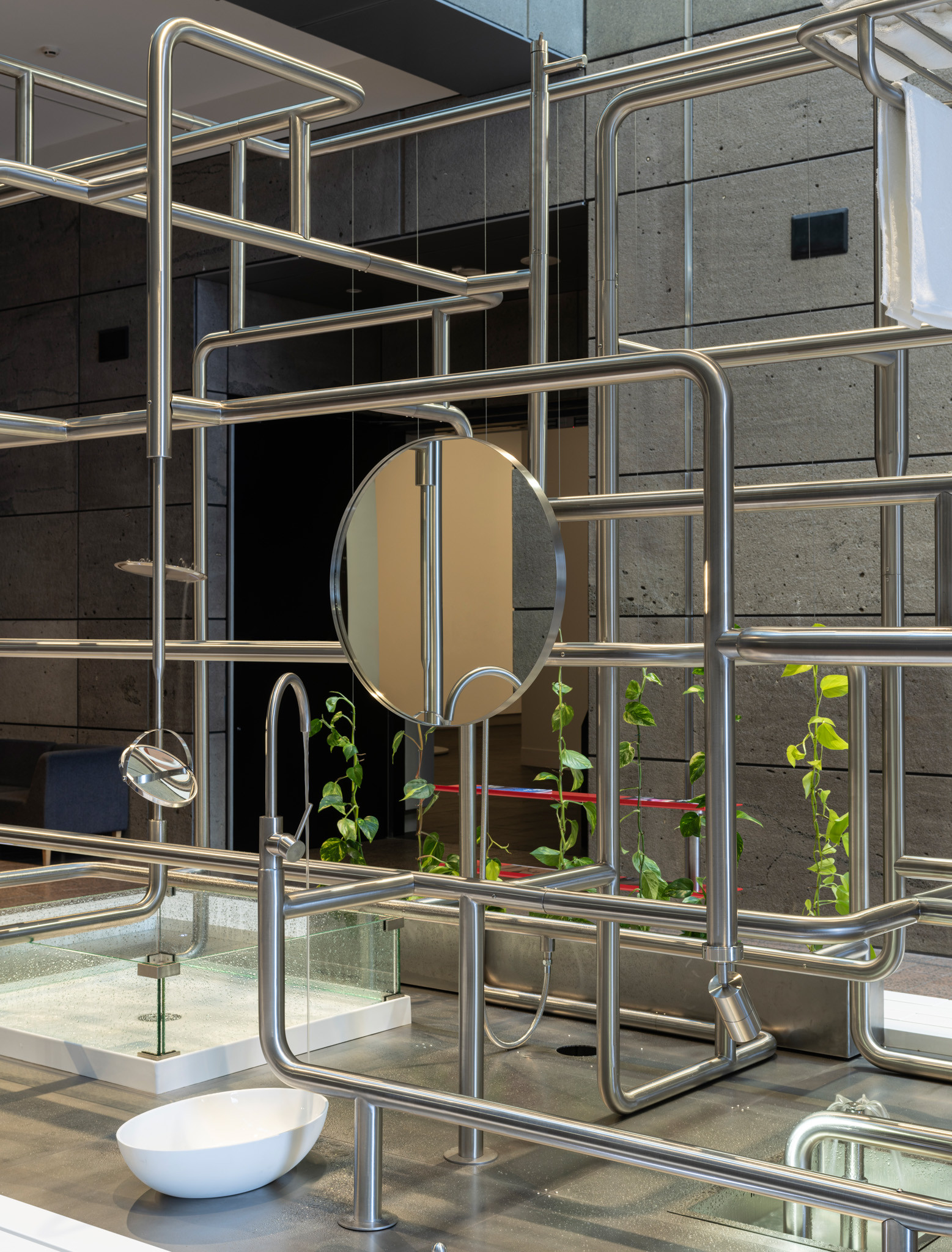
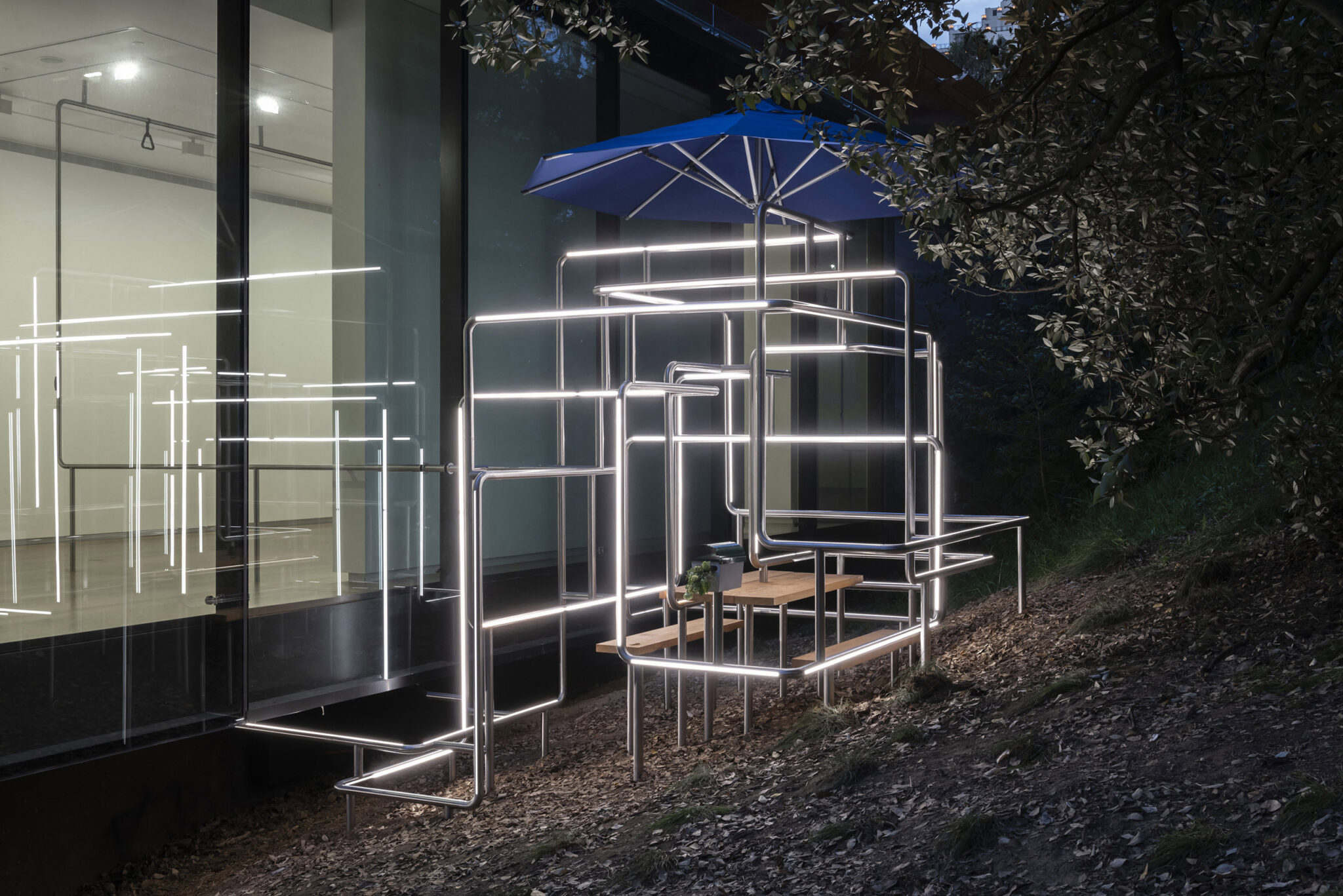
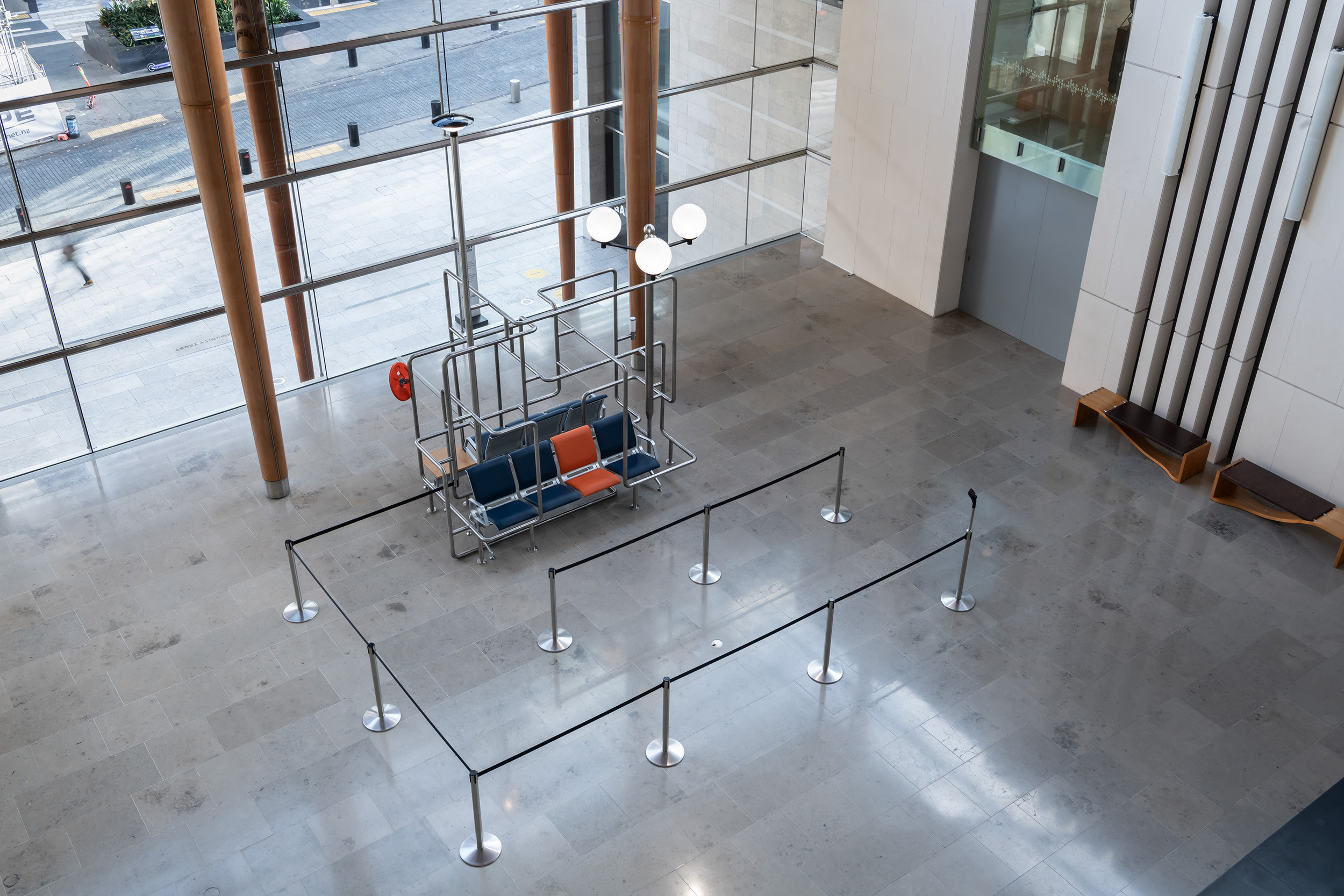
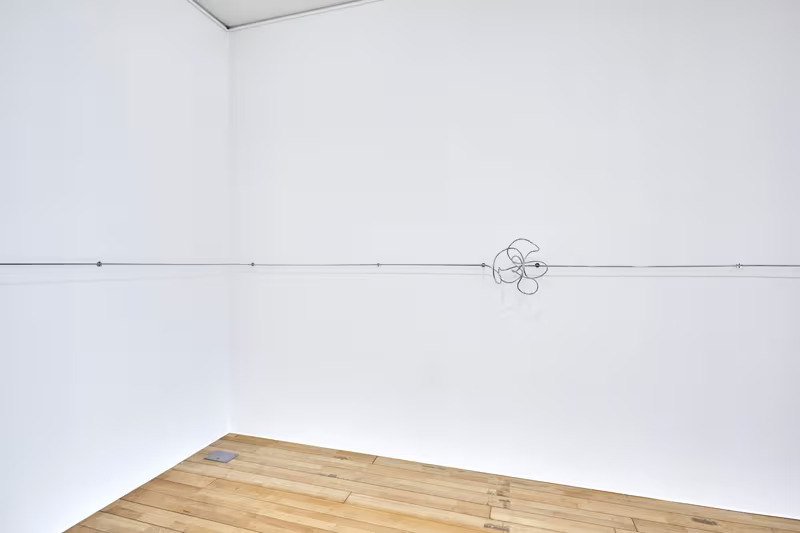
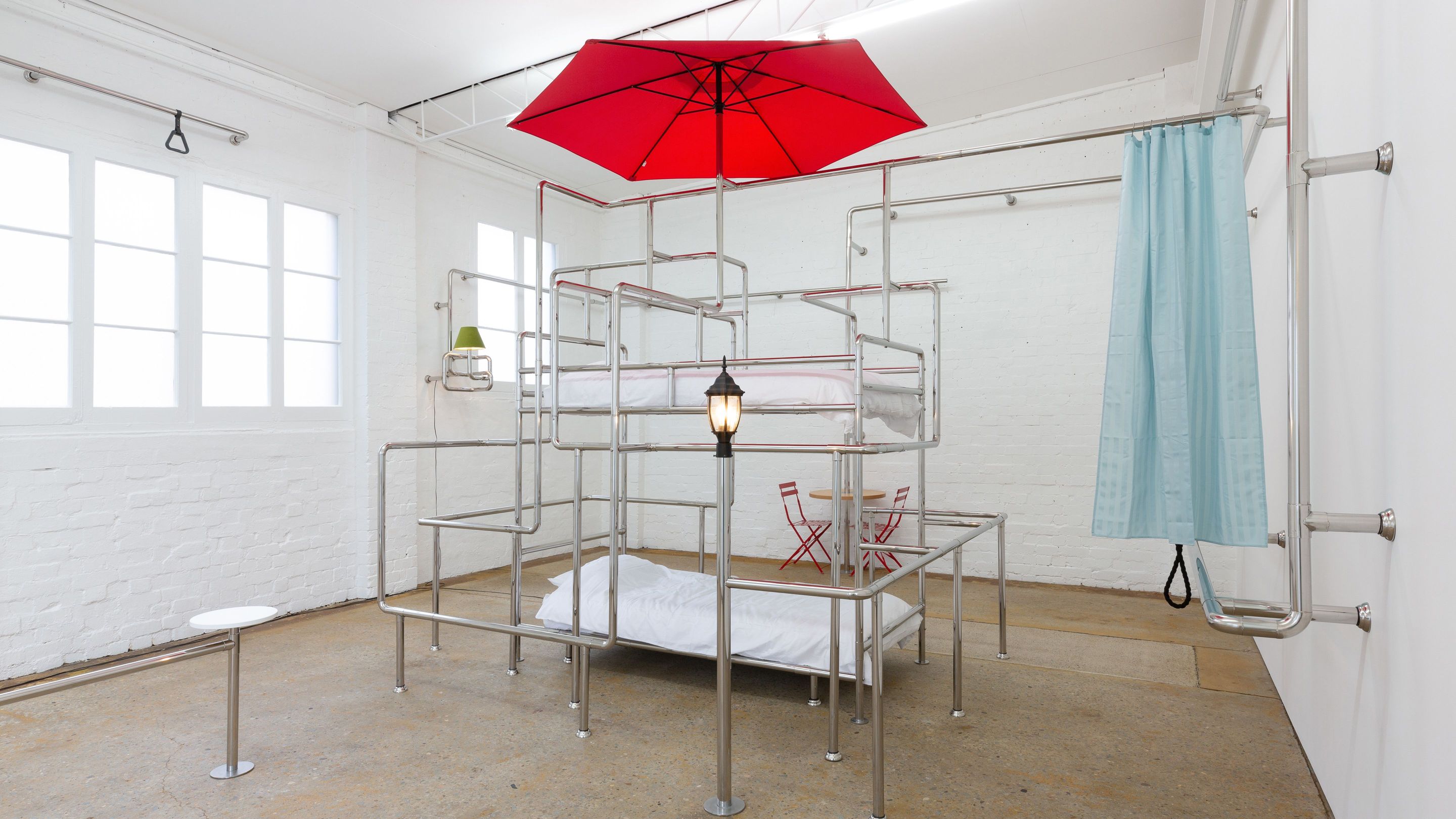
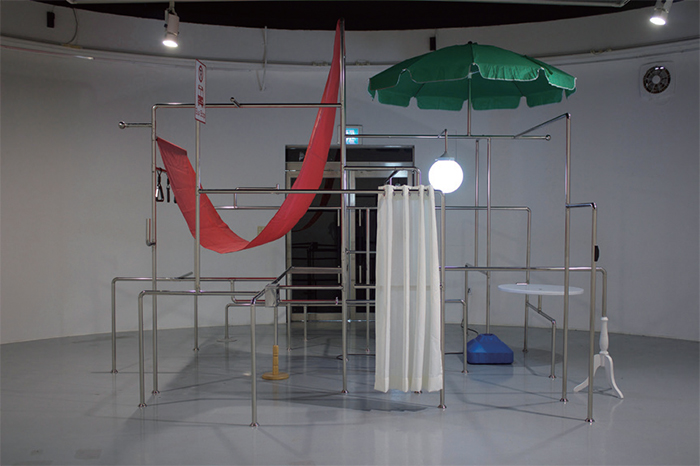
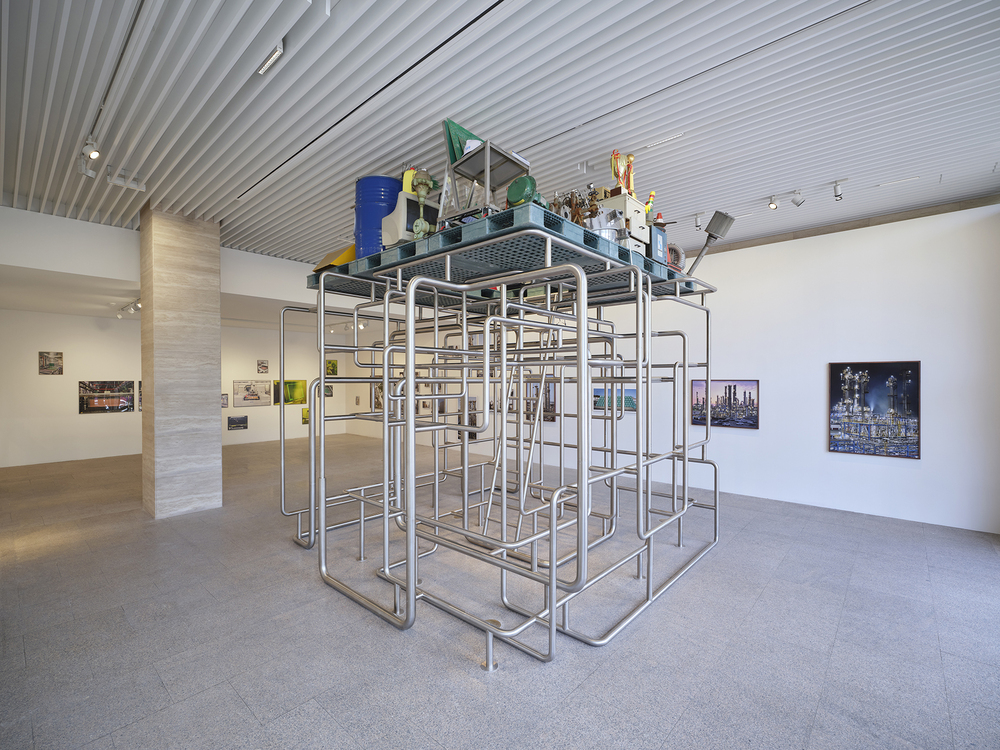
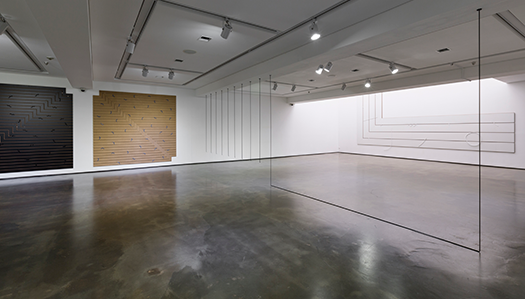
These linear objects traverse, occupy, and
move through space, generating a wide range of sensations. Musical expression
through line emerges as linear images are arranged within space with varying
densities, scales, and quantities according to the artist’s intention. Within
these relationships arise rhythms, melodies, noises, and silences. Lee
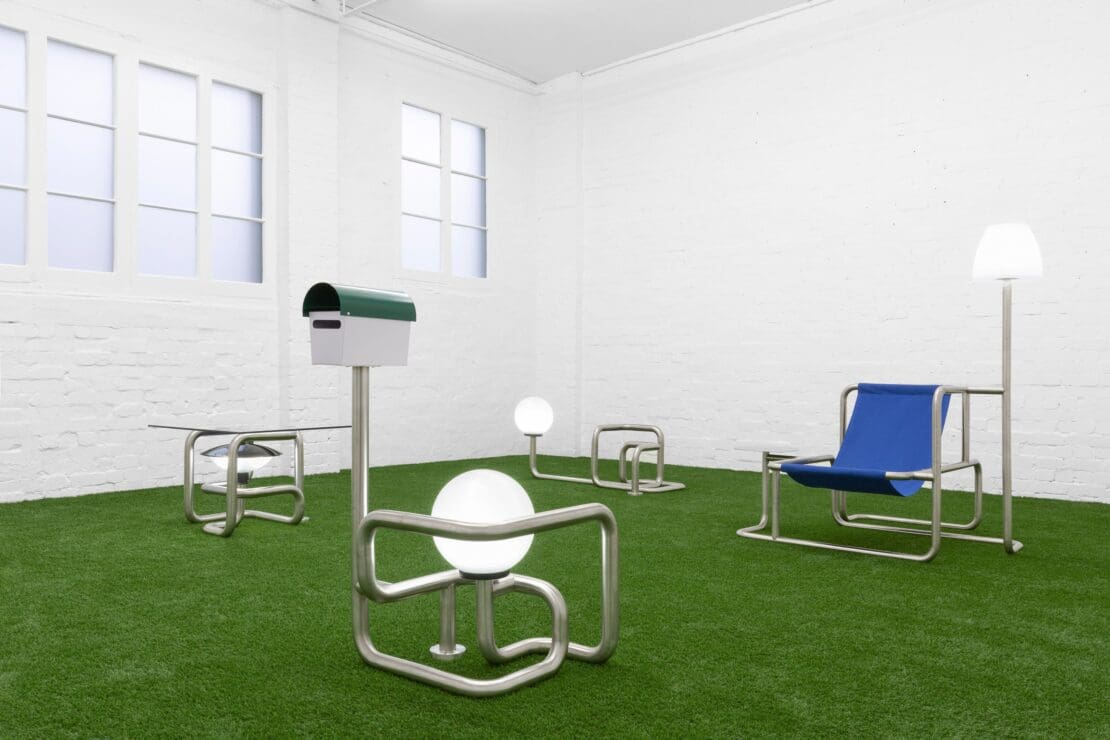
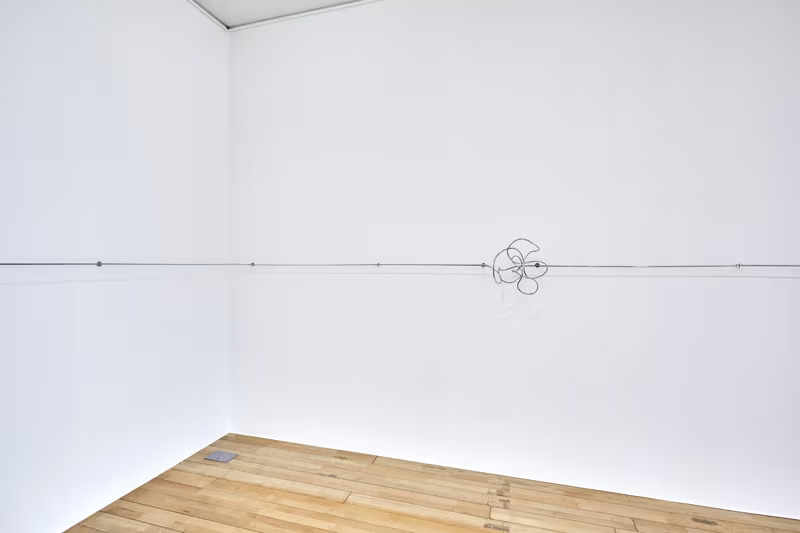
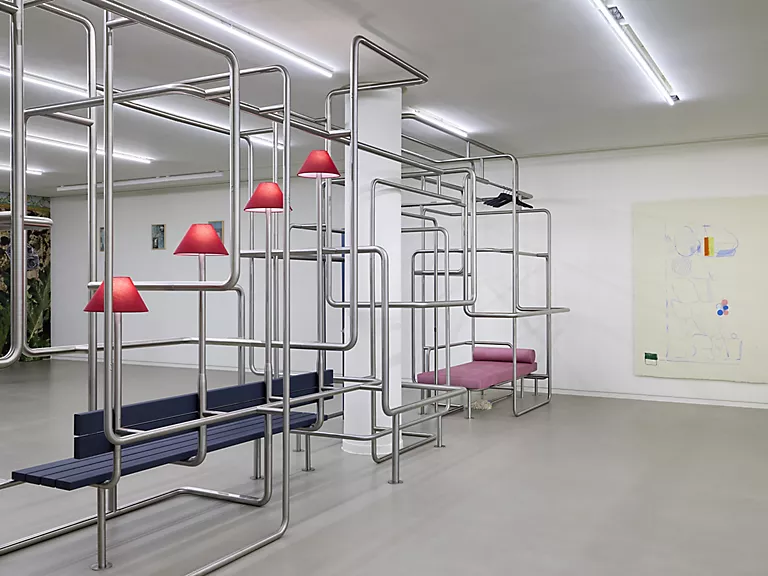
frequently employs stainless steel lines—smooth and strong in material—while
juxtaposing them with lines made of extremely delicate materials, as well as
flexible and elastic lines that contrast sharply with the former.
In this way,
Lee’s spatial drawings resemble a violin solo at times—lonely and
restrained—before swelling into the bustling sound of an orchestra, murmuring
in minor tones or resonating brightly in major ones. The artist once dreamed of
becoming a cellist but ultimately pursued the path of a visual artist; she is
Korean yet lives in New Zealand. These questions of identity appear to manifest
within her work as ambivalent elements. In short, the variations of strength
and softness, density and emptiness, rupture and monotony within her lines are
the elements that animate space dynamically, while also serving as a medium
through which different layers of time and space are revealed.
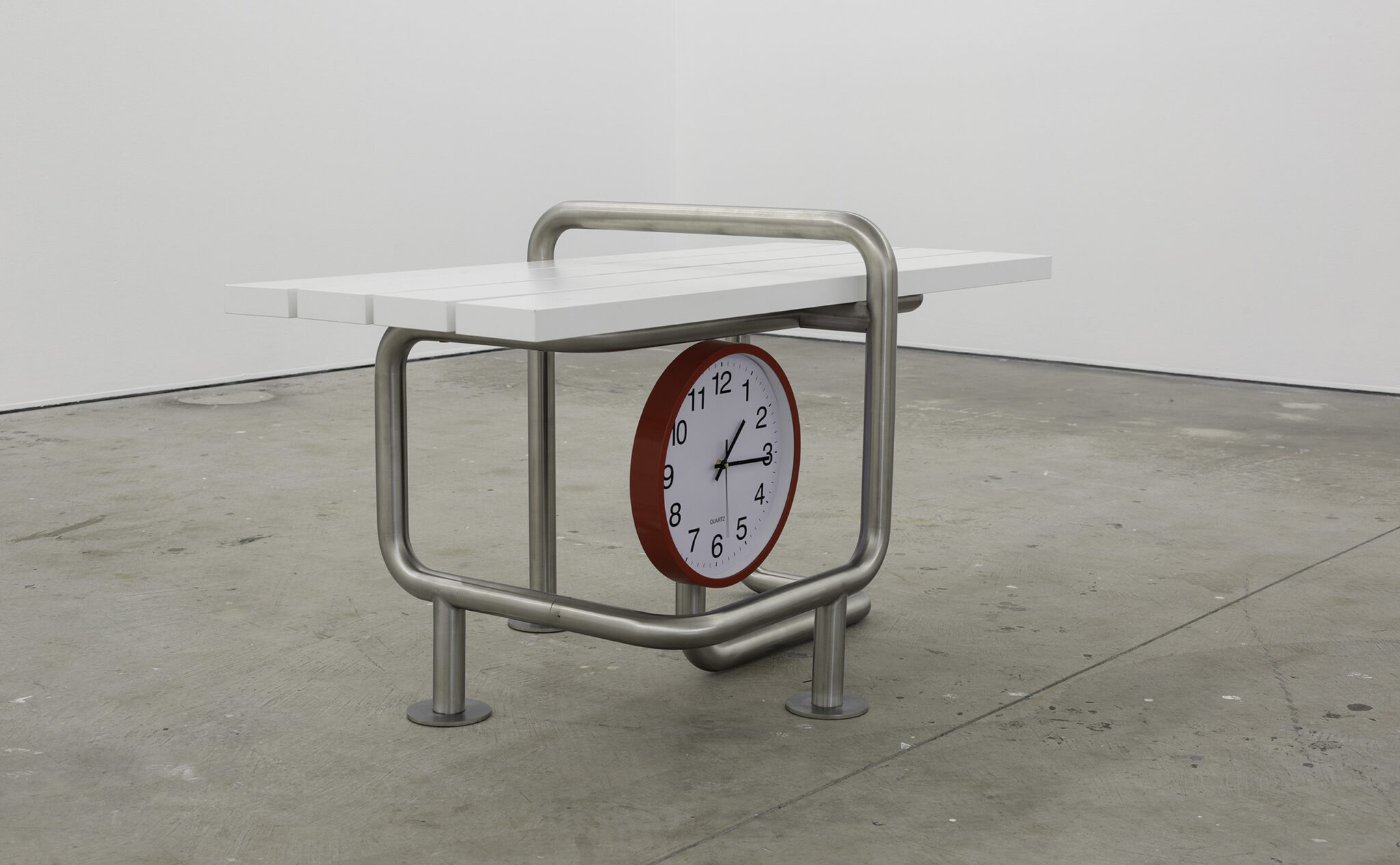
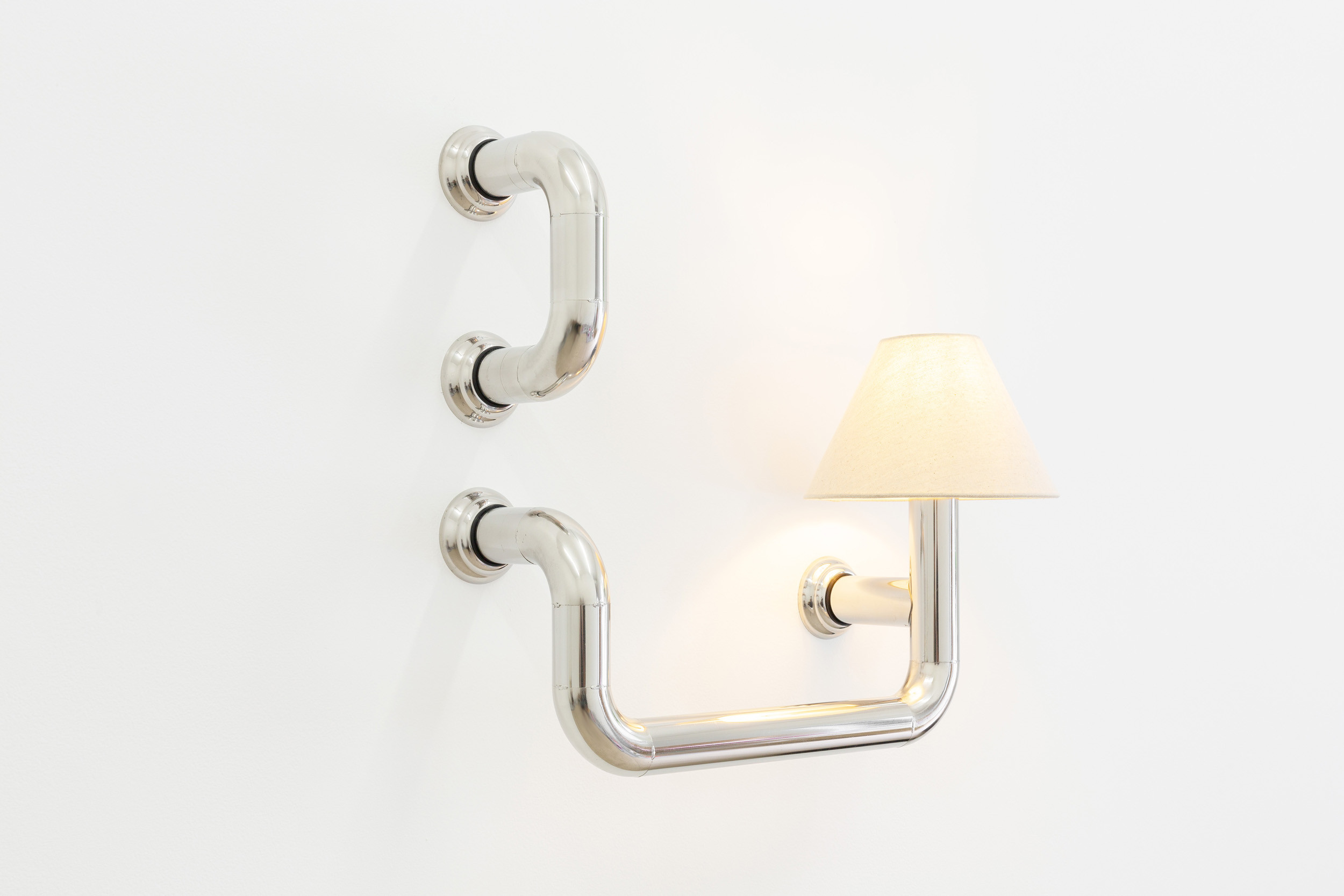
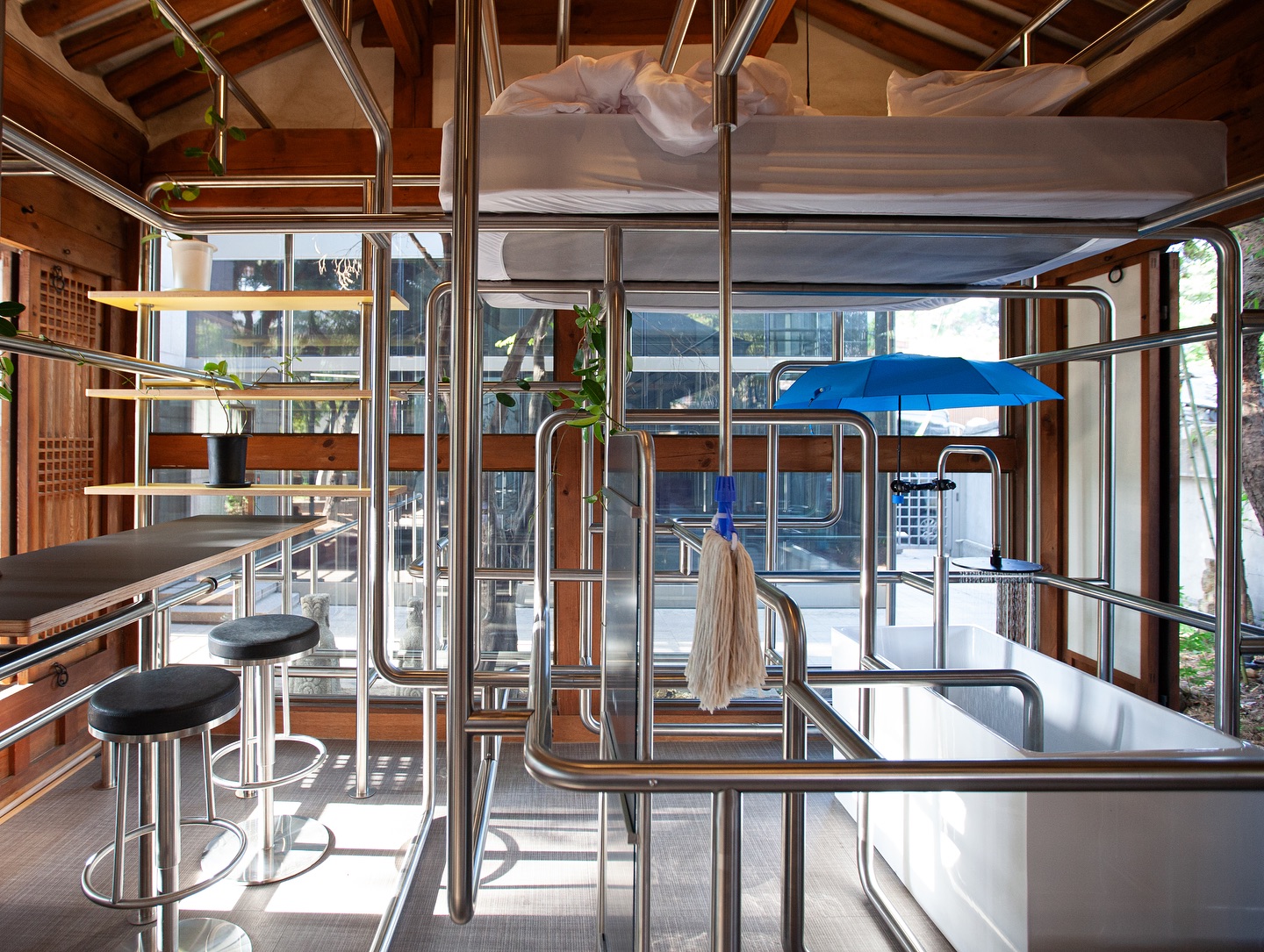
At the same time, Lee borrows the display
mechanisms and formats used for arranging merchandise, bringing everyday
objects—commonly encountered in daily life—into the museum space and
transforming them into artistic objects. Since Marcel Duchamp’s Fountain,
the use of everyday objects has become a familiar language within contemporary
art, yet it still retains considerable power. Perhaps this is because objects
that are easily consumed in daily life are filtered through the artist’s perspective
and incorporated into the institutional framework of art, revealing compelling
glimpses of the countless personal desires that intersect within society.
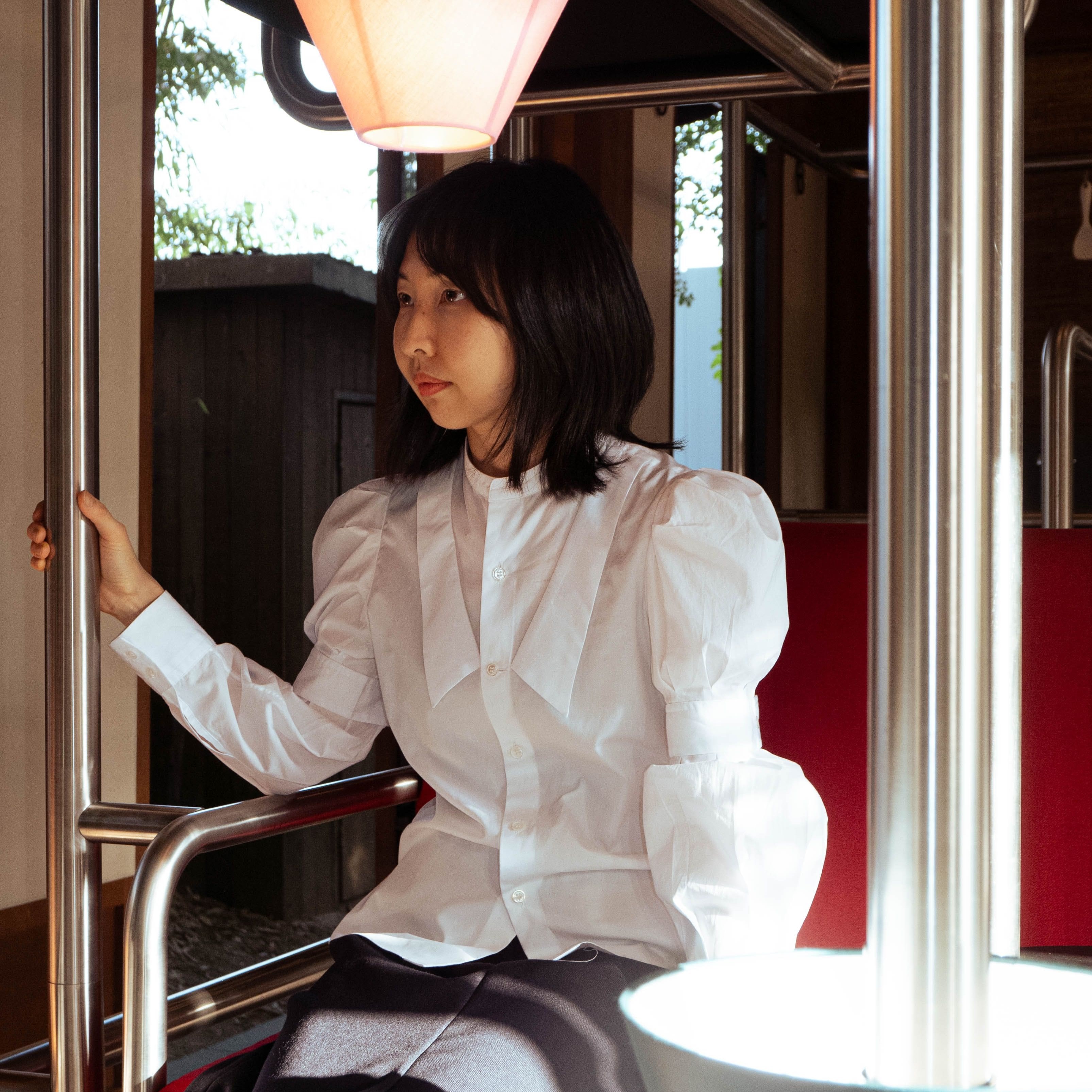
The
objects placed in space function almost like signs, and viewers entering the
space—amid the various lines arranged within it—inevitably become part of the
elements that share and construct the environment. The viewer’s gaze,
footsteps, breathing, voice, and gestures all contribute to this dynamic. At
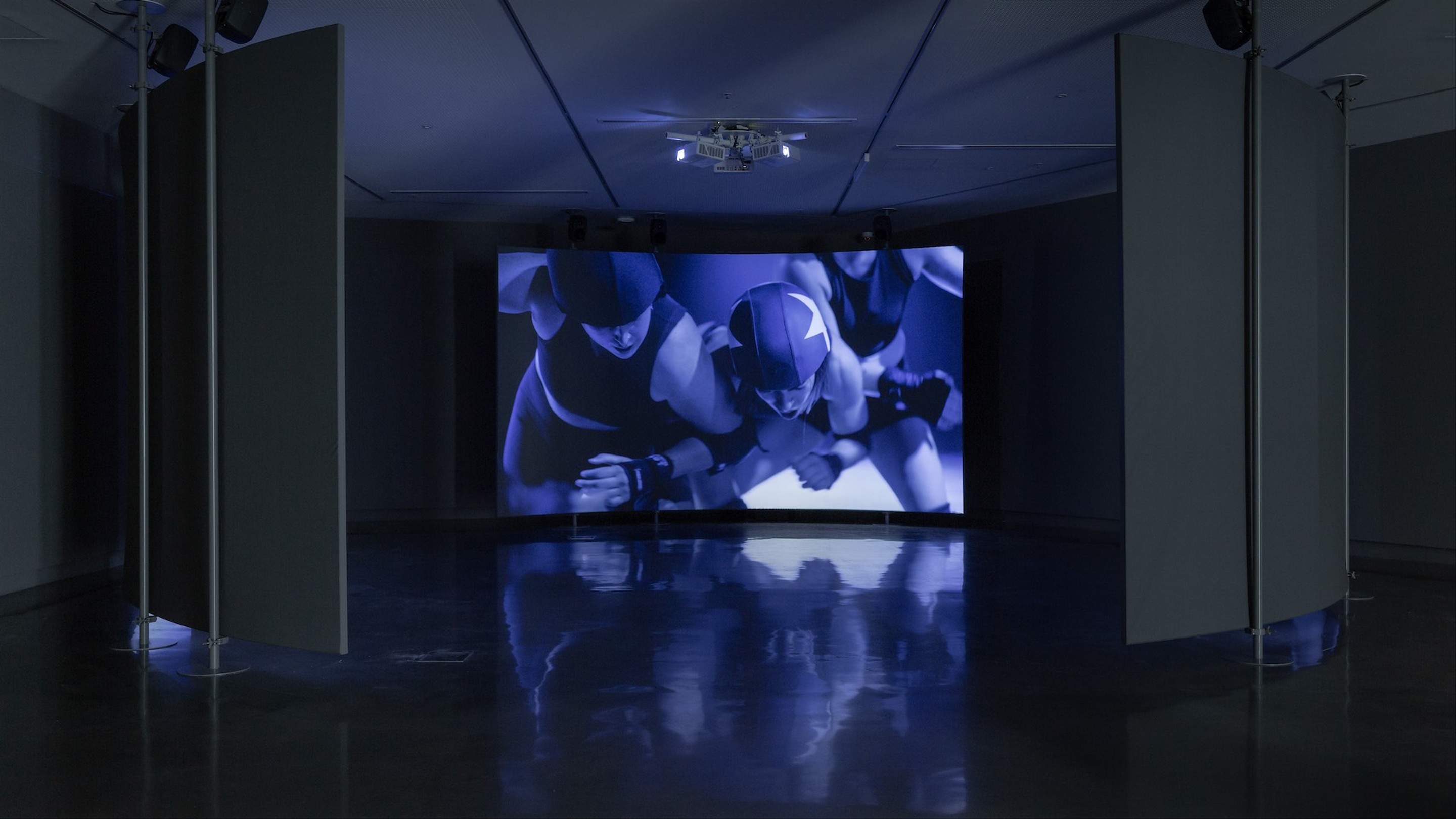
times the artist’s own performances are added, transforming the space into an
even more active site of communication. At the point where the boundaries
between artwork and commodity, art and everyday life, begin to blur, the
artist’s imagination playfully resonates with the viewer’s sensibility.
How, then, does the artist interpret the
exhibition space of the SOMA Drawing Center? One side of the gallery opens
broadly through a glass wall, revealing the magnificent landscape of Olympic
Sculpture Park beyond—a space that is open, beautiful, and historically
resonant. To offer a small clue: Lee will summon the spatial concept of “a
restroom and a café,” capturing the sense of leisure suggested by the park
while simultaneously transforming the gallery into a surprising environment
that disrupts our fixed expectations of what a museum space should be. Because
of the site-specific nature of the work, the full picture remains unknown at
the time of writing, and one can only speculate based on Lee’s previous
practice. Yet within this distinctive space—designed for expanded experiments
in drawing—there is great anticipation for the profoundly “drawing-like” work
that Yona Lee will unfold.