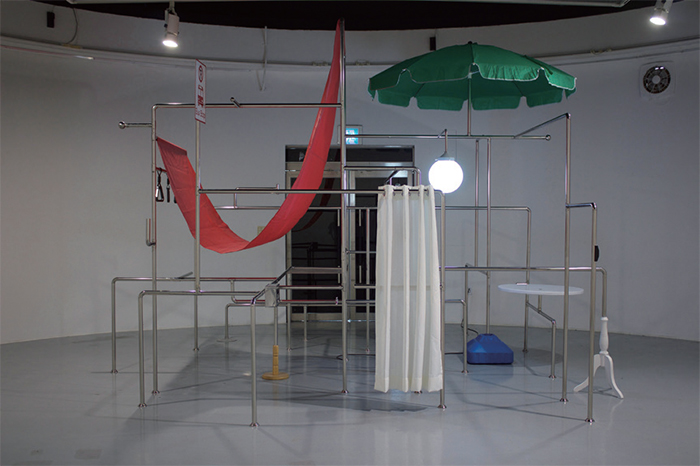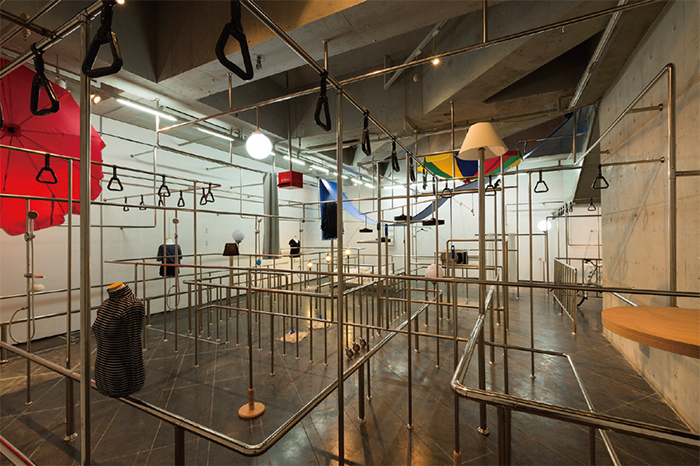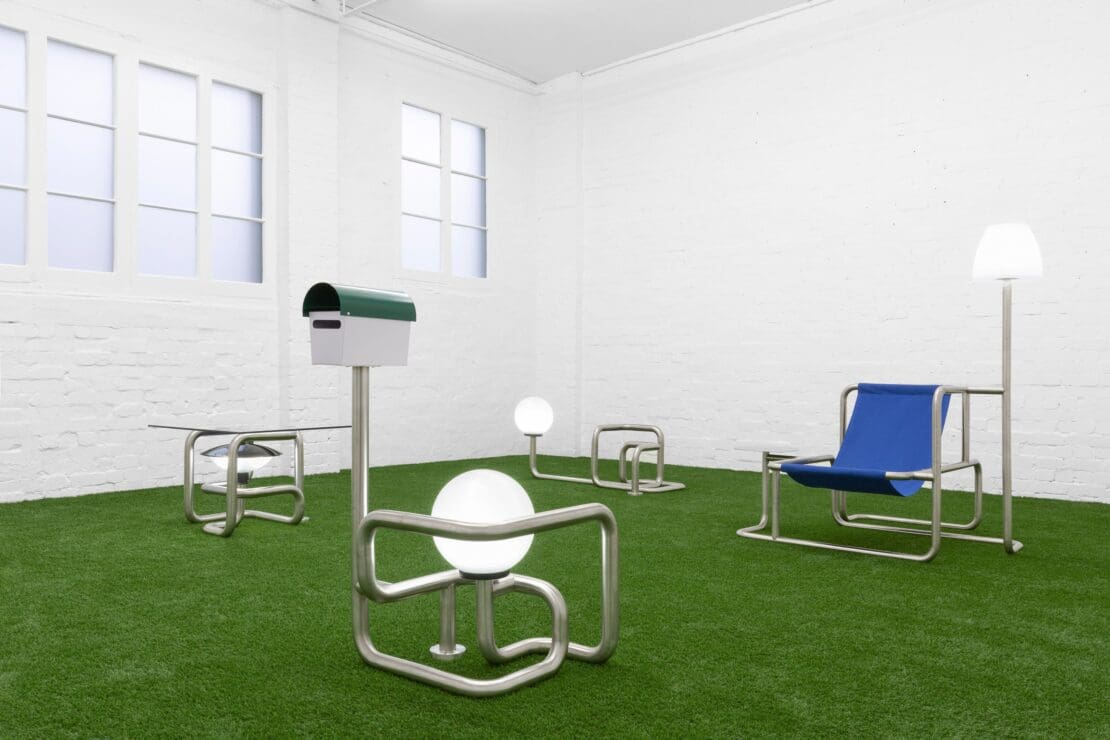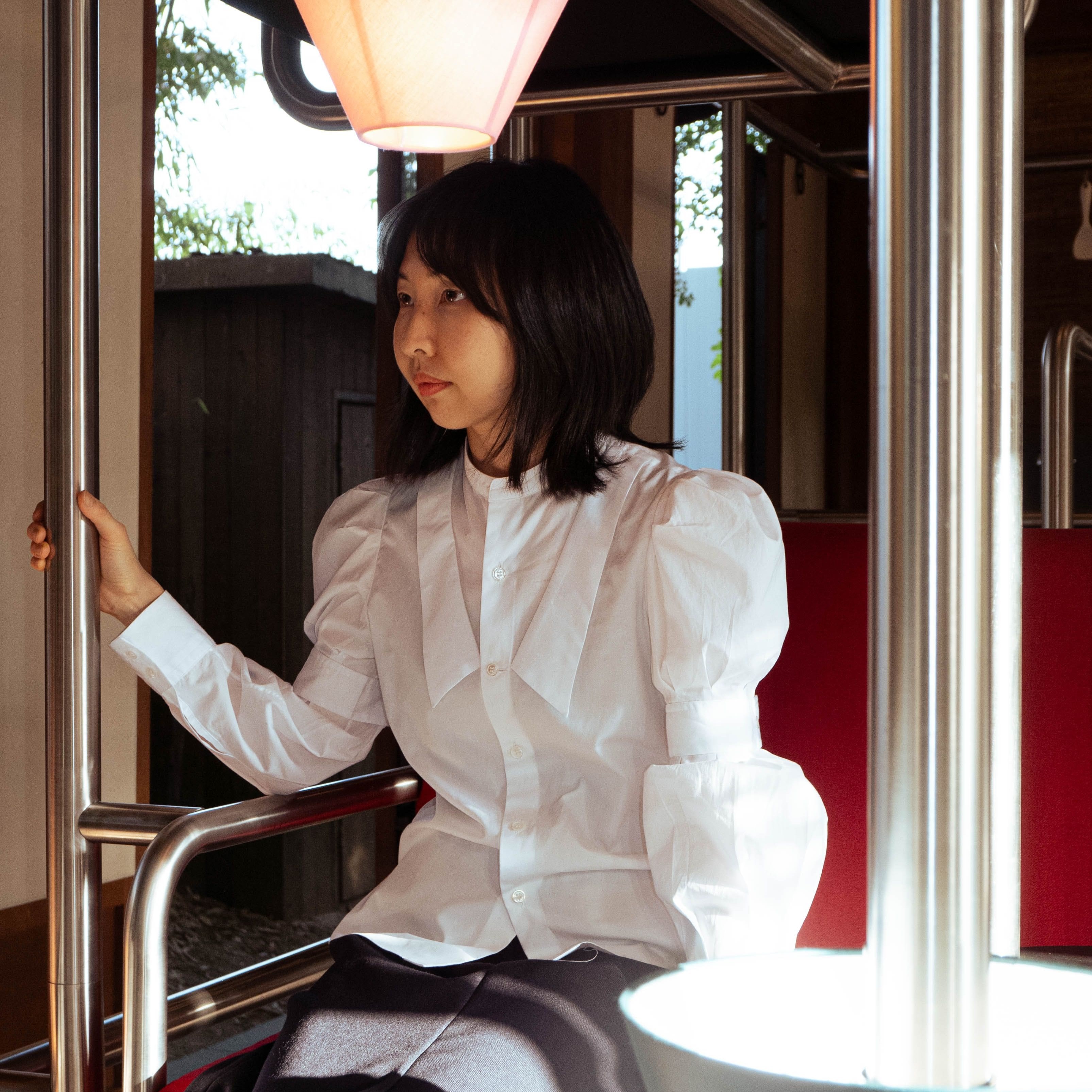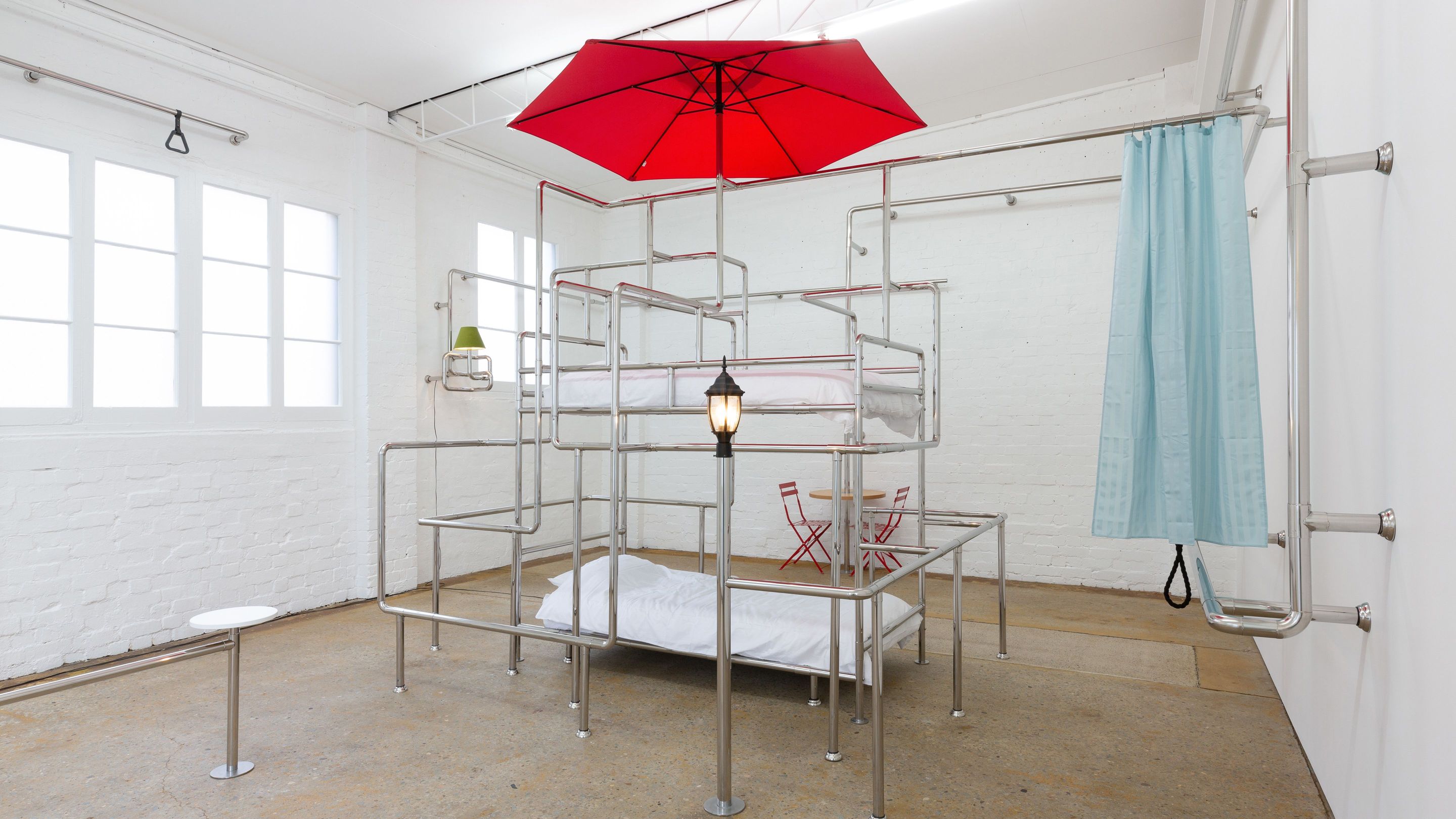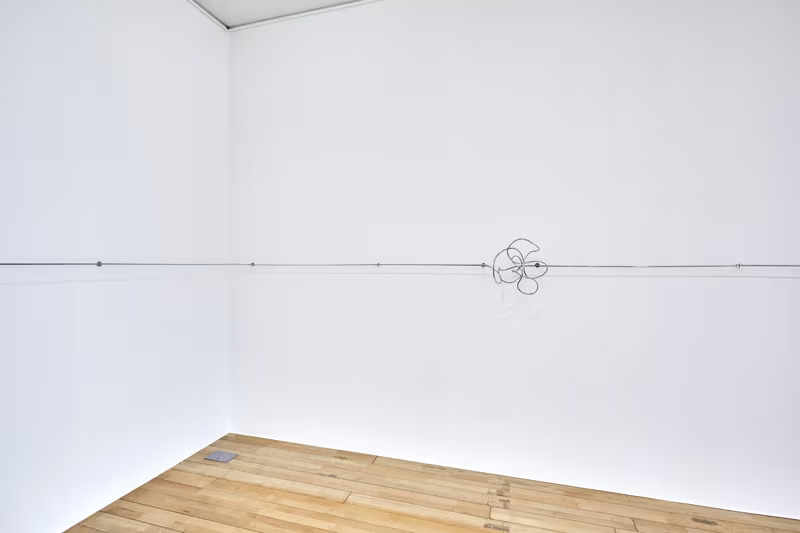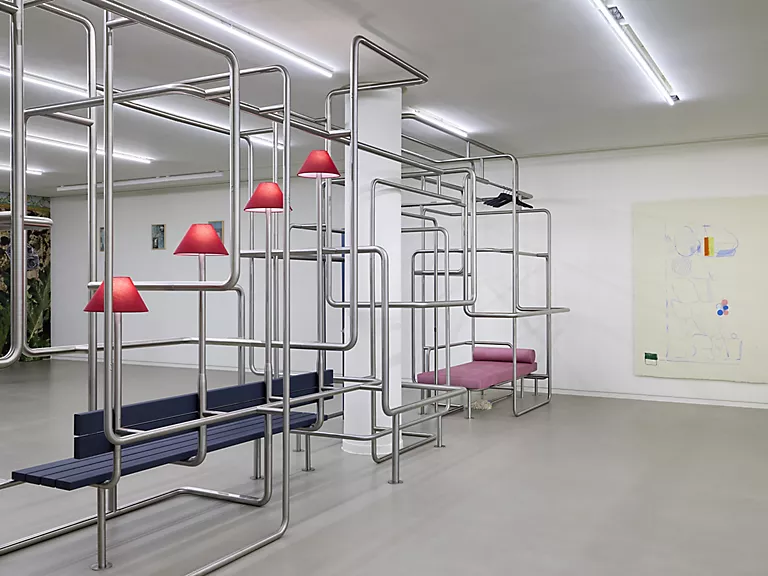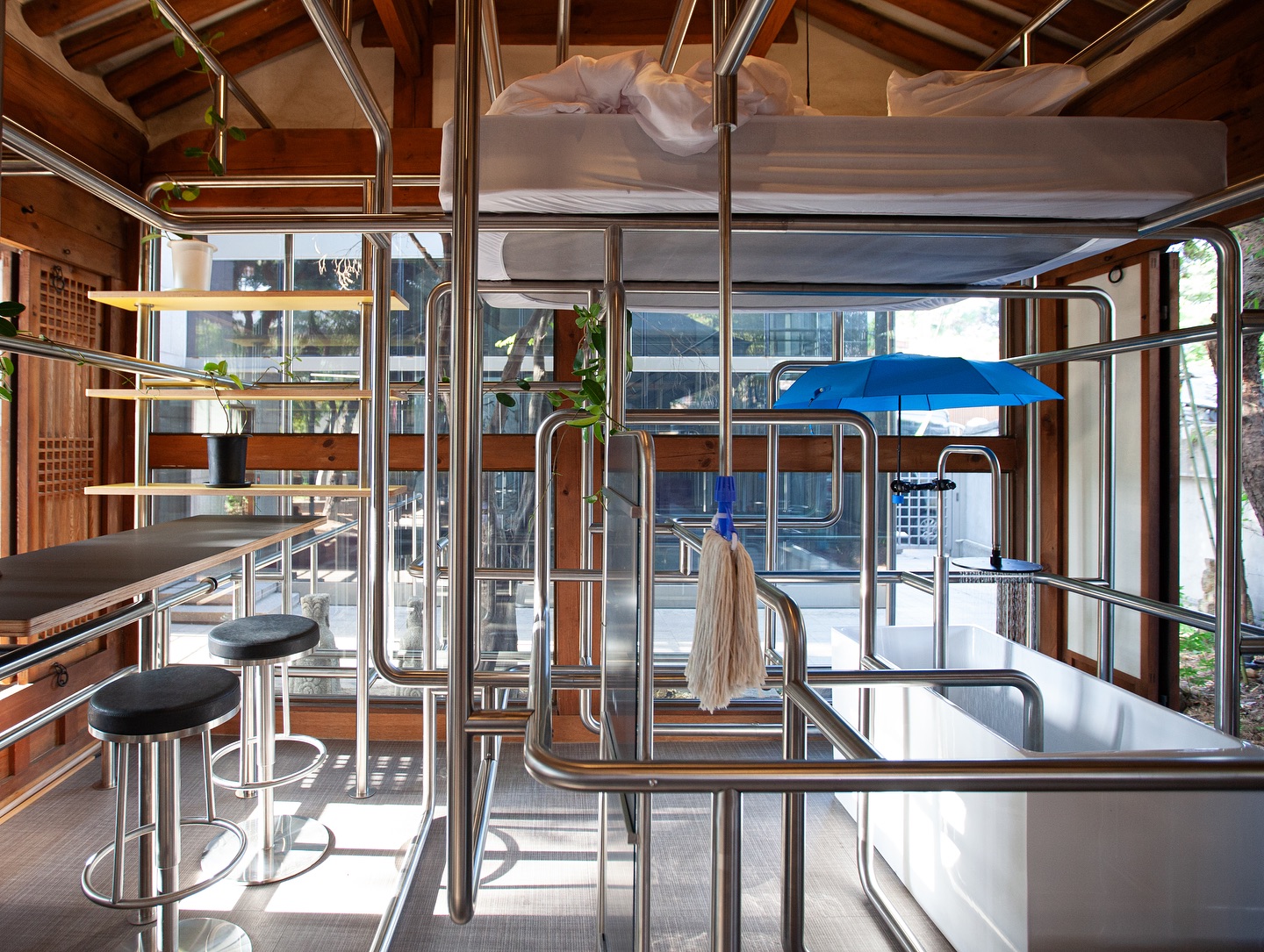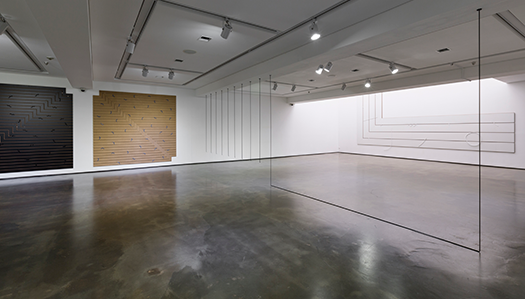

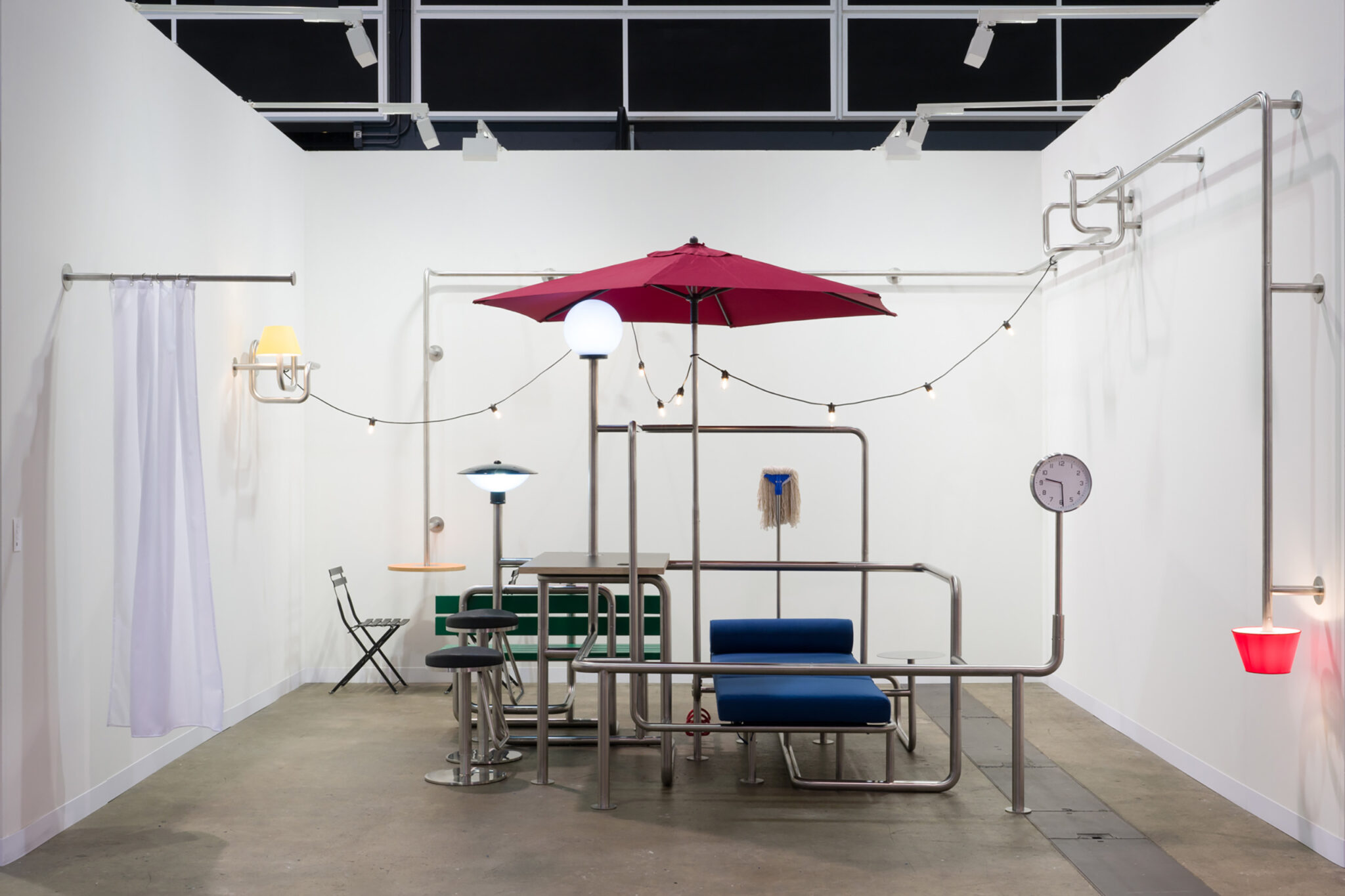
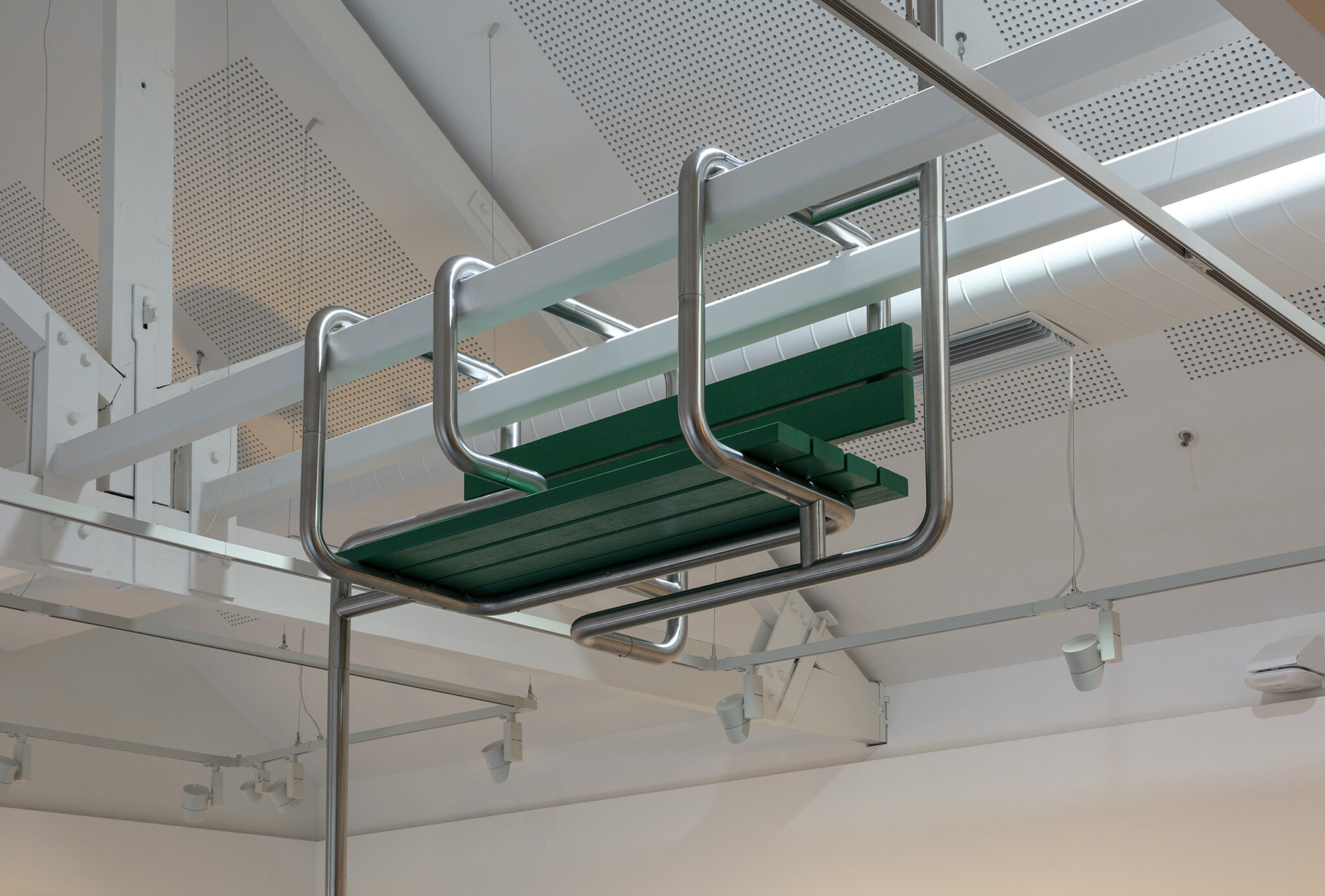
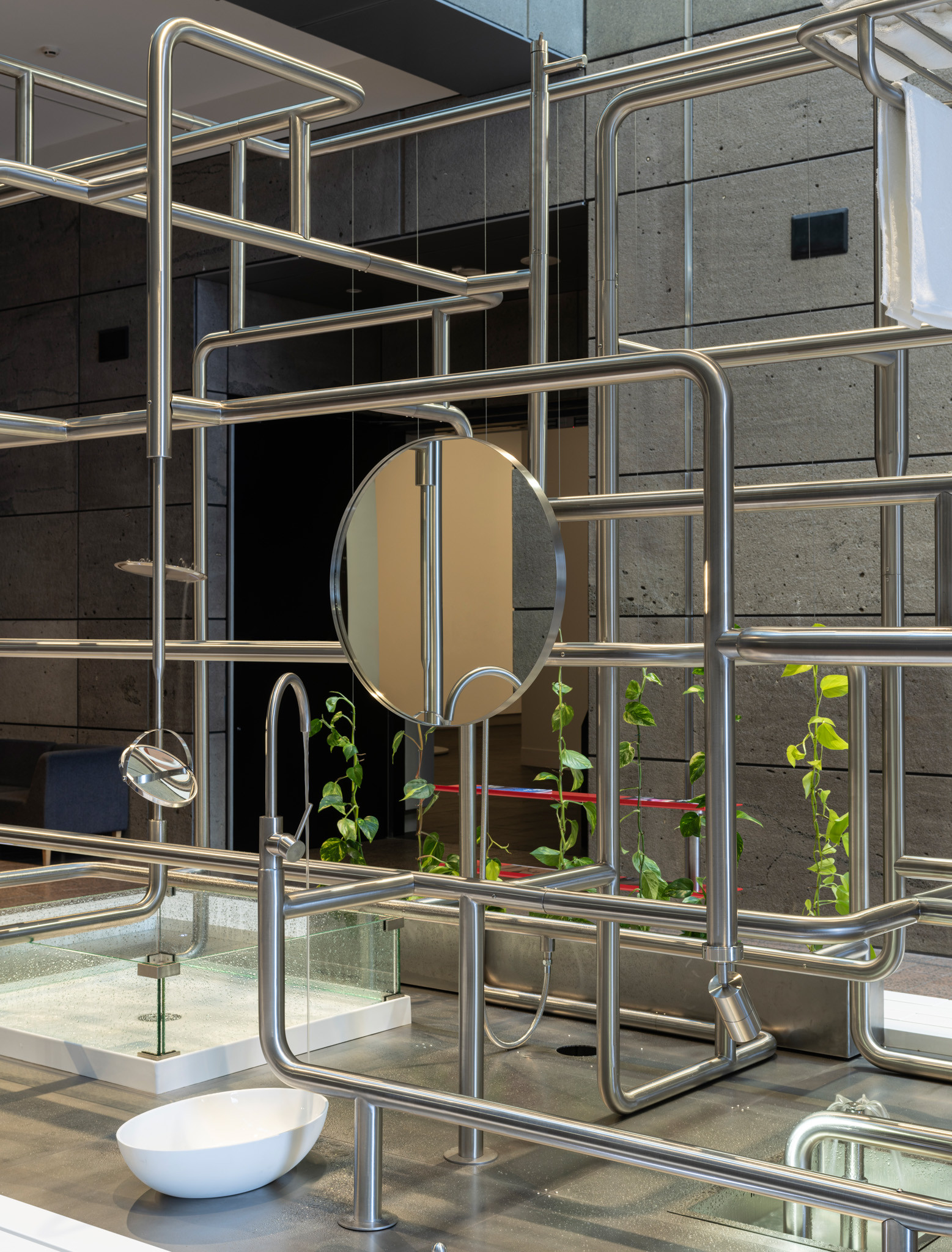
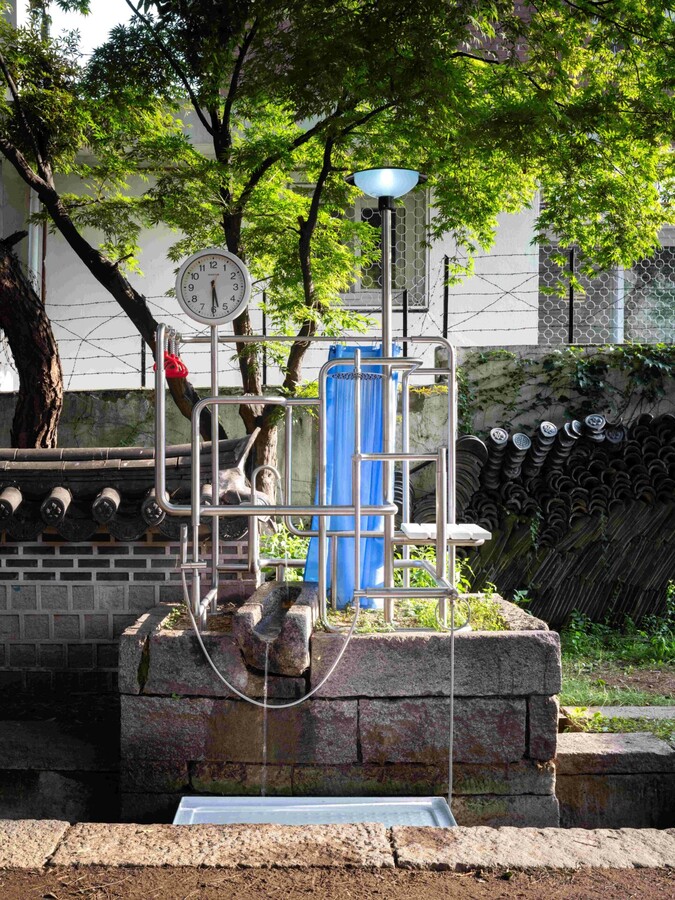
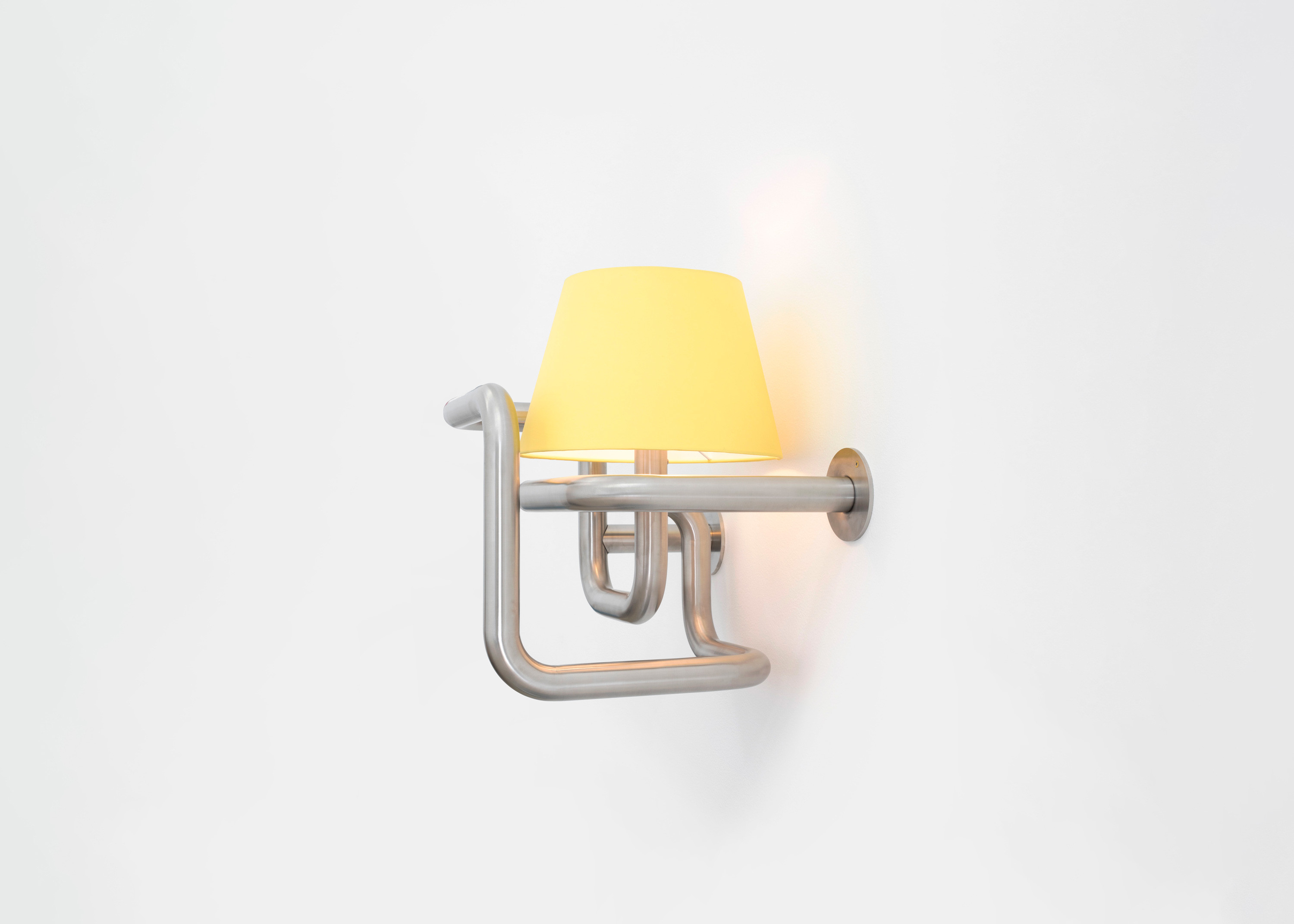
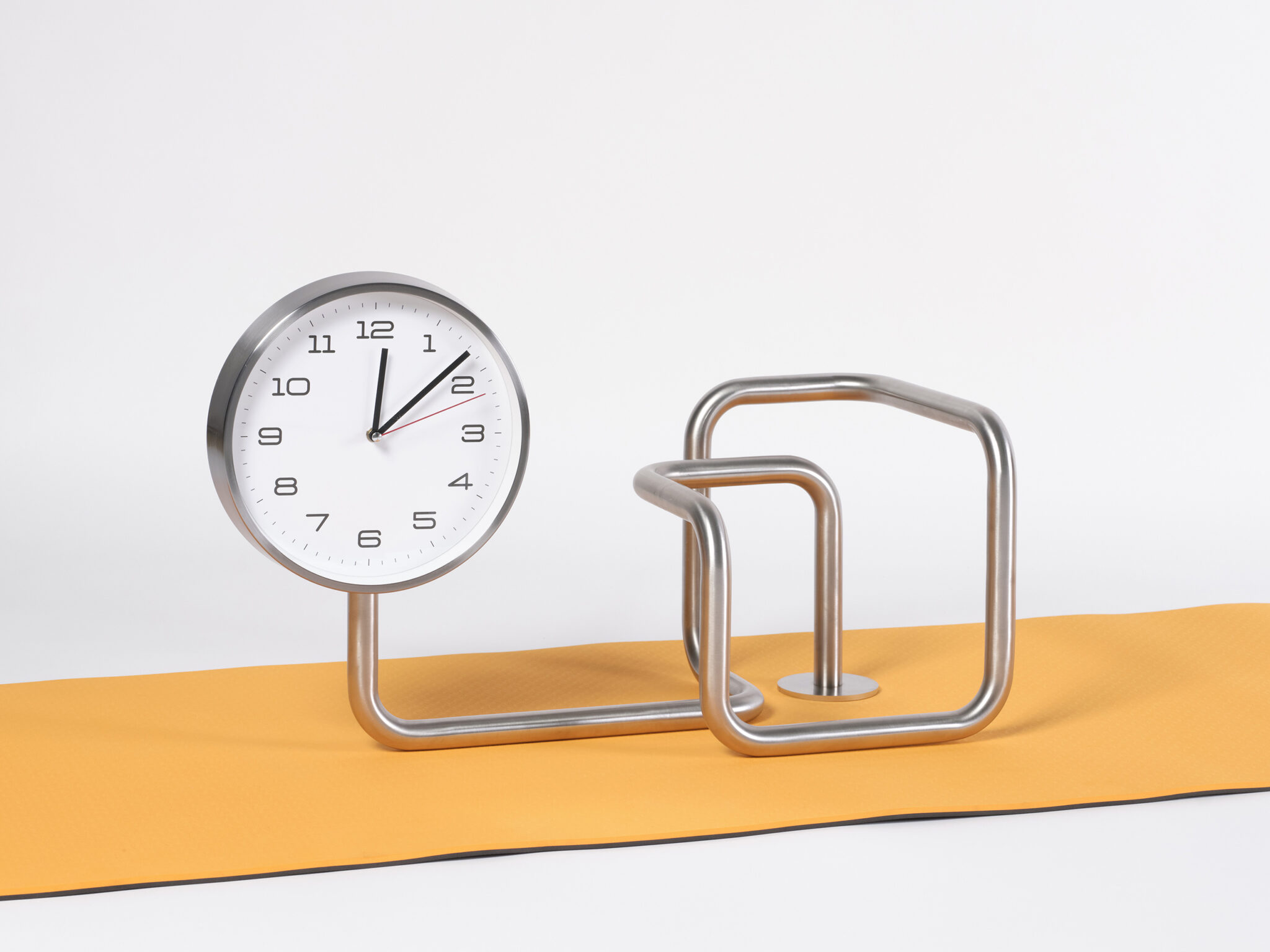
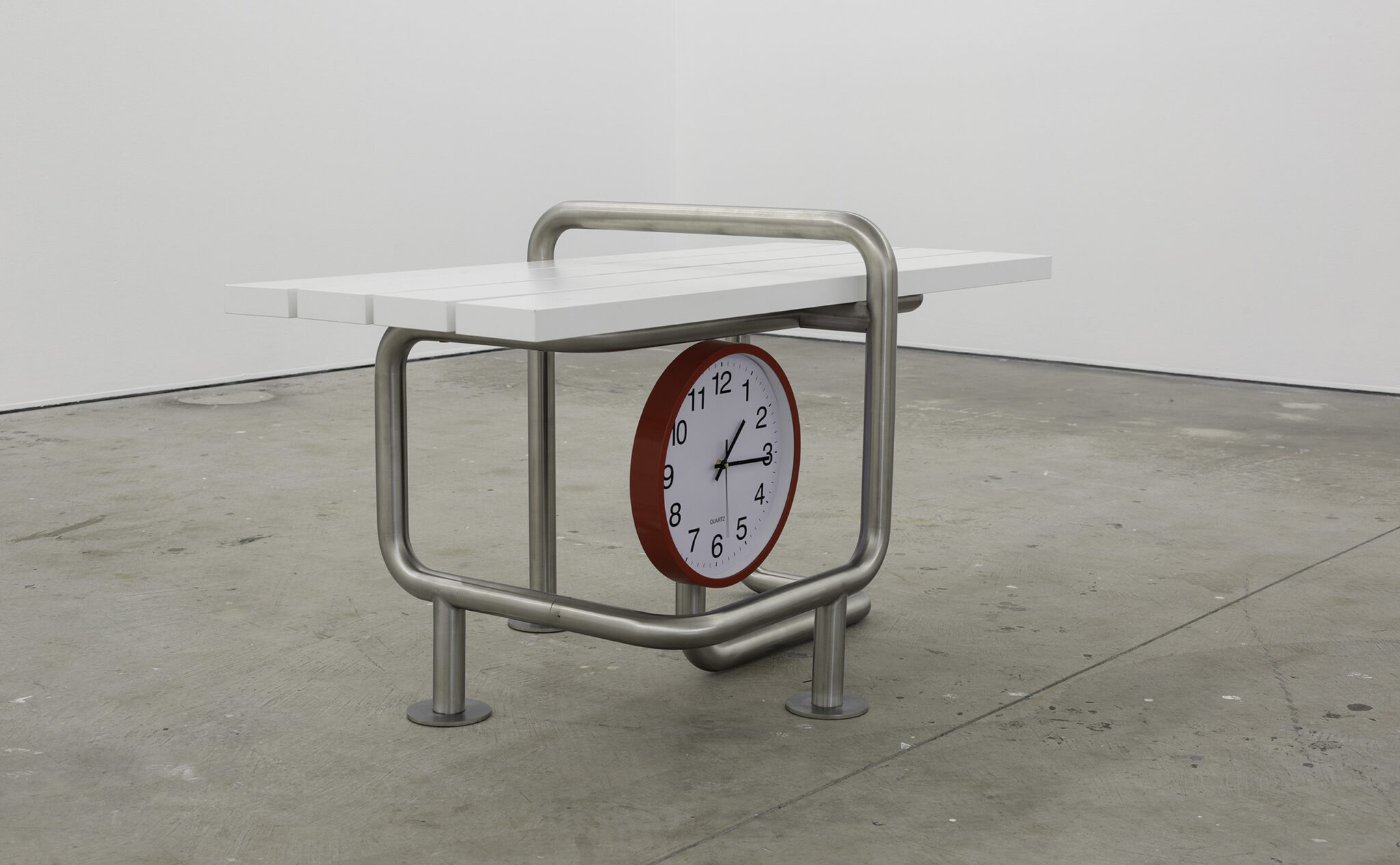
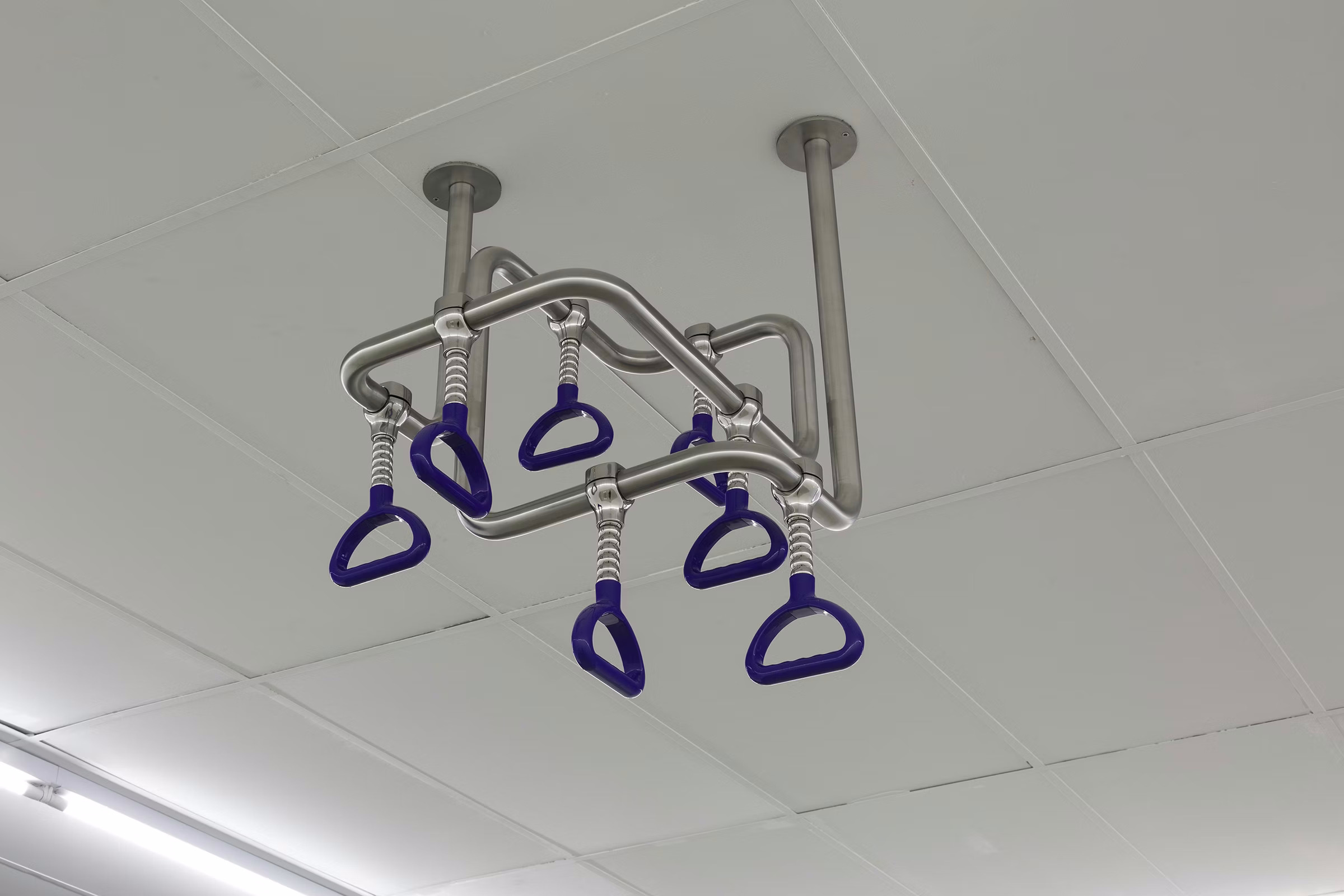
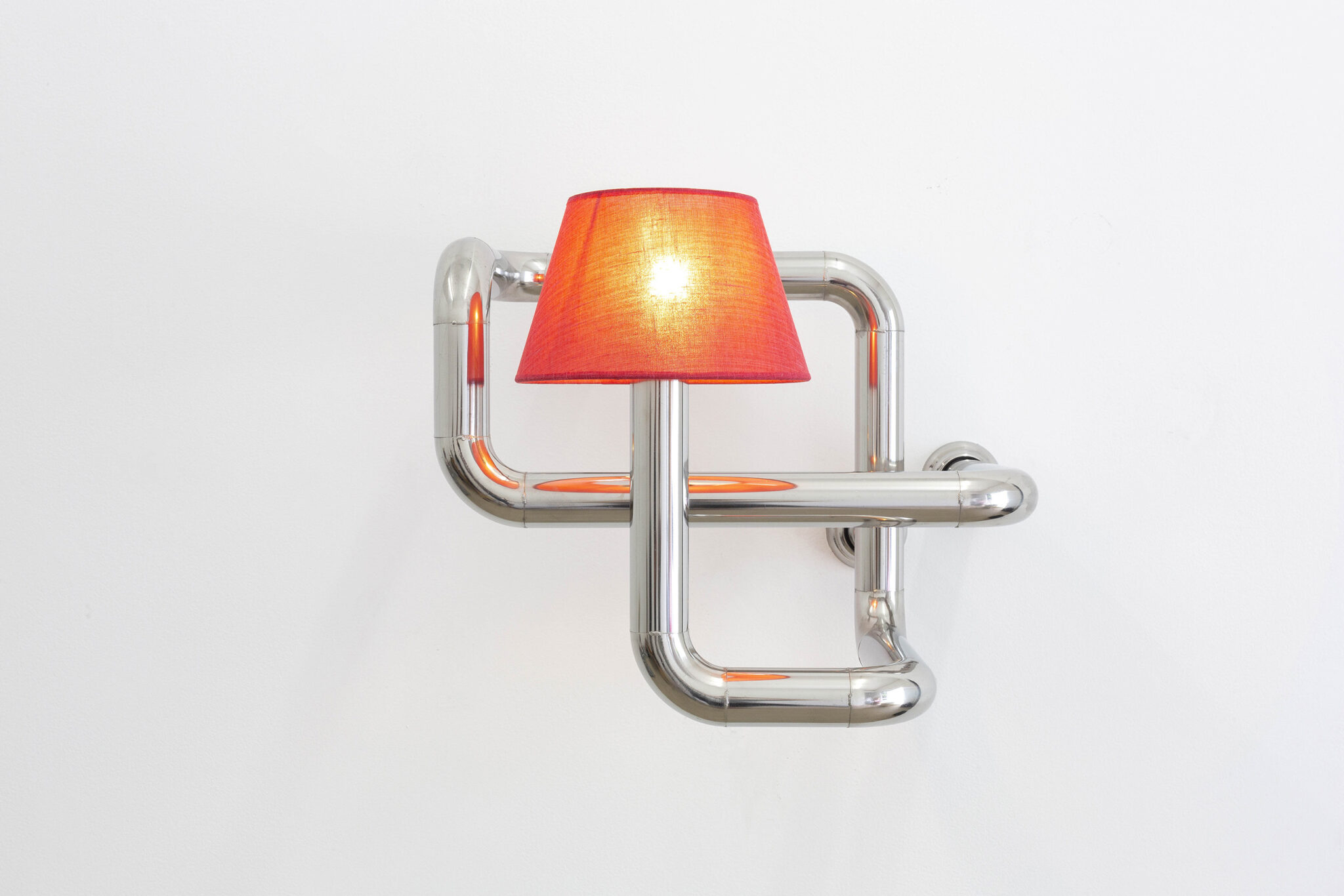
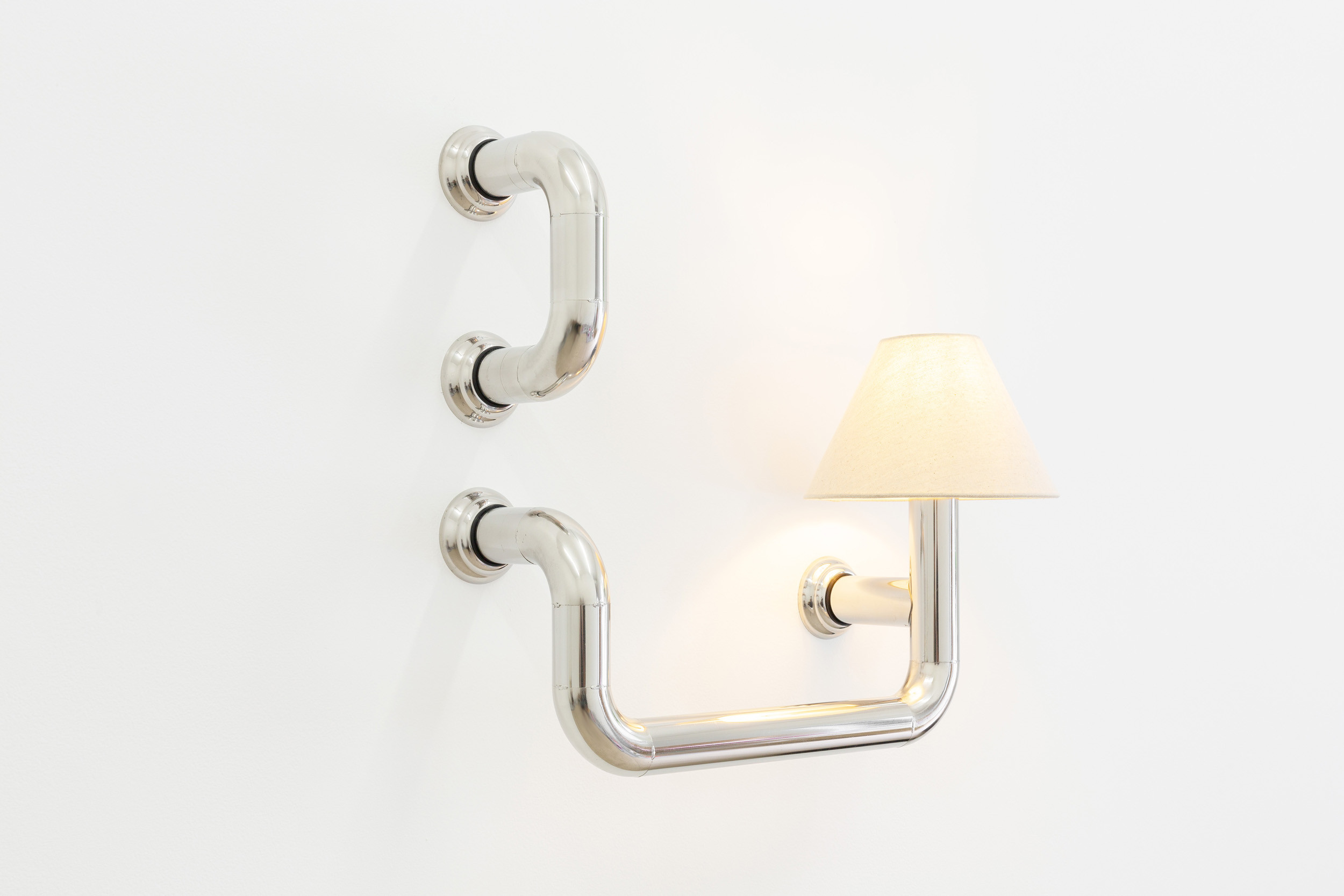
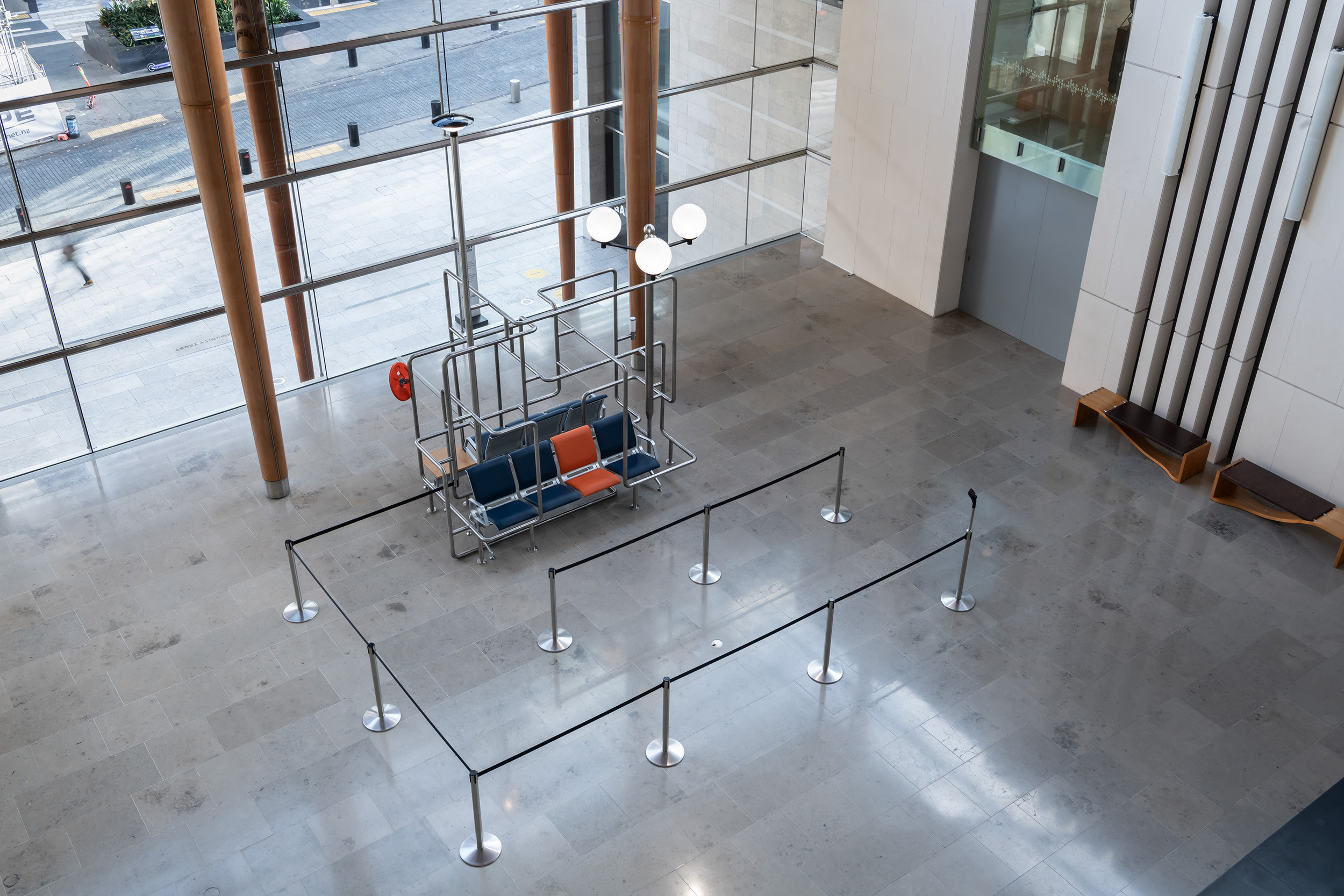
Yona Lee, In Transit (Intro), 2016, Mixed media, Dimensions variable © Yona Lee

After immigrating to New Zealand in September 1997, I visited Korea from time to time. But last year marked the first time I returned to Korea as an artist. Having now spent over twenty years in New Zealand—more than half of my life—I wanted to look back on and reflect upon the confusion surrounding my identity, the sense of unfamiliarity I felt while learning a new culture and language, and the loneliness that came with losing a sense of belonging. By exposing my work to the cultural context of Korea, I hoped to mature within it and perhaps also find a kind of healing.
 
A twelve-hour flight separates New Zealand from Korea. Relying on Naver Maps, I took buses and taxis, walking and walking again while following the exit numbers indicated by subway apps. Compared with the time consumed by travel, the time spent engaging in meaningful activities felt minuscule. If only I had two bodies, or if teleportation were possible, perhaps the short three-month residency period could have been used more efficiently and productively. The limitations imposed by the body, space, and time felt deeply frustrating.
 
One evening I met a friend who particularly enjoys walking, and after dinner we walked from City Hall Station to Gwanghwamun Station, then to Jonggak Station and Jongno 5-ga Station. Having previously traveled mostly by subway, I experienced for the first time how close these places actually are to one another, and how my understanding of these spaces deepened. Perhaps, while we live in an age where the development of the internet, airplanes, and trains has made our lives extraordinarily convenient, our understanding of space has, in contrast, become flattened—like a deflated tire.
 
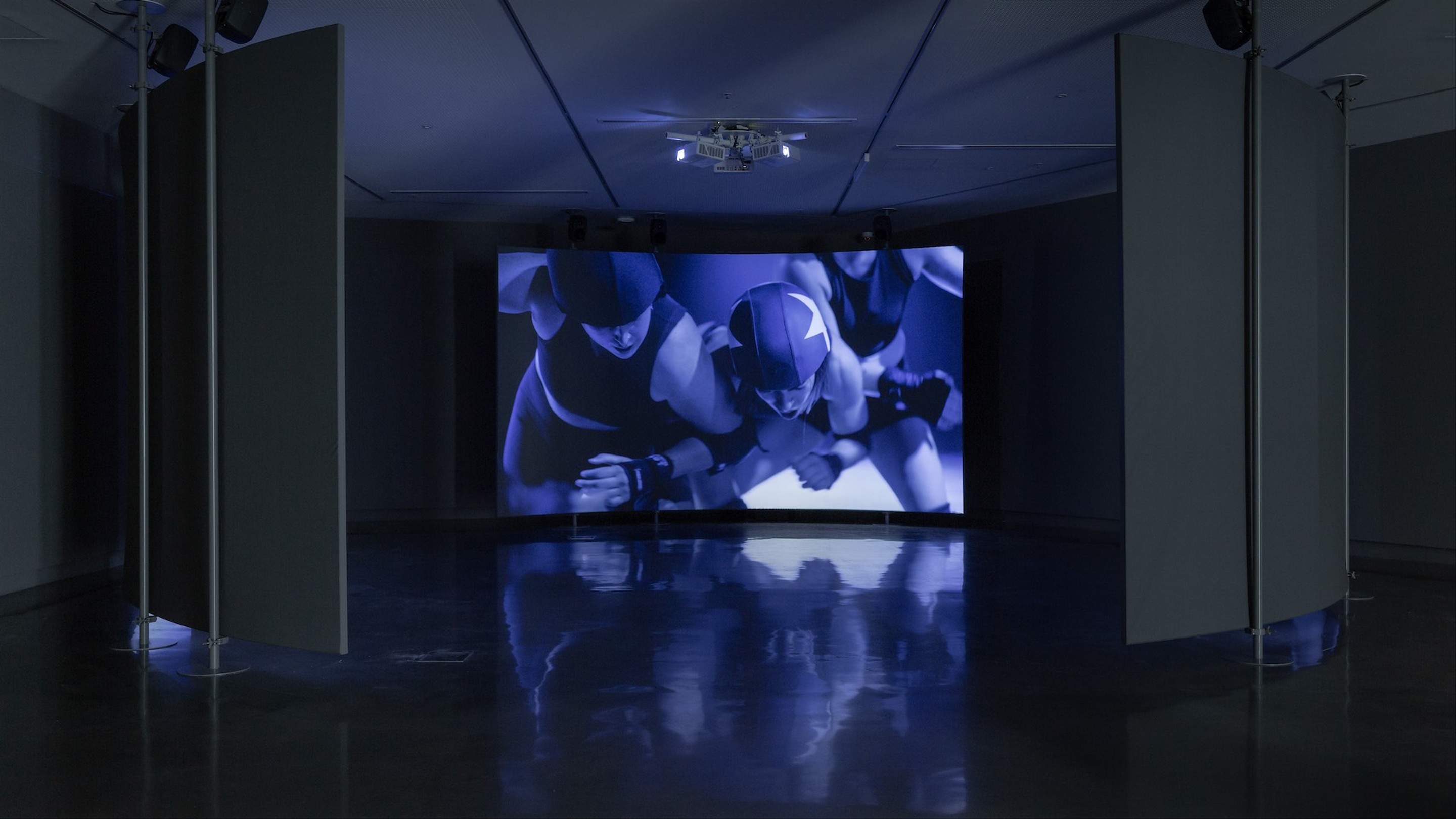
As soon as exhibition openings conclude, images of the show appear online across various media. Yet such photographs often feel pale in comparison to the actual experience. People speak as though they have seen the entire exhibition through just a few images, and knowing the power that photographs possess, artists inevitably invest time and money into exhibition documentation. After all, when time passes, photographs are often the only things that remain.
 
Is it a fear of death? A desire to live forever? Or a longing to step even slightly closer to something transcendent? Looking back at the history of modernization, which has struggled to overcome the limitations imposed by time and space, we can clearly see its many positive achievements. Yet it has also brought negative consequences alongside them—and their destructive power can be immense.


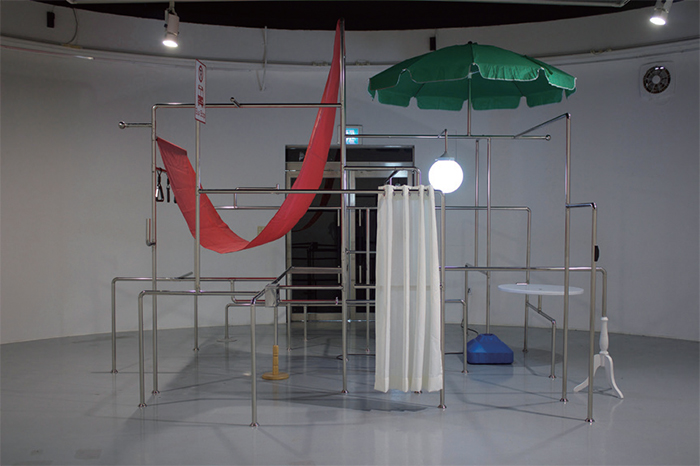
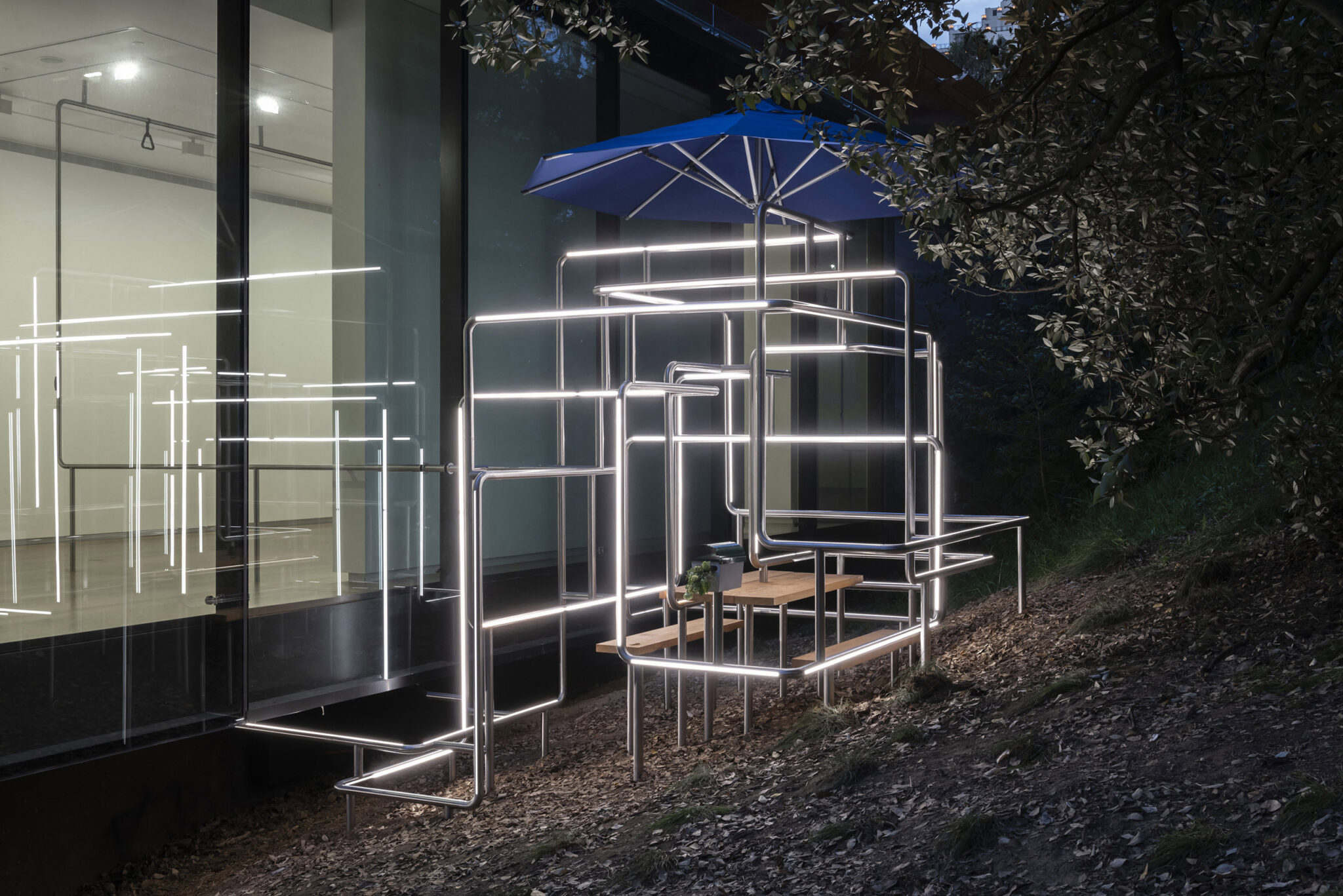
Yona Lee, In Transit, 2016, Mixed media, Dimensions variable © Yona Lee

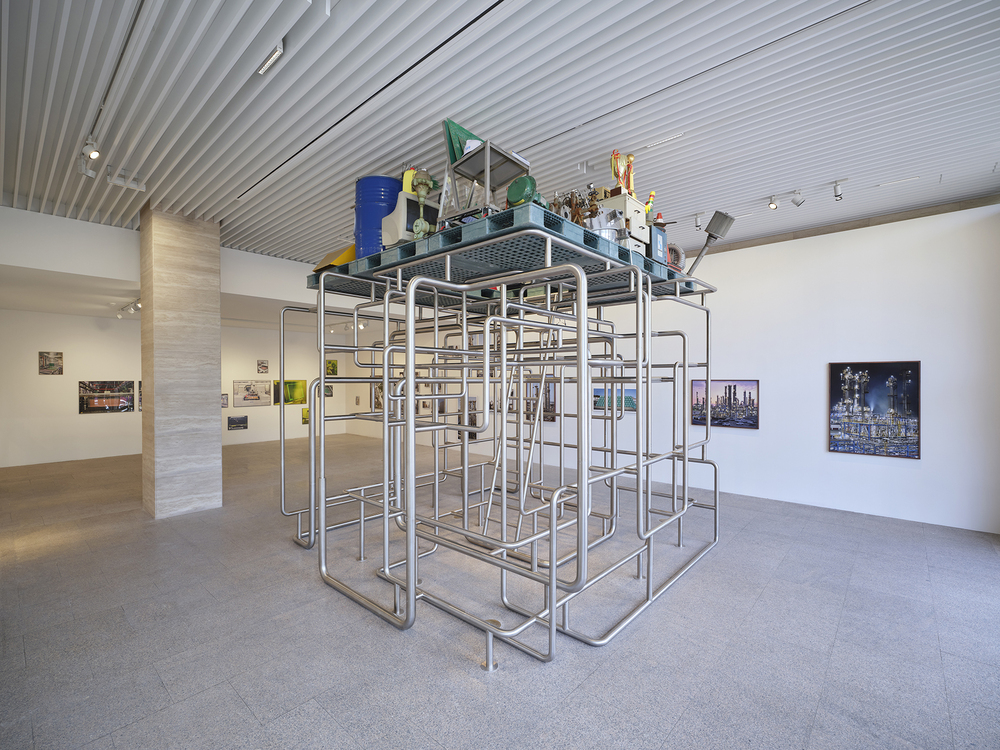
The parasols scattered throughout Seoul, signposts pointing in every direction, bus handles swaying with the movement of the bus, subway stations that appear similar yet subtly different. Spending so much time in transit while observing my surroundings led me to think about the relationship between people and space, the many universal limitations that shape our lives, and the efforts and desires we hold to move beyond those limitations. Out of these reflections, the ‘In Transit Project’ was conceived. Now, after the passage of a year, I find myself turning the final page of this project. After completing a six-month journey in Korea—neither long nor short—I returned to New Zealand and spent four months producing In Transit (Arrival).
 
Where, then, have I arrived? What journey have I completed before returning? There were certainly many challenges in the process of making this work, but through art I have undoubtedly grown, and art has enriched my life. Perhaps the black-and-white question of my identity was misguided from the beginning. When someone once asked the conductor and pianist Daniel Barenboim, “What does ‘home’ mean to you?” he replied: “Home is where my music is.” Like In Transit, which blurs the boundaries between past, present, and future, as well as between private and public space, perhaps I live in Korea as I live in New Zealand, and live in New Zealand as I live in Korea. Belonging to art, I am free within it.

References