From
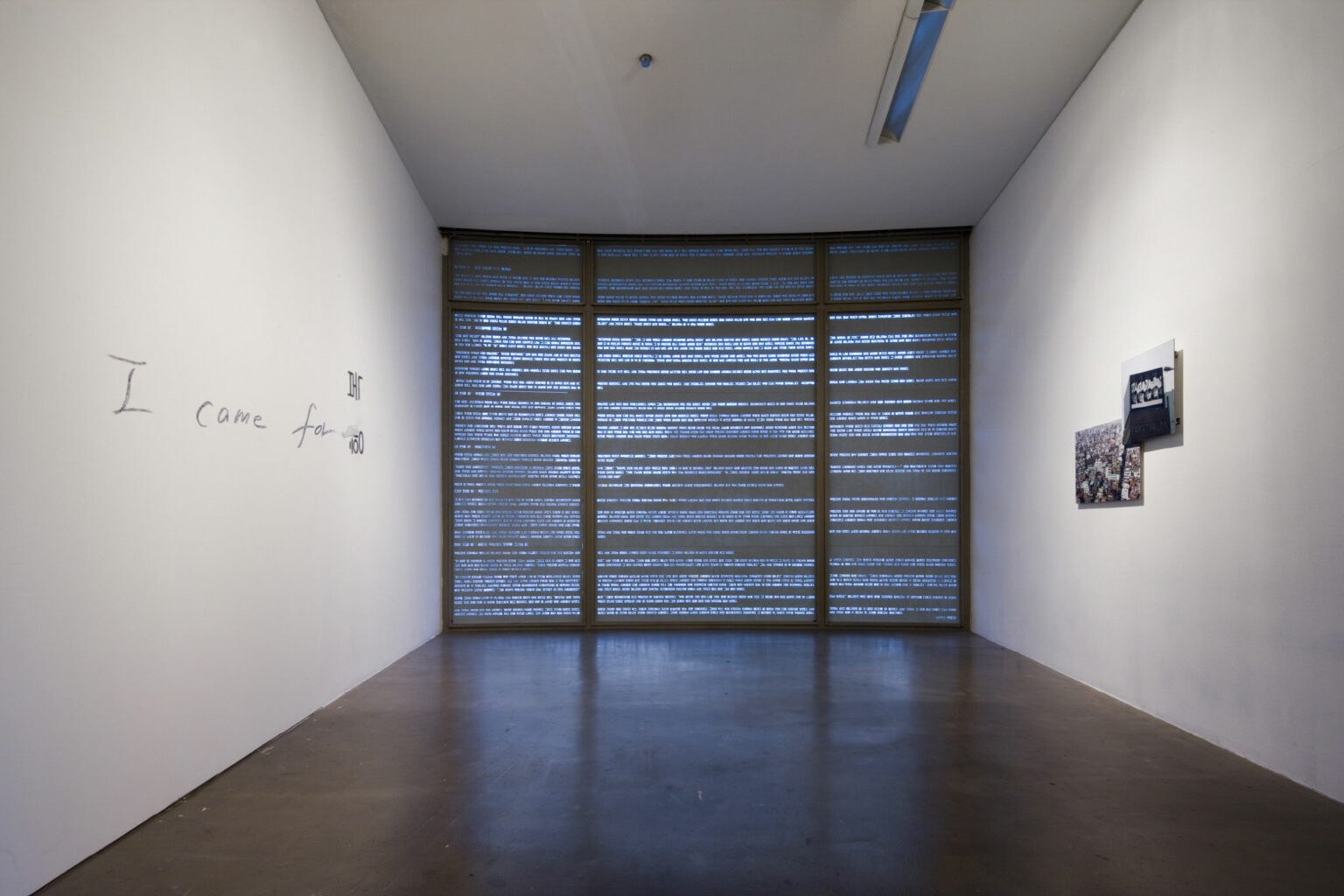
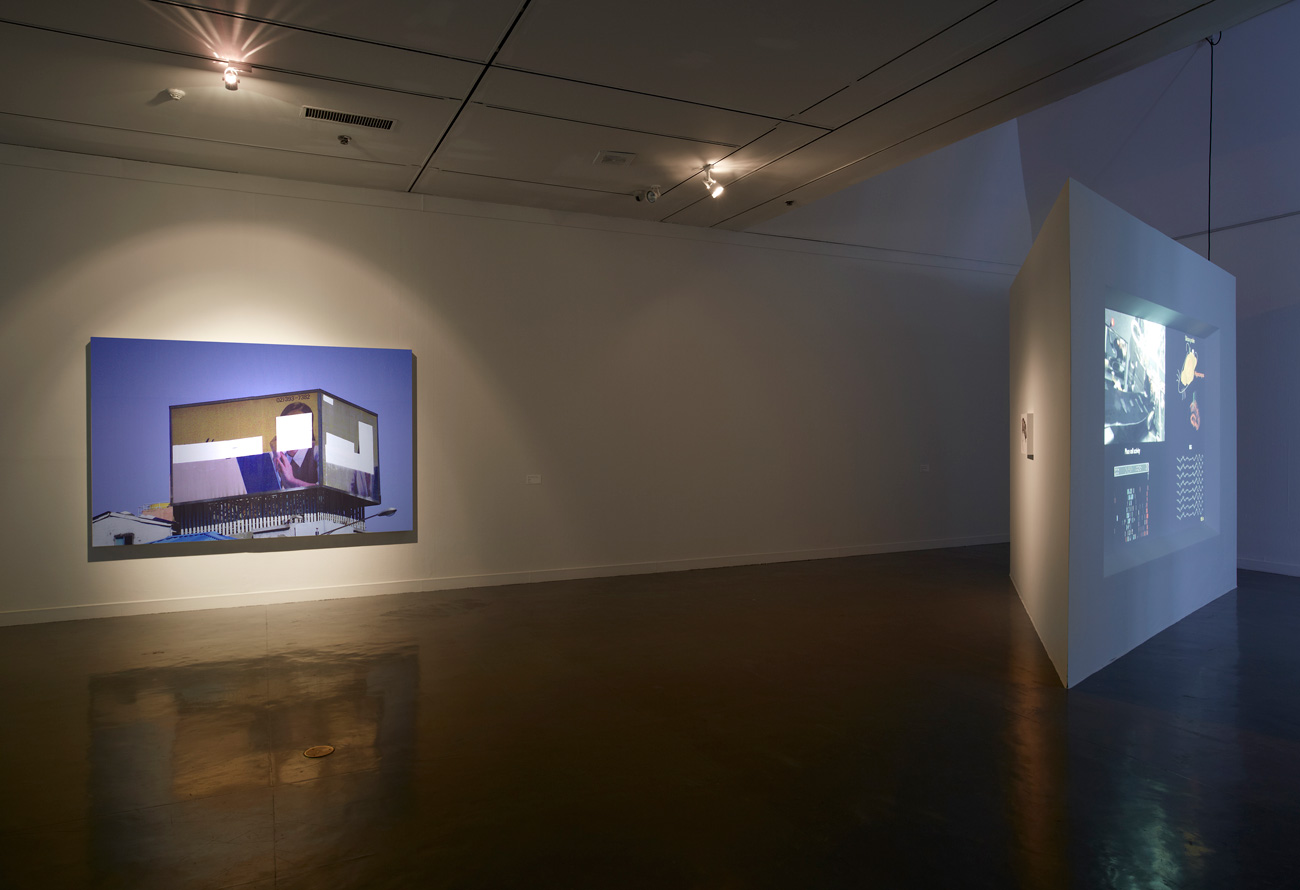
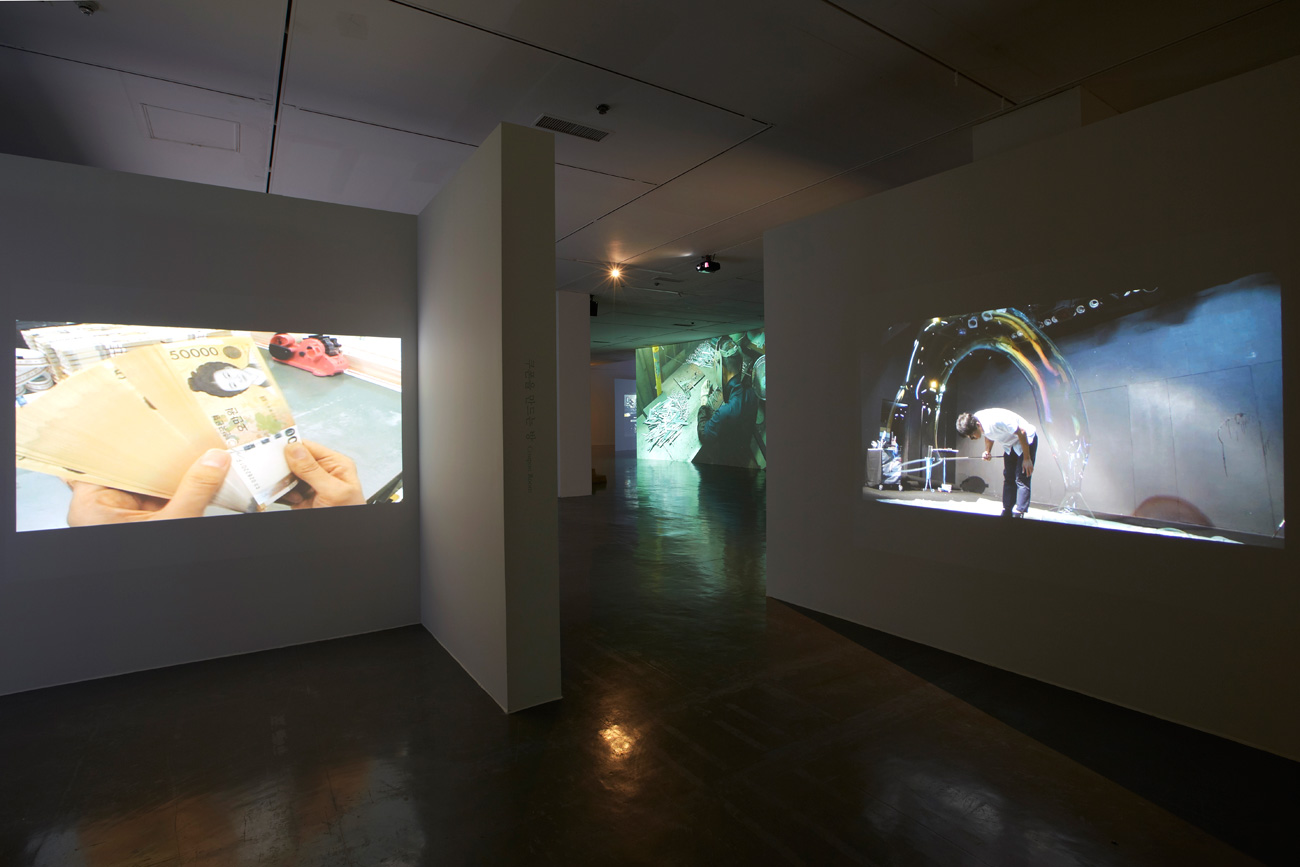
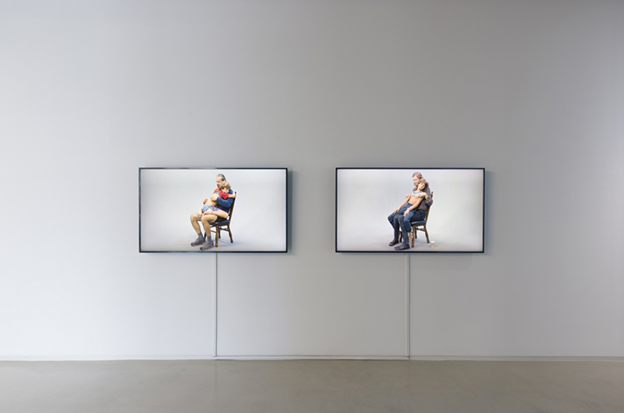
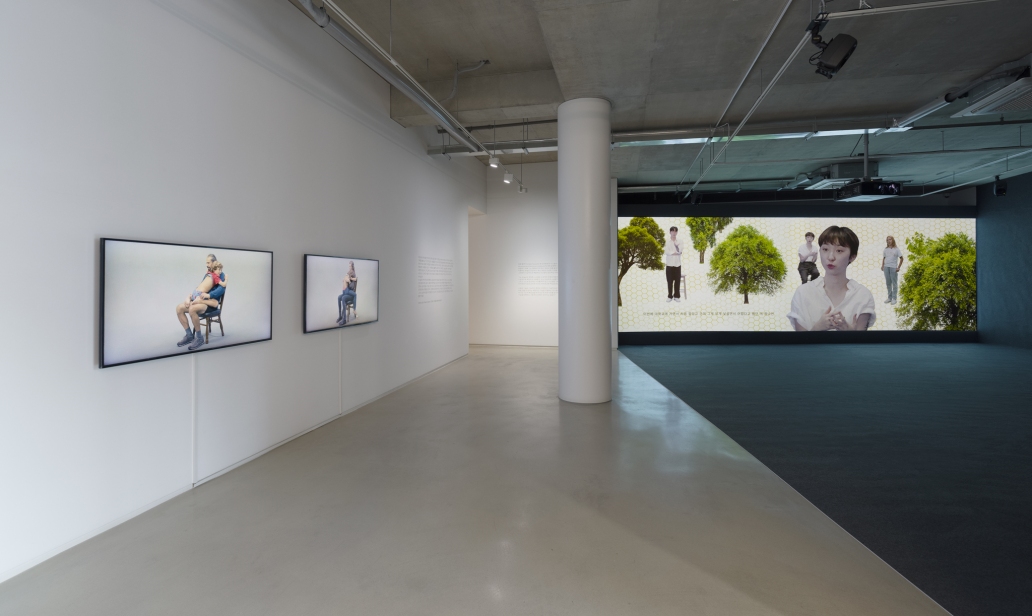
November 4th to December 11th, PIBI Gallery hosts Yang Ah Ham’s solo exhibition titled 《Okul [School]_What
Do People Learn》. Ham raises questions about various
problems inherent in national and social systems, and conveys her search for
answers in diverse forms. Ham’s video works and
installations included in this exhibition address the importance of the
educational system from a more microscopic viewpoint. On the whole, she
presents an in-depth examination of narratives about disorder in today’s world, and envisions possible alternatives.
About
the Exhibition
Based
on her experience of living in different corners of the world, including Korea,
the Netherlands, and Turkey, Yang Ah Ham contemplates individuals and groups
existing in a world rooted in national and social systems, as well as the
increasing socialization of nature. Using the media of videos, sculptures,
installations and objects, she creates and pursues distinctive narratives
portraying various facets of society based on life.
Since
2018, she has expanded Undefined Panorama into a research and visual art
project. Ham navigates “the way ideas
influencing the system give rise to policies and laws, which then take root in
society as absolute values embedded in the individual and social
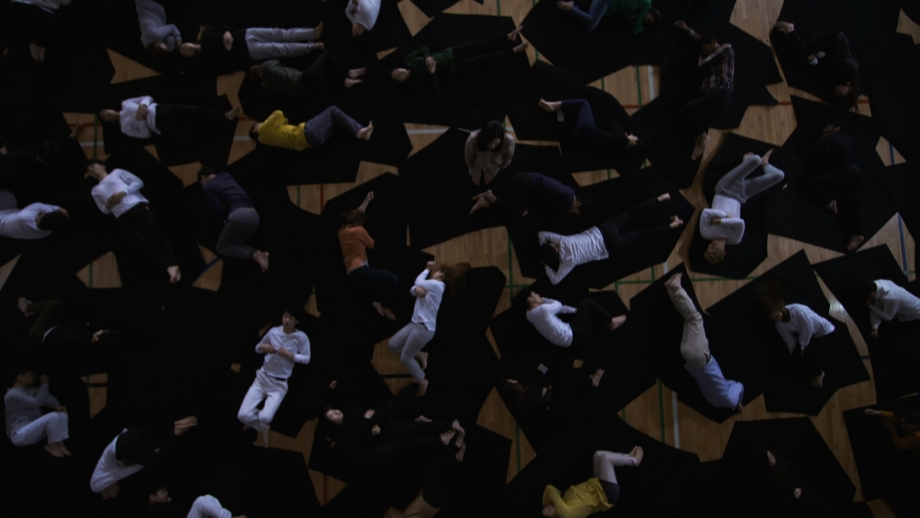
subconsciousness, and thus bring suffering into individual lives.” As a sub-section of Undefined Panorama, 《Okul
[School]_What Do People Learn》 comprises videos, texts
and image installations with a focus on the significance of “education” and “nurture” as possible sources for alternative changes in society.
《Okul [School]_What Do People Learn》 falls
under the umbrella of Undefined Panorama, which reates its own narrative
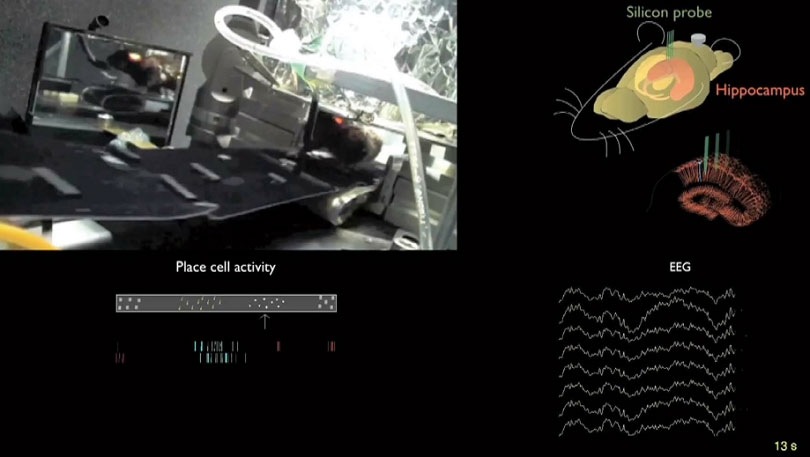
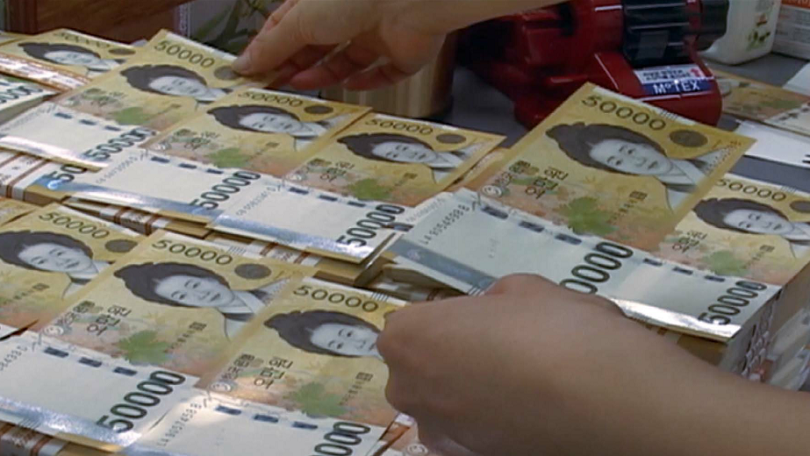
structure through the process of collecting, categorizing, and abstracting data
on individual cases in multiple fields such as finance, politics, technology,
education and work. Furthermore, it deals with such major issues as
globalization and inequality, politics, work and basic income system, education
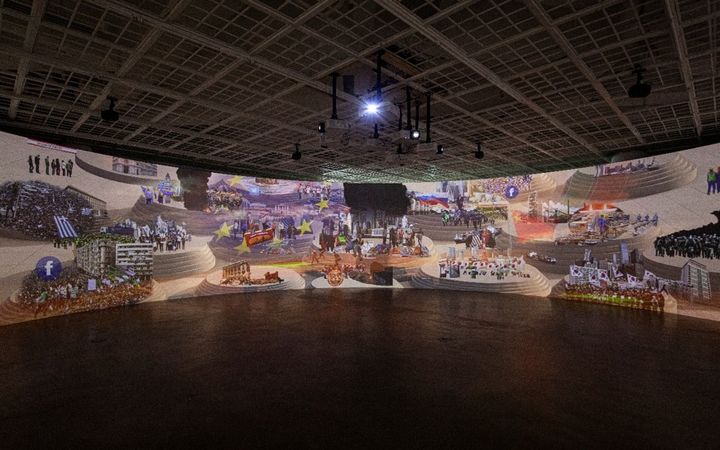
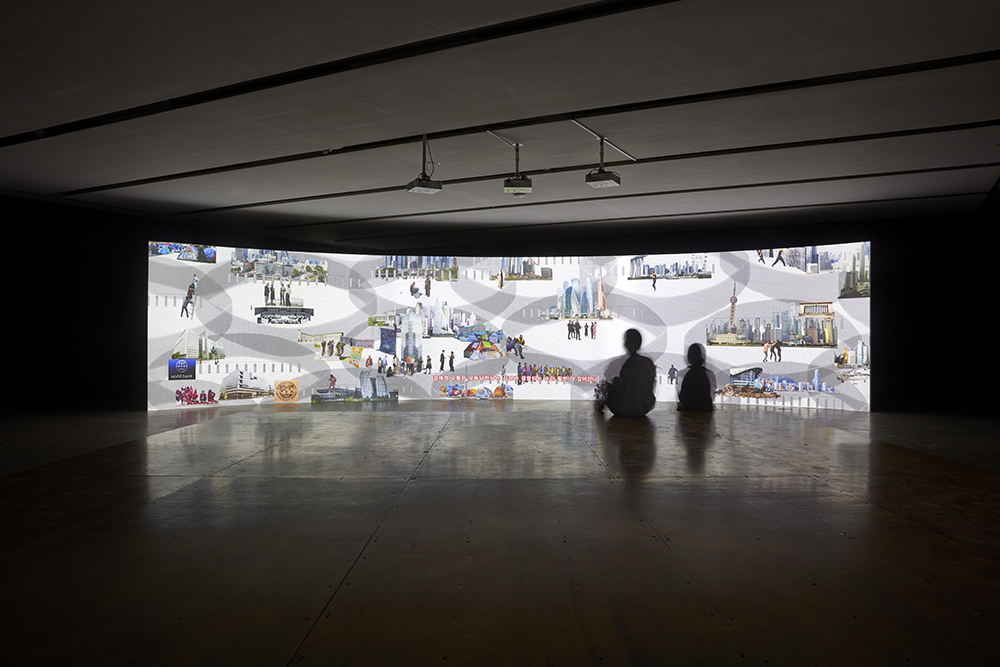
and culture, community, and disaster and its aftermath. For instance, in the
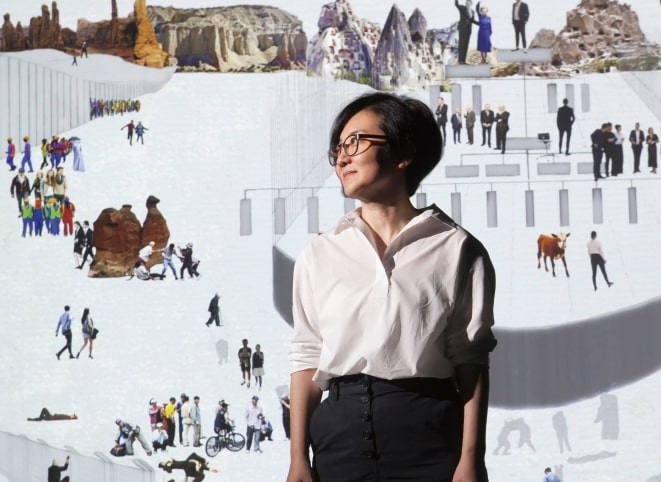
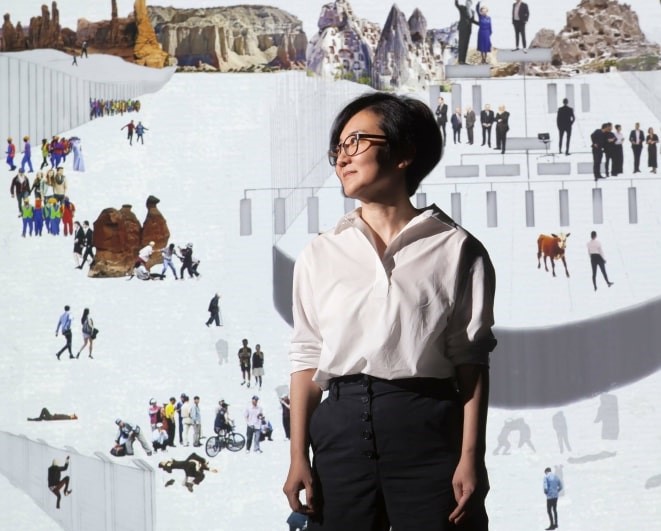
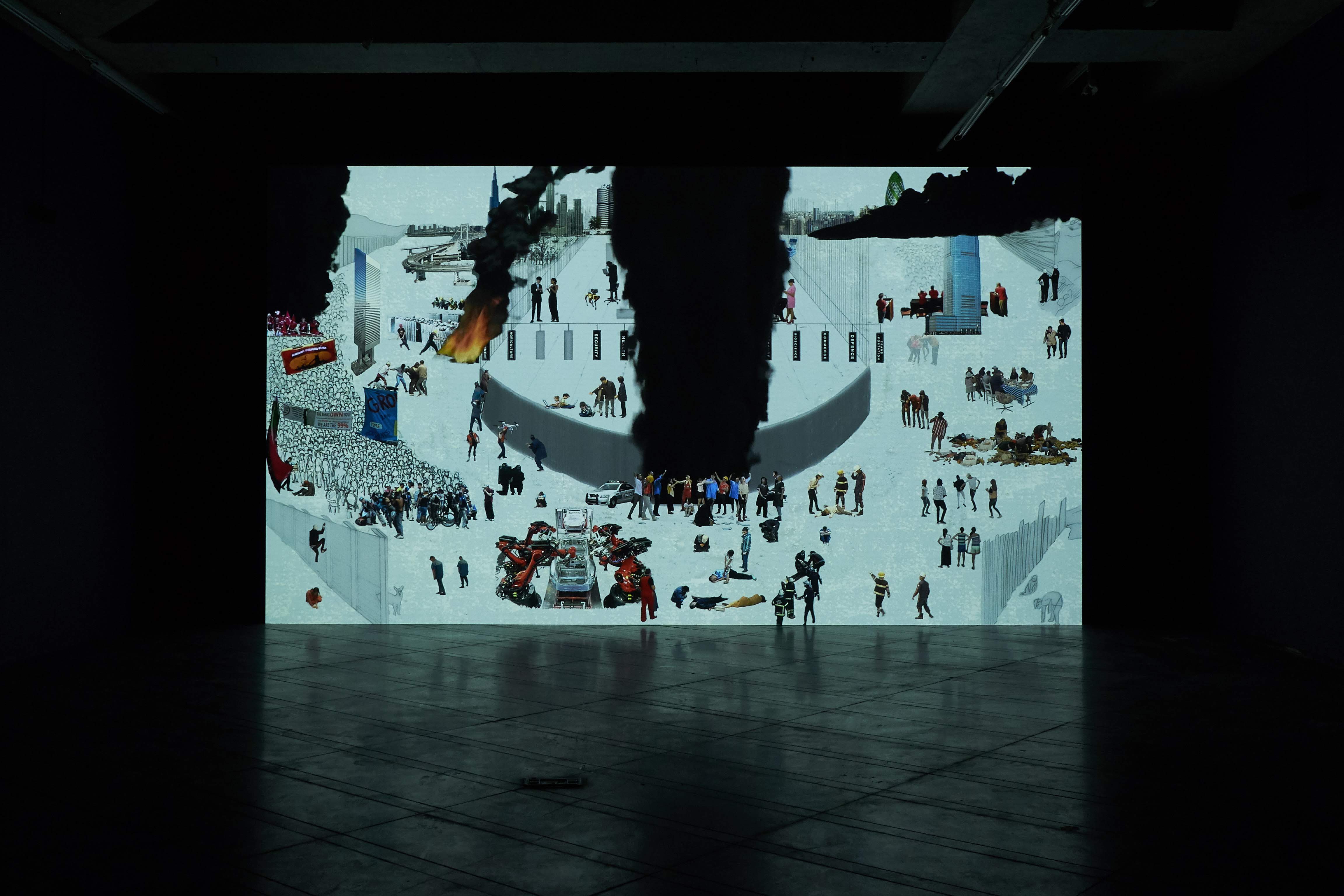
three-channel video installation Undefined Panorama 3.0, images of individuals
and groups, causal incidents surrounding financial globalization, and abstract
symbols like government organization charts appear across a long panoramic
screen like constellations. The work pursues not only an aesthetic experience,
but also a cognitive experience of examining the network of causality and
interdependence among specific cases within the social structure. The artist
seeks to understand the narrative structure hidden in individuals and society,
and to discern which ideas and actions may fathom the future.
Furthermore,
Yang Ah Ham has been keeping an eye on the coronavirus pandemic, which broke
out in 2020 and continues to rage in 2021 despite the development and
distribution of novel vaccines. This global disaster has transformed mankind
and brought the world to a halt. The perilous situation has exacerbated
generational, racial, class, and inter-state conflicts, and in the wake of such
an unprecedented manifold crisis, none can expect the world to return to the
pre-pandemic state. Then, what kind of world awaits us in the future? Among the
various prospects on how society in the future (or the near future) will change
after the pandemic, “change in the
education system” has emerged as a key issue—along with the labor market. In the midst of the rapid changes of
the times encompassing society, politics and economy—which
occurred gradually before but now unfold at an accelerating speed—Ham pays close attention to the social system of “education”.
Although
in many societies, education and nurture are considered part of the universal
system, individuals and families in fact take multitudes of forms. Throughout
history, the thoughts and ideas of children have mostly been recorded by adults
looking back on their own childhood. Only in rare cases did children themselves
leave their ideas behind. Therefore, Ham argues, it is difficult to perceive
what children learn, how they feel, or what frightens or torments them as they
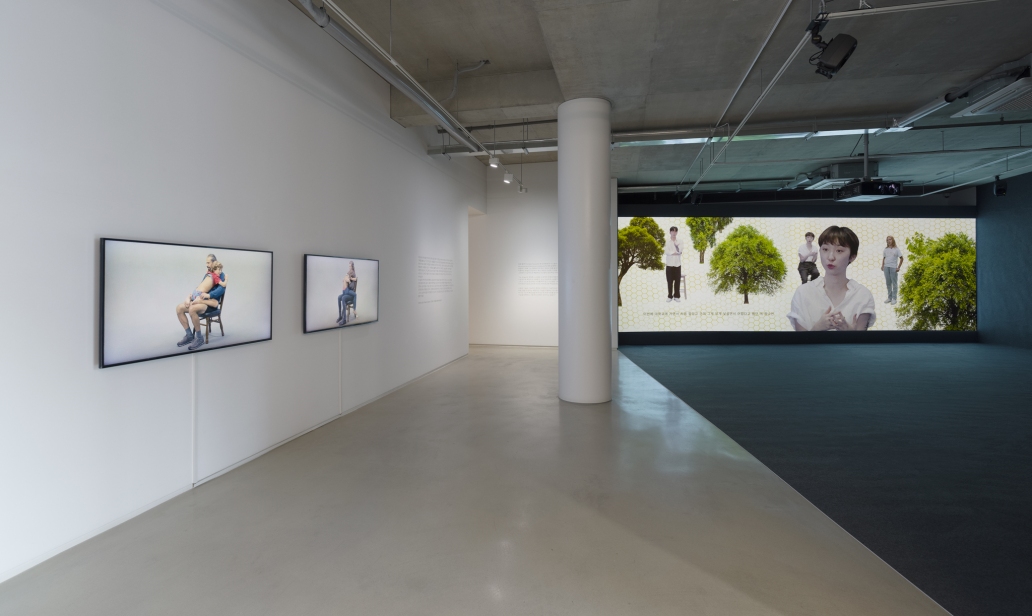
grow up. 《Okul [School]_What Do
People Learn》 Learn delves into the stories of
children, teenagers, young people and grown-ups, thereby rethinking the concept
of “care” and “learning”—previously institutionalized for
certain purposes—in terms of emotions and
sentiments.
In
addition, y exploring how “the acts of a
specific society” is viewed in another society and the
cultural differences thereof, the artist seeks to take a step towards
diversity. Just as nurture and education took on different forms after the
advent of industrial society, the digital age inevitably calls for another kind
of nurture and education for the purpose of fostering new members of society.
Yang Ah Ham conducts various types of interviews to convey in full the
conditions of the current educational system facing different members of
society, while at the same time posing questions about the future of education,
and thus leading us to contemplate where we should be headed next.
Through
this exhibition, PIBI Gallery invites all to delve into some paramount social
issues and focus on devising possible solutions to them. The works of Yang Ah
Ham provide a framework of thought for examining the ongoing coronavirus
pandemic, which first took the world by surprise in 2020, as well as the
problem of finding alternatives in order to ensure individual and social
survival amidst the crisis. In particular, it is expected to be a meaningful
occasion for surveying the power of education and navigating the future
direction of education within the reality facing our society.