Korean contemporary artists Suki
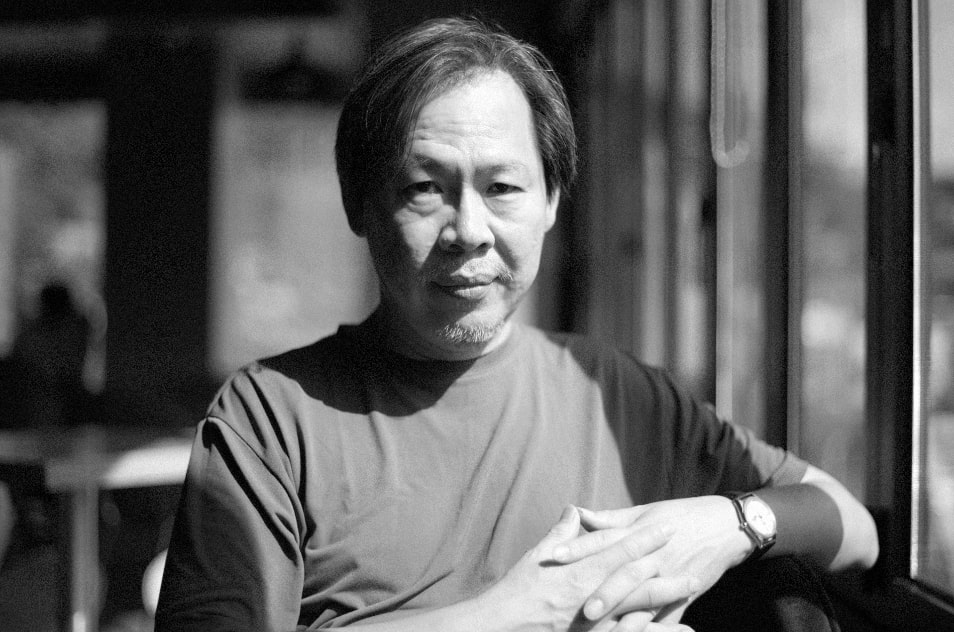
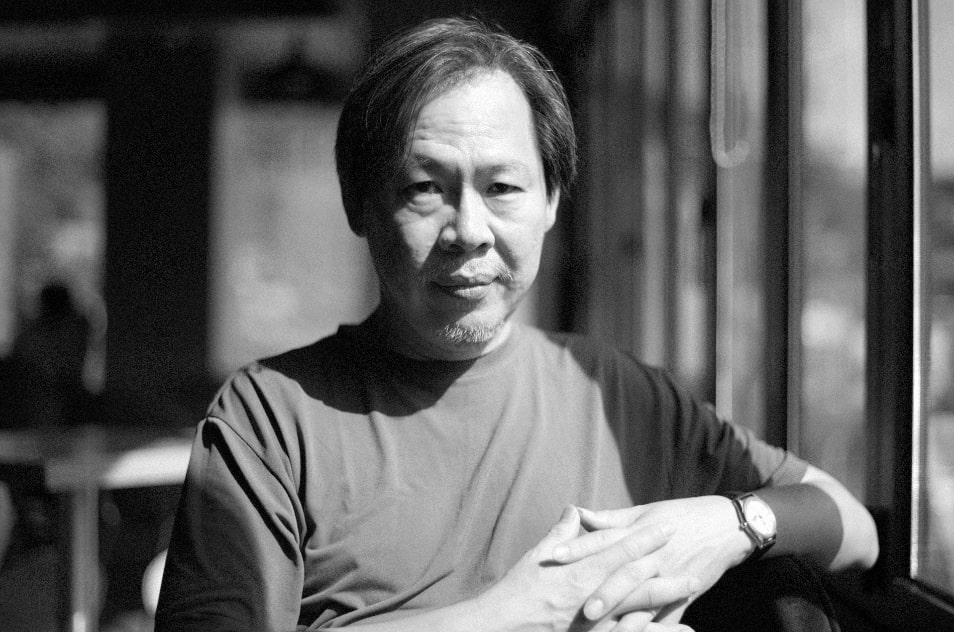
Seokyeong Kang, Hayoun Kwon, Do Ho Suh, Michael Joo, Byron Kim, Park
Chan-kyong, Yeondoo Jung, and Kyungah Ham are participating in the group
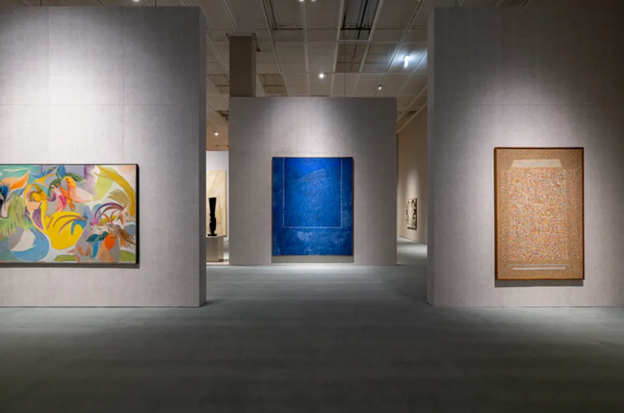
exhibition 《The Shape of
Time: Korean Art after 1989》 at the Philadelphia
Museum of Art. This exhibition marks the first large-scale Korean contemporary
art show in the United States since 2009, presenting diverse works by 28
artists that encapsulate their collective memory of the significant societal
changes occurred during the late 1980s in Korea.
Having lived through the
transition from an authoritarian regime to democratic freedom, the artists
visually portray Korea's past, present, and future using various mediums such
as painting, photography, embroidery, installation, video, and performance. While
their works embody individual experiences of complex and diverse cultural
encounters, rapid urbanization and industrialization, political tensions with
North Korea, and the integration of traditional Korean techniques in
contemporary art, such distinctly Korean narratives, at the same time, also
evoke universal resonance for all.
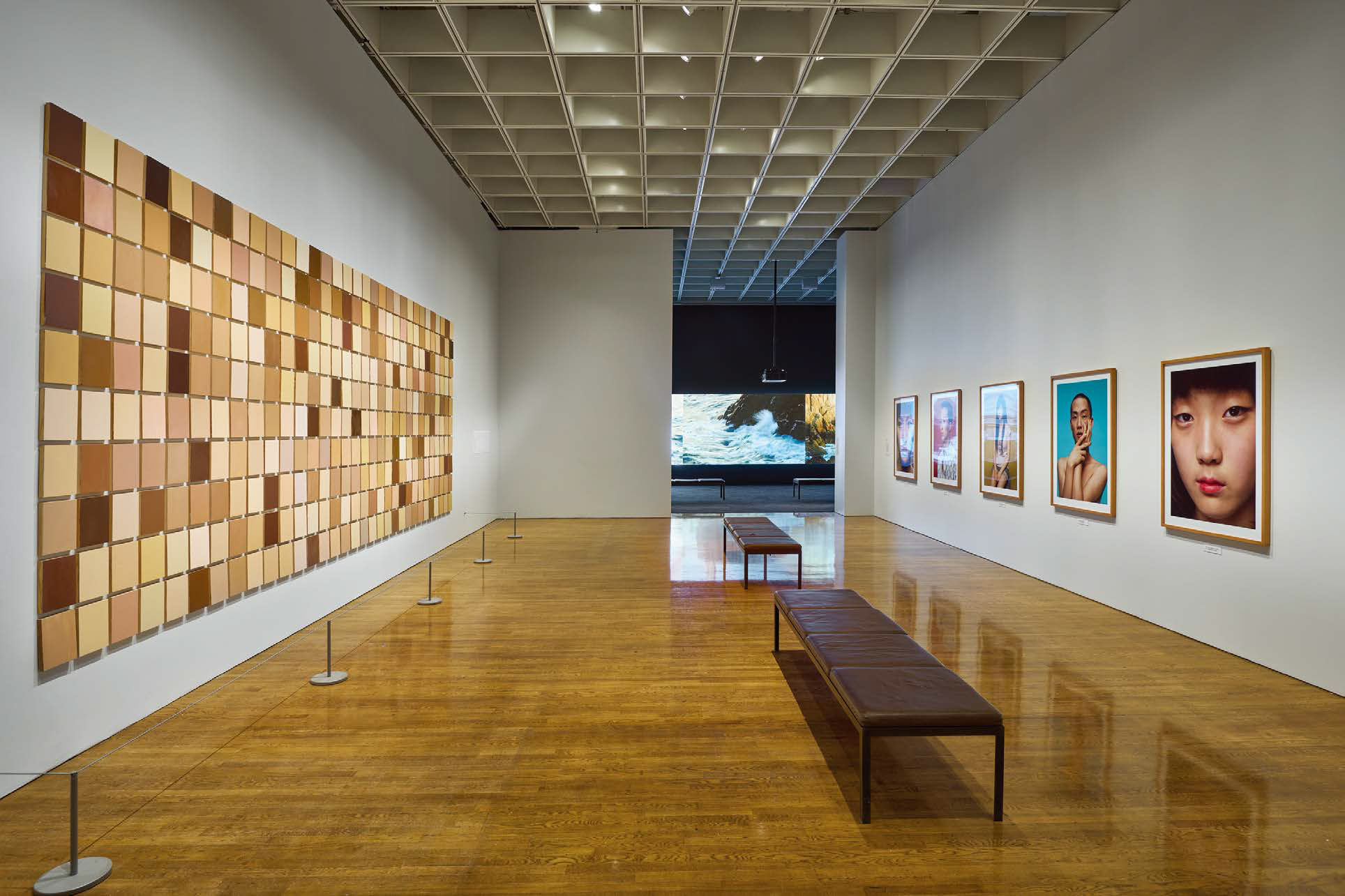
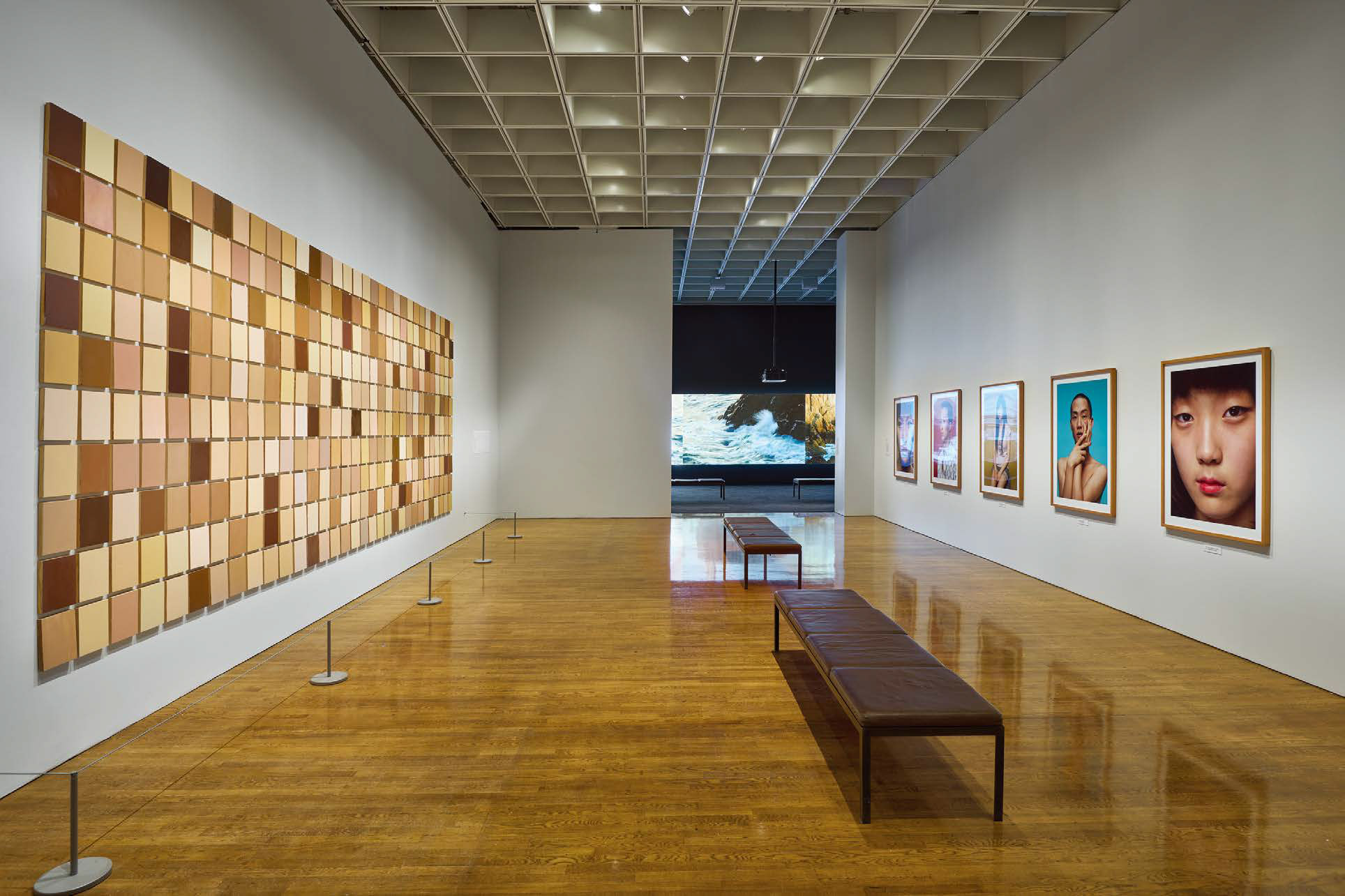
Among the works on view, Byron
Kim’s Synecdoche (1991-ongoing), which records the
unique skin colors of his acquaintances, and Michael
Joo’s Headless (2000), a series of Buddha
sculptures sitting beneath hanging plastic doll heads, address the theme of
identity. Kyungah Ham's series of embroidered paintings that depict chandelier
figures on silk, titled What you see is the unseen / Chandeliers
for Five Cities (2016-2017), embeds the invisible realities of
the division of Korea, including censorship, smuggling, codes, and tension,
manifested through its collaborative process with North Korean craftsmen
carried out across the border via China.
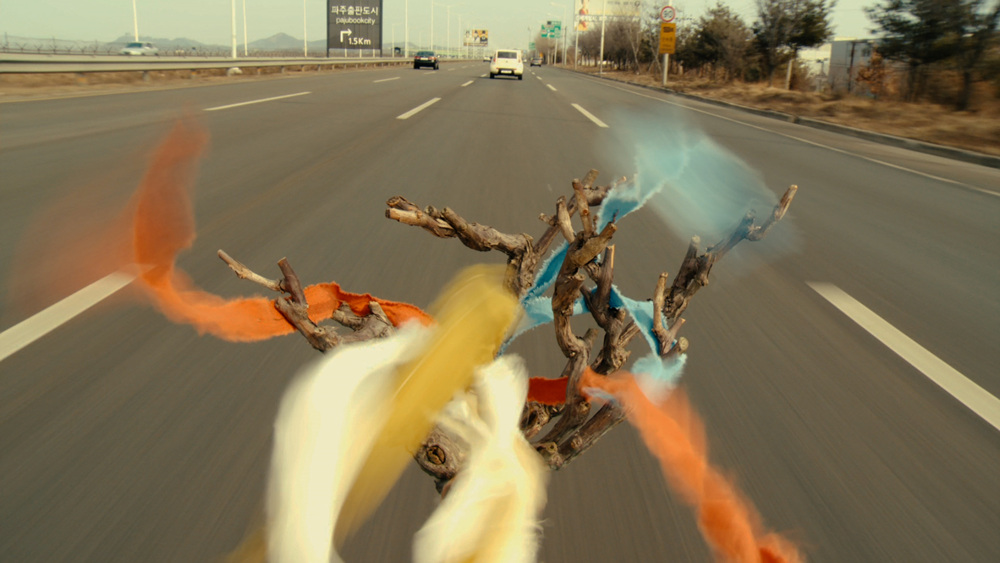
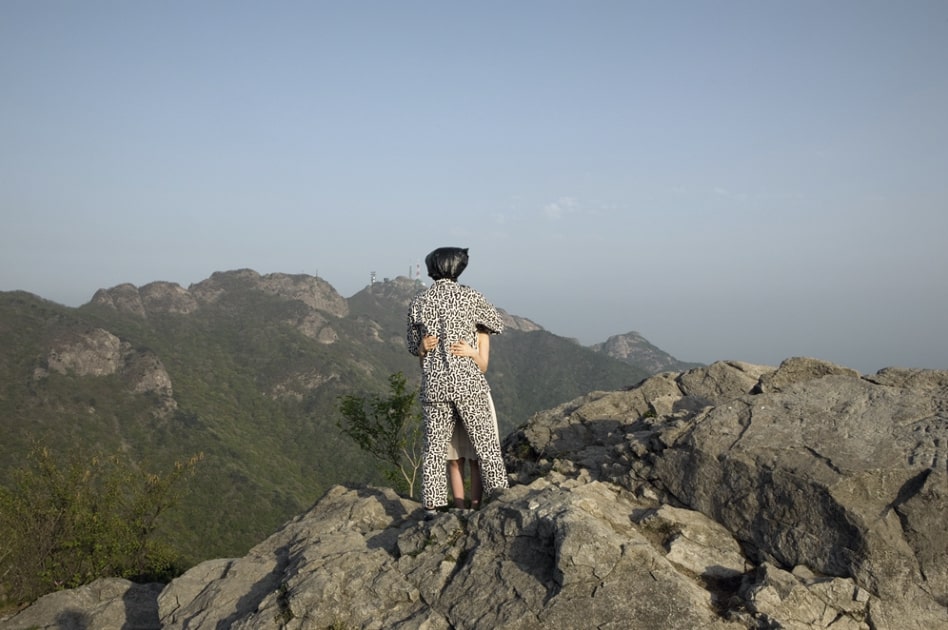
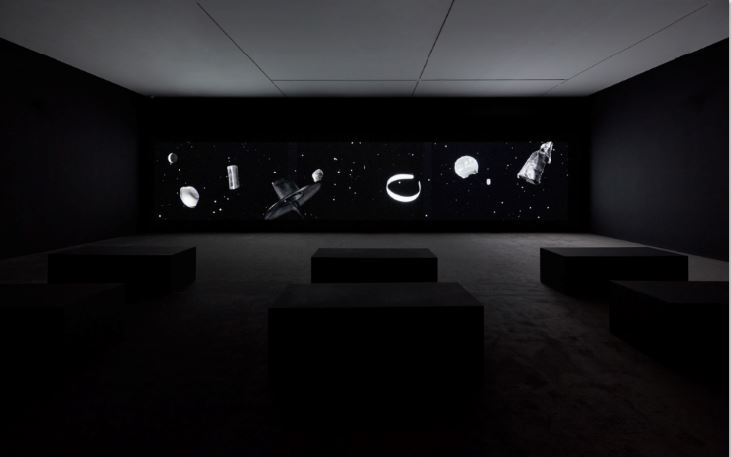
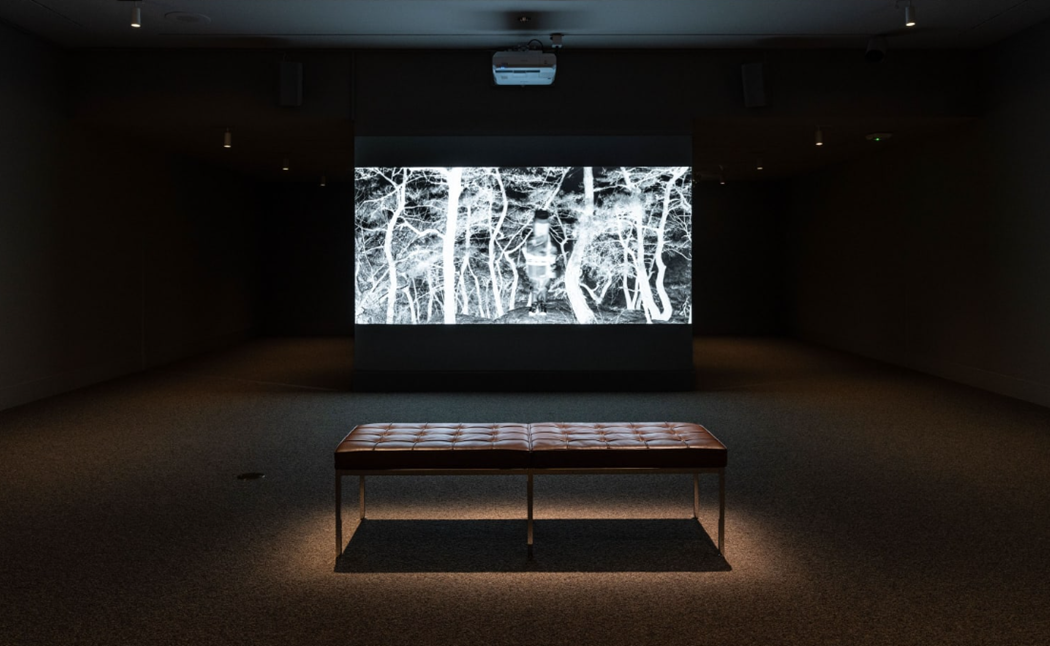
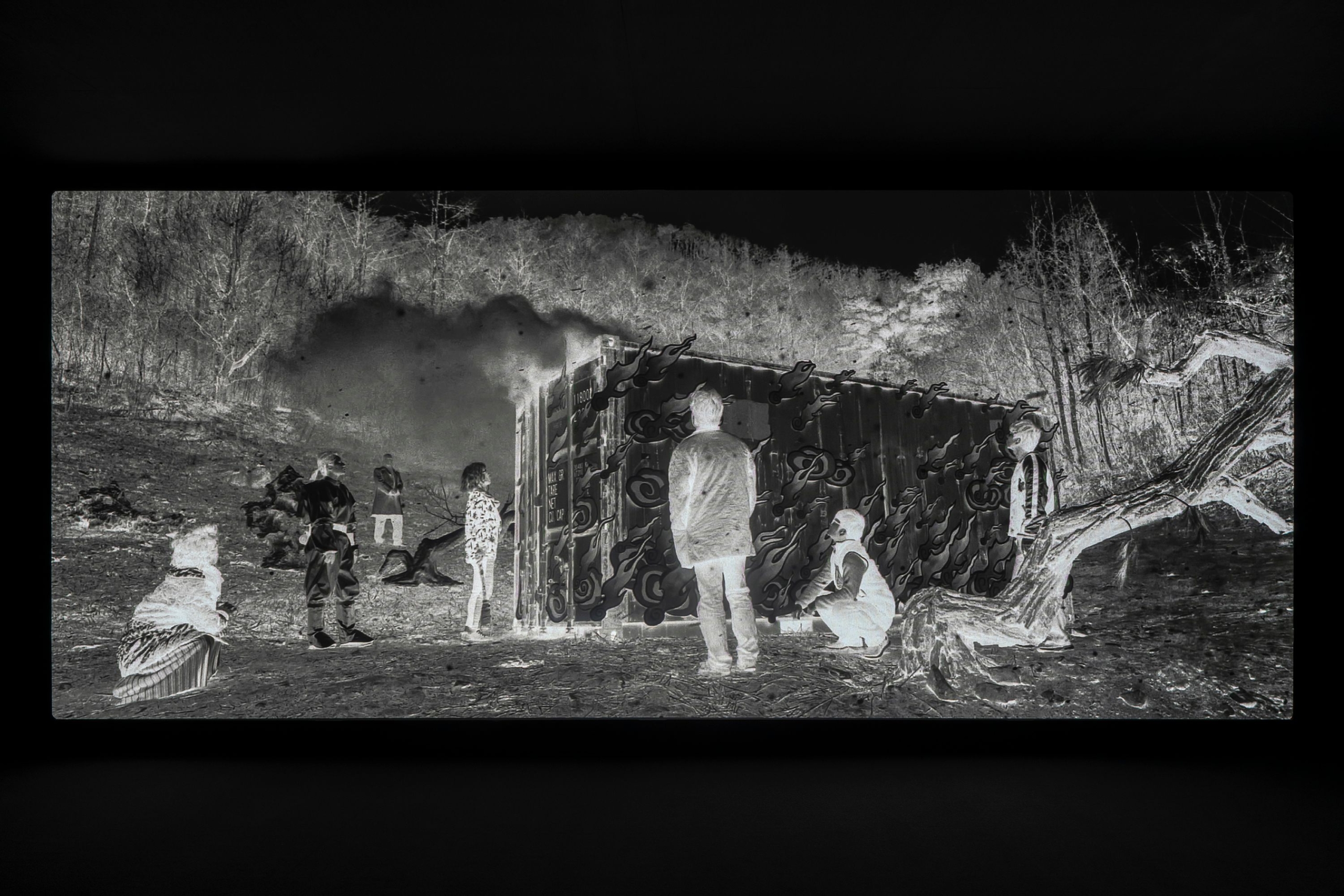
Park Chan-kyong's photographic
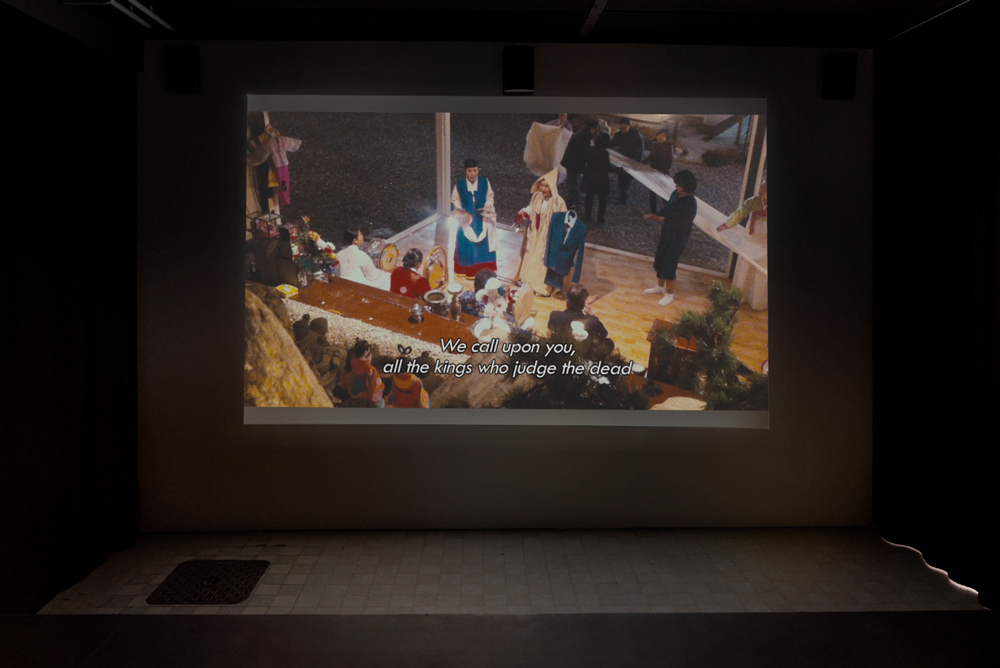
work Power Passage (2004-2007) and Yeondoo Jung’s
video Eulji Theater (2019) similarly capture the
ongoing history that continues to impact Korea’s identity as a divided nation.
The exhibition also features works by Suki Seokyeong Kang, who reinterprets
tradition with a contemporary twist, inspired by the geometric shapes
of ‘jeongganbo’, a traditional musical score originating from the Joseon
dynasty, and ‘hwamunseok’, a mat used to demarcate the floor area of a
traditional one-person court dance. The exhibition continues through February
11, 2024.