Exhibitions
《安寧 Farewell》, 2017.05.25 – 2017.07.02, Kukje Gallery
May 23, 2017
Kukje Gallery
 Installation
view © Kukje Gallery
Installation
view © Kukje Gallery
Kukje Gallery is pleased to present 《安寧 Farewell》, a solo exhibition of Park
Chan-kyong from May 25 to July 2, 2017. Park’s work examines Korean society,
framing the rapid socio-economic development of the past century while
chronicling the often reckless pursuit of Western modernization and economic growth,
through subjects including the Cold War and traditional Korean religions. The
exhibition, his first solo show in Korea in five years, features thirteen new
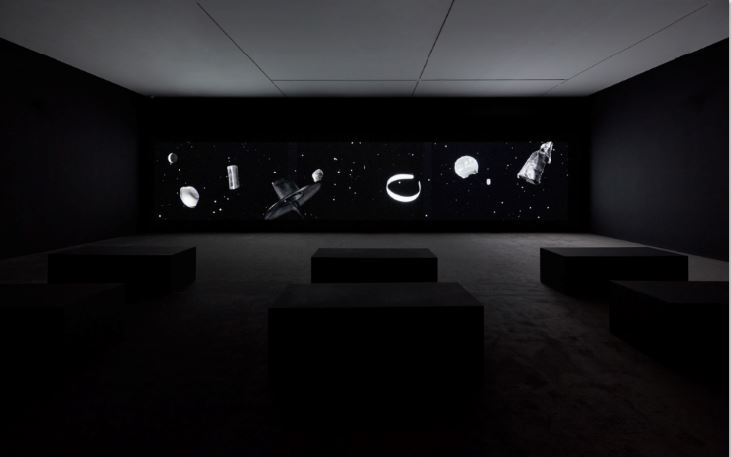
works including a video-audio work, Citizen’s Forest (2016),
a collage of reproduced images of existing artworks titled Small
Art History 1-2 (2014/2017), a multi-channel slide projection of
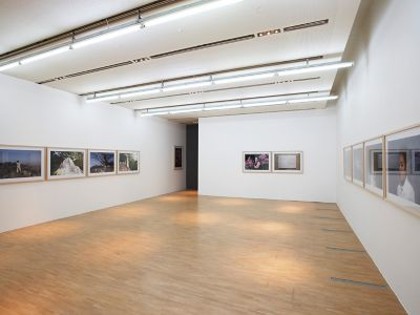
photographs, Way to the Seung-ga Temple (2017), as
well as serial objects Bright Stars (2017)
and Seven Stars (2017), which embody the artist’s
keen observations and critique of tradition.
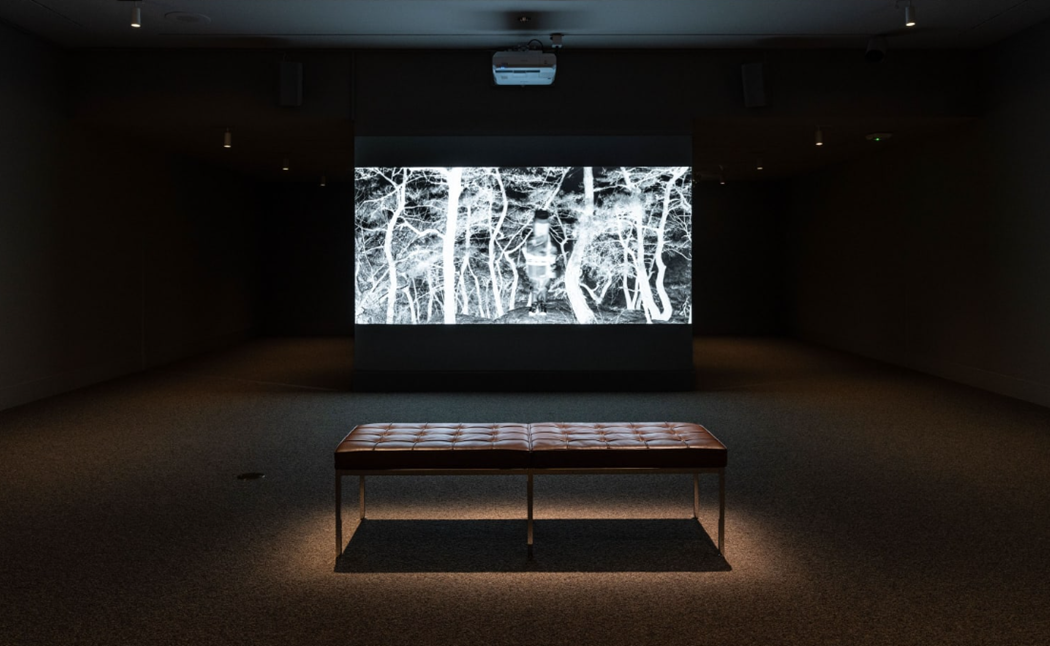
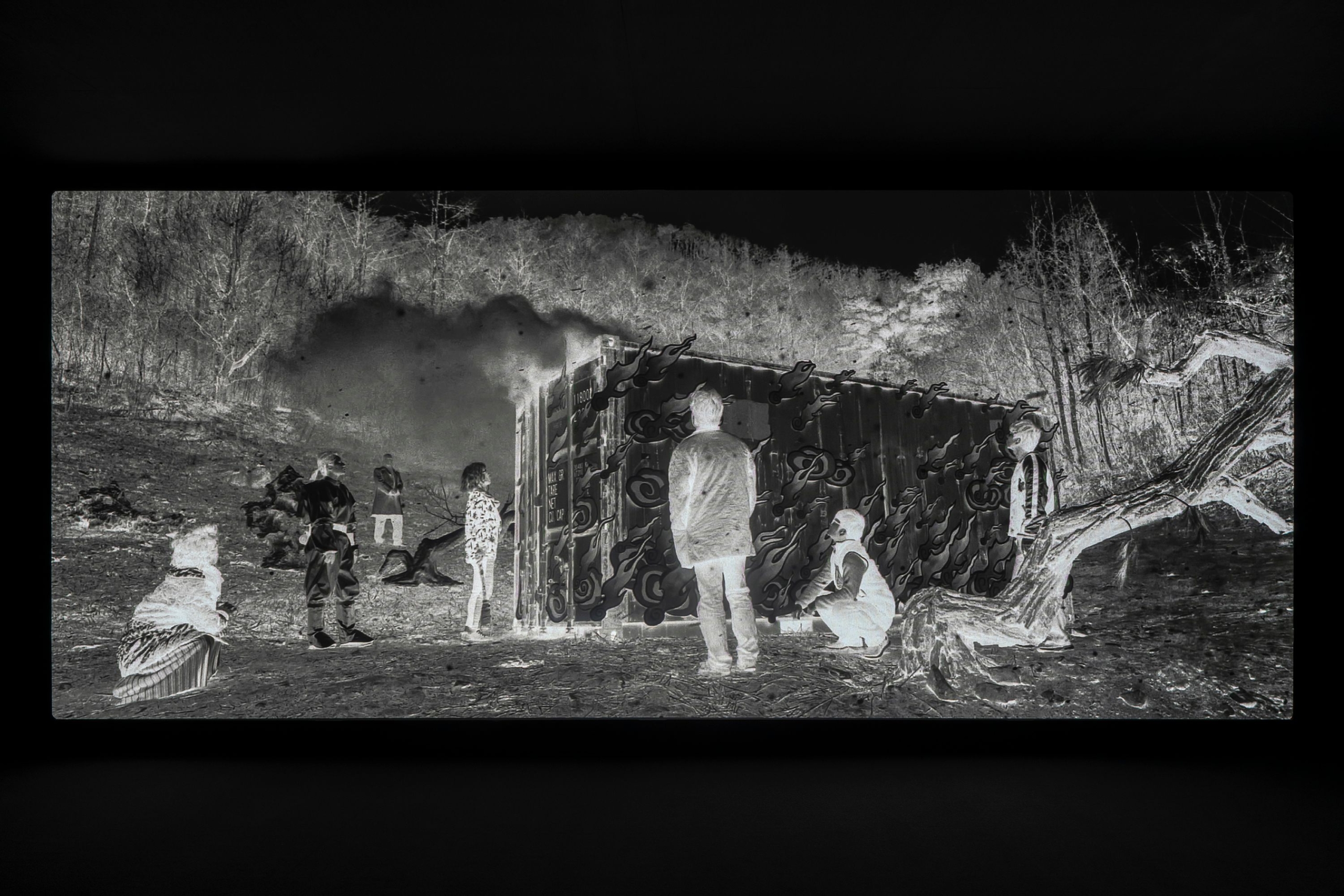
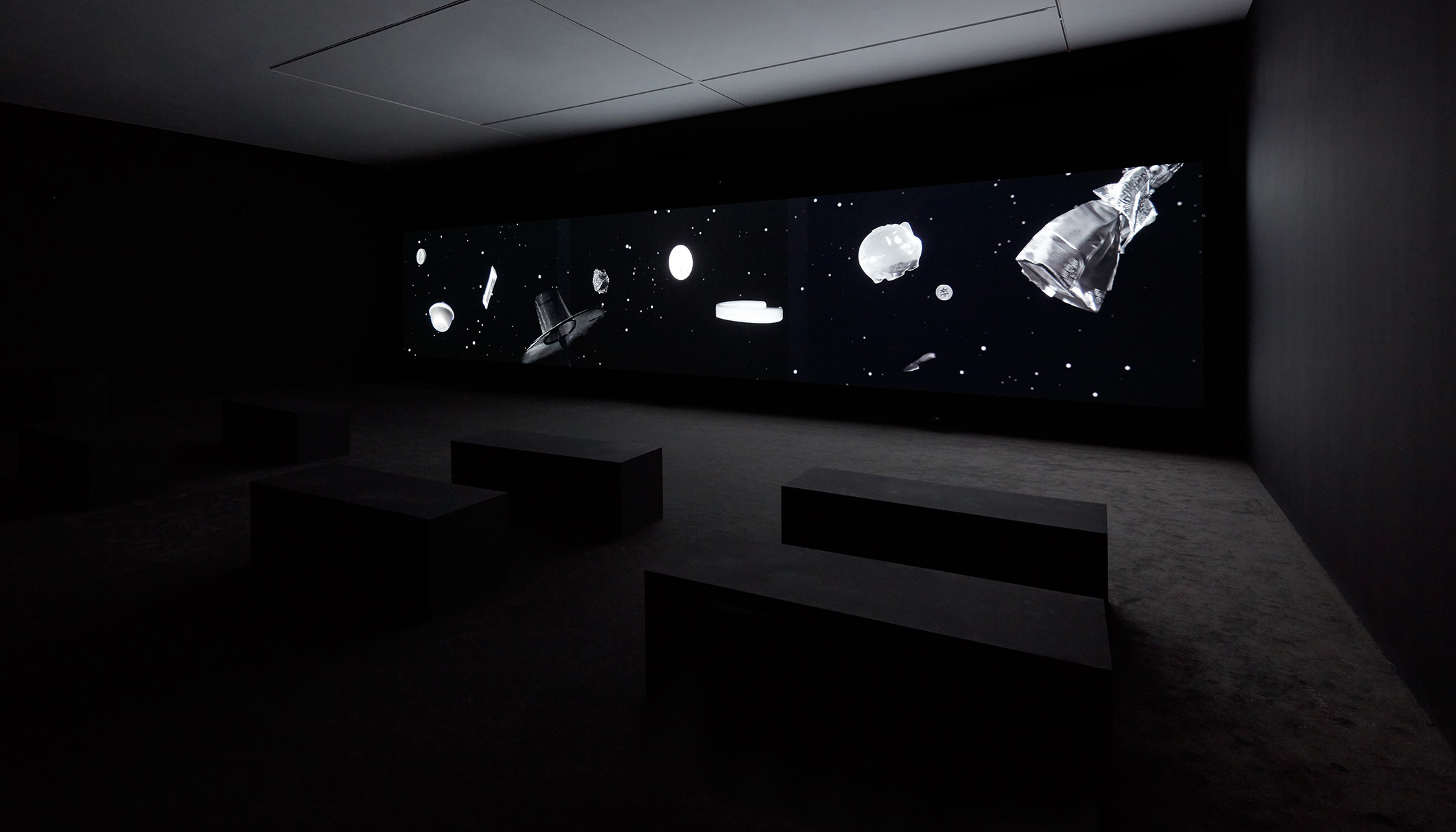
A centerpiece of the exhibition is Citizen’s Forest, a
panoramic three-channel video presented like a traditional “shan-su
(landscape)” scroll painting. The work is a critical allegory of Korean modern
history as well as a requiem for the many nameless people who sacrificed their
lives during those tumultuous periods. Park was inspired by two works: the
poem Colossal Roots (1964) by Kim Soo-young (1921
– 1968) and the painting The Lemures (1984) by Oh
Yoon (1946 – 1986), the former, which embodied a modern idea that was new yet
poignantly reflected on tradition, and the latter, an artwork that successfully
adopted folk religions as a channel to communicate and empathize with the
public.
 Installation
view © Kukje Gallery
Installation
view © Kukje Gallery
In addition, 安寧 Farewell showcases the artist’s recent works
underlining his ongoing quest for tradition and history in various formats.
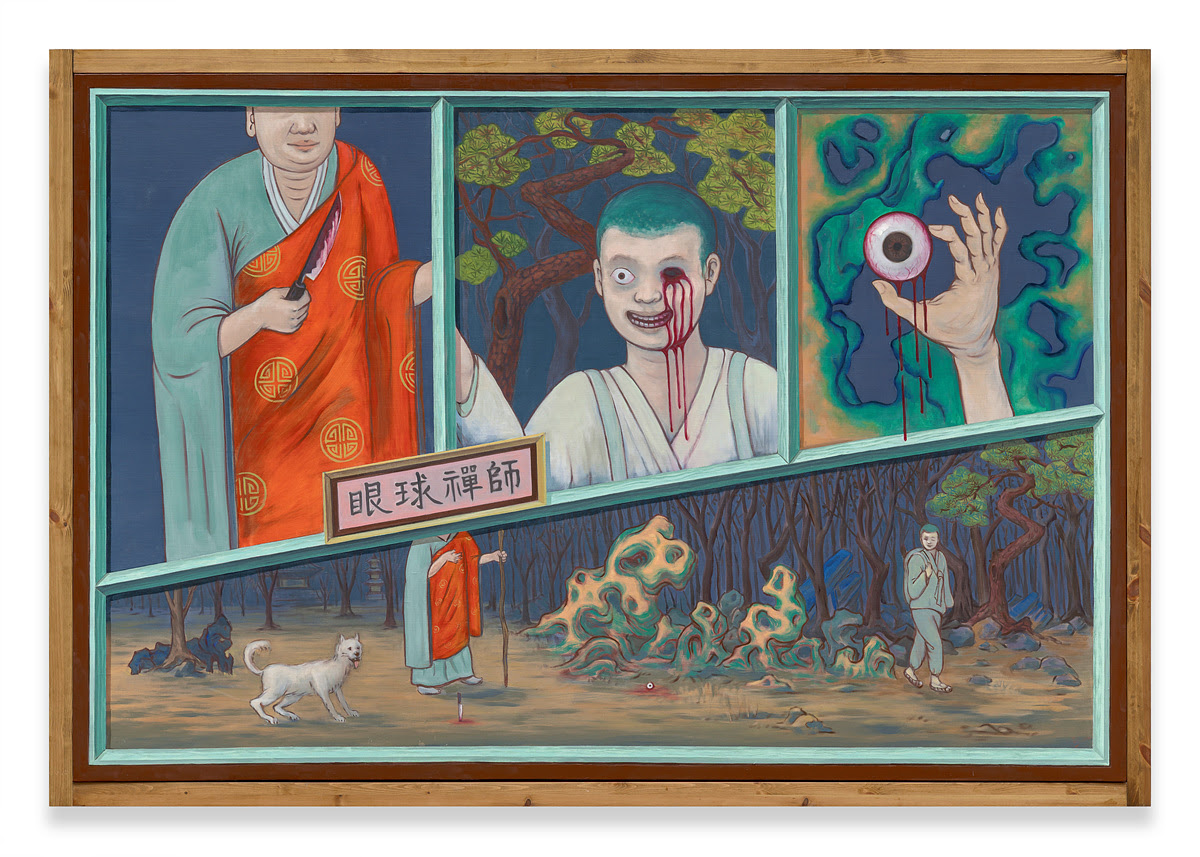
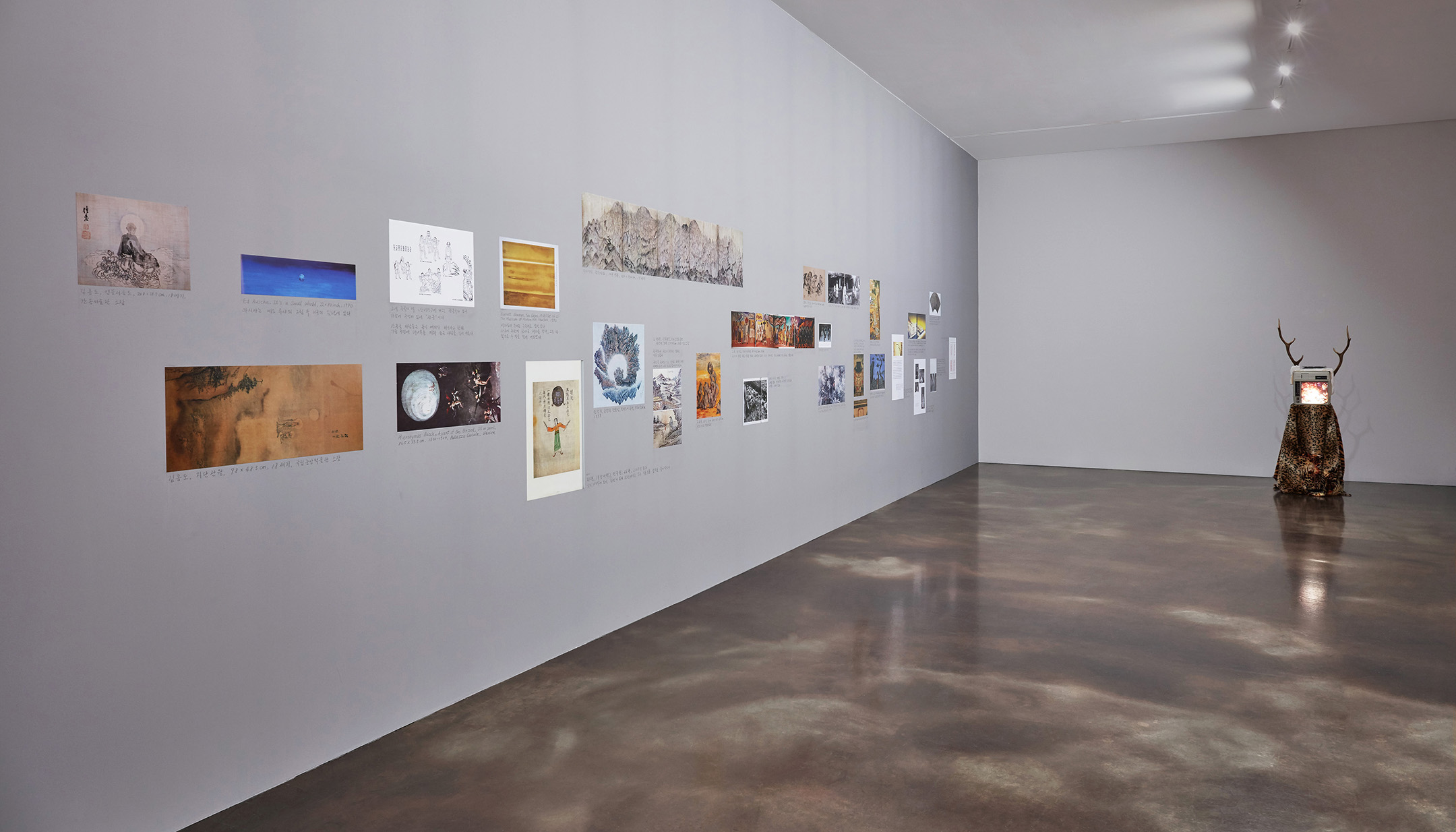
In Small Art History 1-2, Park recreates his own
version of art history by reconfiguring select artworks across the ages
bridging the East and the West. Using the discourses on the aesthetics of the
sublime, art institutions, appropriation, photography with texts, and East
Asian culture and history as an axis, he studiously avoids a chronological
narrative of art history or the false categorization of the East and the West.
By doing so, Small Art History 1-2 questions the
underlying criteria of conventional art history while at the same time
critiquing and celebrating their inherent falsehoods.
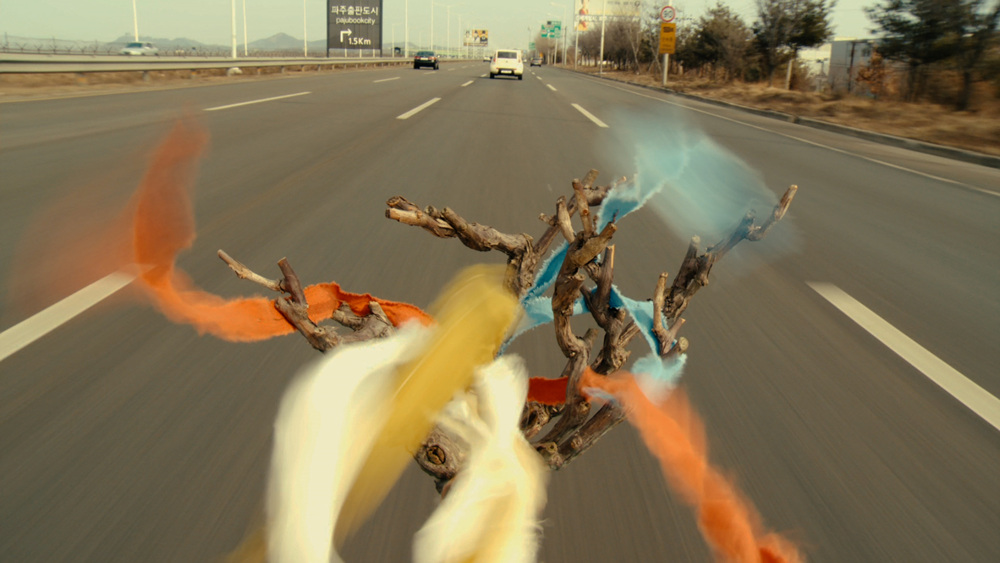
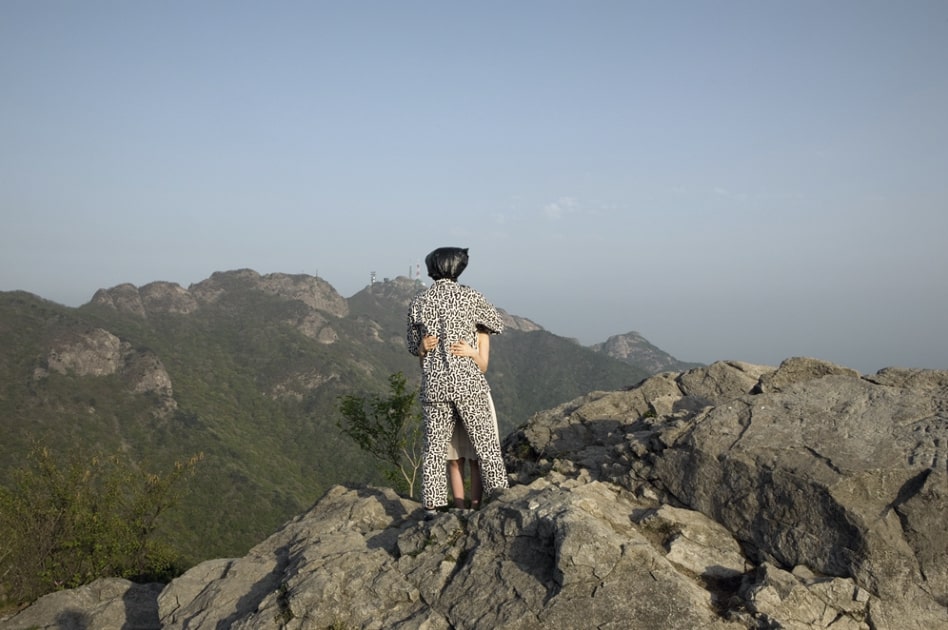
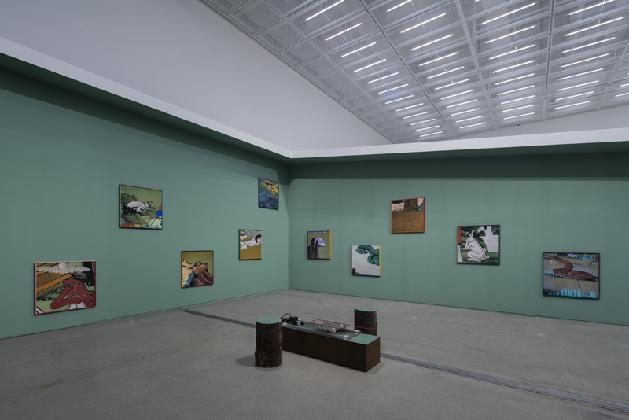
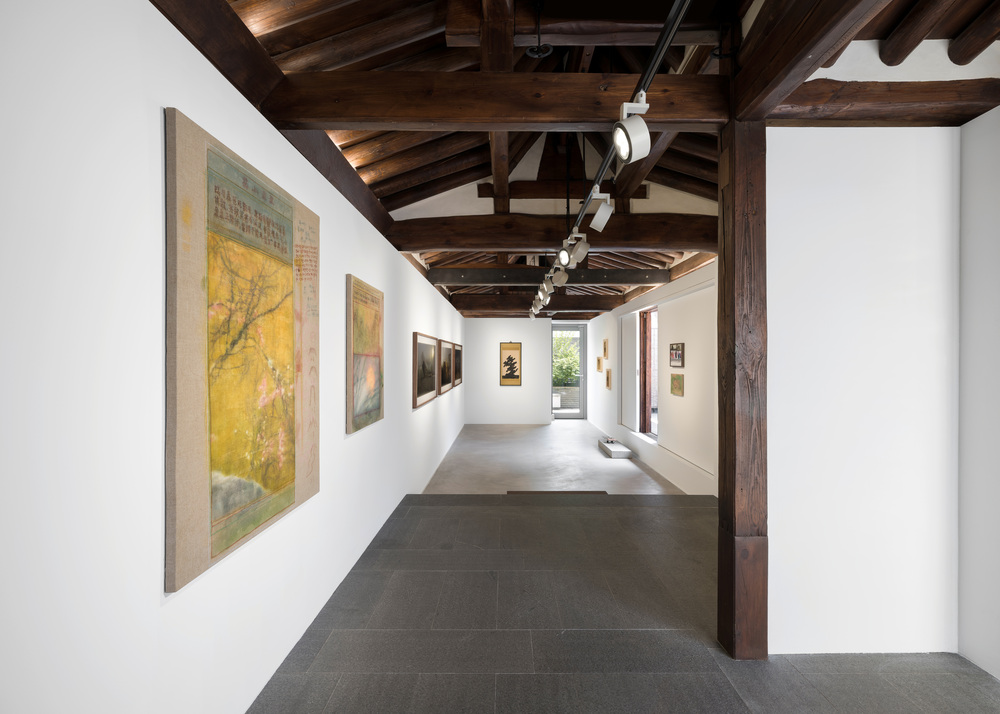
Way to the Seung-ga Temple, exhibited on the
second floor, is a sequel to Citizen’s Forest and Small
Art History and documents the road to the Seung-ga temple in Mt.
Bukhan using an idiom of the amateur landscape photographs taken with slide
film. If Citizen’s Forest is a dark and brooding
atmospheric black and white video, Way to the Seung-ga Temple is
colorful and picturesque. Suggesting an ideal scenery picture that is
artificially staged, Park appeals to the unique sentimentalism shared by
himself and many Koreans, which oscillates between “kitsch” and
“Hwaeom (majestic splendor).” On the same floor, the
works Bright Stars and Seven Stars bring
images of shamanic cosmology with Myeongdu, tool used
by shamans to decorate their shrines. In these works, the artist relates
tradition to “physical memory” or “tradition-real”, rather than simply a sign
or style.