Exhibitions
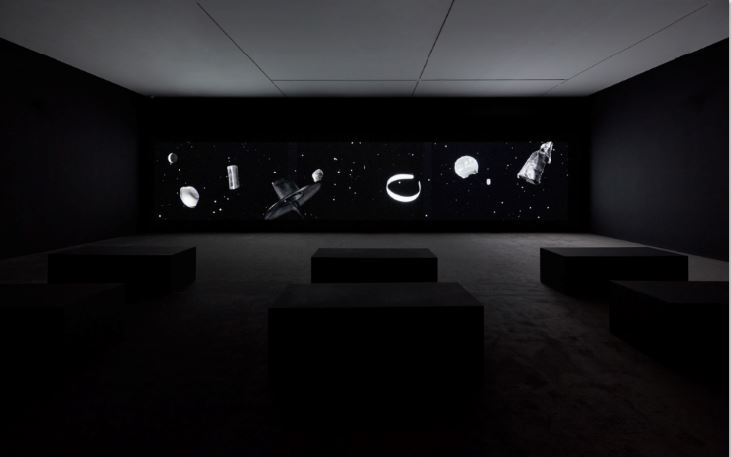
《MMCA Hyundai Motor Series 2019: Park Chan-kyong – Gathering》, 2019.10.26 – 2020.02.23, MMCA, Seoul
October 25, 2019
MMCA, Seoul
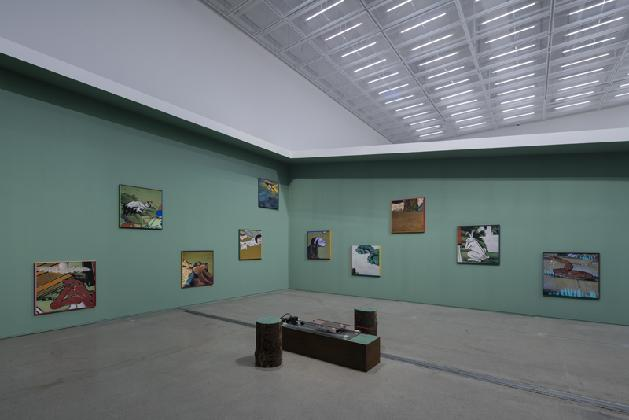
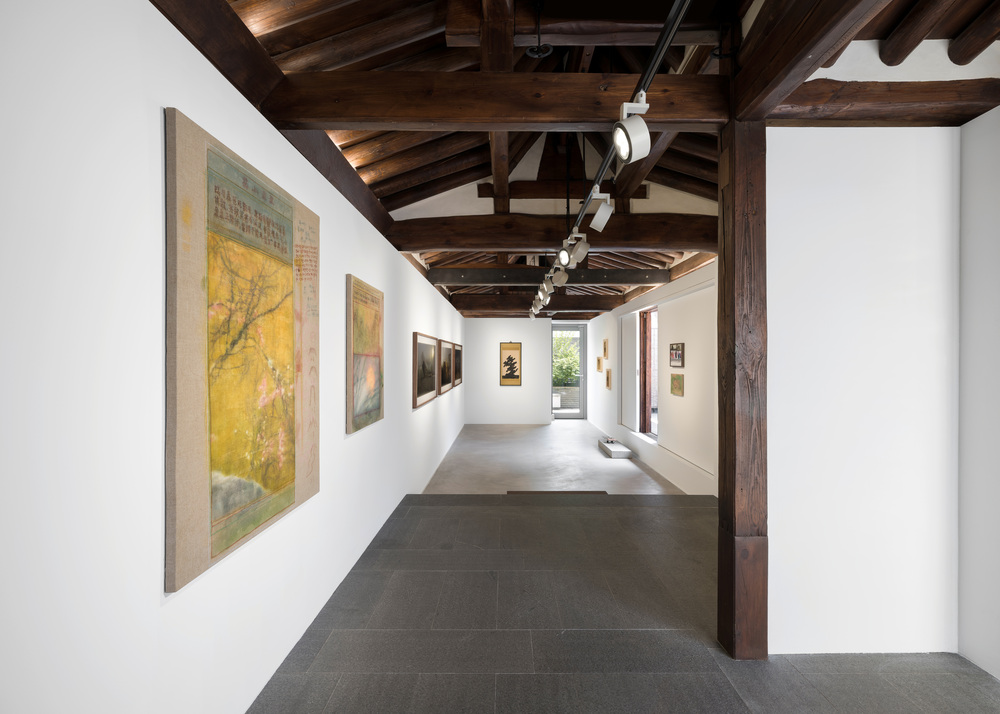
Installation
view © MMCA
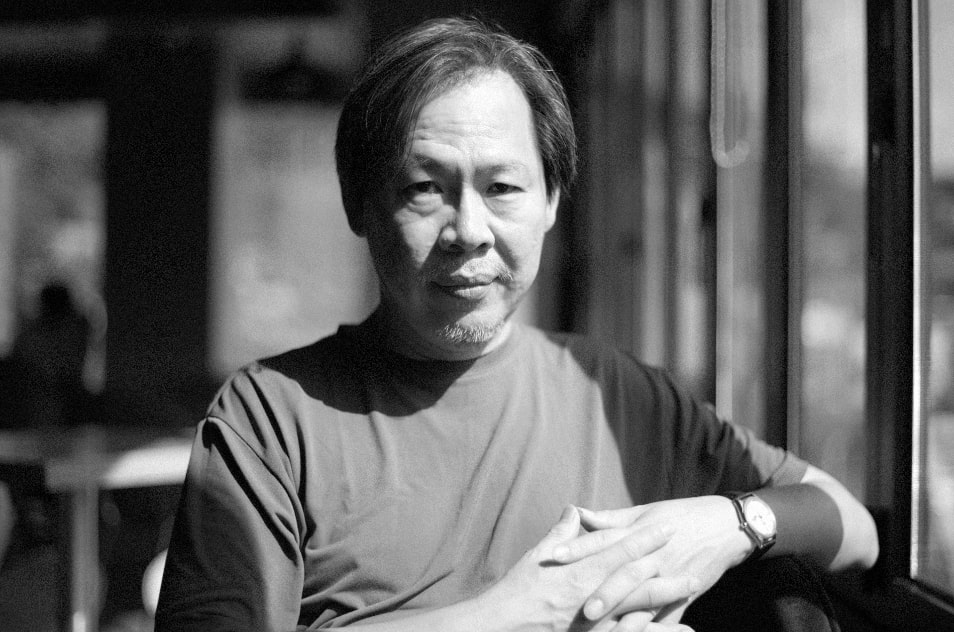
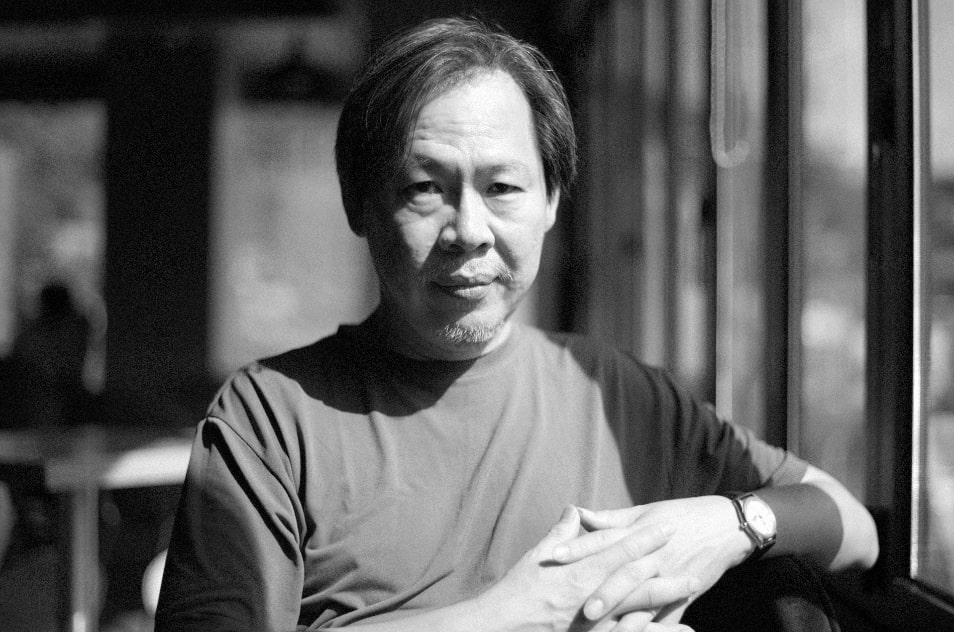
Park
Chan-kyong is born in Seoul (1965) and has lived in the city. He had majored in
Painting at the College of Fine Arts but after graduation, he has mainly
written about art and curated exhibitions. His first solo exhibition in 1997
was titled 《Black Box:
Memory of the Cold War Images》 (Kumho Museum of
Art).
From
this show on, Park had dealt with the theme of the division of the Korean
peninsula and the Cold War, amid relations with mass media or interests of
politics and psychology. He worked mainly through photograph and video, such
as Sets (2000), Power Passage (2004), Flying (2005),
and Believe It Or Not (2018). Upon presenting
Sindoan in 2008, he began directing feature films and short films on modernity
of Korea through topics of Korean folk religion and shamanism. Such theme continued
in Anyang, Paradise City (2010), Manshin:
Ten Thousand Spirits (2013), Citizen's Forest (2016).
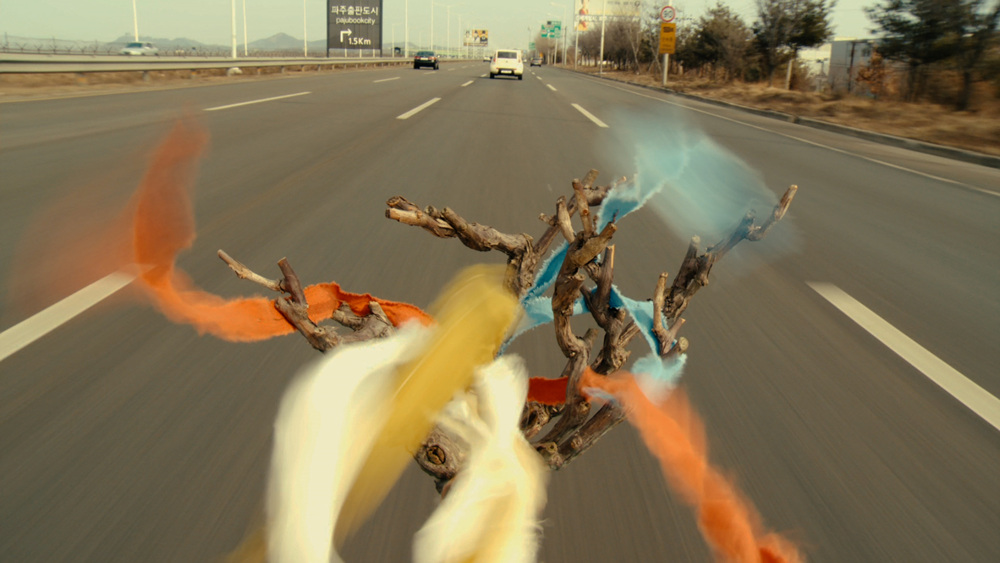
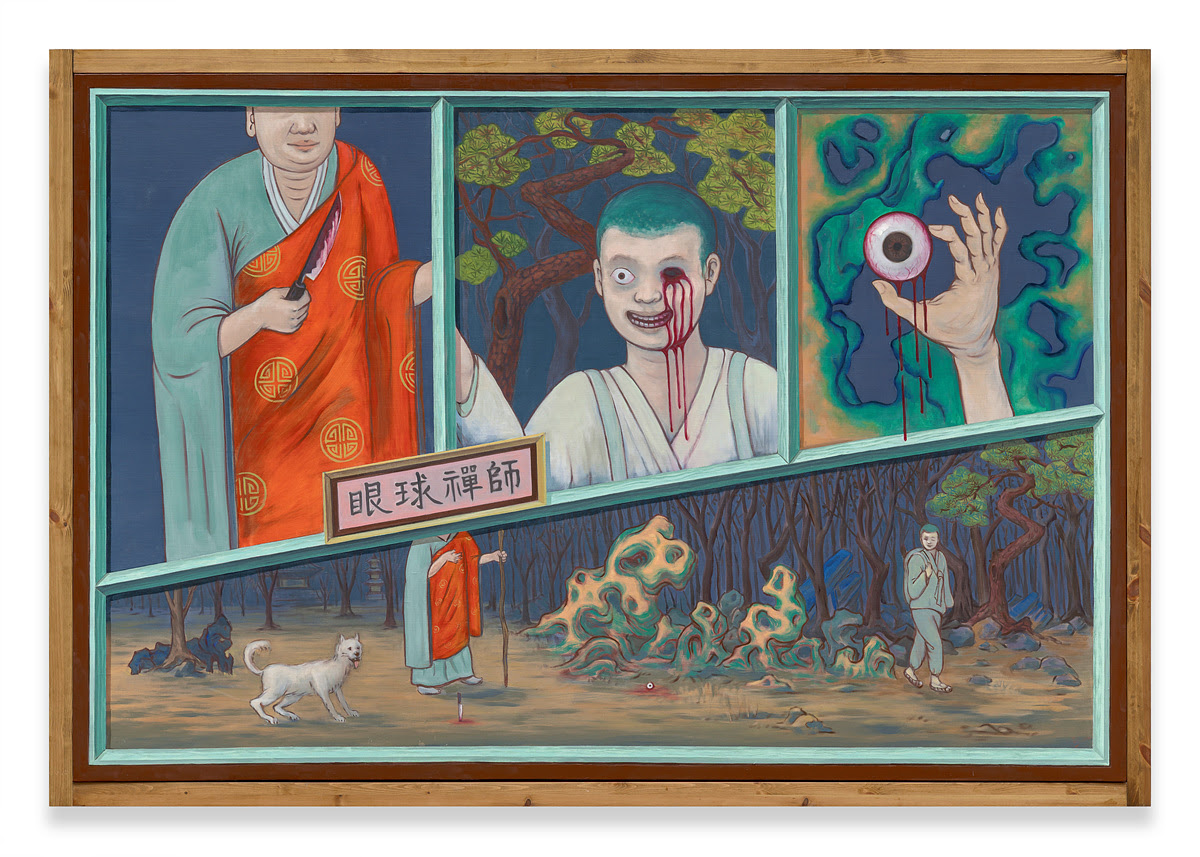
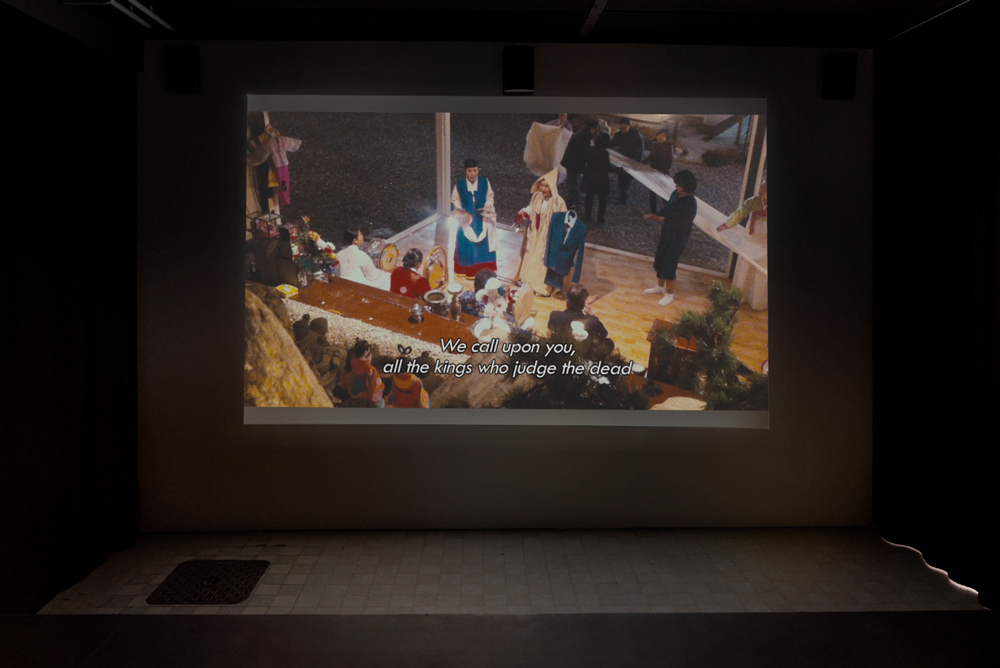
Park's recent work, Belated Bosal (2019), also
touches upon contemporary disaster via an episode handed down in Buddhism.
Not
only being active as an artist, Park has also written essays on artists, art
institutions, Minjung art and (post)modernism, and tradition. He has
participated in the launching and editing of Forum A and journal
BOL, as well. Park has been awarded the Hermès Foundation Missulsang
(2004), the Golden Bear for Best Short Film of the Berlin International Film
Festival (2011), the Grand Prize for a Korean Feature Film of the 12th Jeonju
International Film Festival (2011) among others, and he was designated as the
artist of MMCA Hyundai Motor Series 2019. He had also curated the exhibition
SeMA Biennale Mediacity Seoul 2014, Ghosts, Spies, and
Grandmothers.
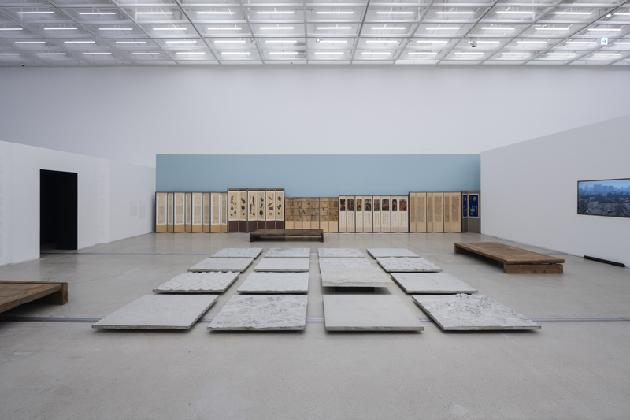
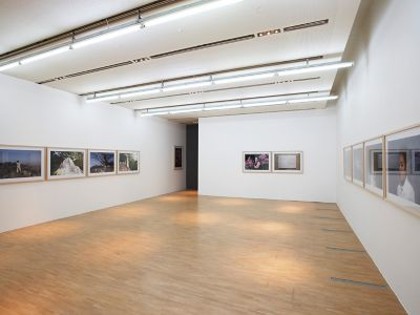
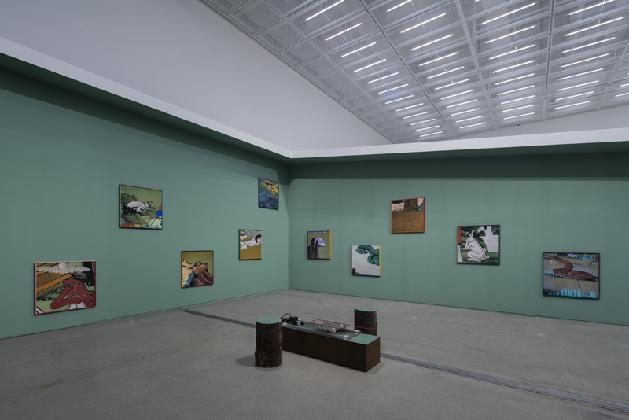
Installation
view © MMCA
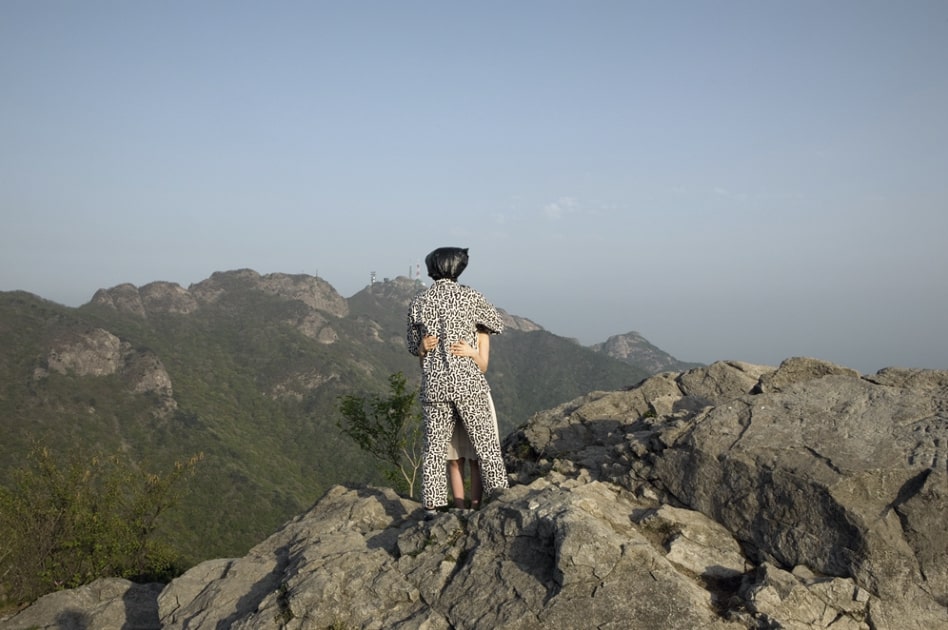
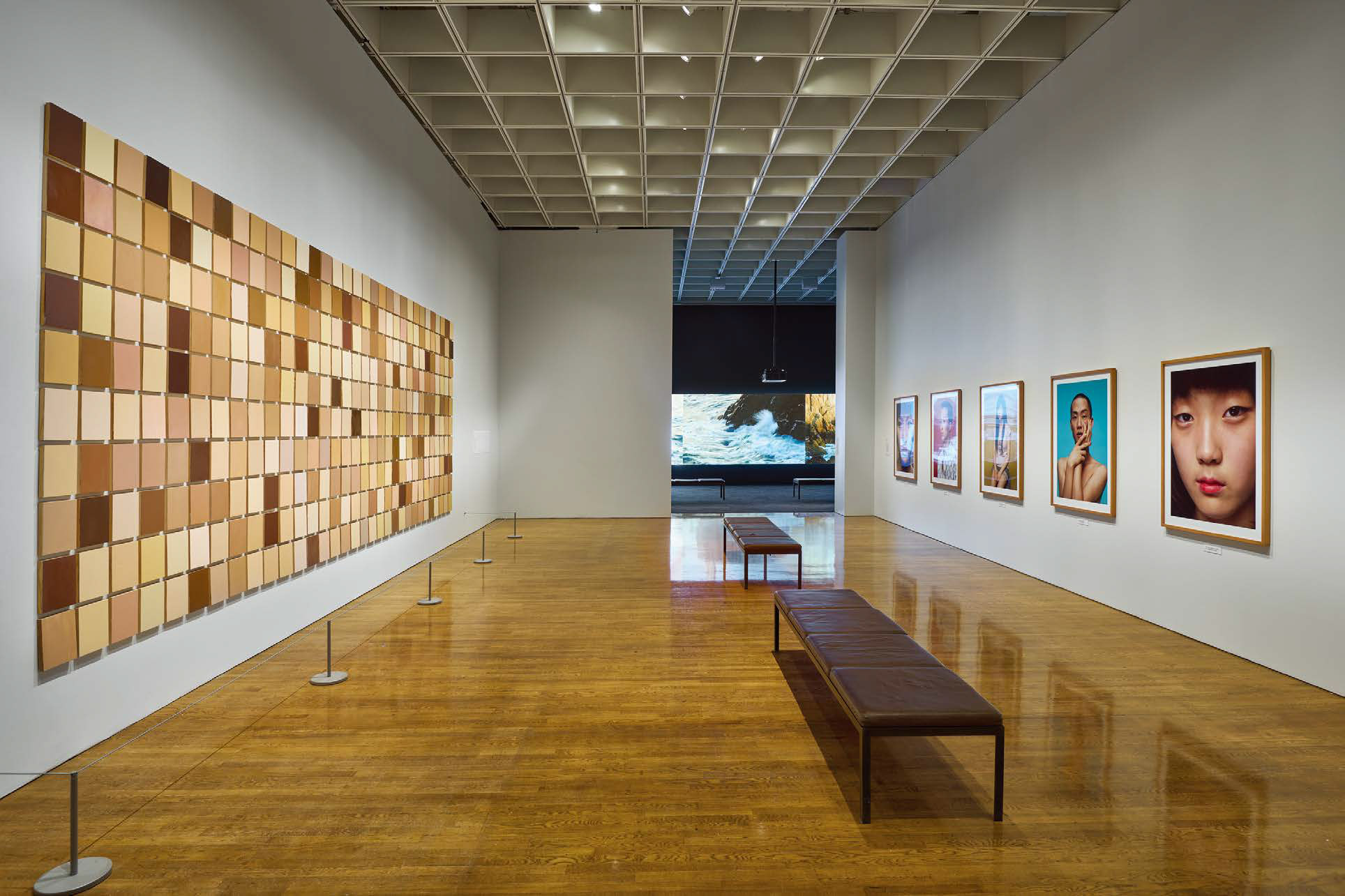
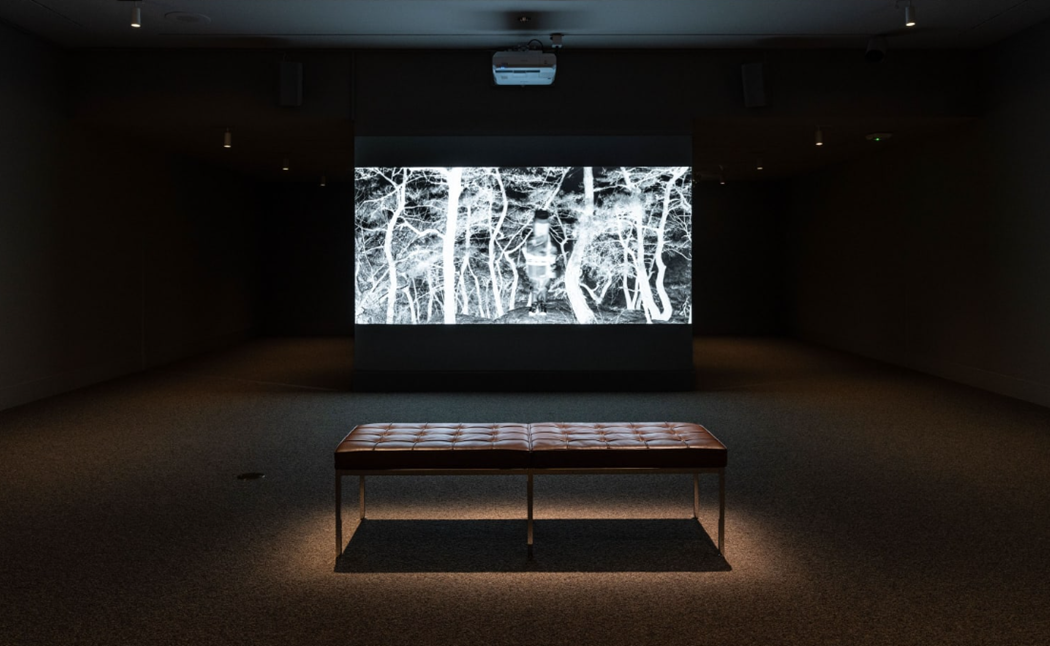
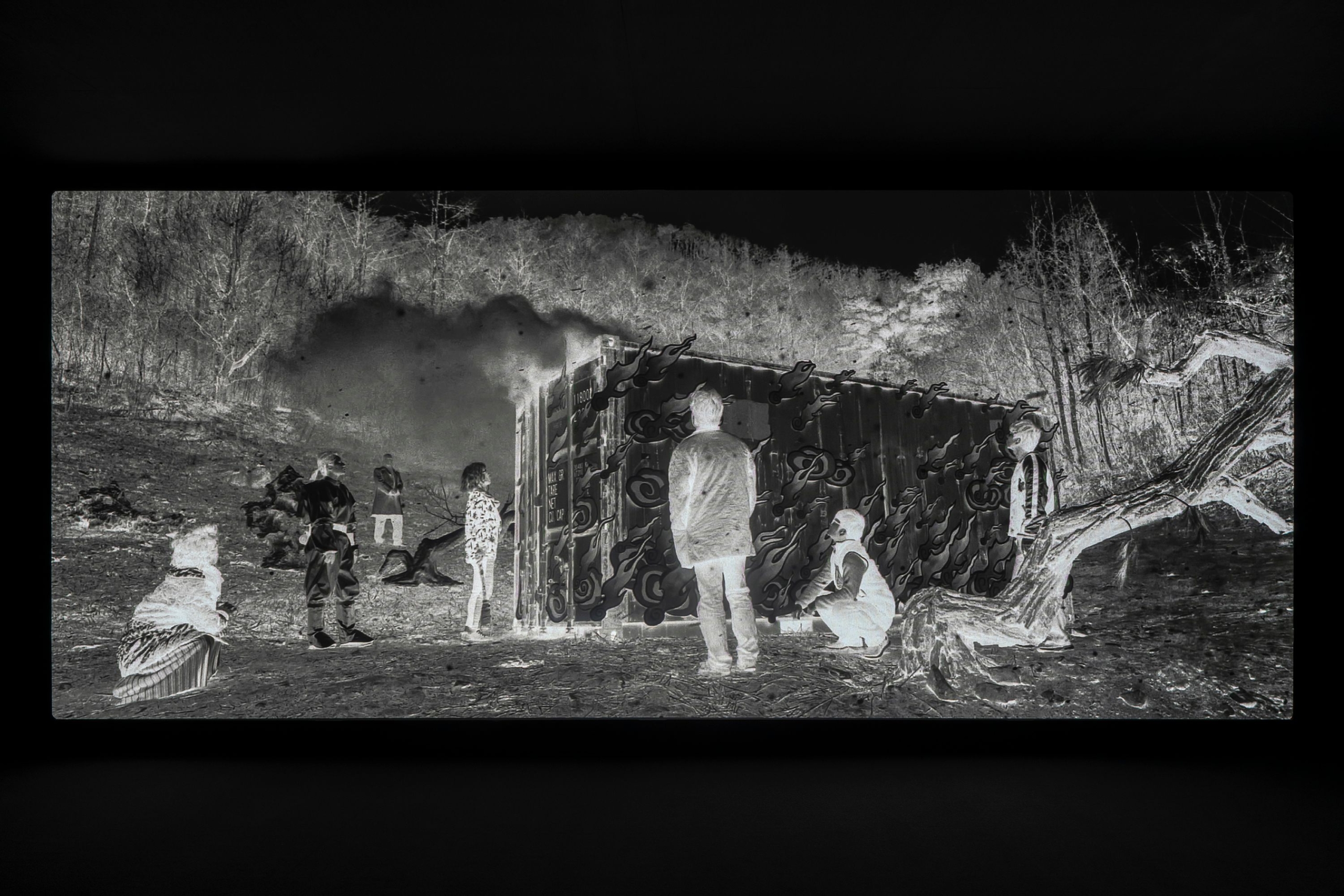
Gathering is
a story of Korean art and disasters. In the aftermath of disaster or in the
midst of disaster, which requires a systemic reflection on modernity, what kind
of language can art put into practice? Before providing a conclusive answer,
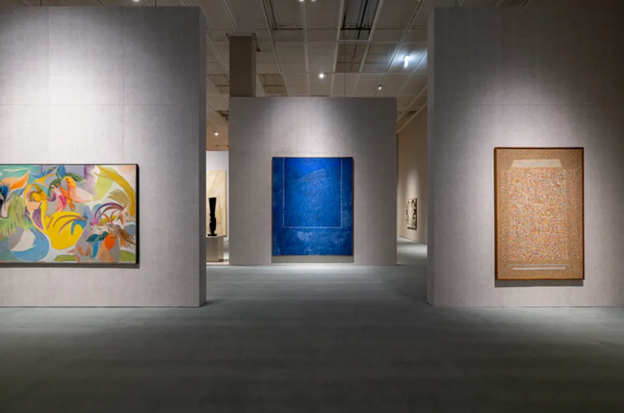
this exhibition examines the essential conditions of this question. Who
constituted the modern/contemporary museum, and where and why? What does the
ocean mean to us after the Sewol Ferry disaster? How can we represent invisible
radioactivity? How are these questions connected to one another?
It
is somewhat unexpected that the artist included the traditional Korean
architecture and the story of Siddhartha Gautama's nirvana as subjects of the
exhibition. He contrasts the humble architecture of the sansindang or chilsunggak of
the countryside to the grandiose contemporary museum of art. He also touches on
the episode of Siddhartha and his disciple to urge audiences to contemplate the
meaning of disaster. Here, the contradictory values of each subject create a
renewed relationship between them.
Park
embraces the diverse lexicons of paradox and irony, including “the redemption through mechanical instruments, the ritual that turns
out to be comical, the sublime within the naïve faith in our blessings, and the
natural beauty transcending disaster.” Through
these aesthetic attempts, Gathering provides
audiences with an opportunity to consider how we can discover a new source of
companionship despite its rapid disappearance.