Exhibitions
《Will you still love me tomorrow?》, 2019.08.27 – 2019.10.20, Seoul Museum of Art
August 20, 2019
Seoul Museum of Art
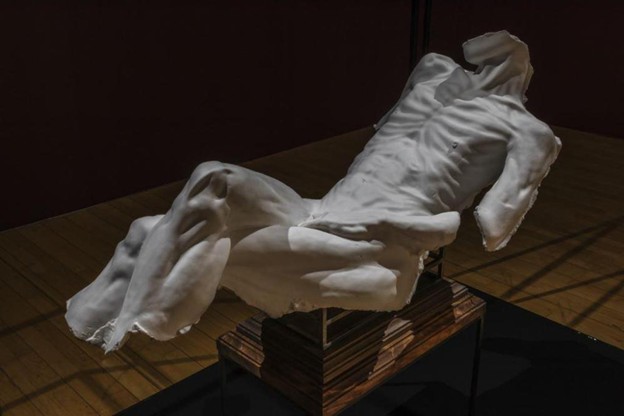
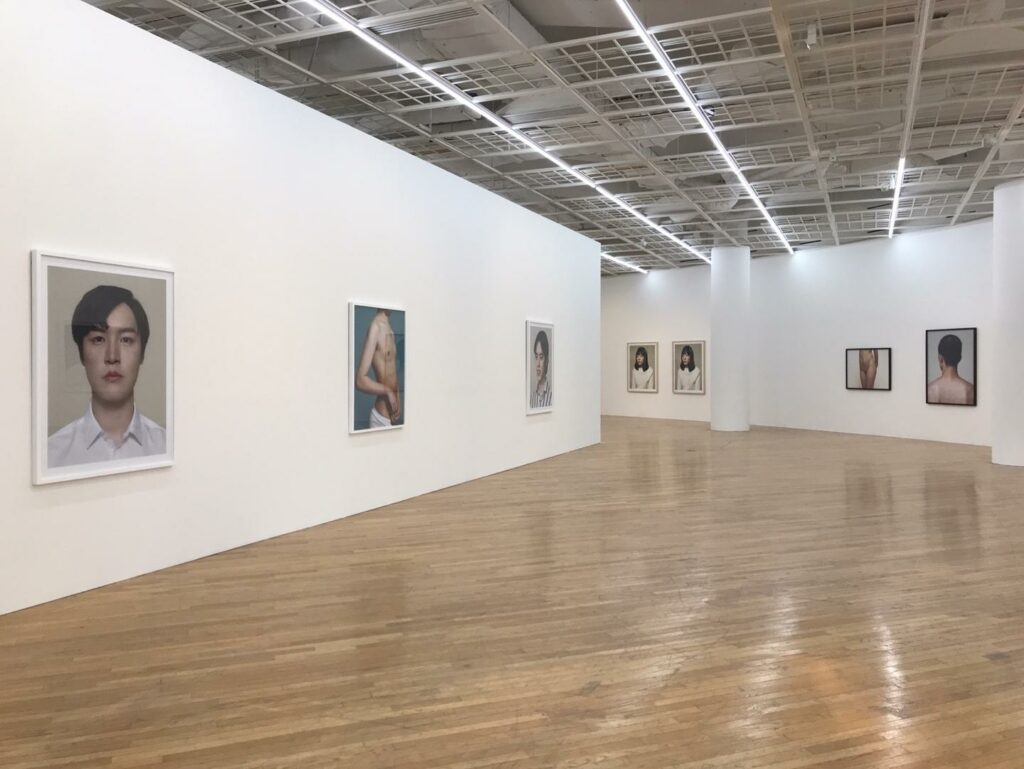
Installation view ©SeMA
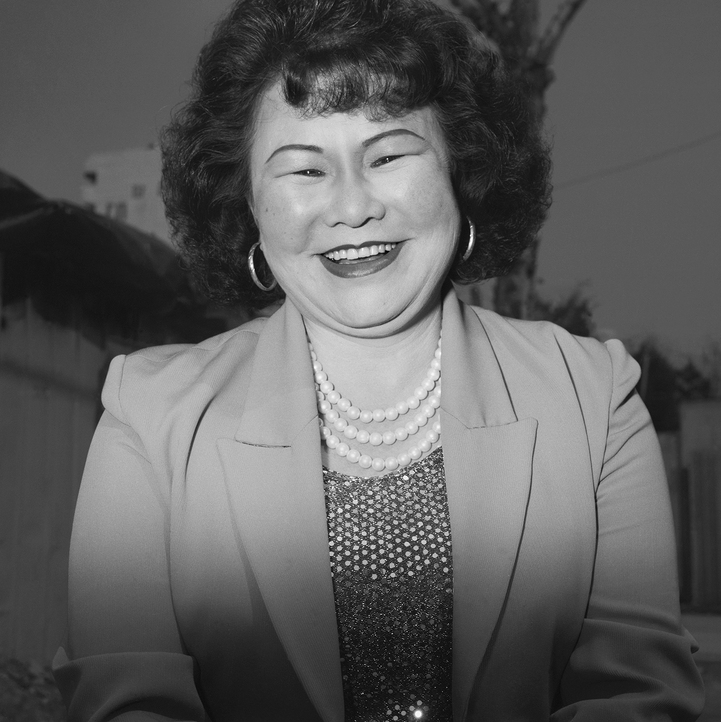
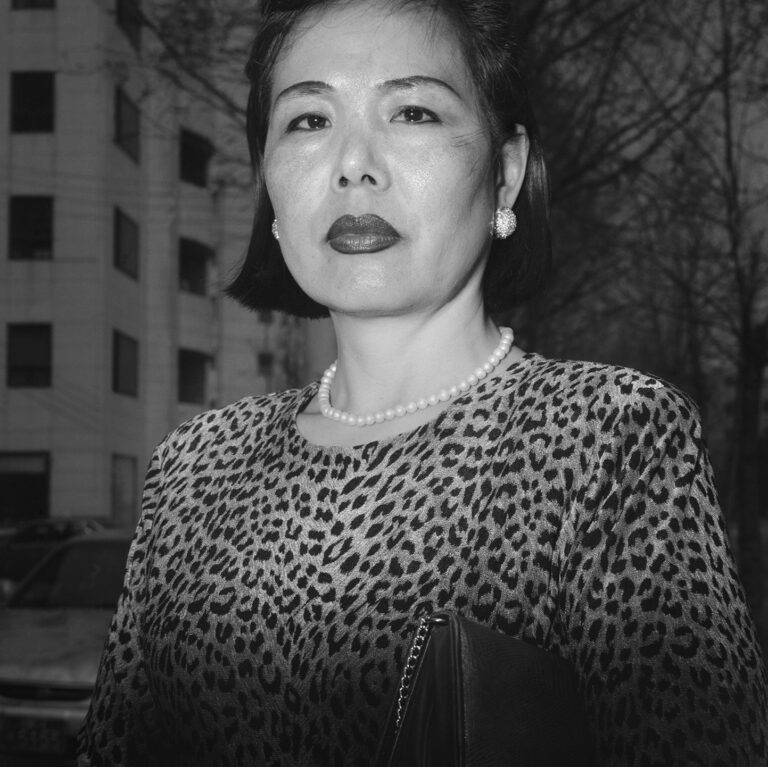
《Will you still love me tomorrow?》 illuminates the global phenomenon of the aged society,
shedding light particularly on the Korean culture which tends to otherize the
elderly. The title of the exhibition, taken from Anneè Olofsson’s work 《Will you still love me
tomorrow?》, captures the sense of anxiety and fears in
the Korean society where people are forced to look at aging through a
contemporary view that pressures one to be and look young.
Globally, the average human life
expectancy and the proportion of the population over 60 have nearly doubled
over the past few decades. In the same manner, Korean is also on the verge of
becoming a super-aged society, with people over 65 years of age taking over 20%
of the population. Despite such rapid changes in the composition of population
and life cycle, aging is still associated with being old and weak in the
capitalist society, and this is predominantly approached with an economic,
rather than social logic.
A term that emerged in such social atmosphere is
'ageism', which defines discrimination and stereotypes based on age. Ageism
amplifies oppression, alienation and inequality both individually and
collectively, and exerts a strong influence over all generations. To make
matters worse, mass media reinforces the negative stereotypes about aging.
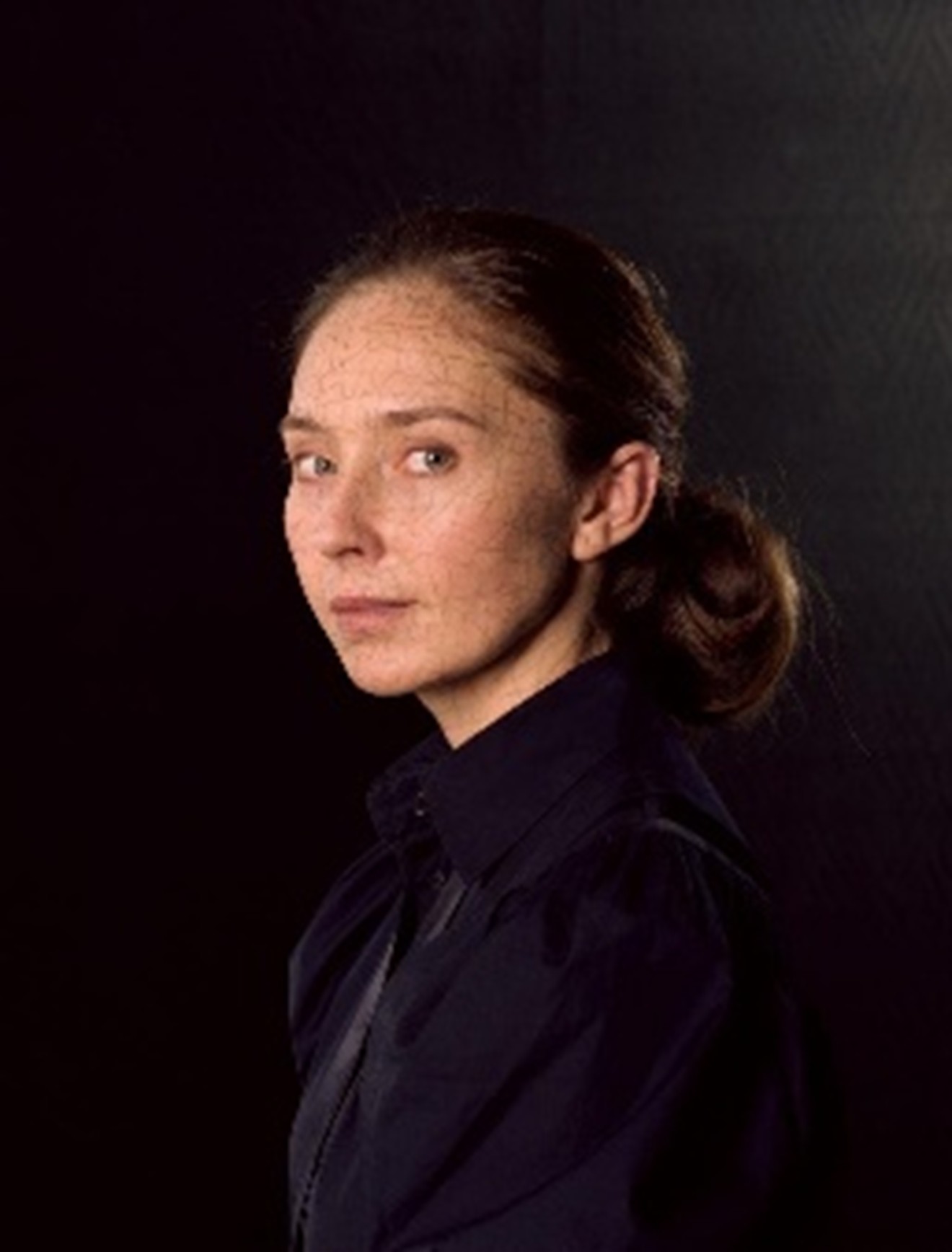
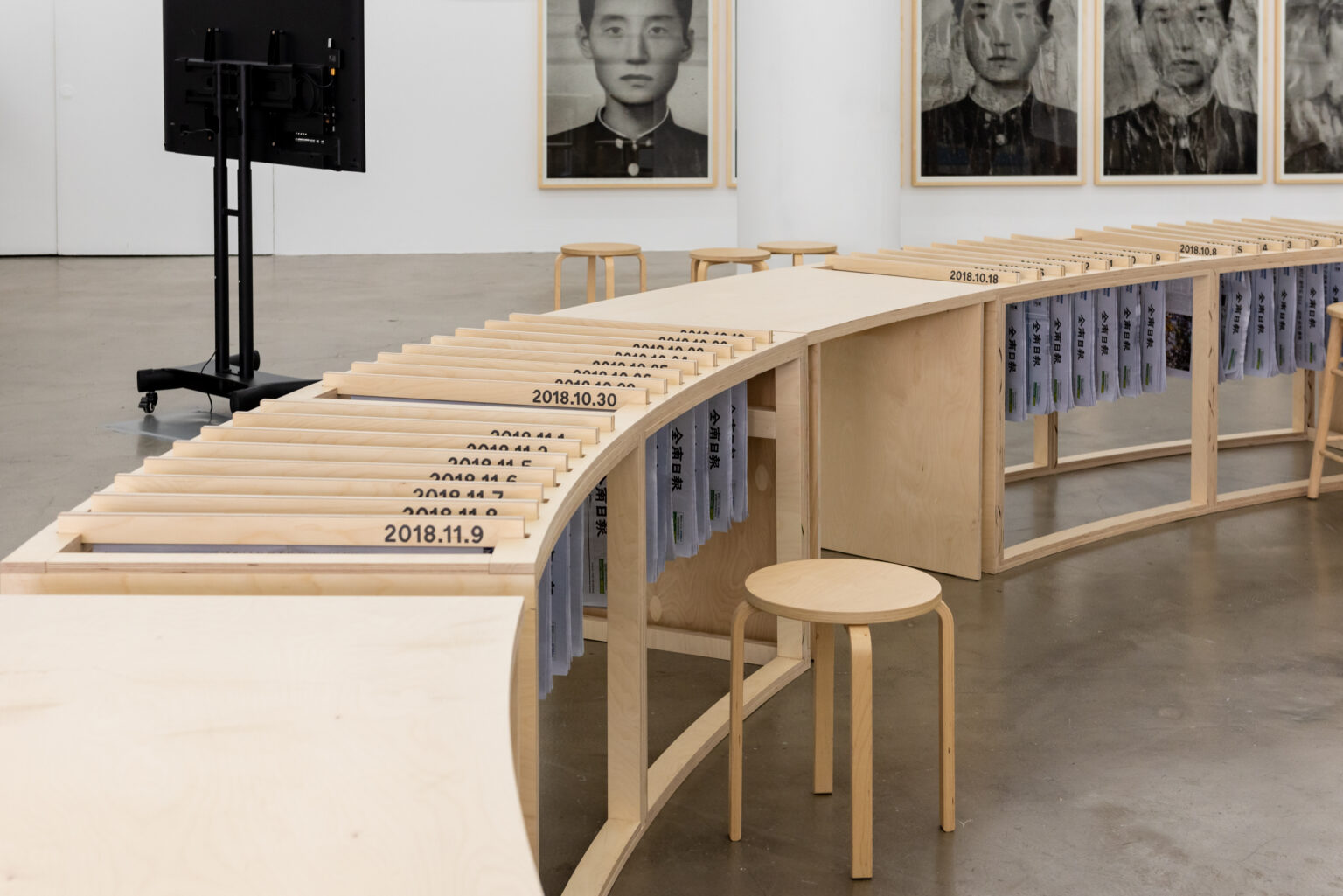
Installation view ©SeMA
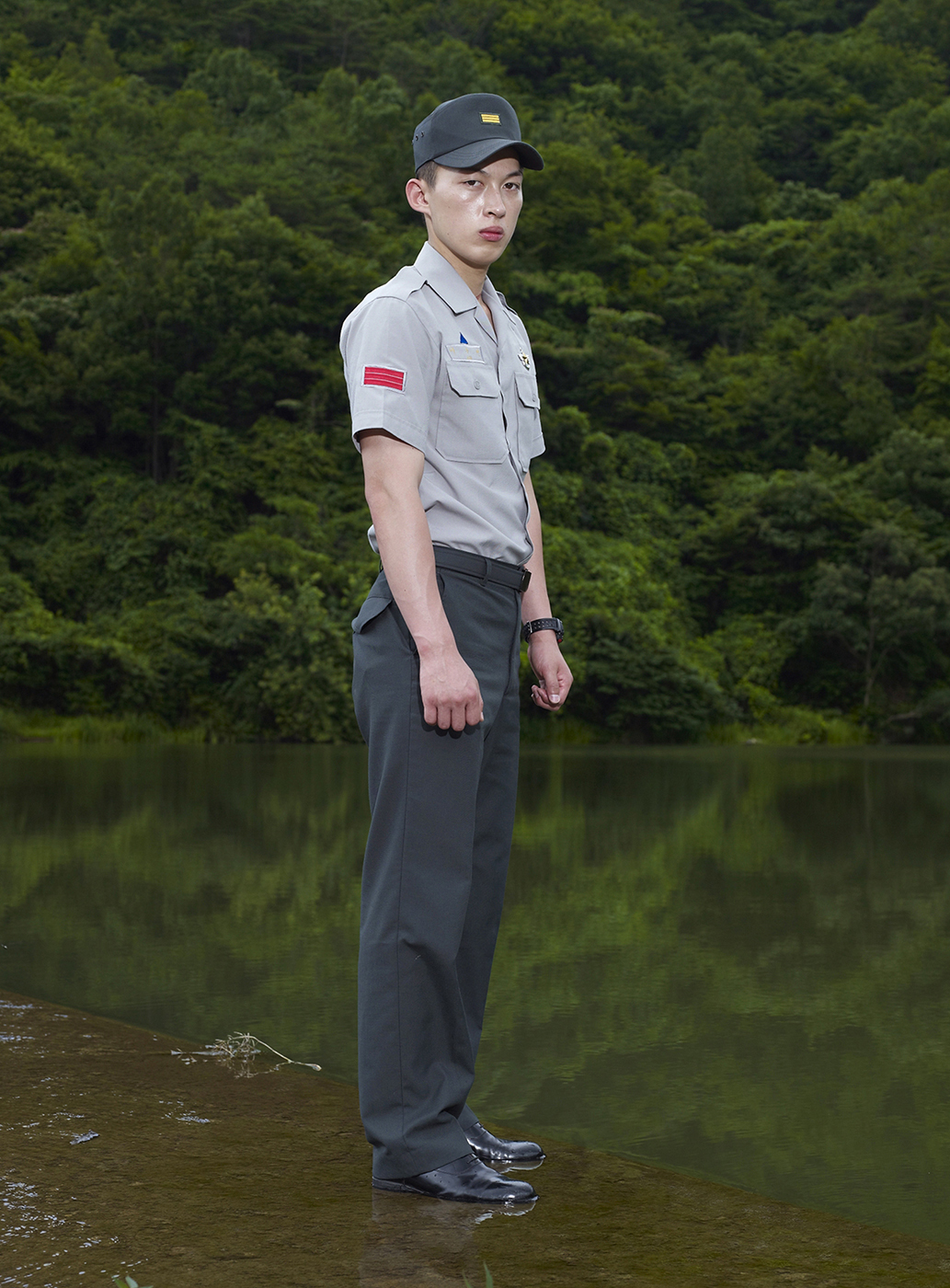
《Will you still love me tomorrow?》 is presented through three exhibition sections and public
program zones, aiming to examines the negative perceptions surrounding aging
and to examine the influences as well as the origin of such negative
perceptions on an individual and society. The first section observes aging in
the context of the capitalistic social atmosphere where aging is consumed only
on a superficial level through plastic surgery, shopping and obsessive
self-maintenance.
The second section observes social problems such as conflict
between generations and alienation, through the different perceptions on aging
by the individual and society. Lastly, the third section presents works that
look into the near future, and invite us to think about aging in the context of
one’s own narrative. In the exhibition, there are also
audience-participatory works that propose new perceptions regarding
aging.
Based on the unique experiences,
perspectives and social backgrounds of the fifteen artists and artist teams in
this exhibition working in fields of art, design and architecture, attempt to
overcome the various types of discrimination in their work, fueled in a society
that demands the captivating capital of ‘youth’. Hopefully, the exhibition stimulates
new ways of looking at aging, and invites us to explore innovative approaches
to a longer life.