






Solo Exhibitions (Brief)
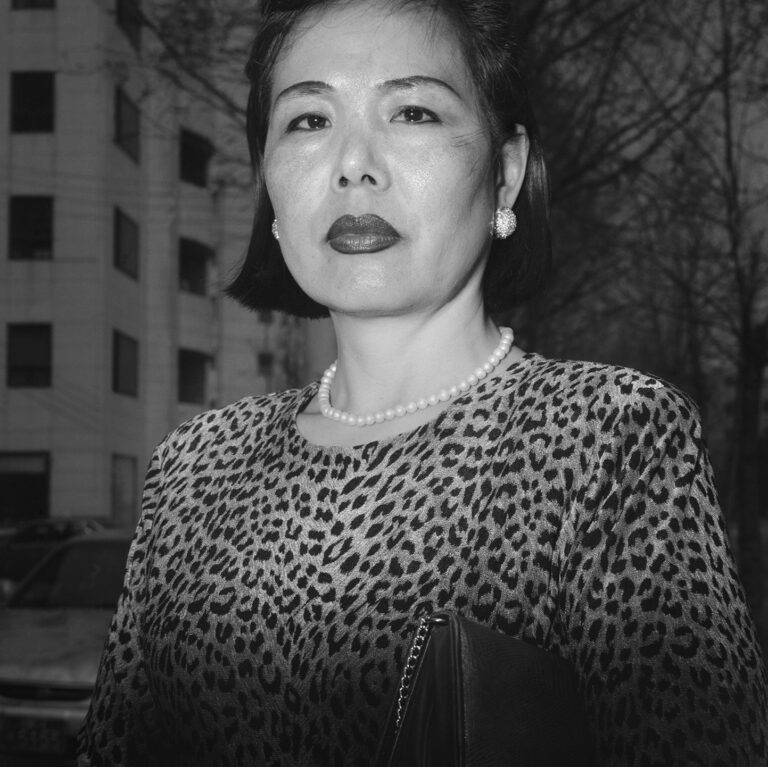
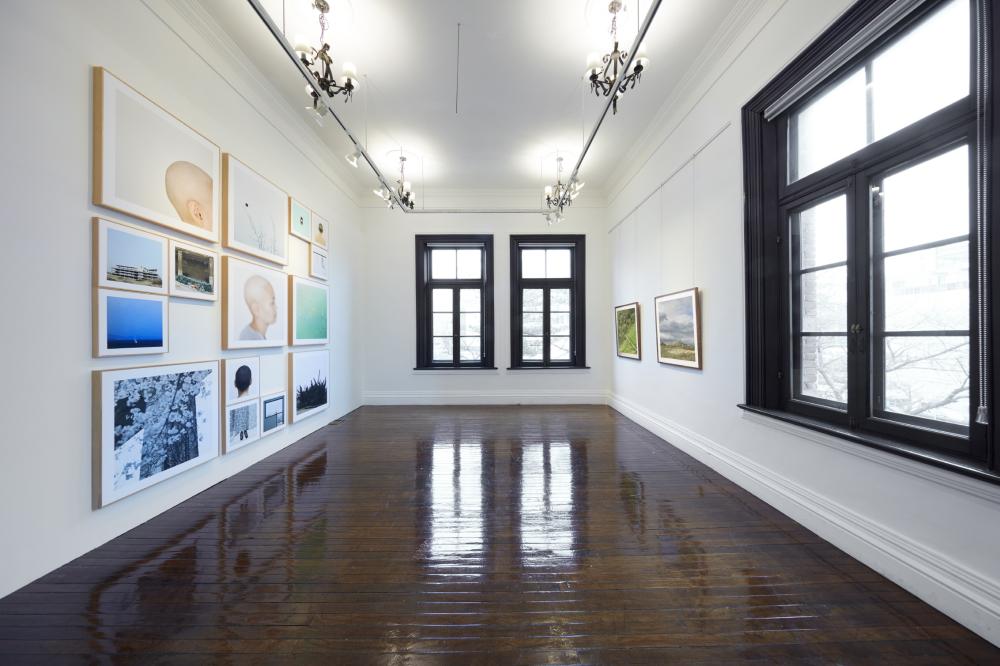
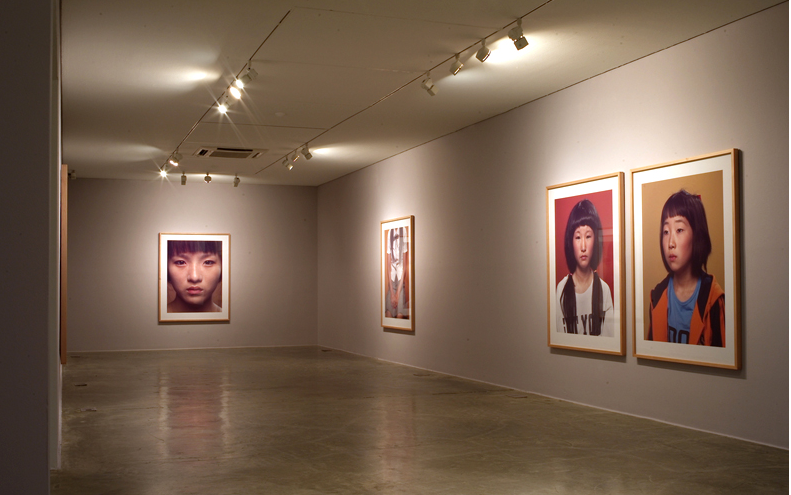
Heinkuhn Oh gained widespread recognition
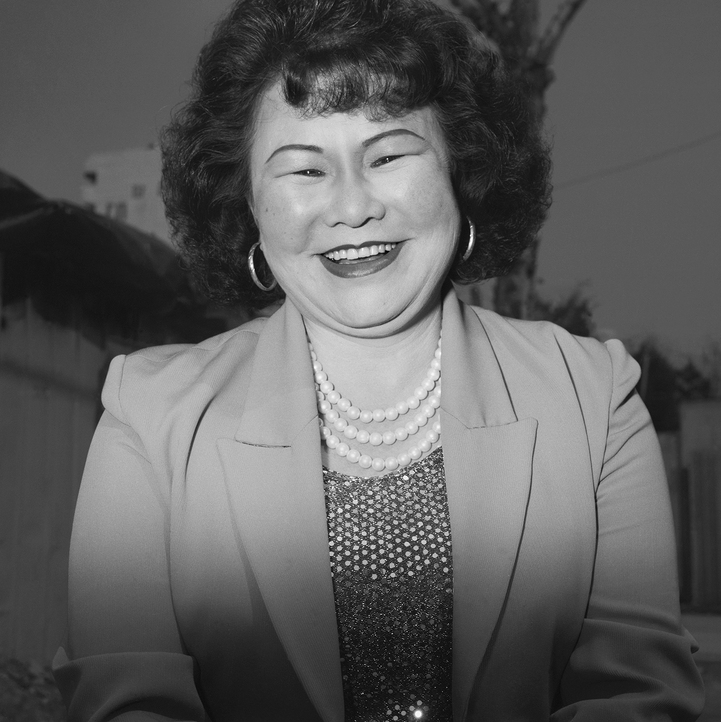
with his solo exhibition “Ajumma” (Art Sonje Center, Seoul, 1999), and has
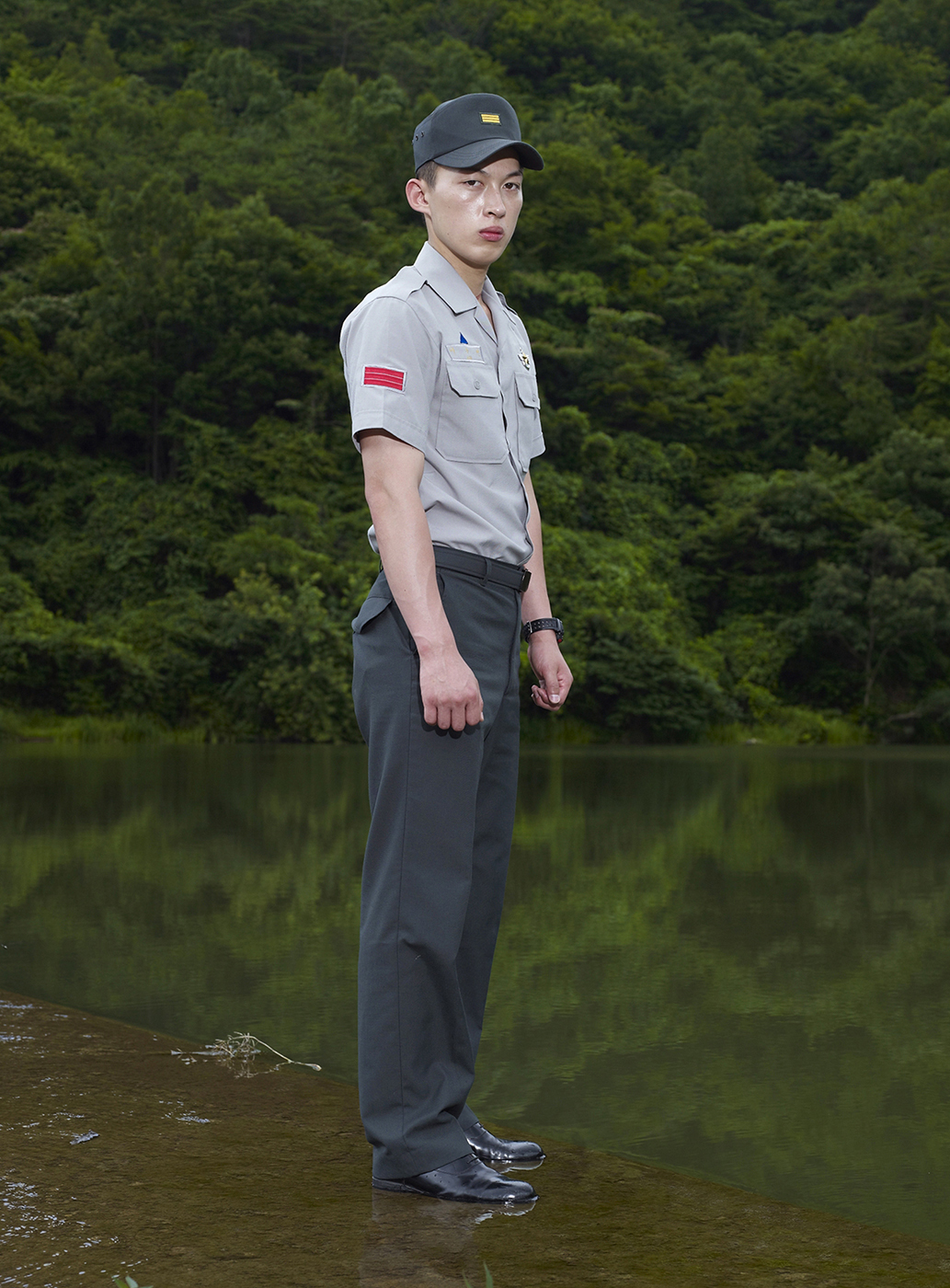
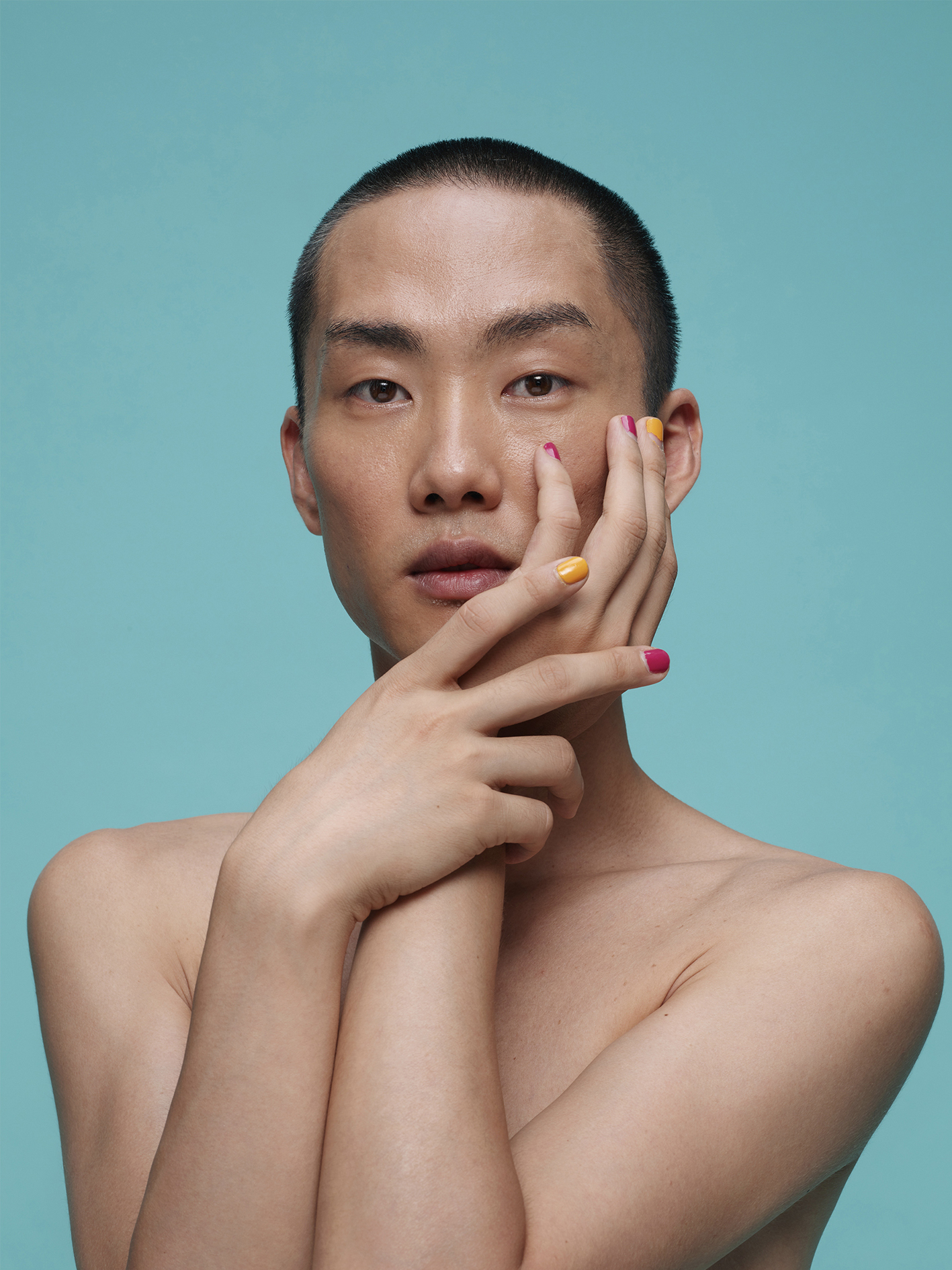
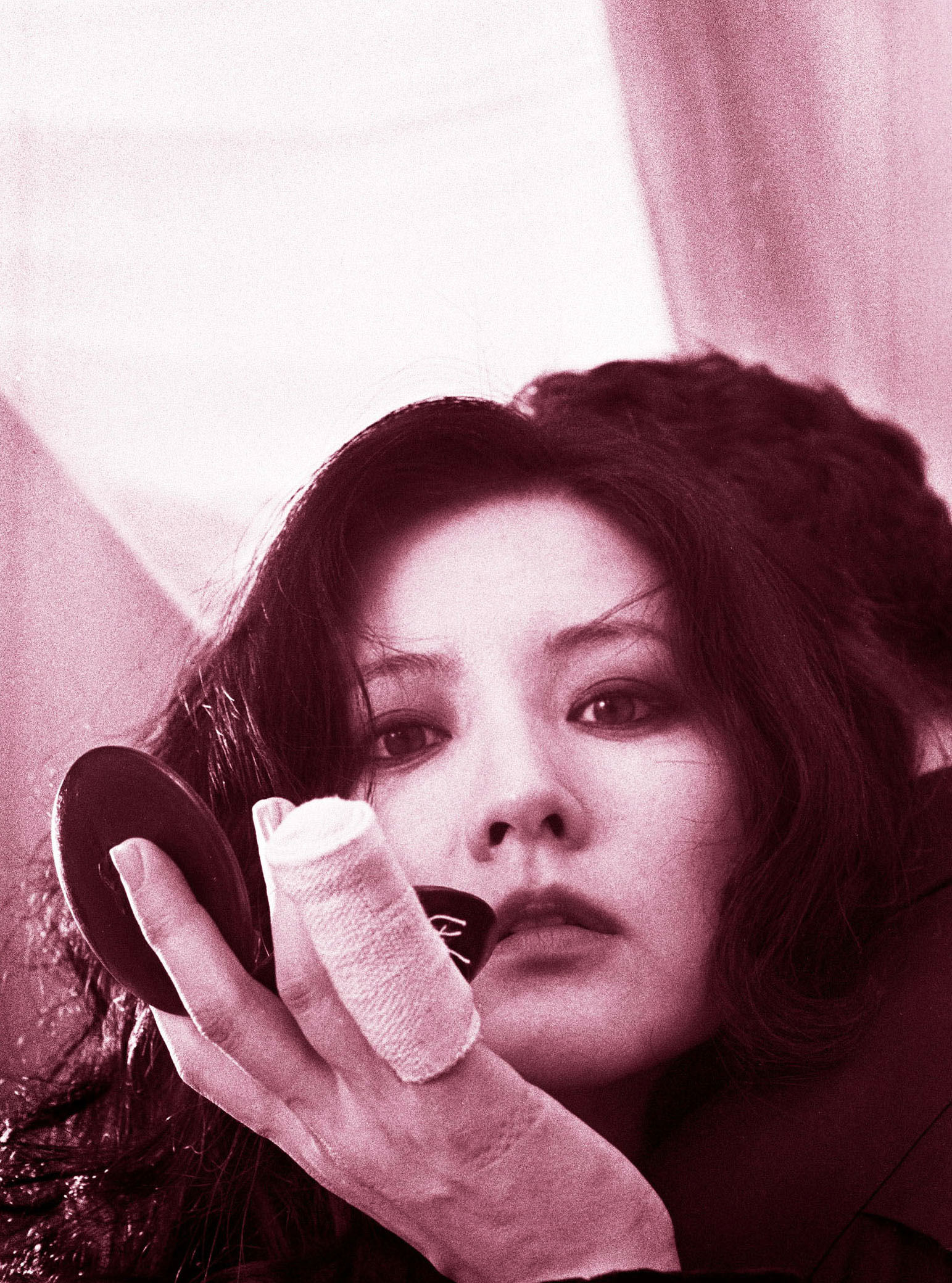
since held numerous solo exhibitions at major institutions, including “Girl’s
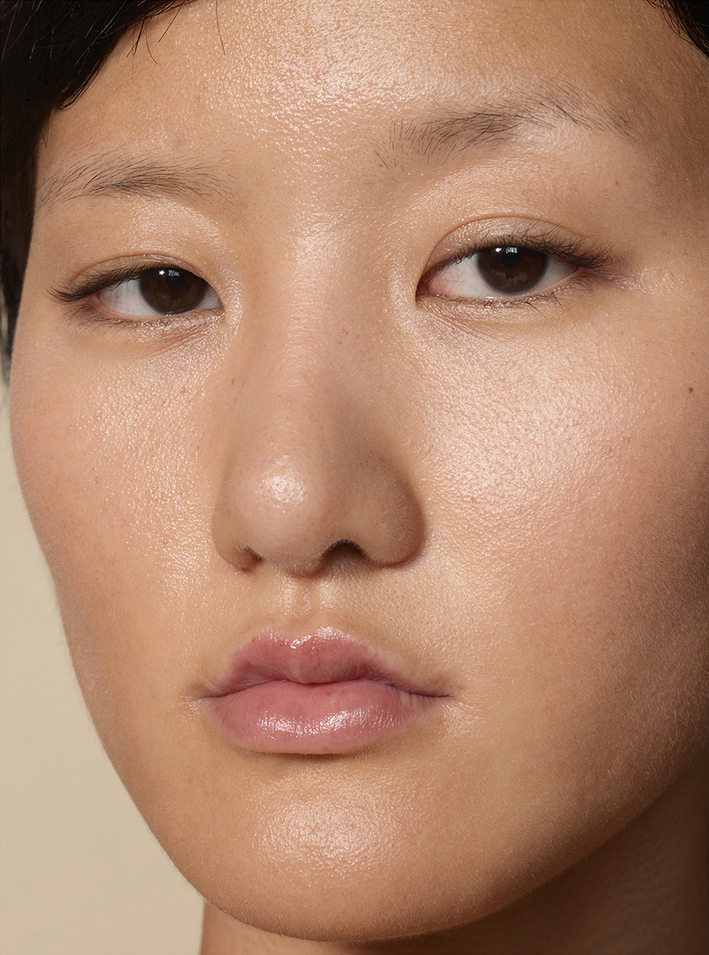
Act” (Ilmin Museum of Art, Seoul, 2003), “Cosmetic Girls” (Kukje Gallery,
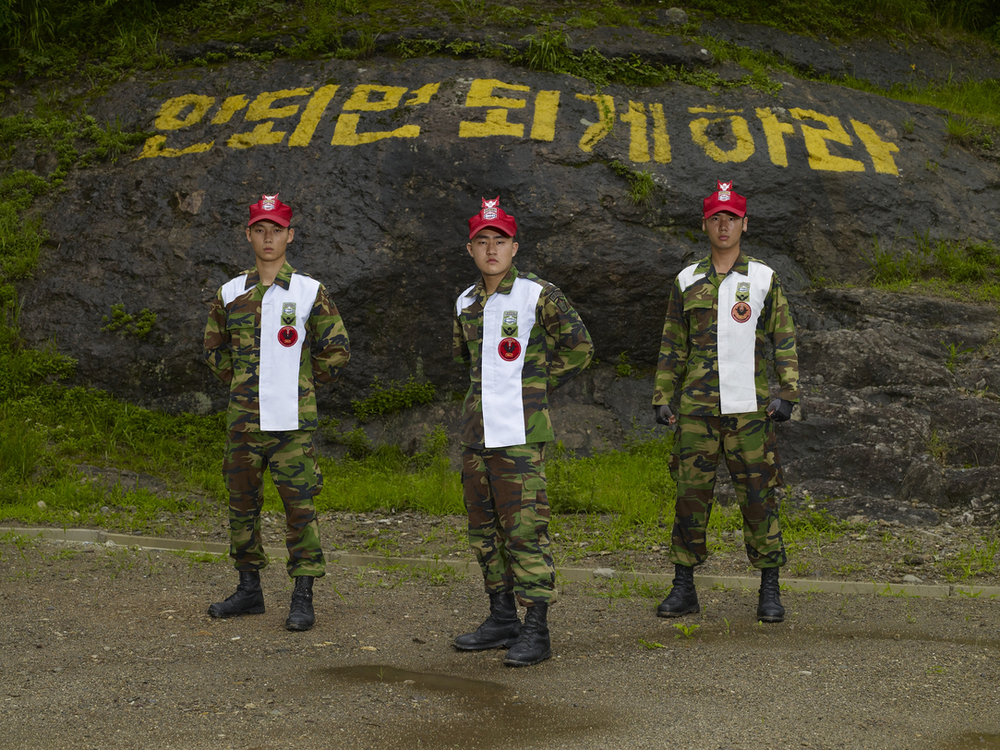
Seoul, 2008), and “Middlemen” (Art Sonje Center, Seoul, 2012).
Group Exhibitions (Brief)
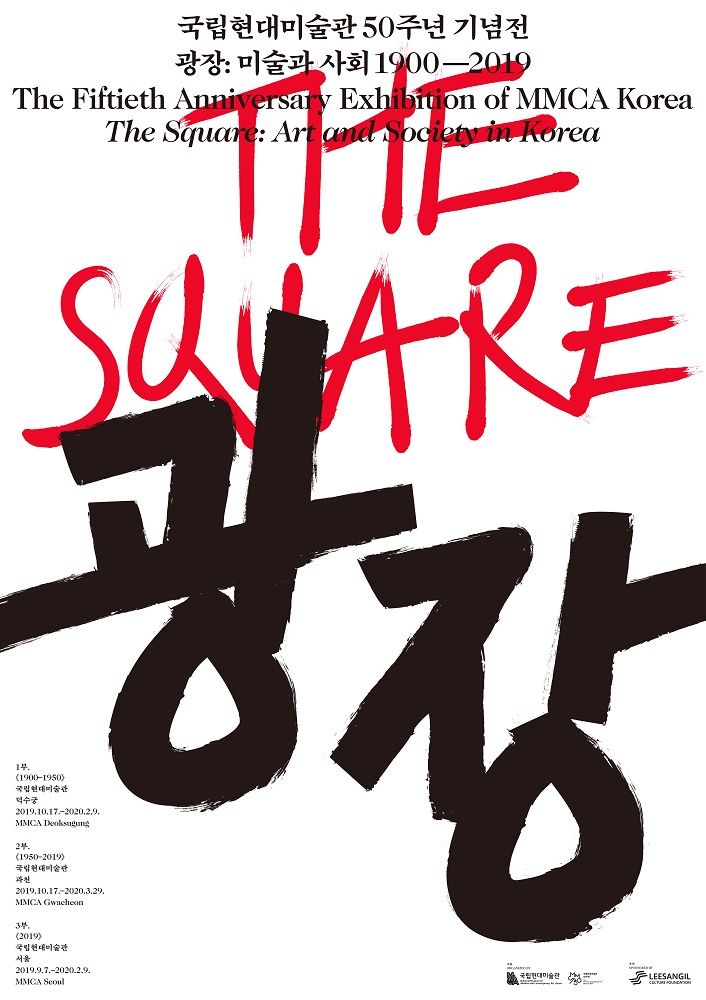
Heinkuhn Oh has participated in group
exhibitions at institutions such as the Seoul Museum of Art, Walkerhill Museum,
Art Sonje Center, and POSCO Gallery. In addition to Korea, he has exhibited in
various countries including the United States, Japan, France, Germany, Italy,
Taiwan, Norway, and the United Kingdom.
Awards (Selected)
Heinkuhn Oh was selected as the Photographer
of the Year at the Dong Gang Photography in 2011.
Collections (Selected)
Heinkuhn Oh’s works are included in the collections of the Seoul Museum of Art, Leeum Museum of Art, National Museum of Modern and Contemporary Art (MMCA), Ilmin Museum of Art, Art Sonje Center, The Hague Museum of Photography, and the Philadelphia Museum of Art.