“You see someone on the street and essentially what you
notice about them is the flaw.” (Diane Arbus)
When Walter Benjamin announced a new experience in visual
perception to be brought by the eye of a camera with high expectation in the
early 20th century, photography had already been enthusiastically capturing
everything in existence for many years. While many focused on the conventional
beauty as the splendor and magnificence of nature, subtle and passing moments,
and the beauty in everyday life and warmth of family, many others turned their
eyes to the dark side behind the light and the world of sociopathy. These
photographers revealed the structural absurdity of a society by depicting the
poor and laborers neglected by society, disclosed the glaring hypocrisy and
falsity of the seemingly noble bourgeois, and exposed the prejudices and pains
behind moralism by focusing on those who were outside the normality. If we are
to compare Heinkuhn Oh with the two types mentioned above, he surely belongs to
the second group.
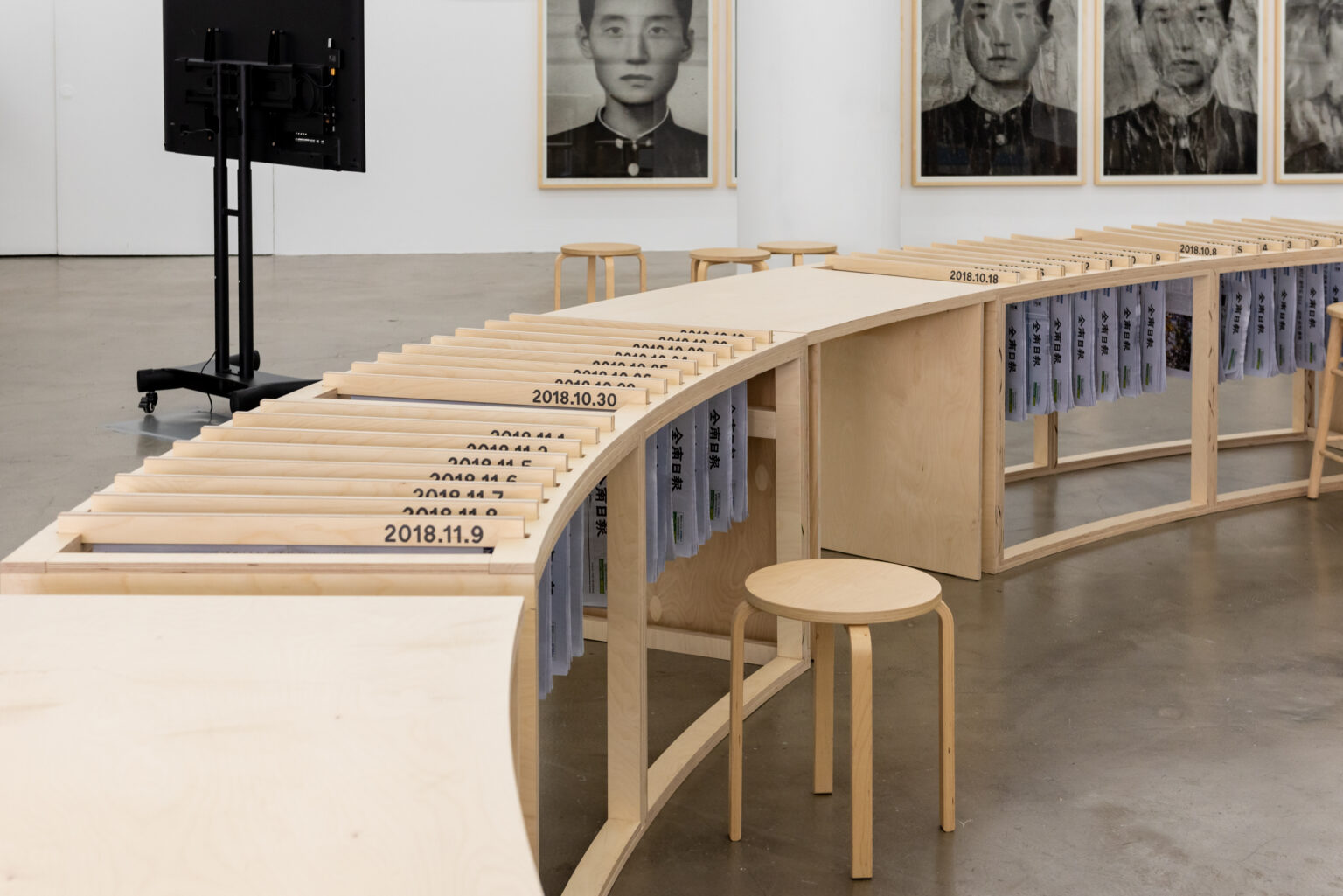
From his first photographic works Americans Them in 1991 to the recent
Middlemen project, a series of portrait photographs of soldiers which was
presented in 2012 at Artsonje Center, Heinkuhn Oh has consistently pursued
social documentary through the format of portrait photography. While his early works
– Americans Them and Itaewon Story – were
close to traditional documentary photography by which he captured the social
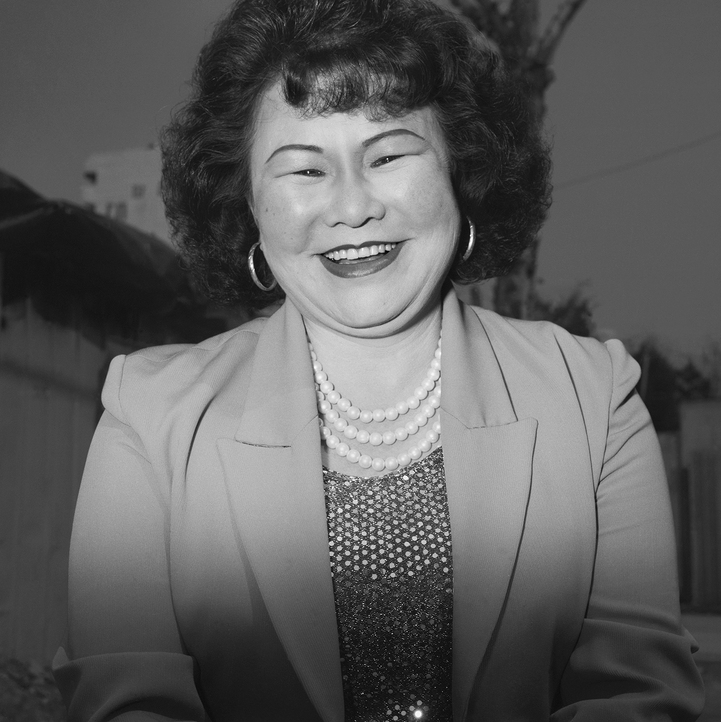
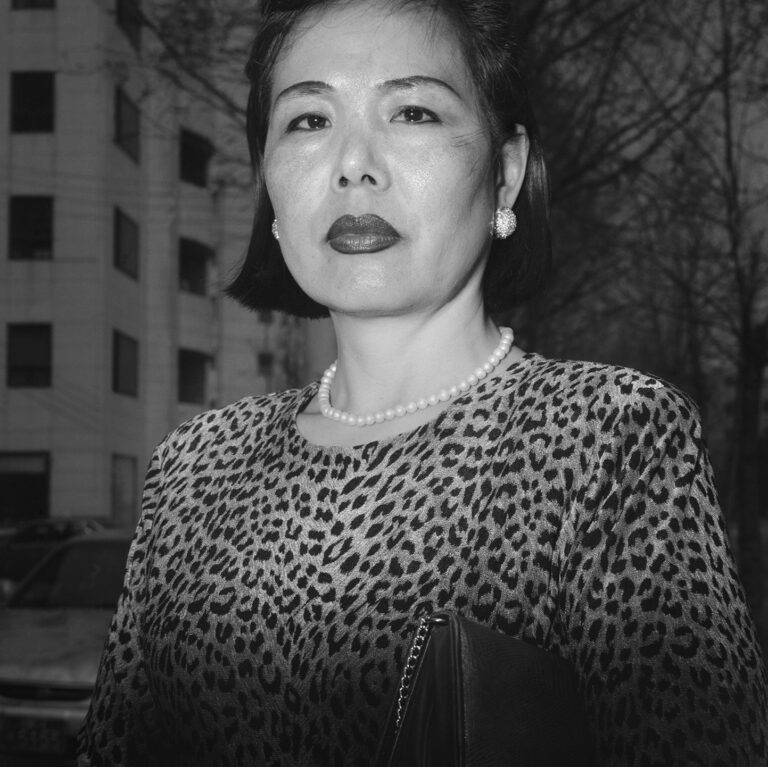
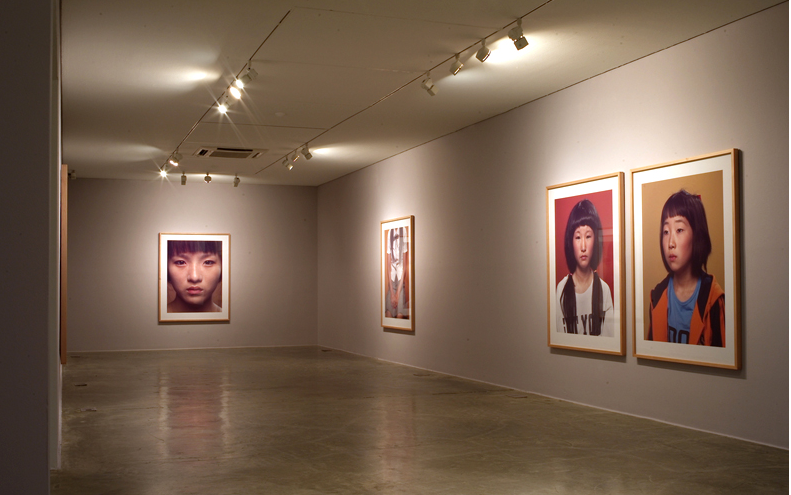
landscape on the streets, his famous works in later years –Ajumma,
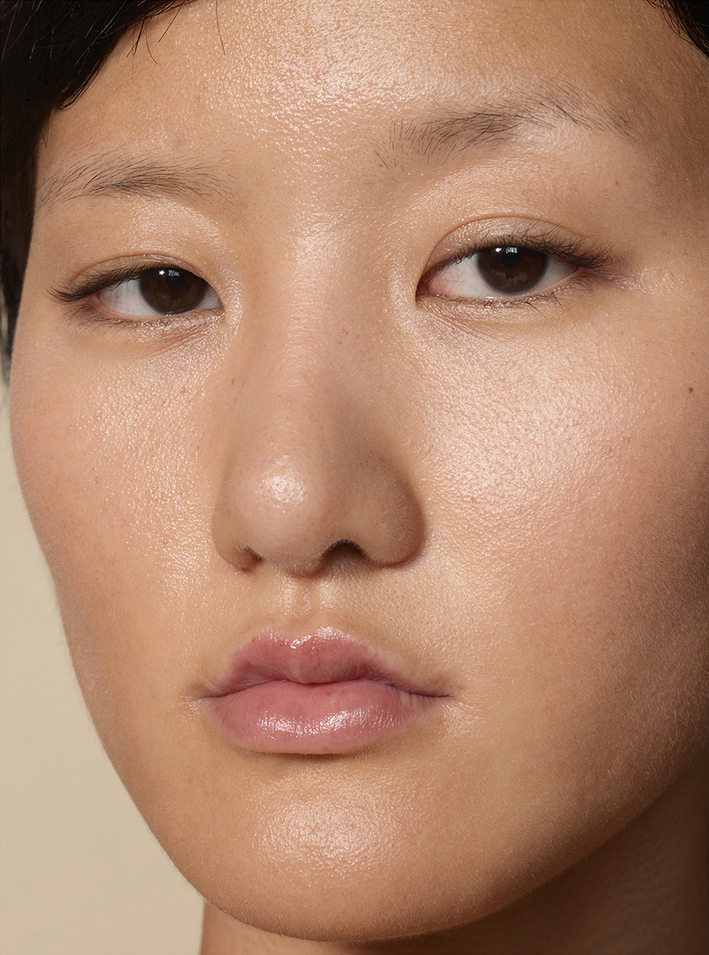
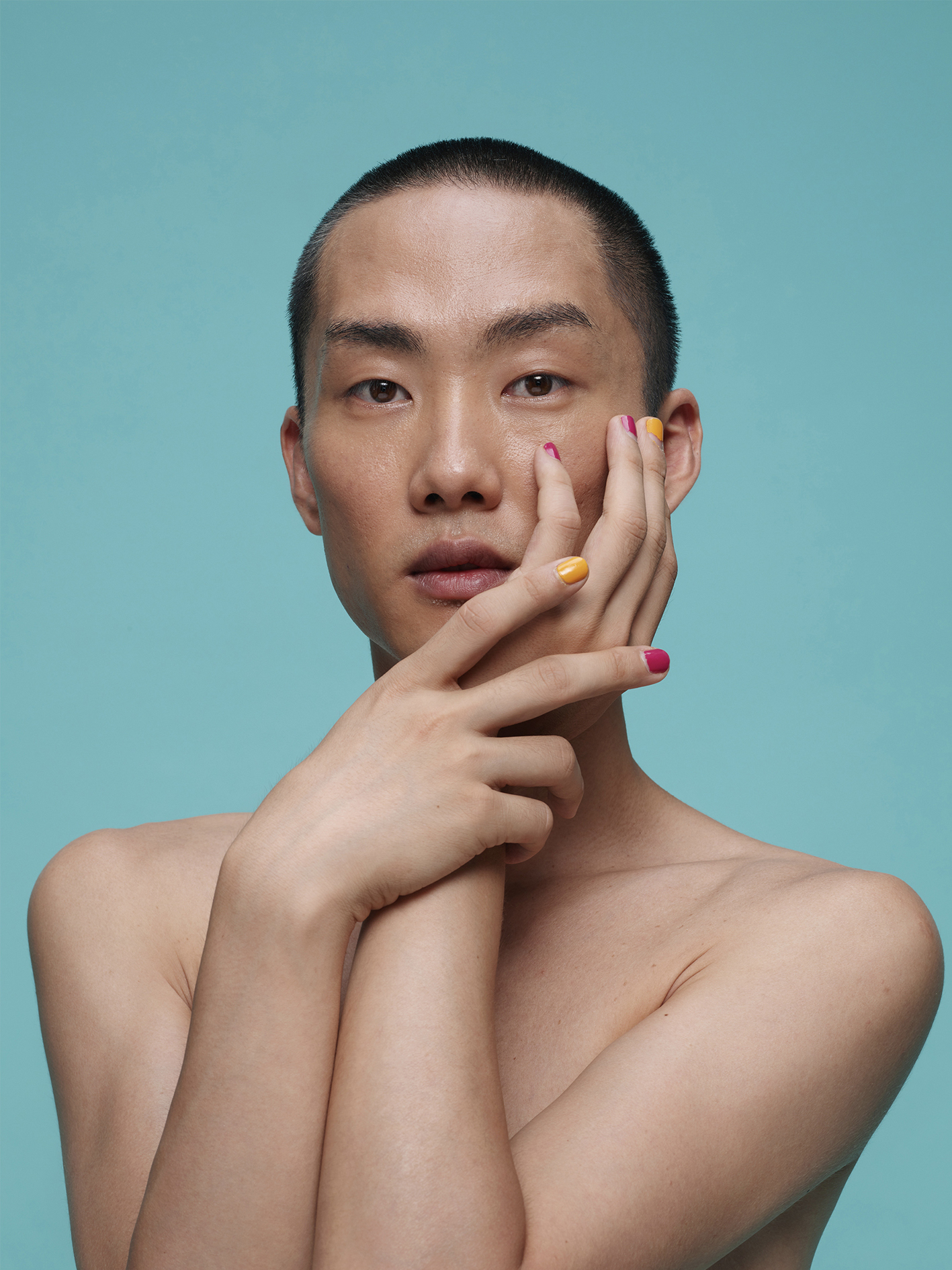
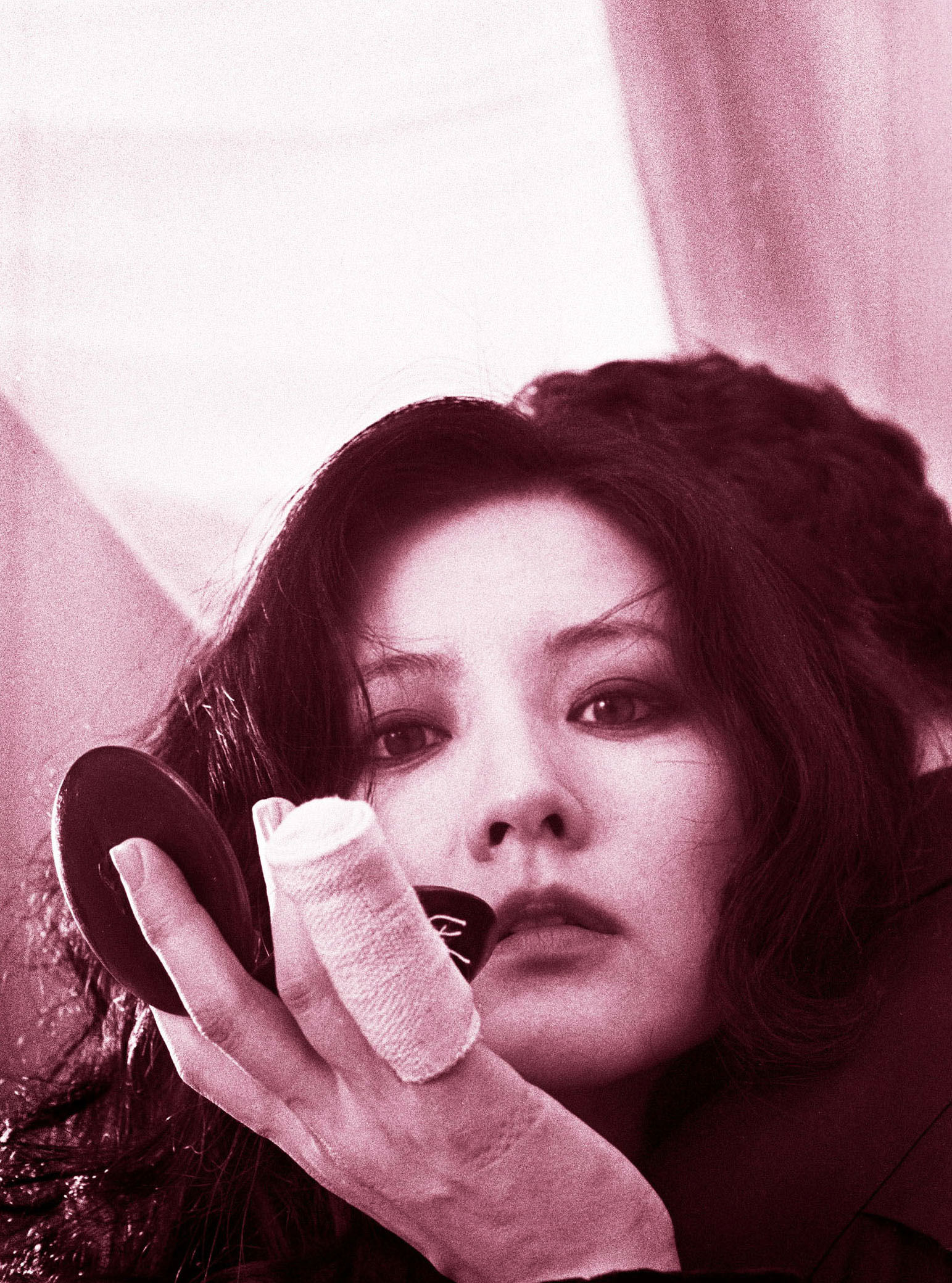
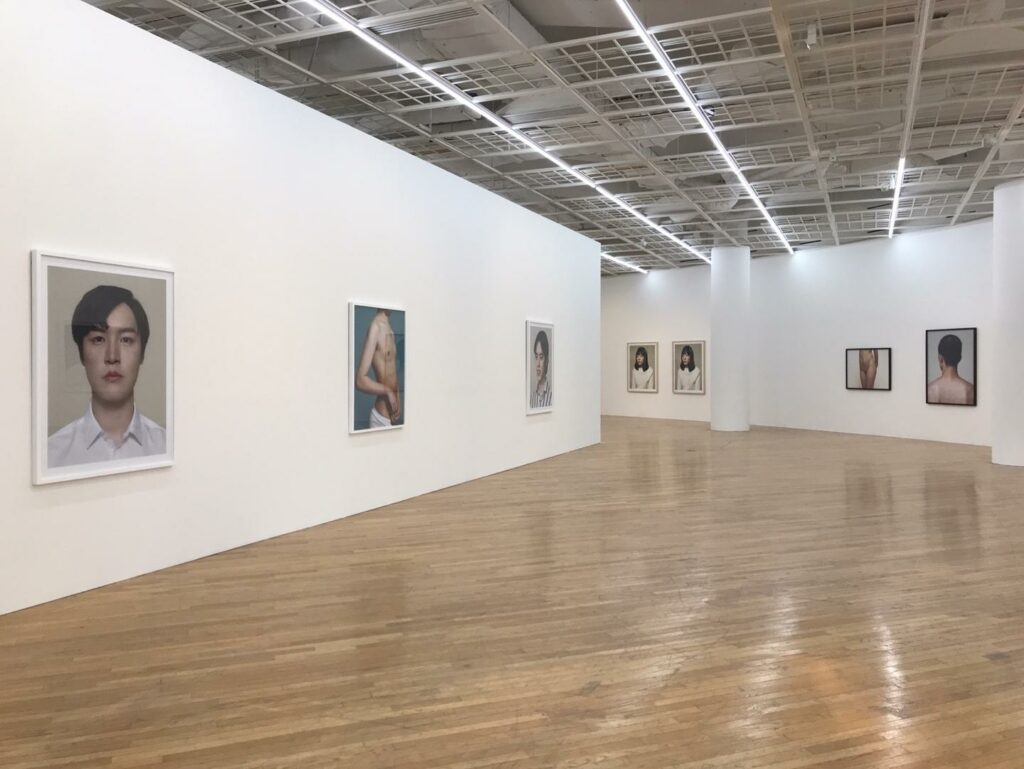
Girl’s Act, and Cosmetic Girls – show images of
specific social groups called ‘Ajumma’ (middle-aged woman)’ and ‘Sonyeo (girl)’
through a kind of a pictorial book. Like Diane Arbus who notices the flaw first
when seeing someone on the street, Heinkuhn Oh sees through the cracks in
society by means of the camera. What captures his interest are the insecure
identities and anxieties which reveal themselves through superficial images of
the subjects. ‘Ajumma’ “laughing rambunctiously with her red lipstick and
tattooed eyebrows” and a high school coed “in her short skirt with a question
mark on her face,” which Heinkuhn Oh considers stereotypes of middle-aged women
and high school girls, show themselves in images as they want to be.
Although the subjects are depicted as they aspire to be (‘Ajumma’ as
affluent ladies, high school girls as celebrities they want to look like), what
is truly hidden behind such images are anxieties of passive subjects who do
what they think others expect of them rather than what they want to do. Really,
isn’t a middle-aged woman’s showing off the social status of her husband and
wealth? And isn’t the pretension to innocence of a high school girl in a short
skirt nothing but behaviors that are implicitly demanded by society because
females became sexually objectified earlier on in a male-dominated society?
Such absurdities arise from the insecurities of these groups, whose own
identities are not firmly established. As a photographer, Heinkuhn Oh is
intrigued by such moderate anxiety, the ‘Middleness’.
For a portrait photographer, selection of the subject is an
important component which can be regarded as the beginning and everything of
his/her work. The subject Oh Hein- Kuhn chooses is someone with moderate
anxiety, and all the subjects of his photographs can be categorized as
‘Middlemen’. Americans Them are about those who are at the fringes of American
society; Itaewon is a border place between Korea and the US, where the
heterosexualand the homosexualmix together. And ‘Ajumma’, or middle-aged woman,
is the third gender as this group is considered sexually neither female nor male; Sonyeo, or girl, is in between childhood and womanhood. Such nature of a
border rider is also the heart of the ‘Middlemen’ series. The in-between nature
of the subject evokes especially great interest because Heinkuhn Oh’s
photographs of the soldier series do not satisfy at all society’s preconception
of soldiers in general. The military, a highly hierarchical organization which
is the backbone of the organized society unique to Korea, is a place where
masculinity and collectivity are enforced in the extreme. However, the identity
of the group represented by ‘us’ is oddly absent in photos by Heinkuhn Oh.
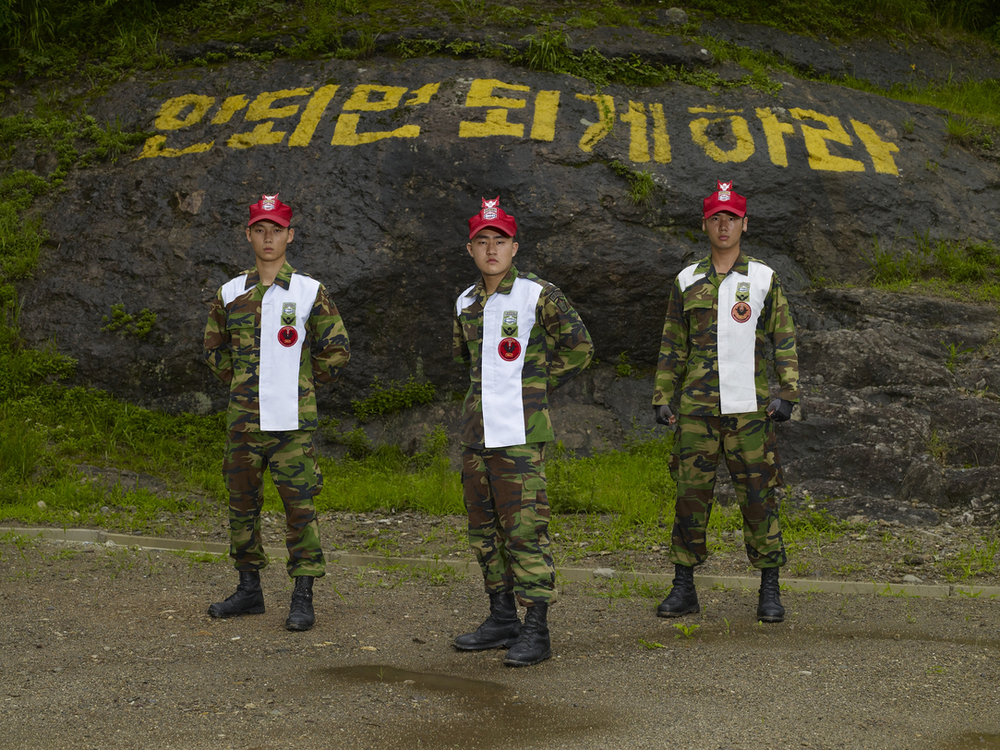
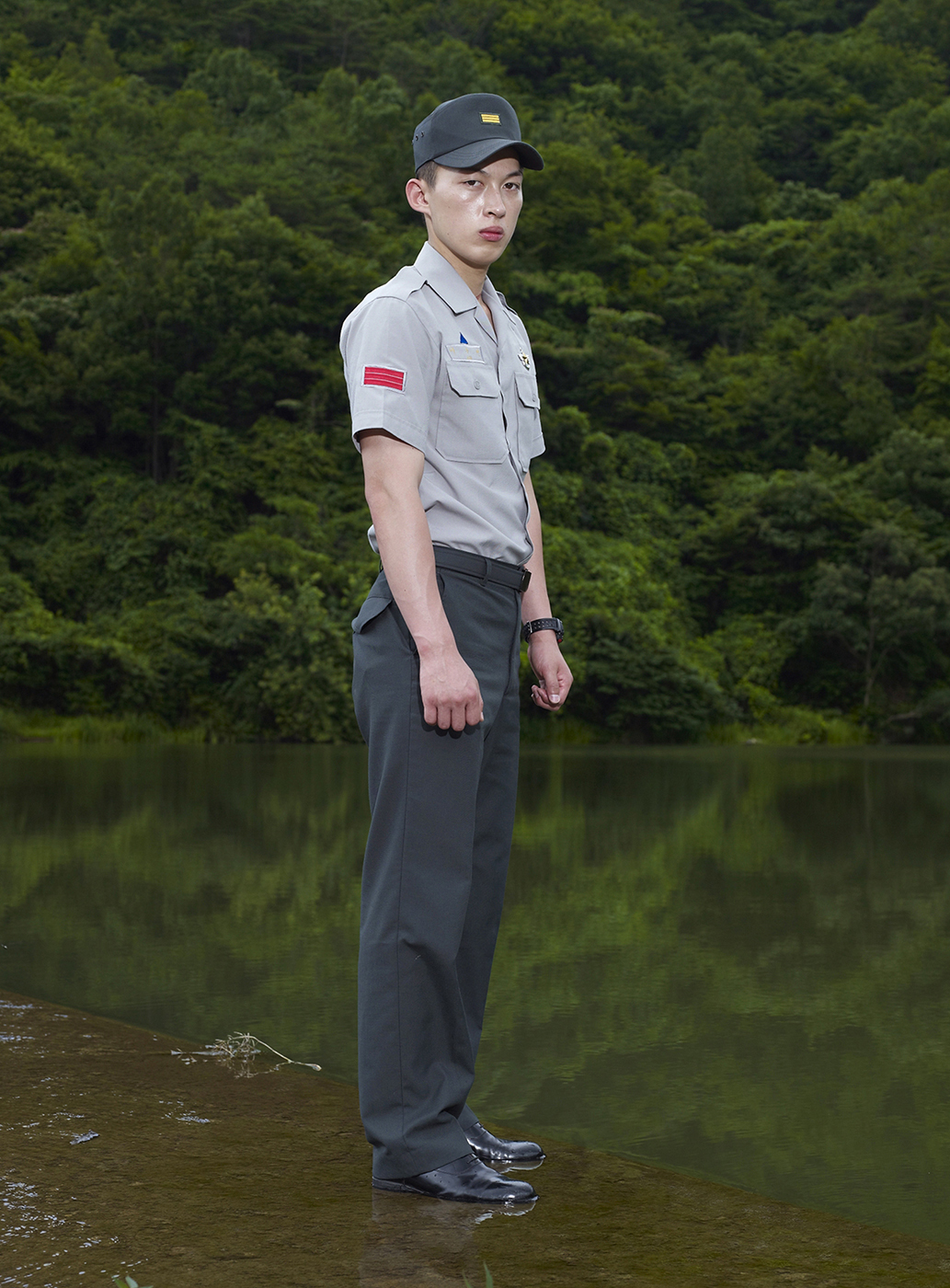
The
soldiers he chose were not those with the stereotypical look of a brave Korean
soldier well trained and disciplined. Although they are neither peculiar nor
completely alienated, they seem somewhat out of place. Not yet completely
adapted to the military, they retain some aspects of civilian society, or
trauma incurred outside or inside the military. Even if they are relatively
close to the archetype of soldiers, the ‘I’ is more noticeable than ‘us’.
Privates as ‘individuals’ with the still young and innocent look of people in
their early twenties are in some realm in between the military and the civilian
world, compliance and deviation, and adaptation and maladaptation. Their
existential anxieties are apparent in the details of the photographs,
especially the positions of hands and feet rather than the facial expressions.
Their hands are too tightly fisted in an unnatural looking way; their shoes are
slightly raised, showing insecure movement of feet; and their shyly gathered
feet are a bit out of place, showing incomplete incorporation into the
military.
The Middlemen project is Heinkuhn Oh’s first attempt at male
portraiture and group portraiture, and the background which disappeared after
his early works is definitely pronounced and a narrative revives in this
project. In this regard, the ‘Middlemen’ series seems to be quite different
from the early works. However, a common context strongly runs through the
entire series.〈1〉 What is noteworthy is the psychological distance between the
photographer and the subjects, in addition to his selection of models that
reveal obscure anxiety. Heinkuhn Oh’s looking at ‘Middlemen’ from an
‘in-between’ perspective, which is neither too far nor too close, is one of the
important characteristics of all his work. Such characteristics make us realize
that Heinkuhn Oh’s works, which are seemingly documentary or German typological
photography, are in fact pseudo- documentary rather than documentary and
pseudo-typology rather than typology. Heinkuhn Oh uses and at the same time
distorts typological approaches that record most accurately and objectively
under the same conditions by excluding the subjectivity of the photographer to
make a specific typological archive. The ‘Ajumma’, The Girl’s Act, and ‘Cosmetic Girls’ projects all used the form of a
pictorial book and typological approach to sample the category of ‘Ajumma’ and
Sonyeo.
For example, for the ‘Cosmetic Girls’ project, Heinkuhn Oh divided the districts of Seoul into
the south and the north of the Hangang River, which are then subdivided into
Apgujeong-dong, Cheongdam-dong, Migliore at Dongdae-mun, Sundae Alley at
Sillim-dong, and Ewha Womans University street, and established a scope and
system to get a truly representative set of subjects. The same criteria applied
to the Middlemen project. He photographed all ranks of army, navy, and the air
force personnel, and typological classification based on the distribution
ratio, applied to allocate half of all photos to the army, and the remaining
half was allocated to the navy and air force. However, the typological
principles of objective sampling and recording are definitely lost by the eyes
of the photographer. Heinkuhn Oh keenly senses the psychological anxiety of the
subject, and his sensitivity causes him to empathize with his subjects to a
certain degree. As Heinkuhn Oh is interested in moderate anxiety which does not reveal
itself plainly, he needs to truly correspond with the person he is photographing
in order to capture his/her delicate feeling of alienation. In this respect, Heinkuhn
Oh is neither like Diane Arbus, who photographs obvious freaks from an
outsider’s perspective, nor Nan Goldin, who photographed part of a community as
an insider. The attitude of Heinkuhn Oh, who keeps a certain distance with his
subject while responding to the subject emotionally, is ‘in-between’
objectivity and subjectivity. This Middleness is manifested by the mid-tone of
gray and the typical medium distance of three to five meters in documentary
photography.
Ultimately, Heinkuhn Oh continuously notices the symptom of
middlemen who reveal obscure anxiety on the surface. Since this symptom is
sociological, the larger the gray area of a society becomes, the more delicate
the aspects of anxiety to be expressed become, and the more minute rupture
revealing such anxiety also becomes. This is also true of the military, which
becomes more complicated as communication with the outside increases and
ideology weakens. Through the ‘Middlemen’ series, Heinkuhn Oh attempts to
capture such ‘mild fever like anxiety,’ as he puts it, which arises between
individuals and groups inside the space called the military. Each and every
subject of Heinkuhn Oh converges into one type called Middlemen and is a token
which testifies to minute anxiety of Korean society, which is becoming more and
more uncertain every single day. The photographer who captures such symptom is
of course one of the middlemen. by viewer’s gender rather than photograph
itself. For instance, men with their own military experience respond to subtle
power relation by rank much more keenly than women.
〈1〉 The big difference
between Middlemen and previous works lies interpretation