




Solo Exhibitions (Brief)
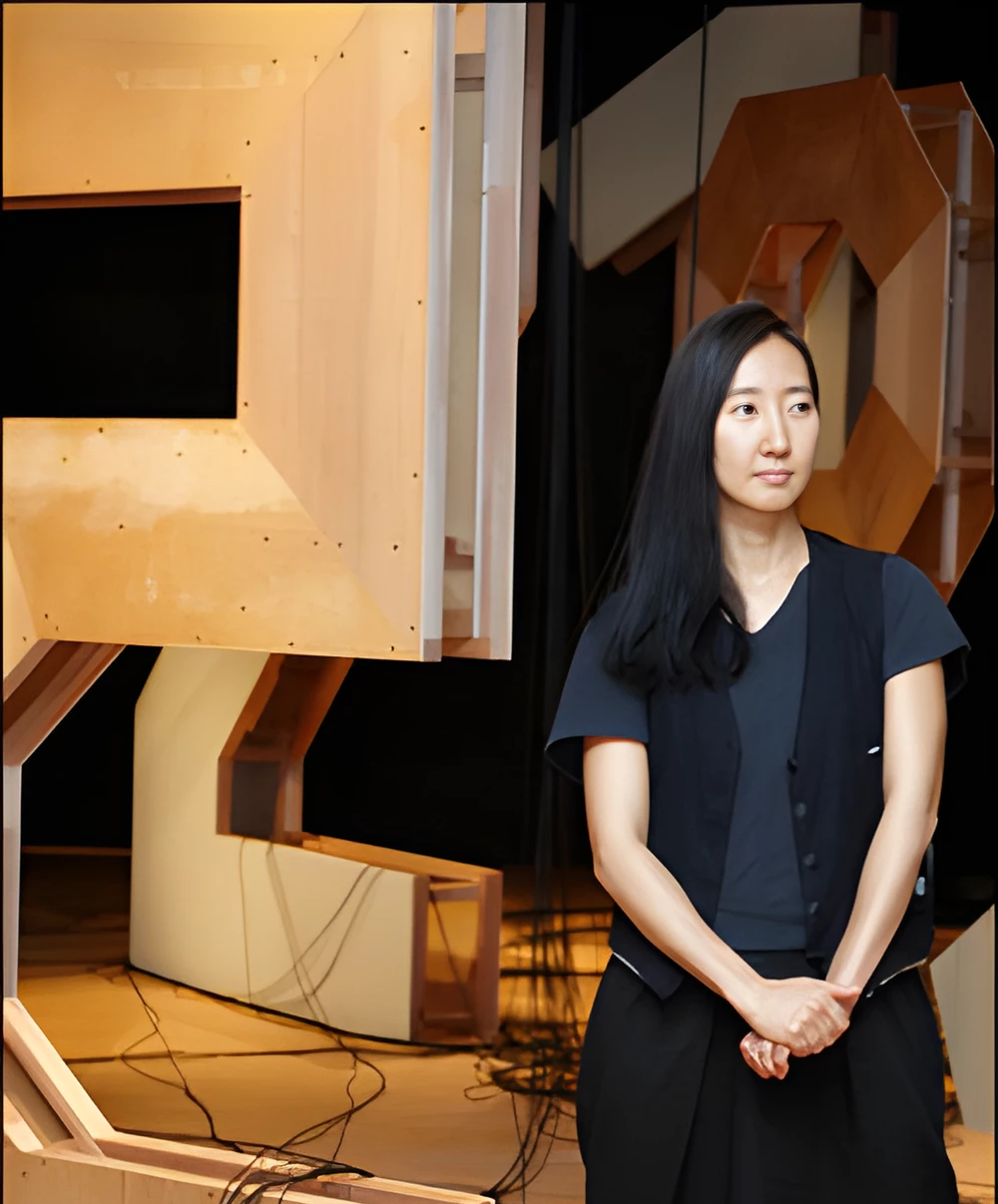
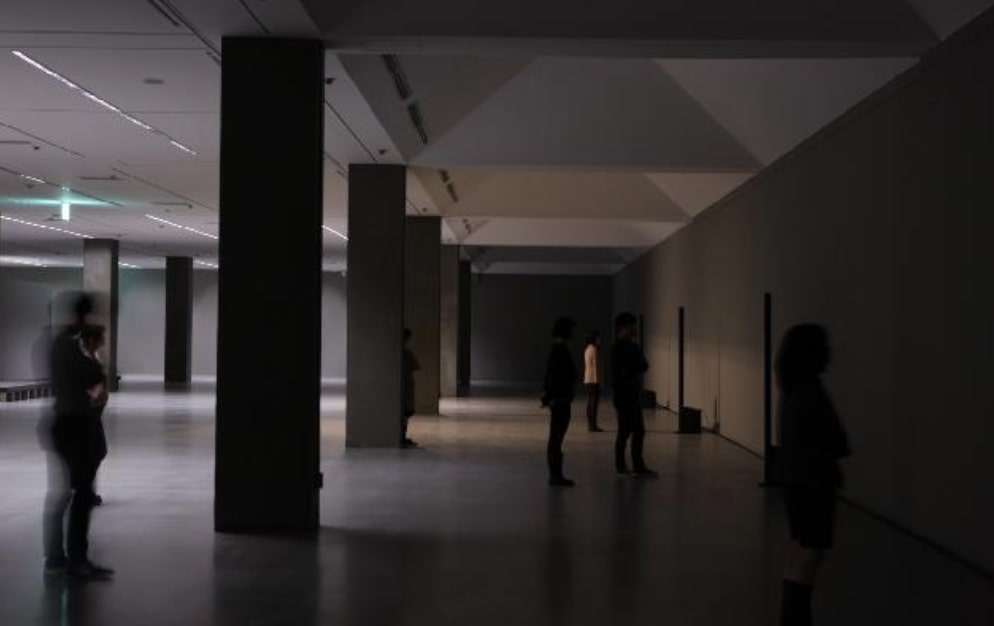
Sora Kim’s work has been exhibited in
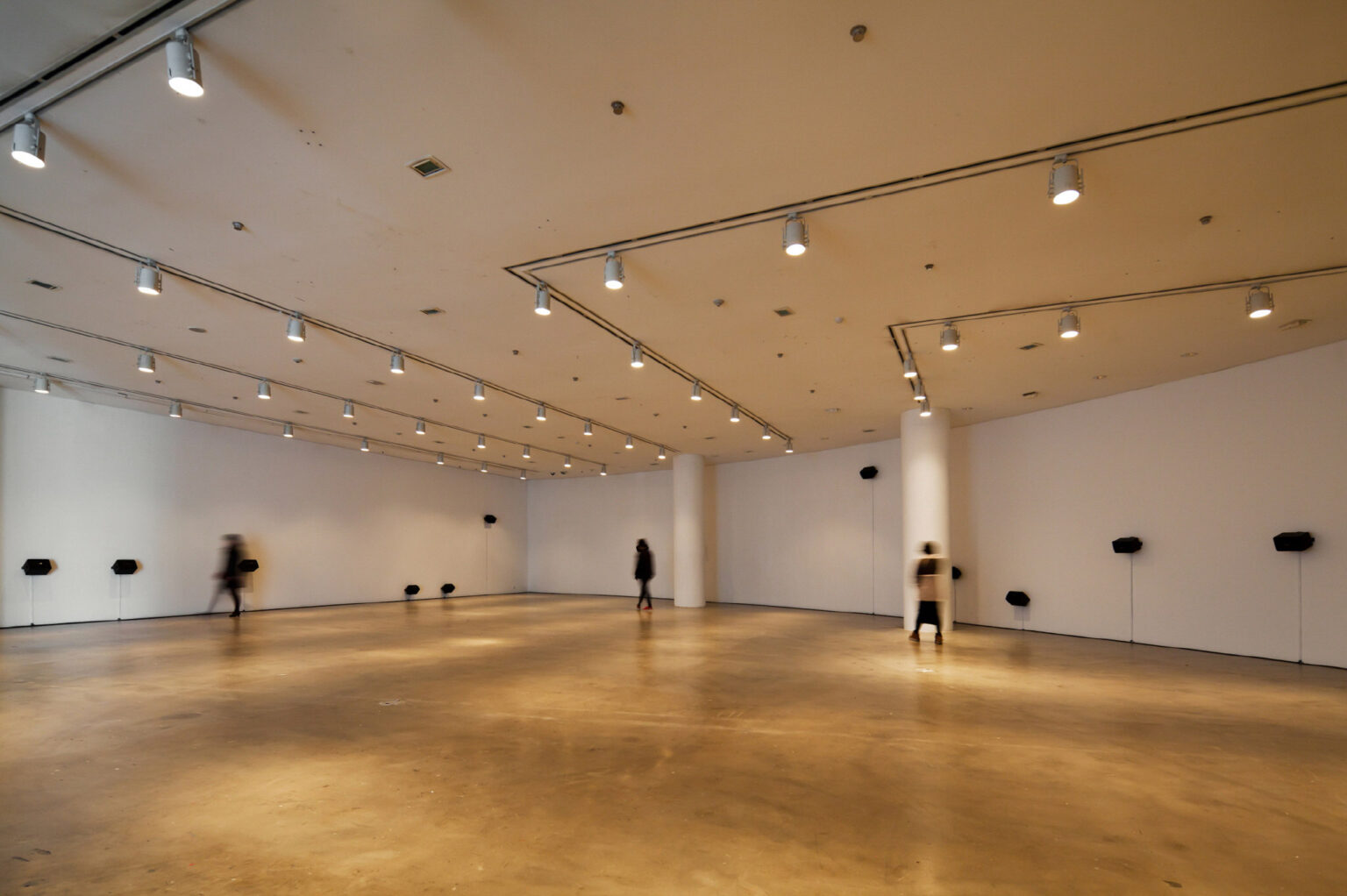
numerous shows around the world, including solo shows such as 《Songs from knee
to nose》 (National Museum of Modern and Contemporary
Art, Gwacheon, 2016); 2015 Artist of the Year 《2,3 Sora
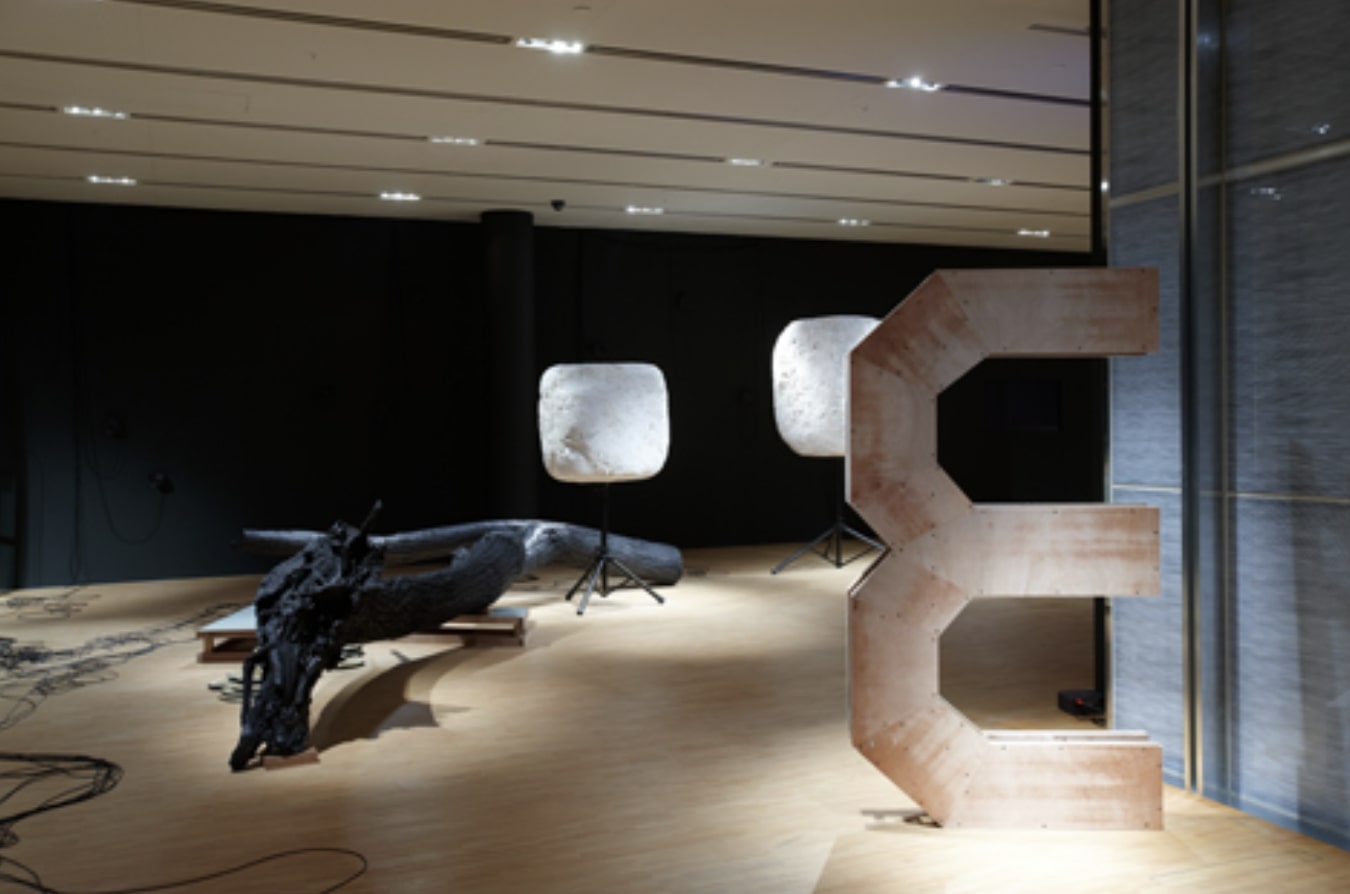
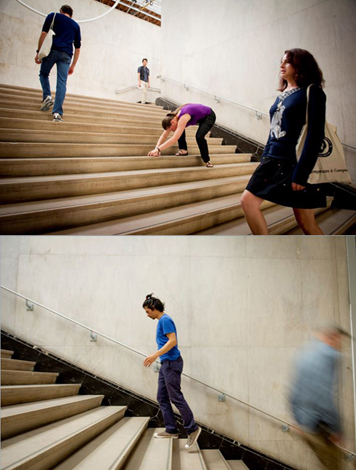
Kim》 (Korea Cultural Centre, London, 2015); 《Three Foot Walking》 (Kunsthal
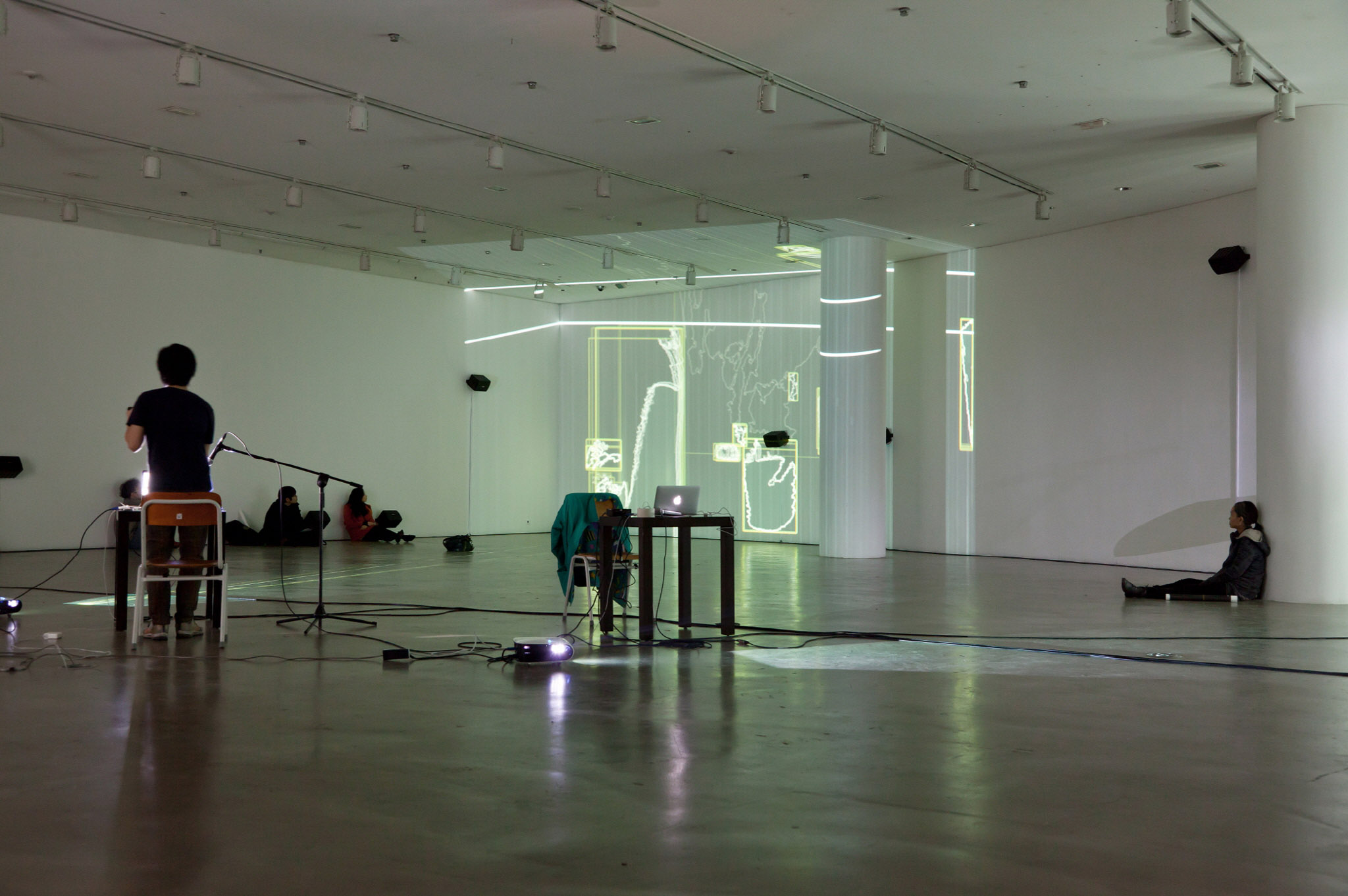
Charlottenborg, Copenhagen, Denmark, 2013); 《Abstract
Walking》 (Art Sonje Centre, Seoul, 2012); and 《Sora Kim Solo Exhibition》 (Atelier Hermès,
Seoul, 2010).
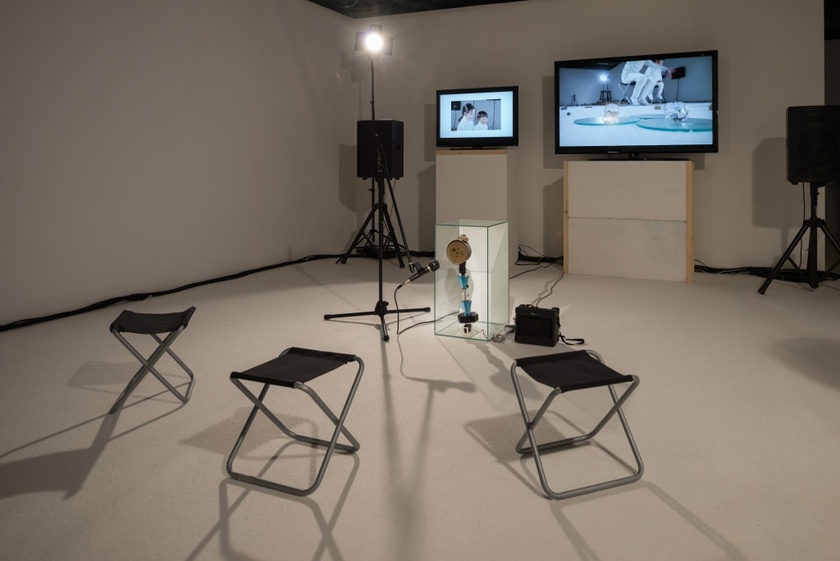
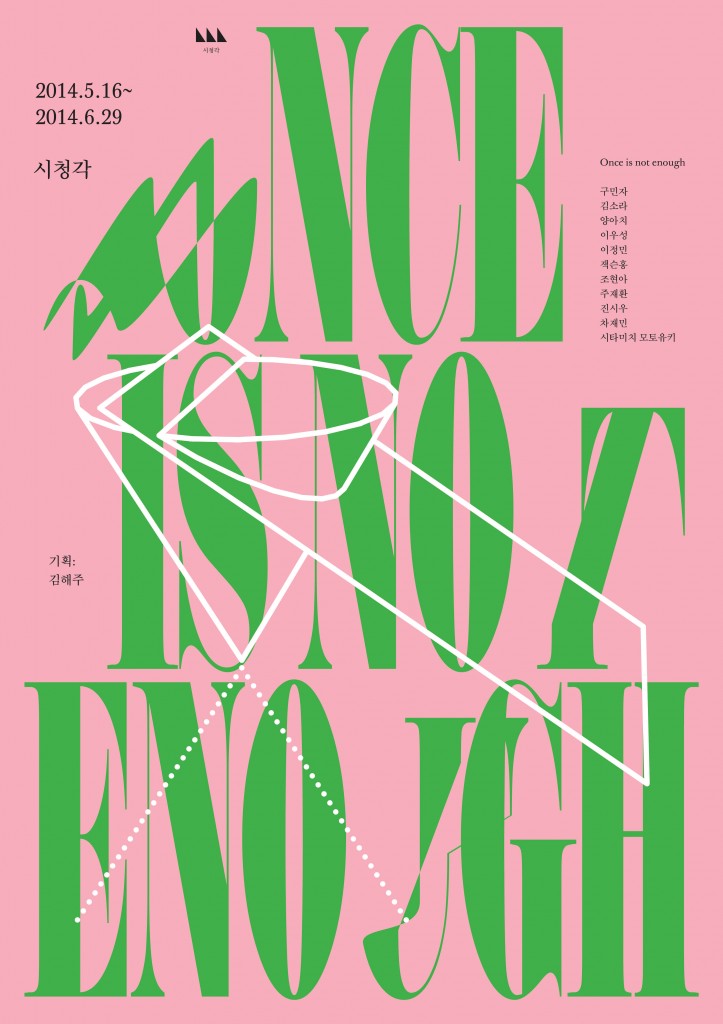
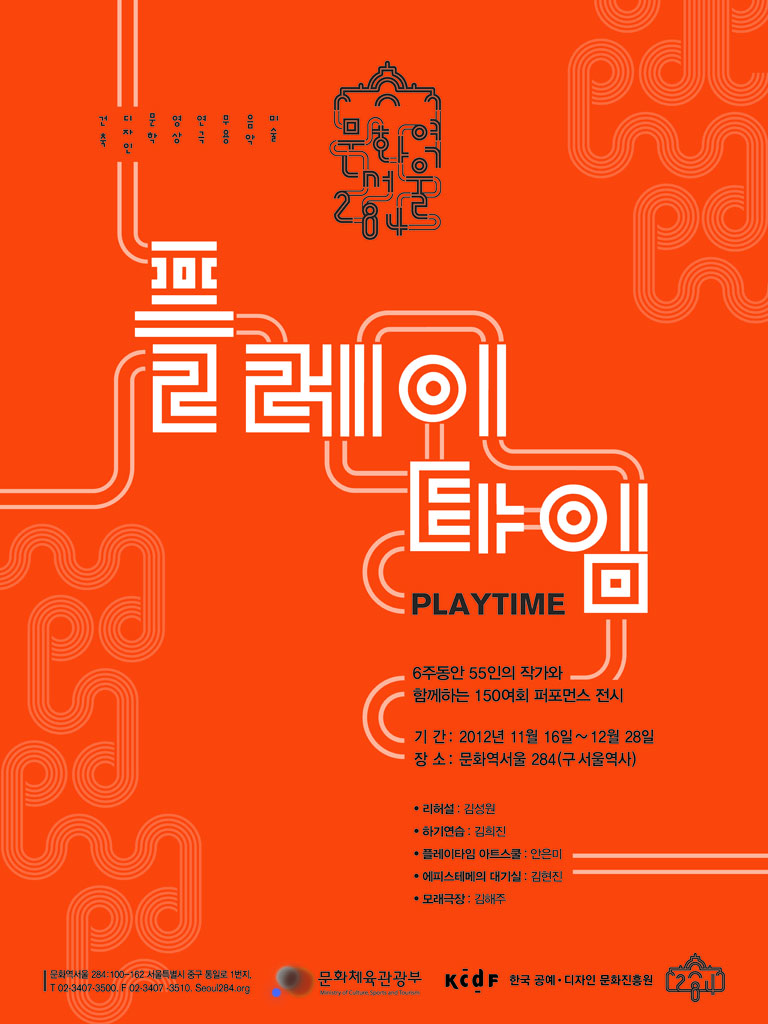
Group Exhibitions (Brief)
Sora Kim’s work has been exhibited in
numerous shows around the world, including solo shows such as 《Songs from knee
to nose》 (National Museum of Modern and Contemporary
Art, Gwacheon, 2016); 2015 Artist of the Year 《2,3 Sora
Kim》 (Korea Cultural Centre, London, 2015); 《Three Foot Walking》 (Kunsthal
Charlottenborg, Copenhagen, Denmark, 2013); 《Abstract
Walking》 (Art Sonje Centre, Seoul, 2012); and 《Sora Kim Solo Exhibition》 (Atelier Hermès,
Seoul, 2010).
Awards (Selected)
Sora Kim received an award from the Cité
Internationale des Arts in Paris, France(2007).
Residencies (Selected)
Sora Kim was selected for the Art/Omi Artists
Residency Program in New York, US (1997) and the Young-Eun Artists Residency
Program in Kyunggido, Korea (2000).
Collections (Selected)
Sora Kim's works are included in the collections of Kadist Art Foundation (USA), National Museum of Modern and Contemporary Art, Seoul Museum of Art, Art Sonje Center, POSCO Museum, and Maeil Dairies.